Restaurant takeaway box sleeves unit cost looks like a small line on a quote, but that number often controls the real economics of the packaging program. A sleeve that fits cleanly, prints sharply, and runs smoothly on the packing line saves labor and reduces waste. A sleeve that arrives with the wrong cut, weak glue, or poor print registration can slow staff, increase spoilage risk, and force rework. The lowest quote on paper is not always the lowest cost in use, which is why restaurant takeaway box sleeves unit cost has to be judged against fit, finish, throughput, and landed cost, not just the first number on the pro forma.
From the buyer's side, the sleeve has three jobs at once: it closes the box, carries the brand, and survives handling from counter to customer. If one of those jobs fails, the savings disappear quickly. A low per-piece price always gets attention, but a sleeve that keeps the line moving, stacks neatly, and holds up through pickup is what protects margin in practice. That is the real measure behind restaurant takeaway box sleeves unit cost.
Restaurant takeaway box sleeves unit cost: why the lowest quote can lose money
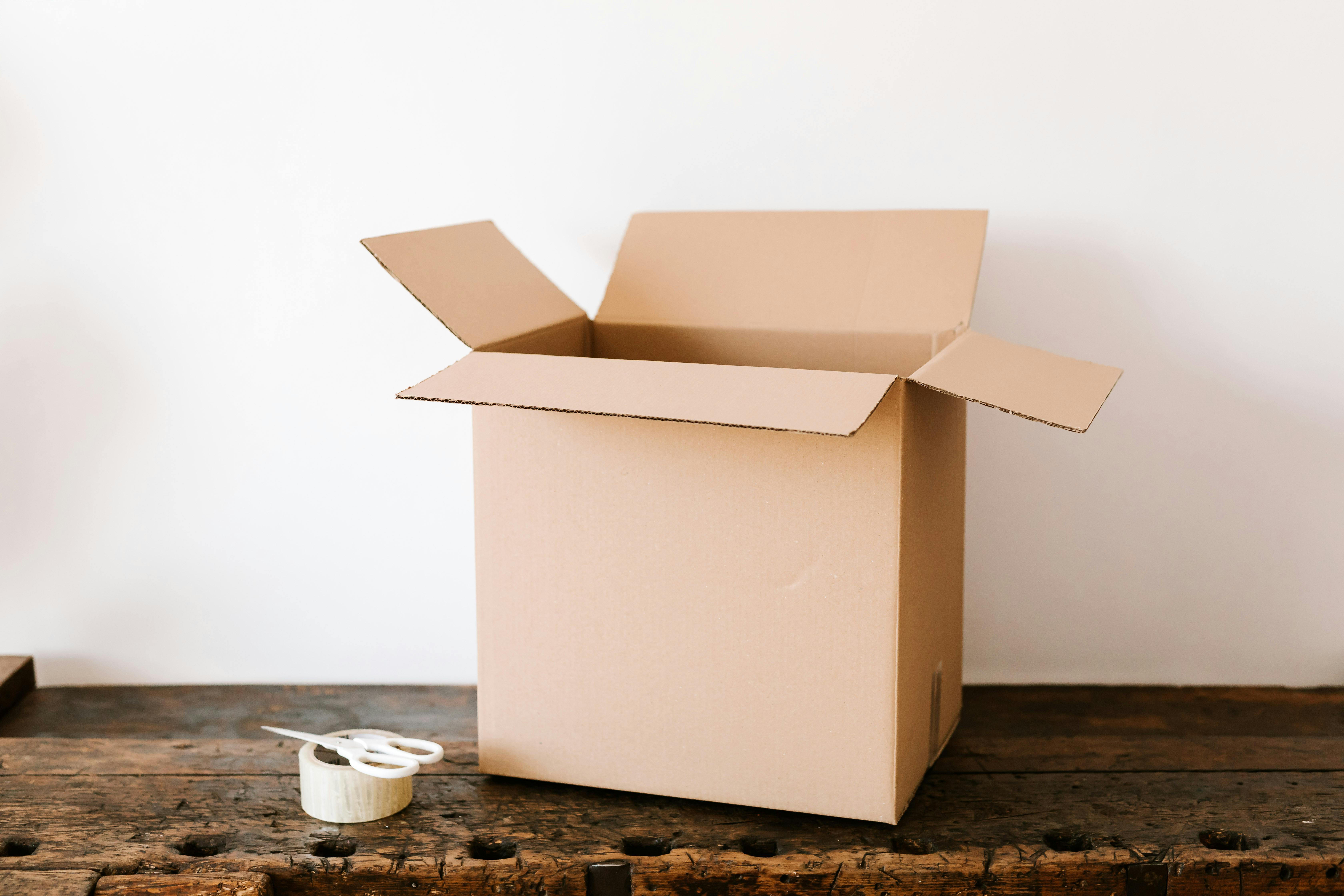
The cheapest quote often hides the costliest problems. A sleeve that saves a cent or two per piece but arrives with the wrong opening size, the wrong fold, or too little board caliper can slow packing and create rework in production. Savings disappear fast when staff have to force every sleeve into place or stop to correct a fit issue. Restaurant takeaway box sleeves unit cost only makes sense when the sleeve performs on the line and in transit.
Low quotes can also miss the mark in ways that do not show up until the order is already moving. A sleeve that needs hand assembly adds labor. A heavy print on the wrong stock can scuff or crack. A dieline that is based on the inside carton instead of the outer dimensions can make every packer work harder on every order. The first quote may still look lower. The final bill rarely stays there. That is why restaurant takeaway box sleeves unit cost should be compared as a complete system, not as a single line item.
Unit price and total landed cost are not the same thing. Unit price is the factory number. Total landed cost includes freight, carton packaging, setup charges, tooling, and the risk of a reprint if measurements or art are off. On small runs, freight and setup can easily add 15-35% to the landed figure. On larger runs, factory pricing matters more, but consistency still matters just as much. A buyer who chases the lowest restaurant takeaway box sleeves unit cost without checking the full scope usually ends up paying for a second round of fixes.
The simplest rule is the one that holds up in practice: for a high-volume pickup program, pay for predictable production instead of hoping for miracles. A sleeve that packs quickly, looks crisp at handoff, and stays intact through delivery is worth more than a prettier quote. Restaurant takeaway box sleeves unit cost should follow speed, fit, and perceived value because those are the things guests actually notice.
Two questions cut through most of the noise:
- Will the sleeve fit the exact box exterior dimensions without forcing staff to slow down?
- Will the print still look sharp after stacking, shipping, and pickup handling?
If either answer is shaky, the low bid is not the better bid. It is only the earlier mistake.
What you are actually buying: materials, structure, and print options
Restaurant takeaway box sleeves unit cost starts with the structure, because structure drives both material usage and machine time. Belly bands, wraparound sleeves, tab-lock sleeves, and quick-assembly formats all behave differently on the line. A belly band is the simplest and often the least expensive. A wraparound sleeve gives more coverage and usually feels more branded. Tab-lock versions can be sturdy, though the lock geometry adds complexity. Quick-assembly sleeves save labor at the packing station, which matters when staff are moving fast and order volume changes by the hour.
Material choice changes the picture just as much. Common board options include 14pt-18pt SBS, 250-350 gsm kraft board, CCNB with recycled backing, and recycled folding carton board in the 60-80% post-consumer range. SBS gives a clean print surface and sharper color. Kraft board gives a natural food-service look and does a better job hiding scuffs. CCNB can work well for value-focused programs. Recycled board supports sustainability goals, but stiffness, brightness, and ink holdout vary with fiber mix. In practical terms, the board you choose affects both appearance and restaurant takeaway box sleeves unit cost. Better stiffness and cleaner print usually cost more, and that is normal.
Finish selection affects the feel of the sleeve and the pace of production. Matte and uncoated stocks feel more natural and often stay friendlier to the budget. Gloss and aqueous coatings add protection and improve resistance to handling. Soft-touch and specialty coatings sit in a different tier entirely and belong on premium programs, not routine ones. If the sleeve will sit near steam, sauces, or chilled items, finish choice stops being decorative and becomes practical. A sleeve that rubs off or smudges inside the bag is not doing its job, no matter how polished it looked on screen. That affects restaurant takeaway box sleeves unit cost because a better finish can reduce complaints and reprints.
Print coverage changes the equation too. One-color branding is efficient and often the best choice for chains that want a clean, consistent look. Full-color CMYK opens more design options, but it adds press time, color control, and more room for corrections. Foil, embossing, and spot effects can create a strong shelf presence, yet they also increase tooling and setup charges. Most buyers do not need every embellishment available. They need a sleeve that reads clearly, stacks neatly, and makes it through production without surprises. That is what keeps restaurant takeaway box sleeves unit cost under control.
For buyers asking about compliance, the most relevant certifications depend on the spec. For paperboard sleeves, FSC chain-of-custody is commonly requested for responsibly sourced fiber. GRS is relevant when recycled content claims need third-party verification. WRAP and BSCI are useful factory social-compliance audits for labor and workplace standards. GOTS and OEKO-TEX Standard 100 are generally relevant only when the packaging program includes textile components, reusable fabric wraps, or a broader kit with skin-contact materials. If a supplier references certifications, ask for current certificate numbers, scope, and expiry dates rather than a logo alone.
The cleanest way to compare options is by structure, material, and print method side by side:
| Option | Typical use | Common material | Approx. unit cost at 500 MOQ | Approx. unit cost at 3,000 pcs | Notes |
|---|---|---|---|---|---|
| Belly band | Simple brand wrap, low handling time | Kraft or CCNB | $2.50-$4.00 | $0.12-$0.22 | Lowest tooling needs, limited print area |
| Wraparound sleeve | More coverage and stronger shelf presence | SBS or kraft board | $2.80-$4.80 | $0.16-$0.30 | Better branding, slightly more board usage |
| Tab-lock sleeve | Secure fit for repeat pickup packaging | SBS, recycled board, or kraft | $3.10-$5.20 | $0.18-$0.34 | More assembly complexity and tighter dieline control |
| Premium printed sleeve | Full-color launch, premium presentation | High-bright SBS with aqueous coating | $3.40-$6.00 | $0.24-$0.45 | More ink coverage, tighter color control, higher setup cost |
At 500 MOQ, a custom sleeve often lands in the $2.50-$4.00 per unit range because setup, make-ready, and tooling are spread across a small run. At 1,000-3,000 units, the same spec can drop sharply, especially if the die and plate set are already approved. For a standard 18pt SBS wraparound sleeve with 1-2 spot colors and aqueous coating, 18-22 business days after proof approval is a realistic production window before freight. Rush work is possible, but it usually adds cost and reduces schedule flexibility.
Common production methods include sheet-fed offset printing for clean brand color, flexographic printing for simpler one-color or two-color programs, and digital printing for short pilots or SKU tests. Conversion typically uses a die-cutting press, creasing rule, folder-gluer, and glue station, with optional inline window patching, embossing, or hot-foil stamping for premium jobs. For short-run sampling, digital proofing and flatbed cutting can speed up sign-off before the main press run.
Restaurant takeaway box sleeves pricing, MOQ, and unit cost breakdown
Pricing for restaurant takeaway box sleeves unit cost is usually driven by four buckets: board, print, conversion, and logistics. Board cost depends on caliper, coating, recycled content, and whether the sheet is virgin SBS or a kraft/recycled blend. Print cost depends on color count, ink coverage, and whether the job uses offset, flexo, or digital. Conversion cost depends on the complexity of the dieline, whether there is a tab-lock or auto-lock feature, and whether any special finishing is required. Logistics cost depends on how many sleeves fit in a master carton, whether pallets are required, and whether the shipment moves by air or sea.
For a typical custom sleeve program, the MOQ is often 500-1,000 pieces for digital or short-run work and 3,000-10,000 pieces for offset production. A pilot order at 500 MOQ is useful when a chain wants to check fit, shelf impact, and staff handling before scaling. Once the dieline is locked and the artwork is approved, a repeat order usually becomes much more efficient. That is where restaurant takeaway box sleeves unit cost starts to reward planning.
Sample stages matter because every stage removes risk before mass production:
- Dieline review: confirm exterior box dimensions, panel overlap, and lock position against the actual carton sample.
- Digital proof: check artwork, barcode placement, legal copy, and color expectations before plates or cylinders are made.
- White sample or structural sample: verify the fold, opening tension, and stacking behavior without print.
- Pre-production sample: approve the actual board, inks, coating, and final fold line before the full run.
- Production control sample: confirm the first-off pieces from the press and die-cut line before the order is released.
Inspection checkpoints should be written into the purchase order, not left to assumption. Good checkpoints include paper basis weight, board caliper, moisture content, die-cut accuracy within +/-0.5 mm, glue-line placement, crease integrity, print registration, and color consistency against an approved target. For visual control, a reasonable print tolerance is often Delta E under 2.0 for key brand colors on a controlled press run, though exact tolerances should be set to the brand standard. Functional checks should include sleeve fit on the actual box, scuff resistance after rubbing, and carton drop and compression checks for shipping stability.
Restaurant takeaway box sleeves unit cost drivers: size, finish, and run length
Size is the first cost driver because every extra millimeter of board adds material, cut time, and often a larger master carton footprint. Wider sleeves require more sheet usage and can reduce yield on the press sheet. Taller sleeves need more board and can raise the risk of cracking at the crease if the stock is too stiff. That is why restaurant takeaway box sleeves unit cost is usually lower when the dieline is tight and the blank size is efficient.
Finish is the second driver. An uncoated kraft sleeve can be economical, but if the artwork needs sharp color and clean type, a coated SBS stock may be the better spend. Aqueous coating is a common middle ground because it adds surface protection without the higher cost of lamination or specialty varnish. Lamination, foil, and embossing all raise cost by adding processes, machine time, and quality checks. When buyers ask for premium presentation, the extra spend is usually visible. When they ask for low cost, the most efficient answer is usually simpler print and fewer finishes.
Run length is the third driver, and it is often the most misunderstood. The setup cost for plates, die-cutting, and press calibration is mostly fixed. That means a 500-piece order can look expensive on a per-unit basis, while a 5,000-piece order can be dramatically cheaper. If the design is stable and the box size will stay the same for several months, ordering more at once usually lowers restaurant takeaway box sleeves unit cost. If SKUs change often, digital or hybrid production may be the safer choice even when the unit cost is higher, because it reduces obsolete inventory.
Additional variables can move the price more than buyers expect:
- Color count: 1-color flexo is usually cheaper than full CMYK offset with spot PMS matching.
- Artwork coverage: heavy ink coverage increases press time, drying time, and waste.
- Board grade: brighter, stiffer, or recycled-certified board costs more than standard stock.
- Pack configuration: loose sleeves are cheaper to pack than nested or retail-ready units.
- Quality level: tighter inspection and lower AQL targets increase sorting and labor.
If a program needs both speed and cost control, the usual sweet spot is a 14pt-18pt SBS or kraft sleeve with 1-2 colors, aqueous coating, and a flat dieline that can run on a standard sheet-fed press with automated die-cutting. That spec often keeps restaurant takeaway box sleeves unit cost in a practical range while still producing a clean customer-facing result.
Process and timeline: from dieline check to delivery
A clean process is what turns a quote into a predictable order. The first step is dieline check. The supplier should confirm the outer dimensions of the actual box, not just the nominal size on the product page. A sleeve that looks right on paper can still fail if the box has a bulge, lid lip, or glued seam that changes the exterior profile. That is why a physical carton sample is the best starting point.
After the dieline is confirmed, artwork moves to digital proofing. This is where barcode placement, legal copy, bleed, and color targets are checked. If the design includes spot colors, PMS references should be matched against a standard and not treated as a screen approximation. For brands with strict color rules, a signed hard proof or a calibrated press proof should be part of the approval record.
Once the proof is approved, the shop prepares the run. That usually means plate making or digital setup, board sheeting if the stock arrives in large parent sheets, die-cut tooling setup, and glue test on the folder-gluer. The first-off pieces should be inspected before the full run is released. A good first-off check looks at cut quality, crease cracking, glue placement, color density, and fit on the actual carton.
A typical production timeline for a standard order is 18-22 business days after proof approval, depending on board availability, finishing complexity, and shipping method. Short digital runs can be faster. Offset jobs with foil, embossing, or specialty coating can take longer. Ocean freight adds more calendar time but can lower landed cost on larger programs. Air freight shortens the timeline but usually raises the all-in number significantly.
Before shipment, final inspection should confirm quantity, packing count, carton labels, pallet labels, and outer carton integrity. It should also verify that the sleeves are flat, dry, and free from rub marks or crushed corners. If the order is going into a multi-store rollout, it helps to label cartons by SKU and store allocation so the receiving team can move faster on arrival.
Why buyers choose us for custom takeaway box sleeves
Buyers usually choose a supplier for three reasons: reliable fit, consistent print, and controlled total cost. The best programs are the ones where the sleeve is designed around the actual carton, not adapted after the fact. That reduces waste, keeps production simpler, and makes restaurant takeaway box sleeves unit cost easier to forecast from the start.
We focus on practical production choices that matter in real packaging lines: board that can be creased without cracking, print that stays legible after handling, and a dieline that opens and closes without forcing staff to slow down. That usually means standard board grades, sensible color counts, and a finish chosen for use rather than style alone. Where certification is required, we can align the order with FSC, GRS, WRAP, or BSCI documentation as appropriate to the project scope.
The goal is not to overspec the job. The goal is to match the spec to the use case. A sleeve for a high-volume pickup counter is not the same as a premium launch sleeve for a limited seasonal menu. One needs speed and consistency. The other needs more brand impact. In both cases, restaurant takeaway box sleeves unit cost improves when the design is built around the real operating environment.
Next steps: compare specs, request samples, and order with confidence
If you are comparing suppliers, ask for the same things from each one so the quotes can be compared fairly. Request the exact board grade, thickness, print method, finish, dieline, MOQ, setup fee, and lead time. Ask whether the quote includes tooling, freight, and carton packing, because missing those items can make the lowest bid look better than it really is. For restaurant takeaway box sleeves unit cost, apples-to-apples comparison matters more than a low headline number.
Before placing a production order, it is smart to request a structural sample, a digital proof, and a pre-production sample if the design is new. That sequence catches fit issues, print issues, and assembly issues before the full run begins. It also gives the internal team a chance to confirm branding, legal copy, and shelf presentation.
If the launch schedule is tight, the safest path is usually a short-run pilot at 500-1,000 units, then a higher-volume production order once the dieline and artwork are approved. That approach protects speed without locking the brand into an expensive mistake. It also makes restaurant takeaway box sleeves unit cost more predictable for future reorders.
FAQ
What is a realistic MOQ for custom takeaway box sleeves?
A realistic MOQ is often 500-1,000 pieces for digital or short-run work and 3,000-10,000 pieces for offset production. The exact MOQ depends on board, print method, and finishing.
How much should I expect to pay at 500 MOQ?
For a custom sleeve, $2.50-$4.00 per unit is a realistic range at 500 MOQ, before freight. More complex print, premium board, or specialty finishing can push it higher.
How long does production usually take?
A standard order typically takes 18-22 business days after proof approval. Complex finishing, material shortages, or expedited freight can change that timeline.
Which certifications matter most?
For paperboard sleeves, FSC and GRS are common for material claims, while WRAP and BSCI are common social-compliance references. OEKO-TEX Standard 100 and GOTS are generally relevant only when textile or skin-contact components are part of the broader packaging program.
What inspection points should I ask for?
Ask for checks on board caliper, die-cut accuracy, crease quality, glue strength, print registration, color consistency, fit on the actual box, and carton count before shipment.


