Cheap packaging can turn expensive after one delivery cycle. I’ve watched teams chase a low unit price, then realize their restaurant takeaway shipping tubes cost was actually higher once replacement shipments, refunds, and support time started stacking up. If a rolled menu, promo poster, or branded insert arrives crushed, the damage rarely stops at one tube; after customer service time, reprint work, and reship freight, total impact often lands around 2–3x the original shipment value.
Restaurant Takeaway Shipping Tubes Cost Starts With One Hidden Variable: Damage Risk
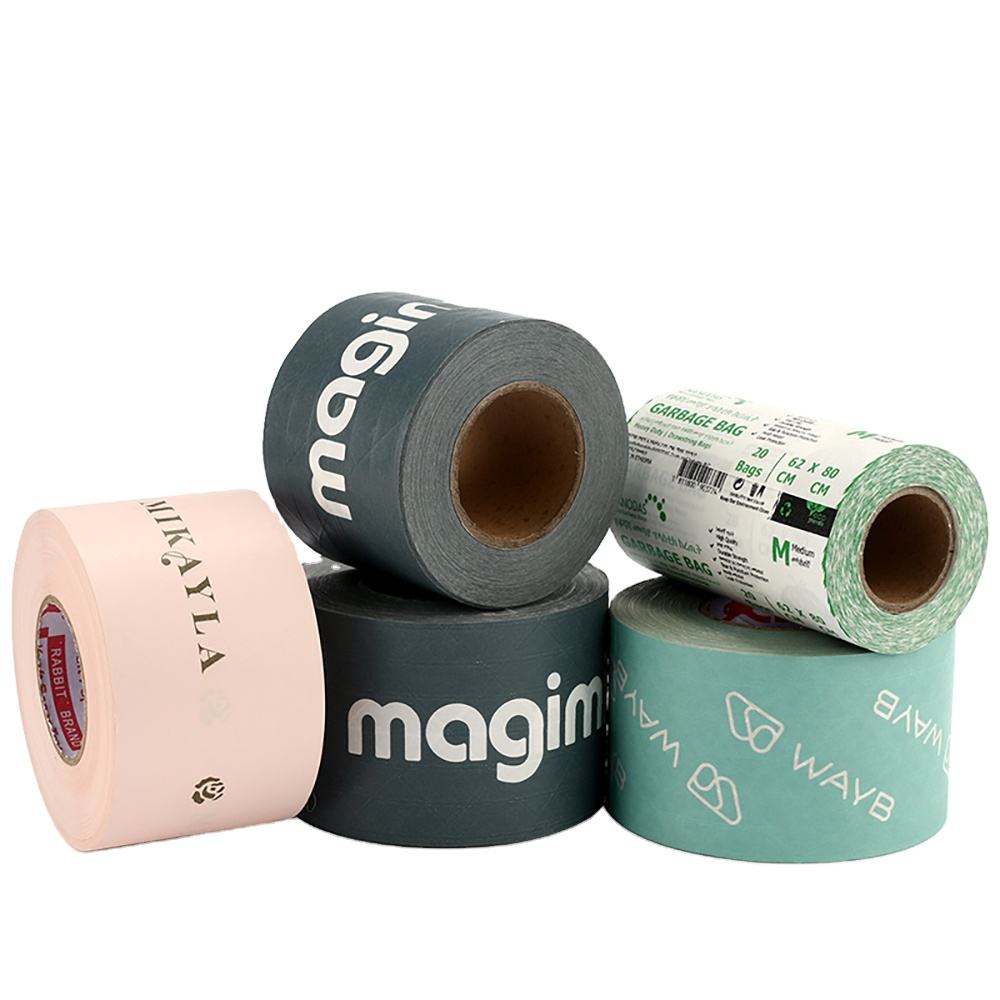
Most buyers start with piece price. Experienced buyers calculate total landed cost. That means tube price, cap price, inbound and outbound freight, damage rate, pack-line labor, and claim handling all on the same sheet. That is the math behind restaurant takeaway shipping tubes cost decisions that hold up after several campaigns, not just a pilot run that looked good on paper.
A pattern shows up across food-service fulfillment programs: weak or loosely spec’d mailers may survive lightweight flyer shipments, but crush risk climbs fast once rolled stock carries spring tension. A properly specified spiral-wound or convolute-wound tube with the right wall thickness usually cuts crush-related returns by a visible margin. In many parcel networks, even a 1.5% drop in damage rate can pay back a moderate material upgrade within one reorder cycle.
That’s why restaurant takeaway shipping tubes cost should be treated as a risk-adjusted number, not a flat catalog line item. If your pack-out team is hand-stuffing void fill or double-bagging “just in case,” your unit economics are already signaling a specification mismatch.
Total landed cost formula buyers actually use
- Tube + cap unit cost
- Inbound freight for shipping materials
- Pack-line labor minutes per order fulfillment batch
- Damage and return rate
- Customer support touch time per incident
- Reprint/repack expense during campaigns
Strong results come from balancing protection and weight. Overbuilding raises material and freight cost. Underbuilding raises claims and replacement work. Both outcomes inflate restaurant takeaway shipping tubes cost, just through different channels.
The practical target is a tube inner diameter and wall structure matched to the true rolled-item diameter, followed by transit testing before full rollout.
Custom tubes also create something generic packs often miss: a deliberate delivery experience. For premium meal kits, chef-collaboration drops, franchise launch kits, or loyalty mailers, the tube itself becomes part of the brand signal. That signal can be measured; campaign recall tends to improve when packaging is recognizable in transit and at doorstep handoff.
You’ll find the major cost drivers below, including MOQ breakpoints, print choices, material effects, and lead-time mechanics. The objective is simple: reduce revision loops, control restaurant takeaway shipping tubes cost, and place volume orders with fewer surprises.
Value Proposition: Why Restaurants Buy Custom Takeaway Shipping Tubes Instead of Generic Mailers
First, define the product clearly. Restaurant takeaway shipping tubes are rigid or spiral-wound cylinders—typically kraft, white-lined, or recycled fiber—sealed with paperboard, plastic, or metal-style caps to protect rolled contents. Common inserts include menus, promotional prints, loyalty posters, chef cards, and limited-edition assets for ecommerce drops.
Generic stock tubes can work. Custom tube programs work predictably. Procurement teams usually care more about repeatability than one-off savings. Restaurant takeaway shipping tubes cost may look higher on day one for custom formats, but performance variance usually shrinks over repeat runs because dimensions, print registration, and pack quantities stay controlled.
Four measurable outcomes: stock vs custom
| Factor | Generic Stock Tube | Custom Tube Program | Cost Impact |
|---|---|---|---|
| Package protection | Variable by lot and fit | Engineered to item diameter and wall spec | Lower returns can offset higher unit cost |
| Pack speed | May require extra void fill/tape | Right-size fit, fewer handling steps | Lower labor per order fulfillment cycle |
| Brand visibility | Minimal | Printed exterior supports campaign recall | Higher response/retention potential |
| Waste and dimensional weight | Over/under sizing common | Fit-to-product sizing reduces dead space | Fewer dimensional weight penalties |
Dimensional shipping bands quietly drain budget. A tube that is only 20–30 mm wider than needed can push cartons into a higher courier bracket. That one sizing miss can move blended freight cost faster than many teams expect. Restaurant takeaway shipping tubes cost is never only a materials decision; it is a logistics decision too.
Multi-location chains gain another advantage from standardization. If every site receives the same transit packaging and fixed carton counts, replenishment planning gets cleaner, shrink claims drop, and packaging audits are easier to run.
If your programs need multiple packaging formats, review related options as well: Custom Packaging Products can be mapped by campaign type, and hybrid programs often combine tubes with Custom Shipping Boxes for mixed kits.
Product Details That Influence Restaurant Takeaway Shipping Tubes Cost
Material selection goes far beyond “brown or white.” It changes stiffness, print behavior, moisture response, and final economics. Restaurant takeaway shipping tubes cost should be estimated only after core structure choices are locked.
Material and board options
Kraft board is usually the baseline for durability and value. White-lined board supports stronger color contrast for branded graphics, though cost can rise based on print coverage and finish selection. Recycled-content board may support sustainability targets written into procurement policies, with availability that can shift by region and supply cycle.
Distribution lanes with humidity swings may benefit from moisture-resistant coatings. In damp last-mile environments, short-term performance can improve noticeably. Some lanes won’t need that upgrade, and that’s an honest place to save. Applying specialty coatings without lane data usually pushes restaurant takeaway shipping tubes cost up without measurable return.
Tube construction choices
- Spiral-wound: widely used, production-efficient, reliable all-purpose strength profile.
- Convolute-wound: often offers a cleaner exterior for premium print wraps; strength can be excellent when specified correctly.
- Wall thickness range: lighter profiles for lightweight inserts; heavier gauges for longer tubes or denser rolled media.
Cap style affects results more than many buyers expect. Friction-fit paperboard caps are often cost-efficient and recycling-friendly. Plastic caps can improve reclosure reliability in certain use cases. Metal-look ends can elevate presentation but usually add both unit and assembly cost. Every cap decision shifts restaurant takeaway shipping tubes cost, packing speed, and claim risk.
Print complexity and setup economics
One-color flexo is generally the most efficient route for large runs. Multi-color offset or digitally printed wraps deliver stronger visual quality, especially for gradients and high-contrast brand assets. Setup and per-unit costs rise, particularly at lower MOQs. Seasonal premium drops may justify that spend, while utility packaging often performs better with simpler print plans.
Print coverage percentage is a major variable. A 20% logo panel and a 95% full wrap are completely different workloads in ink use, registration sensitivity, and inspection time. If restaurant takeaway shipping tubes cost looks inconsistent between suppliers, print coverage is often the hidden reason.
Operational details buyers often miss
Small features can improve throughput on busy lines: pull tabs, tamper-evident labels, pre-applied closure dots, and orientation marks. One saved motion across 10,000 shipments becomes real money, fast.
Sustainability choices also affect cost, not just brand messaging. Recycled fiber can support policy approvals. Lightweighting may reduce freight exposure. Excessive lightweighting can hurt protection and increase claims, so it’s gotta be tested, not guessed. Validate with transit testing and use recognized frameworks like ISTA procedures and fiber sourcing guidance from FSC.
Bottom line: avoid over-specification. Teams regularly pay for heavier walls that bring no measurable gain in actual courier handling. That drives restaurant takeaway shipping tubes cost up twice—first in materials, then again in freight.
Specifications Buyers Should Lock Before Requesting a Quote
Fast, accurate pricing starts with frozen specs. Incomplete inputs are the most common reason restaurant takeaway shipping tubes cost estimates swing from one revision round to the next. I still see this on mature teams: excellent operators, rushed brief.
Quote-readiness checklist
- Inner diameter (ID)
- Usable length and total length
- Wall thickness target or crush requirement
- Board grade preference (kraft, white-lined, recycled content %)
- Cap material and fit style
- Print method and color count
- Finish (matte, gloss, uncoated)
- Master carton pack quantity
- Target quantity tiers (pilot + scale volumes)
Tolerances are operational, not administrative. If rolled inserts vary tightly in diameter, loose ID tolerance can cause insertion jams or cap blow-off in transit. Manual pack-out may tolerate wider ranges. Semi-automated lines usually need tighter ranges and preproduction validation.
Restaurant takeaway shipping tubes cost can rise with tighter control, though labor savings and defect reduction often outweigh that increase.
Environmental conditions matter just as much: humidity, depot stacking pressure, and long-haul vibration all influence compression needs. Buyers should request compression or burst targets based on actual shipping lanes, not assumptions.
Run a pilot before full rollout. Use controlled drop tests, compression checks, and a small live shipment across top delivery zones. Include short-haul and long-haul lanes. Track scuffing, dent rates, and cap retention. This stage confirms whether projected restaurant takeaway shipping tubes cost aligns with field performance.
Mini decision matrix
| Priority | Best Spec Direction | Trade-Off |
|---|---|---|
| Maximum rigidity | Heavier wall, reinforced caps, tighter tolerances | Higher unit cost and possible freight increase |
| Lower freight weight | Right-sized diameter, optimized wall thickness | Requires tighter validation testing |
| Premium brand look | White-lined board + high coverage print wrap | Higher print/setup costs |
Quote-ready teams move faster through procurement. Clear specifications reduce back-and-forth, shorten cycle time, and make restaurant takeaway shipping tubes cost easier to benchmark across suppliers.
Restaurant Takeaway Shipping Tubes Cost, Pricing Tiers, MOQ, and Unit Cost Math
This is usually the section buyers check first. Restaurant takeaway shipping tubes cost is built from fixed costs plus variable costs. Fixed costs include setup, tooling adjustments, prepress, and initial QA preparation. Variable costs include board input, cap material, print coverage, finishing, packing, and freight.
How MOQ changes economics
MOQ is tied to machine efficiency, material yield, and setup amortization. At lower quantities, fixed setup is spread across fewer units, so restaurant takeaway shipping tubes cost per piece rises quickly. At higher quantities, those fixed charges dilute and per-unit pricing drops.
A practical request is three pricing tiers:
- Pilot tier: validates fit, print, and handling
- Mid-scale tier: campaign-level economics
- Rollout tier: multi-location replenishment
Those tiers reveal the true slope of restaurant takeaway shipping tubes cost instead of one isolated quote that hides scale behavior.
Typical cost drivers and where they show up
| Cost Component | What Increases It | How to Control It |
|---|---|---|
| Material input | Larger diameter, heavier wall, premium board | Right-size dimensions and validate minimum viable wall |
| Cap system | Upgraded cap materials, specialty closures | Match cap to handling risk, avoid cosmetic upgrades by default |
| Printing | High coverage, multi-color, tight color tolerance | Use simpler graphics for utility runs; premium print for hero campaigns |
| Packing | Special cartons, low pack counts, extra separators | Optimize master carton configuration for warehouse flow |
| Freight | Rush mode, inefficient carton cube, split-ship | Plan earlier and consolidate destinations where possible |
Hidden charges are where quote comparisons often fail. Ask directly about artwork correction fees, prepress versioning, rush premiums, split-delivery charges, and minimum line-item fees for special cartons. Missing those details can distort restaurant takeaway shipping tubes cost by double digits on smaller runs.
Apples-to-apples quote comparison checklist
- Are ID, length, wall thickness, and cap material exactly matched?
- Is print method equivalent, including coverage and color tolerance?
- Are QC standards documented (AQL or equivalent acceptance rules)?
- Are freight terms aligned (EXW, FOB, or delivered duty terms)?
- Are reprint conditions and defect-resolution terms written clearly?
From a procurement standpoint, restaurant takeaway shipping tubes cost should be evaluated through total cost of ownership. If a custom tube cuts damage claims by 0.8% and removes 20–30 seconds from each pack-out cycle, it can outperform a cheaper stock tube by a wide margin at scale. We’ve measured this in live programs where labor time, not board cost, was the bigger leak.
Campaign retention is another factor teams often miss. Branded transit packaging can extend the life of promotional inserts because recipients are more likely to keep high-quality tubes for storage. Messaging duration often beats flat mailers that are discarded quickly. First campaigns may not capture this fully, but premium franchise programs usually see the difference over time.
Operations shipping mixed product types should separate where tubes are essential and where alternatives work better. Some programs split usage between tubes and Custom Poly Mailers to manage mixed-SKU economics. That hybrid structure can reduce blended restaurant takeaway shipping tubes cost by reserving tube spend for high-risk rolled assets only.
I’ll be direct: the cheapest quote can produce the most expensive rollout.
Restaurant takeaway shipping tubes cost is best optimized by engineering the right spec, validating quickly, and scaling with transparent line-item pricing.
Production Steps, Lead Time, and Turnaround: From Artwork to Delivery
Lead-time issues usually begin before manufacturing starts. Missing drawings, unclear tolerance notes, and late approvals can add days in a hurry. If you need stable restaurant takeaway shipping tubes cost and reliable launch timing, map the workflow early and keep ownership clear at each checkpoint.
Standard process stages
- Consultation: product use case, risk profile, and volume tiers
- Dieline/spec confirmation: dimensions, materials, caps, print method
- Proofing: artwork placement, color intent, barcode/readability checks
- Sampling: physical or preproduction samples for fit and handling
- Production: tube winding, cutting, printing, cap prep
- QA: dimensional checks, visual checks, cap retention checks
- Packing and dispatch: cartonization, palletization, shipping release
Typical turnaround often lands around 12–15 business days from final proof approval for straightforward runs, though timing varies by region, material availability, and seasonality. Larger volumes, complex wraps, and specialty cap sourcing can extend timelines. These are normal drivers and should be disclosed before PO signoff so restaurant takeaway shipping tubes cost and delivery commitments stay realistic.
Standard vs expedited runs
Expedited production can reduce schedule risk, though it usually carries a premium. Rush runs may also limit print-adjustment flexibility or trigger substitute material approval decisions. Date-sensitive campaigns may justify the added cost. For less urgent programs, early planning often beats paid acceleration.
Four approval milestones prevent delay:
- Signed technical drawing/spec sheet
- Color and artwork approval
- PO confirmation with quantity tiers
- Deposit and shipping instruction confirmation
Miss one milestone and the whole timeline shifts. Urgent freight gets booked, and restaurant takeaway shipping tubes cost rises for reasons that have nothing to do with material choice.
Risk controls worth requiring
Ask for in-process QC at key checkpoints, not only final inspection. Request pre-shipment verification records for dimensions, cap fit, print conformance, and carton counts. Launch-critical campaigns should carry contingency stock or staggered dispatch plans so one lane delay doesn’t stall every location.
Practical rule: backward-plan from launch date with one approval buffer window and one logistics buffer window. Most avoidable overruns in restaurant takeaway shipping tubes cost come from compressed decisions, not board price.
A dependable planning model starts with the campaign date, then works backward through delivery deadline, production completion, sample signoff, proof approval, and quote lock. Keep each gate on the calendar. Procurement gets cleaner, finance gets fewer surprises, and operations gets packaging on time.
Why Choose Us and Your Next 3 Steps to Get an Accurate Quote Fast
Custom Logo Things is built for practical packaging procurement, not vague estimates. Buyers need repeatable specs, clear quote logic, and responsive support. Plenty of suppliers still miss that standard. Strong packaging partners don’t.
Our approach to restaurant takeaway shipping tubes cost is transparent: line-item pricing, clear assumptions, and proactive spec feedback before commitment. If wall thickness can be reduced without raising damage risk, we’ll say so. If a print method is excessive for the use case, we’ll flag it. Savings should come from better engineering, not reduced reliability.
What differentiates service quality
- Packaging specialization: tube specs aligned to real transit handling
- Repeat-order consistency: controlled dimensions and stable pack configurations
- Customization range: structure, cap, print, and finish options matched to channel
- Responsive support: faster revisions when briefs are complete
We also help buyers compare scenarios side by side: one path optimized for cost, another optimized for presentation, both using the same dimensions with different finish and print complexity. Restaurant takeaway shipping tubes cost trade-offs become clear before the first volume PO is placed. That clarity is kinda underrated until a campaign deadline gets close.
Your next 3 steps
- Submit a complete brief: ID, length, wall target, cap preference, artwork status, quantity tiers, destination, and required delivery window.
- Request two quote models: cost-optimized and premium presentation, each with MOQ options and freight terms.
- Approve a pilot run: validate handling and delivery outcomes, then lock a reorder framework for scale.
Provide exact specifications upfront and quote cycles usually compress dramatically. Add destination lanes and timing constraints, and freight plus production planning becomes much more accurate.
Actionable takeaway: build a one-page cost model before approving your next PO, with five columns only—unit price, freight, pack labor time, damage rate target, and lead-time buffer. If a quote lowers unit price but weakens any of the other four, your true restaurant takeaway shipping tubes cost is likely going up, not down.
Frequently Asked Questions
What is the typical restaurant takeaway shipping tubes cost per unit at different order volumes?
Restaurant takeaway shipping tubes cost per unit usually drops as order size increases because setup and tooling are spread across more pieces. Diameter, wall thickness, cap type, and print coverage drive the largest swings. Ask for three-tier pricing—pilot, mid-volume, and rollout—to see the real scale curve before committing.
How does MOQ affect custom takeaway tube pricing for restaurant campaigns?
MOQ shapes machine efficiency and setup allocation. Below MOQ, restaurant takeaway shipping tubes cost per unit can rise sharply due to fixed handling and prepress overhead. If your first run is moderate, share a realistic reorder forecast; planned cadence often improves pricing terms.
Which specs have the biggest impact on takeaway shipping tube unit cost?
The biggest drivers are board grade and thickness, tube dimensions, cap material, and print method. Tight tolerances and premium finishes raise cost but may be justified for high-visibility campaigns. Right-sized dimensions can reduce both material spend and dimensional weight exposure in parcel billing.
What lead time should I expect for custom restaurant takeaway shipping tubes?
Lead time depends on artwork readiness, sample approval speed, production load, and freight mode. Straightforward runs are generally faster when specs are complete and substitutions are unnecessary. Add buffer for proof approvals and final QC when launch dates are fixed.
How can I get the most accurate quote for restaurant takeaway shipping tubes cost?
Share exact ID, length, wall thickness, cap preference, print files, and quantity tiers. Include destination and required delivery window so freight can be priced correctly. Request line-item detail for materials, printing, packing, and shipping to compare restaurant takeaway shipping tubes cost across suppliers on equal terms.

