Retail Bucket Hat Brim Stitch Tolerance Buyer’s Checklist
Bucket Hats Brim Stitch Tolerance Checklist for Retail Orders
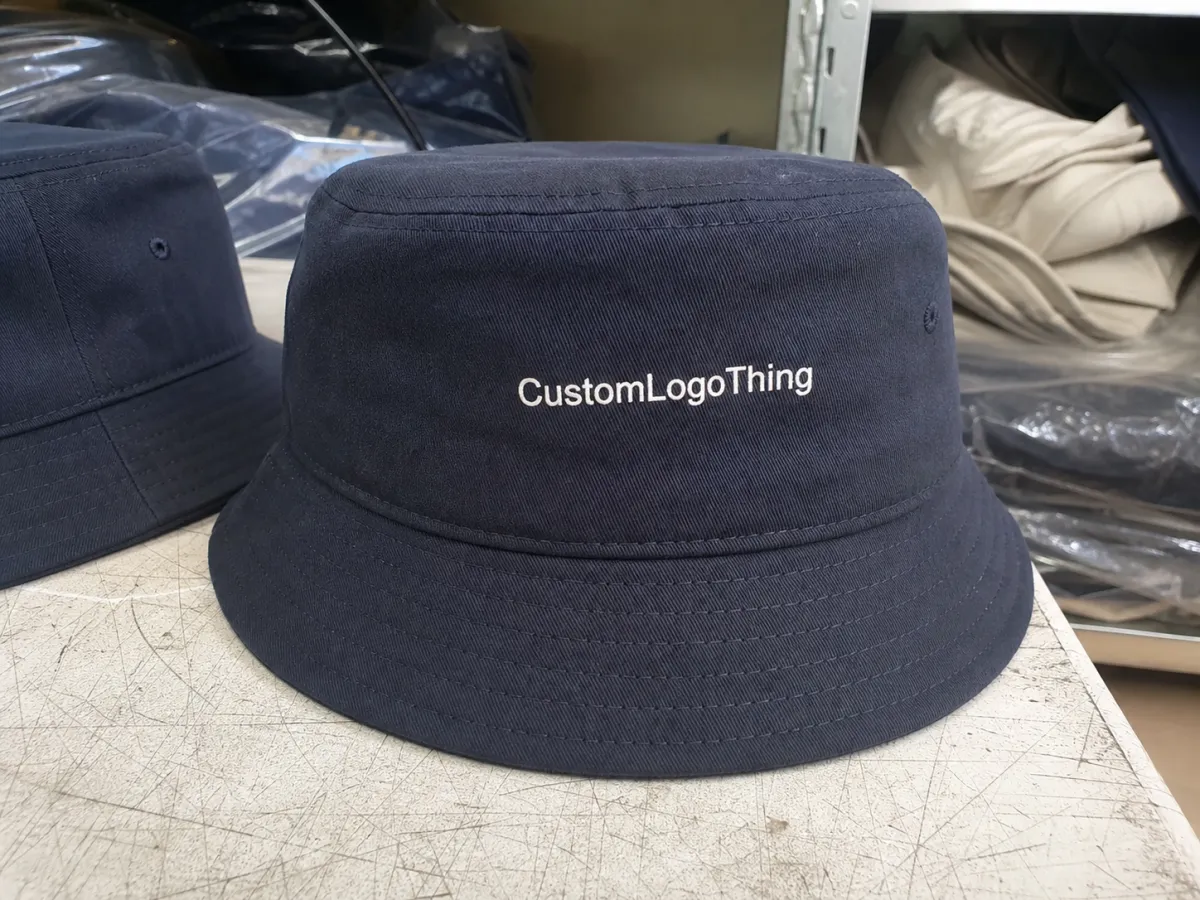
Most shoppers will never measure a bucket hat brim, but they will notice a stitch line that wanders, dips, or pulls the edge out of shape. The brim sits in plain view from the front, side, and top, so small sewing issues show up quickly in ecommerce photos, fitting rooms, shelf displays, and unboxing videos. A bucket hats brim stitch tolerance checklist for retail orders gives buyers, suppliers, production teams, and inspectors the same standard before bulk hats are cut, sewn, packed, and shipped.
The brim is not a decorative afterthought. It affects the silhouette, how the hat frames the face, how it folds into cartons, and how the customer reads quality before touching the fabric. A clean crown with a sloppy brim still looks sloppy.
Brim stitching controls edge stability, brim curl, visual rhythm, and the way the hat recovers after handling. Uneven row spacing, tilted lines, puckering near side seams, skipped stitches, loose thread tails, inconsistent brim width, and decoration that appears off-center can all trace back to a loose or incomplete brim spec.
Practical rule: tolerance language is not factory poetry. It is a retail protection tool. It tells everyone whether a hat is acceptable, borderline, or a reject before cartons are sealed and invoices become uncomfortable.
For retail programs, the goal is not perfection for its own sake. The goal is a repeatable standard that suits the fabric, price point, sales channel, and customer expectation. A lightweight terry resort hat does not need the same visual strictness as a premium cotton twill fashion drop, but both need a written standard that can survive sampling, bulk sewing, inspection, and warehouse receiving.
Custom Logo Things helps buyers lock those specs before production, not after someone sends photos of 800 hats with crooked brim rows. That is the wrong moment to learn that “standard stitching” meant three different things to three different people.
What Brim Stitch Tolerance Actually Controls
Brim stitch tolerance is the allowed variation in visible stitch placement, row spacing, stitch density, brim edge alignment, and seam consistency across a production run. In plain language, it defines how far the stitching can move before the hat no longer matches the approved standard.
A useful checklist separates the measurable areas instead of burying everything under one vague quality note. Buyers should approve stitch line distance from the brim edge, spacing between parallel rows, stitches per inch, finished brim width, crown-to-brim join, thread tension, and visible puckering limits. These are the places where small changes become obvious once multiple hats sit together on a shelf.
Tolerance is not one number for the whole hat. A 1 mm shift at the outer brim edge may stand out on a clean cotton twill hat with contrast thread. A slightly uneven internal seam allowance may not matter if it does not affect fit, shape, or visible finish. Knowing which dimensions matter most helps control cost without chasing invisible details.
For many Retail Bucket Hats, visible outer brim stitching should hold within about +/-1 to 2 mm. Parallel row spacing often needs to stay within about +/-1 mm. Finished brim width commonly allows about +/-2 to 3 mm, depending on the fabric, wash, and construction. Premium programs can ask for tighter control, but tighter control is not free. It usually means slower sewing, more inspection, and a higher reject risk.
Fabric changes the whole conversation. Cotton twill is relatively predictable and works well for clean retail stitching. Washed canvas can shrink or relax after processing. Nylon can slip under the presser foot, especially on lighter weights. Corduroy adds wale direction and bulk. Denim can drag through stitching areas. Terry stretches, compresses, and shows pressure differently from flat woven fabric. A tolerance that works on a structured cotton bucket hat may be unrealistic on a floppy terry summer hat.
Thread color also matters. Matching thread hides minor movement; contrast thread announces it. If the design calls for bright white rows on a black brim, the inspection standard needs to be tighter than it would be for tonal stitching on washed navy canvas.
Tradeoffs are real. Tighter tolerance can improve shelf consistency and photography, but it may increase unit cost, slow output, extend inspection time, and limit fabric choices. If a buyer wants luxury-level uniformity, the quote needs room for better materials, careful sewing, and stricter quality control.
Retail-Ready Product Details Buyers Should Confirm
A retail-ready bucket hat starts with construction, not a polished logo mockup. Confirm the crown panel structure, crown height, brim width, brim stiffness, stitch row count, sweatband type, lining, eyelets, label placement, and foldability. Each choice affects how the brim pulls, relaxes, or holds shape after sewing and packing.
Soft floppy brims are harder to hold perfectly than structured brims. Washed fabrics may shrink, twist, or loosen after treatment. A relaxed lifestyle hat can look right with a little natural movement, while a higher-margin fashion capsule may need cleaner row alignment and tighter edge control.
Common fabric choices include cotton twill for everyday merchandise, washed canvas for lifestyle programs, nylon for outdoor or travel drops, corduroy for fashion assortments, denim for heavier streetwear, and terry cloth for resort, swim, and summer campaigns. Ask how each fabric affects stitch tension, brim roll, and measurement tolerance before approving the final spec.
Decoration interacts with hat shape more than many buyers expect. Embroidery adds thread bulk and can create localized puckering. Woven patches add stiffness. Rubber patches add weight. Screen print and heat transfer need flatter application zones. Inside woven labels, size stickers, hang tags, and retail packaging all add handling steps that can bend or compress the finished hat.
Approve decoration and brim tolerance together. A logo can be centered perfectly in a digital file and still look crooked if the crown seam pulls or the brim rolls unevenly during sewing. Digital mockups are useful for layout, but they do not show fabric drag, thread tension, patch stiffness, or how the hat sits once the brim is shaped.
If the hat is for a one-day giveaway, a looser spec may be the right commercial choice. If it will sit on shelves, ship to boutiques, appear in paid ecommerce photos, or support a retail margin, approve a physical pre-production sample. The sample should show finished brim width, stitch rows, logo placement, labels, and packed presentation.
Fit should not be ignored. A brim that measures correctly can still feel wrong if the crown is too shallow, the sweatband is stiff, or the side seams pull. Retail buyers should review the hat on a head form or fit model when possible, especially for repeat programs where customers may reorder the same SKU later.
Specifications to Put on the Purchase Order
The purchase order should read like a production document, not a mood board. Include fabric type and weight, color standard, finished brim width, crown height, stitch row count, stitch color, stitch density, thread type, allowed tolerance, decoration method, packaging, carton packing, and inspection level.
Use Pantone references, fabric swatches, or approved lab dips for color. Terms like beige, stone, olive, cream, and blackish create very specific headaches. One supplier’s stone may be another supplier’s warm sand, and then everyone gets to debate color under warehouse lighting.
A clean brim spec might read: brim width 55 mm +/-2 mm; outer stitch line 5 mm from edge +/-1 mm; six parallel stitch rows; row spacing 6 mm +/-1 mm; stitch density 8 to 10 stitches per inch; thread color to match body fabric unless approved otherwise. That gives production and QC something measurable.
The checklist should also define sample tolerance versus bulk tolerance. A hand-tuned sample can look almost perfect. Bulk production across 500, 2,000, or 10,000 pieces needs an approved range that trained operators can repeat without turning every hat into a museum project.
| Spec Item | Practical Retail Range | Buyer Risk If Missing |
|---|---|---|
| Brim width | 50-65 mm common; tolerance often +/-2 to 3 mm | Hats look like different styles across the same SKU |
| Outer stitch distance | 4-7 mm from edge; tolerance often +/-1 mm | Wavy edge rows show immediately in photos |
| Row spacing | 5-8 mm common; tolerance often +/-1 mm | Parallel rows look tilted or uneven |
| Stitch density | 8-10 stitches per inch for many cotton builds | Loose seams, puckering, or inconsistent finish |
| Inspection level | Define major defects and sampling plan before bulk | Reject arguments after goods are already packed |
Define acceptable quality limits before production starts. Major defects should include broken seams, visible oil stains, wrong logo placement, severe puckering, missing labels, incorrect fiber content, inconsistent sizing, and barcode or SKU errors. If retail compliance applies, country-of-origin and fiber labels need to be correct. Warehouse receiving teams are not famous for patience.
Photo standards help. Request close-ups of brim stitching, side view, top view, inside sweatband, decoration placement, label placement, and the packed retail unit. Attach approved sample images to the quote or purchase order so memory does not become the production document.
For repeat orders, keep a measurement record from the approved sample. A simple spec sheet with photos, dimensions, tolerance notes, thread color, packaging notes, and defect definitions can prevent quiet drift from one reorder to the next.
Pricing, MOQ, and Unit Cost Tradeoffs
Bucket hat pricing moves with fabric, brim construction, stitch row count, decoration method, label package, packaging style, order quantity, tolerance tightness, and inspection requirements. A simple embroidered cotton bucket hat and a premium private-label retail hat may both be “Custom Bucket Hats,” but they are not the same job.
For simpler builds, custom retail bucket hats commonly start around 100 to 300 pieces. Fully custom fabrics, specialty trims, custom dyed materials, private labels, retail hang tags, barcode labels, or more demanding packaging can push MOQ higher. MOQ depends on what needs to be sourced, cut, printed, sewn, labeled, inspected, and packed.
Unit costs vary by spec and market conditions, so fixed pricing without a quote can be misleading. The buying logic is still straightforward. Basic cotton twill with front embroidery usually sits in the lower custom range. Add structured brims, premium fabric, multiple decoration locations, woven labels, custom sweatbands, branded polybags, hang tags, and stricter inspection, and the unit price rises quickly.
Tight brim stitch tolerance affects pricing because production may run slower. Operators need better control. QC checks take longer. Reject risk rises. If the approved standard says a visible stitch row can only move +/-1 mm, someone has to inspect against that standard, and that labor has a cost.
Sample costs are normal for retail work. Buyers should expect to pay for development samples when brim width, stitch rows, fabric, decoration, label placement, and packaging all need validation. It is cheaper to pay for a sample round than to discover that bulk hats collapse in cartons or photograph badly from the side.
Freight matters too. Hats are not bricks, but cartons still take space. Structured brims and shape protection increase carton volume. Rush air shipping can strain a budget faster than an upgraded patch. For larger programs, ask early about carton dimensions, estimated gross weight, duty assumptions, and shipping method.
| Quote Option | Best For | Typical Tolerance Approach | Cost Impact |
|---|---|---|---|
| Relaxed | Promos, giveaways, short events | Wider visual tolerance, basic inspection | Lowest unit cost |
| Standard Retail | Store shelves, ecommerce, brand merchandise | Measured brim width, stitch spacing, logo placement | Balanced cost and consistency |
| Premium Retail | Fashion drops, boutiques, higher-margin SKUs | Tighter visible stitch control and stronger QC documentation | Higher unit cost and longer inspection time |
Ask for good, better, and best pricing if the final standard is still being decided. Relaxed tolerance may suit promotional use. Standard tolerance fits most retail basics. Tighter tolerance belongs with premium store programs where shelf consistency, photography, and repeat customer expectation justify the extra control.
Process and Timeline From Sample to Retail Delivery
A clean production process follows a predictable path: brief review, spec confirmation, artwork setup, material sourcing, sample making, sample approval, bulk production, in-line QC, final inspection, packing, and shipping. Skip steps and you may save three days, then lose three weeks correcting something that should have been caught before cutting.
Artwork and spec review often takes a few business days if files are clean. Sampling commonly takes about 1 to 3 weeks, depending on materials, decoration, and trim availability. Bulk production often takes several weeks after approval, especially if fabric, labels, packaging, and stitch tolerance all need coordination.
The usual delays are not mysterious: unclear artwork, changing brim width after sampling, late label files, custom dyed fabric, tight stitch tolerance, missing packaging specs, delayed feedback, and compliance documents arriving after production has already started.
The approval gate matters. Bulk production should not begin until the buyer approves the sample, stitch tolerance, fabric, logo placement, label package, and retail packing plan. The brim tolerance checklist should be part of that approval, not a side note buried in an email chain.
QC checkpoints should include first-off production review, stitch row measurement, brim shape check, decoration placement check, thread cleanup, sweatband and label verification, hang tag check, polybag check, carton marking review, and carton count audit. For shipping and transit testing concepts, buyers can review standards from ISTA. For paper hang tags or packaging claims, FSC certification may matter if the retail channel requires it.
Build buffer time for retail launches. Sampling, production, inspection, freight, customs, warehouse receiving, and internal distribution all take time. Rush orders are possible, but rushing a brim tolerance spec usually means paying more or accepting more risk. Sometimes both.
Mistakes That Cause Retail Hat Rejects
The most common buyer mistake is approving only a front logo mockup. That image does not show brim stitch row spacing, crown collapse, side profile, fabric pull, brim roll, or how the hat looks after being folded into a carton. It may be a useful artwork preview, but it is not production control.
Skipping physical samples is another fast route to rejects. Digital files cannot show stitch tension, fabric drag, embroidery puckering, patch stiffness, or how the sweatband affects fit. For retail orders, the physical sample is the closest thing to a contract your hands can inspect.
Over-specifying causes trouble too. Asking for boutique-level tolerance on a low-cost promotional build creates price pressure, delays, and disappointment. If the target unit cost is low, keep the spec realistic. Spend control where shoppers can actually see it: brim rows, logo placement, fit, thread cleanup, and retail presentation.
Under-specifying is worse. When buyers write “standard quality,” suppliers decide what standard means. That is not a plan. It is a coin toss with invoices. A written checklist turns vague expectations into measurable approval points.
Packing mistakes can wreck otherwise good hats. Common problems include hats crushed into cartons, no shape protection for structured brims, inconsistent polybagging, missing hang tags, barcode labels applied to the wrong SKU, and mixed colors in the same carton without clear markings.
Retail compliance risks deserve attention before goods ship. Incorrect country-of-origin labels, missing fiber content, wrong carton markings, and SKU mix-ups can delay warehouse receiving. Buyers running repeat programs should document QC photos, packing rules, and defect limits for future orders through a consistent process. Custom Logo Things can help organize that through repeat ordering support and Wholesale Programs.
Separate must-have specs from nice-to-have specs. Must-have items affect sellability, compliance, fit, visible quality, or warehouse acceptance. Nice-to-have items may improve finish but should not overwhelm the schedule or budget. Clean priorities make quotes cleaner.
Before You Request a Retail Quote
Before requesting a quote, gather the basics: target quantity, delivery date, fabric preference, brim width, stitch row count, logo files, label requirements, packaging needs, and acceptable tolerance range. If you do not know the exact tolerance yet, say that. A good supplier can recommend a realistic range based on fabric and retail use.
Send reference photos from multiple angles. One polished product shot is not enough. Side views, top views, inside sweatband photos, close-ups of brim stitching, and packaging examples are much more useful. If you have an existing hat you like, measure the brim width and stitch spacing before asking someone to match it.
Choose the business priority before quoting: lowest unit cost, fastest delivery, premium retail finish, or strict tolerance control. Trying to win all four usually creates a very educational invoice. Pick the top two, then quote around those realities.
Custom Logo Things can help with material recommendations, sample development, practical tolerance guidance, decoration options, retail packing, and QC documentation for repeat orders. Buyers can also review general ordering questions through the FAQ before sending art files and specs.
Ask for a quote that separates base hat cost, decoration cost, sample cost, packaging cost, MOQ, estimated lead time, freight estimate, and tolerance assumptions. That format keeps the buying decision clean and exposes hidden costs early, which is much better than discovering them after sample approval.
A practical bucket hats brim stitch tolerance checklist for retail orders brings the conversation back to measurable quality: finished brim width, stitch distance, row spacing, stitch density, decoration placement, defect limits, and packing rules. Clean seams, clear specs, fewer rejects. That is the work.
FAQ
What is a realistic brim stitch tolerance for retail bucket hats?
For many retail bucket hats, a practical range is about +/-1 to 2 mm for visible stitch placement and about +/-2 to 3 mm for finished brim width, depending on fabric, structure, wash treatment, and thread contrast. Premium retail programs may require tighter control, but that can increase unit cost and inspection time.
Do I need a physical sample before placing a bucket hat retail order?
Yes. For retail orders, a physical sample is strongly recommended because digital mockups do not show stitch tension, brim roll, fabric behavior, or how the hat sits on the head. Approve the sample for brim width, stitch rows, logo placement, labels, and packaging before bulk production starts.
How does tight brim stitching tolerance affect bucket hat pricing?
Tighter tolerance can raise pricing because production may run slower, operators need more control, QC takes longer, and more units may be rejected. The best quote separates relaxed, standard, and premium tolerance options so buyers can choose the right cost-performance balance.
What MOQ should I expect for custom retail bucket hats?
Simple custom bucket hat orders often start around 100 to 300 pieces, while custom fabrics, special trims, private labels, or retail packaging can require higher MOQs. MOQ depends on material availability, decoration method, and how custom the construction needs to be.
What should be included in a bucket hats brim stitch tolerance checklist?
A bucket hats brim stitch tolerance checklist for retail orders should include brim width, stitch distance from edge, row spacing, stitch density, thread color, fabric type, logo placement, acceptable defect limits, packaging requirements, and approved sample photos. Attach it to the quote or purchase order so production and QC use the same standard.