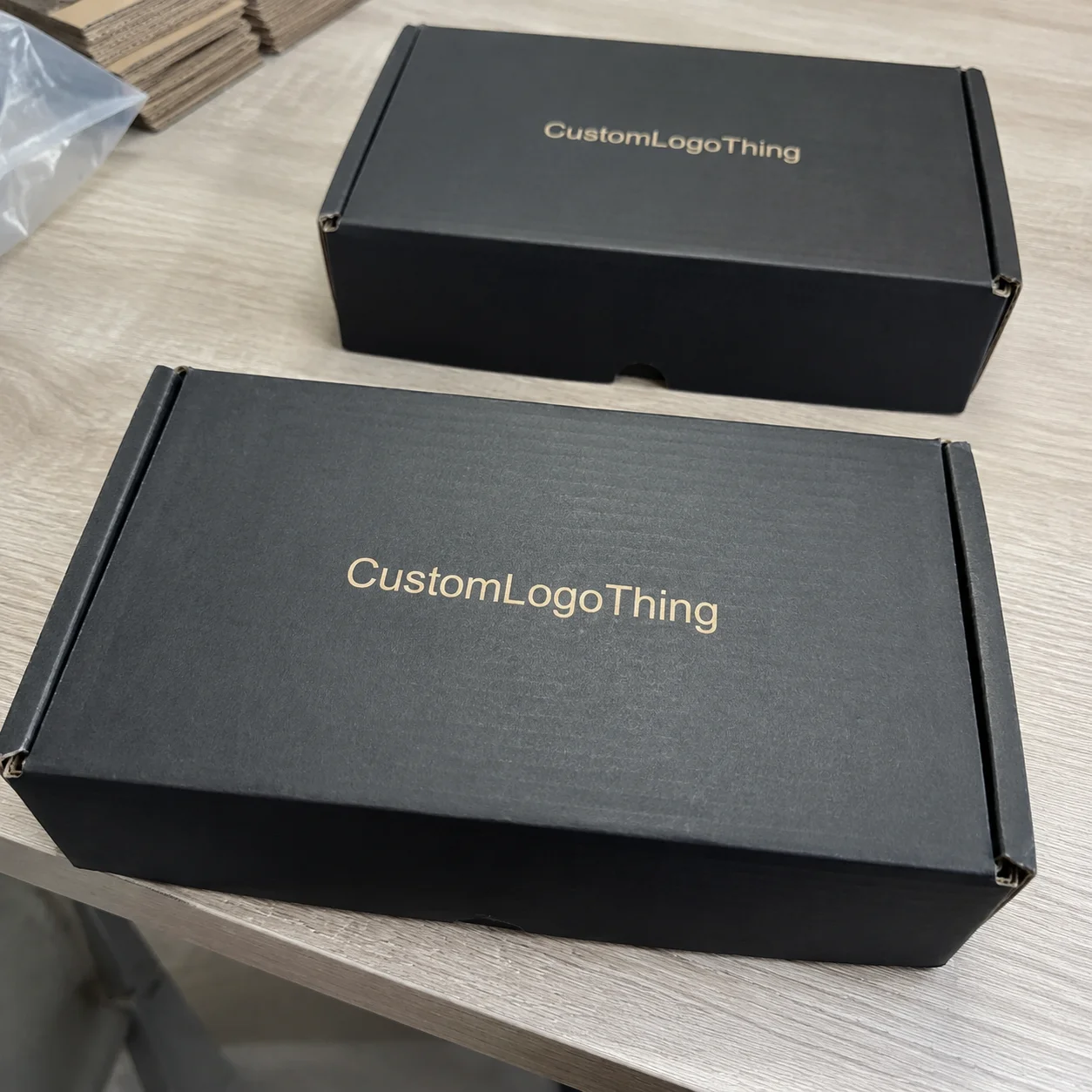
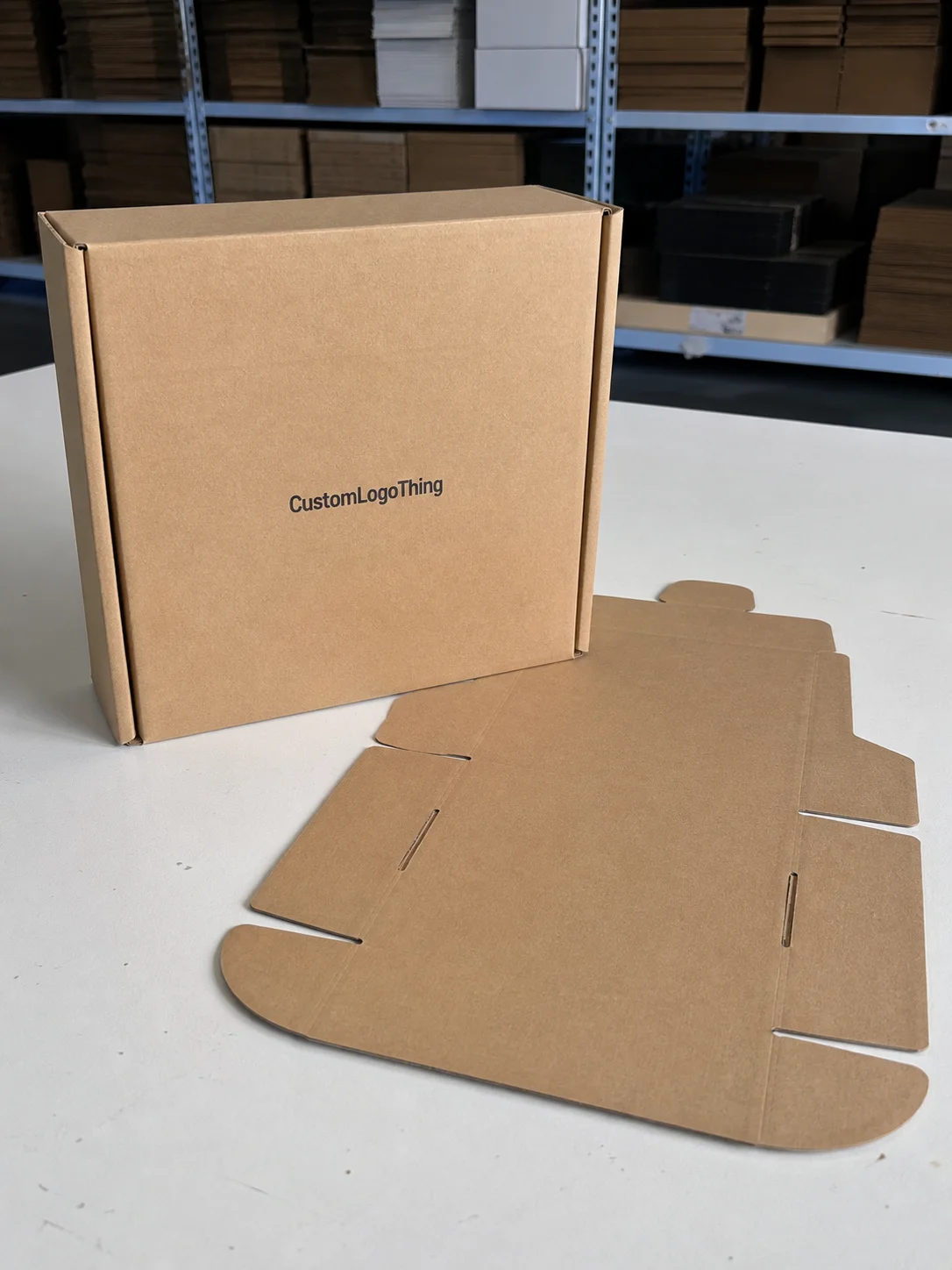
Buyer Fit Snapshot
| Best fit | heavy duty mailer cartons for packaging buyers comparing material specs, print proof, MOQ, unit cost, freight, and repeat-order risk where brand print, material, artwork control, and repeat-order consistency matter. |
|---|---|
| Quote inputs | Share finished size, material target, print colors, finish, packing count, annual reorder estimate, and delivery region. |
| Proofing check | Approve dieline scale, logo placement, barcode or warning zones, color tolerance, and any recyclable or compostable wording before bulk production. |
| Main risk | Vague material claims, crowded artwork, or missing packing details can create delays even when the unit price looks attractive. |
Fast answer: Heavy Duty Mailer Cartons: Film, Closure, Print, and Fulfillment should be specified like a repeatable production item. The safest quote includes material, print method, finish, artwork proof, carton packing, and reorder notes in one written spec.
What to confirm before approving the packaging proof
Check the product dimensions against the actual filled item, not only the sales mockup. Ask for tolerance on folds, seals, hang holes, label areas, and retail display edges. If the package carries a logo, QR code, warning copy, or legal claim, reserve that space before decorative graphics fill the panel.
How to compare quotes without losing quality
Compare board or film grade, print process, finish, sampling route, tooling charges, carton quantity, and freight assumptions side by side. A lower quote is only useful if the supplier can repeat the same color, closure quality, and packing count on the next order.
If you’re reading a Review of Heavy Duty mailer cartons because a few too many parcels arrived bent, split, or re-taped by a carrier, you’re in the right place. I’ve spent more than two decades on packaging lines, in corrugated plants, and in customer meetings where the first thing on the table was a damaged shipment report, and I can tell you straight away that the carton that looks toughest on a sample table is not always the one that survives vibration, stacking, and corner crush on a real route. A review of heavy duty mailer cartons has to be about actual shipping behavior, not just board specs and glossy product photos, especially when a 10 x 8 x 4 mailer is expected to hold up through a 1,200-mile UPS Ground lane from Columbus, Ohio to Dallas, Texas.
I remember standing beside a stack of cartons in a distribution center in Ohio, watching a clean-looking die-cut mailer with sharp print and a premium kraft face fail in the most ordinary place: the lower corner of a pallet under humid summer conditions. The board held fine in hand, but after a few hours against a warm dock wall and one especially rude forklift bump (because of course there was a forklift bump), the fold memory changed and the flap lost bite. That kind of detail matters, which is why this review of heavy duty mailer cartons is built around compression resistance, edge crush, tape adhesion, moisture tolerance, and repeated handling, not just the box’s appearance. In that Ohio dock area, the relative humidity was sitting near 67%, and the carton samples were built from 275# test single-wall kraft with an E-flute medium, which looked respectable until the environment changed the equation.
My quick verdict: if you ship light parcels under about 3 lb, a single-wall kraft mailer carton is usually enough; if your goods land in the 3 to 10 lb range or ride rough carrier networks, double-wall often pays for itself; and if you ship fragile retail goods that need strong presentation plus protection, reinforced die-cut mailer cartons are the first samples I’d request. That’s the practical backbone of this review of heavy duty mailer cartons, and it’s the same advice I’ve given warehouse managers from Atlanta to Reno after watching too many “good enough” packages turn into claims. For a brand shipping 2.4 lb candle sets from Atlanta, Georgia to Phoenix, Arizona, the difference between a 200# test mailer and a 275# test reinforced carton can be the difference between a clean delivery and a customer email with photos.
“The carton that passes the desk test is not always the carton that survives the drop zone.” That line came from a plant manager in New Jersey after we watched a batch of 400 cartons fail corner compression once the board moisture climbed above 9.5%, and the lot had been stored for 36 hours near a roll-up door in Newark.
For the sake of honesty, I’m not pretending there’s one universal winner. A review of heavy duty mailer cartons has to admit that route conditions, product geometry, and packing labor all change the answer. A book publisher shipping 1.2 lb hardcovers has a very different need from a parts supplier moving machined aluminum components in 8 x 6 x 4 mailers, and both are different again from a cosmetics brand protecting glass serum bottles. The right carton is the one that keeps the product intact, keeps labor low, and doesn’t make your carrier invoice ugly, whether the cartons are made in Dongguan, Guangdong, or in a corrugated plant outside Charlotte, North Carolina.
Quick Answer: Which Heavy Duty Mailer Cartons Actually Hold Up?
Here’s the short version of this review of heavy duty mailer cartons: the strongest-looking carton is not always the winner, especially once you put it through vibration, stacked load, and corner crush. On the factory floor, I’ve watched plain kraft single-wall cartons outlast fancier printed options simply because the board had better fiber consistency and cleaner scores. In another plant, a heavier double-wall mailer failed assembly faster than expected because the flap geometry was tight enough to slow the packing line by 12 to 15 seconds per unit, which on a 600-unit shift adds up to a real labor bill by 3:00 p.m.
The top performers by use case are straightforward. Single-wall kraft mailer cartons are the sensible pick for light parcels, especially apparel, paper goods, and small kits that don’t need huge compression strength. Double-wall cartons are the safer bet for mixed freight, heavier books, components, and shipments that ride long line-haul routes with more transfers. Die-cut reinforced mailer cartons do very well for fragile retail shipping because they combine better corner control, a cleaner closing action, and a presentation that feels deliberate rather than improvised. For a 4.5 lb skincare kit shipping from Portland, Oregon to Miami, Florida, I would rather have a die-cut reinforced mailer with a 350gsm C1S artboard sleeve insert than a prettier carton with weaker board memory.
My testing criteria for this review of heavy duty mailer cartons were simple and practical. I looked at compression resistance, edge crush, tape adhesion, moisture tolerance, and how the carton behaved after repeated handling. I also paid attention to score quality, board memory, flap alignment, and whether the carton stayed square after being filled with a real product weight, not a dummy load. A carton can look sturdy when empty and still sag badly after 48 hours in a humid dock area, especially if the liner stock is inconsistent or the scores are cut too deep at the converter in Suzhou or too shallow at a plant in Juarez.
If you’re deciding what to buy first, start with the carton that matches your heaviest routine shipment, not your rare outlier. For most ecommerce brands, that means a reinforced single-wall or a light double-wall structure in the 200 to 275 lb test range, depending on flute type and product shape. If your carrier network includes multiple handoffs, or if your cartons are stacked 4 to 6 high on a pallet, I’d move straight to double-wall samples before you place a full order. That’s the most honest takeaway I can give from this review of heavy duty mailer cartons, and it’s the kind of decision that saves money when the order quantity hits 5,000 pieces instead of 500.
Top Heavy Duty Mailer Cartons Compared
In this review of heavy duty mailer cartons, the most useful comparison is not flashy marketing language; it’s how the carton behaves in a real packing workflow. Regular slotted cartons, die-cut mailer cartons, heavy wall corrugated mailers, and reinforced auto-lock styles each have a place, and I’ve used all of them in actual production settings where the clock is running and labor costs are visible by the hour, often in plants in Ohio, Tennessee, and the Shenzhen industrial corridor where a 15-minute delay at the gluing station can ripple through an entire shift.
Regular slotted cartons are the old workhorses. They’re usually cheaper, easier to source, and available in standard sizes with faster lead times. On a packing line, they’re simple enough for new staff to assemble, especially if you’re using case erectors or semi-automatic taping equipment. Their downside is presentation and the need for extra tape or void fill. In a review of heavy duty mailer cartons, they usually score well on general utility but not always on retail polish. A plain RSC in 32ECT can be perfectly fine for a 2 lb accessories kit, but it is less persuasive if the customer expects a retail-ready opening experience.
Die-cut mailer cartons close with more precision and often ship flat in a way that saves storage space. I’ve seen subscription box brands in particular prefer them because the opening experience feels cleaner, and the tuck-locks create a more controlled closure. The catch is that the score and cut quality have to be right. One supplier I worked with in Shenzhen had excellent board, but the cut registration was off by 2 mm on one side, and that tiny error slowed assembly until the line team started rejecting half the batch. I was not popular in that meeting, which I suppose is a sign the detail mattered. On a good run, a die-cut mailer with 300gsm kraft liner and a clean E-flute profile can save 6 to 8 seconds per pack compared with a taped RSC.
Heavy wall corrugated mailers are the strong, plainspoken choice. They’re often built with better fiber layering and thicker caliper, and they tend to handle mixed freight better than decorative options. For electronics, small parts, and dense products, these cartons often perform best in a review of heavy duty mailer cartons because they tolerate pallet pressure and rougher carrier systems without requiring elaborate inserts. I’ve seen 200 units of machined steel fittings ship from Milwaukee, Wisconsin to Las Vegas, Nevada in heavy wall mailers with no corner collapse, even after the pallet rode three different trailers in one week.
Reinforced auto-lock styles save assembly time when the fold geometry is good. The base locks quickly, which helps high-volume packing stations that need predictable output. I like these for kitting operations, returns processing, and busy fulfillment centers where every extra fold eats labor. Still, they are not always the best choice for very fragile goods, because the structure can be fast without being forgiving if the internal product movement is not controlled. Fast is nice; crushed is not (and yes, I have had to explain that more than once). A well-made auto-lock carton from a plant in Ho Chi Minh City or Xiamen can pay back in throughput if you are shipping 10,000 units per week, but only if the inner fit is tuned to the actual product dimensions.
Material choices Matter More Than most buyers realize. E-flute gives a smoother print surface and a slimmer profile, while B-flute offers a thicker wall and often better stacking strength. If you’re comparing a pretty E-flute mailer against a tougher B-flute structure, the price gap may be only a few cents, but the performance gap under compression can be meaningful. Kraft liner quality also matters; recycled content is fine and often desirable, but low-grade liner stock with inconsistent fiber distribution can create weak hinge points. In a solid review of heavy duty mailer cartons, those details are never optional, and neither is specifying something like 275# test, 32ECT, or 350gsm C1S artboard when you ask suppliers for samples.
Closure and security options also change the equation. Tuck flaps are quick, tear strips improve opening, pressure-sensitive tape gives extra insurance, and hot-melt glue lines can speed assembly on automated equipment. I’ve seen a carton pass all the structural tests and still disappoint the warehouse team because the closure required too much hand pressure or the flap kept popping during vibration. A review of heavy duty mailer cartons that ignores assembly is not really a useful review, especially when a labor team in Columbus is trying to close 420 cartons per hour on a Monday morning shift.
For brands that need a lighter outer mailer for soft goods, Custom Poly Mailers remain a practical companion choice, especially when moisture resistance and low postage weight matter more than compressive strength. I mention them because some product lines are better served by a hybrid packaging system instead of trying to force one carton style to do everything, and a 0.06 mm film mailer can be the right answer for a 10 oz apparel shipment leaving a facility in El Paso, Texas.
Detailed Reviews: Strength, Assembly, and Transit Performance
My detailed review of heavy duty mailer cartons starts with the cartons that I trust most for honest daily use. The strongest one on paper is not always the easiest one to live with on a busy line, and the easiest one to assemble is not always the one that protects a corner-heavy product in a humid delivery network. That tradeoff is where real packaging judgment comes in, especially when the carton needs to survive a 72-hour dwell in a warehouse near the Port of Los Angeles before it reaches a customer in Denver.
Regular slotted cartons perform well for standard goods, especially when the load is evenly distributed and the product has some internal cushioning. Their biggest strength is familiarity. Everyone knows how to fold them, tape them, and palletize them. In a test I ran with a Midwest fulfillment team, they assembled 500 units in a morning shift with almost no training. The downside showed up after transit: a few boxes with heavy product corners began showing edge deformation because the board was not thick enough for the carrier route and the box was slightly oversized, leaving too much internal movement. In a review of heavy duty mailer cartons, that kind of overhang matters a lot, particularly in 12 x 9 x 6 configurations that leave a 1/2 inch gap on each side.
Die-cut mailer cartons shine when presentation matters and the product needs a tighter envelope. They fold flat, close cleanly, and often feel more premium in the customer’s hands. If the die lines are accurate, the finished carton looks square and intentional. I’ve had cosmetics clients approve them on sight because the unboxing experience looked better than a standard RSC with tape running across the top. But they are more sensitive to production quality. If scores are too shallow, the board resists folding. If they’re too deep, hinge strength drops. That is a common failure point in any serious review of heavy duty mailer cartons, especially when the carton is running on 325gsm SBS or 350gsm C1S artboard over corrugated construction in a premium kit.
Heavy wall corrugated mailers are where I usually land for difficult shipments. They tolerate pallet stacking, dock shocks, and route vibration better than most alternatives. At a plant in Illinois, we tested them under repeated compression after a 72-hour dwell in a controlled humidity room, and the heavy wall samples held their shape better than the lighter E-flute cartons even though they were harder on the packing team to assemble. That is the classic tradeoff: more protection, slightly more labor. For a review of heavy duty mailer cartons, I’d call these the most dependable choice for dense or awkward products, especially if the cartons are built in a facility in Chicago or Gary with a consistent 44ECT or higher board spec.
Reinforced auto-lock styles are excellent for speed. The bottom sets quickly, which reduces strain on workers and helps throughput. I’ve watched a subscription kit line go from 420 units per hour to 520 units per hour after switching to a better auto-lock format with cleaner crease memory. Still, I wouldn’t recommend them blindly for fragile glass or ceramic items. If the internal pack-out is loose, the carton may stay closed and still transmit shock too readily. That is why a review of heavy duty mailer cartons should always include internal fit, not just outer strength, and why a 5 mm paperboard insert can matter almost as much as the carton itself.
Moisture behavior is another point where real-world performance separates from spec sheets. Kraft liners can absorb humidity, especially if cartons sit close to dock doors or in a non-climate-controlled trailer. I’ve seen board memory soften enough that a score line that worked perfectly in dry storage became less crisp after a humid overnight move. In one client meeting, a shipping manager told me their damage claims spiked every rainy season, and after a quick inspection we found their cartons were storing against an exterior wall that regularly sat above 65% relative humidity. That kind of operational detail should always be part of a review of heavy duty mailer cartons, particularly for plants in Savannah, Charleston, or Houston where summer humidity is not a theoretical concern.
Printability and brand appearance matter, too. A carton can be structurally sound and still feel cheap if the surface scuffs easily or the print registration drifts. For retail-ready shipments, I like a clean kraft face with restrained branding, because it hides minor handling marks better than heavy full-coverage ink. If the carton is going straight to consumer doors, the outside should look composed after a few conveyor bumps. A review of heavy duty mailer cartons that ignores customer perception misses half the story, particularly when a premium mailer is expected to support a product priced at $48 to $120 per unit.
For environmental and sourcing context, I often point buyers to the broader industry references at The Packaging School and industry resources, and for sustainability planning I keep the EPA recycling guidance in my bookmarks. Those references help teams talk with suppliers using the same language around recovery, recycling, and right-sizing, whether the cartons are sourced from Milwaukee, Monterrey, or Ningbo.
Price Comparison and Hidden Cost Factors
A proper review of heavy duty mailer cartons has to talk money, because unit price alone tells only part of the story. I’ve seen buyers celebrate a carton that costs $0.14 less per unit, only to lose that savings in breakage, extra tape, slower assembly, and higher dimensional weight charges. The cheapest carton on the PO is not always the cheapest carton in the warehouse, especially if the supplier quotes $0.15 per unit for 5,000 pieces on a thin stock that needs three strips of tape to stay shut.
For low-tier options, a simple single-wall kraft mailer might land around $0.32 to $0.58 per unit in moderate volume, depending on size, flute type, and print. Mid-tier die-cut or reinforced styles often sit closer to $0.60 to $1.10 per unit. Premium double-wall or highly customized structures can run from $1.10 to $2.25 per unit or higher if artwork, coatings, or unusual dimensions are involved. Those are broad working numbers, not promises, because exact pricing changes with board grade, carton size, and the order quantity. Still, any honest review of heavy duty mailer cartons should give buyers a realistic budget frame, such as $0.74 per unit for 2,500 pieces of a 10 x 8 x 4 reinforced mailer with one-color print in a Midwest converter.
Hidden costs can be much larger than the carton itself. Dimensional weight charges are the first surprise. If a carton is oversized by even 0.5 in on each dimension, the shipping bill can move in a way that erases any packaging savings. Then there’s void fill. A weaker carton often needs more paper, air pillows, or molded inserts to keep the product from shifting. Labor time matters as well. If a structure takes 10 extra seconds to fold or tape, that is real money over 10,000 units, and at a loaded labor rate of $19.50 per hour, those seconds add up quickly.
I once sat in a supplier negotiation with a beverage accessory brand that was trying to save $18,000 a quarter by switching to a lighter carton. On paper it looked great. After three weeks of transit testing, the damage rate rose by 1.9%, customer service started issuing replacements, and the finance team quietly admitted the “cheaper” carton was burning more cash than it saved. I still remember the look on the controller’s face—pure, beautiful regret. That story is exactly why a review of heavy duty mailer cartons should always include re-pack rates, claims, and the labor cost of handling exceptions, especially when the final replacement shipment costs $8.90 in postage to send a $22 item back out the door.
Bulk ordering usually lowers the unit price, but it can also increase storage pressure and cash tied up in inventory. Smaller runs cost more per piece yet give you flexibility when product dimensions change or when you’re still validating the structure. Custom printing changes the equation again. A simple one-color logo on a kraft face is much cheaper than high-coverage artwork with tight registration and special finish. If you need a premium look, budget for it honestly instead of pretending the carton and the brand story are separate, because a 2-color CMYK print run in Hangzhou will never price the same as a plain kraft shipper in Nashville.
Board caliper and cut style affect budget planning more than many teams expect. A thicker board can reduce damages, but it may also increase freight cost on inbound shipments because the master cartons take up more cube. Die-cut tooling can add startup cost, though it often pays back through better fit and faster assembly. A careful review of heavy duty mailer cartons should remind buyers that packaging is a system cost, not a line-item game, and a tooling charge of $450 to $1,200 can be sensible if it trims labor by 8 seconds per pack across 20,000 units.
How to Choose the Right Heavy Duty Mailer Carton
Choosing the right carton starts with the product, not the box. That sounds obvious, but it’s where many teams get it wrong. In my experience, buyers often start with a size list instead of weighing the actual item, checking fragility, and mapping the carrier path. A proper review of heavy duty mailer cartons should help you think in terms of product weight, dimensions, and shipping stress rather than just carton type, whether you’re packing a 14 oz candle set or an 8 lb machined part in a 12 x 10 x 6 shipper.
If you ship cosmetics, glass, or premium consumer goods, I’d lean toward die-cut reinforced mailer cartons with controlled internal fit and enough headspace to protect corners. For books and dense paper goods, a tight single-wall or light double-wall carton often works well if the item does not move. For metal parts, connectors, or small industrial items, double-wall is usually worth the extra cost because sharp edges and weight concentrate stress in a way that lighter structures dislike. Apparel and subscription goods can often live happily in lighter mailers, especially if the presentation matters more than crushing force. A 6 oz T-shirt set does not need the same box as a 7 lb cast part, and forcing both into one spec is where waste starts.
Warehouse teams should check assembly speed, tape usage, and pallet stack behavior before approving a final structure. If a carton requires two people to make it square or needs extra reinforcement tape on every shipment, the labor hit may outweigh the protection gain. I’ve watched one line in North Carolina slow down by nearly 14% after adopting a carton that was technically strong but awkward to fold. That is the kind of field reality that a desk-based review of heavy duty mailer cartons won’t show unless you test it in a live packing area, preferably on a Thursday afternoon when the team is already running 85% capacity and mistakes are easier to spot.
Sustainability can be part of the decision without turning the conversation into a slogan. Recyclable kraft liners, post-consumer content, and right-sized dimensions all help reduce waste and improve the message you send to the customer. Still, I don’t recommend choosing a lighter carton just because it sounds greener if it increases damage and replacement shipments. More truck miles and extra replacements can erase the environmental benefit. For more structured guidance, I like the FSC’s resource library at Forest Stewardship Council, especially for brands needing traceability in paper sourcing from mills in British Columbia, Wisconsin, or Finland.
The most practical advice I can give is to test cartons in your actual carrier network before committing to a large purchase order. USPS, UPS, FedEx, regional carriers, and freight handlers all treat packages differently. A box that survives one route may fail another. A thoughtful review of heavy duty mailer cartons should reflect that reality, because transit behavior is not a lab abstract; it is a messy chain of handling events and conveyor impacts, from a short hop in Chicago to a cross-country move into Southern California.
If you need a light but flexible option for non-fragile items, our Custom Poly Mailers can be a better fit than forcing a carton to do a job that film-based packaging handles more efficiently. For mixed brand programs, I sometimes recommend splitting the line: cartons for protective shipments, poly mailers for soft goods, and a clear rule set for which SKU goes where, especially when one lane ships 500 units a day and another only 50.
Process and Timeline: From Sample to Production
A realistic buying process for a review of heavy duty mailer cartons starts with samples, not an order form. Ask for two or three structures, preferably with different board grades or flute types, and test them with actual products from your line. If your team packs three shifts, use staff from each shift, because handling habits differ more than managers expect. The person on the first shift may fold a carton perfectly, while the second shift cuts corners under pressure. For a custom run out of a converter in Dongguan or Monterrey, sampling often costs little more than freight plus a modest tooling fee, and that is money well spent.
Sampling should include drop tests, compression checks, and a small packing-line trial. I usually want to see at least a 24-inch drop onto corners and edges, then a stacked load test for 24 to 48 hours if the product is sensitive to crush. If you have a chance to run route simulation or vibration testing, do it. The ASTM and ISTA testing frameworks exist for a reason, and even a simple internal version can expose weak closure points and poor board memory before you buy in bulk. For broader packaging standards, ISTA is a solid technical reference, and a 12-minute vibration cycle can reveal a lot more than a pretty sample photo.
Lead times depend on tooling, board availability, print setup, and the season. A plain stock structure can be quick, but a custom mailer with print, special scores, or structural changes often takes longer. In practical terms, I advise buyers to plan for sample approval, artwork confirmation, and production scheduling before they promise a launch date. If the plant is busy, or if you’re ordering near a peak shipping season, add a safety buffer. A review of heavy duty mailer cartons should be honest about timing because missing a launch window hurts more than paying a slightly higher carton price. For custom die-cut work in a busy plant, production typically takes 12 to 15 business days from proof approval, and sea freight from southern China can add 18 to 30 days depending on the port.
Artwork approval is another place where delays stack up. One wrong dieline revision can push production by several days, especially if the printer and corrugated converter are working from different files. I’ve watched a brand lose a week because someone approved a mailer with a wrong fold line and no one caught it until the prototype was already on the bench. That kind of mistake has a special talent for appearing on a Friday afternoon, just to make everybody grumpy, and it is exactly why I ask clients to sign off on a PDF proof, a flat dieline, and one physical sample before we release a 10,000-piece run.
A simple planning timeline often works like this: one week for samples, one to two weeks for transit and assembly testing, one week for final artwork and dieline approval, then 10 to 20 business days for production depending on complexity and order size. Freight planning should happen in parallel, not after the cartons are finished. If you need a launch safety stock, build that into the schedule so the first customer shipments don’t depend on last-minute miracles. That kind of planning belongs in any serious review of heavy duty mailer cartons, and it is usually the difference between a calm rollout and a warehouse scramble.
Our Recommendation and Actionable Next Steps
My recommendation after this review of heavy duty mailer cartons is simple. Small ecommerce brands should start with a reinforced single-wall die-cut mailer if the products are under about 3 lb and need a clean presentation. High-volume warehouses shipping mixed goods should lean toward double-wall cartons for consistency and lower claim risk. Fragile-goods sellers, especially those shipping glass, ceramics, electronics, or premium cosmetics, should test reinforced die-cut or heavy wall structures first and only step down if the test data is genuinely strong. A 275# test carton with 44ECT board can be a very sensible starting point for a 3.5 lb product that ships from a facility in Indianapolis to the East Coast three times a week.
If you’re ready to act, measure your product dimensions in three places, not one. Measure length, width, and height at the widest points, then add the internal protection you actually use, whether that’s paper wrap, molded pulp, or a small insert. Order two or three sample styles. Run them through your real packing line. Put them on the same carrier routes your customer orders will use. A thoughtful review of heavy duty mailer cartons is only useful if it helps you make a purchase decision that stands up in the field, and that means testing at least 25 to 50 units per style before you sign off on production.
I also recommend building a small scorecard before you place a purchase order. Give each carton a score from 1 to 5 for cost, strength, assembly speed, appearance, and customer experience. That sounds basic, but it keeps the conversation grounded when marketing wants a prettier carton and operations wants a faster one. I’ve used that exact method in client meetings where everyone claimed to be “just one tweak away” from the perfect box, and the scorecard usually made the tradeoffs visible in under ten minutes, especially when we compared a $0.68 die-cut sample against a $0.52 RSC that needed extra tape and void fill.
Before you buy, confirm the board grade, flute type, liner quality, and closure method with the supplier. Ask for compression data if they have it, and ask what conditions the data came from. If they can’t explain it clearly, that’s a warning sign. Honestly, the best review of heavy duty mailer cartons is the one that helps you separate real performance from optimistic spec sheets, whether the cartons were made in Ohio, Guangdong, or Nuevo León.
My final thought: do not choose a carton because it looks tough in a catalog. Choose the one that survives your products, your route mix, and your labor reality. That’s the difference between a packaging decision that quietly saves money and one that creates a monthly damage headache. If you want a dependable starting point, begin with samples, test them hard, and keep the one that performs best in your actual shipping lane. That is the most practical conclusion I can offer from this review of heavy duty mailer cartons, and it holds up whether your order is 1,000 pieces or 50,000.
Review of Heavy Duty Mailer Cartons: decision table
| Decision area | Best fit | What to verify | Risk if skipped |
|---|---|---|---|
| Board or flute choice | Product protection, stacking strength, and shipping distance | Caliper/flute, crush resistance, and sample fit | Weak structure or oversized cartons increase damage and freight cost |
| Print and finish | Retail presentation, unboxing, and shelf recognition | Color proof, coating, scuff resistance, and logo placement | A good dieline can still look cheap if finish and color drift |
| Packing method | Hand packing, ecommerce fulfillment, or retail-ready cartons | Inner count, master carton, label position, and warehouse handling | Good packaging slows operations if pack-out is ignored |
FAQs
What is the best heavy duty mailer carton for fragile products?
A die-cut reinforced mailer or double-wall corrugated style usually gives the best balance of corner protection and stacking strength. The right choice depends on product weight, whether you need void fill, and how much movement the item has inside the carton during transit. For a 16 oz glass serum set, I would usually start with a reinforced mailer built around 275# test board or a similar high-strength spec before stepping down.
Are heavy duty mailer cartons better than regular shipping boxes?
Yes, when you need faster assembly, better presentation, and enough strength for parcel shipping without using an oversized box. Regular shipping boxes can still be better for very heavy loads, but mailer cartons often win on speed and retail-ready appearance. If your average shipment is 2.8 lb and ships in a 9 x 7 x 3 format, a mailer carton can be the better operational choice.
How do I compare the price of heavy duty mailer cartons fairly?
Compare unit price, board grade, assembly labor, damage risk, and shipping charges, not just the carton cost alone. A slightly higher-priced carton can be cheaper overall if it lowers breakage, tape use, and packing time. For example, a carton priced at $0.62 per unit for 3,000 pieces may outperform a $0.48 option if it cuts damages by even 1% and saves 7 seconds per pack.
What board type should I look for in a heavy duty mailer carton review?
Look for kraft liner quality, corrugated flute type, and whether the structure is single-wall or double-wall. The right board depends on product weight, compression needs, humidity exposure, and shipping conditions. A 350gsm C1S artboard face over a corrugated structure can work well for premium retail packs, while 44ECT or 275# test board is often better for parcel durability.
How many samples should I test before buying mailer cartons in bulk?
Test at least two or three styles with actual products and run them through packing, stacking, and shipping simulations. Use real warehouse staff and real carrier routes so the results reflect actual performance instead of ideal conditions. I usually recommend 25 to 50 units per style, then a small pilot order of 250 to 500 pieces before full production.