The Subscription Packaging Problem Hiding in Plain Sight
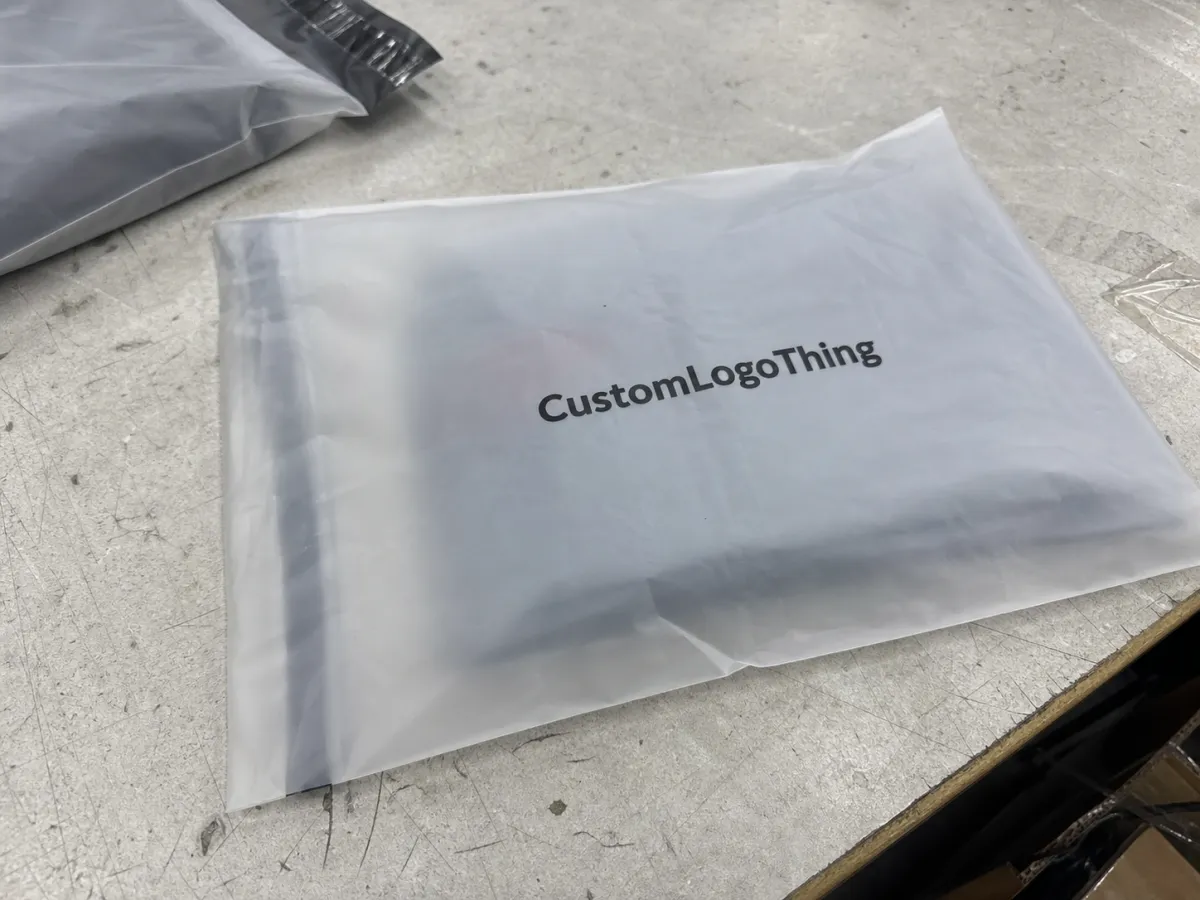
Subscription brands do not buy packaging once. They buy repeatable shipping performance, month after month, which is why a search for subscription Recycled Poly Mailers moq is rarely just a question about the lowest quantity available. It is usually a sign that inventory planning, cash flow, packaging claims, and fulfillment speed are starting to meet in the same spreadsheet.
A small packaging decision can become a large operating cost very quickly. If a mailer costs $0.06 more than necessary, that is $600 per month at 10,000 shipments and $7,200 over a year. At 40,000 monthly shipments, the same difference becomes $28,800 annually, before counting storage, freight, rework, or customer-service issues caused by weak packaging.
Poly mailers are often treated like commodity bags. That framing is too shallow for subscription apparel, accessories, wellness refills, textile samples, and light replenishment programs. The mailer affects parcel weight, warehouse cube, moisture resistance, scan reliability, branded presentation, packing speed, and reorder discipline. One flexible bag touches operations, marketing, fulfillment, and retention.
Recycled-content mailers add another layer of judgment. They can reduce reliance on virgin plastic, but they still need to survive real parcel handling. Film gauge, adhesive strength, side seams, opacity, print coverage, recycled percentage, and MOQ all influence whether the program works at scale. A 2.5 mil bag may be enough for socks or a folded tee. A heavier apparel bundle, especially one with hangtags, rigid inserts, or squared corners, may need 3.0 mil or a different package format.
Packaging math is retention math. If the customer pays every month, the mailer has to perform every month: through billing cycles, warehouse overtime, seasonal spikes, and the ordinary abuse of parcel networks.
The practical appeal is easy to understand. Compared with corrugated boxes, Recycled Poly Mailers can reduce freight weight, use less storage space, move faster at packing stations, and support custom print without requiring a rigid structure. A box still wins when crush protection or premium presentation matters. A recycled poly mailer often wins for recurring soft-goods shipments where cost per piece, dimensional efficiency, and replenishment planning matter more.
Recycled Poly Mailer Product Details for Recurring Orders
Recycled Poly Mailers are lightweight Plastic Mailing Bags, usually made from LDPE or co-extruded film that includes post-consumer recycled content, post-industrial recycled content, or a blend of both. They are built for non-fragile goods moving through parcel networks: folded apparel, socks, textiles, documents, cosmetics pouches, accessories, sample kits, refill packs, returns, and other subscription items that do not need rigid protection.
They are not a universal substitute for every shipping format. Sharp-edged products can puncture film. Glass needs structure. Heavy hardware can strain seams. Temperature-sensitive goods may need insulated packaging. Some premium programs still require rigid boxes, trays, tissue, paperboard sleeves, or molded pulp because the unboxing experience depends on shape and presentation as much as printed graphics.
Closure choice deserves early attention. A permanent peel-and-seal strip is simple, fast, and economical. A tamper-evident closure gives the customer a clearer sign that the package has been opened. Dual adhesive strips support return shipments, which can be useful for apparel subscriptions with size exchanges. Easy-tear perforations make opening cleaner and reduce the chance that a customer cuts into a garment, insert, or small accessory.
Subscription programs often create artwork complexity that one-time ecommerce orders do not. A brand may need seasonal graphics, SKU-level color coding, batch numbers, QR codes for loyalty programs, inside-flap messages, or different designs for first orders and renewals. Those variations can affect setup charges, production scheduling, and MOQ. Ask about them before proofing, not after the first dieline is approved.
- Best fits: soft goods, refills, textiles, documents, samples, accessories, and return-ready subscription shipments.
- Risky fits: glass, sharp corners, heavy metal parts, premium rigid unboxing, and products requiring thermal control.
- Common closures: permanent adhesive, tamper-evident strip, dual return strip, and tear-open perforation.
Compared with a corrugated box, a poly mailer stores flatter and ships lighter. The trade-off is crush protection. That trade-off may be acceptable for many subscription programs, but it should be tested with the actual product mix rather than assumed from an empty sample bag that feels fine on a conference table.
Film Gauge, Recycled Content, Size, and Print Specifications
Film gauge is the first specification that deserves careful review. Lighter gauges can control unit cost and reduce storage space, while heavier gauges improve puncture resistance, opacity, and perceived substance. Many ecommerce poly mailers fall around 2.0 to 3.0 mil, but the right number depends on product weight, product shape, how tightly the item is packed, how the warehouse handles the shipment, and how far the parcel travels.
Size is equally consequential. Too small, and the packing team fights the bag all day, stretching seams and slowing output. Too large, and the shipment looks loose, wastes material, and may fold awkwardly under shipping labels. Before pricing becomes meaningful, buyers usually need to define width, height, flap depth, lip size, adhesive strip type, recycled-content percentage, print colors, ink coverage, finish, and carton pack quantity.
Recycled content needs honest treatment. Higher recycled percentages can affect film color, opacity, surface consistency, and print appearance. That is not a defect; it is material reality. If brand color precision matters, request physical samples before committing to a major replenishment program. A pale gray or slightly translucent base film can make certain inks look different than they appear on bright white virgin film.
Testing should mimic fulfillment conditions. Pack folded garments, multiple SKUs, inserts, return forms, and shipping labels. Drop the filled mailer from common handling heights. Check seam strength, adhesive grip, barcode scannability, rub resistance, opacity, and whether the packed mailer passes through automated equipment without snagging. For broader transit-testing frameworks, buyers can review resources from ISTA.
| Specification | Typical Choice | Buyer Impact |
|---|---|---|
| Film gauge | 2.0-3.0 mil for many soft-goods shipments | Controls puncture resistance, opacity, and cost per piece |
| Recycled content | Post-consumer, post-industrial, or blended content | Affects claims, appearance, availability, and sometimes lead time |
| Print style | One-color logo to full-surface pattern | Changes setup charges, ink coverage, and visual impact |
| Closure | Permanent seal or dual return strip | Influences customer returns, packing speed, and unit cost |
Artwork should be production-ready before the order moves forward. Vector logo files, Pantone or CMYK targets, dielines with safe zones, barcode quiet areas, and proof approval reduce expensive surprises. For recurring subscription buys, keep a locked specification sheet. It protects the next order from quiet drift in gauge, film base, color target, recycled-content level, or carton count.
Subscription Recycled Poly Mailers MOQ, Pricing, and Unit Cost
Subscription Recycled Poly Mailers moq is not an arbitrary number pulled from a price sheet. Minimums exist because setup labor, plate or cylinder preparation, material roll usage, print changeovers, packing time, and quality checks need to be absorbed across enough units. A small run may carry much of the same prepress burden as a larger one.
Pricing usually moves with size, gauge, recycled-content level, number of print colors, ink coverage, closure style, order quantity, carton packing, freight destination, and reorder frequency. A one-color logo on a standard-size mailer will not price the same as a full-bleed seasonal pattern on heavier film with a return strip and inside print.
Realistic ranges vary by market and specification, but buyers commonly see custom printed recycled poly mailers priced by tier rather than one flat number. A moderate-size 10 x 13 inch mailer may land around $0.18-$0.32 per piece at several thousand units, depending on gauge, print coverage, recycled content, closure style, and freight. Larger bags, heavier film, complex artwork, and higher recycled-content requirements can move above that range. Blank stock options may sit lower, though they do not carry the same branded presentation.
The lowest unit cost is not automatically the smartest purchase. A higher MOQ can improve bulk pricing, yet it also ties up cash, consumes storage space, and creates exposure if artwork changes or subscription churn rises. A launch brand may prefer a smaller pilot run with a higher unit cost. A mature program with stable volume may benefit from larger replenishment orders, scheduled reorders, and tighter carton planning.
| Order Scenario | Typical Use Case | Pricing Logic | Risk to Watch |
|---|---|---|---|
| Pilot quantity | New subscription launch or campaign test | Higher unit cost, lower cash exposure | Running out during late signups, replacements, or influencer sends |
| Mid-size reorder | Stable monthly shipments with known SKU mix | Better cost per piece and manageable storage | Artwork changes after proof approval |
| Large replenishment | High-volume recurring fulfillment | Best bulk pricing potential | Overbuying if churn, product mix, or packaging design shifts |
Quote readiness saves time. Prepare target quantity, monthly shipment volume, mailer dimensions, packed product weight, desired recycled content, artwork files, delivery address, deadline, and return-strip requirements. If those details are missing, the estimate will be broad because the supplier is pricing assumptions instead of a defined job.
Hidden costs usually come from avoidable decisions: choosing a gauge that is too light, changing artwork after proofing, rushing freight, ordering the wrong size, or specifying print coverage that adds cost without adding much customer value. Those mistakes can erase the savings gained from a lower quoted unit price.
Process and Timeline From Quote to Reorder
A clean buying process is straightforward on paper: submit specifications, receive a quote, confirm dimensions and artwork, approve the digital proof, request a sample if needed, begin production, complete quality checks, ship cartons, and schedule reorder reminders. In practice, delays usually come from decisions rather than machines.
Proof approval is the most common bottleneck. A one-day delay in vector logo files, color confirmation, barcode placement, dieline review, or copy signoff can push the entire production calendar. For subscription brands tied to billing dates, that delay can collide with warehouse receiving windows and customer shipment promises.
Production timing depends on order quantity, material availability, print complexity, proof speed, and current capacity. Repeat orders can often move faster than first-time orders because the specification is already documented. New projects with recycled-content requirements, custom sizing, or several artwork versions need more review.
Sampling options vary. A stock-size sample can confirm film feel, opacity, and closure behavior. A printed pre-production sample can verify color, scale, ink coverage, and print placement. A digital proof is faster and cheaper, but it cannot show film texture, adhesive feel, real opacity, or the way recycled-content film changes ink appearance.
- Measure the packed product, not the flat item.
- Choose a target mailer size and one backup size.
- Send artwork in vector format with brand color targets.
- Approve the proof only after checking dimensions, spelling, barcode space, and closure placement.
- Set a reorder trigger based on weekly usage, lead time, and buffer stock.
For recurring shipments, calculate average weekly usage, supplier lead time, and safety stock before the first order is placed. If a brand uses 3,000 mailers per week and replenishment takes four weeks after proof approval, waiting until 5,000 bags remain creates unnecessary freight pressure. A better reorder trigger might be 18,000-20,000 units, depending on receiving schedules, demand volatility, and how much safety stock the warehouse can hold without crowding active pick areas.
Quality Controls That Protect Subscription Margins
Quality control is not cosmetic. A failed adhesive strip, weak side seam, or misprinted barcode does not waste one bag; it can disrupt fulfillment, create reships, trigger support tickets, and weaken retention metrics. Subscription defects repeat quickly because the same package may be used across thousands of orders in a short window.
Inspection should cover film thickness tolerance, seal strength, print registration, color consistency, closure adhesion, carton count accuracy, odor, opacity, and surface scuffing. Barcode areas need special attention because glossy ink, busy patterns, or weak contrast can slow warehouse scanning. One extra second per parcel sounds minor until a team packs 20,000 orders in a week.
Recurring orders need documented specifications. Without a fixed spec sheet, a reorder can drift: 2.5 mil becomes lighter, gray film shifts darker, carton packs change from 500 to 400, or the recycled percentage becomes unclear. None of those changes may look dramatic by itself. Together, they create confusion on the receiving dock and inconsistency at the customer’s door.
Environmental claims also need discipline. Recycled-content claims should be supported by supplier documentation where available, and buyers should avoid vague language that cannot be substantiated. The U.S. Environmental Protection Agency provides useful background on recycling systems and material claims through EPA recycling resources. Standards and claims vary by market, so legal review may be appropriate before printing recycling language, disposal instructions, or sustainability statements directly on the mailer.
The mailer is often the first physical touchpoint after the customer has paid. Weak packaging turns a paid subscription into a retention risk. Test with actual products, folded garments, inserts, warehouse labels, and the rough handling that occurs between pick station and porch.
How Custom Logo Things Supports Recycled Mailer Programs
Custom Logo Things supports buyers who need practical packaging decisions rather than vague promises. For recycled mailer programs, that means specification guidance, custom sizing, brand print support, recycled-content options, repeat-order planning, and realistic MOQ conversations before production starts.
Fit is the first priority. A bag that is too large wastes material and looks careless. A bag that is too small slows packing and stresses seams. Comparing size and gauge options helps buyers avoid overbuilding the package while still protecting the shipment. That is where unit cost and performance meet.
Production coordination matters as well. Artwork review, material recommendations, closure selection, quality checks, and shipping support all affect recurring custom poly mailer orders. Buyers can review related options through Custom Poly Mailers or compare broader Custom Packaging Products if a mailer is not the right format.
From a packaging buyer’s point of view, the goal is not the fanciest bag. The goal is the correct recycled-content or recyclable plastic mailer specification for the shipment, brand promise, and budget. For one program, that may be a one-color 2.5 mil mailer with a permanent seal. For another, it may be a thicker return-ready mailer with seasonal graphics, higher opacity, and a QR code inside the flap.
Incomplete specs are workable, but they should be narrowed quickly. If a buyer knows product dimensions, target quantity, shipment frequency, and branding goals, the packaging team can help identify practical options and pricing tiers. That turns subscription recycled poly mailers moq from a vague search phrase into a defined purchasing conversation.
What to Prepare Before Requesting a Quote
Before requesting pricing, measure the packed product. Not the shirt on a table. Not the pouch before inserts. Measure the actual bundle as the warehouse will ship it, including tissue, cards, samples, return forms, or protective wraps. Then choose two possible mailer sizes: one efficient fit and one slightly more forgiving option.
Next, estimate monthly usage. Calculate launch quantity, reorder quantity, and safety-stock threshold. A quote based on “maybe 5,000” is weak if the first billing cycle requires 4,200 customer shipments, 300 influencer kits, 200 replacement orders, and a 10% late-signup buffer.
Gather artwork before contacting sales. Send a vector logo, brand colors, placement preferences, and any required regulatory or recycling language. Decide whether returns capability matters. A dual strip can be valuable for apparel, but it may be unnecessary for wellness refills, document shipments, or low-return accessory programs.
- Product fit: packed dimensions, weight, sharp edges, and fragility.
- Mailer spec: gauge, recycled content, base film color, and opacity.
- Branding: print colors, coverage, inside message, QR code, and safe zones.
- Commercials: quantity, MOQ, bulk pricing tiers, deadline, and freight destination.
- Approval path: who signs off on proof, color, claims, and final purchase order.
Ask for tiered pricing at several quantities. Seeing the curve between 5,000, 10,000, and 25,000 units often reveals whether a higher MOQ is financially justified. If storage space is tight, a campaign is temporary, or a redesign is likely, the lower quantity may still be the better decision even with a higher unit cost.
For common ordering questions, the FAQ can help clarify artwork, timing, and quote details. Once dimensions, artwork, quantity targets, and delivery requirements are ready, pricing can move from a rough estimate to a purchase-ready number.
FAQ
What is the typical MOQ for custom recycled poly mailers for subscription brands?
MOQ depends on size, film gauge, recycled-content level, print method, color count, closure style, and available material. Custom printed runs usually require higher quantities than blank stock mailers because setup charges, artwork review, and print preparation need to be spread across enough units. Ask for tiered pricing at several quantities so you can compare unit cost against storage space, cash flow, and monthly shipment volume.
How does recycled content affect subscription poly mailer pricing?
Higher recycled-content percentages can affect raw material cost, film appearance, opacity, and availability, which may influence both unit price and lead time. The biggest price drivers are usually quantity, size, gauge, print coverage, closure type, and freight. Request material details and physical samples if sustainability claims are central to your brand messaging.
Can I order recycled poly mailers with a low MOQ for a subscription box launch?
Low-MOQ options may be possible with standard sizes, limited print colors, simpler artwork, or available stock materials. A launch order should cover the first shipment cycle plus a buffer for replacements, influencer kits, packing errors, and late signups. For aggressive launch dates, finalize artwork early because proof delays often create more timeline risk than production itself.
What information do I need to get a quote for subscription mailers?
Prepare mailer dimensions, product weight, estimated order quantity, monthly shipment volume, recycled-content preference, print colors, artwork files, delivery address, and deadline. Include whether you need a return strip, tamper-evident closure, barcode space, inside print, or multiple design versions. If size is uncertain, provide product dimensions and photos so the packaging team can recommend a practical fit.
Are recycled poly mailers durable enough for monthly subscription shipments?
They can be durable enough for soft goods and non-fragile products when the gauge, seal strength, and size are matched to the product. Test the mailer with actual packed items, labels, inserts, and fulfillment handling before approving a large production run. For sharp, heavy, fragile, or premium boxed products, consider a stronger mailer, padded option, or corrugated packaging instead.


