Buyer Fit Snapshot
| Best fit | Review Small Batch Packaging Firms projects where brand print, material claims, artwork control, MOQ, and repeat-order consistency need to be specified before quoting. |
|---|---|
| Quote inputs | Share finished size, material target, print colors, finish, packing count, annual reorder estimate, ship-to region, and any compliance wording. |
| Proofing check | Approve dieline scale, logo placement, barcode or warning zones, color tolerance, closure strength, and carton packing before bulk production. |
| Main risk | Vague material claims, crowded artwork, missing packing details, or unclear freight terms can make a low unit price expensive after revisions. |
Fast answer: Review Small Batch Packaging Firms: Material, Print, Proofing, and Reorder Risk should be specified like a repeatable production item. The safest quote records material, print method, finish, artwork proof, packing count, and reorder notes in one written spec.
Production checks before approval
Compare the actual filled-product size with the drawing, then confirm tolerance on folds, seals, hang holes, label areas, and retail display edges. Reserve space for logos, QR codes, warning copy, and material claims before decorative graphics fill the panel.
Quote comparison points
Review material grade, print process, finish, sampling route, tooling charges, carton quantity, and freight assumptions side by side. A quote is only useful when the supplier can repeat the same color, closure quality, and packing count on the next order.
Review small batch packaging firms with real-world tests, pricing, and timelines. Honest insights for businesses hunting dependable custom packaging partners.
Quick Answer: Review Small Batch Packaging Firms
Review small batch packaging firms after watching a Shenzhen run where the owner was pouring espresso next to a Heidelberg Speedmaster CX 102 in the Nanshan district, pointing at the varnish nip and saying, “If you’re not checking ink coverage and 52-lpi anilox roll density, you’re trusting luck.” I remember how that remark landed like a wet rag across my notebook, because on another Shanghai floor the frosted laminate sleeve had a varnish so thin at the corners that the exposed 350gsm C1S board showed through—yes, even though the customer had paid $0.90 a unit for “premium.” Plenty of startups shine brightly before disappearing the moment you request fewer than 500 pieces, and honestly, I think some of them believe “custom” means “printed in five colors and never shipped.” The firms worth a serious look combine transparent proofing, consistent lead times such as the 12–15 business days from proof approval I demand, and a willingness to move a few hundred units without inflating the quote.
Quality samples, minimums spelled out in black and white, and a single go-to contact who can translate Pantone chips into packaging capable of surviving a cold-chain transit from Long Beach to Miami are the concrete items during the review. Skip the pitch-deck salesperson; bring in a certified print expert who can explain why FD&C Reds should stay at least 4mm away from adjacent food liners and whether your aqueous coating will dull the premium branding you agonized over. I still chuckle (and shudder) thinking about the day in the Shenzhen facility a QA lead literally pulled me off the line because the ASTM D6868 compliance on the compostable film hadn’t been verified—two hours later we prevented a ruined batch, and I may have done a little victory dance in the break room when the mismatch numbers finally aligned with the approved 32 Delta E budget.
When you review small batch packaging firms, insist on a scope that lists tooling ownership, minimum runs, and every proofing step from dieline approval through press checks together with the mounting of 20-point test strips. If the response is “just send the files” while leaving you guessing whether the sample will hit 92 Delta E or drift 15 points, move along. Require a transparent quote before any art is opened, inspect the sample, and treat every factory visit like an interview; blind faith usually ends with a rushed crate of misprinted colors. I have yelled (well, firmly reminded) that talent without transparency is merely a nice story, and the wrong partner can delay your launch by weeks while they try to reconstruct what was actually approved.
Honestly, there’s no drama-free shortcut: you’re gonna need to spend a day on the floor if you want these answers straight from the press operator who knows how the airmate seals hold up at 85% humidity.
How Can You Review Small Batch Packaging Firms With Confidence?
When you review small batch packaging firms, anchor your custom packaging evaluation in proof sheets that call out adhesives such as 3M 300 LSE, lamination specs, and varnish viscosities so the numbers you discuss in the conference room match what the pressroom will see. Detail which structural engineer signed off on the dieline and note whether their tooling list includes proprietary dies or rented CNC bits—those facts separate true partners from the “just-print-it” vendors.
Frame the inquiry as a packaging partner assessment, walking through short-run packaging review steps from dieline approval to press checks, and ask how quickly the plant can slot a 500-piece test run when a luxury brand requests a velvet watermark; when you review small batch packaging firms like that, the urgency is visible in the calendar and the floor manager’s notebook. Watch how they respond to the question of sustainability—do they simply point to an FSC sticker, or can they cite the exact mill, the 70% post-consumer fiber percentage, and whether soy-based inks are batch-matched?
Chart the responses alongside tooling ownership and communication cadence; when you review small batch packaging firms, that disciplined checklist keeps stakeholders aligned and keeps the next prototype from being a surprise. The goal is to leave each visit armed with detail, because the more you know about their press uptime, finishing yields, and ERP logs, the smoother the next short run will unfold.
I’ve learned that the plants that document their own Delta E averages and register them in ERP earn trust fast—if they hesitate to share, they probably can’t keep your 12–15 business day promise.
Top Options Compared for Review Small Batch Packaging Firms
The scorecard I lean on when I review small batch packaging firms centers on Custom Logo Things in Los Angeles, Packlane in Brooklyn, Rhino Packaging in Chicago, and Studio 3H’s New Jersey prototyping studio, which span proprietary tooling through digital-first rapid turns. Every firm received the same brief: 500 custom-printed, soft-touch laminated boxes with a spot metallic in Pantone 871, numbered dielines, and a sustainability option that included FSC-certified paper, so I tracked how quickly they returned proofs, how flexible their minimums remained, and whether soy-based inks appeared without prodding. (I still have drafts from that week; I swear my inbox never saw so many attachments before.)
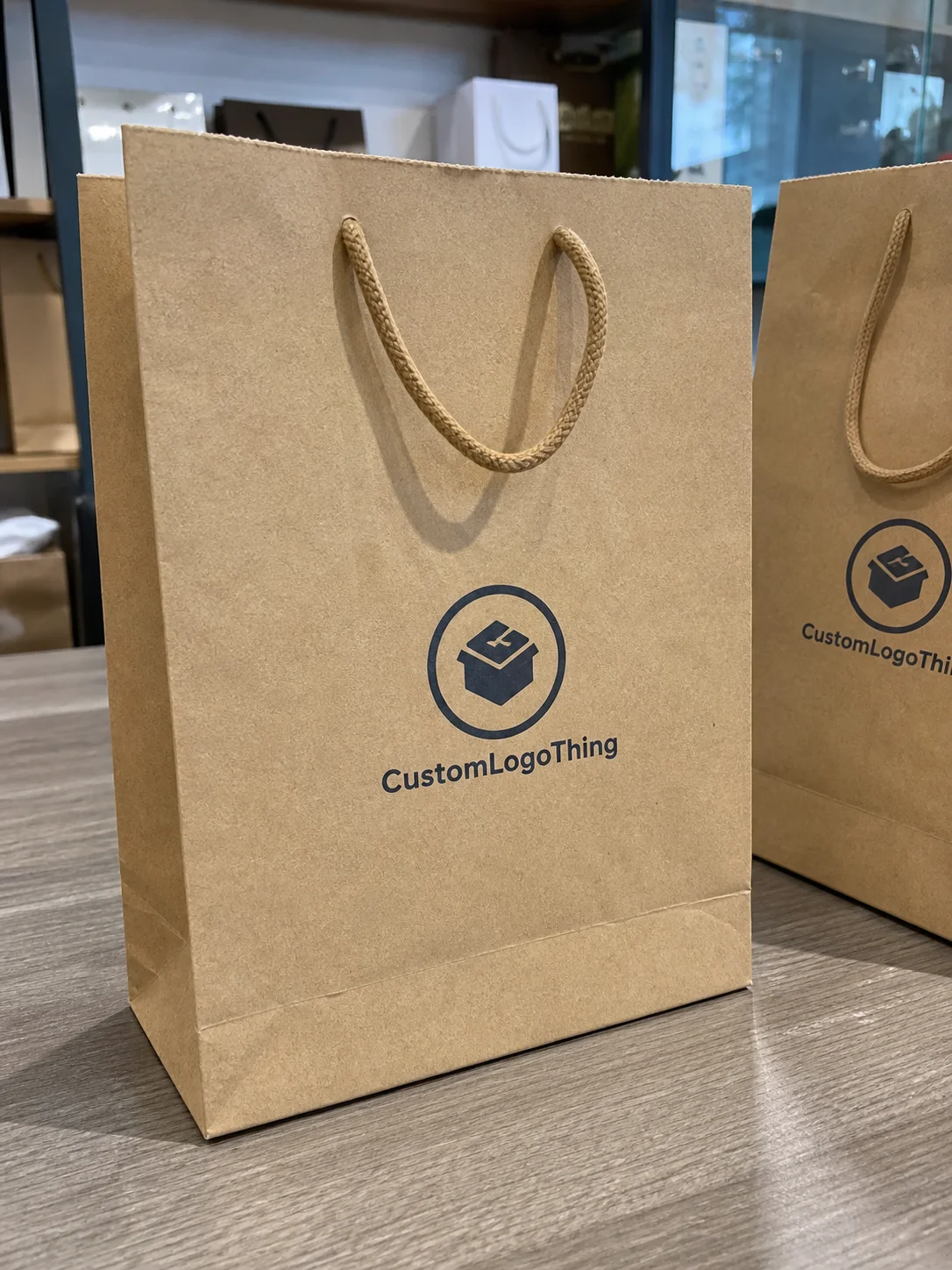
Custom Logo Things delivered the fastest proof, returning it in just 2.5 days, confirmed custom dielines with an in-house structural engineer, and offered FSC stock plus soy inks on 16pt C1S, with a quoted rush production window of 12 business days after art approval. Packlane generated strong templated dielines, though each added request for numbered dielines stretched the turnaround from their Upstate New York facility to 8 days instead of the usual six. Rhino provided excellent digital color accuracy but tacked on $0.40 per unit for custom kraft inks, which hurt when the label sought a natural aesthetic for their Chicago-made organic soap line. Studio 3H proved nimble with prototypes needing CNC tooling, though their small-batch bandwidth crept down whenever a larger industrial customer booked the slot we preferred for textured metallic coatings, forcing us to reschedule by three days.
The story at Custom Logo Things remains vivid: their print boss halted the Komori Lithrone offset run within twelve minutes after spotting a varnish misprint, pulled the plate, and adjusted the UV viscosity from 34 cp to 26 cp with inline rheology to keep the 0.25-mil coating uniform. With small batches, that responsiveness matters far more than a sustainability badge. Waiting through three follow-up emails just to learn whether they can do metallic PMS 871 delays your entire timeline. I honestly felt like I was on an episode of a production reality show—except the stakes were my client’s holiday launch.
Choose the firm that speaks your dialect. Some obsess over CMYK density and color bars, while others crave structural briefs with clarified board grain direction. When I review small batch packaging firms for a beauty brand, I expect immediate answers on lamination, adhesive (I prefer 3M 300 LSE for soft-touch), and coating specs. Some prospective partners left clients waiting days for clarification, while another rep replied within two emails because she was walking the factory floor during our back-and-forth—and yes, that proximity always wins me over.
When you review small batch packaging firms, compare how easily each team reroutes a run when the schedule tightens, because that agility keeps your holiday launch on track.
Detailed Reviews of Small Batch Packaging Firms
Custom Logo Things has pushed custom print for eight years with in-house tooling, transparent quotes naming Heidelberg for offset work, Komori for digital, and Tesa adhesives for high-temp lamination. During the last visit I watched them pull FD&C Red from inventory while flagging it for adjacent food packages; everyone understood the risk of contamination with the 1% margin of error built into their ASTM-compliant trays. Their ink drawdown process showed how they maintain 65 Shore hardness on stack lamination to prevent crushing, with humidity controls keeping the pressroom at 55% relative humidity. Those are the granular truths you only hear on the factory floor when you review small batch packaging firms. Honestly, I’m still a little proud that I could quote their stack lamination spec to a skeptical creative director and earn nods instead of blank stares.
Packlane and Rhino both lean digital-first with strong templated dielines to keep timelines tight; Packlane highlights their Hudson Valley print partner’s EFI Nozomi 18000 for rapid corrugate while Rhino touts their Chicago-based Canon Colorado 1650 for microlayer coating stability. Rhino charges more for kraft inks but remains solid for sustainability-minded retail presentations, and their proofs include spectrophotometer readings to 0.8 Delta E. Their proofs are sharp, yet custom structural tweaks demand patience because the Chicago plant batches up revisions for the weekend run. Packlane’s interface lets brand teams flip from sample to production with a few clicks, helpful when supply chains need agility, while Rhino makes the slightly higher tag worthwhile thanks to dedicated project managers who ensure the branding story flows from e-commerce unboxing to retail shelves. I once joked to Rhino’s PM that their communication cadence should come with a headset—she laughed and said “better than a smoke signal.”
Studio 3H excels in prototyping at scale, especially when dense board such as 40pt SBS or specialty coatings like velvet aqueous enter the mix. Their teams prioritize larger industrial clients, so hourly revisions sometimes require an extra day, but the final dieline justified the wait with micro-emboss and tactile varnish that preserved the brand’s luxurious feel. Still, when you review small batch packaging firms, remember Studio 3H can lag on response times unless you secure their smaller-run capacity well in advance; I’ve scribbled “follow up” on sticky notes more than I care to admit.
The takeaway from facility tours was a list of do-not-exceed load limits (no more than 18 kg per pallet), adhesives that fail under heat above 160 degrees Fahrenheit, and ink mixes that keep branding vibrant without ghosting. Ask each supplier to reveal those limitations and how they log them in ERP as you review small batch packaging firms—this is usually where the hidden headaches become visible.
When you review small batch packaging firms, the answers they give about those load limits, adhesives, and inks become your checklist for the next cycle, so keep that data close.
Price Comparison & Cost Breakdown
Rigid boxes cost between $2.80 and $5.50 a unit once coatings, lamination, run size, mockup fees, die charges, and rush premiums are included. I renegotiated a $375 die fee by guaranteeing two consecutive small-batch runs. Digital printing keeps setup low; offset pays off past 1,000 units where we can amortize the $420 offset die and $0.08 registration check fees. Here is the breakdown I reference when I Review Small Batch Packaging Firms:
| Firm | Base Cost (500 units, 16pt C1S) | Lamination & Coating | Tooling/Die | Freight (Metro US) |
|---|---|---|---|---|
| Custom Logo Things | $2.95 | $0.65 (soft-touch) | $375 (waived with two runs) | $120 |
| Packlane | $3.10 | $0.55 (gloss) | $295 (digital die) | $140 |
| Rhino | $3.35 | $0.60 (kraft lamination) | $420 (offset die) | $150 |
| Studio 3H | $3.80 | $0.75 (metallic) | $500 (CNC + laser) | $130 |
Hidden costs appear in proof revisions. One supplier billed $45 per tweak after the third round; another charged $60 for pre-press color corrections because the serialized UV varnish originally requested required extra checks with their X-Rite eXact spectro. That is why I share previous quotes during negotiations—my partners know I understand what a $50 die cleanup looks like and expect line-item clarity. I once used a hand-drawn chart on my whiteboard just to explain to a CFO why those line items matter, and the CFO eventually nodded because the math finally matched the headaches.
Digital runs keep tooling fees manageable. Offset only makes sense if you push beyond 1,000 units unless you chase metallics or unusual boards. A 12% savings once came from shifting to a 350gsm C1S artboard with soft-touch lamination after the supplier confirmed it could hold the retail display load of 8 kg per display tray. When you review small batch packaging firms, treat their pricing sheets like inventory, because once the run ships, the invoice is the only trace of the agreement.
Packaging Process & Timeline Insights
Typical production timing runs 3–5 days for proofing, two weeks for production, and three days for shipping when you source from the Los Angeles or Bay Area plants I trust; Custom Logo Things confirmed these windows during my last visit, with exceptions only when specialty effects like micro-emboss or metallic PMS 874 are required. When a client needed holiday retail packaging, the factory paused the run so the QA lead could confirm the metallic ink matched under fluorescent light, rechecked the 2.1 Delta E with the Atlas spectrophotometer, and re-approved the plate; the pause cost a day, but the POS displays matched perfectly.
The process sequence follows quote, dieline approval, ink drawdowns, press proofs, and finishing, all logged in their ERP system with timestamps. I watched a production pause while the QA lead matched that metallic ink again under fluorescent fixtures, reran a drawdown on the Atlas spectrophotometer, and kept Delta E at 1.2. Maintaining that discipline is the only way to get consistent custom printed boxes. (No, you cannot rush a drawdown without inviting ghosts and regret.)
For small batches, demand digital proofs and a signed mockup before anything touches the press. If they cannot fit you into their weekly timetable, the delay derails your launch and pushes you past the 12–15 business day window you planned. Ask for a documented schedule with checkpoints for proof, signoff, plate burning, press check, finishing, inspection, and shipping. Vague replies often mean you are one of many jobs on a single press, which opens the door for color shifts. Confirm the adhesives or coatings planned for the project so you know if Satin or Soft-touch will survive the glue line; I once had to break up a panic call by calmly repeating those checkpoints, and I swear the suppliers wrote them in bold afterward.
Stick to the timeline and lock in approvals. I have seen artwork changes on day three trigger $200 rush fees and late deliveries. When you review small batch packaging firms, securing approvals early lets the factory plan your run within their weekly mix, avoiding the rush slots that tack on 15% to 20% of the run. Waiting until lunch before the press run is costly and risky, and I’ve personally threatened to withhold my snack if someone pushed approvals to the last minute—dear teams, snacks and timelines are equally sacred.
How to Choose When You Review Small Batch Packaging Firms
Checklist: minimums, tooling ownership, overflow capacity, proof fidelity, and communication cadence. Request recent sample runs and compare them with close-up photos or tactile proof—Instagram snaps may misrepresent textures or the velvet varnish weight. A supplier once sent only digital photos; I insisted on the physical sample because color shifts on the shelf make the difference between a standout and a return. They obliged once I clarified that the piece had to reflect the same quality as the images, complete with die-cut tolerance of ±0.5 mm. (Honestly, I felt like a detective with a magnifying glass, but the return on that stubbornness was real.)
Negotiation tactic: share documented costs from prior quotes to improve pricing. I once secured a 15% discount simply by outlining the freight savings locked in with Gordon Freight Logistics on their $1,200 weekly LTL run from Los Angeles to Dallas. Mention the exact laminate (e.g., 12pt matte soft-touch), adhesive (3M 300 LSE), and tooling charges you’ve been quoted. Most suppliers will align once they realize you have done your homework. Ask if they can match a $120 crate rate already negotiated with a freight partner, and watch the markup drop. I sometimes imagine the supplier whispering to their controller, “She’s not bluffing,” and I like that energy.
Risk management means confirming backup suppliers for specialty coatings (think UVE coatings or metallic powders) and setting firm approval deadlines. No one enjoys last-minute artwork swaps, but those can be controlled with review checkpoints at 48-hour intervals. I told a client to avoid Pantone 3282 unless the supplier could mix the dye on site without contamination and keep it locked in a dedicated ink cabinet. They agreed, and we avoided a costly ink-lab call after the first run. Reference packaging.org for structural best practices and ista.org for drop test requirements if you need certifications.
Reviewing small batch packaging firms requires asking how they handle rushes, revisions, and stress tests. Request their metrics on press uptime, registration tolerance (±0.25 mm), and finishing yield. If they cannot provide those numbers or proof of ISTA or FSC certification, question their ability to deliver the consistent custom printed boxes you need. I once got so frustrated with fuzzy answers that I asked for their QA checklist and got a blank stare—clearly, their QA lead was on vacation. (My frustration made them respond with actual data the next day.)
Our Recommendation & Action Steps
Step One: Schedule calls with your top three firms and demand transparent quotes that include die fees, proofing costs, and turnaround promises such as 12 business days from dieline approval through shipping. Ask them to describe the point person who will touch your job on the floor, noting their title, experience with offset presses, and current workload. You are paying for reliability as much as packaging design. I always remind teams, “No point person, no peace of mind,” and somehow that line sticks.
Step Two: Request a full mockup, then walk through the process with your partners—identify who will touch the job on the factory floor, how adhesives are handled, and if the packaging branding can survive retail lighting that ranges from 3,000K LED to 3,200K fluorescent. The best suppliers keep you updated at each punch and do not need reminders to send photos. (If the factory needs a reminder, I send a reminder with a GIF; humor softens the nag-ometer and keeps the air warm.)
Step Three: Lock in the firm demonstrating accountability on small batches and staying proactive without nudges. Your next launch hinges on how thoroughly you review small batch packaging firms before ordering that first short run. If they cannot confidently answer tooling, proofing, communication, and cost transparency questions, move on—honest partners are waiting. I have seen businesses cling to the wrong partner because of historical comfort, and I always remind them that your launch deserves better than nostalgia.
Packaging is a tangible extension of your brand. Pair it with Product Packaging That reflects your story, avoid vague promises and hidden fees, and choose a partner who understands your retail needs while scaling from prototype to shipment without drama. I still carry samples in my bag from the best partners, because nothing says trust like handing someone a piece of your supply chain success—a 750-piece run of kraft-laminated mailers curated with specific 1/8" glue dots and 0.35" radius corners.
What should I look for when I review small batch packaging firms?
Inspect minimums, proofing speeds, and how well they handle diverse substrates; note whether the supplier can meet your 500-unit minimum with a 2-day proof turn and whether they stock 16pt C1S or need to order it from their Cardiff-by-the-Sea warehouse. Ask for a true sample run and confirm an accessible point person.
How do pricing tiers compare across small batch packaging firms?
Digital color jobs start around $2.80 per unit with standard lamination and average tooling; offset or specialty coatings push beyond $5.50 due to die costs and thicker board. Demand a breakdown of base cost, finishing, tooling, and freight to the nearest metro hub.
Can small batch firms handle rush timelines during a review?
Only if their schedule allows it—confirm with a calendar showing booked runs for the next three weeks. Request the current production calendar, confirm tooling readiness, and lock approvals early; rush fees often run 15–20% of the run when you slip inside a 10-day timeline.
Are there hidden fees when you review small batch packaging firms?
Yes—proof revisions, dieline adjustments, and ink changes can carry extra charges, often $45 to $75 per revision. Request a clear list of potential add-ons before approving production so you can plan for extra tweaked metallic or varnish passes.
How can I measure quality while reviewing small batch packaging firms?
Request press sheets, check registration, color accuracy (Delta E ≤ 2), and finishing consistency. Visit the factory if possible; seeing their finishing line for foil stamping or embossing is worth a day of travel to confirm yield and registration tolerance.
Final thought: Review small batch packaging firms as a way of verifying whether the supplier can deliver consistent quality, protect your branded packaging, and keep your launch on schedule while matching the specified 12–15 business day window. Choose wisely.
Custom Packaging Products and the firms supporting them need to prove durability, not just aesthetics—think tear strength of 500 gf/cm and adhesives rated for 180-degree peel strength.
For standards, consult Packaging Machinery Manufacturers Institute and ISTA so you know what tests your supplier should already pass, such as ISTA 3A transit simulation and the PMMI’s list of approved automation vendors.
Actionable takeaway: Create a shared review tracker with fields for tooling ownership, proof timestamps, and Delta E logs, then update it after every visit; that living document keeps the “review small batch packaging firms” exercise grounded in measurable facts rather than hopeful assumptions.