||
|
Ribbed Winter Hat Size Tolerance Guide: What Buyers Actually Need to Know
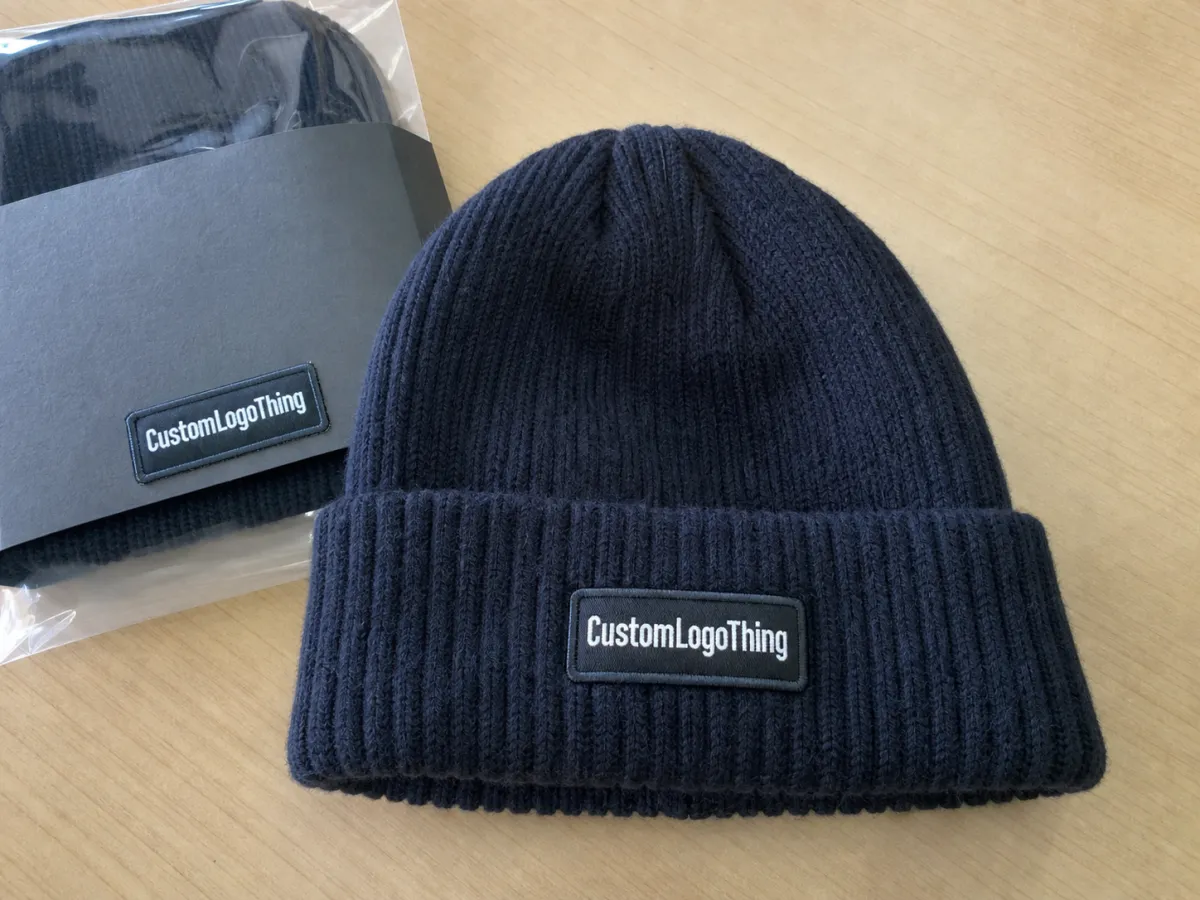
A ribbed beanie can look slightly uneven on a table and still fit correctly on a head. That is normal knit behavior. The buyer's job is to define the acceptable range before production starts, so the supplier, merch team, and inspector judge the same standard.
Size tolerance is the allowed difference between the approved sample and bulk production. If the approved sample measures 7.5 inches in relaxed flat width, a production range of 7.25 to 7.75 inches means the supplier can ship within that band without failing inspection. For knitwear, this range accounts for yarn tension, finishing, steaming, folding, and packing pressure.
The risk is not variation itself. The risk is a vague tolerance. Too tight, and sampling slows, sorting increases, and costs rise. Too loose, and the final hats can feel inconsistent, shallow, tight, or poorly presented. A useful specification controls the measurements that affect buyer complaints: flat width, total height, cuff depth, crown shape, stretch recovery, and decoration placement after the hat is worn.
Practical rule: tolerance should protect normal knit variation, not excuse poor control.
For most bulk programs, the most useful approval set includes a tech pack, one proto sample, one fit sample, and one pre-production sample. On a standard ribbed acrylic beanie, that sample cycle often takes 18-22 business days before bulk begins, assuming yarn is in stock and decoration is simple. If the order needs custom-dyed yarn, a brushed lining, or a complex patch, the timeline is usually longer.
How Ribbed Knit Construction Affects Beanie Sizing
Rib knit uses alternating raised and recessed stitches. That structure creates widthwise stretch, which is why a smaller relaxed measurement can still fit a broad adult head range. The hat should expand under tension and return close to its original shape after wear.
Different rib patterns behave differently. A 1x1 rib often feels compact and tidy. A 2x2 rib has a more visible channel and can feel softer or more elastic depending on yarn and gauge. Chunkier ribs can look premium, but they make the surface more sensitive to embroidery, heat pressing, folding, and packing. The more dimensional the knit, the more visible small piece-to-piece differences become.
Buyers should separate three measurement states on the spec sheet:
- Relaxed measurement: the hat measured flat without pulling, usually the main inspection reference.
- Stretched measurement: the hat opened to a defined width, useful for one-size-fits-most programs.
- Worn fit: the way the hat sits on a head form or actual wearer once the rib is under tension.
Yarn choice affects recovery and tolerance. 100% acrylic is common because it is cost-effective, holds shape well, and usually performs predictably in bulk. Wool blends can feel warmer and more premium, but may relax differently over time. Cotton generally has less built-in recovery. Recycled yarns can be suitable, though batch consistency depends on fiber source and spinning control. If the program uses recycled content, buyers often ask for GRS documentation for the recycled material claim. If the fiber is organic cotton, GOTS documentation is the right reference point. For skin-contact basics, OEKO-TEX Standard 100 is commonly requested for yarn or finished goods testing.
Decoration changes fit perception. Direct embroidery adds density and backing, which can stiffen the front panel. A woven patch reduces stretch across the patch area. A thick leather or faux leather patch can make a close-fit hat feel tighter at the front. For this reason, the approved sample should be worn and measured, not only reviewed flat. If the factory uses a fusible backing, buyers should confirm whether it is light, medium, or heavy hand-feel because the backing can change the opening size by a few millimeters after heat and steam.
Program type also matters. Fashion beanies can tolerate more slouch or height variation because the look is relaxed. Uniforms, school orders, outdoor workwear, and retail packs displayed side by side usually need tighter consistency, especially at the cuff line. If the hats will be sold in boxed retail sets, the supplier should also control final fold size so each unit fits the same carton or polybag format.
Most ribbed winter hats are produced on computerized flatbed knitting machines in common gauges such as 7G, 9G, or 12G. Lower gauge produces a thicker, warmer handfeel and more visible rib depth. Higher gauge usually gives a smoother surface and tighter stitch definition. After knitting, the pieces are linked, trimmed, steamed or lightly blocked, and then checked against the approved size set. The machine gauge, yarn count, and steaming time all affect final relaxed width and crown height.
Key Measurements and Tolerance Ranges for Custom Ribbed Beanies
A useful spec starts with the right measurement points. "Standard adult beanie" is not enough because buyers, factories, and merch teams may each use a different reference.
| Measurement Point | Common Target Range | Typical Tolerance | Buyer Note |
|---|---|---|---|
| Relaxed flat width | 7.25-8.5 in adult | +/- 0.25-0.5 in | Check stretch recovery, not only the flat number. |
| Total height, unfolded | 10-13 in adult | +/- 0.25-0.75 in | Slouch styles usually need more vertical freedom. |
| Folded cuff height | 2.5-3.5 in common | +/- 0.25 in | Hand-folded cuffs vary unless controlled during packing. |
| Logo placement from cuff edge | 0.5-1.5 in typical | +/- 0.125-0.25 in | Confirm placement on a worn form, not only flat. |
| Pom placement, if used | Centered at crown | +/- 0.25 in | Check for tilt after packing and handling. |
For most adult ribbed beanies, relaxed flat width lands around 7.25 to 8.5 inches, depending on fit goal. Tolerance often sits around plus or minus 0.25 to 0.5 inch. Height is more style-dependent. A taller crown can work for a slouch fit, but a hat that is too short often reads as cheap because it exposes the ears or distorts the cuff.
Cuff depth deserves specific control. A folded cuff may look clean on the sample but drift in bulk if it is hand-folded without a packing standard. Plus or minus 0.25 inch is common for controlled programs. If every cuff must look identical in a polybag, the factory needs a repeatable fold method and extra handling time.
Separate fit tolerance from cosmetic tolerance. A crown that is half an inch taller may still fit correctly and only change silhouette. A narrow opening with poor recovery is more serious because it affects comfort. For one-size-fits-most adult styles, specify both relaxed and stretched measurements, then confirm that the hat recovers without bagging out.
Youth, adult, and oversized versions should not share one loose specification. Youth beanies need smaller openings and usually shorter height. Oversized or fashion styles may need more crown length and a softer hand. A physical sample is still the best approval tool because stretch, return, cuff behavior, and decoration position cannot be judged reliably from numbers alone.
For buyers comparing more than one factory quote, it helps to standardize the inspection method. Measure 10 pieces from the first 100 produced, then repeat the same measurement on the final packing lot. A practical target for many programs is an AQL-based inspection with a 2.5 major / 4.0 minor threshold, plus a separate visual check for color consistency, loose threads, and folded-cuff alignment.
Cost, Pricing, and MOQ Impact of Tighter Size Tolerances
Tighter tolerance can be the right control measure, but it is rarely free. It can add sample revisions, closer knitting control, slower inspection, and more rejected pieces during bulk. Those factors affect unit price, lead time, and sometimes MOQ.
Cost changes across the full program. Yarn quality, gauge, knit setup, decoration method, packing method, and inspection labor all interact. A basic acrylic ribbed beanie with simple embroidery is usually the most economical option. Add a wool blend, dense rib, large patch, exact cuff height, and strict logo placement, and the order becomes more labor-sensitive.
As a working benchmark, a standard custom ribbed beanie at 500 MOQ often lands around $2.50-4.00 per unit for a simple acrylic build with one small embroidery or woven label, assuming standard packing. If the buyer asks for recycled yarn, double-layer construction, brushed lining, pom-pom attachment, or more elaborate embellishment, the price can move up into the $4.25-6.50 range or higher depending on yarn and labor.
Sample fees are usually separate from bulk pricing. A proto sample might be $25-75, while pre-production samples with custom color matching, special stitching, or shipping can cost more. Rework also has a cost. If one order requires repeated size approval, each round can add several days because the factory must re-knit, steam, and remeasure before moving on.
| Program Type | Typical Use | Cost Impact | Best Fit |
|---|---|---|---|
| Standard tolerance | Giveaways, casual merch, basic promos | Lowest unit cost; normal QC | Orders where minor variation is acceptable |
| Controlled tolerance | Retail merch, staff apparel, subscription boxes | Moderate increase from added sampling and inspection | Programs that need consistent presentation |
| Strict tolerance | Uniforms, premium drops, resale programs | Higher cost from tighter control and more rejects | Orders where returns or complaints are expensive |
MOQ and tolerance are linked. A 250-piece order has less room for custom yarn runs, repeated corrections, or extra handling. A 10,000-piece retail order can absorb more control because setup cost is spread over more units. If a small order needs premium fit control, the quote may rise because of labor and time, not only material.
Decoration can also shift cost. Large embroidery on rib knit may require extra backing or careful hooping to reduce distortion. A woven patch can cost more up front but may give cleaner edges and less puckering. Retail packaging adds handling if each hat must be folded to a fixed size, inserted with a hangtag, and polybagged to a specific count. If the order uses WRAP- or BSCI-audited production, those compliance requirements may also affect overhead, especially when the buyer requests traceable carton labeling and documented inspection records.
Process and Timeline for Approving Size Tolerances Before Production
Good size control starts before knitting begins. The buyer should send a clear tech pack and ask the supplier to confirm not only measurements, but also yarn type, gauge, finish method, packaging method, and inspection standard.
A practical approval flow looks like this:
- Submit the tech pack with target dimensions, tolerance bands, artwork placement, label type, and packaging requirements.
- Approve yarn options, including fiber content, color, and any certificate needed for the program, such as GOTS for organic cotton, OEKO-TEX Standard 100 for skin-contact safety, or GRS for recycled content claims.
- Review the proto sample to check silhouette, fabric density, and first-fit impression.
- Approve the fit sample on a head form or live fit model, then measure relaxed and stretched width again after steaming.
- Approve the pre-production sample or size set sample, which should match the planned bulk method and decoration method.
- Release bulk only after the factory confirms the knitting machine gauge, operator settings, and packing method for the approved spec.
For most simple programs, the full approval window is often 18-22 business days after the factory receives final artwork and measurement targets. A basic acrylic beanie with standard embroidery can move faster if yarn is in stock and the supplier already has the right machine setup. If the buyer needs custom color matching, special lining, or recycled yarn certification documents, the process usually takes longer.
Inspection should not wait until the end of the order. A better process is to check the first 20-30 pieces off the line, confirm measurement drift, then inspect random cartons before packing is completed. Common checkpoint items include relaxed width, stretched width, body height, cuff depth, stitch density, loose thread trimming, embroidery location, label alignment, and fold consistency. If the buyer requests a final random inspection, use a documented AQL method so the pass/fail decision is consistent.
Factories with stronger compliance systems often document this flow through internal QC sheets, material traceability logs, and pre-shipment photos. If a supplier claims WRAP or BSCI alignment, the buyer should still verify that the current production run uses the same standard, especially for labor records, chemical handling, and subcontracted finishing. Certification alone does not replace measurement control.
Step-by-Step Spec Sheet Checklist for Ribbed Winter Hat Orders
Use the spec sheet to remove guesswork before production. If the buyer leaves any of these items open, the factory will fill in the gap with its own standard, which may not match the brand's expectations.
- State the style: 1x1 rib, 2x2 rib, cuffed beanie, slouch beanie, pom beanie, or double-layer winter hat.
- Define the material: 100% acrylic, acrylic-wool blend, recycled polyester blend, organic cotton, or a certified recycled yarn with GRS documentation if the claim matters.
- Set the gauge: 7G for thicker winter weight, 9G for midweight, 12G for finer knit detail.
- List all dimensions: relaxed width, stretched width, total height, cuff depth, and logo placement from the cuff edge.
- Provide tolerance bands: use exact numbers for each measurement, not a general statement like "close to sample."
- Specify decoration: embroidery stitch count, patch size, woven label location, or print area with a placement diagram.
- Confirm finishing: steam blocked, lightly pressed, brushed lining, folded cuff, or packed flat.
- Choose compliance needs: OEKO-TEX Standard 100 for product safety, GOTS for organic cotton, GRS for recycled content, WRAP or BSCI if the buyer needs factory social compliance documentation.
- Set packaging: individual polybag, insert card, size sticker, carton count, and fold method.
- List inspection rules: AQL target, acceptable shade band, and what counts as a major or minor defect.
For high-volume programs, it is smart to add one line about how the hat should be measured. Example: "Measure flat on a smooth table after 24 hours at room temperature, without stretching, and record width at the widest point and height from crown to bottom edge." That single instruction prevents a lot of disputes later.
If the hat includes embroidery, add a checkpoint for distortion around the stitch field. If the hat includes a patch, require a test fit on the finished hat so the buyer can confirm the patch does not pull the rib out of shape. If the hat uses a pom, define whether the pom is sewn through the crown or attached with a hidden loop, because that changes durability and crown symmetry.
Common Mistakes That Create Bad Fit, Rework, and Returns
One common mistake is approving only a flat sample. Rib knit changes when worn, so the hat may look correct on the table but sit too tight or too short on a head. Another mistake is treating all adult beanies as identical. A shallow style and a slouch style need different height and recovery targets, even if the logo placement is the same.
Another problem is leaving cuff height open to interpretation. A folded cuff that drifts by even 0.25 inch can shift logo placement enough to look off-center in retail packaging. Buyers should define the cuff fold method and inspect it after folding, not only before.
Loose decoration control also creates returns. A thick patch or dense embroidery can reduce stretch in the front panel, which may make a one-size item uncomfortable for larger heads. For that reason, decoration should be tested on the actual knit structure that will be used in bulk, not on a smoother or thinner sample fabric.
Color drift is another avoidable issue. If the order includes different yarn lots, the buyer should request lot separation or shade band approval. This is especially important for dark colors, heathers, and recycled yarns, where slight variation can be visible across a retail wall display. If color consistency is critical, request a lab dip or yarn shade approval before knitting bulk.
Finally, buyers often under-specify packing. Compression from folding and cartoning can alter the appearance of the cuff and crown. If the hats are packed tight, the factory should allow a recovery period before final measurement checks. A short rest time at room temperature can reduce false failures caused by packing pressure rather than actual knit defects.
During final inspection, the usual checkpoints are straightforward: measure a random sample set, check stitch uniformity, confirm the opening recovers after stretch, inspect seams and linking, trim loose ends, verify label placement, and compare the bulk shade to the approved sample. A good report should identify how many pieces were checked, how many failed each checkpoint, and whether the lot passed under the agreed AQL.
Next Steps for Buyers Before Ordering Custom Ribbed Winter Hats
The easiest way to get a better bulk result is to make the specification more measurable. Start with the approved sample, define the relaxed and stretched dimensions, lock the decoration placement, and confirm the packing method before you Request a Quote. That gives the factory a real basis for pricing and reduces late revisions.
If the order matters for retail or uniforms, ask for a sample sequence rather than a single sample. A proto sample shows shape. A fit sample shows comfort. A pre-production sample shows how the finished method will behave in bulk. That three-step process is usually worth the extra time because it catches cuff drift, height issues, and decoration distortion before the main run.
Also ask the supplier which certifications actually apply to the order. If the hat uses organic cotton, ask for GOTS documentation. If it uses recycled yarn, ask for GRS. If the buyer needs factory-level social compliance, ask whether WRAP or BSCI is current and relevant to the production line. If the beanie is worn directly on skin, OEKO-TEX Standard 100 is often a useful safety reference.
For most buyers, the best next move is to issue a clear spec sheet with exact dimensions, target material, and one photo of the approved sample in flat and worn views. That one file often prevents more problems than any late-stage inspection can fix.
FAQ
What tolerance is normal for a ribbed beanie?
For many adult ribbed beanies, relaxed width tolerance is often +/- 0.25 to 0.5 inch, with height and cuff depth sometimes allowed a little more room depending on style. A tighter range is possible, but it usually increases sample work and inspection time.
How much does a custom ribbed beanie cost at 500 MOQ?
A simple acrylic custom ribbed beanie with standard embroidery or a woven label often lands around $2.50-4.00 per unit at 500 MOQ. Yarn choice, gauge, patch size, lining, and packing can move that higher.
How long does production usually take?
For a standard program with approved artwork and in-stock materials, 18-22 business days is a realistic target for sample-to-bulk release or short-run production milestones. More complex builds, custom yarn, or special certification paperwork can extend that timeline.
Which certifications matter most for beanies?
Common requests include GOTS for organic cotton, OEKO-TEX Standard 100 for product safety, GRS for recycled content, and WRAP or BSCI for factory social compliance. The right certification depends on the material and the buyer's compliance needs.
What inspection checkpoints should be included?
At minimum: relaxed width, stretched width, total height, cuff depth, seam quality, loose thread trimming, decoration placement, color consistency, and packing fold consistency. Many buyers also use an AQL plan such as 2.5 major / 4.0 minor.
What is the best sample sequence?
Proto sample, fit sample, then pre-production sample is the most reliable sequence. If the order uses a special yarn, a lab dip or shade approval should happen before bulk knitting starts.