Custom Event Hat Carton Packing Guide for Bulk Buyers
Custom Event Hat Carton Packing Guide: What Buyers Usually Miss
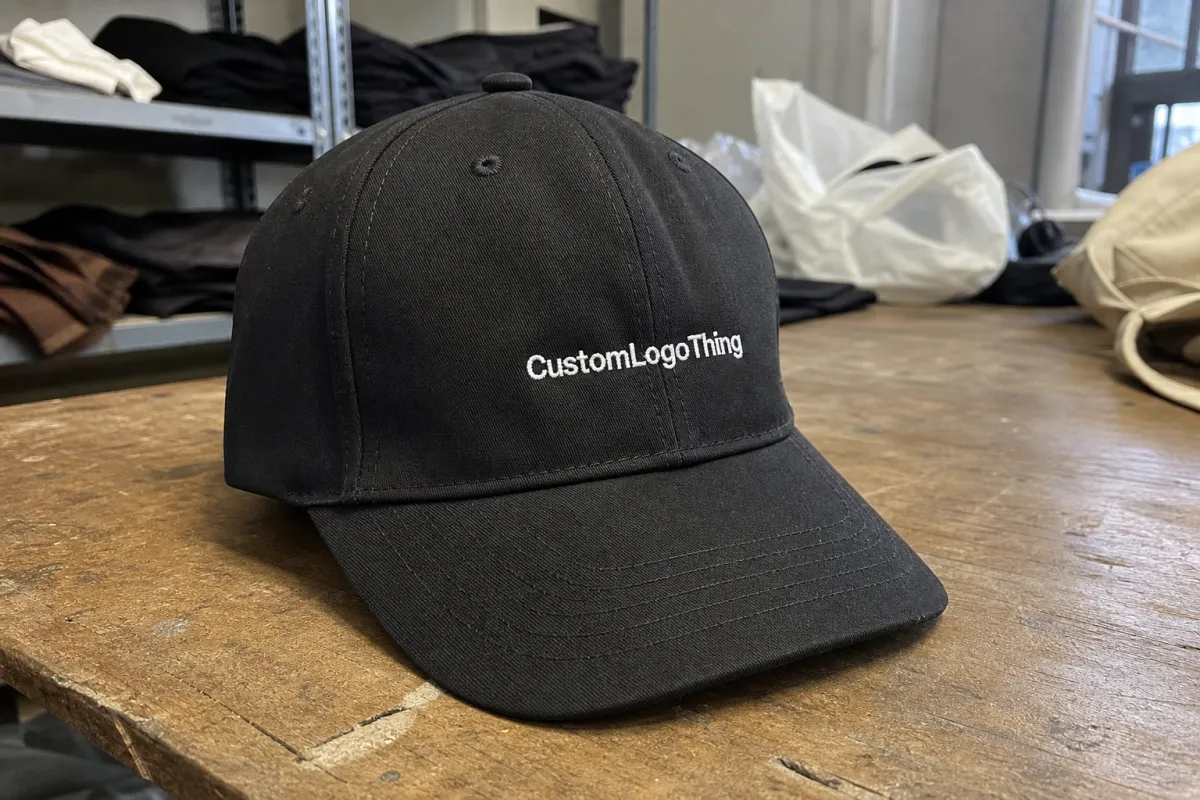
Hats rarely get ruined by the logo. They get ruined because someone packed structured caps like folded T-shirts, sealed the carton, and hoped the brim would forgive them. A custom event hat carton packing guide gives bulk buyers a practical way to specify how hats should be packed so they arrive clean, shaped, countable, and ready for handout without turning delivery day into a pile of crushed crowns and mystery boxes.
For event buyers, carton packing is not a warehouse footnote. It affects how the hats look when staff open the boxes, how quickly the order can be checked, and whether a team can sort 500 pieces in 20 minutes or spend two hours digging through mixed cartons. A cap order can leave production looking premium, then look cheap at pickup if crowns collapse, brims bend, or the only carton label says “mixed caps.” That label helps nobody.
The goal is controlled density. Tight packing lowers freight cost, but over-compression damages shape and presentation. Loose packing protects the hats, yet it can increase dimensional weight, carton count, and handling cost. The right balance depends on hat type, decoration method, event schedule, shipment route, and how the goods will be distributed once they arrive.
This guide covers carton selection, cap orientation, inner protection, moisture control, exterior labels, master carton setup, palletizing, and the handoff to parcel, LTL freight, air freight, or venue receiving. It is written for event planners, merch buyers, corporate marketing teams, race organizers, festivals, conferences, tournaments, and agencies ordering hats in bulk.
Practical rule: if the event date cannot move, the carton spec should not be improvised during the final 48 hours before shipment.
How Hat Carton Packing Works From Cap Shape to Master Carton
The packing chain usually follows a plain sequence: finished hats are inspected, grouped by style or size, protected with inner materials, placed in polybags or inner cartons if required, then loaded into master cartons. Master cartons protect the bulk shipment. Inner cartons protect smaller distribution groups. That difference matters if your team needs 50 navy caps at booth A, 100 black caps at registration, and 150 sponsor hats going to a VIP room.
Not all hats behave the same under pressure. Structured caps need crown protection because the front panels are built to hold shape. Unstructured Dad Hats tolerate more compression, although the brim still needs care. Snapbacks and trucker hats often have higher crowns and stiffer brims. Foam trucker caps can dent quickly, and the damage is easy to see. Bucket hats pack differently because the brim is soft and circular. Visors save carton height, but curved brims can warp. Beanies are the simplest: fold, stack, count, and move on.
Crown height, brim curve, decoration method, and fabric weight all affect carton planning. A raised embroidered patch on a front crown needs more clearance than flat screen printing on a beanie. A 6-panel structured cap with a curved brim may need alternating rows and light tissue between layers. A flat-brim snapback may need wider rows and cleaner brim alignment. Foam, mesh, twill, corduroy, brushed cotton, recycled polyester, and wool-blend fabrics all respond differently to pressure and humidity.
Common packing orientations include nested front-to-back rows, brim alignment in one direction, alternating stacks to reduce wasted space, individual bagging, divider use, and layered cartons for mixed SKUs. For mixed colors or sizes, grouping matters as much as protection. Staff should not have to open every carton like a bad treasure hunt.
For premium event kits, sponsor gifts, resale merchandise, or shipments going directly to venue docks, request packing photos before dispatch. A useful photo set shows one open carton, one close-up of the carton label, and the final pallet or carton stack. That small request catches many problems while the goods are still with the supplier, before freight makes corrections expensive.
As a simple example, 300 embroidered structured caps may need more carton volume than 300 unstructured cotton caps, even if the unit price is similar. The packing plan should start with hat type, not just quantity.
Carton Specs That Protect Event Hats Without Wasting Freight
Carton strength comes first. Single-wall cartons may work for light domestic parcel shipments, especially for beanies or unstructured caps moving short distances. Double-wall cartons are safer for heavier loads, long-distance freight, stacked pallets, venue deliveries, or shipments that pass through multiple carrier hubs. If a carton needs to survive pallet stacking, a truck transfer, and a venue receiving dock, do not treat it like a storage box from the supply closet.
Ask for actual carton dimensions, not just “standard carton.” Useful specs include length, width, height, internal dimensions, flute type, burst strength or edge crush test rating, gross weight, and estimated stacking tolerance. For buyers dealing with high-value shipments or strict delivery windows, the International Safe Transit Association is a useful reference for transit testing concepts and packaging performance language.
The carton should fit the hat shape and packing pattern, not whatever leftover box is available. Plenty of bulk hat orders end up in cartons that are too tall, too weak, too loose, or packed so tightly the front row takes all the punishment. Each failure creates a different problem: crushed crowns, scuffed decoration, bent brims, wasted freight, or receiving teams that cannot verify counts quickly.
Protection options vary by risk and budget. Tissue can reduce abrasion between caps. Polybags keep units clean and presentation-ready. Kraft dividers or corrugated inserts control movement. Cap shapers support structured crowns. Moisture-absorbing packets help when goods face humid storage, coastal delivery, outdoor events, or longer freight routes. Inner cartons are useful when the order needs smaller distribution batches, such as 25 or 50 pieces per team, booth, sponsor, or venue zone.
Individual polybagging makes sense for sponsor gifting, retail resale, warehouse storage, muddy outdoor pickup, or direct handout stations where presentation matters. It is often less useful for low-budget volunteer caps, one-day giveaways, or beanies going straight into use. Plastic is not a cure-all. It adds cost, handling time, disposal questions, and another material choice your team may need to justify.
Exterior labels should include style name, color, size, quantity, PO number, event name, carton number, gross weight, and destination zone if cartons are split by team or booth. If staff need a detective board to find the navy large caps, the packing plan failed. Labeling is part of product packaging, not an afterthought.
Cost, MOQ, and Unit Cost Tradeoffs for Hat Carton Packing
Packing is not free just because it is less visible than embroidery. Cartons, inserts, labels, polybags, labor, inspection, pallet materials, and dimensional freight all affect landed cost. Buyers often debate thread colors for three days and then accept mystery cartons. That is how chaos gets a tracking number.
Cost usually breaks into several buckets: carton material, inner protection, individual bagging, custom labels, packing labor, quality checks, palletizing, and freight volume. Small runs often have fewer carton customization options because setup and labor are spread across fewer units. Larger runs can justify better inserts, printed carton labels, pre-sorted cartons, or branded packaging details that make distribution easier.
Here are typical planning ranges. These are not universal prices. Supplier location, labor rates, material grade, order complexity, and freight method all change the math.
| Packing Option | Typical Use | Common Added Cost Range | Main Tradeoff |
|---|---|---|---|
| Economy bulk pack | Simple giveaways, volunteer caps, low-risk local delivery | $0.03-$0.10 per hat | Lowest packing cost, weaker presentation and sorting control |
| Protected event pack | Corporate events, races, conferences, multi-SKU orders | $0.12-$0.35 per hat | Better shape control and faster receiving, slightly higher unit cost |
| Premium retail-ready pack | Sponsor gifts, resale merch, VIP kits, branded handouts | $0.35-$0.90+ per hat | Best presentation, higher labor and dimensional freight |
Dimensional weight can surprise buyers. A carton full of hats may be charged by size more than actual weight, especially by air or parcel. Empty space inside cartons is expensive air. Very fancy air, apparently. Compressing hats too tightly may reduce carton count, but it can create crown dents, brim warping, and a cheaper presentation. Replacement hats, rush freight, and on-site sorting labor can wipe out the freight savings fast.
Ask suppliers to quote two or three packing options: economy bulk pack, protected event distribution pack, and premium retail-ready pack. Each quote should list units per carton, carton dimensions, gross weight, number of cartons, pallet count if applicable, included packing materials, and whether carton labeling is included. If you are also sourcing custom printed boxes or broader Custom Packaging Products, align the carton plan with the full packaging design early so the specs do not fight each other later.
For sustainability claims, stay precise. FSC-certified paperboard, recycled content, right-sized cartons, and reduced plastic can be useful, but claims should match actual materials and supplier documentation. The Forest Stewardship Council is a good reference for FSC sourcing language. Not every order needs premium materials, and not every supplier can document them cleanly.
Process and Timeline: From Packing Approval to Event Delivery
The process should run in a sensible order: confirm hat specs, approve decoration, confirm packing method, receive pre-shipment packing photos, complete inspection, seal cartons, label cartons, book shipment, and deliver to the event or warehouse. Simple. Not glamorous. Very useful.
Packing decisions should be made before production is finished, not two days before shipment when everyone suddenly discovers the venue needs cartons sorted by booth number. A single-style cap order is easy. Mixed colorways, size runs, sponsor-specific cartons, and venue-specific labels require more labor and more checks.
For timeline planning, simple packing approval can happen within 1-2 business days after the supplier confirms carton fit. Custom carton labels, inner cartons, multi-location sorting, or branded event kits may add 3-7 business days, sometimes more if materials need to be ordered. Typical bulk hat production may already run 10-20 business days after artwork approval, depending on decoration method and quantity, so packing decisions should sit inside that production schedule, not after it.
Build in a buffer for major events. Venues have receiving windows. Freight carriers miss appointments. Weather does not care about a launch calendar. Parcel service is flexible but handling can be rough. LTL freight needs stronger cartons, stable pallets, and clear labels on at least two sides. Air freight punishes oversized cartons through dimensional charges, so right-sized packing can save real money there.
Approval assets should include an open carton photo, a close-up of the label, a carton count sheet, a gross weight list, and, for larger orders, a pallet photo before dispatch. For event teams, those files make receiving faster because the warehouse or venue staff know what the cartons should look like before the truck arrives.
Step-by-Step Packing Checklist for Bulk Event Hat Orders
Use this checklist before approving shipment. It is built for Buyers Who Need hats to arrive in the right shape, in the right cartons, with labels that a tired human can understand in ten seconds.
- Identify the hat type and risk points. Note crown structure, brim shape, decoration placement, foam panels, mesh backs, delicate patches, raised embroidery, or trim that may snag during packing.
- Choose the packing level. Decide whether the order needs bulk packing, individual bagging, inner cartons, retail-ready presentation, or sorting by size, color, team, sponsor, or venue zone.
- Confirm units per carton. Base the count on hat type and acceptable compression, not just maximum capacity. Maximum capacity is not always the smart capacity.
- Select protection materials. Use tissue, polybags, dividers, cap shapers, or moisture control based on destination, storage conditions, freight method, and event environment.
- Create practical carton labels. Include event name, PO number, style, color, size, quantity, carton sequence, destination, and handling instructions.
- Request supplier photos. Ask for an open carton view, closed carton label, and, if applicable, palletized carton stack before shipment.
- Verify shipment data. Check carton dimensions, gross weight, total carton count, pallet count, and shipment method before paying the balance or approving dispatch.
- Prepare receiving instructions. Tell event staff to check count, carton condition, and labels before moving goods to storage or handout stations.
This custom event hat carton packing guide is especially useful for orders above 250 pieces, multiple SKUs, or any shipment going directly to a venue. Smaller orders benefit too, but the pain gets expensive once cartons are split across locations or handled by teams that did not place the order.
Common Packing Mistakes That Crush Caps and Budgets
The first mistake is treating all hats as the same product. Beanies, visors, dad hats, bucket hats, trucker hats, and structured snapbacks do not need the same carton strategy. If the supplier gives one generic packing answer for every style, ask better questions.
The second mistake is approving the cap design but ignoring the packing method. Buyers will argue over a 1 mm logo placement change, then approve shipment without seeing how the hats sit in the carton. Priorities get strange in merch buying.
Overpacking cartons to save freight is another common failure. A slightly lower freight bill is not a win if the first row of caps arrives with collapsed crowns. For structured caps, the safer plan is often fewer units per carton with stable rows, light support, and a carton height that does not force the crown down.
Vague labeling creates avoidable labor. “Mixed hats” is not helpful. It is a cry for help from the warehouse. Mixed cartons can work only when the packing list is extremely clear and the receiving team is ready for it. If cartons are split by size, color, sponsor, team, or location, put that information on the exterior label.
Moisture risk also gets ignored. Outdoor events, coastal destinations, humid warehouses, and long ocean freight routes can all create problems. Polybags, moisture control, and stronger outer cartons may be worth the cost if hats will sit in storage before the event. For long storage windows, confirm that hats are dry before bagging; sealing moisture inside a polybag creates a different problem.
Weak cartons are the quiet budget killer. A carton that looks fine on the packing table may not survive a carrier hub, pallet stacking, or a venue dock with five other events receiving goods the same morning. Final carton count matters as well. Match the carton count against the purchase order before shipment, unless you enjoy doing arithmetic while staff are asking where the sponsor caps went.
Final Checks Before You Approve Hat Cartons for Shipment
Before approving shipment, send the supplier the final hat type, total quantity, SKU breakdown, delivery deadline, destination details, and event handout plan. If cartons need to be split by booth, sponsor, team, size, or venue zone, say that clearly. Do not assume the packing team can guess your event flow from a purchase order.
Choose one packing level and document it. Economy bulk pack works for simple giveaways and immediate use. Protected event pack is better for shape control, cleaner sorting, and corporate distribution. Premium retail-ready pack fits sponsor gifts, resale merch, VIP kits, and branded packaging programs where presentation affects perceived value.
Ask for a written packing spec instead of relying on verbal promises. Verbal packing specs are adorable until the cartons arrive wrong. The minimum approval items are units per carton, carton dimensions, gross weight, total carton count, label format, protection materials, and photos before shipment. If you need matching Custom Packaging Products for inserts, labels, or custom printed boxes, confirm those specs with the hat carton plan instead of treating them as separate projects.
Create a receiving checklist for the venue or warehouse: count cartons, inspect damage, photograph issues, match labels to the packing list, and separate cartons by distribution zone. Any order going directly to an event venue should include labels that a tired human can understand in ten seconds. That is not a low bar. It is the correct bar.
A good packing plan is not about making boxes look impressive. It is about making sure the right hats arrive in the right shape, at the right place, with enough order clarity that event staff can focus on the people in front of them instead of the cartons behind them.
FAQ
How many custom event hats should be packed in one carton?
It depends on hat structure, brim shape, carton size, and protection level. The carton should never be packed so tightly that crowns or brims deform. Ask your supplier for units per carton, carton dimensions, gross weight, and packing photos before shipment. Structured caps usually need more space than unstructured caps or beanies.
Do event hats need individual polybags inside the carton?
Use individual polybags when hats are gifts, resale items, VIP merch, or stored before the event. Skip them for low-budget immediate handouts if cost and speed matter more than presentation. For outdoor or humid conditions, polybags plus moisture control may be worth the added cost, as long as the hats are dry before packing.
What carton labels should be used for bulk event hat packing?
Labels should include event name, PO number, hat style, color, size, quantity, carton number, destination, and handling notes. If cartons are sorted by booth, team, sponsor, or venue zone, put that information clearly on the exterior label. Avoid vague labels like “mixed caps” unless the packing list explains the mix in detail.
How does carton packing affect the cost of custom event hats?
Packing affects cost through cartons, inserts, polybags, labor, labeling, palletizing, and dimensional freight. Tighter packing may reduce freight, but too much compression can damage hats and create replacement costs. Ask for economy, protected, and premium packing quotes so you can compare the real tradeoffs.
When should I confirm the custom hat packing plan before an event?
Confirm packing before production finishes, especially if you need sorting, custom labels, inner cartons, or venue-specific delivery. Request packing photos and a carton count sheet before shipment leaves the supplier. For fixed event dates, build in buffer time for inspection, freight delays, and venue receiving windows.

