Picture 5,000 custom beanies arriving at the warehouse with clean embroidery, tidy retail bags, and one quiet but expensive problem: the inside label says “tumble dry high” on an acrylic-wool blend with a faux fur pom. The hats look fine in the carton. The problem appears later, after a customer follows the label, ruins the shape, and has a reasonable complaint.
That is why a winter hat care label checklist is not production busywork. It is a small quality-control tool that protects the product after the sale, when the buyer, retailer, or end user expects the hat to perform as promised.
Beanies seem simple because most of the visible decisions are familiar: yarn color, logo placement, cuff height, patch material, pom-pom, or retail packaging. The inside label receives less attention, yet it carries the instructions that determine whether the hat keeps its shape, avoids heat damage, and can be washed without guesswork. A label also helps align the product record with fiber claims, origin details, and retailer requirements.
Why a Winter Hat Care Label Checklist Prevents Costly Beanie Reorders
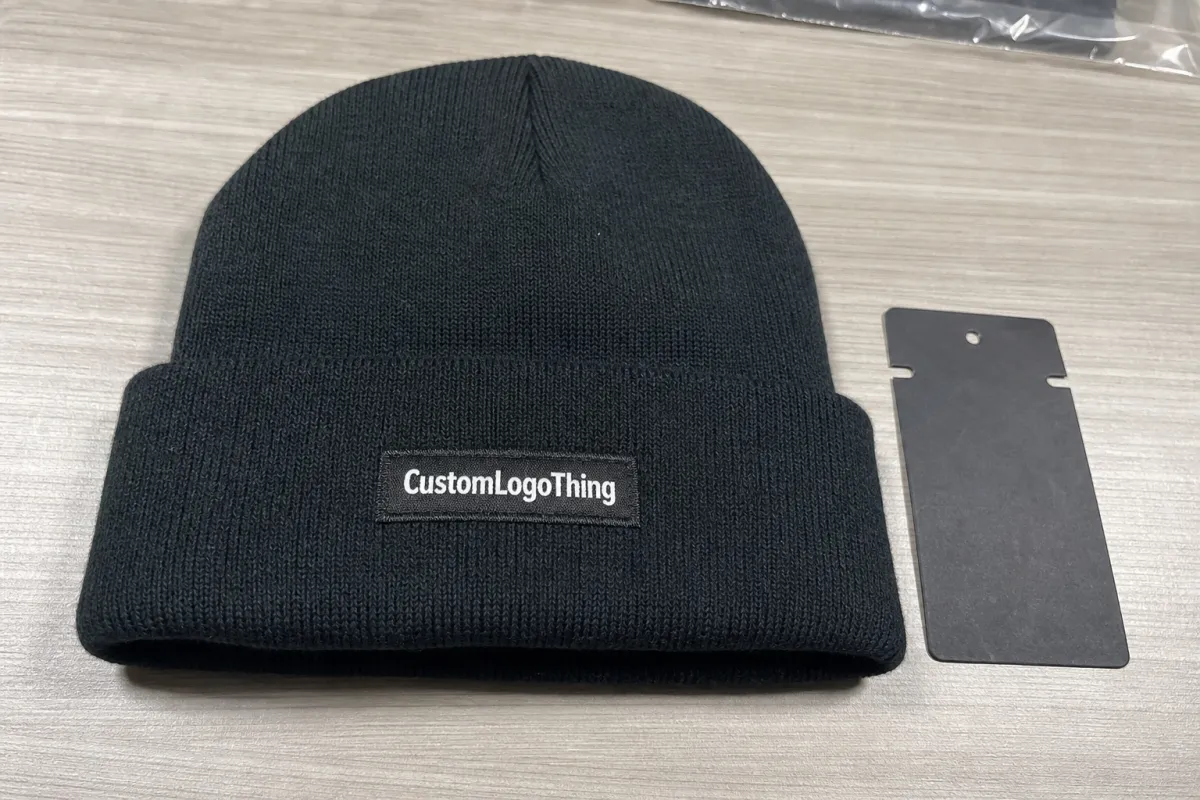
A hang tag sells the beanie at first glance. The care label protects the sale after purchase. One speaks to presentation; the other supports use, compliance, and returns handling.
Textile failures often show up late. Shrinkage, pilling, dye bleed, flattened faux fur, distorted rib knit, and warped acrylic yarn rarely appear during unboxing. They appear after washing, drying, stretching, or repeated winter wear. If the label is wrong, every unit in the run repeats the same instruction.
A practical checklist should cover fiber content, wash instructions, drying guidance, bleach and iron direction, country of origin, label placement, brand presentation, and production approval. It should also catch the easy-to-miss details: fleece linings, embroidery backing, recycled polyester claims, reflective yarn, leather-look patches, metallic threads, and stretch recovery.
Construction changes care decisions. A cuffed 2x2 rib knit does not behave like a slouch beanie. A fleece-lined winter hat combines two material systems. A jacquard knit may include multiple yarn colors with different dye behavior. A faux fur pom may be the most delicate part of the product even if it represents a small fraction of the total weight.
The buyer audience is wide: brand managers ordering winter merchandise, event teams building cold-weather kits, private-label sellers preparing retail drops, and stores adding custom hats to a seasonal assortment. The risk is similar for all of them. Once a faulty label is sewn in, the fix may require relabeling, repacking, delaying shipment, or replacing inventory.
Practical rule: treat the care label like a product specification, not a decorative insert. If it affects compliance, customer use, retailer onboarding, or returns, it belongs in the approval path.
The strongest label process is not complicated, but it does require discipline. Confirm the materials, write care instructions for the actual construction, check the label at real size, approve it sewn into the sample, and lock the version before bulk production begins.
How Care Labels Work Inside Custom Beanie Orders
A care label is the sewn-in, printed, woven, or heat-applied instruction panel that tells the user what the hat is made from and how it should be cleaned. Depending on the sales market and product type, it may also carry origin, importer, distributor, or business identity details.
Most beanie care labels do three jobs at once. First, they support compliance by listing fiber composition, country of origin, and required identity information where applicable. Second, they give garment-care guidance: wash, dry, bleach, iron, or dry-clean instructions. Third, they shape the customer’s impression of quality. A scratchy, crooked, unreadable label can make a soft knit hat feel cheap in seconds.
Typical label content includes fiber percentages, washing method, drying method, bleach guidance, ironing or no-iron wording, origin statement, size if needed, and manufacturer or distributor identity where required. For U.S. textile labeling basics, buyers can review guidance from the Federal Trade Commission. Broader packaging and production education is also available through groups such as PMMI.
Beanie labels usually fall into a handful of formats: folded satin labels, woven damask labels, printed cotton labels, tear-away labels, loop labels, and combined brand-care labels. A folded satin label can work well for text-heavy care copy. A woven damask label can look premium, though tiny wash symbols and long multilingual instructions may lose clarity. Printed cotton often feels softer, but ink durability and edge finish should be checked if repeated washing is expected.
Placement is more than a cosmetic choice. Common positions include the back seam, side seam, cuff interior, or hidden inside crown. A back-seam label is familiar and easy to sew. A cuff-interior label may be visible if the cuff flips or folds unevenly. A hidden crown label looks cleaner, but customers may have to search for it.
The beanie’s construction should guide the decision. A tight cuffed watch cap, slouch beanie, fleece-lined style, jacquard knit, and pom-pom hat may each need a different label size or attachment method. If the label is designed after the sample is approved, the team may discover too late that it scratches the forehead, bunches at the seam, shows through lightweight knit, or interferes with stretch.
Key Label Specs: Fiber, Symbols, Placement, and Branding
The core winter hat care label checklist has four working parts: material truth, care accuracy, physical label specs, and brand consistency. A label can look finished while still failing one of those areas.
Material truth
List fiber percentages in descending order. A simple beanie might read 100% acrylic. A blended style may be 70% acrylic, 30% wool; 60% recycled polyester, 35% acrylic, 5% spandex; or 80% cotton, 20% nylon. If there is a fleece lining, faux fur pom, or patch material, confirm whether it requires separate disclosure or affects the recommended care.
Many buying teams move too fast at this stage. They approve “soft acrylic blend” in a product brief, then ask the supplier to fill in the label later. That sequence creates avoidable risk. Fiber content affects claims, wash behavior, price, duty classification, retailer setup, and the customer’s expectations for warmth and feel.
Material substitutions deserve special attention. A shift from acrylic to acrylic-wool, from standard polyester to recycled polyester, or from cotton to cotton-nylon may look harmless on a cost sheet, yet the label may need new wording. If the hang tag mentions recycled content or wool, the care label and supporting documentation should not contradict that claim.
Care accuracy
Care instructions should follow the most sensitive component, not necessarily the largest one. Wool dislikes heat and agitation. Acrylic can deform under high heat. Cotton may shrink. Fleece linings can pill if washed aggressively. Faux fur poms often need gentle handling. Metallic yarns, reflective threads, leather-look patches, and specialty appliques can narrow the safe cleaning method.
A plain acrylic beanie may tolerate simple machine-wash instructions. A lined, patched, pom-pom style may need cold wash, gentle cycle, no bleach, reshape, and lay flat to dry. The label should not promise convenience the product cannot support.
Retailer requirements can also shape the wording. Some vendor manuals specify icon systems, language order, minimum text size, or packaging references. For transit and packaged-goods testing, standards organizations such as ISTA may be relevant to the broader shipping plan, especially for retail-ready cartons or seasonal kits.
Symbols, size, and feel
Decide whether to use text instructions, care icons, or both. Icons save space. Text reduces ambiguity. Many buyers use both when label size allows, especially for resale products or multilingual markets. A proof should be checked at actual size, not only on a zoomed PDF where every letter looks cleaner than it will in production.
Physical specs should include label dimensions, fold type, edge finish, print color, background color, font size, seam allowance, and soft-touch requirements. A common sewn label might be 25 mm wide by 50 mm long before folding, though the right size depends on copy volume, yarn weight, and where the label is attached.
Comfort is a quality issue, not a small preference. Stiff edges, sharp corners, heavy woven labels, and bulky folds can irritate the forehead or neck. A beanie may feel premium in the hand and still disappoint once the label rubs against the skin.
Brand consistency
A care label can quietly reinforce quality. Match brand typography where practical, use enough contrast, and keep the tone consistent with hang tags, belly bands, retail cartons, and poly bags. A crowded inside label with four fonts and weak contrast creates a credibility gap if the outer packaging uses a clean, restrained system.
Custom Logo Things can support this part of the order through Custom Labels & Tags, especially when the care label needs to coordinate with hang tags, stickers, bags, or retail presentation. The care label does not need to be loud. It needs to be accurate, readable, comfortable, and aligned with the rest of the product.
Cost, Pricing, and MOQ Factors for Beanie Care Labels
Care label cost is usually small per unit, but it is sensitive to setup, material, print method, color count, order volume, and sewing labor. A label that looks like a $0.04 detail can become a much larger problem if it has to be replaced after thousands of hats are already finished.
Common pricing drivers include woven versus printed construction, satin versus cotton base material, single-color versus multi-color art, custom cut size, fold style, and whether the label is sewn separately or bundled into full beanie production. Custom Woven Labels often require a higher minimum order quantity. Printed labels may be more flexible for smaller batches. Lower MOQ usually means higher unit cost.
| Label Option | Typical Use | Budget Signal | Buyer Watchout |
|---|---|---|---|
| Printed satin label | Care-heavy copy, soft interior labels, multilingual text | Often around $0.04-$0.12 per unit at moderate volume | Check ink durability and edge softness |
| Woven damask label | Premium brand labels with limited care copy | Often around $0.08-$0.18 per unit depending on size and colors | Tiny text and care icons may lose clarity |
| Printed cotton label | Natural-feel branding, softer fashion positioning | Often around $0.06-$0.16 per unit | May fray or fade if the finish is wrong |
| Combo brand-care label | Reducing two labels into one interior label | Can reduce sewing steps on larger runs | Too much content can hurt readability |
Those ranges are directional, not fixed quotes. Final pricing depends on quantity, artwork, supplier setup, label size, production location, and whether labels are made as part of the beanie order. For 5,000 pieces, a simple printed care label may stay in a tight per-unit range, while a custom woven combo label with multiple colors and a specialty fold can cost noticeably more.
The hidden costs are usually more painful than the label itself: artwork cleanup, compliance review, sampling, sewing labor, relabeling finished inventory, rush freight, and replacement labels after a late material change. Saving half a cent on a thin, scratchy label is not a win if it creates complaints or if the print fades after a few washes.
A combo brand-care label can reduce cost by replacing two labels with one. It can also make the customer experience worse if the logo crowds out the wash instructions. Ask for quotes that separate label type, sample fee, setup, unit cost, MOQ, sewing cost, and rush charges. The cheapest label is not always the lowest-cost decision.
Process and Timeline: From Label Artwork to Sewn-In Approval
The cleanest production path is straightforward: confirm beanie material, draft care text, choose label format, prepare artwork, review compliance details, create a sample, approve placement, produce labels, sew into the bulk order, and inspect finished hats. Straightforward does not mean automatic.
Label decisions should happen before sampling whenever possible because care content, size, and placement can affect construction. If a buyer approves a tight cuff sample and then adds a thick woven label later, the final hat may feel different. If a fleece lining is added after the label copy is approved, the wash instructions may no longer fit the product.
The slowest step is often not printing the label. It is confirming correct fiber content, legal wording, import details, and approval across merchandising, compliance, and creative teams. In a typical custom product workflow, label proofing may take only a day or two, while internal signoff can stretch across a week if ownership is unclear.
At sample approval, test the label as a customer would. Wear the beanie for five minutes. Stretch the cuff. Check whether the label scratches, twists, or pulls the seam. Read the smallest text in normal indoor light. If the order is high volume, run a small wash test using the proposed instructions. A modest sample test can prevent a five-figure rework discussion later.
Timeline risks usually come from late substitutions. Switching from acrylic to wool blend changes care. Adding a faux fur pom changes care. Moving production origin changes label wording. Approving artwork before care instructions are final creates the feeling of progress without the control that production needs.
Build a clear approval chain: one person owns care content, one owns artwork, one owns compliance, and one signs off on the physical sample. Ask the manufacturer for a label proof and a sewn-in sample photo before mass production begins. Custom Logo Things can help align branded presentation with practical production requirements so the label is considered alongside packaging, tags, and other custom label and tag options.
Step-by-Step Checklist Before You Approve Bulk Beanies
Use this winter hat care label checklist before approving a bulk order. It is deliberately practical. The goal is to catch the dull problems that become expensive only after every hat is sewn, packed, and shipped.
- Confirm the exact composition. Include yarn, lining, recycled fibers, wool, cotton, nylon, acrylic, polyester, spandex, faux fur, pom-pom material, embroidery, and patch material.
- Match care to the most delicate component. A wool blend cuff, faux fur pom, metallic yarn, reflective thread, or leather-look patch may control the wash recommendation.
- Verify regulatory and retailer requirements. Check fiber declaration, origin statement, importer or distributor information, language needs, and any retailer-specific textile labeling rules for the target market.
- Choose label construction. Compare woven, printed, satin, cotton, tear-away, loop fold, center fold, end fold, and heat-transfer options against the actual beanie style.
- Check readability at actual size. Print a physical mockup. A label that looks clean on a large screen may fail once it is 25 mm wide and folded into a seam.
- Approve placement on the beanie body. Confirm the label does not scratch the forehead, stick out from the cuff, twist at the seam, or show through lightweight knit.
- Review brand consistency. Check logo spacing, care-copy tone, color contrast, font choice, and alignment with hang tags, bags, belly bands, and retail cartons.
- Lock the label file. Document who approved it, when they approved it, which sample it matches, and whether any later material changes require a new review.
A strong checklist also includes a version number. That sounds bureaucratic until two similar PDFs circulate in the same email thread. One says “lay flat to dry.” The other says “tumble dry low.” A version date and approved file name keep the wrong proof from sliding into production during a rushed handoff.
Common Mistakes That Make Beanie Labels Fail
The biggest mistake is writing care instructions from habit instead of from the actual material. “Machine wash cold” may be fine for a plain acrylic beanie. It may not protect a wool blend, faux fur pom, metallic yarn, garment-washed cotton, or specialty patch.
Overbranding is another common failure. Buyers enlarge the logo until the care text becomes unreadable. That weakens both compliance value and customer usefulness. A label should support the brand, not turn the care instructions into legal confetti.
Missing or vague fiber information creates a different problem. Customers read labels for warmth, allergens, sustainability claims, animal-fiber concerns, and washing expectations. “Acrylic blend” is not the same as a proper fiber breakdown. If recycled polyester is claimed on the hang tag, make sure the label and documentation support the claim.
Approving labels before final material substitutions is risky. Manufacturers may propose yarn changes to meet color, cost, or availability targets. Not every substitution is a problem; some are practical and well justified. But the label review has to move with the material decision.
Comfort failures are fast and unforgiving. Stiff labels, sharp corners, thick woven edges, and poor placement can make a soft beanie feel cheap almost instantly. The customer may never study the fiber content, but they will notice a scratchy edge against the forehead.
Translation mistakes matter for multilingual markets. Direct translation can create confusing wash instructions or inconsistent fiber names. If a retailer requires French, Spanish, or another language, use approved textile terminology rather than casual machine translation.
Packaging disconnects also reduce trust. A premium kraft belly band, polished retail carton, or custom bag loses credibility if the inside label looks careless. Most label problems are not dramatic failures. They are small unchecked assumptions repeated across every unit.
Practical Next Steps Before Sending Your Beanie Order
Before requesting production, collect five documents: the beanie spec sheet, confirmed fiber composition, label artwork file, care instruction draft, and target sales market details. If one is missing, the order is not truly ready for approval.
Then ask the supplier three direct questions. Which label types fit this construction? What is the MOQ and unit cost difference by label type? At what point do label changes affect lead time? Clear questions produce clearer quotes and fewer assumptions.
Request a physical or photo sample showing the label sewn into the actual beanie style, not a loose label proof alone. A loose label tells you print quality. A sewn-in label shows comfort, placement, seam behavior, and whether the label fights the knit.
Test the sample like a customer. Wear it for five minutes. Stretch the cuff. Check the seam. Read the label in normal light. If the order is large enough to justify it, run a small wash test following the proposed care instructions. The result may be boring, and that is the point.
Build the final winter hat care label checklist into the purchase order so the approved specs travel with the order instead of living only in an email thread. A careful label review will not make the beanie more exciting, but it can protect brand trust, reduce avoidable rework, and give the finished hat a better chance of surviving real winter use.
FAQs
What should be included in a winter hat care label checklist?
A winter hat care label checklist should include fiber percentages, wash and dry instructions, bleach guidance, ironing guidance if relevant, country of origin, brand or distributor details where required, label size, fold style, placement, and artwork approval status. Add special components such as fleece lining, faux fur pom-poms, leather patches, embroidery, reflective yarn, recycled fibers, or wool blends because they can change the care instructions.
Do custom beanies need care labels if they are promotional giveaways?
Often, yes. Promotional beanies may still be imported, distributed broadly, handled by an institution, or sold later through a secondary channel. Even when the hat is not placed on a retail shelf, a care label reduces confusion and helps protect the brand from complaints after washing.
How do I choose between woven and printed labels for winter hats?
Choose woven labels when durability, premium appearance, and brand presentation matter most, and the copy is short enough to stay readable. Choose printed labels when you need more text, small-batch flexibility, softer feel, or lower setup complexity. For care-heavy content, printed satin or cotton labels often improve readability because small text and wash icons stay clearer.
Can the same care label be used across different beanie styles?
Only if the fiber content, construction, trim, lining, and country-of-origin details are the same. A cuffed acrylic beanie, wool-blend watch cap, fleece-lined beanie, and pom-pom hat may each need different care wording even if they share the same logo.
When should I finalize the care label during the beanie production timeline?
Finalize the label after material specs are confirmed but before bulk production begins. The best checkpoint is sample approval: review the label content, comfort, placement, and legibility on the actual beanie before approving mass production.