Buyer Fit Snapshot
| Best fit | Rigid Box Quote for Branding projects where brand print, material claims, artwork control, MOQ, and repeat-order consistency need to be specified before quoting. |
|---|---|
| Quote inputs | Share finished size, material target, print colors, finish, packing count, annual reorder estimate, ship-to region, and any compliance wording. |
| Proofing check | Approve dieline scale, logo placement, barcode or warning zones, color tolerance, closure strength, and carton packing before bulk production. |
| Main risk | Vague material claims, crowded artwork, missing packing details, or unclear freight terms can make a low unit price expensive after revisions. |
Fast answer: Rigid Box Quote for Branding: Board, Finish, Dieline, and Unit Cost should be specified like a repeatable production item. The safest quote records material, print method, finish, artwork proof, packing count, and reorder notes in one written spec.
Production checks before approval
Compare the actual filled-product size with the drawing, then confirm tolerance on folds, seals, hang holes, label areas, and retail display edges. Reserve space for logos, QR codes, warning copy, and material claims before decorative graphics fill the panel.
Quote comparison points
Review material grade, print process, finish, sampling route, tooling charges, carton quantity, and freight assumptions side by side. A quote is only useful when the supplier can repeat the same color, closure quality, and packing count on the next order.
A rigid box quote for branding should do more than return a number. It should show the board grade, opening style, finish stack, insert type, and the specific choices that move cost up or down. That matters because packaging is often the first physical contact a customer has with a product. I have seen a 1 mm change in board thickness, a different wrap paper, or a revised closure mechanism alter both cost and the way a brand feels in the hand.
From a packaging buyer's point of view, the hard part is rarely getting a quote at all. The real work is asking for the right quote. A launch kit, a gift set, or a retail accessory box can look straightforward in a mockup and then turn into a long list of decisions about rigidity, lining, insert depth, print coverage, and assembly. A solid rigid box quote for branding ties the creative brief to a buildable structure and gives marketing, procurement, and operations the same reference point.
Custom Logo Things focuses on the part people tend to forget after the presentation looks polished. A box has to support brand identity, protect the product, and survive shipping, storage, and handling. A clear rigid box quote for branding makes comparison easier, trims revision loops, and helps teams choose packaging that respects both budget and the unboxing moment customers remember.
Rigid Box Quote for Branding: Why Small Spec Changes Move Price Fast
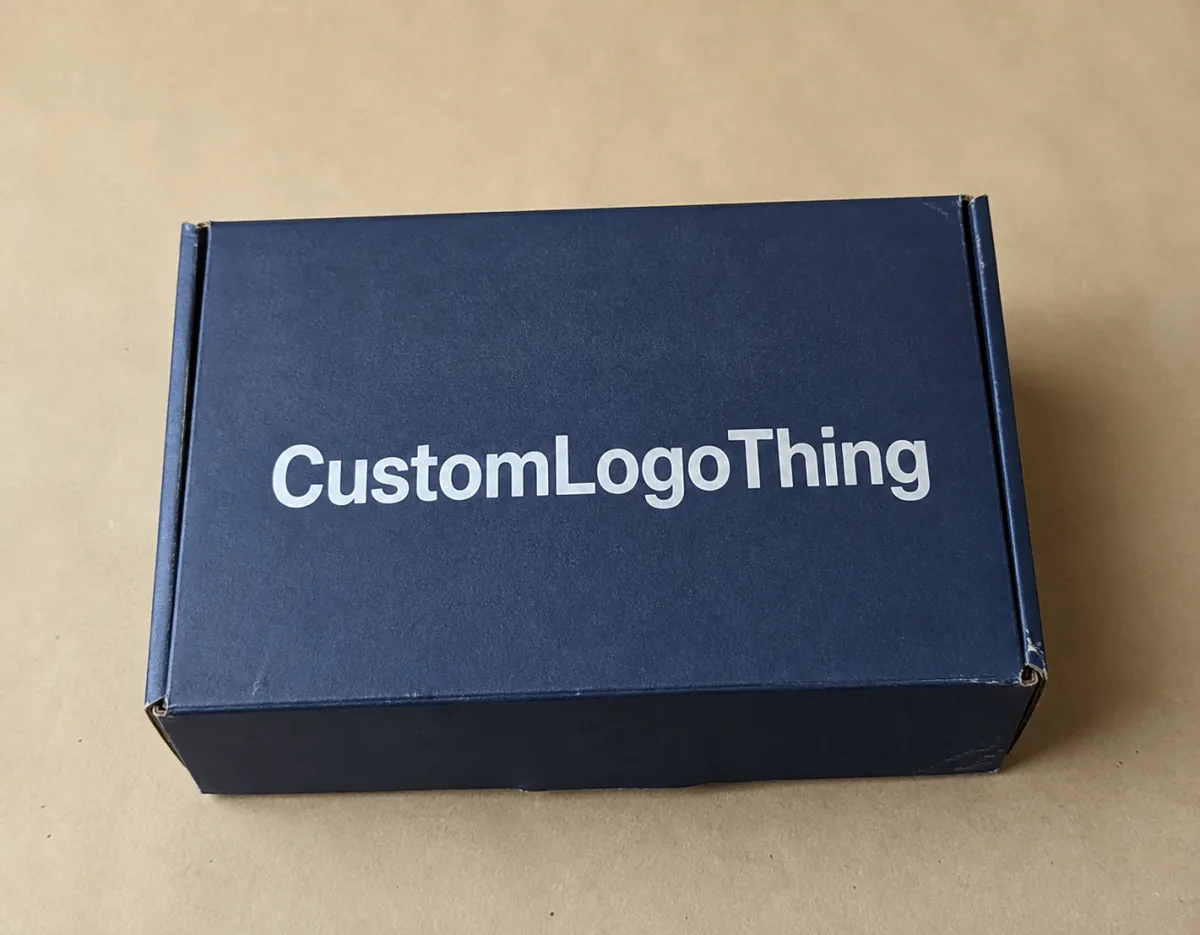
A rigid box quote for branding can change quickly, and the reason usually sits in the build rather than the artwork. A box that is 2 mm wider or taller may use a bit more board and wrap paper, but the bigger cost shift often comes from labor, tooling, and how cleanly the corners fold. A minor sizing adjustment can ripple through the line, especially once the box uses a separate lid, a base, and a custom insert that needs to fit tightly without marking the product.
The quote has to reflect the actual structure, not the render. A lift-off lid box follows a different assembly path than a magnetic closure box. One may call for more hand finishing and lining; the other may require a more involved wrap and magnet insertion step. On a sample table they both read as premium. In production, they behave very differently. That difference sits inside the rigid box quote for branding.
Finishing changes the price more than many teams expect. Soft-touch lamination, foil stamping, embossing, debossing, and spot UV each introduce setup time, handling, and inspection. A move from matte art paper to a textured specialty wrap can also shift the quote because the paper behaves differently around corners and turn-ins. If the goal is polished visual branding, those choices matter. They just should not be treated like free extras.
Brand teams usually care about the emotional effect first. That is fair. A box is part of the product story, and the story starts before the product is touched. Clean structure and careful finishing can strengthen brand recognition. Weak board, sloppy wrap folds, or a loose closure can pull the brand in the opposite direction. A useful rigid box quote for branding starts with the use case: retail display, premium gifting, influencer kits, subscription packaging, or a boxed set for direct shipment.
That use case tells the supplier how much durability the box needs, how much visual impact it should carry, and whether it must survive repeated handling. It also helps separate the features that matter from the ones that merely look attractive on a deck. A corporate gift box may justify heavier board and a more refined finish stack. A seasonal promotion may need a cleaner build with fewer embellishments so the project stays within budget. Specificity steadies the rigid box quote for branding.
A strong packaging quote should match the real build, not the idealized mockup.
That simple rule saves time and prevents a lot of false comparisons. The best quote is the one that helps teams judge the same structure, the same finish, and the same actual cost range.
Rigid Box Quote for Branding: Product Options That Shape the Final Look
Rigid box styles send different signals, and branding work depends on those signals. A lift-off lid box feels direct and premium, which suits cosmetics, candles, and accessories. A magnetic closure box reads as more ceremonial and often fits higher-value items, award pieces, and curated sets. Drawer-style boxes create a slower reveal, while clamshell and book-style formats make the opening sequence feel controlled and deliberate. Each option changes the rigid box quote for branding because the structure changes the amount of board, wrap, and handwork needed.
Material choice matters just as much. Most rigid boxes start with greyboard or chipboard in the 1.5 mm to 3 mm range, depending on the size and expected use. A small jewelry box does not need the same board caliper as a larger gift set carrying several pieces and inserts. The exterior can be wrapped in printed paper, coated art paper, textured stock, or a specialty decorative paper. Inside, the lining can stay plain or echo the outside graphics. That decision shapes the unboxing experience and can keep the package visually consistent from the first glance to the final reveal.
Inserts often decide whether a project feels polished or merely adequate. A die-cut board insert is usually the most economical choice for simple product shapes. Foam offers firmer retention for fragile items, though it may clash with a natural or eco-forward brief. Molded pulp deserves attention when protection and sustainability messaging need to move together. Wrapped board inserts sit in the premium middle ground and often look cleaner than bare foam. A useful rigid box quote for branding should name the insert clearly, because the insert affects fit, appearance, and transit performance.
Decorative details need close attention too. Foil stamping adds contrast and a sharp quality signal when used with restraint. Embossing and debossing add texture and help the box hold attention without heavy ink coverage. Spot UV can sharpen a logo or pattern, though it needs the right base coat to read cleanly. Interior print, ribbon pulls, thumb notches, and edge treatment all shape the final feel. Used well, those details support the package. Used without discipline, they make a quote harder to defend and the brand harder to read.
The cleanest way to decide is to connect each feature to the job the box must do. A retail-facing box should be legible at a glance. A gift box should open easily and feel memorable in the hand. A shipping-ready presentation box has to hold the product steady in transit and still look composed on a table. A smart rigid box quote for branding starts with the product, not just the artwork.
| Box Style | Typical Branding Use | Relative Cost Impact | Typical Notes |
|---|---|---|---|
| Lift-off lid rigid box | Gift sets, cosmetics, accessories | Lower to medium | Simple structure, strong shelf presentation, easy to sample |
| Magnetic closure box | Premium launches, corporate kits | Medium to higher | More assembly, cleaner reveal, often chosen for brand identity work |
| Drawer-style box | Jewelry, small electronics, curated sets | Medium | Useful when the unboxing experience is part of the message |
| Book-style presentation box | Media kits, collectibles, limited editions | Higher | Strong visual branding, but more complex to assemble and finish |
The table works as a decision tool, not a style catalog. The quickest path to a clean rigid box quote for branding is choosing the structure that fits the story, then simplifying only where the customer will not notice the difference.
Rigid Box Quote for Branding Specs: Sizes, Inserts, and Print Details
Size is one of the first numbers to lock before requesting a rigid box quote for branding. Suppliers need the finished outer dimensions, the internal cavity size, and the product clearance. Those measurements are not interchangeable. A box can fit on paper and still fail in production if the walls, turn-ins, or insert pockets leave too little room for safe handling. A precise spec avoids that trap and keeps the quote from drifting after the first revision.
A useful spec sheet does not need to be complicated, but it does need to be complete. The strongest version usually includes product dimensions, target quantity, box style, insert requirements, print areas, and finish preferences. If the box holds more than one item, list each piece and its weight. If the product is fragile, say so. A good rigid box quote for branding depends on whether the box carries one piece, a two-piece set, or a full kit with accessories and printed collateral.
Artwork affects pricing more than many teams expect. Full-coverage print, fine text, metallic ink effects, photographic imagery, and multiple imprint locations each create different press demands. If the file is not final, the supplier may estimate from coverage ranges and proofing assumptions. That is normal, but it should be written down. A quote based on a single-color logo will not match a box that later becomes a full-surface print with foil and interior graphics. The right rigid box quote for branding should state that clearly.
Tolerance matters too. Real products are rarely neat enough to forgive loose measurements. A bottle with a cap, a tool with a protruding handle, or a skincare set with glass components may need deeper pockets, wider tray openings, or a softer interior surface to avoid abrasion. Buyers who call out those details early usually get a better sample and fewer production surprises. That becomes especially important for premium packages where brand consistency depends on every box closing the same way and every insert holding the product in the same position.
To keep vendor conversations clean, separate the must-haves from the nice-to-haves. Foil stamping may be non-negotiable while interior print remains optional. A magnetic closure may be required while embossing stays in the upgrade column. That kind of language helps the supplier build an accurate rigid box quote for branding without padding the estimate for features you may not approve.
Here is a simple way to organize the request before sending it out:
- Finished product dimensions and weight.
- Box style and opening method.
- Target quantity and any forecast for repeat orders.
- Insert type and product retention needs.
- Print coverage, finish stack, and color requirements.
- Packaging or shipping requirements after assembly.
If you want to see how those choices show up in real packaging programs, the detail in a strong Case Studies page helps connect spec decisions to the finished package rather than leaving them abstract on a quote sheet.
Rigid Box Quote for Branding Pricing and MOQ: What Drives Unit Cost
The price in a rigid box quote for branding comes from a short list of variables that work together. Board grade is one of them, since heavier board uses more raw material and can be slower to wrap cleanly. Wrap material matters as well, because specialty papers and textured stocks can cost more and behave differently during production. Print complexity, insert material, embellishments, and hand assembly time all feed the total. None of that is mysterious, but it does mean the lowest quote should never win on price alone.
MOQ, or minimum order quantity, explains why a small run often costs more per unit. The setup for cutting, wrapping, finishing, and assembly happens whether the order is 500 boxes or 5,000. With a smaller quantity, that fixed work gets spread over fewer units, so the price rises. Buyers asking for a rigid box quote for branding should expect that math and use it to their advantage. If the project may repeat, ask where the price break lands and how much the unit cost changes at the next tier.
For context, a simple lift-off lid box with a printed wrap and a basic board insert might land in the range of $1.20-$2.20 per unit at 5,000 pieces, depending on size and coverage. A magnetic closure box with foil, embossing, and a wrapped insert can move into the $2.50-$6.00+ per unit range, and larger or more intricate structures can go higher. Those are planning ranges, not promises, because geography, material markets, and finishing requirements all influence the final price. Even so, they give buyers a realistic frame before they ask for a formal rigid box quote for branding.
Extra charges often hide in the parts of the project that do not show up in the mockup. Prototype development, sample shipping, special color matching, custom tooling, and insert dies can all add cost. Freight packaging matters too if the finished boxes need double-boxing or palletizing in a specific way. A quote that skips those details is not doing the buyer any favors. A useful rigid box quote for branding names them early so finance and operations do not have to rebuild the budget later.
Fair comparison depends on identical scope. Every supplier should price the same dimensions, board thickness, wrap material, insert type, finish stack, and delivery assumption. If one vendor is quoting a plain wrap while another is quoting a fully finished presentation box, the lower number is not a better value; it is a different product. The cleanest approach is to ask each supplier to confirm the exact structure in writing. That keeps the rigid box quote for branding readable and prevents scope creep from sneaking in late.
There is a strategic side to cost control too. Spend where the customer touches the box, sees the logo, and remembers the reveal. Save where the structure can be simplified without hurting the product. That may mean using a standard insert instead of a fully custom tray, or choosing one premium finish instead of three. Buyers who think that way usually end up with a stronger package and a healthier margin.
If your project includes print labeling, accessory tags, or finishing identifiers, it can help to review Custom Labels & Tags options alongside the box quote so the entire branded set stays aligned.
For programs that need recognized testing or sourcing references, two standards bodies are worth keeping in view: ISTA for transit testing guidance and FSC for certified paper sourcing. Those references do not set your price by themselves, but they help shape the spec when packaging must support shipping performance or responsible sourcing claims.
A low quote is only useful if it matches the same board, the same finish, the same insert, and the same delivery assumption.
Process, Timeline, and Lead Time for a Rigid Box Quote for Branding
The quote process should feel orderly, not vague. A solid rigid box quote for branding usually begins with the brief, moves into structure confirmation, then passes through artwork review, sample approval, and production scheduling. If a supplier can explain that sequence clearly, the project is already in better shape. Buyers need more than a price. They need to know how the price connects to the next step.
Lead time depends on more than the factory calendar. Artwork readiness, sample approval speed, finish complexity, and the current production load all affect the schedule. A simple quote may come back fast if the box style is standard and the specs are complete. Once custom inserts, multiple decorations, or a color-critical print target enter the picture, the timeline stretches. A realistic rigid box quote for branding should mention both the sampling stage and the production stage, since those are often separate windows.
Here is a common sequence for a well-run project:
- Receive the dimensions, artwork, and quantity target.
- Confirm the rigid structure, insert, and finish stack.
- Issue the estimate and note any assumptions.
- Create a structural sample or printed proof if needed.
- Approve the final specification and color direction.
- Move into full production, inspection, and packing.
- Schedule freight based on the launch date.
Projects move better when the buyer is prepared. Final artwork, clear dimensions, and a fixed quantity range shorten the back-and-forth. Late changes to logo placement, extra foil areas, or deeper insert pockets can add days or weeks. That is not a supplier failure. It is the nature of custom packaging. A dependable rigid box quote for branding makes those timing impacts visible before production starts.
Many brand teams underestimate how much packaging controls launch timing. The product may be ready, the campaign may be signed off, and the box may still be waiting in proofing if approvals drag. A safer plan works backward from the ship date and leaves space for proofing, rework, and freight transit. For a small premium run, 12-20 business days from proof approval to production completion is common in many programs, though larger jobs or more complex finishes can take longer. A rigid box quote for branding should never read as if lead time stays fixed no matter how the spec moves.
Planning around those steps also helps operations and marketing speak the same language. Marketing wants the unboxing moment to feel polished and on-message. Operations wants the box to fit, close, and ship without drama. A good quote gives both sides something useful. That is the practical value of a rigid box quote for branding: it turns a design concept into a production path.
Why Choose Us for Your Rigid Box Quote for Branding
What buyers need most is clarity. A useful rigid box quote for branding should show construction, materials, and finish level plainly enough that a purchasing manager, a designer, and an operations lead can read it the same way. That saves time and cuts down the revision cycle that can turn a straightforward order into a slow approval thread.
At Custom Logo Things, the value sits in practical packaging knowledge. Rigid boxes are not priced from guesswork alone; they are priced from board usage, wrap behavior, assembly time, and finishing steps. That approach matters because it produces a quote that reflects how the box will actually be made. A good rigid box quote for branding should not need a translator after it arrives.
Consistency across the run matters just as much. A sample that looks impressive but varies from unit to unit does not support the brand well. Color drift, uneven wrap folds, weak magnets, or loose insert fit can hurt brand consistency and make the package feel less premium than it should. Strong manufacturing control helps keep each box aligned, every lid closing the same way, and every insert holding the product in the same position. That steadiness strengthens visual branding and customer trust.
Good packaging partners also ask the useful questions early. Does the product scratch easily? Does the closure need to feel quiet or firm? Will the box sit on retail shelves, go direct by mail, or appear in a press kit? Those details change the spec, and the best rigid box quote for branding reflects them before production begins. Early checks protect the schedule and reduce the risk that a beautiful design becomes a difficult build.
There is a practical side to this work that buyers value. If the structure is too complex for the quantity, a supplier should say so. If a finish stack looks too expensive for the target market, that should be stated plainly. Honest guidance helps a brand stay within budget while still improving presentation. That is where the right quote becomes more than a line item; it becomes part of the packaging strategy.
For teams comparing options, a smart next move is to request a current rigid box quote for branding alongside a sample plan. A structural sample confirms fit, a printed proof confirms artwork, and a finished reference sample shows the final feel. Those checkpoints solve different problems, and each one can save money later if the project is heading toward a larger run.
If you want to discuss the brief directly, Contact Us and share the dimensions, quantity target, and finish goals. A clearer starting point usually means a cleaner quote and fewer surprises on the production side.
Next Steps After Your Rigid Box Quote for Branding
Once the rigid box quote for branding arrives, the work shifts from pricing to decision-making. First, check whether the box style, material thickness, insert, and finish stack all match the original brief. If one supplier quoted a heavier board or a different wrap paper, the number may look close while the scope is actually different. Comparing the details line by line is the fastest way to keep the project honest.
It helps to keep both marketing and operations in the room. Marketing can judge whether the box supports the brand identity and shelf appeal. Operations can judge whether the structure fits the product, schedule, and freight constraints. A strong rigid box quote for branding gives both groups enough detail to make a sensible choice without guessing at the build.
For many buyers, the smartest next step is to request two or three versions of the same concept. One can be the premium build, one can be the balanced version, and one can be the simplified version. That creates a real tradeoff instead of a vague budget discussion. The premium version may earn foil and embossing. The balanced version may keep the same feel with fewer finishing steps. The simplified version may save enough to protect margin. That is how a rigid box quote for branding becomes a decision tool, not just a price sheet.
Before moving to production, confirm the sample path. A structural sample is best for fit and closure. A printed proof is best for artwork and color checks. A finished sample is best when the package is high-stakes and the unboxing experience is part of the campaign. Each one answers a different question, and the right one depends on the project stage. If the quote does not already include that plan, ask for it.
Then move quickly once the spec is confirmed. The most useful rigid box quote for branding becomes a production plan only after dimensions, quantity, insert style, and finish choices are locked. Delay usually creates more cost than speed creates risk. In packaging, clarity is a savings tool.
For more examples of how packaging choices affect the final result, the Case Studies page is a useful place to compare builds, finishes, and practical outcomes across different projects.
FAQ
What do I need to request a rigid box quote for branding?
Provide the finished product dimensions, target quantity, preferred box style, insert needs, and finish preferences. If the artwork is final or close to final, that improves the accuracy of the rigid box quote for branding because print coverage and decoration can be priced more cleanly.
How does MOQ affect a rigid box quote for branding?
MOQ spreads setup, tooling, and labor across the order, so smaller runs usually cost more per box. If you expect repeat orders, it is worth asking where pricing improves at the next tier so the rigid box quote for branding can be compared against future volume as well as the first run.
Which specs change the price most in a rigid box quote for branding?
Box size, board thickness, wrap material, insert type, and finish stack usually have the biggest impact. Foil, embossing, spot UV, and complex insert builds can also raise the price because they add setup and handling time to the rigid box quote for branding.
How long does a rigid box quote for branding usually take to produce?
Simple quotes can return quickly when the brief is complete and the structure is standard. Sampling and proofing add more time, especially for custom inserts or premium finishes, so the final timeline depends on approval speed and the current production schedule behind the rigid box quote for branding.
Can I get a sample before I place a rigid box quote for branding order?
Yes, and for most projects that is the better path. A structural sample helps verify fit and closure, while a printed proof helps confirm color and decoration. For premium branding work, a sample often prevents expensive revisions later and makes the final rigid box quote for branding much easier to approve with confidence.
If you are ready to move forward, start with a clear brief and ask for a rigid box quote for branding that matches the real build, the real quantity, and the real finish level you expect to ship.