A Cuffed Knit Beanies factory quote request looks simple on paper. It is not. A one-centimeter shift in cuff depth can change fit, logo placement, and whether the sample lands on the approval pile or the revision pile. That is the gap between a clean buy and a messy one.
Factories do not price Cuffed Knit Beanies like retail listings. They price yarn consumption, stitch density, cuff construction, crown shaping, finishing labor, and decoration method. Two beanies that look almost identical in a product photo can still land in very different cost brackets once the spec sheet is real.
The cheapest quote is rarely the cleanest one. A useful quote is the one that matches the sample, the bulk run, and the carton count without drama.
Why a Cuffed Knit Beanies Factory Quote Request Prevents Costly Rework
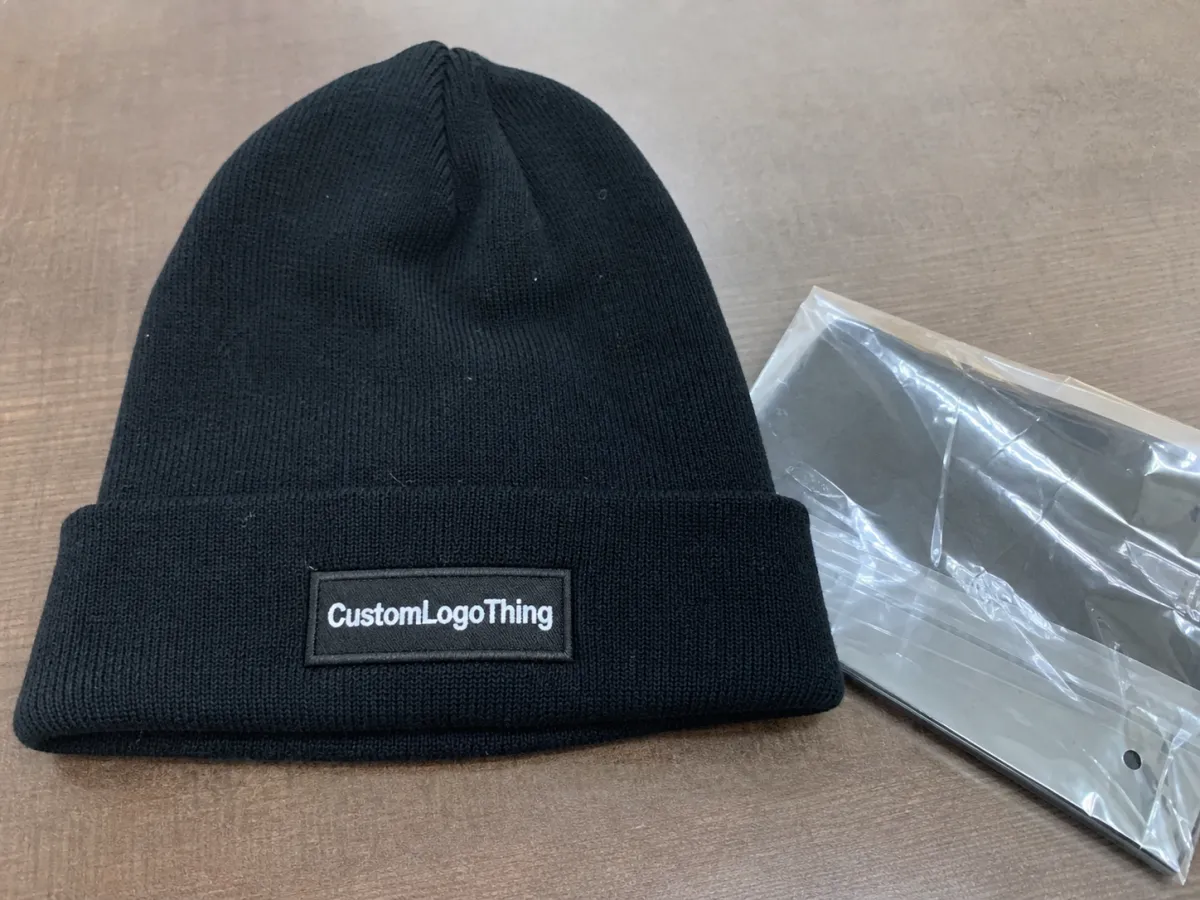
The cuff does more work than most buyers expect. It changes the visible branding area, affects how the beanie sits on the head, and shapes the overall look from the shelf. A tall cuff can make a small logo feel intentional. A short cuff can crowd the same artwork and make it look like an afterthought.
That is why a cuffed knit beanies Factory Quote Request should force the spec conversation early. If a factory prices the item without cuff depth, yarn content, decoration size, and packing format, the number may look fine but fall apart during sampling. Every extra revision round eats time, and seasonal programs do not have much of that.
There is also a buyer-side reality that gets ignored too often. Promo programs usually want simple and efficient builds. Retail programs care about handfeel and shelf presence. Team stores want consistency across repeat orders. Those are not the same brief, and the quote should not pretend they are.
Buyers lose margin when they treat beanies as generic accessories. A cuffed rib-knit cap with a woven patch behaves differently from a flat knit beanie with direct embroidery. The factory knows the difference from the first line of the spec sheet. The buyer should too.
Product Details That Shape Fit, Warmth, and Shelf Appeal
A standard cuffed knit beanie usually has a ribbed body, a fold-up cuff, and enough stretch to fit a wide range of head sizes without bagging out. The best versions do one job well: they keep their shape after wear. That depends as much on stitch structure as it does on yarn choice.
Most buyers compare three common yarn paths. Acrylic keeps the unit cost under control and makes color matching predictable. Wool blends bring more warmth and a more winter-ready feel, though they raise cost and require tighter sourcing control. Recycled yarns help support sustainability claims, but only if the documentation is in order and the yarn lot stays consistent across the order.
Handfeel matters more than product teams sometimes admit. A beanie can photograph well and still feel rough on the shelf. If the yarn is scratchy or the knit is too stiff, complaints tend to show up later, usually after the goods are already distributed. A softer, balanced knit usually wears better, sits cleaner on the head, and sells more easily in both retail and employee programs.
Visual details matter just as much. Cuff height changes the logo field. Crown shape changes the side profile. Edge finish affects whether the cap looks polished or slightly twisted when unpacked. These are not cosmetic footnotes. They are part of the product.
For programs that need sustainability claims, documentation matters more than marketing language. If the beanie, hang tag, or carton carries recycled-content or responsible-sourcing claims, ask for supporting paperwork. The same standard applies to paper inserts and display cards. FSC-certified materials are a cleaner option when the buyer needs a defensible paper trail, and the standard is public at FSC.
| Material choice | What it changes | Best fit |
|---|---|---|
| 100% acrylic | Lowest cost pressure, consistent color matching, easy mass production | Promo campaigns and high-volume giveaways |
| Wool blend | Warmer handfeel, stronger winter perception, higher material cost | Retail drops and premium team stores |
| Recycled yarn blend | Supports sustainability claims, usually needs tighter documentation | Brands with sourcing or ESG messaging |
| Mixed-fiber custom blend | More texture control, but more sourcing and quoting complexity | Programs needing a specific look or handfeel |
Specs to Confirm Before You Ask for a Quote
Factories can only price accurately when the spec is complete. At minimum, send yarn content, gauge, stitch count, body length, cuff depth, finished weight, color count, logo size, and target quantity. A quote built on assumptions is just a placeholder with a number attached to it.
Gauge and stitch count deserve more attention than they usually get. A tighter knit uses more yarn and more labor. A looser knit can reduce cost, but it may also change warmth, stretch recovery, and the way the beanie sits on the head. If the product needs a premium look, a denser rib with stable recovery usually performs better than a soft build that collapses after a few wears.
Decoration choice changes the math too. Embroidery is usually the cleanest option for simple logos on the cuff. Woven labels work well for small details that embroidery would blur. Patches add depth and perceived value. Knit-in artwork creates a more integrated look, but it also needs more setup and more approval time.
Packaging affects the quote more than many buyers expect. Individual polybags, size stickers, hang tags, barcode labels, carton counts, and master carton markings all add labor. Destination-market requirements do the same, especially if the buyer needs export-ready cartons or retail-ready folding. The Institute of Packaging Professionals has practical references at packaging.org.
- Quantity: total units and any split by colorway or size.
- Fabric build: yarn content, gauge, and estimated finished weight.
- Decoration: embroidery, patch, woven label, or knit-in logo.
- Packaging: bagging, hang tags, carton labels, and master pack count.
- Delivery: destination country, target arrival window, and compliance rules.
If cuff depth, logo size, and packing format are missing, the quote will not survive first contact with sampling.
A useful spec sheet is not long. It is precise. Buyers do not need five pages of fluff. They need enough detail to avoid a second round of pricing after the factory discovers the artwork sits too high on the cuff or the yarn choice changes the target weight.
Pricing, MOQ, and What Actually Moves Unit Cost
Unit cost comes down to a few controllable variables, and smart buyers focus on those variables instead of chasing a vague cheap quote. Material grade matters. Decoration complexity matters. Color changes, setup time, and packing method matter too. A simple acrylic beanie with one-color embroidery is much easier to price than a mixed-fiber piece with multiple yarn changes and Custom Retail Packaging.
MOQ often sits by colorway, artwork version, or yarn lot rather than by the product alone. That matters. One design in one color can be efficient. The same design split into three colors can become awkward for knitting and finishing. Lower quantities usually spread setup costs across fewer pieces, which is why small orders often carry a noticeably higher unit price.
Buyers can lower cost without damaging the product. Simplify decoration. Reduce color changes. Choose a standard yarn instead of a custom blend. Keep packaging straightforward unless the retail channel actually needs more presentation. If the order is large enough, consolidate colorways so the factory can run one production rhythm instead of multiple stop-start cycles.
The practical rule is simple: pay for the details that support sales, not the details that only satisfy a spec sheet. A bulky woven patch may look premium, but if the audience is a giveaway crowd, the extra spend often does not come back. On the other hand, if the beanie is going into a premium staff kit or retail program, better yarn and cleaner cuff finishing can be worth the money.
| Option | Typical cost effect | Why buyers choose it |
|---|---|---|
| Blank cuffed knit beanie | Lowest setup burden; usually easiest on price | Fast promo use, low-risk inventory, simple stock programs |
| Single-color embroidery | Moderate added cost for setup and stitch time | Clean branding, strong visibility, balanced value |
| Woven label or patch | Usually adds more than embroidery because of extra components | Premium look, better detail retention, retail-friendly presentation |
| Knit-in artwork | Highest planning load and setup complexity | Integrated design, more distinctive brand expression |
MOQ should also be treated as a production question, not just a sales question. A factory may be comfortable with a lower total quantity if the order stays simple, but the same factory may push back hard if the order is split across too many colors, sizes, or pack styles. That is not resistance. It is production reality.
Production Steps, Lead Time, and Sampling Milestones
A clean order usually moves through the same sequence: inquiry, quote review, artwork confirmation, sample knit, revision, bulk production, inspection, and packing. The sequence is predictable. The problem is that buyers often rush the front end and then expect the back end to fit a deadline that was never realistic.
Sampling takes longer than many teams plan for. A first knit sample may be ready in roughly 5-10 business days if yarn is already available and the artwork is simple. If the design needs stitch adjustments, color matching, or logo reformatting, that window expands quickly. Bulk lead time often lands in the 15-30 business day range after approval, though that changes with yarn sourcing, order size, and seasonal queue pressure.
The delays that hurt most are usually boring. Late artwork changes. Unclear color references. Missing approvals from several internal reviewers. Packaging revisions after production has already started. A factory cannot move efficiently if the buyer changes the cuff label, the carton count, and the thread color in the same week.
Inspection is not optional on larger orders. Even if the buyer does not bring in a full third-party audit, measurement checks, stitch review, and packing count confirmation should still happen before shipment. For export cartons and freight handling, inspection and packaging need to be treated as part of the product, not as a separate admin task.
One practical safeguard: approve the sample against a measurement sheet, not a photo alone. Photos hide a lot. A cuff can look neat on screen and still miss the target width by a few millimeters. That difference matters once the goods are packed, counted, and distributed.
The box matters almost as much as the beanie. Carton labeling, pack count, and compression control influence how efficiently the shipment moves through receiving and shelf setup. If the shipping plan is sensitive, ask how the factory tests outer cartons and packing strength against common transit handling. The reference point does not need to be fancy. It just needs to be real.
Speed is possible, but speed has limits. The cleanest rush orders usually rely on standard yarns, a single decoration method, and minimal packaging. Once buyers start asking for custom yarn blends, multiple logo placements, and retail presentation at the same time, the timeline stops being a rush order and starts being a normal order with a harder brief.
What Separates a Reliable Knit Factory From a Cheap Middleman
Do not buy on promises. Buy on proof. Ask for sample photos, tech sheets, written tolerance ranges, and a direct explanation of what happens if the yarn shade lands slightly off or the cuff width drifts. Reliable factories answer those questions plainly. They do not hide behind vague language or hurry the buyer past the details that matter.
Direct factory buying usually gives better visibility into stitch control, yarn selection, and bulk consistency. A middleman can still help when a buyer needs mixed-category sourcing or is consolidating several product types in one shipment. But the markup does not always buy better timing or clearer communication. Sometimes it buys another layer between the buyer and the people making the product.
Experienced knit manufacturers save time by reducing revision loops. They know where a logo can sit without distorting the cuff. They know which yarns pill faster. They know which colorways become harder to match once the order scales. That kind of experience is not flashy, but it prevents delays and quality drift.
Reliable factory signals: consistent sample photos, written tolerances, realistic lead times, and a habit of flagging risk before it becomes a problem. Weak signals: too-good pricing with no spec detail, no discussion of decoration limits, and a quote that ignores packaging or sample approval.
If a supplier cannot explain how the bulk run will stay close to the approved sample, keep moving. Bulk buyers do not need a long sales pitch. They need confidence that the Cuffed Knit Beanies will arrive close to spec, on time, and without surprise in the carton count.
There is one more filter worth using. Ask what the factory does when a constraint appears mid-order. Good suppliers do not pretend constraints do not exist. They explain the tradeoff: accept a different yarn lot, widen the lead time, simplify the decoration, or adjust the pack format. That honesty is usually worth more than a low number on page one.
FAQ
What should I include in a cuffed knit beanies factory quote request?
Send quantity, color count, target delivery date, and destination so the factory can price production and freight realistically. Add yarn preference, cuff depth, beanie length, and decoration method so the quote does not change after sampling. Attach artwork files or a simple logo mockup so setup costs and stitch limits are visible from the start.
How does MOQ affect cuffed knit beanie pricing?
Lower quantities usually raise unit cost because setup, knitting, and finishing labor are spread over fewer pieces. MOQ can also differ by color, yarn type, and logo version, so one design in one color may be much more economical than the same order split into several colorways. Ask whether the factory can combine sizes, packaging styles, or color groups to meet a workable minimum.
What is the typical lead time for custom cuffed knit beanies?
Lead time depends on yarn availability, the number of sample rounds, and where the factory sits in its production queue. Sampling usually comes before bulk production, so budget extra time if several stakeholders need to approve the sample. Rush orders can be possible, but they often require standard materials, simpler decoration, or a higher unit price.
Which decoration method is best for cuffed knit beanies?
Embroidery is common for clean logos and strong brand visibility, especially on the cuff. Woven labels and patches work well when the design needs a more premium look or when the knit surface is too textured for stitching alone. The right method depends on durability, logo detail, and how much texture you want on the finished beanie.
How can I lower the unit cost without weakening quality?
Use standard yarns and limit color changes to reduce knitting complexity. Simplify packaging and decoration where possible, because finishing steps can add more cost than buyers expect. Order in a size and color mix that matches the factory's production rhythm, since that usually improves efficiency and pricing.
For bulk buyers, the smartest Cuffed Knit Beanies factory quote request starts with clean specs, realistic quantities, and a decoration plan that fits the market. Get the measurement sheet, artwork, destination, and packaging details right before pricing starts, and the next quote is far more likely to hold up through sampling, production, and receiving.


