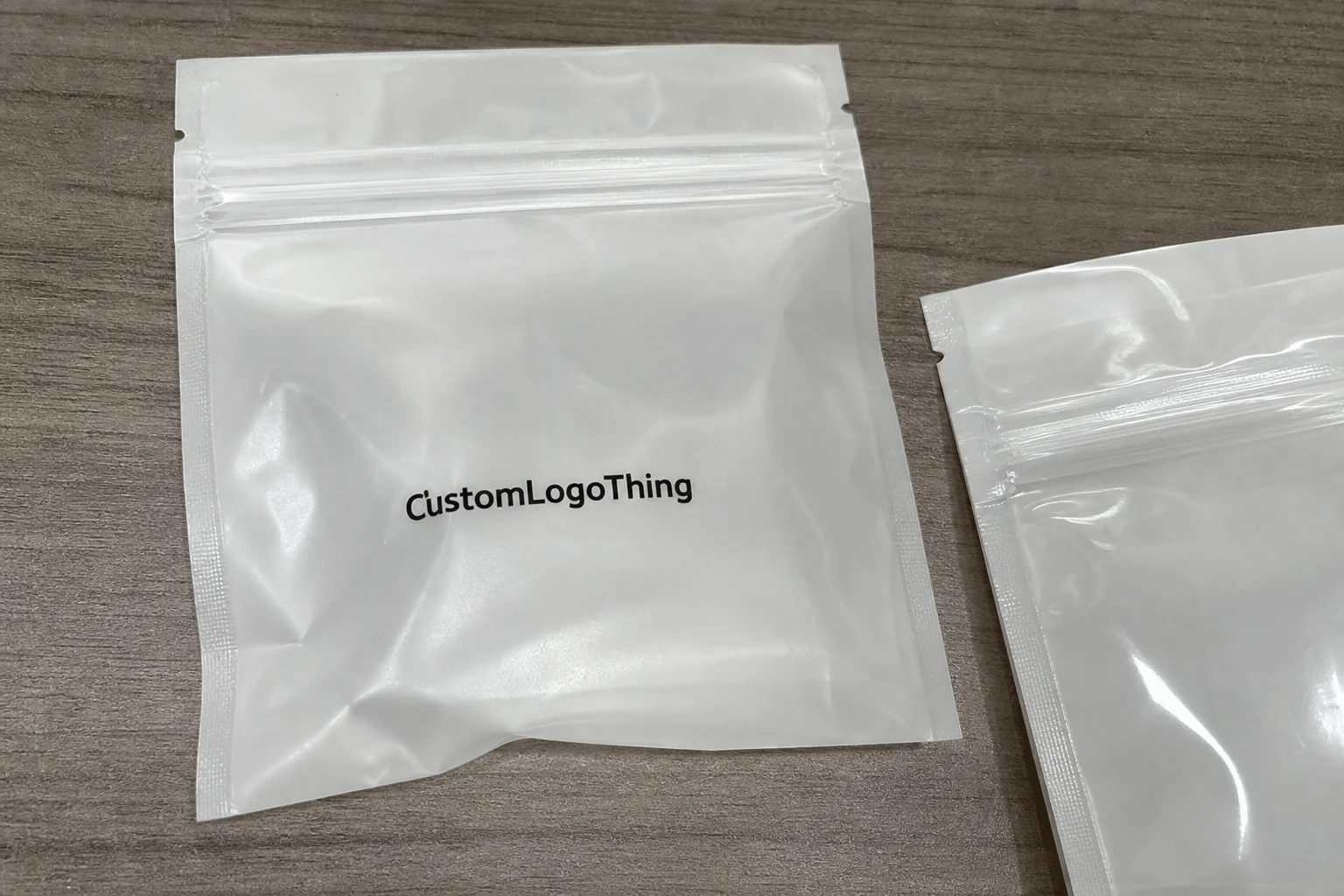
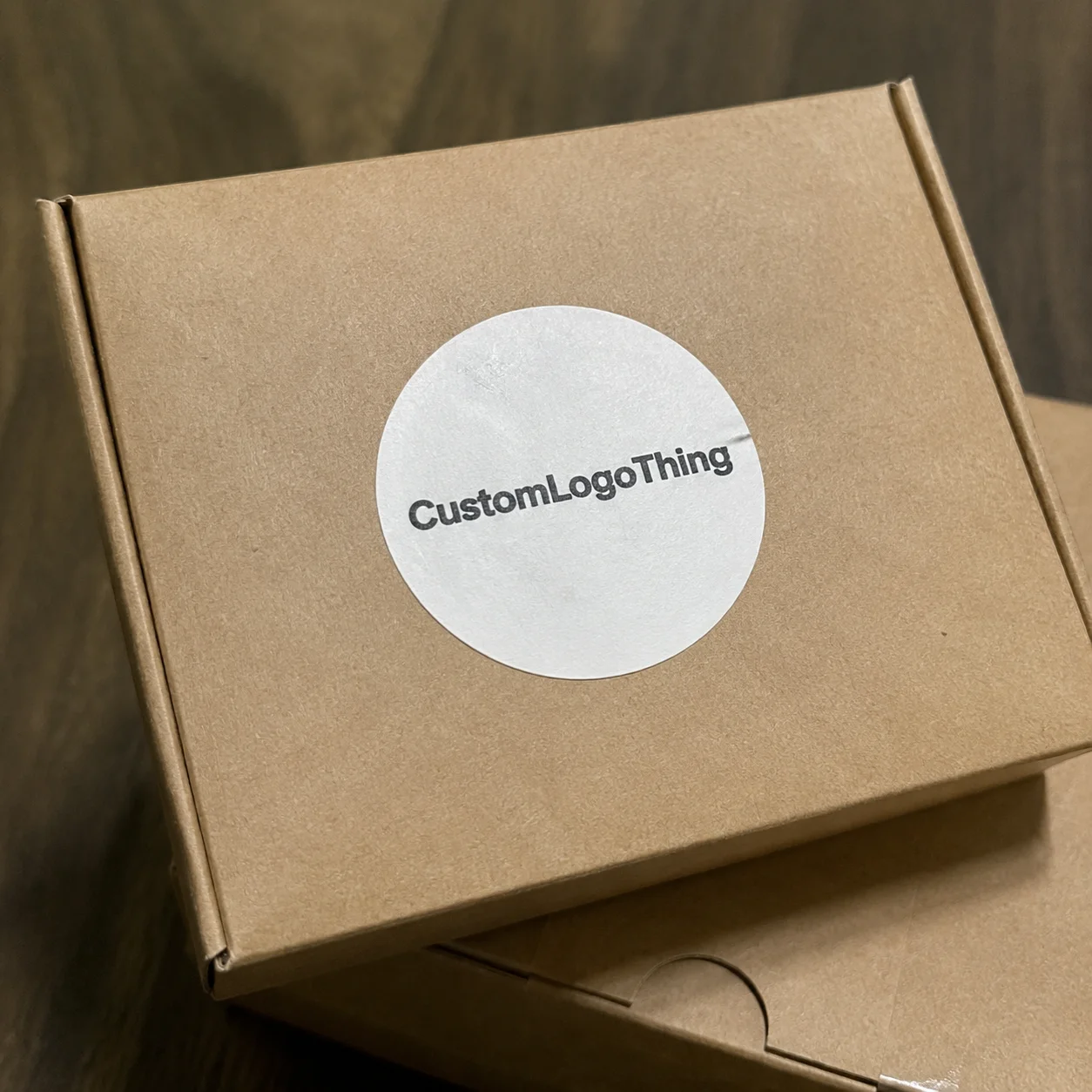
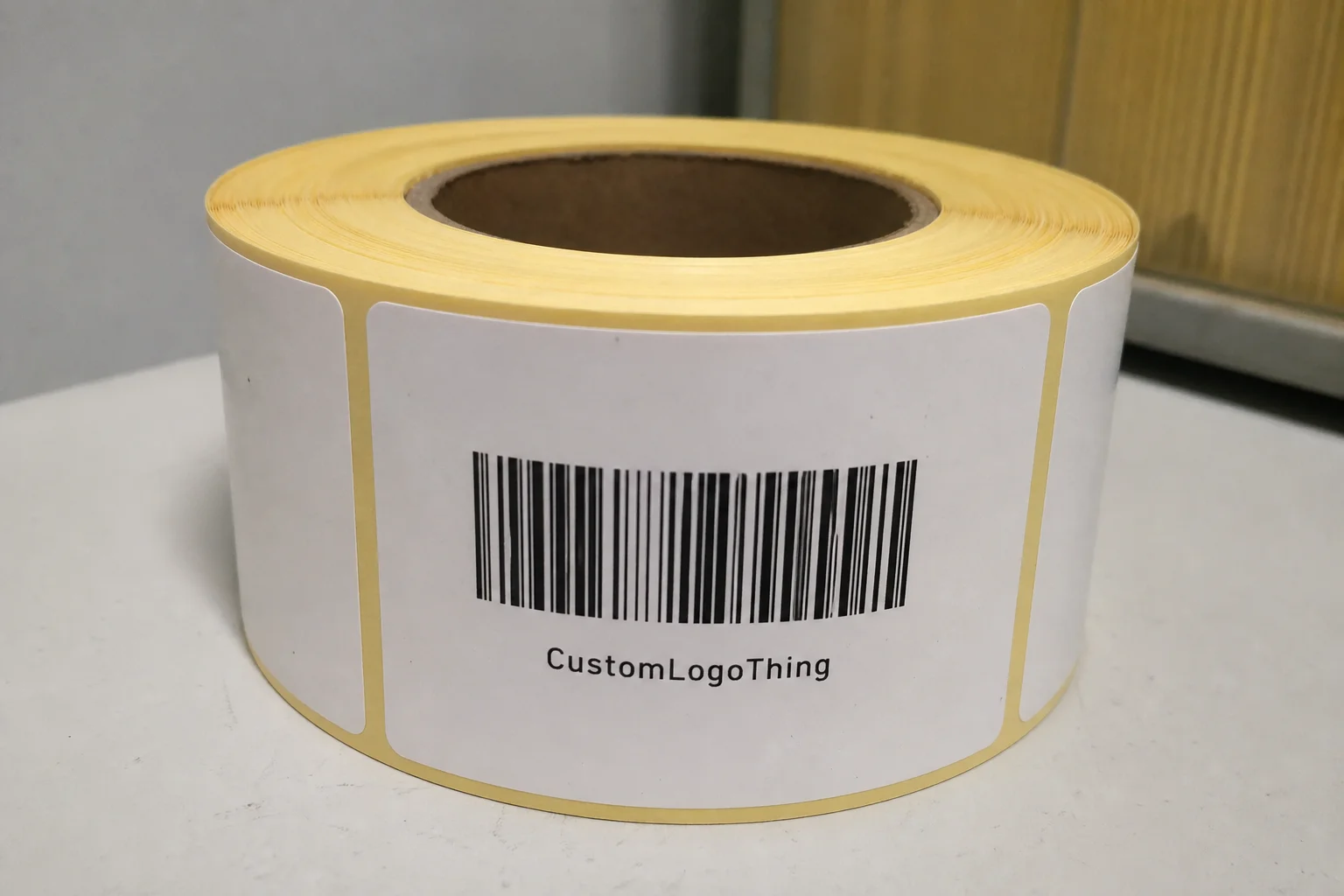
Garment packaging can look finished on the outside and still feel off when the label system is weak. With roll labels printing, the details show up fast: edge quality, adhesive behavior, unwind direction, and how the roll performs on the line. If any of those are wrong, the brand presentation drops immediately.
Roll format labels are popular in apparel because they move quickly, store neatly, and work with hand application or applicators. That makes them practical for folded garments, polybags, hangtags, cartons, and promotional seals without slowing packing.
For buyers, the question is not whether the mockup looks good. It is whether the label fits the workflow, matches the brand, and holds up through handling. A simple label can still do important work: identify sizes, carry a barcode, close a bag, or add a cleaner premium finish.
Buyers usually notice texture, edge quality, and how the label releases from the liner before they notice the print itself. If the tactile feel is wrong, the brand impression usually is too.
Why Roll Labels Matter on Clothing Packaging
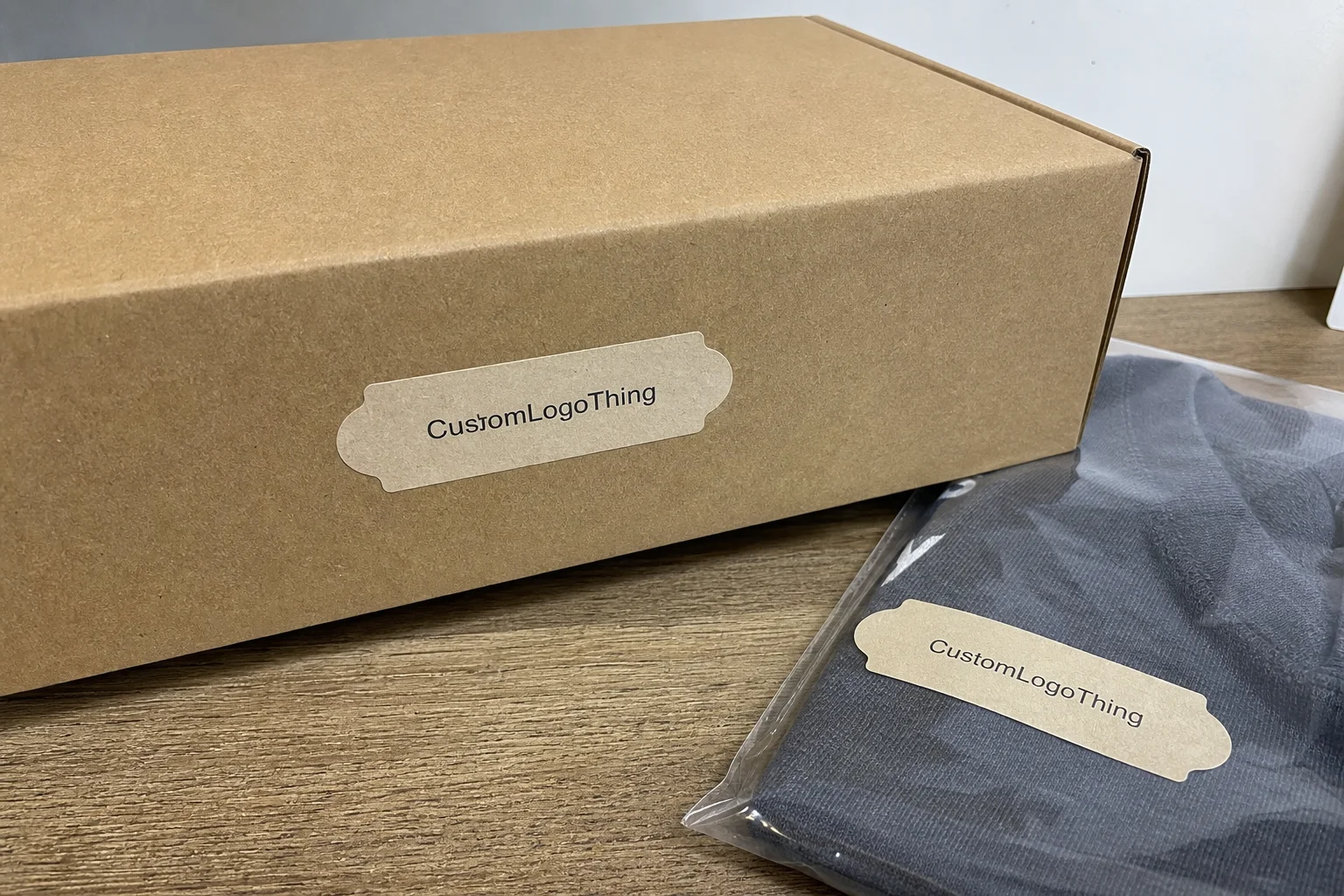
Clothing packaging has to balance speed with presentation. Roll labels fit that space because they support both. The same artwork can run across multiple SKUs, and the format can be fed by hand, through semi-automated equipment, or through a dedicated applicator.
Apparel teams use roll labels for more than decoration. They are common for size stickers, barcode labels, carton identification, promo seals, and short-run seasonal graphics. That flexibility matters when one collection has many colorways and each needs the same label application process.
Consistency is another reason buyers use them. A hangtag may look fine in a sample review but fail in the warehouse if it curls, tears, or peels too aggressively. Roll labels let teams standardize roll direction, core size, label pitch, and unwind direction so every pack station behaves the same way.
The branding effect is quieter but still important. Shoppers rarely study print specs, but they do notice when a label feels flimsy or premium. Matte stock, crisp edges, and controlled adhesive release read differently from a glossy label that lifts at the corners.
For teams comparing options beyond a single artwork file, it helps to review Custom Labels & Tags and the company’s Manufacturing Capabilities alongside the packaging workflow. The label should fit the operation, not just the design comp.
How Roll Labels Printing Works
The production chain is straightforward in theory: artwork prep, material selection, print method, die-cutting, finishing, slitting, and roll winding. In practice, each step affects the next one. If the file is not set up for the chosen stock, the label may still print, but color, cut accuracy, or liner release can drift enough to slow down packing.
Digital printing is common for short runs, frequent artwork changes, and SKU-heavy apparel programs. It handles variable data well and works when a buyer needs small quantities across multiple sizes or seasonal drops. Flexographic printing usually makes more sense at higher volumes because plate setup takes time upfront, but the unit cost often falls once the run gets large enough. Offset printing is less common for pressure-sensitive roll formats, but it can produce sharp detail on paper stocks when the job calls for a refined graphic look.
Color control is not a minor detail. CMYK can be fine for process art, but brand-critical work often needs spot color control, especially if the label has to match a hangtag, carton print, or retail display card. Buyers who skip the color strategy often learn about the mismatch after the first proof.
Roll Setup Details That Matter
Roll direction, core size, roll diameter, and label spacing all affect how the product runs. A hand-applied roll with a 1-inch core may be perfect at a bench station, while a different line needs a 3-inch core to fit applicator equipment cleanly. If the unwind direction is wrong, the label can peel backward or force an awkward hand twist.
Spacing matters too. A narrow gap can improve material yield, but it can also make sensing less reliable on certain applicators. A wider gap is easier to read but creates more waste. The right answer depends on the dispenser, the operator, and the packing method. Proofing should check registration, liner release, and how the roll behaves on the real line.
If the proof looks clean but the roll does not unwind correctly, the job is not really approved. It is only visually approved.
Materials, Adhesive, and Finish Decisions
For apparel packaging, substrate choice usually starts with the use case. Paper stocks are common for hangtags, promotional seals, and general retail labeling because they are economical and easy to print. Film stocks such as BOPP, PP, or PET make more sense when the label needs moisture resistance, stronger tear resistance, or better durability during storage and transit. Specialty papers can add texture and a more crafted feel, which can work well for boutique or premium collections.
Adhesive choice is just as important as the face stock. Permanent acrylic adhesive is the usual choice for cartons, polybags, and packaging that must stay closed or identified through distribution. A lower-tack removable adhesive may be better for direct-contact garment labeling, temporary promotions, or touchpoints where residue would be a problem. On delicate textiles, brushed knits, coated fabrics, and folded garment surfaces, testing matters more than the catalog description.
Finish changes both appearance and usability. Matte finishes usually improve legibility and reduce glare under retail lighting. Gloss can make color feel richer and add visual punch, especially for bold branding. Soft-touch films create a more tactile premium read, while textured papers support an artisanal or natural look. The tradeoff is familiar: stronger sensory appeal versus practical readability and resistance to scuffing.
Durability should be judged against real handling. Will the labels be rubbed in a fulfillment bin? Exposed to moisture? Folded into a garment bag? Stored under heat? If yes, a simple paper label may fail sooner than expected. Buyers who want a sustainability story should ask for documented sourcing, such as FSC-certified paper, instead of vague eco language. For broader packaging context, the resources at FSC and packaging.org are useful references.
It also helps to ask whether the label system has been checked against distribution realities. Outer cartons can be validated with recognized transport testing approaches, and many brands look for ISTA-style thinking even if they are not running a formal certification program. The point is simple: the label has to survive the route, not just the mockup table.
Practical Material Shortlist
- Paper for short-run retail labels, hangtags, and cost-sensitive packaging.
- BOPP or PP film for moisture resistance and cleaner durability during transit.
- PET for extra dimensional stability, abrasion resistance, and tougher handling.
- Matte or soft-touch finishes for premium tactility and reduced glare.
- Removable adhesive where residue control matters more than long-term hold.
Production Process and Turnaround Time
Most jobs move through the same sequence: quote approval, file prep, proofing, production, finishing, and packing. The part that slows the schedule is usually not machine time. It is a missing file spec, a late artwork revision, a special stock that needs sourcing, or a change after the proof is already out.
Standard timing for roll labels printing is usually measured from proof approval, not from the first email. A clean file and fast sign-off can put a straightforward run in the 5-10 business day range, while more specialized work may need 10-15 business days or longer depending on plates, drying, curing, inspection, or finishing. Rush work may be possible, but it usually costs more and leaves less room for revision.
Small setup choices can create large workflow differences. If the roll needs slitting into multiple widths, if the core size is unusual, or if the packing line requires a specific unwind direction, the production team has to build that into the run before it starts. The most efficient buyers give the supplier the application method, the pack station details, and the deadline together.
Planning should also account for launch timing. Apparel drops often involve photo shoots, inventory counts, receiving, and fulfillment coordination, and the label should not become the bottleneck. If the packaging team needs labels before the garments arrive, or if the retail team wants a promotional seal on opening day, the ordering window needs to be set backward from the actual launch date.
Roll Label Pricing, MOQ, and Quote Factors
Pricing for roll labels printing is driven by a few core variables: label size, quantity, material, print complexity, finishing, and whether the job needs custom die lines or testing. The biggest mistake buyers make is comparing quotes that are not built the same way. One supplier may bundle proofing and setup, while another lists them separately. One may quote freight as part of the total, while another does not.
The MOQ conversation is usually about economics rather than policy. Lower quantities can work, but the per-label cost usually rises because setup gets spread across fewer pieces. On the other hand, ordering more than you need can trap cash in inventory. The right balance depends on SKU count, reorder frequency, and whether the brand is planning a line extension soon.
| Print Option | Typical Run Size | Indicative Unit Cost | Best Fit |
|---|---|---|---|
| Digital printing | 500-2,500 labels | $0.18-$0.40 | Short runs, frequent changes, SKU-heavy apparel drops |
| Flexographic printing | 5,000-25,000 labels | $0.03-$0.12 | Stable artwork, higher volume, stronger unit economics |
| Offset printing with converting | 2,500-10,000 labels | $0.07-$0.20 | Fine detail, paper-based premium presentation, clean color work |
Those ranges are illustrative, not a promise. A heavily covered CMYK design, a specialty adhesive, or a premium matte film can change the number quickly. Spot color matching, foil accents, lamination, and custom slitting also push the price upward. So does nonstandard roll winding if the line needs a specific applicator configuration.
A fair quote comparison should separate the following:
- Setup and prepress fees, including file checks and proofing.
- Material and adhesive choice, especially if it is specialty stock.
- Print finishing such as varnish, laminate, foil, or die cutting.
- Shipping and packing of the finished rolls.
- Any test or sample charges for new applications.
The better buying question is not “What is the cheapest unit price?” It is “What does the total landed cost look like once waste, reorders, and handling time are included?” That usually gives a cleaner answer, especially for brands with multiple seasonal SKUs and growing label demand.
Common Ordering Mistakes to Avoid
The first error is usually artwork. Low-resolution files, incorrect die lines, missing bleed, and color files that were never converted properly can all survive an email chain and still fail the proof. If a label uses strong brand color, ask how that color will be managed in CMYK or spot terms on the chosen substrate.
The second mistake is choosing adhesive and finish based on appearance alone. A label That Feels Premium may still be the wrong label for a folded garment, a humid stockroom, or a direct-contact packaging touchpoint. If the roll will touch delicate textiles or a bag that will be handled repeatedly, test a sample before full production.
The third mistake is ignoring roll mechanics. Core size, roll diameter, unwind direction, and label pitch should be checked against the real application method. Small mismatches waste time in a place where time is expensive, especially on high-volume packing lines.
The fourth mistake is underestimating waste. First-run setup, test pulls, liner changes, and damaged rolls can reduce usable quantity. If a program is tight, build that waste into the order rather than assuming every printed label will be saleable.
One more subtle mistake is not asking how the supplier handles inspection. A proper run should check registration, print contrast, cut accuracy, and roll consistency before shipping. For apparel buyers, the label is part of the packaging system, and the system only works if the label arrives ready for the workflow it is meant to support.
Next Steps Before You Place the Order
Before approving roll labels printing, complete a short pre-order checklist:
- Confirm label size and final artwork.
- Choose the substrate, adhesive, and finish.
- Set quantity and expected reorder timing.
- Specify roll core size, roll diameter, and unwind direction.
- Match the label to the application method and packing line.
- Lock the deadline backward from the launch date.
If the job is new, request a sample or proof. That matters most when the label touches a new fabric, uses a new adhesive, or is tied to a high-visibility retail launch. A test roll can reveal whether the adhesive leaves residue, whether the label releases too fast, and whether the label feels balanced in the hand.
It also helps to align packaging, inventory, and fulfillment teams before approval. The design team may care about color and layout. The operations team cares about machine behavior and carton count. Both views matter. If the label is only optimized for the mockup, somebody downstream pays for it.
For teams that need a broader production picture, it is worth reviewing Manufacturing Capabilities alongside the packaging schedule so the final spec matches what the line can actually handle.
Before you commit, check the file, the use case, and the timing one more time so roll labels printing lands cleanly the first time, not after a rushed correction on the floor.
Frequently Asked Questions
What should I know before ordering roll labels printing for clothing labels?
Start with the garment type, application method, and whether the label must stay on, remove cleanly, or survive repeated handling. Then confirm material, adhesive, roll size, and artwork format before comparing quotes so the numbers are actually comparable.
Which adhesive works best for clothing labels on fabric?
The best adhesive depends on fabric texture, exposure to heat or moisture, and whether the label is temporary or permanent. If the label will touch delicate or high-movement garments, ask for a sample or test roll before full production.
How do pricing and MOQ affect roll labels for apparel orders?
Higher quantities usually lower the unit cost, but setup, finishing, and custom materials can still shift the total spend. MOQ matters because a smaller order can look easy upfront while carrying a higher per-label price than expected.
How long does production usually take for clothing label rolls?
Standard timing depends on proof approval, material availability, and finishing steps, so the fastest path is usually a clean file and a quick sign-off. Rush options may exist, but they can add cost and reduce flexibility if artwork changes late in the process.
Can I test roll labels before a full clothing run?
Yes, and testing is smart when the label is new, the fabric is unusual, or the application process is still being refined. A test run helps confirm adhesion, print clarity, roll orientation, and whether the labels fit the packing workflow.