A plain amber jar can look like a lab sample. Add a clean circular lid label with a centered logo, scent name, and matte finish, and the same jar suddenly reads as retail-ready skincare. That is the quiet power behind Round Stickers Custom buyers usually want: printed adhesive labels cut into circles for branding, sealing, decorating, organizing, or identifying products before they reach a shelf, mailer, event table, or customer unboxing.
What Round Stickers Custom Buyers Should Know First
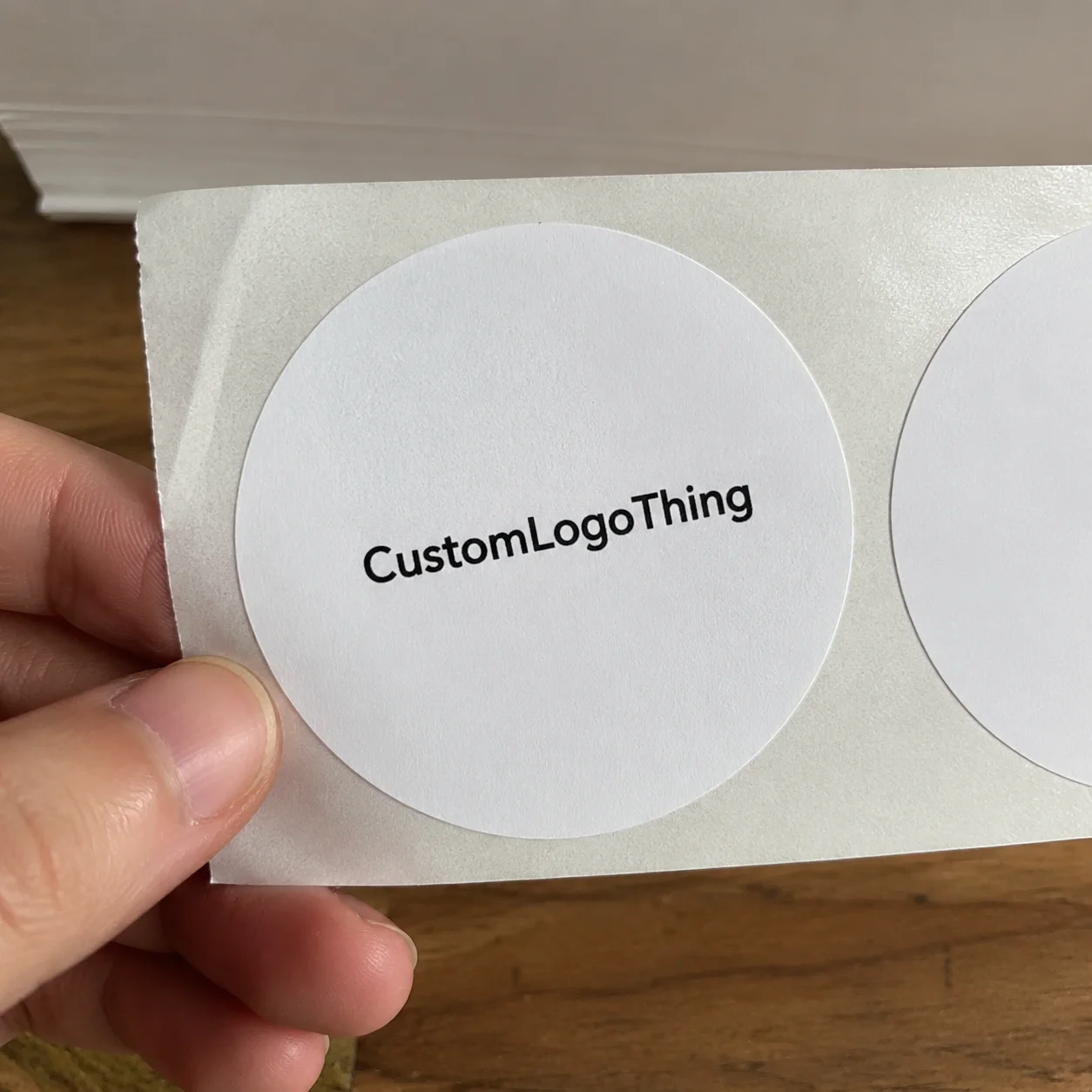
Circles are a little inconvenient from a production standpoint. They waste more sheet space than rectangles because the material between each curve becomes matrix waste. Annoying, but true. Still, round labels often feel more finished because a circle frames a logo, icon, QR code, approval mark, or seal without the visual noise of corners.
That badge effect explains why Custom Round Stickers show up across so many types of product packaging: skincare lids, bakery boxes, candle jars, coffee bags, shipping inserts, promotional giveaways, event packaging, and tamper-style seals across box flaps or jar tops. A 1-inch circle can work as a closure seal. A 2-inch circle can carry a logo and flavor. A 3-inch circle can become the main label on a candle lid, rigid box, or large pouch.
The first buying mistake is treating stickers as artwork only. Sharp print matters, yes. But the real test is whether the label still looks professional after being rubbed, chilled, shipped, handled with damp fingers, or applied to a slightly textured surface. Adhesive choice, coating, surface energy, humidity, and application pressure can matter as much as the design file.
Round labels work best with centered artwork: badges, limited-edition marks, batch stickers, approval seals, scent labels, loyalty stickers, compact brand messages. They are less forgiving when someone tries to squeeze a full back-panel label into a tiny circle. The geometry fights back.
Practical rule: if the sticker needs to persuade from three feet away, keep it simple. If it needs to explain ingredients, care instructions, or compliance details, use a larger label format or a second label.
Buying well means knowing the few Specs That Actually change the result: size, material, adhesive, finish, format, artwork setup, and application surface. The rest is decoration until those are nailed down.
How Circular Sticker Printing Works From File to Finished Roll
A typical round sticker order follows a predictable chain: artwork upload, file review, digital proof, proof approval, printing, coating or lamination, die cutting, waste removal, inspection, packing, and shipping. The proof stage matters because production usually starts only after approval. A fast quote does not mean a fast finished order if the file needs three rounds of correction.
Format is the first fork in the road. Roll stickers are best for repeated hand application, semi-automatic labeling, or machine application. Sheet stickers are convenient for low-volume packing tables, office use, and mixed designs. Individually cut stickers suit giveaways, retail inserts, event handouts, and promotional packs, but they usually cost more per piece because extra cutting and handling are involved.
Printing method depends on quantity, color needs, and repeat frequency. Digital printing is common for smaller runs, split designs, variable artwork, and faster setup. Flexographic printing often makes more sense for larger repeat orders because plates and setup costs can be spread across thousands or tens of thousands of labels. Specialty finishes such as foil, spot gloss, white ink on clear film, or textured stocks add cost, but they can sharpen package branding when the base product is visually simple.
Die cutting is where circles become unforgiving. Even well-calibrated label equipment has production tolerances; small shifts are normal. That is why artwork needs bleed beyond the cut line, usually around 0.0625 to 0.125 inch depending on the supplier, and a safe zone inside the cut line for text, QR codes, and borders. A hairline circular border placed near the edge is basically begging to look off-center.
Material choice is just as important. Paper works well for dry indoor use, especially bakery boxes, boutique bags, and standard cartons. BOPP and vinyl are better for moisture resistance, refrigerated products, bath items, and flexible pouches. Textured paper can make candles, wine-style goods, and premium gifts feel more tactile. Removable adhesives work for temporary promotions, while freezer-grade adhesives are built for cold-chain conditions.
Finishes shift both appearance and durability. Matte softens glare and often suits luxury skincare, candles, and minimalist branded packaging. Gloss gives color more punch. Clear material can create a no-label look on glass or plastic, although it may require white ink behind artwork for opacity. Lamination helps resist abrasion, moisture, and handling, especially during shipping.
Two stickers can look identical on a PDF proof and behave very differently after refrigeration, condensation, oil contact, or application to a curved jar. That is not a design problem. It is a specification problem.
Key Specs That Decide Size, Material, Adhesive, and Finish
Size sounds simple until the label meets the package. Common round sticker diameters include 0.75 to 1.25 inches for logo seals, 1.5 to 2.5 inches for medium product labels, and 3 to 4 inches for larger lids, box fronts, and mailer inserts. A 2-inch sticker can look bold on a lip balm tin and weirdly timid on a 10-inch bakery box.
The container should drive the diameter. Measure the flat label area, not the total width of the package. A candle lid may have a 3.25-inch outside diameter but only a 2.75-inch flat printable area once bevels and ridges are accounted for. Flexible pouches add another wrinkle: a flat sticker can distort visually once the bag is filled and curved.
Surface compatibility is the unglamorous detail that saves money. Glass, kraft paper, coated cartons, plastic jars, metal tins, and flexible films all interact differently with adhesive. Textured kraft can reduce contact area. Low-surface-energy plastics can resist bonding. Coated cartons may accept labels beautifully, while dusty corrugated board can make even a decent adhesive fail.
Exposure conditions narrow the material list quickly. Refrigeration, condensation, bathroom humidity, oils, sunlight, and shipping abrasion should all influence the spec. For example, a paper matte label may be perfectly fine on a dry tea box. Put that same sticker on a chilled juice bottle, and edge lift or wrinkling becomes much more likely.
Adhesive categories are worth naming clearly:
- Permanent adhesive: the standard choice for retail packaging, jars, boxes, and mailers where removal is not expected.
- Removable adhesive: useful for temporary promotions, reusable containers, or price-style labels that should peel away cleanly.
- Freezer-grade adhesive: designed for cold environments, frozen foods, ice cream packaging, and chilled logistics.
- High-tack adhesive: better for textured kraft, curved jars, rough cartons, or surfaces that need a stronger initial grab.
- Low-tack adhesive: suited to temporary markings, event use, or delicate surfaces, but risky on textured or curved packaging.
Artwork needs the same discipline. Keep text inside the safe zone. Use vector files for logos when possible: AI, EPS, or print-ready PDF. For image-based artwork, high-resolution PNG or TIFF files can work if the final output is sharp at actual size. Avoid hairline borders near the cut edge, especially on round stickers custom designs where tiny cutting tolerances become obvious.
Readability is a brutal constraint. A small round label has less usable space than buyers expect because the curved edges eat into line length. Prioritize brand name, product identifier, scent or flavor, and required information. If you also need ingredients, weight, usage directions, barcode, and compliance marks, a circle may need help from a secondary label.
QR codes and barcodes need quiet space, contrast, and enough size to scan reliably. On curved or reflective surfaces, testing matters. A 0.6-inch QR code printed in low-contrast beige on glossy clear film may look elegant and scan terribly. Beautiful failure is still failure.
Pricing, MOQ, and Unit Cost Factors for Round Labels
Sticker pricing is usually driven by quantity, diameter, material, finish, adhesive, print complexity, format, and turnaround speed. Minimum order quantity can also vary. A basic paper sheet sticker may have a lower MOQ than a specialty roll label with white ink, metallic foil, or freezer adhesive.
Unit cost drops as quantity rises because setup, proofing, material waste, press time, and finishing are spread across more pieces. That does not mean every buyer should order 25,000 labels. Inventory changes, flavor rotations, rebrands, and regulation updates can turn “cheap” labels into dead stock.
| Sticker Spec | Common Use | Typical Cost Direction | Buyer Watchout |
|---|---|---|---|
| Matte paper, 2-inch circle | Dry boxes, bags, inserts, boutique packaging | Lowest cost for standard runs | Not ideal for condensation or oily handling |
| BOPP with gloss or matte finish | Jars, bottles, bath products, chilled items | Moderate increase over paper | Adhesive still needs to match the surface |
| Vinyl with lamination | Outdoor promos, durable giveaways, wet exposure | Higher cost due to film and finishing | May be more durable than necessary for indoor packaging |
| Clear film with white ink | No-label look on glass or plastic | Higher cost due to extra ink layer | Low-contrast designs can lose readability |
| Textured paper with specialty finish | Candles, premium foods, gift packaging | Premium cost tier | Texture can soften fine detail and small type |
As a broad budgeting mindset, simple paper circle labels in moderate quantities may land far below premium film labels with lamination, white ink, or foil. A straightforward 2-inch paper label in several thousand pieces may be quoted in a low per-unit range. A waterproof film label with specialty finishing can cost meaningfully more. Exact pricing depends on the live spec, not a generic price chart copied from a sales deck.
Hidden cost drivers deserve attention: custom color matching, metallic effects, white ink on clear stocks, split designs, special adhesives, expedited production, and individually cut formats. Roll direction can also matter if labels are going onto a dispenser or applicator. So can core size, outside roll diameter, and label spacing for machine-applied orders.
The cheapest quote is not always the lowest total cost. If labels peel from textured kraft, smudge during packing, fail in cold storage, or arrive as individually cut pieces when your team expected rolls, labor and waste can erase the savings. From a packaging buyer’s point of view, price per applied sticker is the better number. If 8% of labels are wasted during application, your real unit cost just moved.
Before requesting a quote, prepare the useful facts: diameter, quantity, material preference, finish, application surface, exposure conditions, artwork file, desired delivery date, and shipping location. If the sticker is part of a broader packaging system, it also helps to align stickers with Custom Labels & Tags and other Custom Packaging Products so materials and finishes do not clash.
Process and Timeline: From Artwork Proof to Delivery
The ordering process is not complicated, but the sequence matters. Choose specs. Submit artwork. Receive a digital proof. Review size, spelling, logo placement, bleed, safe zones, colors, quantity, material, finish, and roll direction if relevant. Approve production. Then the order moves through print, finish, cut, inspect, pack, and ship.
The fastest orders usually have complete specs and print-ready artwork at the start. A supplier can move faster with “2-inch matte BOPP, permanent adhesive, rolls, applied to glass candle jars, 5,000 pieces, needed before a trade show” than with “I need round Stickers for My brand.” Specifics remove guesswork. Wild concept, I know.
Proof approval is often the real clock starter. Not the first email. Not the quote request. Production generally begins after the buyer approves the proof, because the proof confirms the details the printer will manufacture. If artwork revisions sit in an inbox for four days, the delivery window moves too.
Lead time depends on quantity, material availability, specialty finishing, proof revisions, seasonal volume, and shipping distance. Simple digital runs may move in several business days after proof approval, while larger roll-label orders, specialty adhesives, or foil effects can take longer. Rush options may exist, but rush production is not a cure for uncertain artwork.
Roll direction is a small detail with expensive consequences. For hand application, it may not matter much. For automatic or semi-automatic labeling, unwind direction determines how the label comes off the roll and lands on the package. If the orientation is wrong, a packing team may need to rewind rolls or switch to manual application. That burns hours.
For unusual surfaces, refrigerated products, oily contents, or curved containers, order samples or a short test run. Standards such as ISTA package testing guidance are a useful reminder that packaging has to survive distribution, not just look good on a design screen. If sustainability claims matter to your buyer, paper stocks tied to responsible sourcing may also be part of the discussion; the Forest Stewardship Council is one recognized reference point for certified paper materials.
Build in buffer days before a launch, retailer appointment, market weekend, or event. Proof review, application testing, and shipping all need room. The smartest small brands treat stickers like a production component, not a last-minute decoration.
Common Mistakes That Make Circle Stickers Look Cheap
The border problem is the classic one. A thin circular border near the edge exposes even tiny cutting shifts. The print may be technically acceptable, but the human eye sees an off-center ring immediately. If you want a border, make it thick enough to tolerate movement or pull it well inside the safe zone.
Overcrowding is next. Buyers often try to fit a full label’s worth of information into a 1.5-inch circle. The result is six-point type, weak hierarchy, and no shelf impact. Small labels need ruthless editing: logo, product name, flavor or scent, maybe one short claim. That is usually enough.
Wrong material selection causes preventable failures. Paper stickers can be excellent for dry boxes, hangtags, and shipping inserts. They are riskier for chilled drinks, bath products, oily jars, or outdoor promotional use. A moisture-resistant film with the right finish may cost more, but it prevents wrinkling, edge lift, and ink damage.
Adhesive mismatch is less visible until it becomes very visible. Low-tack labels can lift from textured kraft or curved jars. Overly aggressive adhesive can damage reusable packaging or leave residue where removal matters. Cold, dusty, damp, or oily surfaces reduce bond strength even when the sticker itself is well made.
File issues create another category of disappointment: low-resolution images, missing bleed, RGB-only artwork, flattened small text, and non-vector logos. Screens glow. Ink does not. Brand colors may need Pantone references, printed samples, or at least realistic expectations about how a soft beige, deep navy, or fluorescent color will translate on a chosen material.
Quality control should happen before the full batch is labeled. Apply the first 20 to 50 stickers, inspect alignment, rub the surface, check for lifting, and look at the product under retail-style lighting. Application pressure and placement affect the final look. A good sticker applied crookedly still looks cheap.
Storage also gets ignored. Labels should usually be kept clean, dry, and away from high heat or direct sunlight before use. Adhesives can age. Paper can curl. Dust can contaminate edges. Buying six months of inventory only makes sense if the packaging, artwork, and storage conditions are stable.
Build a Sticker Spec Before You Request a Quote
A good spec sheet turns a vague buying request into a manufacturable order. It also makes reorders faster. Start with the basics: diameter, quantity, material, adhesive, finish, roll or sheet format, application surface, exposure conditions, and deadline. Add artwork file type and delivery location. That is enough for a serious quote conversation.
Choosing a starter size is simple but often skipped. Measure the flat label area of the actual package. Print a paper mockup at actual size. Cut it out, place it on the container, and look from arm’s length. If you cannot read the product name in two seconds, the design is too crowded or the sticker is too small.
Prioritize information in layers. Logo or product name first. Flavor, scent, variant, or limited-edition message second. Compliance details only if the sticker has room and the format is appropriate. If the label must carry ingredients, net weight, warnings, batch codes, or barcodes, confirm whether a round format can handle that without compromising readability.
Test the label in real conditions. Apply it to the actual package, press firmly, wait at least several hours if timing allows, rub the surface, chill or humidify if relevant, and check the edges. For bath products, test with damp hands. For bakery boxes, test on the exact paperboard or kraft surface. For flexible pouches, test after the pouch is filled.
Send photos when asking for guidance. A straight-on photo of the package, a close-up of the surface, and a marked placement area can prevent bad assumptions. Curved jars, coated cartons, kraft boxes, and flexible pouches all benefit from visual context. Packaging design is rarely just a flat artwork file; it is a physical fit problem.
If the sticker is part of a wider retail packaging system with Custom Printed Boxes, mailers, sleeves, or inserts, keep finish and color consistency in mind. A gloss sticker on an ultra-matte box can be a deliberate contrast. It can also look accidental. Build a repeatable spec so the second order matches the first.
Once the use case, surface, material, adhesive, finish, and quantity are defined, round stickers custom orders become easier to quote accurately and produce without costly surprises. That is the difference between buying “some stickers” and buying a label that supports the product all the way to the customer’s hands.
FAQs
What size should I choose for custom round stickers?
Choose the diameter based on the flat area of the package, not the total package size. Print a paper mockup at actual size before ordering so you can check readability, visual balance, and edge clearance. Small stickers work well for seals and logos, while larger circles are better for product names, flavors, lid labels, and stronger shelf visibility.
Are round custom stickers waterproof?
They can be waterproof if produced with moisture-resistant materials such as BOPP or vinyl and paired with the right finish. Paper stickers are usually better for dry indoor packaging unless coated for added protection. For refrigerated, bathroom, or outdoor use, ask for material and adhesive recommendations before ordering.
How much do round sticker labels cost?
Cost depends on size, quantity, material, adhesive, finish, format, and turnaround speed. Higher quantities usually reduce unit cost because setup and production time are spread across more stickers. Premium finishes, clear materials, metallic effects, special adhesives, and rush timelines can increase the quote.
How long does a round stickers custom order take?
Timeline depends on proof approval, order size, material availability, finishing requirements, and shipping distance. Production typically starts after the buyer approves the digital proof. For launches or events, allow extra time for proof revisions, sample testing, and delivery buffers.
What artwork file is best for custom circle stickers?
Vector files such as AI, EPS, or print-ready PDF are usually best for logos and sharp text. High-resolution PNG or TIFF files may work for image-based designs if they meet print quality requirements. Artwork should include bleed, safe margins, correct sizing, and no critical text close to the cut edge.


