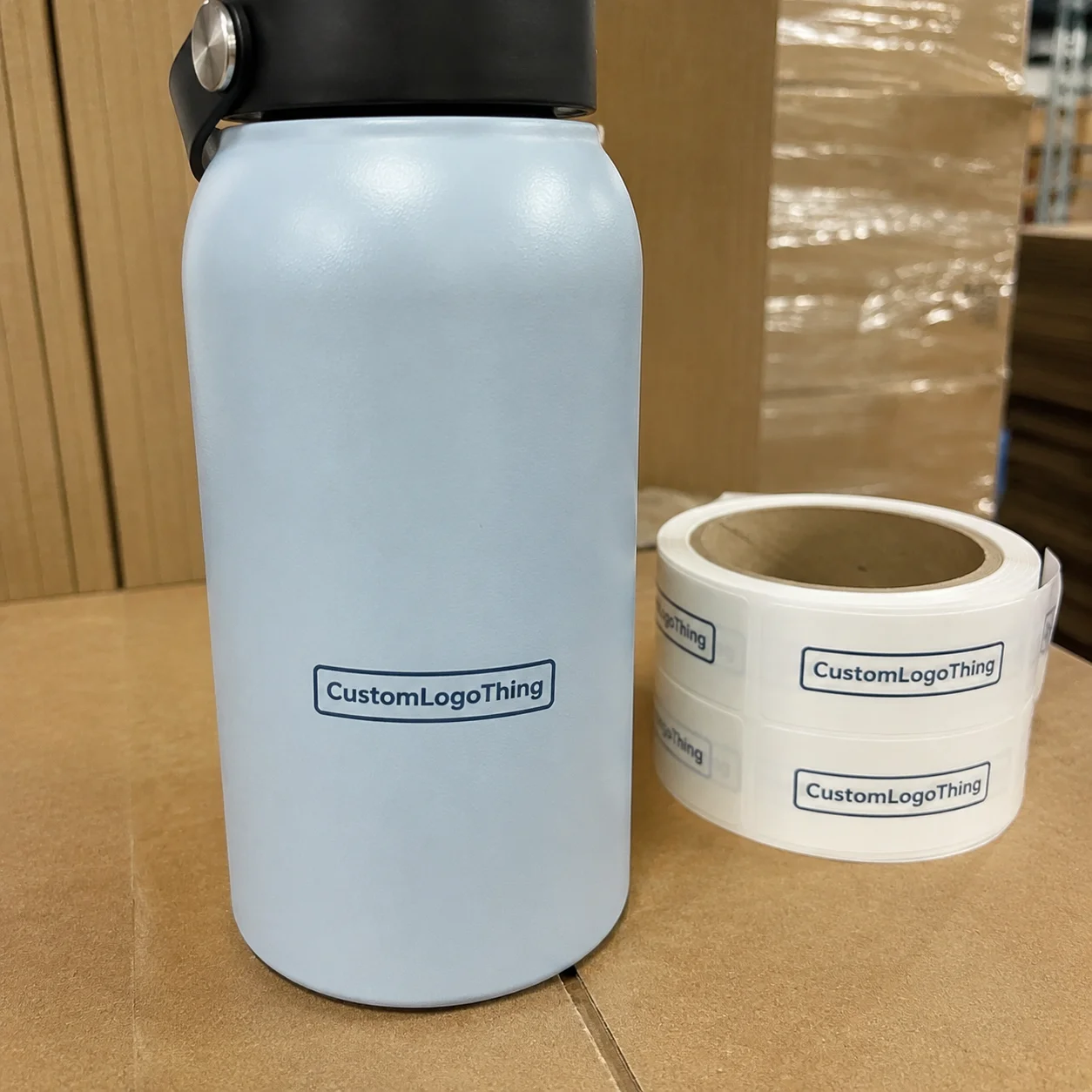
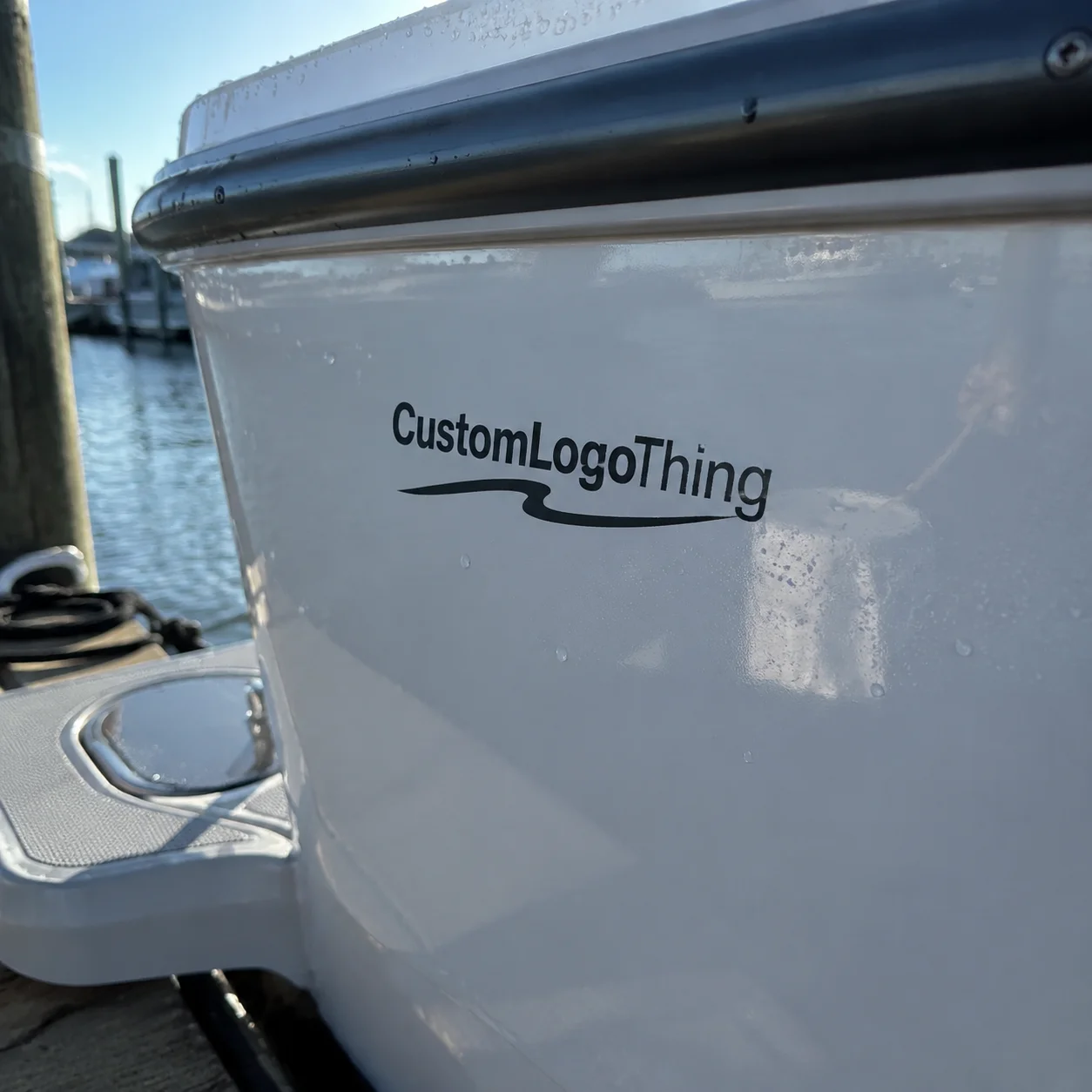
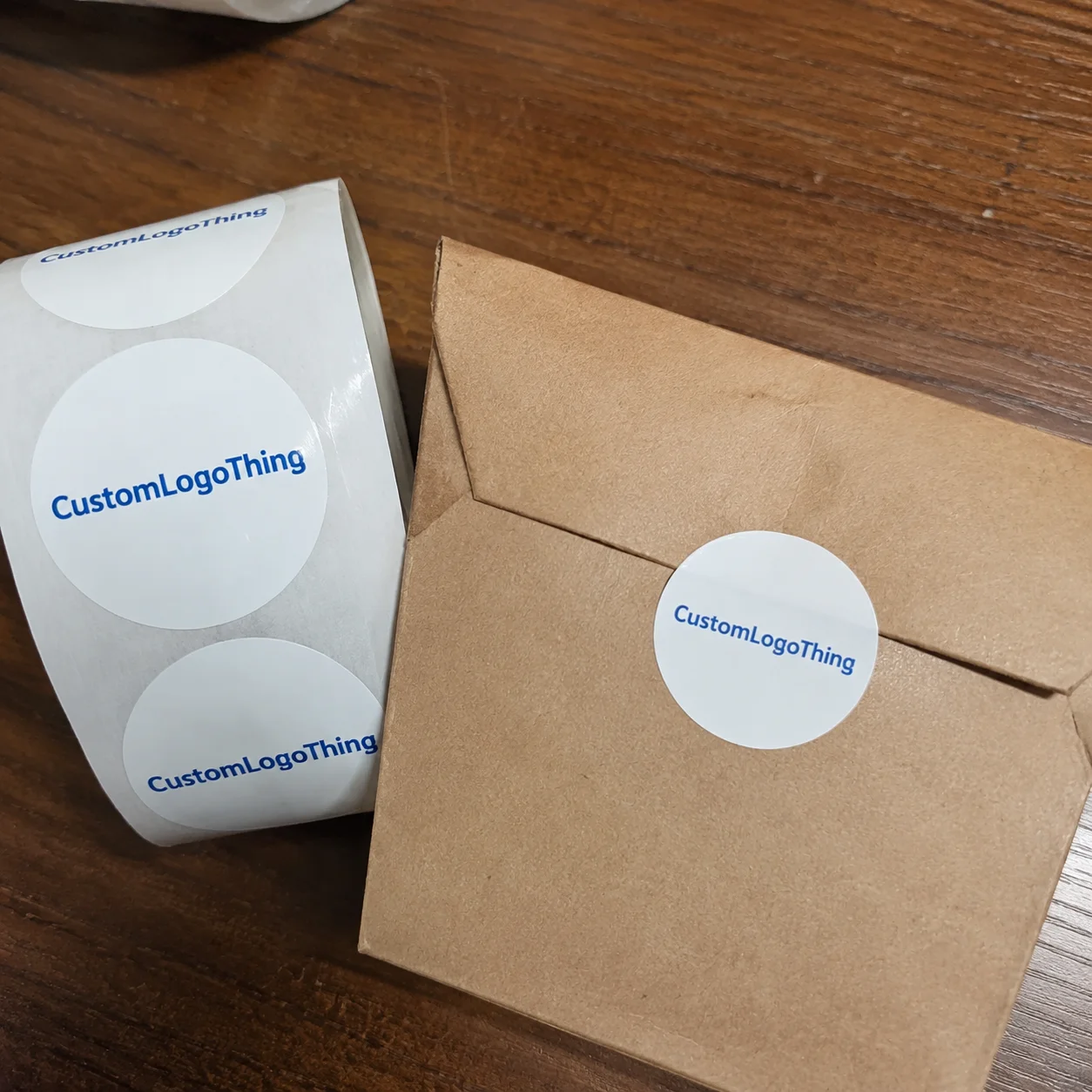
Open a mailer, candle box, bakery bag, skincare jar, or sample kit and the sticker is usually doing more branding work than people admit. If you are asking where can i make custom stickers, the short answer is: online sticker printers, local print shops, packaging manufacturers, marketplace sellers, or DIY cutting machines.
The useful answer depends on the job. A 2-inch envelope seal for tissue paper does not need the same material as a waterproof vinyl decal for a water bottle. A promo sticker for an event is not the same as a roll label staff will apply to 5,000 product boxes on a Tuesday afternoon while silently reconsidering every operational decision that led there.
Stickers are small, but they influence branded packaging, shelf presentation, fulfillment speed, customer perception, and reorder consistency. Cheap-looking stickers can make an otherwise solid package feel improvised. Delightful, right?
Where Can I Make Custom Stickers Without Guessing?
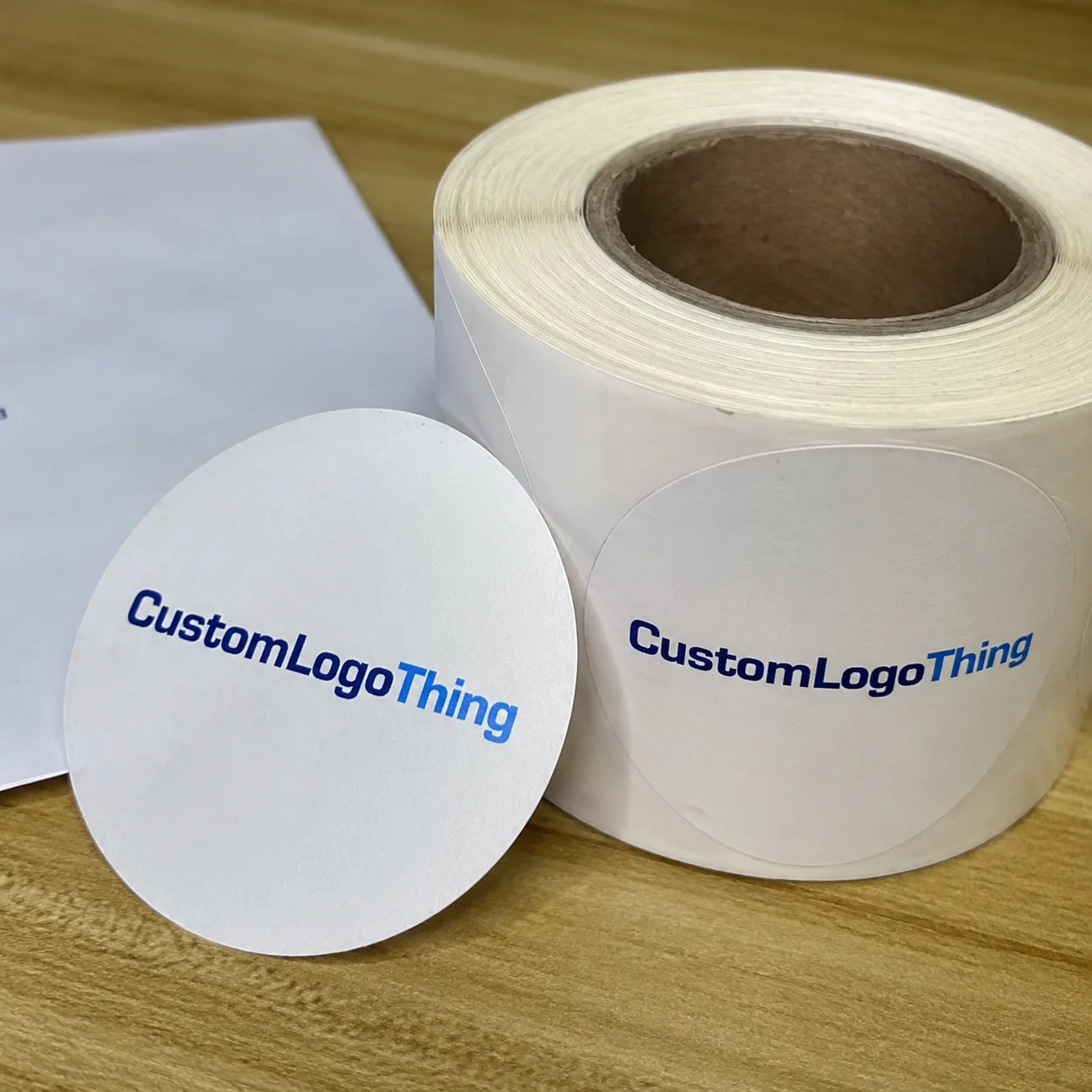
Most buyers start with a printer name. Start with the use case. If the order is a test batch, choose a supplier that handles 25 to 250 pieces without punishing you with awkward minimums. If the sticker is for retail packaging, focus on material consistency, color control, roll format, and repeat ordering. If it will live outdoors or near water, ask about film thickness, lamination, UV resistance, and adhesive strength.
Here is the practical breakdown:
- Online sticker printers: Good for small batches, fast quoting, die-cut logo stickers, event giveaways, and simple packaging seals.
- Local print shops: Useful when you need face-to-face service, local pickup, or help fixing files before print.
- Packaging manufacturers: Better for coordinated package branding, bulk production, matching stickers with boxes or bags, and repeat runs.
- Marketplace sellers: Fine for casual projects, but quality control, material specs, and reorder consistency can vary sharply.
- DIY machines: Acceptable for prototypes, samples, or internal runs under 50 pieces. Risky for paid retail products.
The real question is not only “who prints stickers?” It is “what surface, what quantity, what deadline, and what finish?” Ordering stickers is not just uploading a logo and hoping the print gods are in a generous mood. Material, adhesive, finish, cut style, artwork resolution, quantity, and delivery date all change the result.
If your stickers sit on dry paper bags, paper stock may be enough. If they go on chilled jars, bath products, plastic mailers, or anything handled in moisture, move toward BOPP, vinyl, or another film stock. If staff apply them by hand in volume, roll labels usually beat loose singles because they are easier to store, peel, count, and feed through a dispenser.
Quick buyer rule: online printers are convenient, local shops can be fast, packaging manufacturers are stronger for brand consistency and bulk, and DIY only makes sense before the sticker represents something a customer paid for.
How Custom Sticker Printing Actually Works
Custom sticker printing follows a basic production path: choose the sticker type, upload artwork, select size and material, approve a proof, print, cut, finish, pack, and ship. Simple enough. The expensive mistakes usually happen in the quiet details people skip because the checkout page made everything look easy.
Digital printing is common for short runs because it handles lower quantities, variable designs, and faster setup. It works well for 50, 250, or 1,000 pieces when you need solid color, custom shapes, and quick turnaround. Flexographic or offset-style production makes more sense for higher-volume repeat jobs, especially roll labels for product packaging where the same art runs again and again.
Cut style matters. Die-cut stickers follow the shape of the artwork, which looks polished for logos, mascots, and illustrated marks. Kiss-cut stickers leave the backing intact, so they are easier to peel and better for handouts. Circles, rectangles, and squares are usually cheaper and faster because the tooling or cut path is simpler. Roll labels are best for regular packaging work, especially if staff or machines apply them.
Materials are where buyers need to slow down for about ninety seconds. Paper works for dry indoor packaging, bakery bags, retail boxes, and low-cost seals. Vinyl and BOPP offer better moisture resistance for jars, bottles, bath products, and mailers. Clear film creates a no-label look on glass or plastic, although it needs strong artwork contrast and often a white ink layer behind light colors. Kraft paper can suit rustic packaging, but it can look confused on sleek cosmetic packaging. Holographic film, metallic effects, textured papers, and specialty stocks can support premium campaigns, but they also raise cost and may limit recyclability.
Finishes change both appearance and durability. Matte hides fingerprints and glare. Gloss boosts color and shine. Soft-touch feels expensive on premium cartons but can scuff if the wrong coating is used. Lamination adds protection against abrasion and moisture. Foil or spot UV can look sharp, though the price climbs quickly because apparently shiny things are never free.
A digital proof is the last cheap correction window. It should show size, cut line, bleed, color placement, and spelling before production starts. Check the dimensions. Check the logo orientation. Check the phone number if there is one. Nothing humbles a brand faster than 2,000 beautiful stickers with one wrong character printed in perfect clarity.
Key Specs to Decide Before You Order
Before searching for where to make custom stickers, define the job. Use, surface, environment, size, shape, material, finish, adhesive, quantity, and application method all matter. A sticker that peels off a pouch in three days is not a branding strategy. It is a tiny apology note waiting to happen.
Start with the surface. Cardboard, glass, plastic jars, poly mailers, tissue paper, metal tins, compostable bags, and flexible pouches behave differently. Smooth glass may accept a clear film label nicely. Textured kraft cartons may need a stronger adhesive or a larger contact area. Compostable mailers can be tricky because surface coatings vary, so sample testing is not optional if the order matters.
Indoor versus outdoor use is another fork in the road. Packaging stickers usually need clean print, good adhesion, and a finish that matches the rest of the packaging design. Water bottles, car windows, laptops, helmets, and outdoor gear need stronger film, UV-resistant inks where available, lamination, and weather resistance. Ask for expected durability ranges if the sticker will see sun, rain, abrasion, refrigeration, or dishwashing.
Size sounds easy until the proof arrives and the logo looks like a postage stamp. Common ranges are useful:
- 1.5 to 2 inches: envelope seals, tissue closures, bakery bags, and small thank-you stickers.
- 2 to 3 inches: logo stickers for mailers, candle boxes, soap wraps, and sample kits.
- 3 to 4 inches: promo decals, laptop stickers, event giveaways, and retail inserts.
- Custom dimensions: jars, tubes, bottles, tins, folding cartons, and product-specific label panels.
Artwork quality is non-negotiable. Vector files such as AI, EPS, or clean PDF are best for logos because they scale without getting fuzzy. Raster files should be at least 300 DPI at final print size. Bleed usually runs around 0.0625 to 0.125 inches, depending on the supplier, and it prevents those annoying white hairlines at the edge. Cut lines should be clear, especially for custom shapes.
Color deserves a blunt warning: screen colors and printed colors are not twins. CMYK printing, stock color, lamination, and gloss level all affect the final appearance. If your brand color is critical, discuss Pantone matching or Request a Printed proof. Not every supplier offers exact matching on small digital sticker runs, so ask Before You Order 5,000 pieces and then act surprised.
Adhesive choice also matters. Permanent adhesive is common for retail packaging because it stays put. Removable adhesive works for temporary labels, promotions, and surfaces that should not be damaged. Freezer-grade adhesive may be needed for chilled food, cold storage, or condensation-prone products. High-tack adhesive can help on textured cartons or difficult plastics, but it can also make repositioning impossible. Tiny trade-offs, large consequences.
For broader product lines, keep sticker specs aligned with boxes, inserts, labels, and bags. Custom Logo Things offers Custom Labels & Tags for brands that need packaging components to work together instead of looking like five vendors had a group project and nobody read the brief.
Custom Sticker Cost, Pricing, and MOQ Basics
Sticker pricing is driven by quantity, size, material, finish, cut complexity, number of designs, roll versus sheet format, proofing, packing, and shipping speed. Artwork can also affect cost if it needs cleanup, vector conversion, or color adjustment before print.
Small online batches often start around $20 to $80, depending on size and material. Mid-size branded runs commonly land in the low hundreds. Bulk packaging stickers can drop unit cost sharply once setup and proofing are spread across 1,000, 5,000, or 10,000 pieces. That does not mean everyone should buy 10,000 stickers. Inventory with the wrong adhesive is just trash with ambition.
Minimum order quantities vary. Some online printers offer 25 to 100 pieces for simple stickers. Custom packaging suppliers may prefer higher MOQs for roll labels, specialty finishes, exact brand matching, or coordinated runs with Custom Packaging Products. If the sticker is part of a larger retail packaging program, a higher MOQ can make sense because color, material, and repeatability matter more.
| Supplier Type | Best For | Typical Quantity | Common Cost Pattern |
|---|---|---|---|
| Online sticker printer | Test batches, giveaways, simple die cuts | 25 to 1,000 pieces | Low upfront cost, higher unit cost on small runs |
| Local print shop | Local deadlines, file help, pickup orders | 50 to 2,000 pieces | Moderate pricing, service varies by shop |
| Packaging manufacturer | Brand systems, roll labels, repeat packaging | 1,000 to 50,000+ pieces | Better unit cost at volume, higher MOQ |
| DIY cutter or home printer | Mockups, samples, internal labels | 1 to 50 pieces | Cheap per attempt, inconsistent professional finish |
Premium add-ons raise the quote quickly. Waterproof film, lamination, metallic foil, holographic stock, custom shapes, split-back liners, and special adhesives all increase price. Worth it when they support the product. Wasteful when they are decoration with commitment issues.
Ordering 100 stickers is cheaper upfront, but 1,000 to 5,000 pieces usually lowers the per-sticker cost dramatically. The catch is simple: prove the size, art, material, and adhesive first. A short run can save you from owning boxes of labels that curl, smear, or look half a shade off next to your cartons.
Always request quotes using the same specs. Comparing one vinyl die-cut quote to one paper circle sticker quote is not comparison shopping. It is spreadsheet theater. Send each supplier the same size, material, quantity, finish, format, deadline, and delivery ZIP code, then compare the answers.
Process, Timeline, and Turnaround Expectations
A realistic sticker timeline includes artwork prep, supplier quote, proof creation, proof approval, production, quality check, packing, and shipping. Simple digital sticker orders can move in a few business days after proof approval. Custom shapes, specialty materials, roll labels, bulk quantities, or exact color work often take one to three weeks, depending on capacity and shipping method.
The proof stage causes many delays. Low-resolution art, missing dimensions, unclear cut lines, no bleed, and late approvals all slow production. The classic move is waiting three days to approve a proof and then asking why production did not bend time. Printers love that. Really warms the room.
Rush printing may be available, but it usually narrows your options. You may have fewer material choices, fewer finish options, less time for revisions, and a higher shipping bill. Rush jobs reward prepared artwork, not optimism. If the file is clean, dimensions are final, and the supplier has stock on hand, you have a chance. If the logo is a screenshot from a social profile, no one is performing miracles by Friday.
Quality control should happen before boxes leave production. At minimum, ask how the supplier checks color, cut accuracy, registration, count, finish defects, and roll direction. For product labels, confirm whether they inspect for telescoping rolls, liner tears, adhesive ooze, scuffed lamination, and edge lifting. These sound like fussy details until a label jams a dispenser or peels off during fulfillment.
Shipping can erase savings fast. Ground freight is usually cheaper for bulk sticker rolls or large cartons of labels. Air shipping helps deadlines, but it can make a bargain quote look less charming. If stickers support active product packaging, build a reorder buffer. Order before inventory hits zero. A delayed sticker can hold up a perfectly finished product shipment, which is every bit as annoying as it sounds.
For packaging and distribution planning, transport testing standards are useful context. Organizations such as ISTA publish package performance testing guidance. Stickers are not usually tested alone, but the finished package still needs to survive handling, vibration, compression, temperature shifts, and environmental stress.
Common Mistakes When Ordering Stickers Online
The most common sticker mistakes are painfully avoidable: choosing the cheapest material, guessing the size, uploading a blurry logo, ignoring bleed, skipping the proof, and ordering bulk before testing adhesion. None of these feel dramatic during checkout. They feel dramatic when the finished stickers arrive and the packaging table goes quiet.
Paper versus film is a big one. Paper stickers are fine for dry boxes, bags, hang tags, and basic retail packaging. They can wrinkle, smear, or peel on chilled jars, bath products, oily surfaces, flexible pouches, or anything handled in damp conditions. Film stocks like BOPP or vinyl usually handle moisture better and can be laminated for extra protection.
Overcomplicated shapes create another problem. Intricate die cuts look clever on screen, but tiny points can tear, lift, or catch during application. They can also slow production and increase cost. Simple shapes often apply cleaner and look more premium. There is a reason so many strong brands use circles, rounded rectangles, and clean contours. Boring? Maybe. Effective? Usually.
Finish mismatch can cheapen the package. Glossy stickers on a soft matte luxury box can look like an afterthought. Kraft stickers on sleek cosmetic cartons can feel off-brand unless the full design system supports that contrast. The sticker should match the product packaging, not fight it for attention.
Application format matters more than people think. Hand-applying 100 stickers is fine. Hand-applying 5,000 tiny stickers is character development nobody asked for. Roll direction, liner type, gap spacing, and label orientation affect speed, especially if staff or machines apply them. Ask your supplier how the roll will unwind if you use a label dispenser or applicator.
Sampling is the cheap insurance policy. Test the sticker on the real surface, at the real temperature, with real handling. Put it on the actual jar, mailer, box, pouch, or tube. Rub it. Chill it. Ship it across town if needed. The real world is rude. Better it insults your sample than your customer order.
If sustainability claims matter to your brand, be careful with materials and messaging. FSC-certified paper may support responsible sourcing goals, while some films may complicate recycling depending on the package structure. The Forest Stewardship Council provides certification information for paper-based materials, but your supplier still needs to confirm what stock they are actually using.
Next Steps to Choose the Right Sticker Supplier
If you are still asking where can i make custom stickers, use a buying checklist before opening ten browser tabs. Define the sticker job first. Measure the application area. Choose material based on the surface and environment. Decide quantity. Prepare clean artwork. Request a proof. Compare quotes line by line.
Match the supplier to the order type. Use an online sticker printer for quick small batches, startup launches, events, and simple promotional decals. Use a local print shop for hands-on service or tight local deadlines. Use a packaging manufacturer for coordinated branded packaging, roll labels, repeat order quality, and sticker specs that need to match custom printed boxes, bags, jars, or mailers. Use DIY only for prototypes, samples, and very small internal runs.
Send complete quote details if you want a useful answer. Include:
- Final sticker size, such as 2 inches round or 3 x 1.5 inches rectangle
- Shape and cut style, including die cut, kiss cut, circle, square, sheet, or roll
- Quantity per design and number of artwork versions
- Material preference, surface type, and indoor or outdoor use
- Finish, such as matte, gloss, soft-touch, foil, or lamination
- Artwork file, delivery location, target delivery date, and any adhesive concerns
Order samples or a short run first when changing suppliers, changing materials, or applying stickers to unusual surfaces like textured cartons, compostable mailers, frosted glass, plastic jars, or flexible pouches. A 100-piece test run can expose color issues, curl, poor peelability, or weak adhesion before you commit to 5,000 pieces.
The strongest supplier is not always the cheapest one. It is the one that can hit your specs, timeline, repeat order quality, and packaging goals with the least drama. Start with your use case instead of the printer name. The right supplier can make the sticker look sharp, arrive on time, and avoid turning every reorder into a tiny administrative fire drill.
Custom Sticker FAQs
Where can I make custom stickers for product packaging?
Use a packaging manufacturer or custom label printer if the stickers need to match boxes, bags, jars, or mailers across repeat orders. Roll labels are usually better for frequent packaging use because they are easier to apply, count, store, and reorder than loose singles. Ask for material recommendations based on the exact packaging surface, not just the design file.
Where can I order custom stickers in small quantities?
Online sticker printers are usually best for 25 to 250 piece test runs, event stickers, early brand launches, and simple logo decals. Expect a higher unit cost on small orders because setup, proofing, and shipping are spread across fewer pieces. Use the small run to test size, color, adhesion, and customer reaction before buying bulk.
How much does it cost to make custom stickers?
Basic small batches often start around $20 to $80, while larger branded runs can range from a few hundred dollars upward depending on specs. Size, material, finish, cut style, quantity, and shipping speed have the biggest pricing impact. Bulk orders lower unit cost, but only make sense after the design and adhesive have been tested.
How long does it take to make custom stickers?
Simple digital sticker orders may ship within a few business days after proof approval. Custom materials, die cuts, roll labels, specialty finishes, or larger quantities often take one to three weeks. Proof delays are common, so approve artwork quickly and provide clean files from the start.
Can I make custom stickers myself instead of ordering them?
DIY stickers work for prototypes, samples, planner stickers, or very small internal projects. They usually fall short for retail packaging because print durability, cutting accuracy, adhesive quality, and finish consistency are harder to control. Once stickers represent a paid product, professional printing is usually the cleaner and more reliable choice.