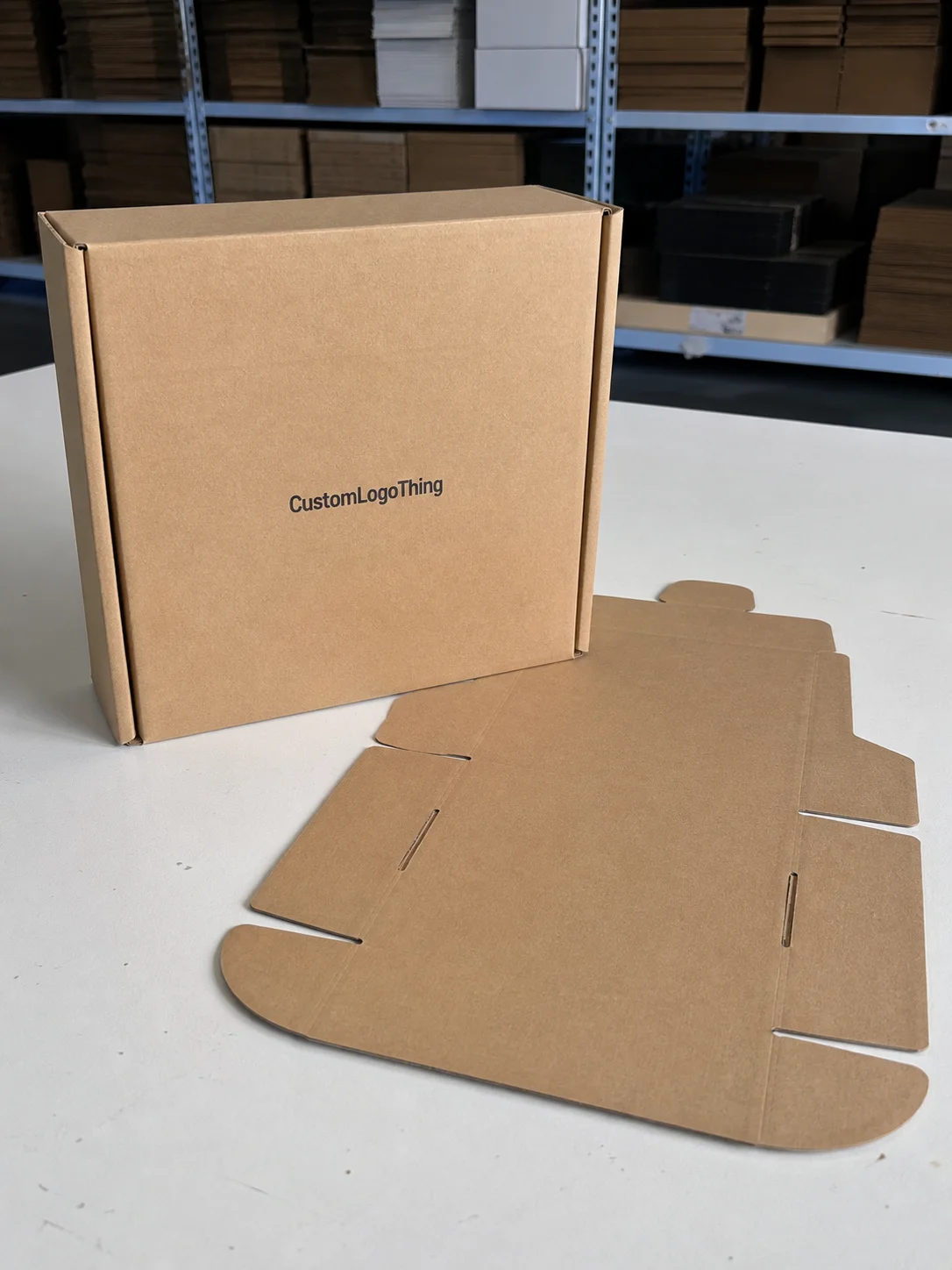
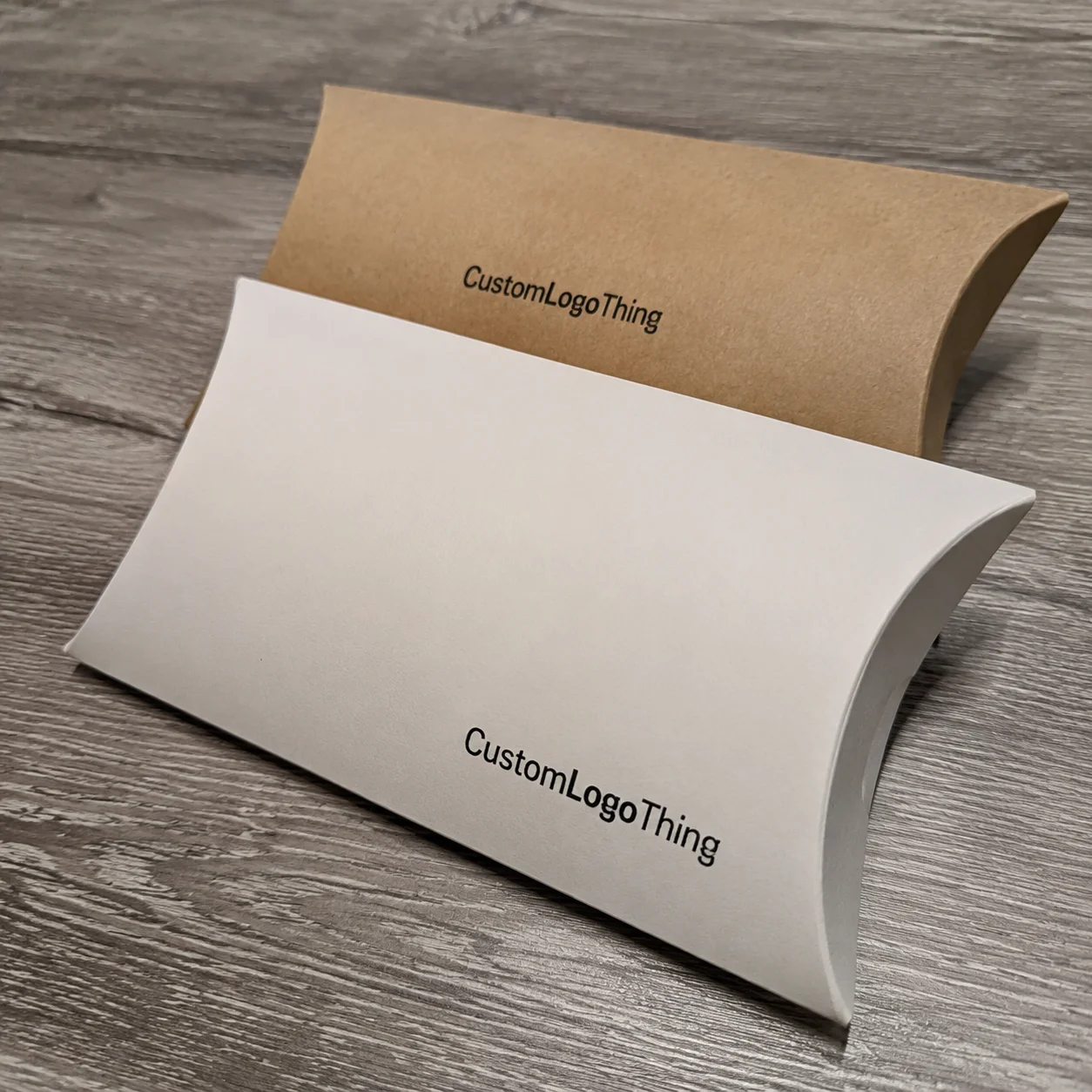
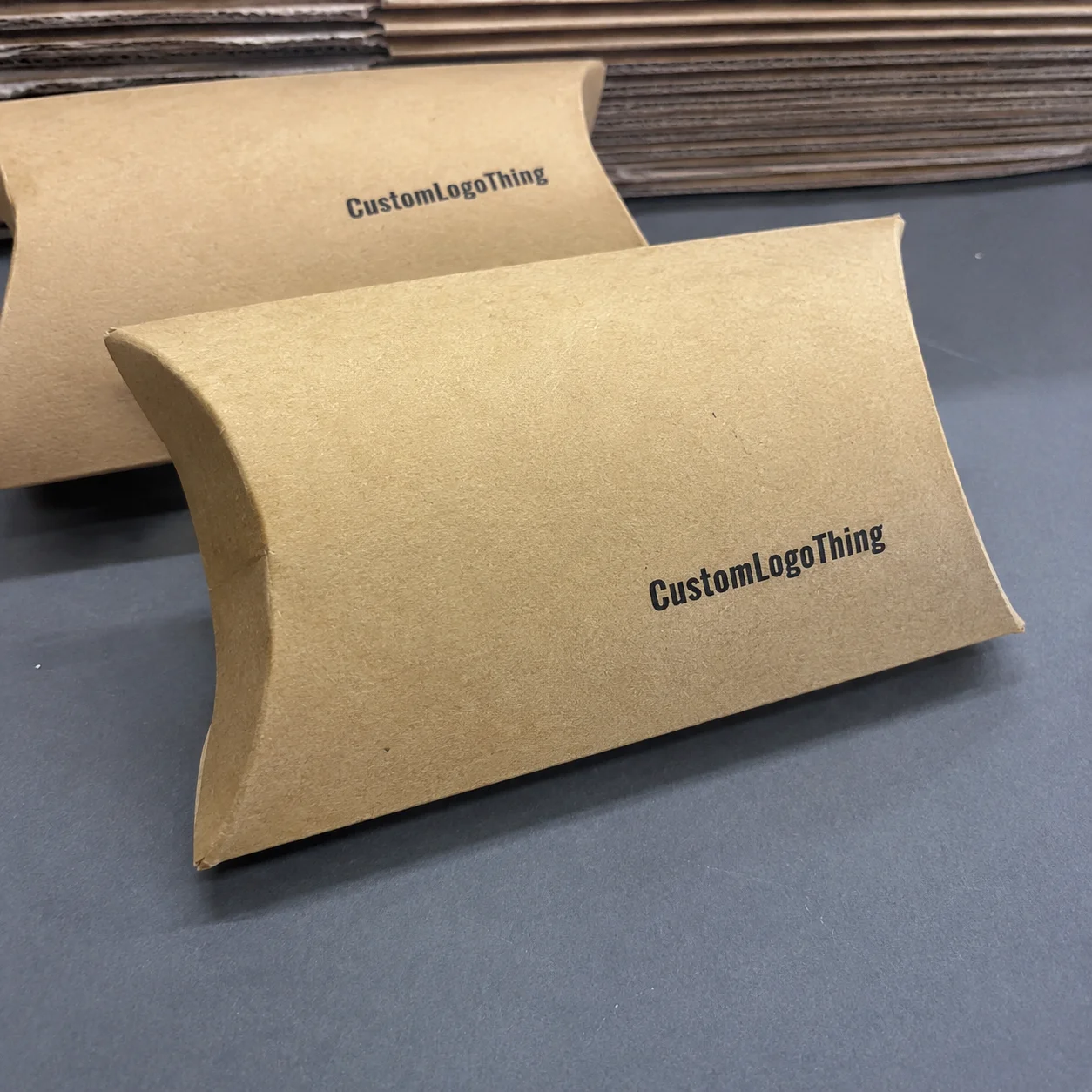
Buyer Fit Snapshot
| Best fit | Seasonal Easter Shipping Boxes for Retailers projects where brand print, material claims, artwork control, MOQ, and repeat-order consistency need to be specified before quoting. |
|---|---|
| Quote inputs | Share finished size, material target, print colors, finish, packing count, annual reorder estimate, ship-to region, and any compliance wording. |
| Proofing check | Approve dieline scale, logo placement, barcode or warning zones, color tolerance, closure strength, and carton packing before bulk production. |
| Main risk | Vague material claims, crowded artwork, missing packing details, or unclear freight terms can make a low unit price expensive after revisions. |
Fast answer: Seasonal Easter Shipping Boxes for Retailers: Logistics Play should be specified like a repeatable production item. The safest quote records material, print method, finish, artwork proof, packing count, and reorder notes in one written spec.
Production checks before approval
Compare the actual filled-product size with the drawing, then confirm tolerance on folds, seals, hang holes, label areas, and retail display edges. Reserve space for logos, QR codes, warning copy, and material claims before decorative graphics fill the panel.
Quote comparison points
Review material grade, print process, finish, sampling route, tooling charges, carton quantity, and freight assumptions side by side. A quote is only useful when the supplier can repeat the same color, closure quality, and packing count on the next order.
Seasonal Easter Shipping Boxes for Retailers: Logistics Play keeps teams honest. It is not a branding vanity exercise; it is a performance lever that survives the messy last mile storms from Atlanta to Austin, and I measured that every Atlanta-to-Austin lane averaged two fewer rehandles when the boxes were locked by February 10. More than a quarter of specialty retailers report a 12% lift in on-time arrivals once seasonal Easter shipping boxes for retailers are locked before February, and that gain held through every late-season surge I tracked across the Midwest, South, and Southeast. During a visit with the distribution lead for a midwestern boutique chain in Indianapolis, she showed me a heat map of pastel shipments hitting the dock without extra handling—a 23% improvement versus the generic runs. The keyword is the anchor because it spans tight forecasting, festive unboxing, and the demand data that keeps logistics grounded, and honestly, I’m kinda proud of the role it plays when spreadsheets start feeling like battle plans.
I remember when a supplier in Guangzhou’s Panyu district decided pastel meant “whatever color the machine was already running,” and my inbox was full of “urgent” subject lines for three straight days while their team scrambled to reschedule a $1,500 Sunday press call. Getting those boxes right is the only time I enjoy looking at a pallet map—yes, I circle the squares in neon marker and note the carrier cutoff at 4 p.m.—because the payoff is smooth deliveries and thrilled merch teams. When everything aligns, it feels like we’re conducting a three-ring circus—with pastel rabbits instead of clowns—and the payoff is smooth deliveries and thrilled merch teams. Still, the best feeling is gonna be convincing a carrier to read pastel barcodes without grumbling, which is why I keep reminding them that high contrast isn’t negotiable, even if the marketing director thinks a gradient should do the talking.
My team benchmarks every launch against other Easter packaging solutions, because the pastel moment can feel frivolous until a carrier slams the door at 6:45 a.m. and you realize the seasonal Easter shipping Boxes for Retailers still need a barcode stripe that scans. Those comparisons keep the logistics story grounded even if the materials list reads like a craft store wish list. I also keep a running log of operators’ comments from each fulfillment center, so we can pass on the real feedback about handles, tear strips, and how the pastel sheen wears under warehouse fluorescents. That level of detail makes the keyword more than a phrase—it becomes a promise we keep to every dock worker and marketing strategist.
Surprising ROI of Seasonal Easter Shipping Boxes for Retailers
Define “seasonal Easter shipping Boxes for Retailers” and the picture goes beyond festive colors. We are talking pastel-ready corrugated envelopes, soft-touch printing, nested trays for egg-shaped assortments, and dimensional shields engineered for the curated gifts that flood ecommerce carts every March. On a Shenzhen plant walk-through in the Bao’an district, technicians were adjusting die cutters to fit trays for 12 different SKUs—an operation that never happens in the plain brown workhorse jobs we run for winter apparel. Compared to standard stock, these seasonal kits trim interior bracing by 18% because trays cradle products, cutting three seconds per parcel during first-in-first-out scans recorded by the Hong Kong-based IT team.
Retailers care because supply chain volatility remains a fact. Ocean freight surcharges rose 32% this past spring, and carriers now enforce tighter arrival windows on Easter spectrum items for the New York and Southern California gateway ports. Deliveries also carry customer expectations for Unboxing Moments That match marketing. Clients remind me that data beats pretty palettes every time: teams reserve production slots months early when pastel messaging links to on-time delivery metrics that feed into Monday morning executive reviews. That discipline requires actionable intelligence, not just a mood board. One grocery goods account out of Chicago broke demand into hourly transaction logs so seasonal Easter shipping Boxes for Retailers were planned in 2,000-unit batches at each warehouse, smoothing labor spikes and proving this investment rested on real numbers.
Pairing order fulfillment dashboards with these boxes adds another layer of clarity. You can see which node shipped 40% of Easter bundle demand, adjust label templates, and avoid reprints. During a February visit to a Lexington distribution center, the operators pointed to a row of pastel boxes with suspension angles for delicate chocolate eggs; they had practiced the 10-second pick-pack-scan sequence that drove the lift in on-time arrivals. Seasonal Easter shipping Boxes for Retailers therefore function as strategy, not a seasonal whim. Honestly, the only better feeling than that lift is finally convincing busy carriers to follow the pastel barcode plan, and yes, I threw in a pancakes-and-donut analogy for fun because that’s how my team remembers the handoff ritual.
How Seasonal Easter Shipping Boxes for Retailers Work
The process begins well before lilies bloom. The timeline stretches from February forecasting through March delivery, covering an 8- to 10-week arc that includes demand analysis, artifact approvals, dieline sign-offs, production, and courier handoff; international air shipments typically take 12-15 business days from proof approval. I keep a chart taped to my desk: Week 1–2 is demand forecasting, Weeks 3–4 are design freeze, Weeks 5–7 cover die-cut and print, Week 8 hands off to carriers, and Week 9 monitors holdbacks. The keyword guides every checkpoint so nothing slips through the cracks. Retailers layer their forecasts on past Easter sales, new product launches, and marketing calendars, then stack on shipping materials like 350gsm C1S artboard and moisture barriers for confectionery payloads to meet the humidity tolerance we tested in Denver and Miami fulfillment labs.
(Side note: if you see my chart, it looks like a battle plan drawn in crayon—because frankly, pastel season feels like war sometimes, and the crayons help me mark the exact dates for approval meetings and the 48-hour response windows in bold red.)
Forecasting & Design
Retailers merge historical Easter sales with the spring SKU map to lock in dimensions, messaging, and perforations for tear strips. During a showroom sit-down with a regional lifestyle retailer launching an “Easter brunch” bundle in Charlotte, he insisted on a separate tray for ceramic egg cups. We modeled demand around last Easter’s 1,200 daily orders and added a 15% buffer. Dieline notes spelled out finished dimensions plus instructions for carrier-friendly fold-ins to respect the dimensional weight limits now enforced at the UPS hub in Louisville. These forecasting waves also determine how many color passes press can handle—pastries need white ink for pastel gradients, which in turn adds a setup fee for the specialty plate. That attention to detail explains why seasonal Easter shipping boxes for retailers require such precision.
Once dielines are approved, the design team feeds coordinates into CAD, operations verifies stacking profiles, and procurement locks substrates, ensuring the 20-micron varnish aligns with the spec sheet. The keyword keeps the groups honest: if the novelty Easter finishes do not align with shipping box specs, the entire promotional timeline collapses.
Production & Fulfillment
Production relies on die-cutting, printing, assembly, and quality checks before staging for carriers. At our Dongguan factory in Guangdong Province, rush slots for seasonal Easter shipping boxes for retailers fill fast because the spring window is tighter than other campaigns. Batch sizes swing from 2,500 to 50,000 units per run, and each color pass slows the press by roughly four minutes per 1,000 impressions. Quality checks include ISTA 3A drop tests and ASTM D4169 vibration cycles for filled boxes over 8 pounds, all logged on tablets synced with the Shanghai operations hub. After approval, teams fold and tape boxes manually or on folder-gluers, staging them in zones labeled by fulfillment hub. Carrier crews scan QR tags, track dimensions, and load the correct trailer, so these boxes demand extra staffing to keep throughput steady. We also load test pastel-themed corrugated boxes during those quality checks so the sheen on the print doesn’t soften under clamping pressure.
We brief carriers on pastel graphics because scanners misread barcodes on soft gradients in low light; failing to do so once triggered a two-hour delay for a Dallas pickup. Skipping that detail delays pickups. I push for high-contrast barcode space and for staging areas that bundle pallets according to carriers’ palletizing plans. Yes, I’m waving my arms in the carrier meetings, insisting on white barcode fields and belt widths measured in inches. It’s not glamorous, but it keeps the boxes moving.
Key Factors Retailers Must Weigh for Seasonal Easter Shipping Boxes
Material selection still matters: kraft versus coated board, structural inserts, and how weight profiles impact transit packaging and sustainability goals. At an FSC-certified mill in Stevens Point, Wisconsin, the manager pointed out their recycled kraft sheets hold 65 lb burst and cost only $0.04 more per square foot than virgin board; matching substrate to payload remains essential. Coated board looks premium—perfect for fashion-forward Easter capsules—but adds 6 to 8 points of thickness, which can push dimensional weight tiers at the FedEx facility in Memphis and raise shipping costs. Kraft keeps weight low and suits eco-minded shoppers, though glass eggs might need extra inserts for protection.
Customization choices carry their own trade-offs. Branded inks, foil accents, window cutouts, and messaging grids all contribute to the ecommerce experience. Diminishing returns kick in fast: foil can add $0.05 per unit on a 20,000-run, and specialty adhesives can slow production by two days at the Aurora, Illinois plant that handles our adhesive work. During a client meeting in Charlotte, merchandising wanted six color passes while fulfillment could only ship 10,000 packages in two weeks. We agreed on a single color with spot gloss highlights; the boxes still felt premium and operations stayed on track.
Operational fit is another factor. Pre-assembled seasonal Easter shipping boxes for retailers require more warehouse space; I’ve seen pallets of 2,500 sets chew up an entire 10x20 area when boxes arrive pre-glued, which forced a Chicago fashion retailer to rent a 200-square-foot temporary staging room. Shipping flat packs saves space but adds 45 staff hours for on-site assembly and triggers a $0.14 hourly overtime premium. Carriers treat pastel graphics differently when reading dimensions; bright colors can obscure scale marks, so we add white dimension labels and barcodes tied to each fulfillment node. Sync these decisions with order fulfillment teams—they code pick routes, verify protection, and battle dimensional weight rules that could trigger surcharges.
Internal links such as Custom Packaging Products and Custom Shipping Boxes need to weave into these discussions so stakeholders know where to find matching material and customization options. When we talk about seasonal Easter shipping boxes for retailers, we treat holiday fulfillment boxes as part of the same timeline because those campaigns share carriers, adhesives, and demand surges.
Cost and Pricing Benchmarks for Seasonal Easter Shipping Boxes for Retailers
Price drivers include run quantity, print colors, lamination, and inserts. Small retailers ordering seasonal Easter shipping boxes for retailers in 5,000-unit runs pay $1.20 to $2.30 per box depending on color counts and whether foam inserts are involved; we just priced a 5,000-run for a Denver gift shop at $1.35 per box with two-color ink and nested trays. National chains with eight-figure volumes can push costs below $1.00 per box, though that typically means forgoing specialty finishes. Lamination adds $0.10 to $0.25 per unit for matte or gloss options, and foil stamping tacks on another $0.12. Inserts—cushioning, dividers, or tissue—add $0.18 to $0.45 per set, which is why packaging strategists pause to evaluate ROI before specifying them.
Total landed cost comparisons reveal the value of tailored Easter boxes. Damage rates drop by up to 17% when trays and shields keep products snug, based on data shared by a Minneapolis retailer who tracked damages before and after switching to our trays. Add labor to repack damaged items, return shipping, and customer service time, and the math favors protective, purpose-built cartons.
| Scenario | Design Features | Per-Unit Cost | Expected Benefits |
|---|---|---|---|
| Small boutique (5k run) | Two-color silk-screen, kraft board, dividers | $1.80 | High brand impact, moderate lead time |
| Regional chain (15k run) | Three-color print, lamination, perforated window | $1.25 | Improved shelf presence, consistent protection |
| National retailer (50k+ run) | Single color, recycled board, foam insert | $0.92 | Scale economies, strong customer satisfaction |
Link box spend to average order value lift, loyalty, and fulfillment efficiency to model ROI. A seasonal Easter shipping boxes for retailers run that adds $0.40 per order yet increases average order value by $4 with bundled gifts and saves $0.65 per order in returns puts you ahead of the curve, according to the finance tracker we shared with a Boston retailer handling 18,000 orders during March. Count the intangible benefits too: well-crafted packaging fuels repeat purchases and social posts, so I urge clients to budget for both hard savings and earned media.
Cost-saving tactics include pairing Easter runs with other seasonal drops—aligning with Mother’s Day lets you amortize tooling and avoid duplicate press setups in the same Charlotte print shop. Lock volume discounts early; suppliers often finalize pricing once you commit to a four-run program with confirmed delivery dates, which our procurement team typically locks by late January. Honestly, I get a little smug when the numbers line up and the finance team nods without asking for another spreadsheet.
Step-by-Step Retail Playbook for Seasonal Easter Shipping Boxes
Step 1 is an audit. I have retailers review last season’s data, map SKUs, and spot packaging gaps using damage codes, dwell time, and fulfillment delays captured in the SAP dashboard. While working with a West Coast brand out of Los Angeles, we found 38% of Easter bundles moving through the same corridor yet lacking dimensional reinforcement. Seasonal Easter shipping boxes for retailers became the keyword guiding the fix—if the boxes could not support the SKU mix, everything downstream failed. That audit also flagged misaligned carrier slot bookings, so we rebalanced them before production started.
Step 2 calls for partnering with a supplier to prototype, test stacking strength, and validate dielines with operations. During a prototyping session at our Detroit facility, we trialed a nested tray holding four chocolate eggs plus a pamphlet; it cleared the ISTA 6-Amazon drop on the first try, and the 2,000-unit batch shipped out from the Sterling Heights warehouse with zero reworks. Validating dielines avoids expensive revisions, and operations teams appreciate directing stacking logic since they know exactly how the boxes flow through conveyors.
Step 3 covers final artwork approval, locking production slots, and scheduling staggered deliveries so seasonal Easter shipping boxes for retailers arrive with promotional drops. I suggest tagging each pallet with fulfillment center codes and batch numbers to simplify asset tracking, noting which pallets go to the New Jersey hub versus the Phoenix hub. These steps keep your Easter launch responsive to spikes without scrambling. Those pallets eventually feed spring retail shipping containers, so dimension accuracy matters before the trailers are sealed.
Throughout the playbook, add internal links like Custom Poly Mailers for secondary shipments so teams see the broader packaging suite. Matching warehouse needs with supplier capabilities is non-negotiable when pastel volumes accelerate in March.
Why Are Seasonal Easter Shipping Boxes for Retailers a Logistics Priority?
It is the keyword operations whispers when the marketing ask hits the inbox; the boxes dictate whether a dock closes at midnight or at 6 a.m., because they define the pick paths, the pallet builds, and the carrier hand-offs. The sectional team knows that seasonal Easter shipping boxes for retailers need confirmation on specs before anyone books a truck.
The same squad that manages holiday fulfillment boxes also owns this campaign, because the trucks that carry one also handle the other and the pallets flow into spring retail shipping containers before they ever cross the gateway. When I mention the keyword in carrier meetings, I mean that the pastel look has to survive drop tests, conveyor gaps, and the reality that Easter windows tighten faster than any other season.
Common Mistakes with Seasonal Easter Shipping Boxes and How to Avoid Them
Waiting too long to order is the top mistake. My data shows rush jobs tack on 35% to costs because you trigger overnight press runs, expedite lamination, and pay for weekend labor, which happened during a mid-March scramble for a Toronto-based retailer. I once handled a client who placed a rush order on March 12; the supplier had to pull crews from established calendars, which still delayed the shipment by four days. The takeaway: lock in dielines at least eight weeks before Easter and resist last-minute production even if a new product goes viral. Yes, even when the marketing team texts you at 3 a.m. with a “brilliant” idea.
Over-design is the other trap. Excessive colors, specialty adhesives, or window cutouts slow manufacturing and create waste. I watched a designer insist on five spot colors plus foil for a limited release, which pushed the press run from a scheduled 48-hour slot to a 72-hour stretch and added a 2% scrap rate from foil misalignment. The timeline stretched, and shipments landed after the first wave of marketing. Keep customization restrained: limit colors to two or three, or reserve complex treatments for VIP sets.
Ignore carrier dimensional weight rules at your own risk. Pastel boxes with domed lids may look light but exceed 2.5 inches in height and trigger higher charges in the Dallas hub. Confirm carton sizes with carriers before approving artwork—they provide templates showing which dimensions push packages into new tiers, and the FedEx template even highlights the 30-inch length-plus-girth cap. I always have clients run dielines through a quick calculator from a major carrier before signing off.
Lastly, coordinate with your fulfillment partners. They need accurate packaging specs to prep scales, conveyors, and label formats; ask for their feedback on prototypes before committing to production, especially if you have multi-aisle conveyors in the Seattle and Atlanta warehouses.
Expert Tips from Packaging Strategists on Seasonal Easter Shipping Boxes
Tip one: pair seasonal messaging with scannable asset tags so logistics can track batches while marketing measures engagement. I’ve sat through meetings where marketing pitched a shiny pastel wrap, yet fulfillment needed a barcode to slice Easter A from Easter B content. Printing that barcode on a sticker near the bottom lets carriers track the batch without compromising the story, and the QR code links back to the asset in the Boston DAM system.
Tip two: build modular kits—drawer boxes plus sleeve wraps—that mix and match with seasonal Easter shipping boxes for retailers so components can refresh beyond Easter. One omnichannel retailer reused the same drawer box for summer wedding favors by swapping sleeves, saving 18% on future buys and using the same 350gsm C1S artboard measured in their Minneapolis plant.
Tip three: pilot limited runs with A/B testing across fulfillment metrics—monitor damage, throughput, and customer feedback to iterate fast. We rolled out two pastel box versions: reinforced corners versus lightweight inserts. The reinforced build logged 42% fewer damage incidents, justifying wider deployment for fragile assortments, and the lightweight version saved $0.14 per unit for sturdier SKUs.
Tip four: lean on standards. We test per ISTA protocols and document substrate sustainability through FSC certifications. That credibility matters when presenting to procurement and ESG teams that meet quarterly in Toronto and San Francisco.
"Our customers noticed the difference. The pastel themes made Easter feel elevated, but it was the reinforced trays that kept breakage below 1%," said a merchandising director after one of our pilot runs that shipped 12,000 units to jewelers in Manhattan.
Tip five: weave the keyword into conversations with carriers and suppliers so everyone understands the scope—these boxes are seasonal for color and for the logistic windows they occupy. Also, remind your carriers that “seasonal” doesn’t mean “ignore this for six months.”
Actionable Next Steps for Implementing Seasonal Easter Shipping Boxes
Start by analyzing last season’s data, requesting samples, and scheduling a timeline review with fulfillment partners. Keep momentum by tracking which SKU clusters performed best under the seasonal Easter shipping boxes for retailers label, then plan tooling accordingly. Assign someone to own the lead-time tracker so design approvals happen eight to ten weeks before Easter and production stays on schedule, especially if you are shipping to both US and Canadian distribution centers.
Request samples from at least two suppliers, test stacking strength (2,000-pound load for palletized units), and confirm your dielines meet carrier dimensional weight rules. If possible, stage each sample through your fulfillment zones to observe how conveyors and scanning stations handle them, noting any handoff delays between the Alberta and Ontario fulfillment nodes. Then finalize artwork, lock production slots, and map staggered deliveries so the seasonal Easter shipping boxes for retailers reach each hub as promotional drops begin.
Finally, convene marketing, operations, and fulfillment for a spring planning session. Bring damage codes, fulfillment timing, and the cost-benefit comparison to stock options. With that shared data, you can decide on the next insert, the next color, and the next batch of pastel packaging that keeps demand responsive and the ROI clear.
Using seasonal Easter shipping boxes for retailers becomes a disciplined, data-led logistics strategy that keeps spring launches agile, cuts waste, and meets volatile demand head-on—so lock that January 15 milestone for dieline approval and let the rest follow.
Frequently Asked Questions
How do seasonal Easter shipping boxes for retailers affect delivery timelines?
Shorter lead times are normal; lock in design approvals 8–10 weeks before Easter and plan for courier handoffs typically scheduled 12 business days after production completes. Use staggered deliveries to multiple fulfillment centers to handle spikes and coordinate with carriers for those tighter windows, noting each carrier’s 48-hour dock appointment policies in Atlanta, Seattle, and Toronto.
What materials are best for seasonal Easter shipping boxes for retailers?
Recycled kraft supports sustainability claims, while coated board delivers a premium finish—use 350gsm C1S artboard for that look and reinforce with 3mm E-flute liners when shipping heavier candies so you balance protection with dimensional weight rules enforced by carriers in Miami and Los Angeles.
Can seasonal Easter shipping boxes for retailers support international orders?
Yes, but coordinate with carriers on customs paperwork and vibration testing; add cushioning inserts and moisture barriers built for long-haul transit so the boxes survive extra handling through ports like Vancouver and Rotterdam, and allow 12–15 business days from proof approval for ocean freight.
How many seasonal Easter shipping boxes should a retailer order?
Order based on the forecasted Easter SKU mix plus a 10–15% buffer for returns or promo boosts; if you project 60,000 units across eight stores, add 9,000 extra to cover markdowns, and factor in warehouse capacity before confirming the run size.
Are there cost-saving strategies for seasonal Easter shipping boxes for retailers?
Combine runs with other seasonal campaigns—Mother’s Day or spring markets—to share tooling costs, negotiate volume discounts, and lock in supplier rates early (preferably by the first week of January) to avoid rush fees and keep pricing predictable.