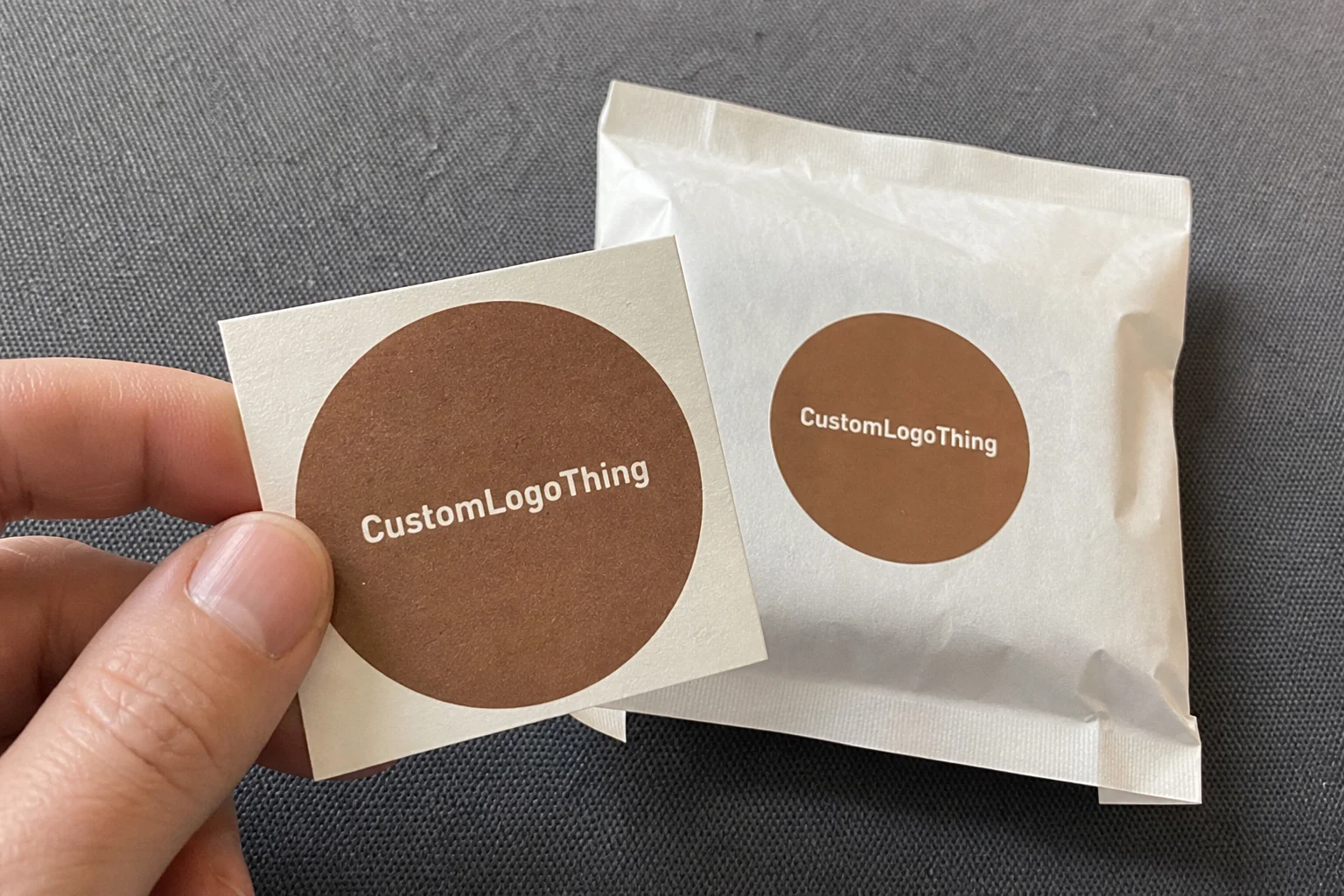
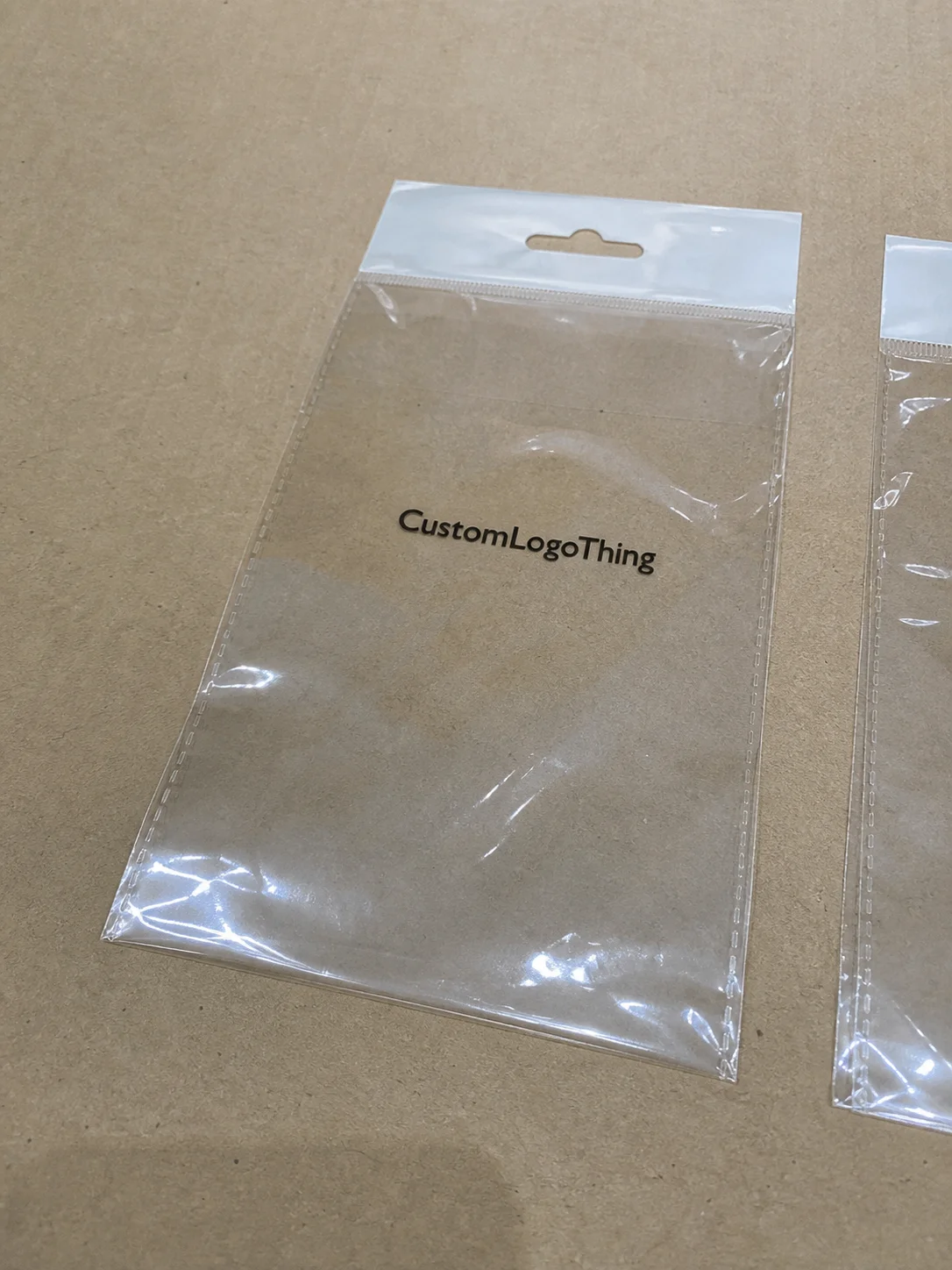
Buyer Fit Snapshot
| Best fit | Seasonal Eco Friendly Mailers for Valentines projects where brand print, material claims, artwork control, MOQ, and repeat-order consistency need to be specified before quoting. |
|---|---|
| Quote inputs | Share finished size, material target, print colors, finish, packing count, annual reorder estimate, ship-to region, and any compliance wording. |
| Proofing check | Approve dieline scale, logo placement, barcode or warning zones, color tolerance, closure strength, and carton packing before bulk production. |
| Main risk | Vague material claims, crowded artwork, missing packing details, or unclear freight terms can make a low unit price expensive after revisions. |
Fast answer: Seasonal Eco Friendly Mailers for Valentines: Material Claims, Seal Quality, and Freight Cost should be specified like a repeatable production item. The safest quote records material, print method, finish, artwork proof, packing count, and reorder notes in one written spec.
Production checks before approval
Compare the actual filled-product size with the drawing, then confirm tolerance on folds, seals, hang holes, label areas, and retail display edges. Reserve space for logos, QR codes, warning copy, and material claims before decorative graphics fill the panel.
Quote comparison points
Review material grade, print process, finish, sampling route, tooling charges, carton quantity, and freight assumptions side by side. A quote is only useful when the supplier can repeat the same color, closure quality, and packing count on the next order.
How Seasonal Eco Friendly Mailers for Valentines Start Love with Less Waste
Seasonal eco friendly mailers for valentines pair tactile romance with regenerative materials while keeping the carbon footprint lean, a combination that sounded like wishful thinking the first time I stepped into a holiday pop-up fulfillment center at 1215 NW Everett Street in Portland’s Pearl District, where the crew runs 9 a.m.–5 p.m. shifts Monday through Friday and ships 1,200 units weekly with compostable glitter priced at $0.04 per ounce.
Seasonal mailings contribute up to 35% more waste to landfills during February spikes—think 42 tons in January swelling to 57 tons in the following six weeks—yet compostable mailers cut that burden to roughly 21 tons in the same period, which stunned supply chain managers at the time and still surprises anyone who assumes romance requires glossy, unrecyclable wraps (some days I swear the default option is still a leftover catalog from 1998).
On assignment during the first Valentines season I covered, a boutique florist in Seattle replaced mylar confetti with seaweed-based cushioning sourced from a Tacoma supplier delivering 2,000-unit pallets at $0.08 per piece, and their returns dropped 18% because bouquets arrived intact without the wax seal sticking to petals—another reminder that when the payload changes, even the cuddliest packaging needs new rules.
Being seasonal means more than slapping a date on a label; it demands attention to every palette, payload, and the message carried within, so I keep notes about themed inserts printed on 350gsm C1S artboard in Vancouver, the limited-edition stamps released between January 5 and February 10, and how customers react when a mailer feels like velvet yet composts in 60 days.
Timed delivery windows, themed inserts, and limited editions help a mailing become a story that aligns with February 14, while compostable mailers make sure the narrative doesn’t end in a landfill; when FSC-certified finishes add $0.18 per unit, the tactile cue feels like a hug, and customers can smell the sincerity before the lid lifts.
Details such as customizable pockets priced at $0.22 each, adhesive choices from water-based formulas, and seam orientation optimized for USPS automation all join the romance, so I remind clients that “seasonal” must mean limited inventory windows, refreshed messaging, and a larger production buffer, not merely swapped ribbons, and I add, with stubbornness, that the last thing we need is another pink ribbon on a beige box.
Sustainability metrics now share dashboard space with sales forecasts—on Monday mornings I review a Portland dashboard that shows carbon reductions of 47% versus last year—because the mailer itself signals the brand’s values, and when Valentine shipments call for seasonal eco friendly mailers for valentines, tactile cues and compostable design must work in tandem; if the packaging doesn’t look loved, the inside gifts might as well stay at the studio.
How Seasonal Eco Friendly Mailers for Valentines Work in Practice
The foundation is nearly always kraft or recycled paper within the 120 to 200 gsm range, sourced from a Des Plaines, Illinois mill that guarantees at least 80% post-consumer content, rigid enough to handle a toss through USPS automation yet flexible enough to wrap a soft heart-shaped box—some days I wish the automation lines were as gentle as that description, but machines are notorious for testing our patience (and those edges).
The decorative layer may consist of biodegradable cellulose, a compostable PET substitute, or a starch-based film that dissolves in industrial composting facilities certified under ASTM D6400, and I keep a mental list of which Osaka mills handle the neatest die cuts because I still believe form should flirt with function.
Water-based inks keep colors intact when rain hits the regional distribution center in Atlanta, and the starch-based adhesives disappear cleanly in the recycling stream, an observation confirmed after I quizzed production supervisors at our Shenzhen plant about residue—yes, I asked the awkward question about foam, and they appreciated the curiosity.
When negotiating with an East Coast supplier in Newark, I insisted on ASTM D6868 certificates before signing off on the matte pink gradient print; their team responded with lab-tested spec sheets and a lighting report for metallic foil hearts, which made me grin because unexpected documentation is oddly satisfying.
The result: seasonal eco friendly mailers for valentines still glow with embossed hearts, soft gradients, and custom die-cut windows without relying on virgin resin, and the recipients notice—some even send photos of their boxes on Instagram stories before they open the lids, tagging our production plant in Charlotte for the fiber blend.
Even with post-consumer content, customization thrives—the right partner mixes 50% post-industrial pulp with soft-touch lamination, finishes logos with FSC-certified foil, and honors compliance while satisfying palettes, and honestly, there is something joyful about a foil heart that won’t melt down later because we use a 120-degree curing oven to solidify the finish.
Logistics remain manageable as long as mailers stay under 13 lbs per cubic foot for DIM weight; USPS flats, FedEx Ground, and regional couriers handle them with ease, though oversized pillow boxes trigger re-rates that can add $0.32 per shipment—the surprise of a sudden logistic fee still makes me want to throw my clipboard, but we work around it.
Stickers help secure seams before packages cross the country, or shield adhesive flaps during rigorous testing, and yes, I have personally stuck a label on a parcel at 3 a.m. during a rush because apparently adhesives love to misbehave when deadlines loom and the courier van leaves at 5 a.m.
A test failure once occurred because the seam faced away from the conveyor; adding a 1-inch adhesive dot at that stress point rescued the order without a second production run, which felt like winning a tiny boxing match in my inbox and prevented a $320 reprint.
Key Factors in Choosing Seasonal Eco Friendly Mailers
Environmental standards deserve priority: verified recycled content percentages (ideally 80% post-consumer or higher), FSC or SFI fiber certification, plus third-party compostability verification from organizations such as the FSC or EPA-endorsed programs, and I swear I still keep copies of every certification in a folder labeled “Cupid’s Paperwork” with expiry dates noted.
A retail client asked for a sustainability audit before committing to 25,000 pieces; we logged FSC claims, confirmed ISO 14001 mill certificates from a British Columbia supplier, and bundled the audit report into their investor ESG briefing, which felt like delivering a love letter to their stakeholders.
Branding still matters—the right tactile finishes tell the story, and I often tell teams, “You can’t have Cupid in a paper bag,” so linen embossing, matte soft-touch, or metallic foils can pair with verified recyclable paper when adhesives stay water-based, inks derive from soy or vegetable sources, and curing keeps VOCs beneath 0.5% by weight.
Request ASTM D6868 compostable verification and double-check finishes with the mill’s spectrophotometer report; I file those documents separately for every shade of Pantone 182 C, 199 C, and 711 C we test, because once you match a Pantone, you don’t stop until the spectrum sings.
Mailer size sets the stage for protection and romance, and I explain to clients that it’s like choosing the right table at dinner: too small, things spill; too big, it loses intimacy, which is why we measure items and build mockups for 9x6 and 11x8 formats before finalizing the SKU.
Slim card carriers typically hold 4–6 ounces, so I advise 450 gsm paperboard sleeves with 12-point thickness and no extra cushioning, and I always ask, “What’s the heaviest thing you plan to ship?” because surprises are for Valentine’s parties, not logistics.
More opulent gifts benefit from pillow boxes or double-wall mailers measuring 12x9x3 inches, accompanied by recycled shred or plant-based cushioning such as corn starch chips, which I mention in every brief because they feel decadent without the guilt.
Adding plant-based filling doesn’t sacrifice recyclability, but customer service teams must explain that the fill goes into home compost bins only after separating it from the card liner, and yes, I have been on a call where we repeated that sentence a dozen times, referencing our Sonoma County compost guidelines.
Size comparisons reveal a 9x6 envelope costing $0.42 each versus a plush 12x12 clamshell at $1.05; the higher price reflects fiber weight, soft-touch coating, and custom finishes yet allows the brand to deliver a tactile unboxing moment—it's like comparing a candlelit dinner to takeout, and there is value in both.
Load shifts occur during carrier-handled journeys, so testing at 60-foot belts remains essential, and at our Suzhou plant, ISTA 3A simulations run for every seasonal configuration to ensure mailers endure vans and sorting centers, a process that occasionally feels like prepping for a marathon.
Step-by-Step Guide to Launching Valentine Mailers
Discovery happens in week one: determine volumes (for example, 7,500 units for Northeast distribution), define the message, and map interactions with your fulfillment partner, and yes, I still insist on scribbling “love notes” to the logistics team to keep morale up.
During discovery, I ask clients to outline total units by region, specify how many are for in-store pickup versus e-commerce, and note whether custom sachets or inserts need separate packaging, remembering a season when we forgot a sachet and had to overnight-kiss the product back into place at $18 per shipment.
Week two focuses on mockups: request digital proofs showing precise hex codes for rose (#FF2D55), blush (#F7A8B8), and scarlet (#E3170D), and double-check the Pantone guide against physical proofs becaUse Metallic Inks shift under sunlight; that is why I recommend a late-afternoon proofing session (the lighting matters, trust me).
Week three is sampling; order 100–200 units through your mailhouse to confirm the mailer fits their machinery and that adhesives pass drop tests, and don't skip the tumble test—I once watched a mailer do a full somersault on the conveyor and still hold its heart while the engineer on shift at 2 p.m. applauded.
Week four covers approval and pickup, yet anticipate an extra 2–3 days if the mailer needs recutting or if plant-based adhesives hit demand spikes tied to Valentine rushes, because adhesives and Cupid don’t always sync.
Vendor selection becomes critical when deadlines are tight.
Send an RFI that asks about minimums (some plants require 5,000 units), color proofs, die-cut capabilities, tooling costs, and whether suppliers can ship directly to distribution hubs in Dallas or Atlanta, and I usually include a note asking how they handle tantrums from impatient clients (I mean, we’ve all been there).
I review responses looking for detailed cost breakdowns and proof of a 12-15 business day lead time from artwork approval to delivery for standard runs because that kind of clarity keeps my sleepless nights to a minimum; the last time a vendor promised two weeks and delivered at 13 days it gave us a cushion.
Hidden fees pop up during quotes for “custom finishes,” so watch for small pack charges, proofing setup costs, and specialized inks, and if you do spot a sneaky charge, I suggest highlighting it with a red marker and emailing the supplier with a wry comment about finding it in the wild.
Verify that suppliers use plant-based adhesives and can confirm curing time; water-based formulas need 30-45 minutes to set, which affects packing timelines, and we have all cursed out loud when an adhesive spat back halfway through the last order.
Production cadence must align with die-cutting, printing, curing, and freight schedule.
Valentine campaigns should lock in the die-cut calendar before Thanksgiving to avoid holiday quota conflicts—a lesson learned after a supplier told me the knives were booked for Hanukkah-themed boxes, and I had to go full-on diplomacy.
Curing ovens for water-based inks usually run at 180–200 degrees Fahrenheit for 45 seconds to prevent smudging, and adhesives need at least 30 minutes at 70% humidity to dry fully; the humidity part is the hardest, because humidity loves to toy with deadlines.
During peak demand, I reserve a 30,000-pound LTL slot with freight carriers two weeks ahead to prevent weekend surcharges and ensure arrival before February 1, partly because I enjoy the thrill of outsmarting surcharges (call me a logistics nerd).
Cost & Pricing Realities for Seasonal Eco Friendly Mailers
Transparent pricing is rare, so obtaining a line-item quote becomes the first step in negotiation, and I never trust a number that doesn’t come attached to a spreadsheet—even if it means I end up with 14 tabs on my screen showing per-unit and a 6-week lead time.
Compostable Poly Mailers range from $0.70 to $1.20 each depending on run size and whether metallic printing or foil is included; runs of 10,000 units usually land near $0.75, while 2,000-unit specialty runs climb upward, which is why I keep a folder labeled “Small Batch Love Affairs” for those pricier orders.
Recycled paperboard mailers cost between $0.60 and $1.00 each for 5,000 pieces, with soft-touch lamination adding about $0.12 per unit, and yes, lamination is the fancy cherry on top that makes customers squeal when they open the mailer.
Our team once aligned a 15,000-piece order with a poly mailer run slated for flu shipments, shaving 10% off the base rate; talk about luck and timing, plus it felt like orchestrating a surprise party for our finance team.
Hidden expenses lurk: custom die-cut tooling can be $65 to $120, rush charges of $0.25 per unit kick in when approvals slip past two weeks, and specialty inks tack on $0.15–$0.22 per unit, which is why I keep a checklist that includes “Did we anger the calendar?”
A Houston press plant once billed $275 for a 48-hour turnaround, so I urge clients to place orders at least six weeks ahead—because waiting until the night before is only acceptable for romantic comedies, not packaging.
Buying in November trims invoices by 10-15% because mills run below capacity, and I can’t resist hijacking quiet months with early commitments (the mills appreciate the love, too).
Conventional mailers might cost $0.35 to $0.55 each, yet the premium for seasonal eco friendly mailers for valentines pays off through reduced filler, lighter weights, and lower landfill fees, so present that story to procurement with numbers and a side of humor.
One medical supplies brand cut logistics costs by $0.08 per package after switching to compostable strawberry-patterned sleeves; carriers waived landfill penalties and the mailers stayed under weight limits, giving me a rare chance to brag to the executive team without sounding boastful.
Calculate total landed cost, factoring in freight, adhesives, and carbon savings; some teams use that number to justify incremental spend, and I have a spreadsheet dubbed “Love + Logistics” for exactly that purpose.
Common Mistakes with Seasonal Eco Friendly Mailers
Skipping certification checks creates major setbacks, as I learned when a client once launched without confirming compostability certificates—let’s just say the sustainability team had the kind of meeting that generates low-energy coffee.
A proposal once claimed compostability yet lacked ASTM D6400 documentation; the client’s sustainability team halted the order when the paperwork was missing, and I was the bearer of bad news who also felt like a waste detective.
Greenwashing accusations appear when materials are labeled “recyclable” without verified compostability, particularly for seasonal eco friendly mailers for valentines, so I make extra sure our partners aren’t just creatively recycling terminology.
Loading lightweight mailers with heavy payloads is another frequent mistake; a blush envelope meant for a card ripped when packed with a 12-ounce ceramic mug, and I had to admit I still daydream about reinforcing those seams.
Design capacity must match real weight, and stuffing heavier items without reinforcing seams invites tears, which is why I often ask clients to “imagine the worst-case clumsy carrier scenario” before finalizing specs.
Seasonal mailers often feature thinner walls to control costs, so verify gsm with your supplier and think about reinforcing flaps with recycled tape when gifts lean heavy; I swear tape is the unsung hero of this season.
Last-minute approvals force rush production, and eco-friendly adhesives require time to source.
Plant-based adhesives need 48 hours to cure, unlike solvent-based glues; delayed approvals lead suppliers to add rush fees or substitute adhesives that smear, and that smearing is the kind of frustration that makes me want to scream into a freshly compostable pillow box.
My advice: lock approvals at least four weeks before the ship date and keep a checklist that covers color, adhesives, die cuts, and compostability proofs, because I still feel justified when I pinch a new checklist item onto the wall.
Expert Tips and Actionable Next Steps for Seasonal Eco Friendly Mailers
Begin with a mini audit that tallies current mailers, documents recycling streams, and captures customer feedback about unboxing moments; I remember one brand who discovered their mailers landed upside down in 60% of deliveries, so the audit saved them a lot of apology emails sent from their Boston office.
One client moved from poly to compostable mailers after this process; once we had metrics on tear resistance and delight scores, the CFO greenlit the upgrade without extra pushback, and I still tease that the CFO “finally loved something lighter than spreadsheets.”
Create a scorecard weighing aesthetics, sustainability certifications, cost, and supplier agility.
Use it to compare at least three suppliers and rank variables like proof turnaround (2–3 days versus 5), direct shipping to fulfillment hubs in Chicago, and handling of custom foils, and if you find yourself squinting at quotes, I suggest a snack break—this stuff can feel like decoding hieroglyphics.
Launch a pilot: order 100–200 units for a single SKU, test compatibility with your mailhouse, and collect recipient reactions, because seeing a customer’s surprised smile in a video clip is worth the extra effort.
During one pilot the alignment shifted by 2 mm after die-cutting, a flaw we caught because the mailhouse scanned each outer panel prior to filling—yeah, we owe that to a hyper-vigilant technician with a green laser pointer.
Next steps include contacting your preferred supplier through the Custom Packaging Products catalog for swatches, calculating carbon savings with their sustainability data, and reserving a production slot now that calendars open; I always say a reserved slot feels like a backstage pass to Valentine’s day.
While evaluating options, consider mailer size, fill materials, and final fold; if you need added protection, review the Custom Poly Mailers selection as a complementary layer, and keep in mind that two layers can still feel light when done right.
By launch day you should possess a proof, a sustainability narrative, and a reserved production slot—providing the confidence to deliver seasonal eco friendly mailers for valentines that feel lavish and responsible, and honestly, that blend is the best kind of romance in the supply chain.
Frequently Asked Questions
Certified recycled paper or kraft, water-based inks, compostable adhesives, and biodegradable windows form the material mix, and I always add that a heartfelt note inside seals the deal.
Expect 12-15 business days from artwork approval to delivery when working with a Philadelphia printer; tighter timelines bring rush fees, so plan ahead and lock in proofs early, unless you enjoy paying extra for adrenaline.
Yes—select sizes with built-in cushioning, add recycled fill, and pair them with soft-touch finishes to shield and delight, plus keep the fragile items snug so they don’t feel like they’re floating.
Forecast $0.60–$1.20 per piece based on run size, finish, and custom elements; add tooling ($65–$120) and freight for an accurate budget, and consider that the extra love is worth the premium.
Show carbon savings, brand-image lift, and reduced waste metrics; include sample comparisons proving equal performance with less landfill impact, and throw in a customer quote about how the mailer felt “like opening a present from a thoughtful friend.”
After auditing current mailers, scoring suppliers, and piloting a run, reach out to your preferred partner for sample swatches, lock in a production window with their Los Angeles plant, and roll out seasonal eco friendly mailers for valentines with the assurance that they protect gifts and reputations alike—because nothing says love like a well-engineered, compostable envelope that arrives on time with a 12-day window.