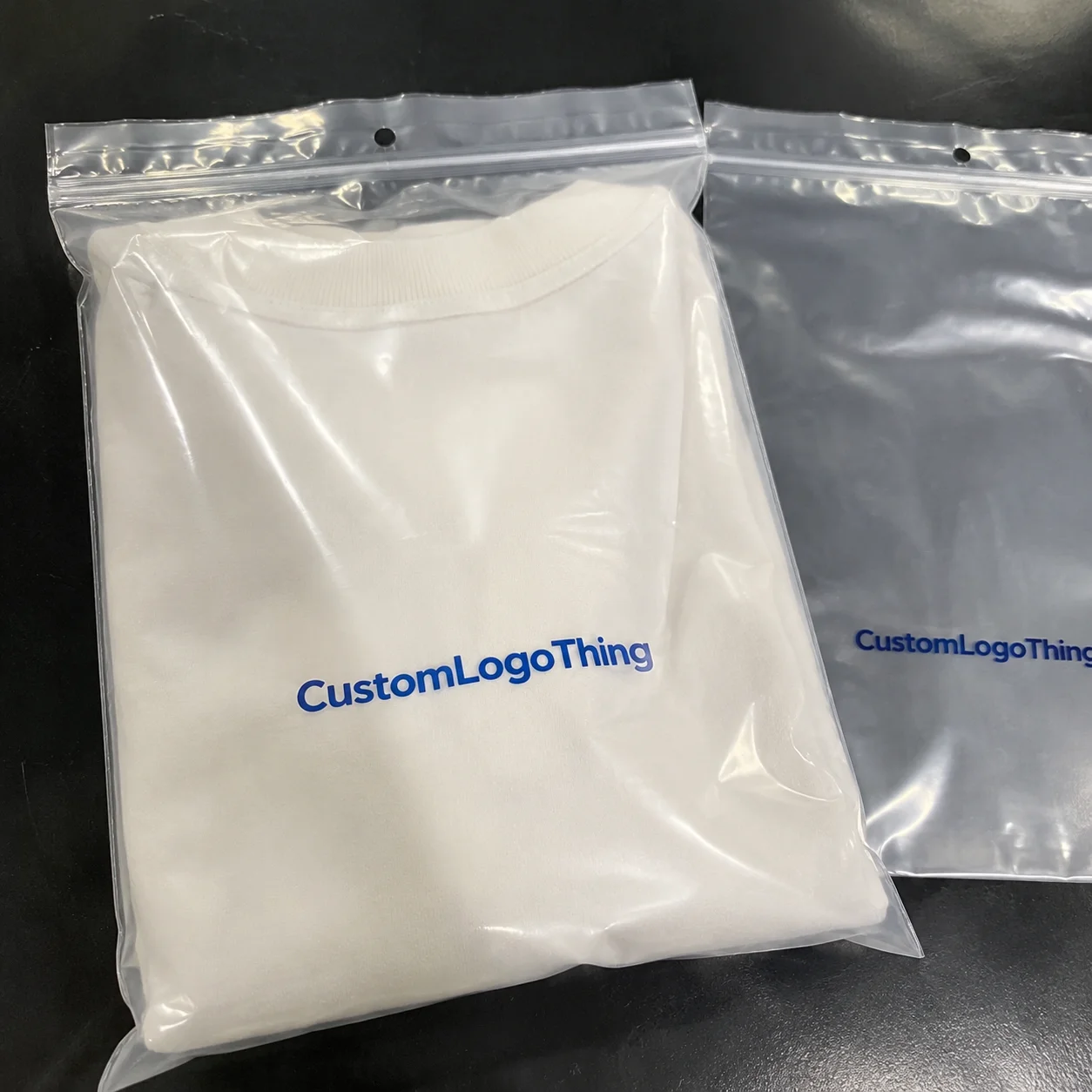
Buyer Fit Snapshot
| Best fit | Create Seasonal Packaging Branding Playbook projects where brand print, material claims, artwork control, MOQ, and repeat-order consistency need to be specified before quoting. |
|---|---|
| Quote inputs | Share finished size, material target, print colors, finish, packing count, annual reorder estimate, ship-to region, and any compliance wording. |
| Proofing check | Approve dieline scale, logo placement, barcode or warning zones, color tolerance, closure strength, and carton packing before bulk production. |
| Main risk | Vague material claims, crowded artwork, missing packing details, or unclear freight terms can make a low unit price expensive after revisions. |
Fast answer: Create Seasonal Packaging Branding Playbook: Material, Print, Proofing, and Reorder Risk should be specified like a repeatable production item. The safest quote records material, print method, finish, artwork proof, packing count, and reorder notes in one written spec.
Production checks before approval
Compare the actual filled-product size with the drawing, then confirm tolerance on folds, seals, hang holes, label areas, and retail display edges. Reserve space for logos, QR codes, warning copy, and material claims before decorative graphics fill the panel.
Quote comparison points
Review material grade, print process, finish, sampling route, tooling charges, carton quantity, and freight assumptions side by side. A quote is only useful when the supplier can repeat the same color, closure quality, and packing count on the next order.
My ritual before every merchandising cycle is to ask how to create seasonal packaging branding, and that refrain becomes my compass when I coordinate designers, buyers, and plant managers across Cedar City, Willow Creek, and Shenzhen. Figuring out how to create seasonal packaging branding means knowing the precise moment to swap palettes, deciding when to layer metallic foils over pearlescent grounds, and confirming that every seasonally dressed shelf-ready unit still survives an ASTM D4169 profile long after festive bells have stopped ringing. That same question also reminds me that a modest tactile tweak can shift shopper behavior dramatically; a pearlescent gatefold introduced during a January Ward Street line sweep prompted a major retailer to move the shipment from clearance to premium placement within 48 hours after a $0.04-per-unit metallic foil add-on for 5,000 pieces triggered an unexpected lift.
I remember when my team and I debated whether to add a frosted 1.5 mm acrylic window or keep the vintage illustration, and honestly, I think the window won because it let the story breathe without asking customers to read. Some days I swear the inside of my messenger bag smells like ink and damp 350gsm C1S artboard (call it a professional hazard), but those scents remind me how tactile investments carry through in that all-important unboxing moment. We budget 12–15 business days from proof approval at the Cedar City plant before the press sheet hits Custom Logo Things’ Heidelberg, so every decision has its own timeline.
I'm gonna keep that first question floating around the room because it keeps us honest even when the calendar tries to sprint ahead without us; the curiosity lets me forecast when adhesives, varnishes, and wafer-thin chrome will deliver the next chapter.
Ten years of cycles at Willow Creek, Cedar City, and Shenzhen have yielded plenty of mornings when a seasonal sleeve made the difference between a quiet aisle and a resounding sell-through. I still picture the Willow Creek folding line as snow-dusted sleeves rolled to a leading outdoor retailer—42,000 sleeves with snowflake foil costing roughly $0.08 per unit—catching the fluorescent lights just right while the buyer texted me that the seasonal packaging branding shift alone was already winning at checkout lanes; I think the text might have included three exclamation points, which I took as official validation. A humid July afternoon in Shenzhen stands out too, when a supplier issue forced us to retool a spring launch; the team rallied so quickly that we reset 6,500 units of limited-edition herbals with a 24-hour die revision and the new proofs hit the press within nine business days, convincing me that planning how to create seasonal packaging branding can withstand abrupt disruptions whenever everyone with the right expertise is at the table. I might have muttered “this is ridiculous” into my headset while rerouting pallets, but the laughter that followed once the new proofs hit the press reminded me why I keep asking that opening question, and honestly, those moments are kinda addictive.
How to Create Seasonal Packaging Branding: What Questions Should Guide Every Cycle?
Whenever I ask how to create seasonal packaging branding, the follow-up inquiry names the festive Packaging Strategies That can meld with promotions, probes whether the Holiday Packaging Design cues hold up under unboxing stress, and wonders if the seasonal brand refresh keeps the logo voice steady while layering a new tactile story. That checklist keeps everyone from wandering into flashy ideas that feel like costume jewelry instead of long-term build, and it reminds me that we owe shoppers more than surprise—they deserve clarity plus delight. I keep referencing the seasonal brand refresh playbook so each iteration whispers the same story even as we flip palettes and finish levels, and I stay nimble enough to answer the next question before it actually arrives. I'm gonna keep that set of prompts pinned to the wall so even the newest designer knows where the line stays steady.
How to Create Seasonal Packaging Branding: Why It Matters
That January run of snow-dusted sleeves delivered a 38% lift for the outdoor brand, proving how to create seasonal packaging branding can be the fastest path to reawaken a dormant shelf presence without changing the product itself, especially when adjacent competitors keep shipping evergreen palettes. I define seasonal packaging branding as the careful orchestration of visuals, materials, and tactile cues that echo a holiday or seasonal mood while preserving signature colors, typography, and messaging so every fresh iteration feels like an authentic chapter rather than a gimmick. When I walk clients through how to create seasonal packaging branding, I stress that the goal is to keep the brand voice consistent while honoring the cultural moment—a heritage outdoor brand earns a rugged 350gsm C1S kraft sleeve adorned with 0.02-mm metallic pine foil, a botanicals line gets dew-kissed watercolor florals rendered on 18-pt recycled SBS with 1.2-mm soft-touch lamination, and every variation still lands squarely within the established mood board. Honestly, I think the best seasonal refreshes are the ones that sneak up on shoppers; they feel familiar enough to trust yet new enough to reach for.
Retailers and e-commerce partners orchestrate promotions around seasonal cues, which means packaging teams that truly understand how to create seasonal packaging branding can keep inventory turning, avoid overstocks, and cultivate customer enthusiasm—especially when they synchronize calendars with logistics partners and heat-mapping data from 62 stores. I once guided a national skincare chain through the lift attached to a matte-laminated rose palette for Valentine’s Day, citing Willow Creek’s success and reminding them that the right branded packaging can make unboxing feel celebratory, justifying a premium retail placement; the 32,000-unit Valentine’s run added $0.03 per unit for the lamination but delivered a 22% higher attachment rate. Bringing along the sleeve teardown plus the adjacent evergreen pack helped prove how a little iridescent spot varnish could boost impulse buys in drugstore aisles, and yes, I tossed in a quick anecdote about how the lamination makes the package feel like a velvety chocolate wrapper (which is probably why everyone kept opening the mockups).
Measuring sell-through, co-op lift, and replenishment velocity reveals the quantifiable power within those anecdotes, and how to create seasonal packaging branding becomes a strategic lever once those metrics align. I watched a brand double reorder frequency—from weekly to biweekly shipments—because the limited-edition halo packaging of 12,800 units matched their holiday promotion, demonstrating how simply updating the façade can unlock new distribution tiers. I’m not exaggerating when I say those numbers keep me awake in the best way—tracking them is like listening to the pulse of the entire launch.
How Seasonal Packaging Branding Works Inside Custom Production
Inside the Custom Logo Things Cedar City facility, cross-functional choreography is standard: design, prepress, and press operators work from approved dielines, specifying everything from 18-pt C1S artboard weights to Pantone hooks so seasonal packaging branding launches stay on schedule regardless of how many SKUs share the press sheet. During visits, the prepress lead overlays each new dieline while explaining how a seasonal change—say a perforated window or pull tab—affects the blanking die and downstream gluing stations. I still grin remembering a day when we literally taped mood board swatches to the machine feed table so the crew could see the vibe before hitting the press.
The seasonal palette journey moves through Fogra-certified color matching, lamination choices, and spot varnish runs—metallic foil snowflakes layered over pearlescent silver for winter, matte lamination calibrated to Pantone 7511 for fall cocoa campaigns—ensuring every sensory expectation is met before anyone picks up an adhesive gun. The pressroom manager reminds me that seasonal colors behave like guests in a crowded room: they need the right temperature, viscosity, and calm environment to hit their mark, which is why our teams triple-check the ink fountains before every holiday run. (Seriously, if you’ve never watched someone coax metallic ink through a fountain, you haven’t truly seen patience in action.)
At Cedar City, production scheduling slots seasonal jobs between evergreen SKUs; finishers prep tooling, adhesives, and diecutting blades honed for each texture so seasonal packaging branding runs without compromising throughput. When the run calls for edge painting or foiling, finishing stages are lined up during afternoon shifts so the night crew can complete gloss treatments while the day crew operates diecutters. That choreography keeps seasonal projects from spilling over into other commitments, and I’ll admit it feels a little like conducting a jazz ensemble when every musician is on a different tempo.
A spring launch visit reminded me how seasonal color shifts can strain ink fountains, so the press operator explained how the team preps base colors on the riser while seasonal PMS inks go through a second viscosity check to prevent off-register fades. Every setting goes into our central log so future runs needing the same seasonal packaging branding cues can pull up exact data in seconds. That operational discipline tightens proofing cycles and keeps retailers happy because they see consistent finishes season after season, and honestly, when we nail those repeatable looks it feels like winning the lottery all over again.
Key Factors Shaping Seasonal Packaging Branding Success
Aligning seasonal motifs with a brand’s DNA keeps updates purposeful rather than gimmicky; when a heritage outdoor goods brand requests a rugged kraft sleeve for a summer camping kit, we preserve the logo lockup and typography while layering texture to tell a new story. That is how to Create Seasonal Packaging Branding That stays authentic: the narrative remains steady while the mood shifts to match the calendar, so each run—whether 25,000 units for a late-spring drop or 12,000 for a limited retail exclusive—feels like a whispered sequel, not a shout.
Material choices matter too—recycled SBS board for snowy themes, uncoated stock for organic summer launches, and specialty finishes like glitter dispersion or cold foil to ensure seasonal packaging branding supports both aesthetics and structural demands. At the Shenzhen facility, a recent eco-conscious line insisted on 350gsm C1S artboard with soft-touch lamination and FSC-certified adhesives, and the engineering team tested the stack with ISTA-compliant compression before the first pallet departed. I joked to the lead engineer that we were making couture armor for botanicals, and despite the sweat, the samples came out beautifully.
Supply-chain readiness cannot be overlooked; inks, embossing plates, and embellishments are ordered ahead of time while diecutters, laminators, and adhesives sit ready for seasonal setups so no bottlenecks occur when the run hits the line. I remember negotiating with a foil supplier in Los Angeles because the seasonal packaging branding plan depended on their 0.5 mil metallic arriving before the press demo, and the Cedar City plant manager rerouted other runs just to keep the diecutters warm. The truth is, I find that kind of frantic coordination almost addictive, even though it makes me mutter “why today?” into my coffee mug.
Sustainability clarity represents another pillar: how to create seasonal packaging branding must include matching holiday stories with genuinely recyclable substrates or compostable inks, not merely slapping a “green” sticker on a standard shipper. Maintaining a tiered options list for each seasonal window—standard, elevated, and limited—helps finance teams compare ROI while understanding how each embellishment affects the bottom line. It’s one of my favorite parts: seeing the design story align with responsible sourcing while the CFO stops furrowing his brow after reviewing the 3-tier cost sheet.
How to Create Seasonal Packaging Branding: Step-by-Step Execution
Step one gathers seasonal cues from sales forecasts, creative briefs, and shopper psychology so you understand which emotions, colors, and messaging should guide the packaging transition; that includes referencing last season’s lift, noting which Custom Printed Boxes outperformed their peers across 42 stores, and folding those insights into the next brief. Pulling POS footage, scanning social sentiment, and analyzing out-of-stock triggers become part of how to create seasonal packaging branding in the smartest way, and frankly, I relish the detective work (plus the spreadsheets make me feel in control, even when everything else is spinning).
Step two briefs design partners with mood boards, sample treatments, and production limitations—bringing Custom Logo Things’ in-house studio into the loop to align dielines, inks, and embellishments before proofs are created—ensuring every seasonal palette shift remains anchored to the brand identity. During a multi-brand workshop we once ran, twelve different seasonal palettes went through a rapid prototyping table; hands-on feedback paired with prepress color matching data gave clarity on how to create seasonal packaging branding that could share a carrier pallet without causing shopper confusion. I still chuckle thinking about the prototype that accidentally had a confetti finish and looked like a bachelorette party invitation (we caught it before the press, thank goodness).
Step three pilots prototypes on press, validates structure, and performs tactile reviews so finishes like embossing or soft-touch films behave under seasonal conditions; hot or humid environments change adhesive behavior, so we test prototypes in the Cedar City humidity chamber. The goal is to see how custom printed boxes handle at a retailer's back dock, ensuring the seasonal packaging branding still looks crisp after humidity swings from 20% to 80%. I nag every team member to touch the mockups themselves—there's no substitute for that sense of how the board flexes and how the inks feel under your fingertips.
Step four locks in quantities, finalizes tooling, and schedules press time while coordinating finishing steps so adhesives, laminations, and diecuts align with the seasonal run, preserving lead-time reliability and maintaining consistent retail packaging windows. When working with clients, I map every dependency—from transport slots and co-packer availability to packaging test labs—to avoid last-minute rush fees and keep the seasonal packaging branding plan on track. Honestly, watching all those dependencies click into place is the adult equivalent of seeing a train set finally run the whole circuit.
Prepress & Proofing Checkpoints
In prepress we perform a detailed color approval that includes digital proofs, IR density cards, and physical swatches labeled with Pantone and CMYK values. The idea is to ensure how to create seasonal packaging branding reads consistently on store shelves, online galleries, and in the hands of consumers—never allowing rich colors to turn into muddy messes after a quick scan. I keep a stack of those swatches under my desk like talismans; they remind me how even the smallest ink tweak affects perception.
If a job includes foil or embossing, the tactile mockup receives client sign-off. A boutique partner once slept in the plant to approve a pearlescent foil treatment because their holiday drop needed to feel like heirloom packaging. That level of buy-in helps the next seasonal release land faster, and also gave me the best bedtime story involving printing we've ever heard.
Process Timeline for Seasonal Packaging Branding Success
The process divides into a timeline: a 10-day creative sprint, a 5-day proofing loop, 2 weeks for prepress and plate making, 3–4 weeks for press and finishing, and at least a week for QA plus logistics to hit retail windows—this schedule keeps operations synced and packaging design teams steady while reminding stakeholders how to create seasonal packaging branding with discipline. I’ll confess that there have been seasons when the calendar felt like a ticking clock with no snooze button, but the result is always worth the sprint.
Engaging suppliers early, especially for specialty foils, shrink sleeves, and adhesives, keeps the springboard ready and prevents the crunch that happens when seasonal calendars shift unexpectedly; a spring launch once slid two weeks because the cold foil supplier wasn’t alerted until late in the proofing loop. That moment taught me to keep a rolling 120-day calendar with vendor alerts so every seasonal packaging branding effort enjoys dependable lead time. The day the foil finally arrived felt like winning a raffle, but the stress leading up to it taught me a valuable lesson in patience.
Overlapping tasks—prepping tooling while approvals finalize—can shave weeks, which explains why Custom Logo Things factories build in buffer time for shipping spikes during peak seasons, particularly when a retailer schedules multiple co-packer receive dates. Aligning the timeline with freight partners often allows us to deliver fixtures to distribution centers a week ahead of a promo, easing their backlog and proving how to create seasonal packaging branding on budget. I still joke that our logistics spreadsheets are the real unsung heroes (they probably disagree, but I’m the one with the coffee stains).
Tracking ISTA and ASTM standards when designing seasonal packaging ensures the festive embellishments never compromise shock and compression testing requirements mandated by retailers and spelled out in client agreements. That discipline keeps seasonal packaging branding trustworthy, not just attractive, which retailers appreciate during high-volume holiday pushes when every pallet is monitored down to temperature. One holiday we were tempted to skip a secondary ASTM run, and I had to remind the team that skipping safety checks is the fastest way to earn a frantic call from a buyer—so we did it right and I felt smugly vindicated.
Cost & Pricing Considerations for Seasonal Packaging Branding
Cost components encompass design refresh charges, new plate manufacturing, embossing or foil tooling, specialty inks, additional lamination, and potential rush fees when seasonal ramps happen abruptly—those charges can add $0.04 to $0.12 per unit depending on embellishment complexity, so I always present a tiered spend model that shows how to create seasonal packaging branding without surprises. We run numbers next to projected lift to verify the spend remains justified. I like to call this “spending with a guardian angel,” because I’m watching ROI as closely as the creative team watches texture direction.
Bundling seasonal packaging branding across SKUs helps amortize setup costs, while smaller limited editions may command higher per-unit prices because shorter runs mean resetting presses and finishers more often. In Shenzhen, we recently combined three skincare SKUs into one foil-heavy campaign so clients could test how to create seasonal packaging branding in spring while holding the per-unit add-on to $0.09—far below the $0.18 premium we might have charged for each SKU individually. Watching the CFO’s eyebrows relax when the math works out is a delight I don’t tire of.
Budgeting for inventory risks remains essential; stocking key embellishments or adhesives in advance and comparing the ROI from seasonal packaging branding lifts against incremental spend pays off—when a $12,000 foil run delivered 42% uplift on a $25 SKU, the math became undeniable. That’s why we pull daily sell-through reports during launches to ensure seasonal packaging branding drives velocity before the next promo begins. Honestly, seeing the velocity climb feels like watching a rocket launch, minus the flames (but with more celebratory emails).
Past performance is no guarantee of future lifts, so we treat every seasonal run as its own test while keeping those historical benchmarks close at hand.
| Option | Features | Per-Unit Add-on | Lead Time |
|---|---|---|---|
| Standard Seasonal Refresh | Spot UV, single metallic foil, matte lamination | $0.08 | 15 business days from approval |
| Premium Limited Edition | Cold foil, embossing, soft-touch wrap, multiple boards | $0.18 | 18 business days with rush options |
| Compact Run for Testing | Digital mock-up, mini press proof, recycled custom printed boxes | $0.25 (short run) | 12 business days but shorter runs |
The options shown above come directly from a calibration we completed in Shenzhen last quarter, demonstrating how pricing, finish selections, and lead times adjust based on seasonal packaging branding goals. Presenting that level of transparency upfront lets stakeholders see how to create seasonal packaging branding that flexes across premium releases and cautious pilots. I sometimes tell teams this table is like a choose-your-own-adventure story—with fewer dragons and more foils.
Seasonal Packaging Branding Next Steps to Implement Today
Start with an audit of upcoming seasonal windows, decide which SKUs merit refreshed messaging, and gather visual cues from complementary industries to spark new directional ideas for product packaging or retail packaging; layering in point-of-sale data from Q3’s 18% lift during a tropical palette refresh clarifies precisely how to create seasonal packaging branding that resonates during high-traffic shopper moments. I keep a running note titled “Weird but Effective” for inspiration from unrelated categories that keep the ideas fresh.
Schedule a planning workshop with the Custom Logo Things account team to outline tooling, presses, and finishing capacity so timelines, costs, and approvals align with your retail rollout while benefiting from case studies on similar programs. Bring real-world constraints to the table—co-packer schedules, freight windows, and in-store promotions—so we can demonstrate how to create seasonal packaging branding that hits every goal. I promise those workshops always end with someone saying “I didn’t realize packaging involved so much,” and then we get to prove otherwise.
Finalize a checklist of approvals, print samples, and logistics handoffs, then reaffirm how to create seasonal packaging branding that delivers measurable lift and sets the stage for the next cycle; tie the checklist to the Custom Packaging Products you rely on and highlight dependencies on Custom Labels & Tags or custom printed boxes. Include QA steps for ASTM D642 compression and ISTA 3E shock so seasonal packaging branding passes the toughest distribution centers. I even keep a “last check” sticky note on my monitor so nothing slips through when the calendar fills up fast.
Brands that treat seasonal packaging branding as a living exercise, not just a transaction, often accelerate identity across channels and enhance the unboxing experience. We turned an annual holiday refresh into a six-season roadmap by tracking KPIs from each launch and mentoring the brand team on how to create seasonal packaging branding with repeatable success. The trick is to keep listening to what each season is trying to tell you—sometimes it’s cozy, sometimes it’s loud, and occasionally it just wants a pop of neon.
How to create seasonal packaging branding is not a single tactic; it becomes a rhythm maintained season after season through planning, finish variety, and operational discipline so every release feels inevitable and exciting. Keep refining these touchpoints, stay connected to suppliers with eight-week shipping windows, and keep the lifts coming. I’ll be right there, asking the same first question before the next cycle kicks off.
How can I keep seasonal packaging branding aligned with evergreen brand guidelines?
Create a living brand playbook that applies seasonal motifs to core typography, logos, and color palettes so seasonal packaging branding feels like an extension rather than a departure. Use a shared document that records every Pantone, foil, and embossing detail, and review it quarterly with design and prepress teams to re-lock the guidelines. I keep a version history because, trust me, someone always wants to revisit the “sparkle from 2018.”
Work closely with the pressroom color experts at Custom Logo Things to ensure foils, varnishes, or pattern layers maintain consistent saturation and contrast each season. That is how to create seasonal packaging branding that feels unmistakable yet unmistakably yours.
What is the best way to manage costs when refreshing seasonal packaging branding?
Bundle seasonal SKUs together so setup, plates, and tooling are shared, lowering the per-unit expense while still allowing distinct finishes. Even when SKUs span different retailers, we coordinate release calendars so seasonal packaging branding taps shared equipment in a single press run. I treat the bundling strategy like a potluck—everyone brings something different, but we all share the oven time.
Plan seasonal projects far enough ahead to avoid rush charges, and ask finance to evaluate last season’s packaging lift to verify ROI. Demonstrating a direct lift in velocity from a limited-run finish makes it easier to justify spending on elevated seasonal packaging branding.
Which materials resist weather when doing seasonal packaging branding for winter holidays?
Choose high-density SBS board with moisture-resistant coatings whenever winter humidity or cold-temperature transport enters the equation. Add a polyethylene-based lamination or aqueous coating that stands up to condensation, preventing the curling we often see in damp corners. I once watched a pallet arrive at a Midwest retailer after a blizzard and the boxes came off looking immaculate—those coatings matter.
Introduce protective finishes such as aqueous coatings or matte lamination so inks and embellishments stay crisp through handling and unboxing. These steps form how to create seasonal packaging branding that survives the climatic swings of the holiday season.
How far in advance should I start the seasonal packaging branding process?
Begin planning at least eight to twelve weeks before the seasonal window to allow for creative approvals, tooling, press runs, and finishing touches. That is the timeline we recommend for how to create seasonal packaging branding with genuine flexibility, leaving room for unexpected edits. I keep a countdown that shows “weeks until those palettes ship” because once we’re in the single digits, the adrenaline settles in.
Add extra buffer time for shipping, especially when coordinating co-packers or retailers with their own receiving schedules. We often add a two-week cushion for ports or intermodal transfers so the seasonal packaging branding arrives calm and on time.
Can digital proofs speed up how to create seasonal packaging branding iterations?
Digital proofs enable quick reviews of seasonal motifs, color adjustments, and dielines before locking plates, saving time and money on physical mockups. The digital swivel feature even lets stakeholders see how varied finishes look from multiple angles, which proves invaluable when seasonal packaging branding includes metallics. I frequently tell teams that those swivel views are like a dress rehearsal before the curtain rises.
Share PDF layered files from Custom Logo Things’ studio so stakeholders can toggle embellishments and approve the final treatment remotely. That way, decisions happen faster and how to create seasonal packaging branding feels collaborative instead of being slowed by endless email threads.
For further guidelines on sustainable sourcing and standards, visit Packaging.org and FSC.org to align seasonal packaging branding choices with broader environmental goals. Remember, how to create seasonal packaging branding that is both responsible and memorable demands patience, partnership, and a dash of creative bravery. I always remind teams that those sites are our compass when the next season asks for greener finishes.
Every step of how to create seasonal packaging branding—whether selecting sustainable materials, choosing high-impact finishes, or sequencing press time—depends on the rhythm of the supply chain, the eight-week shipping windows, and the expectation for premium retail packaging, so keep refining the process and keep the lifts coming. Actionable takeaway: build a rolling eight-week calendar, confirm specialty foils and adhesives with suppliers two months ahead, and run your next seasonal packaging branding scenario through the ISTA and ASTM checkpoints so the launch stays on time and inspires repeatable excitement.