Buyer Fit Snapshot
| Best fit | shipping bags practices reliable packaging for packaging buyers comparing material specs, print proof, MOQ, unit cost, freight, and repeat-order risk where brand print, material, artwork control, and repeat-order consistency matter. |
|---|---|
| Quote inputs | Share finished size, material target, print colors, finish, packing count, annual reorder estimate, and delivery region. |
| Proofing check | Approve dieline scale, logo placement, barcode or warning zones, color tolerance, and any recyclable or compostable wording before bulk production. |
| Main risk | Vague material claims, crowded artwork, or missing packing details can create delays even when the unit price looks attractive. |
Fast answer: Shipping Bags Practices Reliable Packaging: Film, Closure, Print, and Fulfillment should be specified like a repeatable production item. The safest quote includes material, print method, finish, artwork proof, carton packing, and reorder notes in one written spec.
What to confirm before approving the packaging proof
Check the product dimensions against the actual filled item, not only the sales mockup. Ask for tolerance on folds, seals, hang holes, label areas, and retail display edges. If the package carries a logo, QR code, warning copy, or legal claim, reserve that space before decorative graphics fill the panel.
How to compare quotes without losing quality
Compare board or film grade, print process, finish, sampling route, tooling charges, carton quantity, and freight assumptions side by side. A lower quote is only useful if the supplier can repeat the same color, closure quality, and packing count on the next order.
Quick Answer: What Actually Works in Shipping Bags
After two decades around packing tables, stretch wrap stations, and late-night order fulfillment runs, I can tell you the biggest mistake I see is not rough carrier handling; it is choosing the wrong bag for the product. Shipping Bags Best Practices begin with fit, film thickness, and seal type, because those three details decide whether an order arrives clean, intact, and easy to open. In a busy ecommerce shipping line, a bag that is too thin, too large, or badly sealed turns into a small problem that becomes a big one by the time the parcel hits a hub sorter.
Soft goods, apparel, and folded textile items usually do best in a properly sized poly mailer with enough puncture resistance and a strong peel-and-seal adhesive strip. I’ve watched teams in a garment warehouse in New Jersey cut damage claims simply by moving from loose, overstuffed mailers to correctly sized 2.5 mil and 3 mil bags, which sounds simple until you see how much cleaner the stack runs across the bench. Shipping Bags Best Practices are not about buying the thickest film; they are about matching the bag to the load, the route, and the return risk.
Where shipping bags fail is just as predictable. Sharp-edged accessories, moisture-sensitive items, and overpacked orders that stretch seams will punish even a decent bag, especially when the parcel gets squeezed on conveyors or tossed into mixed freight. I once stood with a fulfillment manager in Ohio who was convinced his damage rate came from the carrier, but the real issue was a clutch of metal zippers punching through the film after a summer heat cycle softened the pack seal. Honest review? Shipping Bags Best Practices mean admitting that not every item belongs in the same bag, no matter how tempting the unit cost looks on paper.
“We stopped chasing the cheapest mailer and started testing actual product fit, and returns dropped within two weeks.” That was a client in a 40,000-unit apparel program, and the comment stuck with me because it was true in the simplest possible way.
This piece is not theory dressed up as advice. I’m comparing the real options I’ve handled on production floors, from plain stock poly to recycled-content films, bubble mailers, and tamper-evident return-ready formats, with a blunt eye toward cost, protection, and presentation. If you follow shipping bags best practices, you will usually spend a little more on the right bag and a little less on damage, re-packing, and customer service headaches.
Shipping Bags Best Practices: Top Options Compared
For most ecommerce shipping programs, the field narrows fast: standard poly mailers, recycled-content poly mailers, bubble mailers, and heavier-duty shipping bags. The differences are not cosmetic. A 2.25 mil film and a 4 mil film behave differently on a packing bench, on a conveyor, and in a trailer that bounces at 55 mph, and that is why shipping bags best practices begin with material selection instead of artwork.
Standard poly mailers are the workhorse. They are light, moisture resistant, and easy to seal, which is why apparel brands, print-on-demand sellers, and accessory companies use them so heavily. Recycled-content poly mailers are close behind, and I’ll say this plainly: when the resin blend is consistent, they can be excellent, but batch-to-batch variation matters more than most sales reps admit. Bubble mailers add cushioning and help with small, fragile items, while heavier-duty shipping bags are the better answer for products with hard corners, hardware, or slightly irregular shapes.
On a packing line, thickness in mils matters more than people think. A 2 mil bag may be fine for a folded T-shirt, but a 3 mil or 4 mil bag gives you better tear resistance when the order gets handled fast and the corners of polybagged apparel catch on the seam. For sorting belts and manual stations alike, opacity also matters, because a bag that is too thin can show contents, scuff print coverage, or look cheap before it even reaches the end customer. Shipping bags best practices always account for the customer’s first visual impression, not just transit performance.
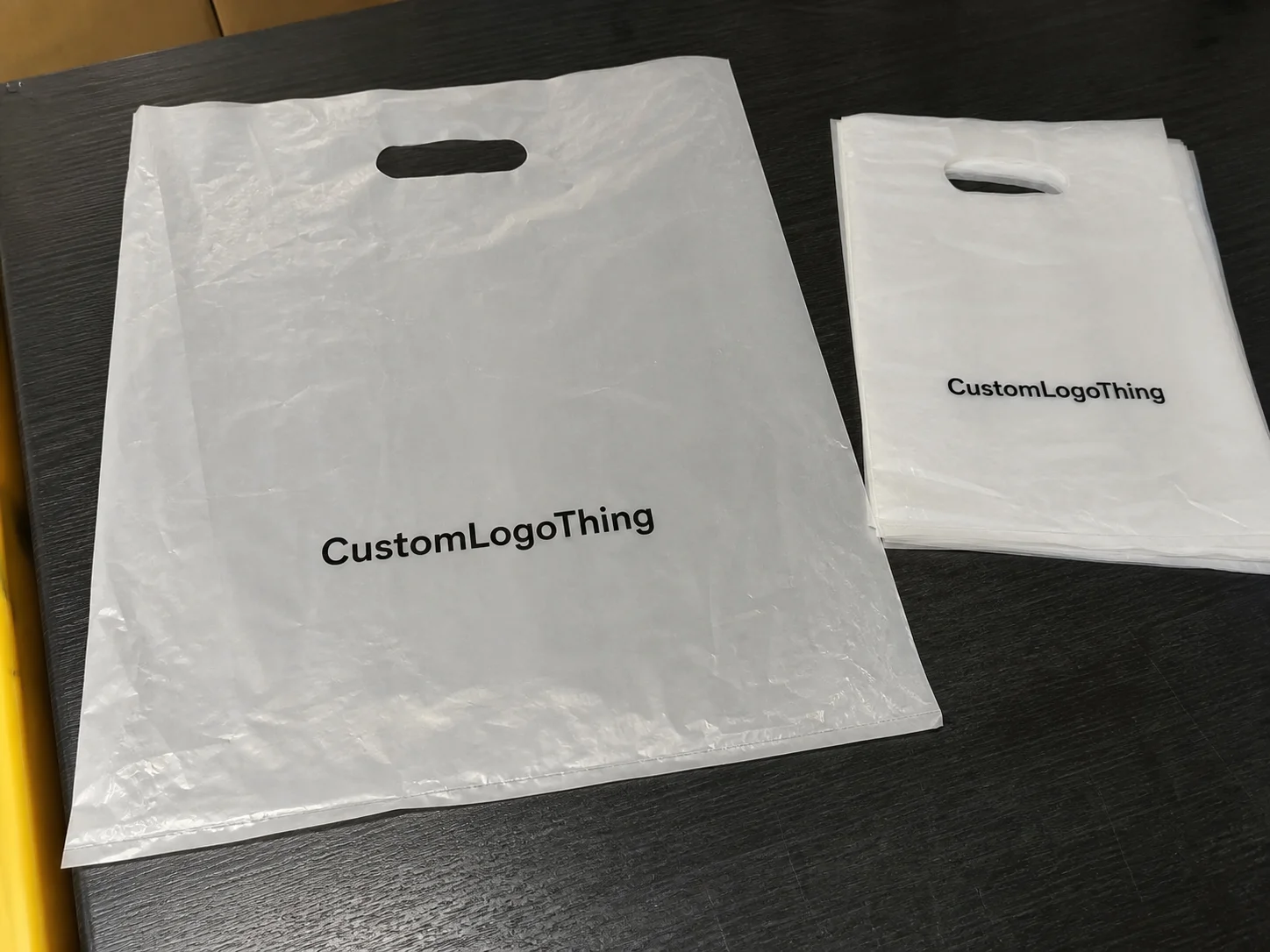
Branding deserves a quick note. Branded bags lift the unboxing moment, and I have seen that matter a lot for fashion, beauty, and direct-to-consumer merch, but print coverage and ink choice can change lead time and cost more than people expect. A simple one-color print on a white poly mailer can be very efficient, while full-coverage custom graphics may extend production and require tighter proof approval. If you need a wider set of options, Custom Packaging Products can give you a sense of how mailers fit into a broader packaging mix.
My quick verdict is straightforward. For value, standard poly mailers win. For presentation, custom-printed poly with a clean matte finish usually wins. For protection, bubble mailers or reinforced mailers are better. And for brands that want a mix of all three, shipping bags best practices usually point back to a poly mailer with the right thickness and a strong seal, especially for clothing and other soft goods.
Detailed Reviews: What We Like and What We Would Skip
Poly mailers are the option I recommend most often, and that comes from seeing them used in everything from a boutique denim operation to a regional promotional products plant. They save weight, resist moisture well, and pack quickly because a good peel-and-seal strip closes in one motion. For soft goods, they are hard to beat. The tradeoff is plain: they offer limited crush protection, so if your product has anything rigid inside, you need to test whether the bag can survive a conveyor drop without deforming the contents. That is a central point in shipping bags best practices, because protection and speed do not always point in the same direction.
Bubble mailers solve one specific problem very well: they cushion. I’ve used them for small electronics accessories, sample sets, and beauty items that needed light impact protection, and they do reduce scuffing during ecommerce shipping. The drawback is cost and bulk. Bubble mailers can be expensive at scale, and they take up more storage space in a narrow packing room, which can slow order fulfillment if your team is pulling from multiple sizes. I remember one supplier meeting where a client loved the protection but hated the carton count; switching to a reinforced poly bag with internal product padding dropped inbound freight and made line replenishment easier. That is why shipping bags best practices require a total-system view, not just a product-sheet glance.
Recycled-content bags deserve respect, but they deserve testing even more. Sustainability claims matter to shoppers and procurement teams alike, and FSC-aligned thinking extends to paper components in broader transit packaging decisions, while plastics should be evaluated on actual recycled content and performance. The practical challenge is consistency. Some recycled blends print beautifully and seal cleanly; others feel slightly different from run to run, which can affect hand-feel, opacity, and even machine-fed packing behavior. For standards and guidance, I like to keep one eye on EPA recycling guidance and another on source documentation from suppliers, because shipping bags best practices should never rely on claims alone.
Tamper-evident and return-friendly bags are where the user experience gets noticeably better. Dual adhesive strips let a customer return an item without extra tape, and tear strips can reduce frustration at the doorstep. In one apparel rollout I reviewed, the reverse-logistics team cut re-bagging labor because the same bag worked for outbound and return handling. That matters if you ship apparel, shoes, or category-heavy SKUs with higher return rates. Honestly, I think this is one of the most underappreciated parts of shipping bags best practices, because a smart closure saves minutes now and hours later.
If you are trying to qualify construction quality, I suggest looking for seam strength, consistent gusset folding, and a peel adhesive that grabs in a single press without curling. If you want third-party context on package testing, ISTA is worth reviewing for common distribution test concepts, and the association’s materials are a solid reference point for transit packaging evaluation: ISTA packaging testing resources. I have seen good bags fail because the seal film was weak at the edges, and I have seen mediocre bags perform fine because the closure was excellent; that kind of nuance is exactly why shipping bags best practices are worth following carefully.
Shipping Bags Pricing and Cost Comparison
Price starts with the unit cost, but it should never end there. A plain stock poly mailer might land around $0.04 to $0.09 per unit in larger quantities, while a custom-printed version can move into the $0.12 to $0.25 range depending on size, film thickness, color count, and order quantity. I’ve seen a 5,000-piece order priced at $0.18/unit for a custom bag with a simple two-color print, and that number made sense because the client gained stronger brand presentation without overcomplicating the setup. Shipping bags best practices demand that you compare true landed cost, not just the sticker price.
Freight, storage, and labor quietly change the math. A thicker or larger bag may cost more to ship in and store on pallet racks, and a more complex closure can slow packing speed by a few seconds per order, which adds up quickly in high-volume order fulfillment. If your team processes 1,500 orders per day and a bag saves just 4 seconds each, that is more than 1.6 labor hours reclaimed per day. That is why I always tell brands to treat packaging as part of the operating system, not a decoration. Shipping bags best practices reward operations thinking as much as design thinking.
Dimensional weight can also tilt the decision. A lighter, thinner bag may reduce billable shipping costs, especially if it avoids pushing a parcel into a larger rate tier. That matters in ecommerce shipping, where a few ounces can change the carrier charge in a way that wipes out the savings from a cheaper bag. On the other hand, saving a penny on film and then losing three dollars to damage claims is a bad trade every time. I’ve sat in client meetings where the finance lead fixated on bag cost, while the operations manager had a stack of return photos that told the real story. Shipping bags best practices say the package has to survive the route first.
Here is the simplest buyer framework I use. Small brands should start with a stock poly mailer and a sample run of custom print if branding matters. Growing ecommerce shops should test recycled-content film, dual-seal options, and one reinforced format for heavier SKUs. High-volume fulfillment centers should negotiate on MOQ, freight terms, and print standardization so the bag supports throughput instead of fighting it. For a deeper look at format choices, Custom Poly Mailers is a useful place to compare stock and custom options side by side.
And yes, cheaper bags can cost more. Repacking, reshipment, damaged goods, and customer service time all belong in the calculation. I have seen a low-cost bag create a full pallet of returns because the seal lifted in cold weather, and the “savings” disappeared by the first month. That is the hard truth behind shipping bags best practices: the lowest quote is not always the lowest cost.
How to Choose the Right Shipping Bag: Size, Seal, and Process
Start with product fit. Measure the folded garment, boxed accessory, or assembled kit and choose a bag that gives just enough room for the item to sit flat without stretching the seam. If the bag is too large, the parcel shifts more in transit; if it is too small, the seal may fail or the film may split along the edge. In one cut-and-sew operation I visited, a simple size change from oversized 14 x 19 mailers to tighter 10 x 13 mailers reduced movement inside the bag and improved the customer’s opening experience. That is exactly the kind of detail shipping bags best practices are built on.
Seal choice matters more than many teams realize. Peel-and-seal adhesive is fast and reliable for most apparel. Double adhesive strips help if returns are common. Tamper-evident closures make sense for retail-sensitive goods or anything where the customer should immediately see whether the parcel was opened. If your packing station is moving hundreds of bags per shift, a seal that closes in one motion can save real labor. I have watched a line in a California fulfillment center gain enough speed from better closures to eliminate one overflow cart per hour. Shipping bags best practices should always be measured in minutes saved as well as damages avoided.
Production timeline is another place where buyers get surprised. For custom work, I usually advise allowing time for sampling, artwork approval, plate or print setup, production, QC checks, and freight. Depending on quantity and print method, 12 to 15 business days from proof approval is a common working range, but sampling and revisions can add another week before that clock even starts. If you have a product launch or promotion, build in a buffer. I have seen a launch delayed because artwork changed after approval and nobody accounted for the reproof cycle. That kind of miss is avoidable if shipping bags best practices are part of the schedule planning from day one.
Testing should be practical, not ceremonial. Run drop tests from waist height, squeeze tests on the packed order, humidity checks if the route passes through hot or damp lanes, and trial shipments through the actual carrier mix you use. I like to send a short pilot batch through at least two destinations: one nearby and one farther out with a different hub path. A bag that survives the local route may still show wear after a longer journey. If you are also evaluating outer cartons for mixed packs, Custom Shipping Boxes can help round out the comparison when bags are not enough.
For standards-minded teams, ASTM and ISTA testing concepts are worth folding into the decision process, especially if the product is fragile or the cost of failure is high. Packaging performance is not a guessing game, and a supplier who resists testing is usually telling you something. Shipping bags best practices are strongest when they are backed by real samples, real routes, and real customer feedback.
Our Recommendation: Best Practices by Business Type
For most apparel brands, the best all-around setup is a custom or stock poly mailer in the right mil thickness with a dependable peel-and-seal closure. If your products are soft, foldable, and not easily punctured, that combination gives you strong value, clean presentation, and manageable freight costs. I’ve seen this choice hold up in everything from independent boutique shipping rooms to larger national distribution centers, and it remains the most practical recommendation I can make. Shipping bags best practices do not need to be fancy to work well.
If your items have zippers, metal hardware, rigid inserts, or sharp edges, move up to reinforced mailers or bubble-lined formats. I would not force a flimsy bag onto a product that can cut through film, because the damage report will arrive before the first reorder. For brands selling beauty sets or small accessories, the added cushioning is often worth the extra weight, especially if the product value is higher than the bag cost. That is a clean, honest trade. Shipping bags best practices mean matching package protection to the actual risk, not the marketing mood.
For brands prioritizing sustainability, recycled-content bags make sense, but only after testing print quality, seal performance, and supply consistency. I am cautious here because sustainability claims can be slippery if nobody checks the actual material and performance data. Ask for documentation, run your samples, and verify the seal after heat and humidity exposure. If you want to include more eco-minded options in a broader line, Custom Packaging Products is a good catalog view of how different formats compare. Shipping bags best practices should support both brand goals and operations realities.
My blunt ranking by value is simple. First, well-sized poly mailers for soft goods. Second, reinforced or bubble-lined bags for moderate protection needs. Third, recycled-content bags when sustainability is a priority and testing confirms performance. Custom print is worthwhile when the brand margin supports it and the customer sees the value immediately; plain stock is better when speed and cost control matter more. I have lived through enough supplier negotiations to know that the wrong bag can eat savings faster than almost any other shipping material. That is why shipping bags best practices deserve real attention before the first purchase order goes out.
Here are the next steps I recommend: measure your three top products, order samples in at least two thicknesses, test real shipments across different carrier routes, and compare landed cost, not just unit price. If you do those four things, you will avoid most of the common traps I see in packaging reviews. Good transit packaging is not luck. It is disciplined testing, clean specifications, and a little hard-earned skepticism. And in my experience, shipping bags best practices are one of the easiest ways to improve package protection without bloating your shipping budget.
FAQ
What are the best shipping bags best practices for apparel brands?
Use a bag that fits the folded garment closely without overstuffing. Choose a strong peel-and-seal closure and test it under real packing conditions. Prioritize moisture resistance and tear strength over unnecessary cushioning for soft goods.
How do I Choose the Right thickness for shipping bags best practices?
Match thickness to weight, shape, and handling risk rather than choosing the heaviest option automatically. Heavier or sharper items usually need a thicker film or a reinforced construction. Always test samples with your actual product before placing a full order.
Are recycled poly mailers strong enough for everyday ecommerce shipping?
Yes, if the supplier uses consistent resin blends and the bag passes your drop and seal tests. They work well for many apparel and soft goods applications. Confirm print quality, seam integrity, and adhesive performance before scaling up.
How long does custom shipping bag production usually take?
Timeline depends on artwork approval, print method, and order size. Sampling and revisions can add time before full production begins. Build in enough lead time for freight, QC, and a small buffer before launch.
What is the most common mistake when buying shipping bags?
Picking by price alone instead of testing fit, seal strength, and shipping performance. Overlooking how the bag affects postage, packing speed, and return handling. Ignoring the cost of damage, rework, and customer complaints.