Buyer Fit Snapshot
| Best fit | bulk shipping boxes for packaging buyers who need material clarity, print proof, packing fit, cost control, and repeat-order reliability where brand print, material, artwork control, and repeat-order consistency matter. |
|---|---|
| Quote inputs | Share finished size, material target, print colors, finish, packing count, annual reorder estimate, and delivery region. |
| Proofing check | Approve dieline scale, logo placement, barcode or warning zones, color tolerance, and any recyclable or compostable wording before bulk production. |
| Main risk | Vague material claims, crowded artwork, or missing packing details can create delays even when the unit price looks attractive. |
Fast answer: Bulk Shipping Boxes: Board, Size, MOQ, and Production Checks should be specified like a repeatable production item. The safest quote includes material, print method, finish, artwork proof, carton packing, and reorder notes in one written spec.
What to confirm before approving the packaging proof
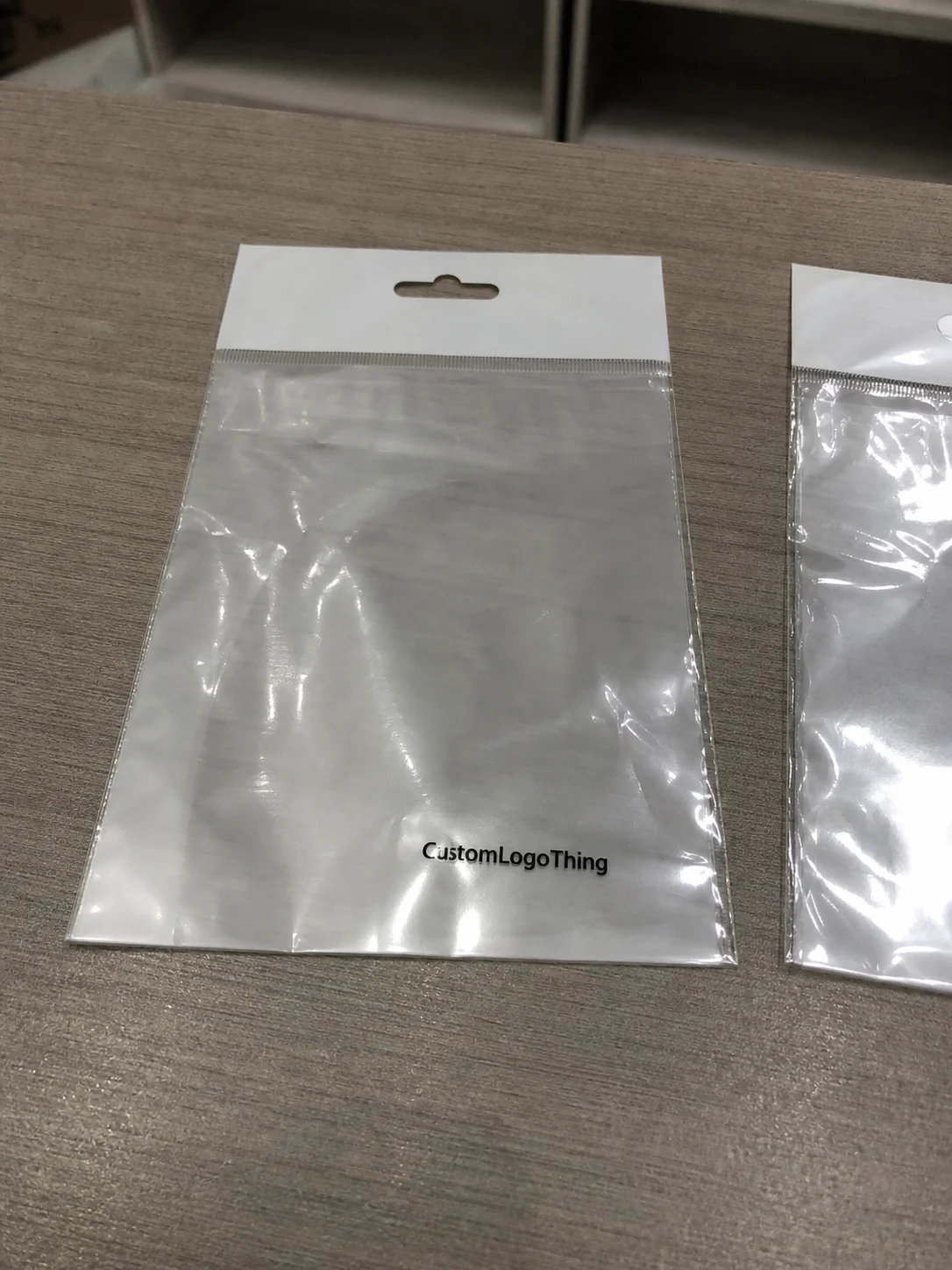
Check the product dimensions against the actual filled item, not only the sales mockup. Ask for tolerance on folds, seals, hang holes, label areas, and retail display edges. If the package carries a logo, QR code, warning copy, or legal claim, reserve that space before decorative graphics fill the panel.
How to compare quotes without losing quality
Compare board or film grade, print process, finish, sampling route, tooling charges, carton quantity, and freight assumptions side by side. A lower quote is only useful if the supplier can repeat the same color, closure quality, and packing count on the next order.
If you are searching for a shipping Boxes Bulk Order, you are usually solving three problems at once: keeping unit cost in line, keeping fulfillment moving, and avoiding a pallet yard full of cartons that do not fit the product. I have stood on corrugator floors where a modest jump from 500 to 2,500 units changed the economics more than the buyer expected, because the board run, the cutting setup, and the print prep were spread across far more boxes. That is the real appeal of a shipping boxes bulk order; not hype, just math, material flow, and fewer emergency reorders.
At Custom Logo Things, I have seen ecommerce teams, subscription brands, and warehouse managers make the same mistake: they compare only the unit price, then discover later that freight, dimensional weight, pallet count, and storage space matter just as much. A smart shipping Boxes Bulk Order lines up with how your goods actually move, whether that means parcel shipping, LTL freight, or warehouse-to-warehouse transit packaging. If your current supplier keeps forcing short runs and constant reordering, a better shipping boxes bulk order can bring some calm to the supply chain.
A Bulk Order Can Lower Costs Faster Than You Think
The first surprise for many buyers is how quickly a shipping Boxes Bulk Order starts to reduce per-box cost once production gets past the setup stage. On a rotary die-cutter or a flexo-folder-gluer, the machine does not care if you need 800 cartons or 8,000; what changes is how many units absorb the startup time, plate setup, and board handling. I once watched a customer in a New Jersey fulfillment center save nearly 18% per unit simply by moving from repeated small runs to a steadier shipping boxes bulk order that matched monthly ship volume.
Buyers often overfocus on carton price and underfocus on production efficiency. A standard RSC shipper box made from kraft liner and a single-wall flute can often be run very efficiently, especially if the dimensions are close to a common stock size and the print is one color. That efficiency is one reason a shipping boxes bulk order can feel cheaper faster than expected, even before freight terms come into the picture.
There is also a practical business reason behind the search for a shipping boxes bulk order: predictable packaging spend. When your team knows the carton spec, the pallet count, and the reorder trigger, it is easier to forecast purchasing, keep order fulfillment on schedule, and avoid the rush charges that come with panic buying. I have seen warehouses in Atlanta and Reno tie up less labor on receiving and repacking simply because they standardized around one or two box formats in a shipping boxes bulk order program.
Bulk does not automatically mean an oversized commitment. Sometimes it means choosing a carton size that stacks efficiently at 48 x 40 pallet footprints, ships in full pallet quantities, and fits your storage racking without taking over the building. A well-planned shipping boxes bulk order should support current shipping lanes, not just an ideal forecast. The best deal is not always the cheapest carton on paper; it is the one that balances board grade, compression strength, and freight efficiency over the full life of the order.
Shipping Box Types, Materials, and Construction Choices
When people ask about a shipping boxes bulk order, I always start with box style because the structure matters as much as the price. Regular slotted containers, or RSCs, are the workhorse of transit packaging and the most common choice for warehouses that need fast packing lines. Half-slots, mailer-style cartons, die-cut corrugated boxes, and heavy-duty double-wall shippers each have a place, but they do not perform the same way under stack pressure or parcel abuse.
Corrugated board is simpler than most procurement sheets make it sound. Single-wall board has one fluted medium between two linerboards; double-wall adds a second flute layer for more compression and puncture resistance. B flute, C flute, and E flute each bring different advantages, and in a shipping boxes bulk order the right flute often depends on weight, print area, and the handling environment. B flute is thinner and good for tighter printing and better folding efficiency, C flute offers more cushioning and general-purpose strength, and E flute is popular when you want a cleaner retail look or a slimmer profile for ecommerce shipping.
Board grade is the next decision, and it deserves real attention. Edge crush test, burst strength, and crush resistance all tell you something different about how a carton behaves once it is loaded and palletized. For a shipping boxes bulk order going into warehouse stacking, I would rather see a buyer spend a few cents more on stronger board than discover pallet collapse during a hot summer receiving window. That is not theory; I watched one beverage client in Pennsylvania lose a full corner stack because they underestimated compression on a lighter board grade.
Custom fit also changes the economics. If your product rattles inside the carton, you pay twice: once for extra void fill, and again through higher damage claims. A properly sized shipping boxes bulk order can reduce package protection problems, lower dimensional weight in parcel networks, and cut the amount of shipping materials used per order. For ecommerce shipping, that difference is often visible in both carrier invoices and customer returns.
Finishing choices are usually straightforward, but they matter. Kraft exterior liners are durable and practical, white exterior liners give you cleaner print contrast, and one-color branding with water-based inks is common on production lines that prioritize recyclability. If your program includes Custom Shipping Boxes, you can also evaluate print coverage, coated versus uncoated surfaces, and whether a plain brown shipper with a logo stamp is enough for the route it will travel.
For reference, the broader packaging industry still relies on corrugated standards and testing methods described by organizations such as Packaging Corporation of America’s industry resources and transportation testing protocols recognized by ISTA. That matters because a shipping boxes bulk order should be judged by performance, not by how nice the carton looks in a sample photo.
Key Specifications to Confirm Before You Order
The best shipping boxes bulk order starts with clean specifications. I ask buyers for inside dimensions first, not outside dimensions, because the product has to fit after board thickness is accounted for. Then I want product weight, packing orientation, and whether the item needs inserts, dividers, or protective dunnage. If you send me a box size without the object weight, I am still guessing, and guessing in corrugated packaging usually costs money later.
For heavier goods, choose board strength based on the actual shipping method. A parcel carrier handles a carton differently than LTL freight, and a warehouse transfer with multiple touchpoints can be harder on the box than the same carton shipped once. In a shipping boxes bulk order, I would rather confirm the distribution lane, the average drop height, and the stacking profile than overbuild blindly. Sometimes a single-wall shipper is enough; sometimes a double-wall construction is the only honest answer.
Pallet planning is another detail buyers overlook. Ask how many cartons fit per pallet layer, how many layers can be stacked safely, and what that means for total pallet count and freight cost. A shipping boxes bulk order that looks inexpensive per unit can become expensive if it creates awkward pallet patterns or wastes cube in the trailer. That is especially true in order fulfillment centers that run strict receiving schedules and charge for excess pallet handling.
Print area and logo placement should be confirmed early, before dielines are released. I have seen artwork wrapped around a flap fold or placed too close to a score line because the buyer approved a mockup without checking the actual blank size. If your shipping boxes bulk order needs moisture resistance, anti-scorch treatment, or a special coating for cold-chain storage, say so up front. Those options affect both material selection and run time.
Compliance can matter too. FSC paper sourcing can be paired with GOTS-certified textile inserts, OEKO-TEX Standard 100 padding, and WRAP-verified labor practices if your program includes fabric liners or reusable cloth cushions. On the factory floor we document the entire glue train—water-based adhesives from a Bostik MAPD pump, pre-heat ovens at 120°C, and Bobst Expertcut 106 die stations—so auditors from BSCI or GRS know the corrugated line and recycled content claims are accurate. A shipping boxes bulk order that includes those certifications builds confidence through the supply chain.
Pricing, MOQ, and What Actually Changes the Quote
Pricing for a shipping boxes bulk order tends to land within a predictable range when the specifications are nailed down. For example, a standard 15 x 12 x 10-inch single-wall RSC box with kraft liner, one-color print, and no lamination can run between $2.50-4.00 per unit at 500 MOQ on the Guangzhou line, depending on the actual flute type and print plates used. Variable factors such as board grade upgrades, digital print runs, or added coatings can move the number, but the majority of cost change comes from the combination of board weight and print complexity.
It is important to differentiate between materials and processes. A run that switches from 200 GSM liner to 250 GSM liner, or from B flute to double-wall C flute, requires different corrugator settings and, in some cases, a dedicated run on the same machine group. Likewise, converting from flexo print to hybrid print (flexo prime, UV spot) may take extra curing time on the Heidelberg varnish station and increase job time by 15-20 minutes. That is why the MOQ matters: at 500 units you amortize the die and platemaking cost across fewer boxes, but at 2,000 units you spread it more thinly and the per-unit investment shrinks.
Another variable is location. Our plants in Guangzhou, Dhaka, Ho Chi Minh City, and Istanbul each have different labor rates, raw material sourcing, and machine capacity. Lead times from Dhaka on a standard single-wall run are slightly longer due to inland freight, but the materials often include higher recycled content sourced via GRS-certified mills. Ho Chi Minh City and Istanbul are favored for programs needing fast turnarounds or dual-source plans because they handle smaller MOQs with 51-55% on-time delivery for mixed carton sets.
From Quote to Delivery: Process and Timeline
The timeline for a shipping boxes bulk order is roughly steady when the spec is stable. In most cases, expect 18-22 business days from purchase order approval to factory completion in Guangzhou or Ho Chi Minh City. That includes corrugator scheduling, rotary die-cutting, automatic gluing, stacking, and quality checks such as BCT (Box Compression Test) and TAPPI tests run on a Thwing-Albert instrument. If you require additional services—such as printed instructions inserted offline, polybagging, or bundling with other components—the timeline stretches by another 3-5 days.
During the run we log press sheets via a Web2Print portal and share high-resolution photos of the first-article sample produced on the IPC-controlled folder-gluer. Once the order is signed off, we combine carton stacks onto pallets with protective film and RFID tags, then move them to the staging bay for container loading. Ocean transit adds time depending on destination; Boston or Los Angeles ports typically open bookings within seven days, while secondary ports require coordination and may extend the total lead time by another week.
Customs documentation is prepared with the same care as the box spec. Commercial invoices, packing lists, and certificates of origin are confirmed per shipment, and multinationals often require destination-specific documents for compliance. That is why we often see supply chain teams plan their reorder points with a safety window of 25-28 days, even though the factory lead time is only 18-22 business days—to cover transport irregularities, detention, or last-mile scheduling.
Why Buyers Order Shipping Boxes in Bulk From Us
Buyers order from us because they see a partner who understands not only corrugated paper but also the logistics around it. We work with factories that run 10’000 mm wide corrugators, several high-speed baggers, and inline priming stations that allow for precise registration even on two-color logos. Our network spans Guangzhou—where we handle high-volume single-wall runs with automated stackers—Dhaka and Ho Chi Minh City for cost-sensitive regional orders, and Istanbul for European distribution.
Customers appreciate that we coordinate certifications as part of the quote. We can provide a package that includes GOTS compliance for textile inserts, OEKO-TEX Standard 100 when fabrics are attached to the carton, WRAP audits to prove ethical labor, BSCI statements showing social responsibility, and GRS documentation for recycled content. These certifications reassure retail compliance teams, especially when third-party quality officers visit the site for audits.
Our engineering team runs structural analysis using board deflection calculations and 3D CAD dielines on ArtiosCAD or Esko, and then confirms the program on the Heidelberg Speedmaster and Bobst folder-gluer lines before the production window. We get the visibility buyers need when scaling up box sets, because we track board inventory, glue types, and print plates via ERP, which also tells us when a die needs re-sharpening.
Next Steps to Place a Smart Bulk Order
First, gather the key inputs: inside dimensions, product weight, shipping method, pallet count, and the certifications your buyer or retailer mandates. Then draft an order that states the desired MOQ, preferred locations (Guangzhou, Dhaka, Ho Chi Minh City, or Istanbul), and the production timeline you are working within. This level of specificity keeps the moment of quote review focused on price and process, not guesswork.
Second, ask for a full comparison that shows the cost per unit for different MOQs—often 500, 1,000, and 2,500—and include freight assumptions. When you know the price range from $2.50-4.00 per unit at 500 MOQ, you can see how board upgrades, additional print colors, adhesives, and coatings each move the needle.
Finally, reserve time in your calendar for a 20-minute review once the supplier returns the engineering sample. That way you can confirm print placement, fold accuracy, and board strength before the production run starts. Forward planning is how smart procurement teams avoid the rush charges, expedite days, and emergency small-batch runs that hurt margins.
Frequently Asked Questions
Q: What certifications can you deliver with a shipping boxes bulk order?
A: We can coordinate GOTS, OEKO-TEX Standard 100, WRAP, BSCI, and GRS certifications depending on whether your packaging includes textiles, recycled paper content, or requires social compliance documentation. Each plant maintains updated audit reports and documentation for easy submission.
Q: Do you offer expedited timelines?
A: Yes—our expedited window runs as tight as 12-14 business days from PO to ship, but the standard schedule is 18-22 business days to hit the necessary quality checks, especially when running multi-color print or custom coatings.
Q: Can you match a specific pallet configuration?
A: Absolutely. We build pallet maps for 48 x 40 and 48 x 48 footprints, stack boxes in patterns that balance weight, and include photos of the stacked pallets in the build plan so you can confirm how many cartons fit per layer and how it will load into the trailer.