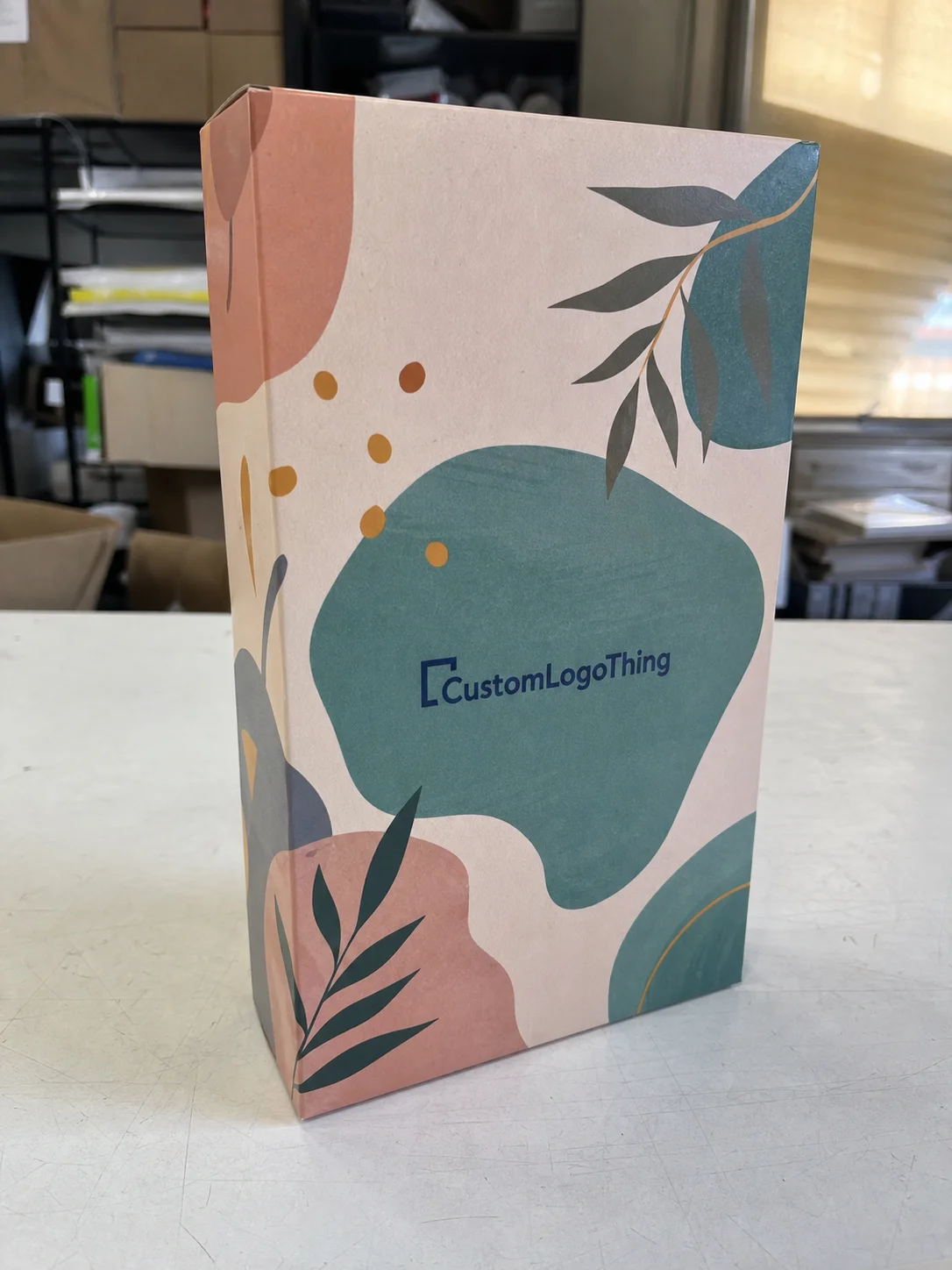
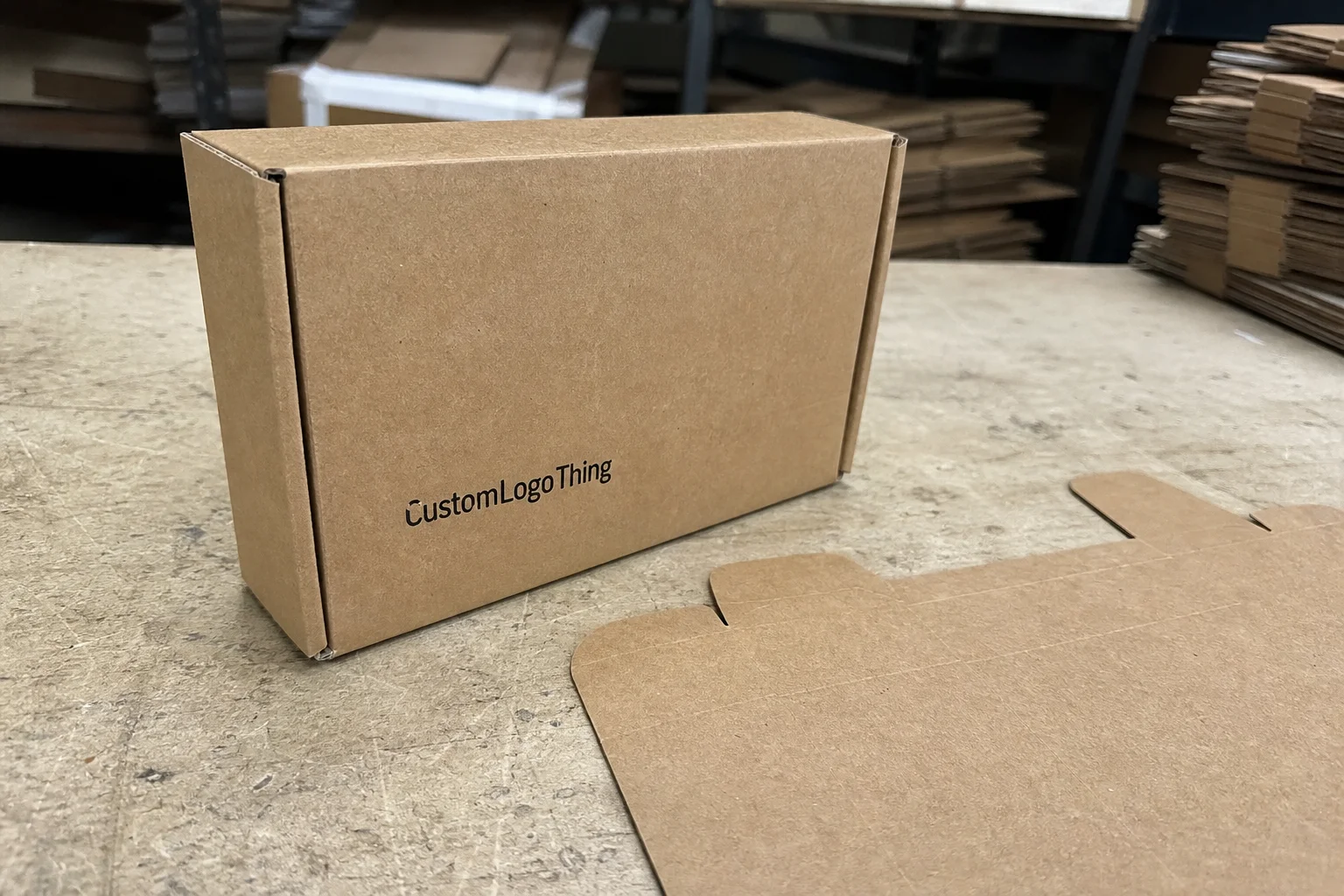
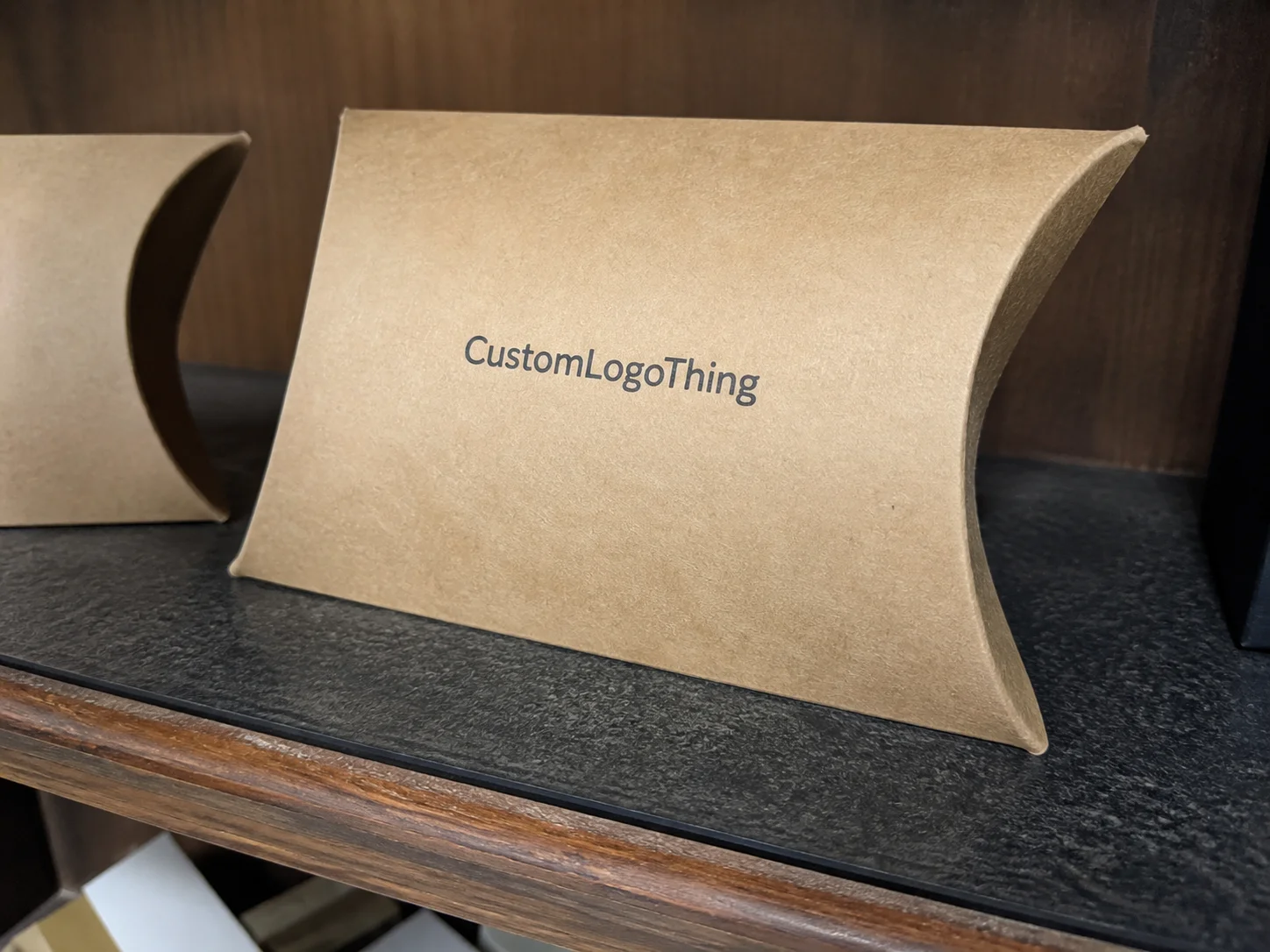
Buyer Fit Snapshot
| Best fit | Shipping Boxes Design projects where brand print, material claims, artwork control, MOQ, and repeat-order consistency need to be specified before quoting. |
|---|---|
| Quote inputs | Share finished size, material target, print colors, finish, packing count, annual reorder estimate, ship-to region, and any compliance wording. |
| Proofing check | Approve dieline scale, logo placement, barcode or warning zones, color tolerance, closure strength, and carton packing before bulk production. |
| Main risk | Vague material claims, crowded artwork, missing packing details, or unclear freight terms can make a low unit price expensive after revisions. |
Fast answer: Shipping Boxes Design: Board, Finish, Dieline, and Unit Cost should be specified like a repeatable production item. The safest quote records material, print method, finish, artwork proof, packing count, and reorder notes in one written spec.
Production checks before approval
Compare the actual filled-product size with the drawing, then confirm tolerance on folds, seals, hang holes, label areas, and retail display edges. Reserve space for logos, QR codes, warning copy, and material claims before decorative graphics fill the panel.
Quote comparison points
Review material grade, print process, finish, sampling route, tooling charges, carton quantity, and freight assumptions side by side. A quote is only useful when the supplier can repeat the same color, closure quality, and packing count on the next order.
Some of the sharpest shipping Boxes Design Tips I’ve seen came from a factory floor in New Jersey, specifically a corrugated plant near Trenton where the line was running 48,000 blanks a shift. I remember standing there with a notepad, watching a carton that looked “heavier” and more impressive fail faster in a trailer test because the flute choice and score placement were wrong. That one still bothers me a little. I mean, the box had the confidence of a linebacker and the performance of wet cardboard. I’ve also watched a plain-looking 32 ECT RSC outperform a prettier custom shipper because the box size was tighter, the board direction was correct, and the product didn’t rattle around like spare bolts in a coffee can. That lesson keeps repeating itself: the box has to fit the product, the route, and the way a fulfillment team actually packs orders.
People trip over packaging because they treat it like a single decision. It never is. Honestly, I think that’s where a lot of the budget goes to die. Good Shipping Boxes Design tips are really about a system: board grade, flute profile, internal fit, closure, print, and carrier behavior all pulling in the same direction. Miss one piece, and the carton starts leaking money through damage claims, dimensional weight, and packing labor. I’ve seen buyers sign off on a sample just because it “looked strong.” The freight bill usually arrives with a different opinion, often 18 to 24% higher once DIM weight and re-ships show up.
Shipping Boxes Design Tips: Why Small Choices Change Everything
Most shipping boxes design tips begin with a truth that gets ignored too often: a box that looks stronger can fail sooner if the flute, board grade, or dimensions are wrong for the job. In one client meeting at a converter outside Chicago, we compared two cartons side by side. One was a glossy printed shipper on 44 ECT board, the other a plain kraft RSC on the right size blank. The glossy one lost the test because its oversized cavity let the product shift into the corners during a corner drop from 30 inches. The plain box won because it was built around package protection, not shelf appeal. I still think about that sample when people ask me why “pretty” doesn’t automatically equal “better.” It does not. Not even close.
Shipping box design means matching product weight, fragility, route conditions, stacking load, and branding goals to the right corrugated structure. That means thinking past the outer look. It means asking whether the carton needs to survive parcel sorting, LTL freight, humid cross-docks, or a pallet stack in a warehouse that sees 14-hour summer heat and cold overnight swings. Strong shipping boxes design tips also account for freight cost, dimensional weight, warehouse efficiency, and return rates, because a box that saves three cents on board can cost dollars later if it triggers damage or slows order fulfillment. One retail program I reviewed in Atlanta cut damages by 31% after changing box depth by just 0.75 inch and moving from 275# burst to 32 ECT, which tells you how unforgiving the math can be.
I like to remind clients that box design is not a single decision. It is size, material, print, closure, and internal fit working together as one transit packaging strategy. Change one variable, and the others often need to move with it. Swap from a 275# burst-rated board to a 32 ECT single-wall carton, and you may need to tighten the footprint, add an insert, or adjust tape application so the final pack still behaves the same way on the line and in the carrier network. In practical terms, that can mean moving from a 16 x 12 x 10 inch shipper to a 15 x 11 x 9 inch die-cut and saving about $0.38 per parcel in dimensional charges on Zone 5 shipments.
Shipping boxes design tips matter because they influence the whole chain. The carton affects the cube in the trailer, the pallet pattern in the DC, the amount of void fill used at pack-out, and the customer’s first impression when the outer box arrives looking crushed or clean. The best shipping materials are the ones that solve several problems at once, not just the one printed on the spec sheet. I’ve seen a plain brown carton outperform a premium-printed shipper simply because it stacked better in a 52-inch pallet load and reduced top-layer crush by nearly 20%.
One practical warning: if a team is only comparing board thickness with a caliper, they’re missing half the picture. The real question is how that board performs under vibration, compression, humidity, and the actual shipment profile. That is where practical shipping boxes design tips separate from guesswork. A 350gsm C1S artboard sample may look impressive in hand, but if the route is parcel through Memphis and Dallas with four conveyor transfers, the carton still has to survive the network, not the sampling table.
How Shipping Box Design Works in Real Operations
To apply shipping boxes design tips properly, you have to understand the basic anatomy of the carton. Corrugated board is built from linerboard and medium, bonded into a flute structure that gives the box its cushioning and compression strength. The outside liners can be kraft or bleached, the medium may be recycled fiber or virgin-reinforced depending on the application, and the flute profile can shift from A to B, C, E, or double-wall combinations like BC or EB. Each choice changes how the carton absorbs impact and carries load, and the difference can be dramatic: an EB double-wall can add roughly 30% more stacking resistance than a basic single-wall E flute in similar conditions.
The score lines, manufacturer’s joint, and closure method matter too. A badly scored flap can split after only a few cycles at the packing table, while a weak glue seam can open when the carton flexes under pallet pressure. In our Shenzhen facility, I once watched a production run of die-cut shippers lose consistency because the scoring rule was set too deep for the board caliper. The cartons looked fine on the stack, but when the line operators folded them at speed, the scores fractured and the flaps refused to sit square. That’s the kind of issue shipping boxes design tips are meant to prevent. Also, yes, somebody still insisted “it’ll probably be fine” while the carton very clearly staged a protest in real time. It was not fine.
Corrugated structure works because it distributes force. During transit, a box is not just being pressed. It is being dropped, vibrated, stacked, tipped, and sometimes dragged across a conveyor corner. The flute arches help absorb shock, while the liners spread the compression load across the panel. On a pallet, the carton must handle top-load pressure from the layers above; in a trailer, it has to survive repeated vibration cycles that can loosen product fit over time. That’s why I always push clients to consider the route, not just the product. A carton that survives a 2-day ground lane from Columbus to Indianapolis may behave very differently on a 6-day zone-skipping route through Phoenix and El Paso.
Common box styles each serve a different job. A Regular Slotted Container, or RSC, is the workhorse for many ecommerce shipping and distribution programs because it is economical and runs well on standard pack lines. Mailer boxes are popular for subscription packaging and premium presentation, but they can be weaker under vertical stacking if the design is too thin. Die-cut shippers are great for custom fit and presentation, yet they often require tooling and longer lead time. Heavy-duty double-wall cartons show up when the shipment is dense, fragile, or moving in rough transit packaging conditions. A 10 x 8 x 4 mailer may cost $0.63 at 5,000 pieces, while a 16 x 12 x 12 double-wall carton can land closer to $1.28 to $1.55 depending on the board and print coverage.
Channel changes the design brief too. Parcel shipping punishes edges and corners more than many people expect, especially in hub-and-spoke networks where cartons are dropped from short heights multiple times. LTL freight brings stacking and pallet stress into the conversation. Retail distribution often demands better case pack efficiency and cleaner label placement, while subscription programs may care more about presentation and a tidy unboxing moment. Good shipping boxes design tips always start by asking which channel is actually in play, whether that is USPS parcel from Newark, palletized freight into Dallas, or mixed-channel fulfillment from a 200,000-square-foot DC in Kentucky.
For anyone building a packaging roadmap, I usually suggest reviewing the basic materials and service options at Custom Packaging Products alongside the actual carton structure. That keeps the discussion grounded in shipping materials, not abstract ideas. A two-minute materials review can save weeks of rework when the sample arrives and the packer immediately says the opening is too tight or the board is too slick for tape adhesion.
Key Factors Behind Better Shipping Boxes Design Tips
The best shipping boxes design tips begin with the product itself. I always want the dimensions, the weight, the center of gravity, the fragility points, and any special handling concerns. A 3.2-pound candle set with glass jars behaves differently from a 3.2-pound book bundle. The first one may need corner protection and separator inserts; the second may only need a snug RSC with enough compression strength to avoid flap bow. Sharp edges, moisture sensitivity, and whether the item can shift inside the carton all change the design. A ceramic set packed in a 14 x 10 x 6 carton may need 1-inch molded pulp endcaps, while a soft goods bundle of the same weight may need nothing more than a tight-fit mailer with a 0.125-inch board spacer.
Material choice comes next. Single-wall corrugated is often enough for lighter items, and many ecommerce shipping programs run well on 32 ECT or 44 ECT depending on the load. Heavier or more fragile products may need double-wall construction, especially if the carton will be stacked on pallets or travel through a rougher route. Burst strength, edge crush strength, recycled content, and print compatibility all matter. A carton with beautiful flexographic print is useless if the board spec doesn’t hold up under compression. In North Carolina and Illinois plants I’ve visited, 32 ECT board commonly arrives in 26 to 30 pound bundles, while specialty double-wall stock can run through a different vendor entirely in Ohio or Tennessee.
Sizing and fit are where a lot of hidden cost lives. Too much void space means more movement, more void fill, and more chance of corner damage. Too-tight packaging can crush product edges and slow packing because operators fight the carton at the bench. I’ve seen fulfillment teams lose 15 to 20 seconds per order because the carton was just a hair too tight for the SKU assortment, and that adds up fast across a 2,000-order day. One of the simplest shipping boxes design tips is to build around a repeatable internal fit, not just a pretty exterior dimension. If a pack station processes 1,800 orders daily, a 12-second slowdown equals 6 labor hours a week.
Cost factors go deeper than board price. Custom die-cut tooling can add upfront expense, and print method changes the economics as well. Flexo works well for larger runs and simple graphics, while litho-lam or digital can make sense for premium branding or shorter quantities. Order volume affects unit pricing dramatically, and storage space matters because a custom carton that fits beautifully may still be hard to warehouse efficiently if it requires too many unique SKUs. Then there’s dimensional weight, which is often where oversize boxes quietly destroy margins. A carton that is two inches larger in every dimension can push a package into a much pricier shipping bracket. For example, a 14 x 10 x 8 box may bill at 6 pounds, while a 16 x 12 x 10 box on the same lane may bill at 9 pounds, even if the product inside weighs 2.4 pounds.
Here’s a practical comparison I often share with buyers:
| Carton Option | Typical Use | Approx. Cost at 5,000 Units | Strength/Protection | Best For |
|---|---|---|---|---|
| Standard RSC, single-wall | General ecommerce shipping | $0.42 to $0.68/unit | Moderate | Lighter products, standard parcel lanes |
| Custom die-cut mailer, single-wall | Branded direct-to-consumer orders | $0.58 to $0.95/unit | Moderate to good | Premium presentation, controlled packing |
| Double-wall shipping carton | Fragile or heavy shipments | $0.95 to $1.60/unit | High | Long-haul transit packaging, stacking loads |
| Custom printed RSC with inserts | Retail-ready ecommerce and subscription | $0.80 to $1.45/unit | Varies by insert | Branding plus stable internal fit |
Those numbers depend on board grade, run length, print coverage, and whether the box needs special coatings or inserts, so they’re not universal. But they do show why shipping boxes design tips should include cost modeling early, not after a damage problem forces a redesign. A quote in California may come in 8% higher than one from Georgia simply because freight to the converting plant and paper sourcing differ by region.
Testing and compliance are not optional if the product is valuable or fragile. Drop tests, compression tests, vibration testing, and route simulation help confirm that the carton performs in realistic conditions. I like to reference ISTA procedures when a customer asks how serious the testing needs to be, because there’s a big difference between “seems fine in the office” and “passes a real shipment profile.” For companies chasing sustainability claims, the fiber sourcing side matters too, and FSC documentation can matter on the procurement side; you can review general standards at fsc.org and packaging resources at ista.org. A standard ISTA 3A-style drop sequence can reveal flap failures in 6 to 8 drops, long before the carton reaches a customer in Austin or Miami.
Shipping boxes design tips are strongest when they include real performance criteria: edge crush, burst, stacking, vibration, and humidity. If the box will live in a damp warehouse in the Gulf Coast or travel through a summer DC with poor climate control, moisture resistance may need to be part of the spec. That is not always the case, but it’s common enough that I ask about it on almost every serious packaging call. In places like Houston, Savannah, or Tampa, even a 48-hour storage window near a dock door can change board behavior more than buyers expect.
Step-by-Step Process for Designing Shipping Boxes
The cleanest way I’ve found to apply shipping boxes design tips is to start with the product and the worst-case route, not the best-case scenario. Measure the item accurately, but also measure the real packing footprint after inserts, labels, and protective materials are added. A machine component with one protruding metal tab may fit differently than a soft textile product that compresses in the box. If the item is going overseas, include warehouse transfers, container movement, and humid dwell time in the brief. A product that looks fine in a 20 x 12 x 8 carton in Portland may need a different spec entirely once it sits 10 days in a Singapore transload yard.
Step one is defining the ship profile. Weight, size, fragility, quantity per order, and carrier method all go into the brief. If the carton is going parcel, I want to know whether the route is typically 1-2 days or 5-7 days, because long routes generally need more stable package protection. If it’s palletized freight, I want stack height, pallet footprint, and whether the cartons will be stretch-wrapped tightly or loosely. That information drives the first round of shipping boxes design tips far better than a vague request for “something stronger.” A 6-pound electronics kit traveling from Chicago to New York on parcel needs a different answer than a 32-pound case shipped LTL from Fresno to Denver.
Step two is choosing the box style and board grade. For many ecommerce programs, an RSC is the most efficient starting point because it is standard, economical, and easy to source. For branded DTC lines, a die-cut mailer may be worth the cost if the presentation and product retention justify it. If the product is heavy, fragile, or stack-loaded, I’ll often push for double-wall or a higher ECT single-wall with internal supports. The goal is always the same: enough performance without paying for unnecessary overbuild. In practical terms, a 44 ECT single-wall carton from a converter in Indiana may be the sweet spot for a 4-pound home goods SKU, while a 32 ECT mailer is enough for a folded apparel set.
Step three is internal fit. This is where inserts, partitions, molded pulp, corrugated dividers, foam, or custom die-cuts come into play. A carton can be the right size externally and still fail if the product is allowed to move. I’ve stood on a line in a Midwest fulfillment center where a team was using oversized cartons and too little void fill. The operator thought the foam peanuts were “good enough,” but the real issue was a 1.5-inch gap on the product’s long side. Once we fixed the interior fit, damage dropped within two weeks. Good shipping boxes design tips always respect movement control. In one Ohio program, switching to a 0.75-inch corrugated insert cut corner crush claims by 27% in the first month.
Step four is prototyping and testing. I prefer to build at least one sample that uses the same board spec, the same flute, and the same closure method as production. Then we run drop tests from corners and edges, stack tests for compression, and, if needed, a vibration test that approximates the carrier network. If the carton passes in clean lab conditions but fails in a humid room or when the product is packed by a new operator, the design still needs work. It’s better to discover that before a purchase order is locked. In many projects, prototype approval takes 3 to 5 rounds if the SKU has multiple accessories or odd geometry.
Step five is finalizing print, labels, and warehouse handling details. If the carton has custom print, make sure the registration, ink coverage, and barcode placement work with the line. If the carton uses a special closure, check whether tape width or adhesive type needs to change. I’ve seen a team spec a beautiful printed carton only to realize the label panel was too small for the routing sticker the carrier required. That sort of thing can slow order fulfillment for months if nobody catches it early. And yes, someone will always say, “Can’t we just move the label?” which is adorable right up until the scanner refuses to cooperate. A 3 x 5 label panel on a 9 x 6 mailer can be the difference between easy scanning and a recurring warehouse headache.
Here’s a practical sequence many buyers use:
- Measure the product and record the worst-case pack-out dimensions.
- Choose the carton style and board grade based on weight and route.
- Design the internal fit with inserts or void-control methods.
- Test for drop, compression, and vibration performance.
- Confirm print, labeling, and packing line compatibility.
- Approve production only after a real pack-and-ship trial.
If the packaging program includes branded outer cartons or a mixed portfolio of shipping materials, it can help to review Custom Shipping Boxes alongside your fulfillment setup, since the box decision often affects multiple SKUs at once. For lighter products, Custom Poly Mailers may also be part of the right solution, especially when dimensional weight pressure is high. In many East Coast fulfillment centers, poly mailers save 25 to 40 cents per shipment on apparel and soft goods alone.
One more opinion from the floor: I trust a carton design a lot more after I’ve watched a packer use it 50 times in a row. If it’s awkward, slow, or confusing in actual production, it is not a finished design yet. That kind of practical feedback is one of the most valuable shipping boxes design tips you can get. A box that takes 14 seconds to assemble instead of 8 can quietly erase the savings from a cheaper board spec.
Shipping Boxes Design Tips to Avoid Costly Mistakes
One of the most damaging mistakes in shipping boxes design tips is oversizing the box. A carton that is just a little too large increases dimensional weight, uses more void fill, and lets the product move during transit. I’ve seen a 12% increase in freight cost on one SKU line simply because the outer dimensions were inflated to make packing easier. That looked harmless on paper. In real shipping, it was a margin killer. On a lane from Charlotte to Los Angeles, that extra cube can turn a 4-pound billable shipment into an 8-pound one almost instantly.
Another common mistake is choosing board grade by appearance instead of performance. A thicker-looking carton is not automatically a better carton. Sometimes the flute choice or ECT rating tells you much more than visual heft. If the route is short and the product is light, paying for heavy double-wall board may be wasteful. If the route is rough, though, under-specifying the carton can create repeated returns and re-shipments that wipe out the savings very quickly. A 275# burst board may be fine for a 2-pound accessory from Minneapolis to Milwaukee, but not for a dense product moving LTL to Phoenix in July.
Relying on tape strength alone is another trap. Tape holds a box closed, but it does not make a poor geometry box strong. If the flaps are short, the score is off, or the sidewalls flex under load, tape only delays the failure. I’ve heard operators say, “We just need stronger tape,” and sometimes that’s true, but far more often the actual fix is in the carton structure or the fit. Good shipping boxes design tips look at the whole package, not a single component. A better seal pattern can help, but it will not rescue a carton with a 2-inch bow in the side panel.
Poor score placement and inconsistent glue seams can also create production headaches. In corrugated converting, a score that is too deep weakens the panel, while a score that is too shallow makes folding difficult and creates operator fatigue. Glue seams that wander by even a few millimeters can change how the box closes and how the flaps sit under tape. Print registration issues are another sign that the design is not fully locked down. These sound like small production flaws, but they often show up later as leaking seams, crushed corners, or slow line speeds. At a plant in Monterrey, one 2 mm seam drift was enough to cut run speed by 11% because operators had to keep re-folding the flap.
Skipping testing is probably the biggest hidden cost of all. A carton that looks acceptable in a sample room can behave very differently after 40 miles of conveyor movement, 12 hours in a hot trailer, and a handoff between two hubs. Once the claims start, the savings from a cheaper board grade disappear fast. Replacements, customer service time, and re-pick labor can cost more than the packaging itself. That’s why I tell teams that the best shipping boxes design tips are validated in real transit, not just in a sales sample. A 90-cent carton that prevents even one return in every 40 shipments often outperforms a 60-cent option that creates hidden labor and replacement costs.
“The carton didn’t fail because it was ugly or plain. It failed because we asked it to do three jobs and only designed it for one.” That was a sentence I heard from a veteran plant manager in Ohio, and I still repeat it because it captures the problem so well.
There’s another mistake I see in ecommerce shipping programs: too many box sizes. A dozen carton sizes can make procurement messy, eat up rack space, and slow packing because operators have to search for the right fit. Standardizing to a small family of sizes, maybe four or five core footprints, often improves packing speed and reduces SKU confusion. That’s not always possible for every product line, but it’s worth studying before ordering more custom packaging than the operation can handle efficiently. One Indiana distributor cut carton SKUs from 14 to 5 and freed nearly 900 square feet of storage rack space.
Shipping boxes design tips should also account for environmental exposure. Humidity can soften certain corrugated structures, especially if the cartons sit in an unconditioned warehouse for long periods. If you ship into coastal regions or store cartons near dock doors, board performance may drift from what the spec sheet promised. That’s why I ask about storage conditions during the first call. It matters more than many buyers expect. A carton stored 20 feet from an open dock in Savannah will not behave exactly like one stored in a climate-controlled facility in St. Louis.
Expert Shipping Boxes Design Tips from the Factory Floor
After two decades around corrugators, die-cutters, flexo folders, and shipping docks, I’ve learned that the best shipping boxes design tips are built around the carrier network, not just the product. Palletization, hub transfers, and vibration are the real stress points. If a carton survives the packing table but tips over easily on a pallet, the design is incomplete. If it stacks perfectly but tears at the hand hole or joint, the design still needs adjustment. A 1,200-pound pallet in a warehouse outside Atlanta does not care how nice the print looks.
One of the smartest things a brand can do is standardize a small family of box sizes. I’ve seen operations move from 19 unique cartons down to 6 core footprints, and the difference in procurement, storage, and packing speed was obvious within a month. The planners had fewer SKUs to manage, the warehouse had less dead stock, and the fulfillment team stopped hunting for odd sizes during peak periods. That sort of simplification is not flashy, but it is one of the most practical shipping boxes design tips I know. In one Texas facility, the change cut carton pick time by 17 seconds per order during Q4.
There is also a real decision point around Custom Printed Shipping Boxes versus plain cartons with branded labels. If the shipment is a subscription kit, premium beauty set, or direct-to-consumer electronics box, custom print can be worth the investment because the unboxing experience is part of the product. But if the box is mostly a transit shell, a plain corrugated carton with a clean branded label may be the smarter move. Some teams spend too much on graphics before they’ve earned the basic performance. A 2-color flexo print on kraft stock may cost $0.12 to $0.18 more per unit than a plain carton, so the brand value needs to justify that spend.
On the manufacturing side, certain details matter more than outsiders realize. Clean scores make folding consistent. Proper glue settings keep the joint stable. Board direction can change how the carton resists bowing under load. Even the moisture content of corrugated board at the time of converting can affect how it runs on the line. These are the sort of details you hear about when you stand beside a machine and watch 3,000 blanks move through in a shift. That’s where theory meets reality. A plant in Dongguan, for example, may hold moisture content within a narrow band of 6% to 8% to keep board behavior consistent across humid days.
Early coordination with fulfillment teams is another habit worth building. If the packer has to fight the carton to load product, tape it awkwardly, or scan a label that lands near a flap seam, the design needs a second look. Good transit packaging should make the line faster, not slower. That means the carton should be easy to open, easy to load, easy to seal, and easy to scan. If the design creates friction at any one of those steps, the cost shows up quickly in labor. A line that ships 4,000 parcels a day can lose nearly 10 labor hours a week if the pack sequence is even a few seconds off.
For teams that want to explore packaging formats beyond cartons, it can help to review the broader set of available Custom Packaging Products and compare them against the real shipping profile. Sometimes a corrugated box is the answer. Sometimes a poly mailer, insert, or hybrid pack will do the job better. The right solution is the one that protects the product, fits the route, and respects the operating budget. That’s especially true for programs running out of hubs in Chicago, Dallas, and Reno, where carrier mixes can vary more than buyers expect.
Here’s a quick comparison I share when clients ask whether to spend on print or spend on structure:
| Priority | Best Investment | Why It Matters | Typical Tradeoff |
|---|---|---|---|
| Damage reduction | Board grade, fit, inserts | Directly improves package protection | Higher unit cost |
| Brand presentation | Custom print, branded labels | Improves customer perception | Less budget for structure |
| Shipping cost control | Right-sized carton | Reduces dimensional weight | May require custom tooling |
| Packing speed | Standardized sizes | Improves order fulfillment flow | Less exact fit for some SKUs |
That table is why shipping boxes design tips should never be treated as decoration advice. They are operational decisions first, and branding decisions second. If the foundation is wrong, pretty print just gives you a prettier failure. A carton with a $0.25 printed upgrade and poor fit still loses to a $0.00 plain box that survives the route.
What to Do Next: Turn Shipping Boxes Design Tips into Action
The best next step is a packaging audit. Pull a 30- to 60-day sample of damage claims, returns, and repacks, then compare those records against carton size, board grade, and carrier lane. I’ve watched teams find that two SKUs caused most of the issues because the boxes were oversize by 15% and the inserts were loose. That kind of data turns shipping boxes design tips from theory into a real cost-saving project. In one review I helped with in Nashville, a simple audit uncovered $18,400 in quarterly re-ship costs tied to just one box family.
Next, create a packaging test brief. Include product specs, transit conditions, target budget, branding needs, and any compliance requirements you already know about. If the product is sensitive to moisture or stacking, say so. If the shipment needs to survive parcel sorting or export routing, say that too. A strong brief saves a lot of back-and-forth, especially when you’re asking a supplier to quote Custom Shipping Boxes or revised shipping materials. A good brief also helps a supplier in Guangdong, Indiana, or Mexico quote accurately instead of padding the estimate with uncertainty.
Then request samples or prototypes and test them under actual pack-out conditions. Use the same operators, the same tape, the same inserts, and the same pack sequence as the live line. Don’t just inspect the carton on a table and call it done. Pack it, seal it, label it, stack it, and ship it. That’s where the truth comes out. Good shipping boxes design tips only become useful once they survive the real workflow. A prototype that performs for a 10-minute office demo can still fail after a 45-minute production run.
If you’re comparing box styles for a new program, start with Custom Shipping Boxes and decide whether the carton should lead with strength, presentation, or labor efficiency. For lighter products or SKU lines under tight dimensional weight pressure, Custom Poly Mailers may be the cleaner answer. There is no single right format for every product, and anyone who tells you otherwise is usually skipping the hard part. In many apparel programs, a $0.21 poly mailer can replace a $0.64 carton and cut billable weight by a full zone.
My final advice is simple: make every packaging decision earn its keep in the real fulfillment environment. The best shipping boxes design tips are not the ones that sound smartest in a meeting; they are the ones that reduce damage, lower freight costs, speed packing, and keep customers from opening a crushed carton. If you can validate the design in actual ecommerce shipping conditions, you’re on the right track. If not, keep adjusting until the box works as hard as the product inside it. A design approved in a boardroom in San Diego means very little if it fails in a 7-day lane through Philadelphia and Atlanta. Start with the SKU that causes the most damage, tighten the fit, and test the carton in the roughest lane you ship today.
What are the most important shipping boxes design tips for fragile products?
For fragile products, the most valuable shipping boxes design tips are to choose a carton with enough crush resistance for the route, usually a higher ECT or double-wall box for heavier items, then lock the product in place with custom inserts, partitions, molded pulp, or a snug die-cut interior. I also recommend testing corner drops, edge impacts, and stacking pressure before approval, because that is where fragile packaging usually reveals its weak spots. A 24-inch corner-drop test and a 48-hour compression hold can expose problems that a quick visual check never will.
How do shipping boxes design tips help reduce shipping costs?
Strong shipping boxes design tips reduce cost by lowering dimensional weight, cutting down on void fill, and matching board grade to the real shipment instead of overbuilding by habit. Standardizing box sizes can also streamline inventory and packing labor, which matters just as much as the carton price in a busy fulfillment center. In some programs, a 1-inch reduction in box depth can save $0.35 to $0.80 per parcel on Zone 4 and Zone 5 shipments.
Which box material works best when using shipping boxes design tips for ecommerce?
For ecommerce shipping, single-wall corrugated often works well for lighter items, while heavier or fragile products may need double-wall construction. The right material depends on product weight, carrier route, stacking load, and how much movement the item has inside the carton. Even if the box is branded, the structure still has to come first. A 32 ECT single-wall shipper is often enough for apparel and accessories, while a 44 ECT or double-wall box is safer for glass, ceramics, or dense hardware.
How long does it take to develop custom shipping box packaging?
Timelines vary, but simple designs with standard sizes can move quickly, while fully custom die-cut boxes take longer because tooling, prototypes, and fit testing are involved. In many projects, prototype approval depends on how many rounds of adjustment are needed, and print method, quantity, and inserts can add more time. A straightforward packaging program might move in 12 to 15 business days after proof approval, while more complex projects often take 4 to 6 weeks, especially if the box is being manufactured in Shenzhen, Monterrey, or a U.S. plant with a full converting schedule.
What is the biggest mistake people make with shipping boxes design tips?
The biggest mistake is choosing a box that looks strong but is not suited to the product or the shipping environment. The second biggest mistake is skipping transit testing and finding the weak point only after damage claims rise. Oversizing is another frequent problem because it increases freight charges and allows product movement, which is exactly what good shipping boxes design tips are meant to prevent. A box that is 2 inches too large on every side can cost more than the material savings were ever worth.