Buyer Fit Snapshot
| Best fit | Custom Printed Shipping Boxes Minimum Order projects where brand print, material claims, artwork control, MOQ, and repeat-order consistency need to be specified before quoting. |
|---|---|
| Quote inputs | Share finished size, material target, print colors, finish, packing count, annual reorder estimate, ship-to region, and any compliance wording. |
| Proofing check | Approve dieline scale, logo placement, barcode or warning zones, color tolerance, closure strength, and carton packing before bulk production. |
| Main risk | Vague material claims, crowded artwork, missing packing details, or unclear freight terms can make a low unit price expensive after revisions. |
Fast answer: Custom Printed Shipping Boxes Minimum Order: Costs & MOQ should be specified like a repeatable production item. The safest quote records material, print method, finish, artwork proof, packing count, and reorder notes in one written spec.
Production checks before approval
Compare the actual filled-product size with the drawing, then confirm tolerance on folds, seals, hang holes, label areas, and retail display edges. Reserve space for logos, QR codes, warning copy, and material claims before decorative graphics fill the panel.
Quote comparison points
Review material grade, print process, finish, sampling route, tooling charges, carton quantity, and freight assumptions side by side. A quote is only useful when the supplier can repeat the same color, closure quality, and packing count on the next order.
If you’re comparing Custom Printed Shipping boxes minimum order quotes, the lowest number on the page can turn expensive fast. I’ve watched brands celebrate a $0.42 unit price, then get hit with a 2,000-box MOQ, a $180 print setup fee, and freight that added another $0.19 per box. A “good deal” can become a costly lesson in custom printed shipping boxes minimum order math before the first box ships. Honestly, I still get annoyed when people only look at the unit price and ignore everything else, because that’s how budgets quietly disappear. In one Dallas sourcing review, the final landed cost came in 31% higher than the quote once pallet wrap, export cartons, and inland trucking were added.
I’ve spent 12 years around corrugated plants, digital press rooms, and enough palletized cartons to make my back hurt just thinking about it. The truth is plain: custom printed shipping boxes minimum order is not just a quantity question. It changes the print method, the board grade, the setup cost, the storage burden, and the cash you need to tie up before you sell a single unit. I remember standing in one plant in Ningbo and thinking, “This is basically adult Jenga, but with invoices.” A 350gsm C1S artboard carton and a 32ECT corrugated mailer do not behave the same, even before ink touches either one.
At Custom Logo Things, we work with ecommerce brands, subscription box companies, startups, and growing retailers who need branded packaging without buying a warehouse full of inventory. If you need custom printed shipping boxes minimum order details that are practical, not fluffy, this is for you. I’d rather give you the messy truth than hand you a glossy brochure and a headache. That usually means giving you actual numbers, like a 500-piece digital run in Shenzhen or a 5,000-piece flexo order from Dongguan, rather than vague promises.
Custom Printed Shipping Boxes Minimum Order: What Most Buyers Miss
Most people compare unit price and stop there. A factory can quote custom printed shipping boxes minimum order at $0.31 each, but if that quote assumes 5,000 units, one color, and delivery to a single dock in California, the real landed cost can be much higher than the quote for 500 boxes at $0.58 each. I’ve seen it more than once, usually right after someone says, “Why is the smaller order more expensive?” The press does not care about feelings. It cares about setup time and paper waste. It also has a ruthless sense of humor, apparently. In one case, a Chicago brand paid $1,200 extra for split delivery because the supplier quoted only one warehouse in Los Angeles.
Minimum Order Quantity affects more than the number of boxes you can buy. It affects how the factory runs the job, whether they use digital or flexographic printing, whether a die already exists, and how much scrap they need to absorb during setup. For custom printed shipping boxes minimum order, the supplier is spreading fixed costs across the run. That is why 100 units, 500 units, 1,000 units, and 5,000 units can look like four different products. One order band can feel like a coupon; the next feels like someone hid a toll booth inside the pallet quote. If a die has to be cut in Guangzhou and the board is sourced in Dongguan, even a simple job can pick up another 3 to 5 business days before production starts.
I remember a client in Austin who wanted “just 300” branded mailers for a product launch. The quote looked fine until the supplier explained that the die had to be made, the art had to be proofed, and the freight on a half-pallet from Shenzhen would erase the margin. We rebuilt the spec, switched to a standard size, and cut the total landed cost by 22%. That’s the kind of reality check custom printed shipping boxes minimum order conversations usually need. The original plan looked cute on paper. The logistics did not. That launch would have burned an extra $0.27 per box simply because the internal dimensions were 8 mm too wide.
This page is for buyers who need branded shipping packaging That Actually Fits their order volume: ecommerce shipping, retail packaging, subscription kits, apparel, cosmetics, candles, supplements, and DTC bundles. If you’re trying to balance product packaging, package branding, and budget, custom printed shipping boxes minimum order should be treated as a sourcing problem, not a design contest. Pretty packaging is great. Packaging that doesn’t wreck your cash flow is better. A candle brand shipping 2 lb jars needs a different structure than a T-shirt brand shipping 6 oz garments, and the MOQ should reflect that.
At a practical level, here is what changes across common order bands:
- 100 units: Usually digital print, standard board, limited finishing, higher cost per box.
- 500 units: Still low MOQ, but better room for pricing and basic customization.
- 1,000 units: Often the sweet spot for small brands testing repeat demand.
- 5,000 units: Better unit cost, stronger freight efficiency, but more upfront cash and storage.
For custom printed shipping boxes minimum order, the real question is not “What’s the lowest number?” It’s “What quantity gives me the best total cost without tying up money I need for inventory, ads, and fulfillment?” That is the detail nobody puts in the headline. I wish they did, because it would save a lot of awkward finance meetings and one or two raised eyebrows from ops teams. A brand in Atlanta ordering 1,000 mailers at $0.54 each may still spend less overall than a 500-piece rush order at $0.89 once freight and setup are included.
Custom Printed Shipping Boxes Minimum Order: Box Types, Materials, and Print Options
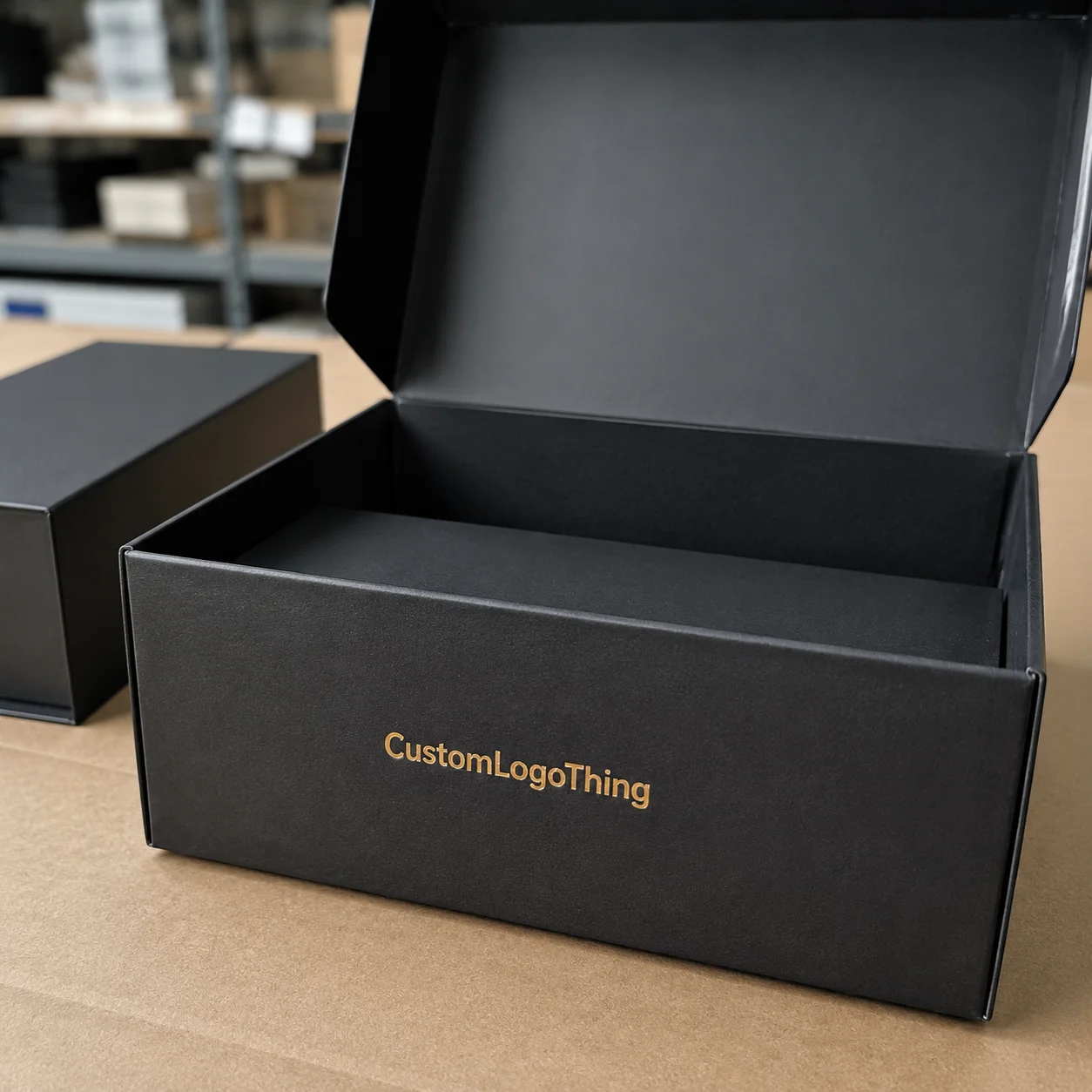
Not every box style behaves the same under a custom printed shipping boxes minimum order quote. A mailer box, a corrugated shipping box, a tuck-top mailer, and a folding carton all have different setup needs. The structure changes the die-cutting, the folding line, the glue, and the amount of board consumed per unit. That is why one supplier will happily take 200 pieces of one style and insist on 1,000 for another. I’ve seen buyers assume “box is box” more times than I can count, and the packaging industry just quietly laughs in corrugate. A 9 x 6 x 3 inch mailer in E-flute is a completely different production run than a 12 x 9 x 4 inch B-flute shipper.
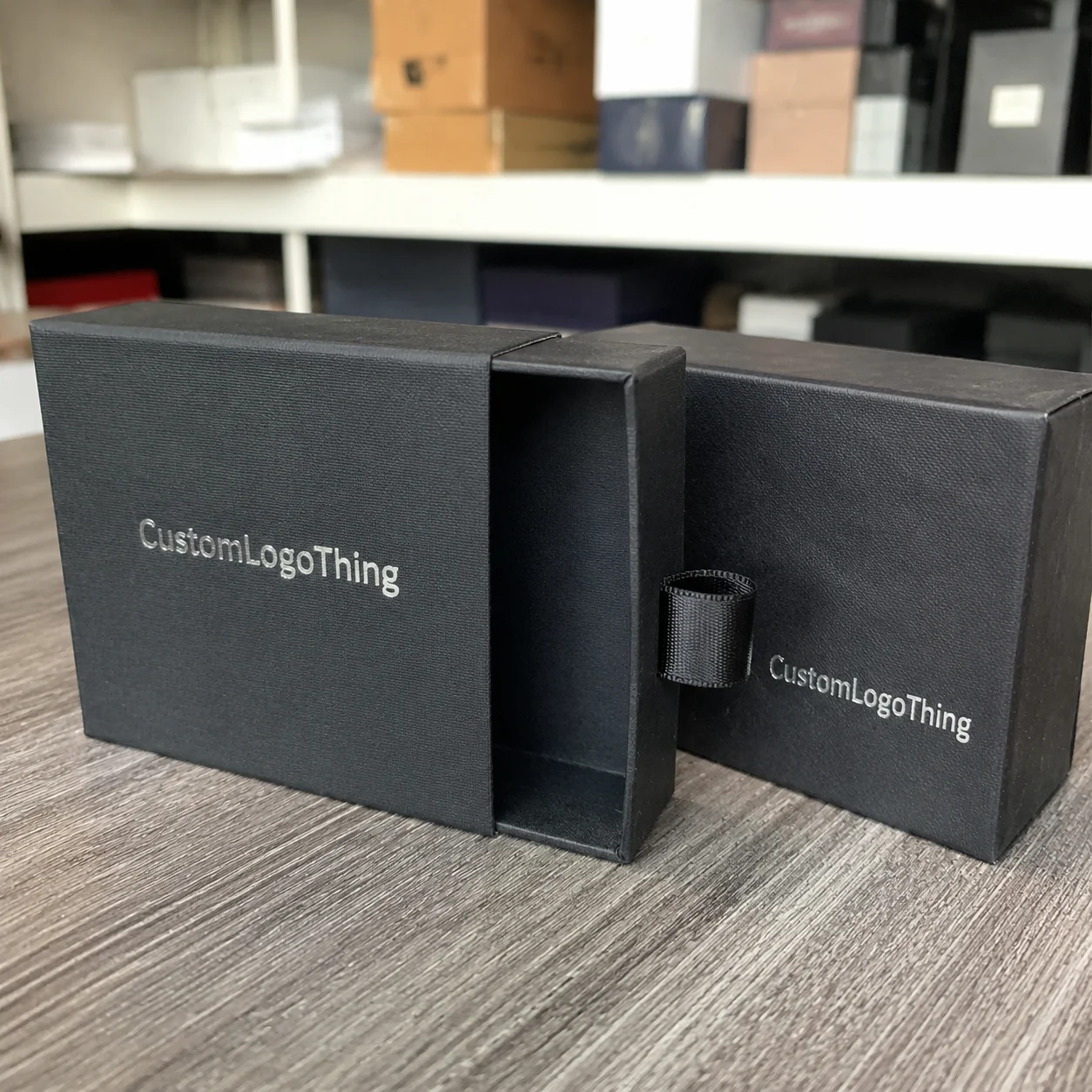
Mailer boxes are popular for subscription packaging and ecommerce shipping because they feel premium and stack neatly. Corrugated shipping boxes are better when product protection matters more than presentation. Tuck-top mailers work well for lightweight products like apparel, stationery, and some cosmetics. Folding cartons can be used inside outer shipper boxes, especially when a brand wants extra retail packaging control. A cosmetics brand in Los Angeles might use a 350gsm C1S artboard folding carton inside an outer E-flute shipper, while a supplement company in New Jersey may choose a plain kraft corrugated mailer with a one-color logo.
Material choice matters just as much. For lighter goods, E-flute corrugated board is common because it gives a cleaner print surface and a slimmer profile. For stronger protection, B-flute is thicker and handles more abuse in transit. If a candle brand is shipping glass jars, I usually push them toward stronger board or a double-wall spec if the route is rough. I’ve seen one too many broken jars because someone wanted to save 6 cents a box and then paid for replacements twice. That is the kind of savings that isn’t really saving at all. In practice, an E-flute shipper often weighs about 80 to 110 grams, while a double-wall carton can climb well above 200 grams depending on size.
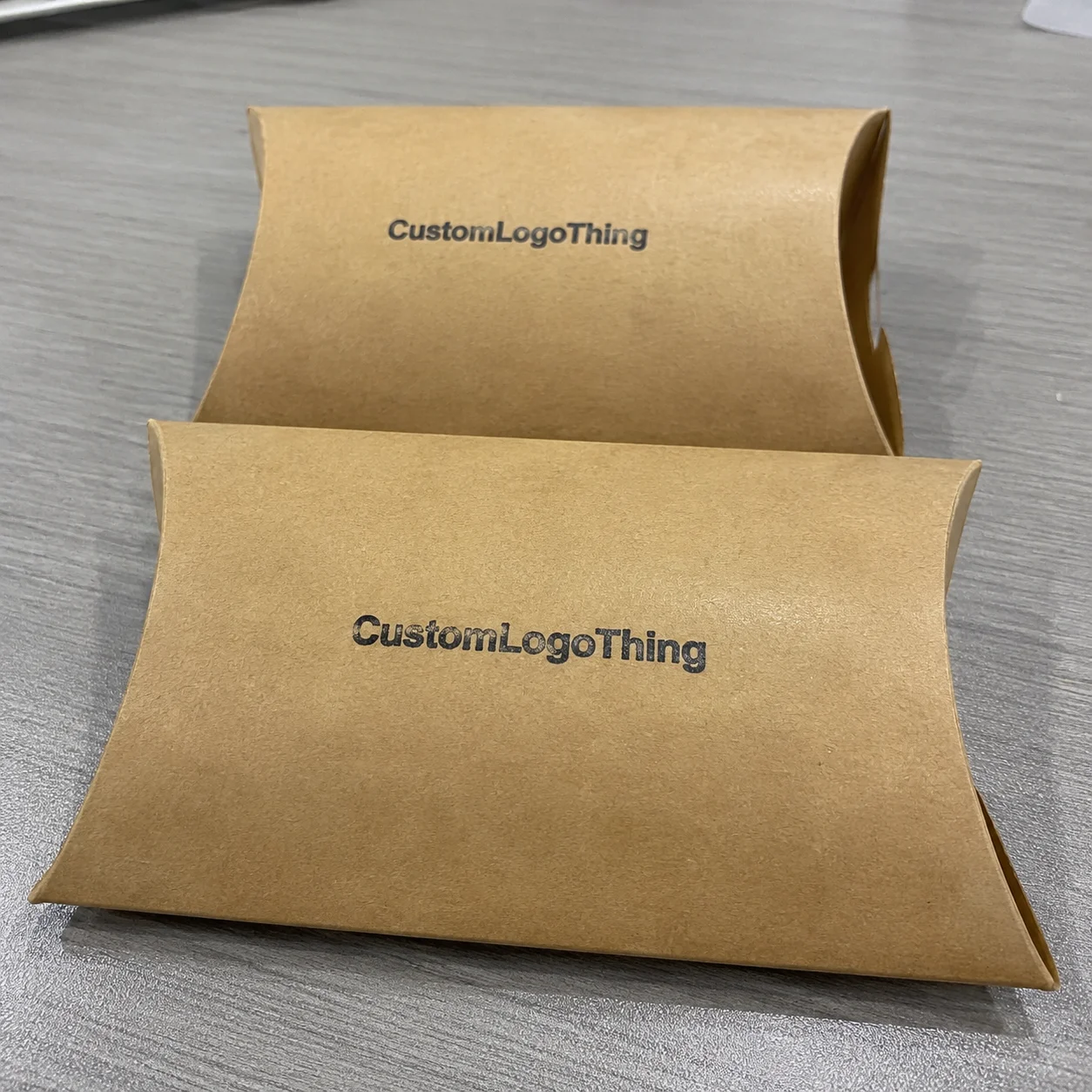
For custom printed shipping boxes minimum order, kraft and white board each have their place. Kraft gives that natural, earthy look and hides scuffs better. White board gives sharper color reproduction and makes bright branded packaging pop. If your logo depends on exact color matching, white stock usually gives the cleaner result. If you want a more rustic look for package branding, kraft can be the better fit. Personally, I think kraft is underrated; it can look expensive without screaming for attention, which is a nice trick if you ask me. A kraft mailer produced in Suzhou can also hold up better visually during a 3-day cross-country transit than a white carton with a high-gloss coating.
Print method is where MOQ gets interesting. Digital printing is usually the easiest path for low MOQ orders because it avoids plates and can handle smaller runs with less setup. Flexographic printing makes sense when the order gets larger and you want lower unit cost over volume. Offset is used less often on shipping cartons, but it can still appear in hybrid packaging workflows. If you’ve ever watched someone argue that their 200-box launch should get the same economics as a 20,000-box production run, well... I wish I could say that was rare. On a 5,000-piece flexo order, the price can drop to around $0.15 per unit for a standard one-color shipper when the size is common and the artwork is simple; on a 250-piece digital run, the same style may sit near $0.92 per unit.
Here’s the practical breakdown I use when someone asks about custom printed shipping boxes minimum order options:
| Box Type | Best For | Typical MOQ Range | Cost Trend |
|---|---|---|---|
| Digital mailer box | Startups, seasonal launches, samples | 100–500 | Higher unit price, lower setup |
| Flexo corrugated shipper | Repeat ecommerce shipping | 1,000–5,000+ | Lower unit price at scale |
| Tuck-top mailer | Apparel, cosmetics, gifts | 250–1,000 | Moderate unit cost |
| Double-wall shipper | Fragile or heavy products | 500–2,000+ | Higher material cost |
Design choices can push your custom printed shipping boxes minimum order upward too. Full-wrap coverage, inside printing, foil stamping, embossing, matte lamination, and specialty coatings all add complexity. Simple one-color exterior print is usually the lowest barrier to entry. Once you ask for inside print plus a custom insert, the quote climbs fast. That is normal. Paperboard and labor are not free because a brand mood board looked expensive on Pinterest. I say that with affection, but only a little. Inside print with a protective aqueous coating can add 8% to 14% to the job cost depending on the plant in Yiwu or Shenzhen.
For brands in apparel, cosmetics, supplements, candles, and DTC subscriptions, I usually recommend starting with the simplest structure that meets performance needs. Then scale up. That keeps custom printed shipping boxes minimum order manageable and avoids overengineering the packaging before you know whether the product will move. Better to have a box that sells than a box that photographs beautifully and costs too much to ship. A clean kraft mailer with a one-color logo is often a smarter first run than a soft-touch lamination package that costs 38% more to produce.
Specifications That Affect Your Minimum Order and Final Quote
If you want an accurate custom printed shipping boxes minimum order quote, you need to send real specs. Not “around this size.” Not “maybe this color.” Real numbers. Exact internal dimensions matter because a box that is 10 mm too large wastes board and increases freight. Too small, and your product won’t fit without crushing inserts or changing the structure completely. I’ve seen buyers guess dimensions and then spend another week approving a revised dieline. That delay costs money, and frankly, it makes everybody grumpy. A box quoted at 240 x 180 x 80 mm will not price the same as one at 260 x 200 x 90 mm, even if the difference looks tiny on paper.
The key specs are straightforward. Provide internal dimensions, board grade, print sides, coating, inserts, and finishing. If you have a target shipping weight, say that too. For example, a box holding 2 lb of candles is not the same as one holding 12 lb of supplements. If you ignore the load, you can end up with a box that looks great and performs badly. ASTM-based performance language and ISTA shipping tests exist for a reason. If you want to read the packaging standard side, the industry association at ISTA is a useful reference for shipping test methods, and the EPA has solid guidance on packaging waste and material efficiency. A 32ECT board may be enough for a 3 lb apparel shipment, while a 44ECT or double-wall spec may be better for heavy glass or multiple-unit bundles.
Artwork requirements matter too. A proper dieline in AI or PDF format, with bleed, safe zones, and CMYK or Pantone callouts, saves time. If your supplier also offers structural design, ask whether that service is included or billed separately. At one plant visit in Dongguan, I watched a client’s art file get rejected three times because the logo sat too close to the score line. Three times. They lost four days because no one bothered to check the dieline against the final illustration. I remember thinking, “We are all one bad margin away from chaos.” That file would have been fine with a 3 mm bleed and a 5 mm safe zone, but nobody had locked the art properly.
Sample approval and pre-production checks
For custom printed shipping boxes minimum order, sample approval is where you protect yourself. A digital pre-production sample or plain white sample can reveal whether the closure works, whether the product rattles, and whether the insert actually holds the item upright. I always tell clients to inspect the fold lines, print placement, and glue seam before full production. That one-hour review can prevent a 3,000-box remake. And yes, I have seen the remake happen. It was not pretty. People do not become kinder when 3,000 boxes need to be reworked. In one case out of Vietnam, the closure tab was 4 mm short and every unit had to be hand-trimmed before packing.
Here are the specs I ask for before I quote a job:
- Exact box dimensions: length, width, height, in millimeters or inches.
- Product weight: packed weight per unit.
- Board type: E-flute, B-flute, double-wall, kraft, or white.
- Print coverage: outside only, inside and outside, one color, CMYK, or Pantone.
- Finishing: matte, gloss, soft-touch, varnish, or none.
- Insert details: foam, paperboard, corrugated divider, or molded pulp.
- Destination: ZIP code, postcode, or warehouse city for freight.
The better your specs, the cleaner your custom printed shipping boxes minimum order quote will be. I’ve had suppliers come back within 24 hours when the buyer gave full details, and I’ve seen one vague email drag on for a week because everyone kept guessing at the box size. Nobody wins in that version of the game. A quoting request with “1000 pcs, 250 x 180 x 70 mm, E-flute, one-color black print, ship to Ohio” is easy to answer; a request that says “need something branded” is not.
Pricing for Custom Printed Shipping Boxes Minimum Order
Let’s talk numbers, because that is the part everyone wants first. The price for custom printed shipping boxes minimum order is built from material cost, print setup, tooling, finishing, packing, and freight. If one of those pieces changes, the total changes. Simple. Annoying, but simple. I’ve seen beautiful packaging briefs become budget nightmares because one tiny change in coating doubled the setup time. Paper has a way of reminding you who is in charge. A matte aqueous finish on a 5,000-piece run in Foshan may add only $0.03 to $0.05 per unit, while soft-touch lamination can add much more.
Lower MOQ usually means a higher unit price. That is not a penalty; it is just the economics of printing and converting paperboard. A 100-unit run may cost $1.10 to $1.80 per box depending on structure and print coverage. At 500 units, that might fall to $0.72 to $1.05. At 1,000 units, you may see $0.48 to $0.78. At 5,000 units, some standard specs can get down to $0.28 to $0.55. Those are directional numbers, not promises. Final pricing depends on box size, flute type, and how much of the exterior you want printed. For a common 9 x 6 x 3 inch mailer with a one-color logo, a well-optimized 5,000-piece order can sometimes land near $0.15 per unit before inland freight.
In a supplier negotiation I handled for a skincare brand, the factory quoted a low unit price on 5,000 boxes but padded the shipping into a separate line. Once we pulled freight into the comparison, the “best” quote moved from first place to third. That is why custom printed shipping boxes minimum order should always be reviewed as landed cost, not just ex-factory price. Otherwise, you’re comparing apples to oranges and somehow paying extra for both. The difference was $860 on the first shipment alone, and the boxes were coming out of Shenzhen to a warehouse in Phoenix.
Typical pricing drivers
These items move the quote faster than people expect:
- MOQ size: smaller quantities usually increase unit price.
- Board grade: heavier or stronger corrugated board costs more.
- Print method: digital is flexible; flexo can be cheaper at scale.
- Coverage: full-wrap graphics cost more than one-color logos.
- Finishing: coatings and specialty effects add labor and materials.
- Freight: pallet packing and distance to warehouse matter a lot.
Hidden costs are where budgets get wrecked. Sampling can run $40 to $120 depending on structure. Plates or dies might be included, or they might not. Structural revisions can add design fees. Rush production can add 10% to 25%. If you ask for split shipments to multiple warehouses, freight costs can climb quickly. I always tell clients to ask if the quote includes palletization, one-drop delivery, and export packing. If not, add it now, not after the invoice arrives. Trust me, invoices have a way of sounding much less charming than quotes. A 3,000-piece order shipping to both New Jersey and Nevada may cost $240 more simply because it has to be split and re-handled.
Here’s a simple quote comparison framework I use for custom printed shipping boxes minimum order:
| Order Quantity | Estimated Unit Cost | Setup Pressure | Best Use |
|---|---|---|---|
| 100 | $1.10–$1.80 | Low setup amortization | Prototype, launch testing |
| 500 | $0.72–$1.05 | Moderate | Small brand launch, seasonal demand |
| 1,000 | $0.48–$0.78 | Better balance | Repeat order, ecommerce growth |
| 5,000 | $0.28–$0.55 | Lowest per-unit burden | Stable SKUs, warehouse-ready volume |
If a supplier gives you a quote that looks too low, ask three questions: Is freight included? Is the board grade exactly what I asked for? Is the print setup already absorbed in the price? Those three questions have saved clients thousands. I’m not joking. A “cheap” custom printed shipping boxes minimum order quote can become expensive very quickly when the hidden lines show up. It’s almost impressive how fast a bargain can transform into a regret. One Toronto buyer saved $0.06 per unit on paper and then spent $420 more on rework because the score lines were misaligned.
Process and Timeline for Ordering Custom Printed Shipping Boxes
The ordering flow for custom printed shipping boxes minimum order is pretty standard, but the timeline depends on how organized the buyer is. First comes inquiry. Then quote. Then dieline confirmation. Then artwork proof. Then sample. Then approval. Then production. Then delivery. If any one of those steps stalls, the schedule slips. Not because the factory is mysterious, but because printing requires sequence. You cannot cut, glue, and pack boxes that have not been approved. I wish that sounded more glamorous, but it really is just the packaging equivalent of “have the ingredients before you try to cook.” A plant in Dongguan can turn around a simple box faster than you think, but only if the art and specs are locked.
For low MOQ digital runs, a simple job can move from proof approval to production in about 7 to 12 business days, depending on the plant schedule and freight destination. For larger custom corrugated runs, plan for 12 to 20 business days after approval. If you need inside print, inserts, or special coatings, add more time. Anyone promising an exact date without seeing the spec is guessing, and guessing is not a production strategy. It’s more like wishful thinking with a spreadsheet. In our experience, the sweet spot for a standard order is typically 12-15 business days from proof approval, plus 3 to 8 business days for ocean or domestic freight depending on the route.
At one of our Shenzhen facility visits, I watched a team lose two days because the customer changed a Pantone callout after proof sign-off. It seemed small. It wasn’t. The press had already been calibrated, and the inks had to be adjusted. That is why I push buyers to lock the artwork before the sample. In custom printed shipping boxes minimum order jobs, late changes are what eat the schedule. They also create the kind of silence on the factory floor that makes everyone suddenly very interested in coffee. A color swap from Pantone 186 C to Pantone 200 C can require a fresh ink mix and another press check.
Where delays usually happen
Most delays come from five places:
- Late logo files or low-resolution artwork.
- Dieline changes after the proof is sent.
- Color corrections after sample approval.
- Structural changes to insert or closure style.
- Freight booking delays during peak shipping periods.
Production checkpoints matter. A good factory should review prepress, print approval, die-cutting, gluing, QC, and packing. If they skip a checkpoint, you may not find the problem until the cartons arrive at your warehouse, and then everyone suddenly becomes very interested in responsibility. That is usually too late. I’ve had more than one client learn that lesson the hard way, and none of them were thrilled about becoming packaging detectives. A QC checklist in Shenzhen or Suzhou should include carton compression, print registration, and case-pack verification before pallet wrap.
Use this buyer checklist to keep custom printed shipping boxes minimum order moving:
- Final product dimensions, measured with calipers or a ruler.
- Logo files in vector format.
- Print side instructions and color references.
- Delivery ZIP code or warehouse address.
- Target launch date and buffer days for freight.
Brands that order packaging for order fulfillment often forget the warehouse side. If your team is shipping 500 units a week, pallet configuration and carton count per pallet matter. If your fulfillment center wants a specific case pack, tell the supplier before quoting. That one detail can save a reorder later. And yes, it belongs in the custom printed shipping boxes minimum order discussion because logistics is part of packaging, whether people like it or not. I don’t make the rules; I just watch them cause problems. A warehouse in New Jersey may want 40 cartons per pallet, while a facility in Nevada may prefer 36 because of rack height.
Why Choose Us for Custom Printed Shipping Boxes Minimum Order
We built Custom Logo Things for buyers who need honest packaging guidance, not sales theater. If you’re comparing custom printed shipping boxes minimum order options, I’d rather give you a quote that reflects the real spec than win your attention with a fake low number. That may sound old-school. Good. Old-school also means fewer surprises. And fewer surprises mean fewer emails that begin with “quick question” and end with three paragraphs of panic. A transparent quote from a factory in Ningbo or Shanghai beats a “too good to be true” price every time.
I’ve sat across the table from suppliers who swore a quote included everything, then quietly excluded freight, pallet wrap, and sample charges. I’ve also worked with plants that were refreshingly direct: “Here’s the MOQ, here’s the setup cost, here’s the landed range if you ship to one warehouse.” Guess which one got repeat business. Transparency wins because it saves time and keeps trust intact. Honestly, I think that should be standard, but apparently honesty is still a premium feature in some places. A quote that clearly separates ex-factory cost, inland trucking, and export packing is usually the one I recommend.
For custom printed shipping boxes minimum order, our strength is helping buyers match quantity to real demand. That means recommending digital print when the run is small, steering you toward corrugated spec changes when your product is heavier, and keeping the design aligned with what the board can actually do. Fancy packaging is nice. Packaging that arrives intact and fits the budget is better. I’ll take boring reliability over “wow” factors that break in transit every single time. If your product ships from Los Angeles to Miami, I want the packaging to survive that route in January, not just look good in a studio shot.
We also support structural guidance, artwork handling, sample coordination, and shipping support. If a client needs a standard shipper, a branded mailer, or a mixed packaging set with Custom Shipping Boxes plus inserts, we can talk through the structure before production starts. For brands building a broader lineup, we can also coordinate related packaging like Custom Packaging Products and Custom Poly Mailers so the package branding stays consistent. That matters when you are shipping 800 orders a week and every unboxing moment needs to look like it came from the same company, not three different suppliers.
Here’s what reliability looks like in practice for custom printed shipping boxes minimum order:
- Clear MOQ and pricing before design work begins.
- Material suggestions based on product weight, not guesswork.
- Sample review before mass production.
- Freight planning that reflects the destination, not just the factory dock.
- Support for repeat orders and scaling through a Wholesale Programs structure when volume grows.
Brands that grow past the first run usually need repeatability. That means the second order should look like the first, cost close to the first, and arrive on time. That sounds basic. It is not always the case. Reliable custom printed shipping boxes minimum order sourcing is about consistency, not hype. If you’ve ever had to explain why the “same” box came in two shades of white and three millimeters off, you know exactly what I mean. A repeat order from a facility in Guangzhou should not require detective work just to match the first shipment.
If you want to compare sourcing questions or basic packaging terms before requesting a quote, our FAQ page is a useful starting point. It won’t sell you fairy dust. It will give you practical answers. Sometimes that’s more useful anyway. For buyers who need to move from idea to production, that kind of clarity can save both time and a few headaches.
Next Steps to Order Custom Printed Shipping Boxes Minimum Order
If you’re ready to request custom printed shipping boxes minimum order pricing, do three things first: measure the product, decide the quantity, and pick the print style. That alone will cut back-and-forth by a lot. I’ve seen quoting cycles shrink from ten emails to two when the buyer sends clean information on day one. It’s one of the few genuinely satisfying parts of this job. A clean brief for 500 boxes in white E-flute with one-color black print can get answered the same day; a vague “need packaging” request cannot.
Send the supplier these details: box size, quantity, print coverage, board preference, destination ZIP or postcode, and timeline. If you know your target budget, include that too. A good packaging partner can usually suggest whether digital print, a standard corrugated spec, or a different box style will get you closer to the number you need. The best custom printed shipping boxes minimum order quotes are built from facts, not vague enthusiasm. Enthusiasm is nice. Facts pay the freight bill. If your target is 1,000 units at under $0.60 per box, say so upfront.
I recommend asking for two versions: one low-MOQ digital option and one higher-volume price break. That comparison shows where the pricing curve improves and whether it makes sense to buy a few hundred more boxes now or wait for demand to prove itself. Sometimes the answer is “buy 1,000.” Sometimes it is “don’t tie up $1,200 in inventory yet.” That depends on your sales velocity, storage space, and launch calendar. I’m a fan of the unglamorous answer if it protects your margin. A brand shipping 150 orders a week in Portland may not need a 5,000-piece buy just because the per-unit cost looks prettier.
Also ask for a sample or prototype before full production. Even if it adds $50 or $75, it is cheaper than remaking 800 boxes because the product slides around or the closure tab fails. That is not theory. That is a factory-floor reality I’ve seen with my own eyes. And yes, it stings more when the boxes already have your logo on them. A one-off sample in Shenzhen can prevent a very expensive mistake once the shipment reaches your warehouse in Texas.
To keep your order moving, gather this checklist before you request custom printed shipping boxes minimum order pricing:
- Exact product dimensions and packed weight.
- Quantity target: 100, 500, 1,000, or 5,000.
- Board grade preference and print method preference.
- Logo files and any brand color references.
- Destination address for freight calculation.
- Launch date and any hard deadlines.
One last thing. Don’t buy more than your sales plan can support just because the unit price drops by a nickel. That is how brands end up with a garage full of branded packaging they can’t move. The smartest custom printed shipping boxes minimum order choice is the one that fits your product, your cash flow, and your fulfillment operation. Not the one with the prettiest spreadsheet number. I’d rather see a brand win quietly than chase a discount and spend six months staring at extra pallets. If your first run is 300 units and your second is 1,000, that is still better than overbuying 5,000 boxes and watching them sit in Atlanta for half a year.
FAQ
What is the typical custom printed shipping boxes minimum order?
Most suppliers set MOQs based on print method and box style. Low-volume digital runs can start around 100 to 500 units, while flexo or offset runs are usually higher. The real MOQ depends on size, board grade, print coverage, and whether tooling is already available. So yes, the answer is “it depends,” which is annoying, but true. A simple one-color mailer from Shenzhen may start at 100 pieces, while a heavier double-wall shipper from Dongguan may need 1,000.
Why is the minimum order for custom printed shipping boxes sometimes so high?
Setup costs for printing, cutting dies, and gluing make small runs expensive, so suppliers spread those costs across more boxes. Larger runs lower unit cost, but they also require more inventory space and upfront cash. That tradeoff is the whole story in one sentence, even if nobody likes hearing it. A die cut made in Guangzhou can cost $80 to $300, and that has to be absorbed somewhere.
Can I get custom printed shipping boxes with a low minimum order?
Yes, if you choose digital printing, standard materials, and a simple structure. Low MOQ orders usually have fewer finishing options and a higher unit price than large production runs. If your brand is testing demand, that can still be the right move. A 250-piece launch at $0.92 per unit can make more sense than a 2,000-piece commitment if you’re validating a new SKU in Austin or Denver.
What information do I need to get an accurate MOQ and price quote?
Provide exact dimensions, quantity, material preference, print sides, artwork files, and delivery location. If you have a target budget, include that too so the supplier can recommend the best structure and print method. The more precise you are, the less time everyone wastes guessing. A quote request with 240 x 160 x 60 mm, E-flute, one-color black print, and delivery to Ohio will always beat “need a box for a product.”
How long does it take to produce custom printed shipping boxes after approval?
Simple low-MOQ digital jobs can move faster, while larger printed corrugated runs take longer because of sampling, print setup, and production scheduling. Artwork approval and sample sign-off are the biggest factors in keeping the timeline on track. The fastest projects are almost always the ones where the buyer is actually ready. In many cases, it takes 12-15 business days from proof approval to production completion, plus freight time from the factory in Shenzhen or Ningbo.
Do low MOQ custom printed shipping boxes cost more per box?
Usually yes. With custom printed shipping boxes minimum order orders, the setup cost is spread across fewer units, so the per-box price goes up. That’s why 100-unit runs often look expensive compared with 1,000-unit runs. It isn’t a trick; it’s just math wearing a cardboard hat. A 100-piece order may sit above $1.10 per unit, while a 5,000-piece run of the same structure can fall below $0.30 if the spec is standard.
What box material is best for ecommerce shipping?
For lighter items, E-flute is a common choice. For heavier or more fragile products, B-flute or double-wall corrugate can be better. The right answer depends on the packed weight, route, and whether you need a retail packaging look or stronger protection. I usually tell people to start with performance first and aesthetics second, not the other way around. A 2 lb apparel order leaving Los Angeles does not need the same carton as a 14 lb candle bundle shipping to Miami.
If you’re ready to price custom printed shipping boxes minimum order for your product, send us the box dimensions, quantity, print coverage, and destination. That gives us enough to quote honestly, compare options, and help you avoid paying for more packaging than you actually need. And frankly, avoiding unnecessary packaging drama is a win for everyone. A clear brief today can save you a reprint next month and keep the whole operation on a sane schedule.