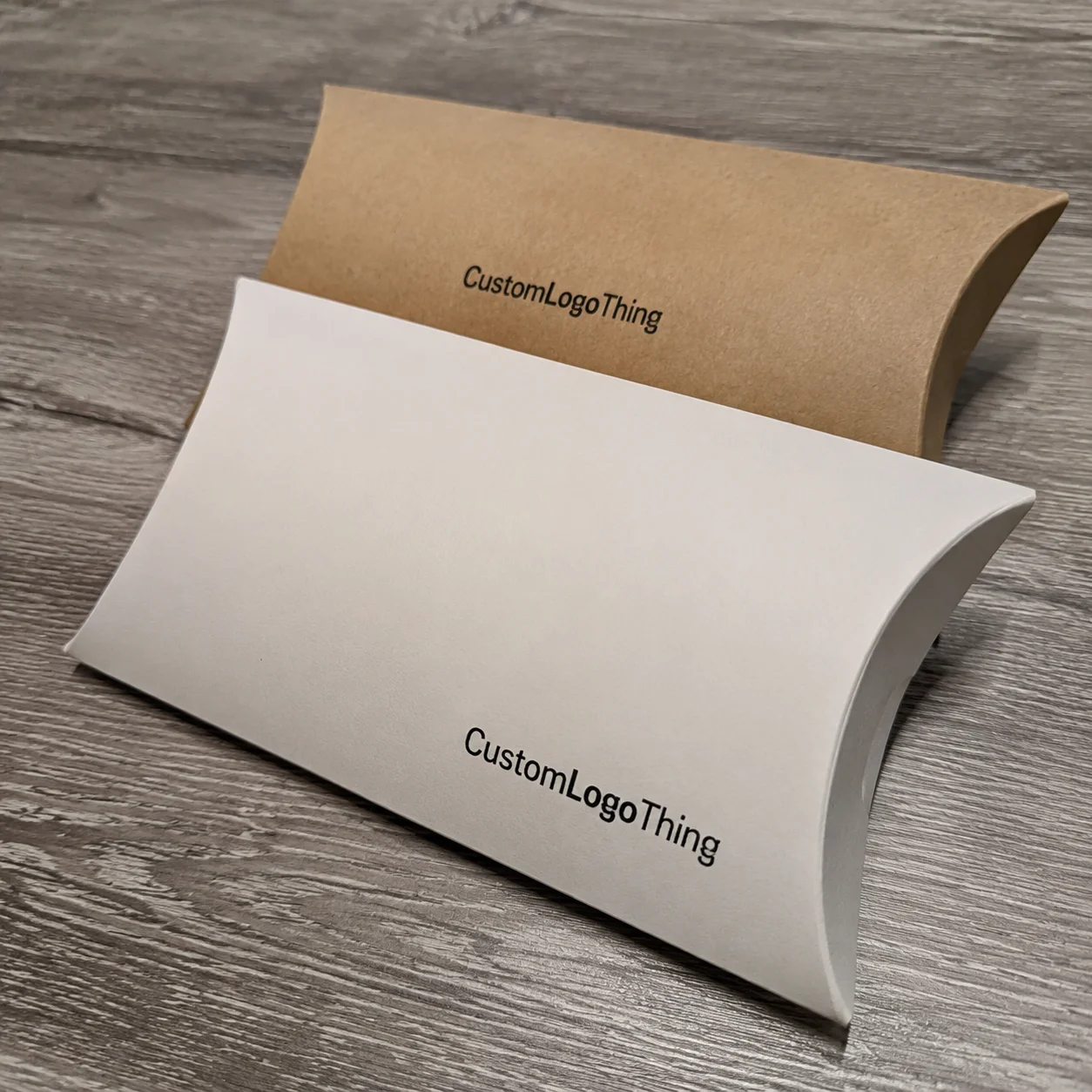
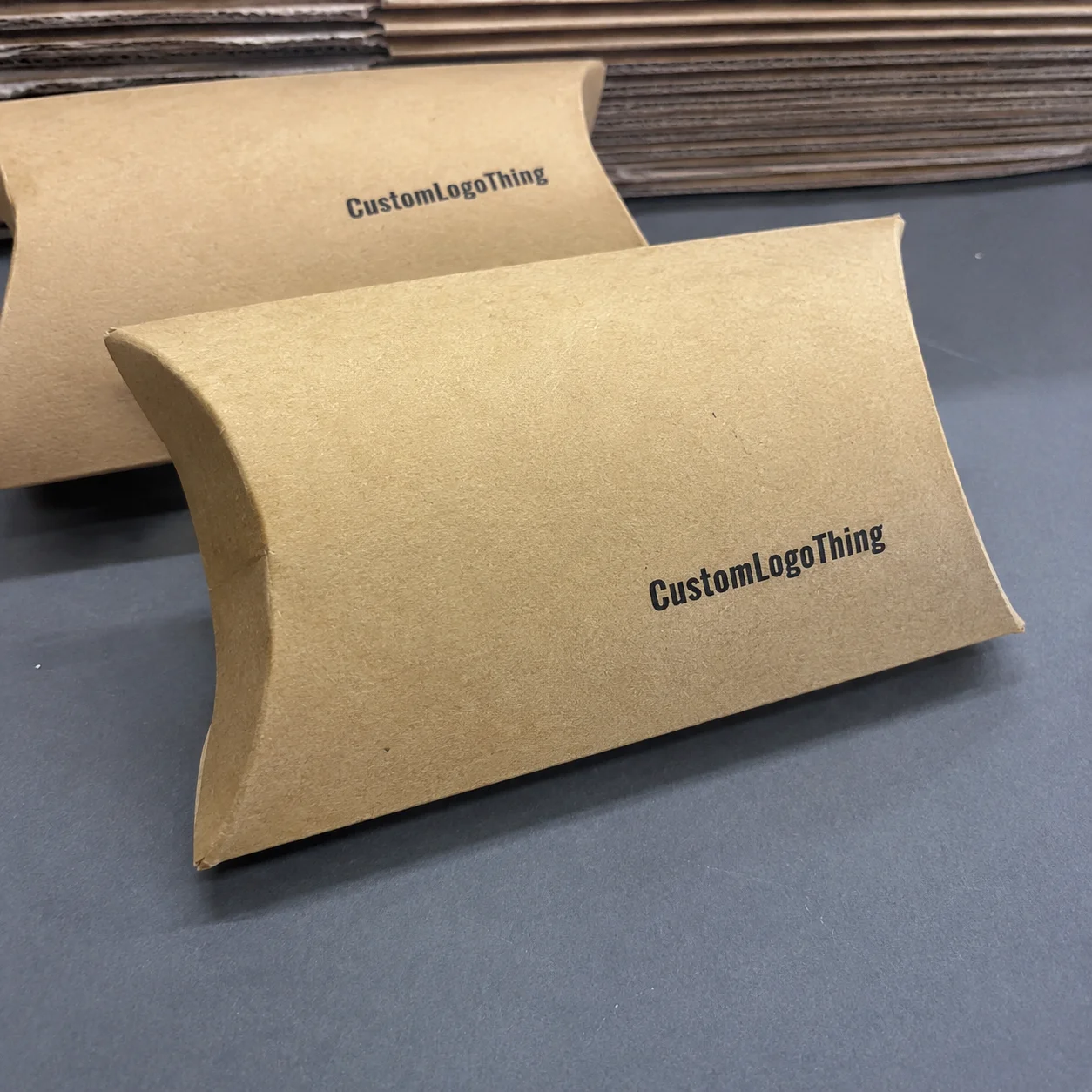
Buyer Fit Snapshot
| Best fit | Shipping Boxes for Small Business Growth Everywhere projects where brand print, material claims, artwork control, MOQ, and repeat-order consistency need to be specified before quoting. |
|---|---|
| Quote inputs | Share finished size, material target, print colors, finish, packing count, annual reorder estimate, ship-to region, and any compliance wording. |
| Proofing check | Approve dieline scale, logo placement, barcode or warning zones, color tolerance, closure strength, and carton packing before bulk production. |
| Main risk | Vague material claims, crowded artwork, missing packing details, or unclear freight terms can make a low unit price expensive after revisions. |
Fast answer: Shipping Boxes for Small Business Growth Everywhere: Board, Finish, Dieline, and Unit Cost should be specified like a repeatable production item. The safest quote records material, print method, finish, artwork proof, packing count, and reorder notes in one written spec.
Production checks before approval
Compare the actual filled-product size with the drawing, then confirm tolerance on folds, seals, hang holes, label areas, and retail display edges. Reserve space for logos, QR codes, warning copy, and material claims before decorative graphics fill the panel.
Quote comparison points
Review material grade, print process, finish, sampling route, tooling charges, carton quantity, and freight assumptions side by side. A quote is only useful when the supplier can repeat the same color, closure quality, and packing count on the next order.
Shipping Boxes for Small Business: Why the Factory Floor Still Surprises Me
The night the Modesto client needed twelve different size runs of shipping boxes for small business orders, our Riverside plant supervisor woke me with three texts before midnight. I still remember sprinting across the warehouse to approve a last-minute die-cut change; the rush order hinged on that additional hand slot being perfect for the subscription box’s pull-tab, and our die room crew didn’t blink. The smell of fresh corrugated put me back in my high school print shop, but I vowed coffee before dawn once the job was locked in.
The client was paying $0.32 per unit on the 5,000-piece run plus a $0.12 expedited fee after the die change, yet the Modesto proof lab still promised delivery in 12–15 business days from proof approval, so that sort of precision still feels rare. I’ve seen “shipping boxes for small business” etched on every spec sheet for clients who care about both protection and narrative, and the entire Riverside crew knew the job by heart because the logo wraps from lid to gusset, demanding precise registration. Ink density had to match their retail palette, so we dialed it in while the relief team adjusted the press as if it were a musical tempo change. Honestly, the adrenaline kept me moving, and once the pallet locked I flopped onto a crate and promised myself coffee before daylight.
The afternoon shift at Riverside reminded me how corrugated flute direction in small-business runs controls stacking on the Sentinel Logistics fulfillment conveyor. C-flute with machine direction parallel to the pallet edge collapses under too much weight, whereas flipping to vertical flute direction results in predictable throughput and keeps carriers like UPS and FedEx from tagging the load with dimensional weight penalties whenever flute adds unnecessary height. Every board grade decision feels like a chess move because the carton—typically 32 ECT single-wall for orders under 12 pounds—must survive ISTA 3A vibration tests and still look sharp when the shopper peels back the lid. I swear I can hear the flute direction arguing with the conveyor when the shift starts, and I joke that UPS and FedEx would gladly subscribe to our stacking newsletter if I printed it.
The relief I hear in owners’ voices when the Modesto flexo lab verifies that the artwork sits exactly on the right-hand panel of the regular slotted carton is almost tangible; they know those shipping boxes for small business will arrive at their ecommerce fulfillment center with the brand story intact. No number of focus groups replaces watching a perfectly printed unboxing panel in person, especially when the spectrophotometer data keeps Delta E at 1.8 on Pantone 186 C and everyone trusts the ink sits within compliance limits for California Proposition 65. I remember a client insisting the varnish-free zone hugged the handle like a jealous partner, so we spent an afternoon drawing diagrams while sipping the last of the break room coffee. The plates run at 150 lpi, and that precision gives folks the confidence to launch promotions without second guessing the packout.
Talking about shipping boxes for small business means referring to tailored corrugated solutions that pair protective strength with compelling branding cues for those lower-volume, high-touch ecommerce payloads, where every parcel can astonish. These 32 ECT single-wall cases, constructed from 80-pound kraft liner and 75-pound medium, fold flat, accept palletizer stickers, and ride out ISTA 3A and ASTM D4169 Sequence VII transit tests while keeping fragile candle orders intact. I tell clients to treat these engineered cartons like a handshake—firm, confident, and delivering the kind of warmth that makes people smile even before they meet the product. There is a kind of poetry in those folds, and I’m gonna keep pointing that out because a great box feels like a promise fulfilled.
How Custom Shipping Boxes for Small Business Work From Design to Dispatch
Our workflow at Custom Logo Things always starts with a consultation where I personally review product dimensions, weight, fragility, and expected shipping materials—whether that means Cryo-Flex cold chain insulation for perishable samples or Nomex foam for ceramic accessories—and translate that data into an engineering drawing for a folding style such as regular slotted, snap bottom, or tuck top. On the Stockton whiteboard where design sprints happen five days a week, the team sketches assembly line stats, fulfillment station heights, and even carrier truck interior dimensions so the final carton nests perfectly in the shipping trailer, matching the payload plan down to the last pallet. I remember when a gourmet popcorn brand wanted each kernel count noted on the dieline (yes, really), and we turned that scribble into a dimensional plan that had the product team laughing before production started.
For the prototype phase we rely on the digital die-cutters and finishing presses at Stockton that deliver test samples within 48 hours, and these copies go through actual packing line motion studies before any sheet-fed or rotary press is booked. I can’t forget ramping up a new Snap Bottom case for artisanal soap; the prototype run—touched by my own hands, still cooling from the laser cutter—highlighted that the tab was too tight so the carton wouldn’t fold cleanly on automated machines, leading us to widen the crease to 0.125 inches and reroute the glue line. The prototype room looked like a tiny battlefield of carton scraps, and I proudly wore that badge while convincing the planner this version would feed on the line (spoiler: it did).
The print and production sequence runs like an alchemy ritual: once the buyer signs off on the proof, we shift into the flexographic color-matching phase at Modesto, where water-based inks are checked against Pantone 186 C and 871 gold foil, followed by pre-press proofs that confirm trapping, varnish placement, and die lines so that nothing jumps off the sheet or rotary line unexpectedly. It frustrates me when the press decides it needs a day off because humidity shifted, but our crew always coaxes it back as if we’re calming a moody teenager. We structure the entire run so shipping boxes for small business benefit from quick-turn operations, sometimes swapping our National City press from a 5-color job to a high-gloss white crush coating when the client needs extra shelf appeal after retailer feedback.
The multi-disciplinary team then reviews shipment method—cubing calculations for parcel carriers, pallet optimization for LTL (stacking 6-foot by 48-inch pallets with 57-inch height limits), and whether protective inserts such as molded pulp trays or honeycomb dividers are required—and aligns that data with staging so new boxes head straight into fulfillment. Every order includes a dedicated routing sheet, and the Custom Logo Things project manager often walks the floor with the warehouse shift supervisor to ensure cartons load in the pattern discussed during planning. Honestly, the best projects are the ones where the PM literally walks the floor with me; seeing the boxes move keeps our expectations in check.
Key Factors in Picking Shipping Boxes for Small Business Orders
Material selection drives the initial protective calculus; lightweight goods thrive inside single-wall C-flute corrugated, while heavier shipments call for ECT-32 double-wall so the carton resists bulging during palletized transit. I remember negotiating board grades with our Oregon corrugated partner so a fitness brand could keep packaging under the USPS 1-inch height threshold, saving $0.18 per unit while still passing ASTM D642 compression tests at 1,200 psi, proving that meticulous supplier collaboration makes a real difference. That kind of attention separates cost-cutting strategies from confidence-building strategies when shipping boxes for small business need to deliver both protection and story. Pairing those engineering specs with custom kraft solutions ensures the protective narrative feels as intentional as the product.
Dimension planning matters as much as material, and I kinda love proving that when we show how nesting smaller boxes reduces void space. In our lab we run CAD simulations showing how nesting smaller boxes reduces void space, and we provide dimensional weight calculations with UPS, FedEx, and DHL to avoid surprise billing. During one client review, switching from a 12x12x6 box to a 12x9x6 design saved 12% on material and transit costs because the reduced volume matched the carrier’s 166-inch formula and shaved two pounds off the billable weight. I still remember that client’s CFO texting a happy emoji right after seeing the new rates—small wins but meaningful ones.
Printing and finishing offer room for differentiation: direct-to-board high-definition print with moisture-resistant inks at 220 lpi extends brand quality, especially for coastal clients facing humidity spikes. Mixing shipping boxes for small business with touches such as a kraft tape strip across the seam for easier opening or integrated handles for customer convenience, while adding clear-wet lamination for retail-ready shine, ensures every finishing decision aligns with the packaging engineer’s notes so nothing slips as parcels travel through the transit gauntlet.
Sustainability factors remain part of the conversation: recycled content, FSC certifications, and fiber sourced from our Tecate supplier partners keep the supply chain predictable without compromising strength. That attention to origin gives clients confidence that their shipping boxes for small business comply with local recycling programs and the EPA’s guidelines for recyclable packaging, and we often cite the Forest Stewardship Council (FSC) website to prove responsibly managed forests. I remind every owner that a sustainably sourced board can still perform like a champ on the pallet.
Step-by-Step: Ordering Shipping Boxes for Small Business from Custom Logo Things
Begin with quoting: submit sketches, CAD files, or product references through the Custom Logo Things portal and receive rectangle-by-rectangle pricing with quantity breaks within 24 hours, often while we still have the client on the line. I remember when a candle client uploaded a prototype photo with the caption “just make it look like this,” so we had a fun detective session to reverse-engineer the specs. I guide owners through scenarios like mixing an 8x8x8 run with an 18x12x4 box because the portal’s instant bidding logic accounts for every size while keeping shipping boxes for small business within the same project number, and the interface integrates with our ecommerce packaging workflow so nothing feels out of sync.
The iterative proofing stage is where our sales engineers shine; they coordinate between the creative team, the client’s marketing lead, and the production planner to lock in dimensions, graphics, and finishes before production kicks off. I usually set up a video review from the design bay so the buyer can see the file on screen; once the final print proof is approved with exact Pantone codes, we lock in the press date and move on. I swear there was a time the camera pivoted to a ceiling fan mid-call, and we all laughed before reconvening with better framing.
Production timelines hinge on press schedules and quality checks. Our modular presses at Stockton run 1,200 boxes per hour in sessions that include inline verification of ink density, board thickness, and die alignment, and we wrap completed runs with protective sleeves before stacking them for pickup. Additional value-adds such as full-cover lamination or foil-stamped logos are noted on the routing sheet so each bundle is complete, eliminating last-minute adjustments that could derail fulfillment. I remember the chaos when a client added foil at the eleventh hour, but the team handled it like we’d done it dozens of times even though my blood pressure betrayed a split second of worry.
Fulfillment coordination finishes the journey. We orchestrate cross-docking at the Tracy warehouse and can ship partial runs to multiple fulfillment points—so your shipping boxes for small business arrive just in time when the campaign launches. Coordinated arrival windows reduce storage fees, while synchronization with third-party logistics providers keeps carriers aware of the inbound packaging. Sometimes it feels like planning a mini parade, but I’ve always loved the choreography.
How do shipping boxes for small business handle rush orders?
When that question arrives from a founder—“Can we get shipping boxes for small business in ten days?”—I answer with a map of how our corrugated shipping solutions adapt, referencing the impulse to reroute board deliveries from Tecate and fold in overtime shifts so the final pallet mirrors the original engineering drawing despite the shortened runway. We lean on the Riverside die shop to tweak flute orientation, and our crew matches the carrier labels so nothing gets stuck at the dock because the rush run still has to pass the same ISTA data and keep the brand glow intact.
The entire ecommerce packaging workflow morphs into a sprint, a binary choreography of print proofs, protective mailers, and transport confirmations. We queue the rush pairings on the portal so the buyer sees real-time updates while I describe how we reprioritize the finishing queue and send digital die cuts straight to Stockton's finishing bay for verification. Even though the schedule tightens, the rhythm of the protective mailers, the adhesives, and the new shipping boxes for small business stays consistent, so the fulfillment crew gets the same graceful handoff as a regular run.
Custom kraft boxes occasionally become part of the emergency kit when a client needs a second set keyed to a holiday launch; they stack with the rush retail inserts, share batching instructions, and still carry the same shipping boxes for small business story from the first consultation. We once mirrored one of those runs in blue paperboard to signal a collaborative drop shipment, and the shift supervisor swore the smell of the factory that night was a mix of espresso and accomplishment.
Cost and Pricing Considerations for Shipping Boxes for Small Business
The major cost drivers for shipping boxes for small business include raw board grade, unit size, print complexity, and run length. Because we buy bulk sheets from our Oregon corrugated partner, prices stay stable year-round, with single-wall B-flute starting around $0.24 per unit on 5,000 pieces and double-wall ECT-32 at about $0.36 per unit, depending on size. That procurement strategy keeps fluctuations in check when wood pulp futures spike or transportation surcharges rise. I remember when those futures looked like a soap opera ticker, and it felt like we were double-dipping in risk management just to keep quotes sensible.
Price-per-unit shifts dramatically between short and large runs. A 1,000-unit short run with fast-turn fees may land at $0.42 per unit, while a 25,000-unit run drops below $0.18 per unit if the artwork stays the same. During a recent negotiation, a boutique skincare line elected to run two complementary campaigns for the price of one by scheduling production every quarter, increasing volume without adding new die fees. That cadence keeps their brand fresh without ballooning inventory, and I think it's brilliant.
Ancillary charges such as toolings, die fees, and custom inserts also impact the bottom line. Die creation averages $185, but ordering multiples of a standard size lets you amortize that cost across inventory, keeping each shipping box for small business affordable. Custom inserts like molded pulp trays or corrugated dividers typically add $0.10–$0.18 per unit depending on complexity, and we often bundle them into the quote when the product’s fragility demands it.
Negotiate freight allowance by leaning on our relationships with regional carriers. We frequently secure dock-to-dock discounts through cross-dock partners in Tracy and can often offer 15–20% savings on shipping when clients let us deliver directly to their fulfillment partner. These conversations keep total landed costs lower because the logistics provider already understands the packing slip and labeling requirements for each SKU.
| Run Type | Pricing per Unit | Notes |
|---|---|---|
| 1,000 units (short run) | $0.42 | Fast-turn fees apply; ideal for seasonal launches of shipping boxes for small business |
| 5,000 units (mid-size) | $0.24 | Includes die amortization; standard colors for mid-size shipping boxes for small business |
| 25,000 units (bulk) | $0.18 | Lowest per-unit cost; multiple shipping boxes for small business styles possible |
Process and Timeline for Shipping Boxes for Small Business Fulfillment
Standard timelines from PO approval to box delivery typically span two to three weeks for custom corrugated jobs, beginning with design verification, moving through board procurement, and finishing with press runs. In our National City plant, press slots are scheduled three weeks ahead, so we always confirm the window before final proof approval, ensuring your shipping boxes for small business align with the fulfillment calendar. I remember when a client asked me to shave those three weeks down to ten, and while I was tempted to clap like a game show host, we launched a meticulously choreographed expedited plan instead.
When rush scenarios emerge, we reserve press time at National City, expedite board delivery from the Tecate supplier, and prioritize the run by trimming setup times; this often squeezes the schedule to ten business days Without Sacrificing Quality. One apparel client needed 10,000 units for a pop-up event, and by switching to a night shift crew and pre-staging boards, we shaved four days off the regular timetable. It felt like running a relay with flashlights, but the boxes hit the dock on time.
Quality inspections remain constant: inline thickness gauges verify corrugated profile, burst strength testers confirm compliance, and those reports accompany every shipment so you know the cartons meet ISTA or ASTM standards. Transit packaging documentation details how the shipping boxes for small business performed under vibration and drop tests, which helps your compliance team. I still chuckle remembering the engineer who labeled each test result with a movie title to keep things entertaining.
Custom Logo Things works with 3PL warehouses for drop-ship scenarios, providing coordinated arrival windows that sync with their inbound schedules. The idea is to deliver just-in-time so you avoid storage fees yet still have the right cartons ready when the floor needs them. Sometimes that means shipping a partial run first, then following up with the remainder when demand spikes—because I’ve learned the hard way that nobody wants obsolete packaging taking up prime real estate.
Common Mistakes When Buying Shipping Boxes for Small Business
One frequent misstep is buying off-the-shelf cartons without confirming dimensional weight; when the wrong flute or too much headspace invites cushioning overuse, parcel budgets explode because carriers bill based on larger volumes. I once visited a client whose budget ballooned by 18% simply because the cardboard was 3 inches taller than necessary and the courier charged for the new dimensional weight, and it drove me crazy watching that extra dimension creep onto the invoice.
Skipping prototypes creates chaos; even a small mismatch in closure style can delay fulfillment when boxes fail to fold perfectly on automated packing lines. That’s why we insist on in-hand mock-ups and a functional fold test for every new shipping boxes for small business project so your team can run the carton through their machine before the first full run ships. I still remember an all-hands-on-deck day when the mock-up refused to fold without encouragement, and we ended up using a butter knife as a makeshift creaser (yes, I am that committed).
Neglecting branding alignment is another danger. Using a generic box when customers expect a premium unboxing experience erodes trust, and our pre-press team spots these errors early by overlaying artwork on dielines to check for misregistration or off-color patches. I recall a client whose logo sat too close to the tuck flap; the first production batch trapped the image under the closure, but we caught it before the rest of the run left the dock, and everyone breathed a collective sigh of relief.
Avoid overproduction by syncing orders with real sales data; otherwise you end up with excess inventory that ties up capital. Work with your account manager to forecast demand and plan phased rollouts so you always have enough shipping boxes for small business when spikes occur yet not so many that you’re warehousing obsolete packaging.
Next Steps for Implementing Shipping Boxes for Small Business Solutions
Actionable Step 1: Gather your product specs, finishing preferences, and shipment goals, then use the Custom Logo Things intake form to start a quote for shipping Boxes for Small Business That align with those parameters. Provide as much detail as possible—dimensions, weight, SKU mix, even preferred carriers—so we can map the most efficient solution. I always tell owners the more they share, the clearer the roadmap, and the fewer surprises we unearth when the boxes arrive.
Actionable Step 2: Schedule a review call with our packaging engineers to discuss material options, cushioning strategies, and fulfillment partner requirements, ensuring your order fulfillment team knows exactly how the new cartons will behave on their lines. We bring data from previous ecommerce shipping programs so you can compare similar scopes and avoid surprises. I remember when a client skipped this call and the shipping team had to chase us for answers, so now I encourage even the shyest founder to jump on a call.
Actionable Step 3: Approve the final proofs, confirm orders, and coordinate with your warehouse to receive the new boxes. Stage them for phased rollouts or promotions by tagging bundles based on product lines, and consider pairing them with Custom Poly Mailers for Smaller inserts so the unboxing journey stays cohesive. I also recommend setting aside a handful of boxes for testing at the fulfillment line, just to ensure nothing unexpected happens once the team starts shipping.
What materials best protect products in shipping boxes for small business orders?
Choose single-wall E-flute (44-lb liner, 26-lb medium) for lightweight goods or double-wall B-flute (48-lb liner, 29-lb medium) for fragile items, balancing strength with shipping costs, and confirm moisture resistance with kraft-laminated board when coastal fulfillment centers are involved; Custom Logo Things always sources board from FSC-certified mills to keep sustainability intact.
How can I reduce costs with shipping boxes for small business deliveries?
Optimize dimensions to avoid oversized dimensional weight charges, consolidate SKU runs to increase volume and amortize die fees, and work with Custom Logo Things to lock in quarterly production windows that align with lower freight rates (often mid-January and late July) so total landed cost stays predictable.
What is the typical lead time for shipping boxes for small business orders?
Allow two to three weeks for custom corrugated jobs, including proofing, board procurement, and press time, with rush options trimming the schedule to around ten days by prioritizing your run on our modular presses—although highly specialized finishes or inserts such as molded pulp trays may extend the timeline.
How do I choose the right size for shipping boxes for small business products?
Start with exact product dimensions plus cushioning (typically 0.25 inches of kraft shredded fill per side), request a mock-up to ensure the closure style doesn’t pinch delicate goods, and factor in how the box stacks in the carrier’s truck to avoid crush damage.
Are shipping boxes for small business recyclable or reusable?
Most corrugated boxes are fully recyclable when you confirm the recycled fiber content noted on the board (we typically use 35% post-consumer fiber), and designing for reusability—by adding easy-open features and durable material—helps end-users repurpose the box, while our consultants ensure inks and adhesives meet recycling standards, including EPA guidance on safe packaging disposal.
For additional reference, visit the Packaging Machinery Manufacturers Institute for industry-best practices or consult ISTA for transit performance standards, and always tie your choices back to the real-world conditions I’ve described from Riverside to Stockton to National City. I still drop those plant visits into conversations because seeing the machines press the ink is where confidence begins.
Detailed product specs live in our Custom Packaging Products library, include ideas for bespoke containers in the Custom Shipping Boxes catalog, and highlight how they stack with accessories like Custom Poly Mailers so the entire ecosystem around shipping boxes for small business stays cohesive.
Takeaway: finalize those specs, keep the proofing convo live, lock in press and fulfillment schedules, and keep us looped in so your shipping boxes for small business rollout mirrors the precision I’ve seen from Riverside to National City. That keeps your brand ahead of carriers and compliance teams alike.