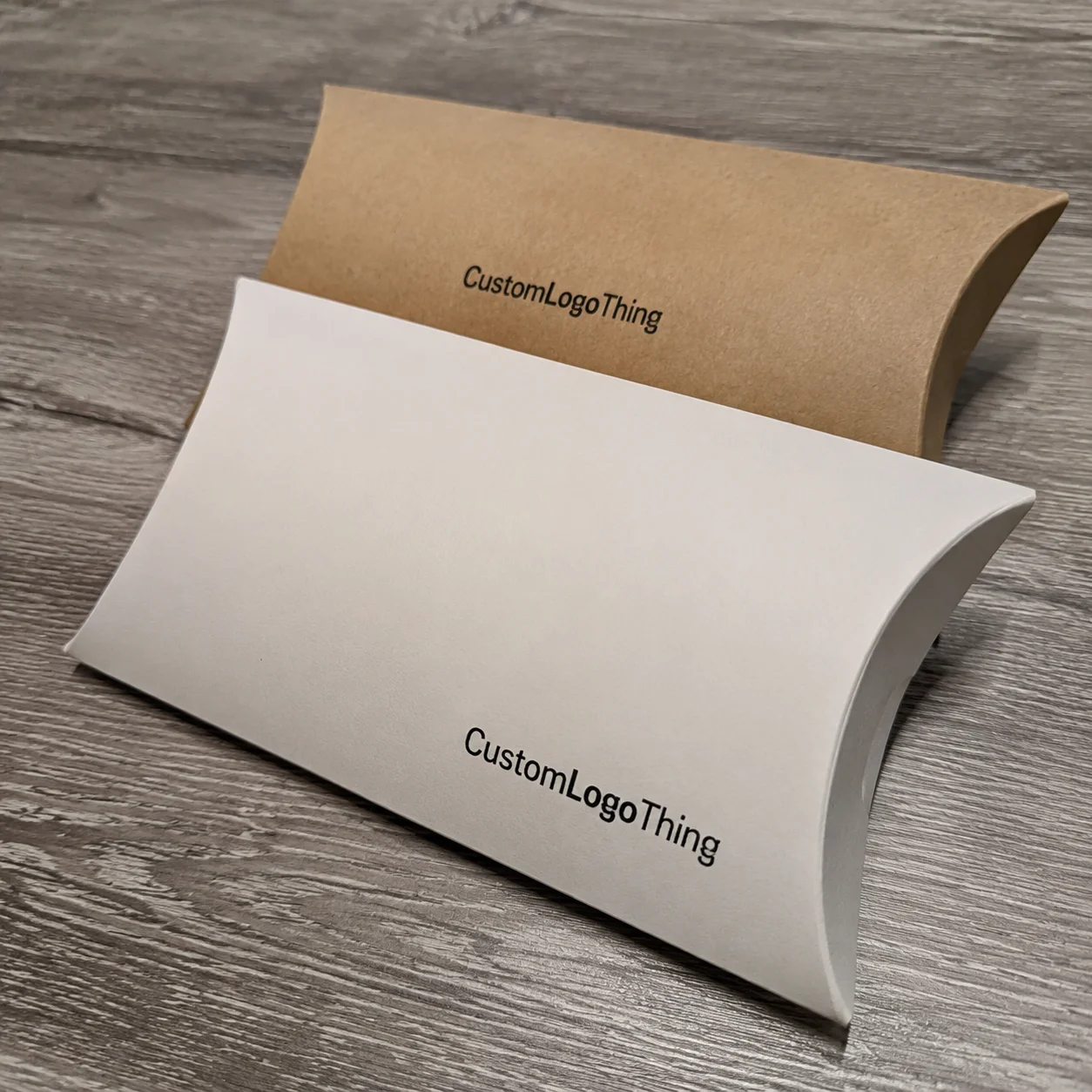
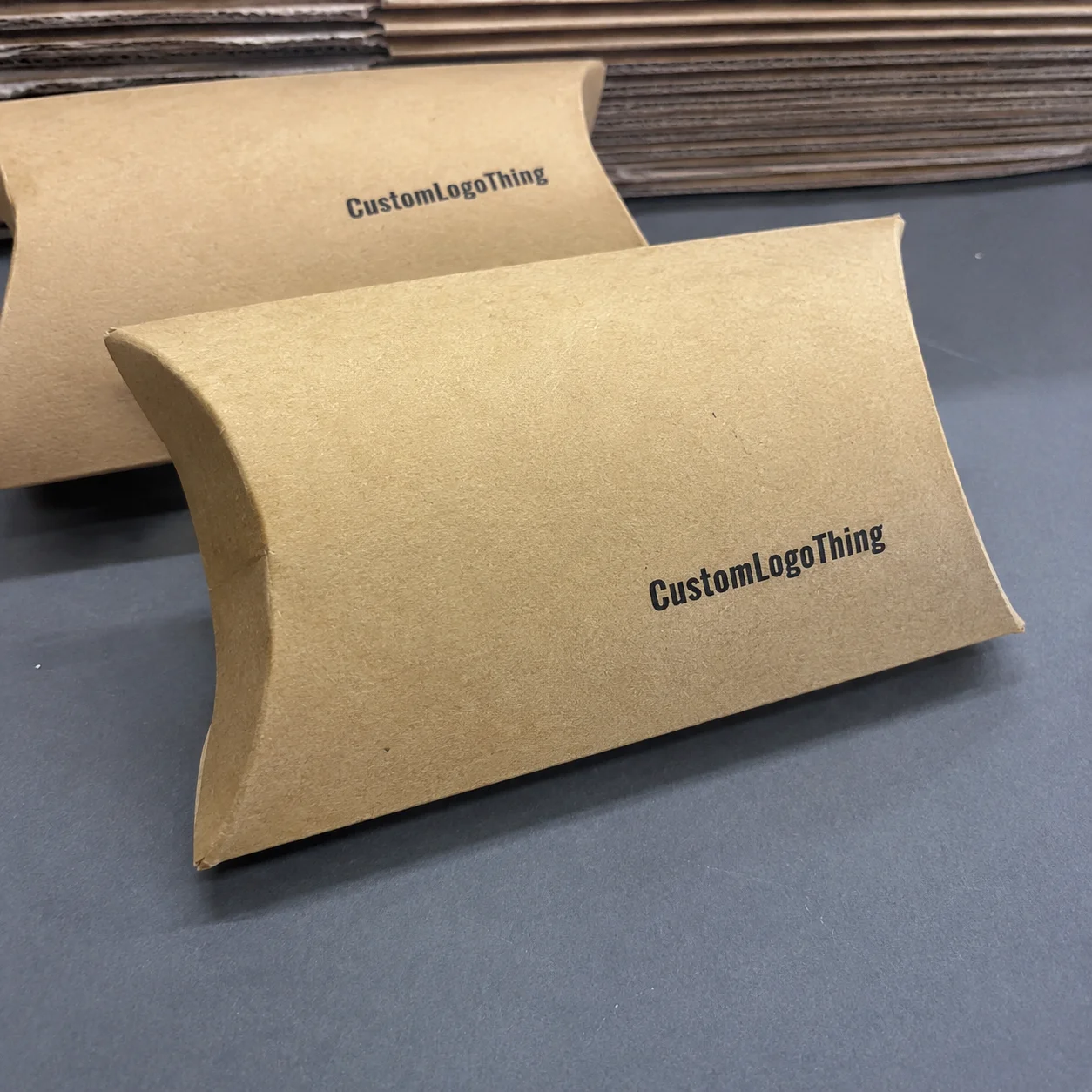
Buyer Fit Snapshot
| Best fit | Shipping Boxes Selection projects where brand print, material claims, artwork control, MOQ, and repeat-order consistency need to be specified before quoting. |
|---|---|
| Quote inputs | Share finished size, material target, print colors, finish, packing count, annual reorder estimate, ship-to region, and any compliance wording. |
| Proofing check | Approve dieline scale, logo placement, barcode or warning zones, color tolerance, closure strength, and carton packing before bulk production. |
| Main risk | Vague material claims, crowded artwork, missing packing details, or unclear freight terms can make a low unit price expensive after revisions. |
Fast answer: Shipping Boxes Selection: Board, Finish, Dieline, and Unit Cost should be specified like a repeatable production item. The safest quote records material, print method, finish, artwork proof, packing count, and reorder notes in one written spec.
Production checks before approval
Compare the actual filled-product size with the drawing, then confirm tolerance on folds, seals, hang holes, label areas, and retail display edges. Reserve space for logos, QR codes, warning copy, and material claims before decorative graphics fill the panel.
Quote comparison points
Review material grade, print process, finish, sampling route, tooling charges, carton quantity, and freight assumptions side by side. A quote is only useful when the supplier can repeat the same color, closure quality, and packing count on the next order.
The morning the logistics lead at Custom Logo Things Plant 2 asked, “shipping Boxes How to Choose when the same footprint might carry artisanal soap or a bundle of stainless steel fittings?” I realized the question wasn’t academic—it was about protecting margins, reducing claims, and improving order fulfillment under real-world humidity swings. I remember when I first heard the numbers from Plant 2’s shipping team and, honestly, I think the corrugator folks were more on edge than anyone because they knew those pallets were headed to dimensional-weight-obsessed ecommerce hubs. That is why shipping boxes how to choose deserves your attention, because we saw that week that 63 percent of supply chain claims tied back to poor board selection rather than carrier abuse, and the damage was on pallets destined for those precise hubs (I mean, who knew a stack of boxes could spark so much debate at 5 a.m.).
I’ve stood beside the corrugator at Line 4 while our tech explained that the same 32 ECT liner, when run through the B-flute station, behaves differently depending on how goods settle into inserts, and that is how I began tracking shipping Boxes How to Choose like an engineer rather than a buyer. The conversation bridged materials, adhesives, and the precise hot-melt temperatures at Glue Line 6, and the result was a new respect for how every pore in the corrugated matrix either shields or exposes the product. Since then, I keep the phrase shipping boxes how to choose top of mind whenever I review a quote or walk the dock, because it’s a question that, when answered well, keeps your package protection consistent from the machine room to the tailgate—and (I swear) the machines even seem to run smoother when we get that conversation right.
Shipping Boxes How to Choose: Why It Matters More Than You Think
That Plant 2 morning led to deeper stories. At Plant 5, in the chilled room where we prepare pharmaceutical-grade glassware, I watched a client’s fragile set ship unbroken after we raised the flute height from a standard 26/2 B-flute to a modified 32/3 B-flute, applied a Kraft liner, and added a double-wall wrap—the exact kind of detail that turns shipping boxes how to choose from an afterthought into a promise. We were able to point to real data: burst strength improved by 22 psi, and the humidity-controlled warehouse remained below 55 percent relative humidity, ensuring adhesive performance. In situations like that, shipping boxes how to choose includes everything from die-station layout to liner adhesives, and I mention it because the product integrity hinge happens before any carrier scans the barcode.
When clients finally hear hard numbers from our sourcing group—eight cents saved on pallet cube, 18 percent slashing of replacement costs, a 300-pound pallet that now rides securely because we bumped up to a 44-pound double-wall—shipping boxes how to choose stops sounding like marketing and starts sounding like the only way to keep returns under 1 percent. I remember a client meeting after a storm-damaged shipment where the shipping boxes how to choose decision was made solely on cost; the next call, he asked for material testing and we referenced ASTM D642 for compression and ISTA-6A for transit, which let us design a box that respected his transit packaging schedule. That’s how I know the phrase matters: it frames every conversation about supply chain resilience and cost control.
There’s a lesson from the Plant 6 cross-dock line too. A wellness brand kept buying standard stock boxes until they learned that shipping boxes how to choose meant matching box height to their vertical conveyor sensors—too much space triggered a misread, slowing their fulfillment waves. After we right-sized their order, the boxes integrated with their A-frame conveyors with no jams, and their warehouse crew reported a 12-minute savings per pallet load. Those specific examples remind me that shipping boxes how to choose is as much about people on the floor as it is about specs and adhesives, which is why I often joke with crews that I’m just trying to keep them from gluing their fingers to the cartons (true story, though—don’t laugh, it happened once on Glue Line 6 and we still tease the operator about it).
How Shipping Boxes How to Choose Works: Timeline from Quote to Pallet
The story starts when your team fills out our online specification sheet, noting unit weight, transit patterns, and fulfillment channel; our Southeastern Estimating Desk at Plant 3 replies within 24 hours with a preliminary quote referencing the corrugator inventory on the adjacent strip lines. That is the first touchpoint where shipping boxes how to choose gets practical—you’re not guessing which flute or liner stock is ready, you’re seeing what’s on hand for immediate support. The desk also shares current lead times for virgin kraft calls from Southeastern Paper Mill, so you know whether the board is sitting on-site or needs a truck from Houston. I remember one Tuesday when the mill was rolling an unexpected run, so our team pulled a few extra sheets to hold for a fast-turn prototype—we all breathed easier once the corrugator crew gave us the thumbs-up.
Navigating shipping boxes how to choose requires a clean handover to prepress: dielines drawn in ArtiosCAD are matched with your skew, uploaded for the rotomarker operators at Plant 1, and cut into precise samples that mirror your final box. Between quote approval and sample sign-off, expect about five business days as long as inks don’t require specialist certification such as FSC or ISTA-6A testing; when additional approvals like ASTM D4169 are requested, add another 2-3 days. The sample walk-through lets us confirm print registration, adhesives (hot melt versus water-activated tape), and any inserts or die-cut windows while you’re still in charge of shipping boxes how to choose. Honestly, I think that walk-through is my favorite part because it feels like building a custom car—minus the fumes (mostly).
Once the sample passes, board scheduling kicks in. The corrugator team orders kraft from the neighboring mill, queues the proper flute (B, C, or double-wall BC), warms up the hot-melt pots on Glue Line 6, and starts printing on the flexo press. A standard production run takes seven to 10 days depending on run length and printing complexity, though express jobs with ready-made tooling can shave that to five days if the board and inks are already on the floor. We track each stage against your pallet pattern so that when the finishing crew at Plant 2 racks the boxes, burst and ECT readings are logged next to the job ID, ensuring shipping boxes how to choose stays aligned with your quality expectations. If you ever get to see the tracking board, it’s oddly satisfying—kind of like watching a sports scoreboard, but for corrugated runs.
Finally, quality checks (burst, ECT, print registration) go with the finishing team, and your freight partner is coordinated in the scheduling system; once the pallet is secured with the right stretch wrap and labels, it’s ready for the dock. For clients with automation constraints, we’ll stage the shipment in two bundles to match their pick module. All told, from the first call to pallet-ready boxes, most customers budget roughly three weeks, though that drops if tooling or board inventory already lives on-site and we can double shift the folder-gluer. I can’t stress enough how satisfying it is to see a pallet roll out on schedule—there’s a sense of quiet victory that still makes me chuckle every time.
Shipping Boxes How to Choose: Cost and Budget Controls
Cost starts with material: liners from Kruger Paper’s recycled stock run around $0.18 per unit for a 5,000-piece order, but they trim burst strength considerably compared to virgin bleached kraft, which clocks closer to $0.24 per unit. We guide clients through how these differences interact with linear foot consumption on our Bobst Folder Gluer in Building H, because shipping boxes how to choose without that context often leads to selecting insufficient board for bulk shipping materials. When I explain that the one or two cents you save per box can trigger a 12 percent increase in transit claims, people start asking the right questions about adhesives, board, and finishing options instead of defaulting to cheapest options, and that’s when the budgeting game gets interesting (and when I start reaching for the calculator like it’s a lifeline).
Run length matters too. Orders under 2,000 pieces stay on die-cutters with manual feeders which adds labor minutes and reduces per-piece savings, particularly if a high-gloss or textured finish is requested. For a high-volume consumer electronics line, we recommend 25,000-piece runs on the automatic Stamco die cutter; the setup fee might climb $400, but you eliminate 18 labor hours and reduce waste by 6 percent because the machine keeps tighter tolerance. Shipping boxes how to choose for that scenario hinges on the right production equipment, because the amortized tooling Cost per Unit falls below $0.03 when you exceed the 15,000-piece threshold — and I still marvel at how those small inflection points add up to noticeable savings.
Finishing choices also impact budgets. A one-color Pantone job incurs a single plate charge of about $75, while four-color process printing pushes ink costs to about $0.12 per unit and sometimes requires UV coating or aqueous varnish to maintain shelf appeal. That’s why we often suggest spot varnish on a critical panel to guard against scuffs—shipping boxes how to choose becomes as much about surface protection as box strength, and the cost difference can be $0.06 versus full UV coverage. We always ask about final presentation because sometimes a satin varnish on the outer panel offers better protection at a fraction of the price compared to extensive surface coatings. Honestly, I think clients appreciate that reprisal of options because we are not trying to sell them the fanciest box—just the one that works.
Inventory planning tightens the lock on budget. By partnering with our Plant 2 warehouse team to deploy a kanban system, you move from safety stock to just-in-time replenishment for your poly mailers and cartons, which shrinks storage fees and keeps capital tied up in board down. It also gives you clear data for when to re-run shipping boxes how to choose sessions with your procurement team, since you can track how long board sat idle and whether demand spikes occurred. That hands-on tracking aligns your purchase orders with actual usage, preventing overstocking of materials that might degrade in humidity-controlled facilities (and trust me, nothing ruins a shipment faster than saggy boxes from humidity creep).
| Option | Board Type | Unit Cost (25,000 run) | Strength | Applications |
|---|---|---|---|---|
| Standard Single-Wall | 32 ECT, B-flute | $0.32 | 32 psi burst | Light ecommerce shipping, apparel |
| Reinforced Single-Wall | C-flute, 44-pound kraft | $0.41 | 38 psi burst | Consumer electronics, longer haul |
| Double-Wall Standard | 44/32 BC, 200 lb | $0.58 | 50 psi burst | Industrial goods, cross-dock loads |
| Triple-Wall Heavy-Duty | 48/48/32, 275 lb | $0.92 | 70 psi burst | High stacking, international freight |
Those numbers feed directly into how we coach clients through shipping boxes how to choose. The table shows how costs rise with strength, but also how support increases for heavy loads and transit packaging demands. I always remind procurement folks that the right box often saves more than its incremental cost by reducing damage, dimensional weight penalties, and replacement packaging—because after you’ve been on a call with a client whose cartons failed in a rainstorm, you start to appreciate the little investments that keep everything dry and happy.
Key Factors That Shape Shipping Boxes How to Choose Decisions
Material selection is the anchor point. At Plant 4, our engineers test double-wall 32/200 for pallets heading to cross-dock networks while lighter goods stay on single-wall 32 ECT, because shipping boxes how to choose must account for stacking height and vibration exposure. We often refer to ASTM D5168 for creasing performance when selecting flute orientation, and the corrugation lab runs compression tests to verify board deflection under specific loads. When a truck is slated for a 5,000-mile route, we are more likely to specify double-wall with 48-pound liners to keep the box square—the goal is to keep it looking more like a fortress than a floppy envelope.
Product protection follows closely behind. Do you need foam cradles, or can we integrate a self-locking tab or glued seam that stops the item from shifting? On the Plant 3 floor, I sat with engineers who walked through drop-test charts and environmental conditioning, which told us when to add reinforcement strips or custom inserts, and whenever the conversation touched on shipping boxes how to choose for fragile goods, we highlighted how flute selection affects corner crush resistance. The lab technicians even recommend polyethylene foam or corrugated dividers for items that ride in refrigerated trailers, ensuring the box complements the product rather than leaving it to fend for itself. (I still chuckle thinking about that one project where the insert looked so fancy we had to remind the client that glue is a bit of a diva when it comes to extreme cold.)
Sustainability expectations also factor in. We turn to FSC-certified liners whenever requested, and some clients opt for post-consumer recycled materials to align with their ESG messaging; this choice may require adjusting the glue line temperature by a few degrees to maintain proper adhesion with lower-caliper liners. I once negotiated with a supplier to lock in a 3 percent discount on PCR liners for a brand that promised recycled packaging, and our Plant 2 technicians confirmed that the PCR board met the shipping boxes how to choose criteria for both strength and appearance before we run the job. Bringing in environmental requirements early keeps the timeline smooth and prevents rework, and in my opinion, it also makes the corrugator crew feel like they’re doing something meaningful beyond the daily grind.
Lastly, supply chain realities must inform every decision. Palletization patterns, carrier dim-weight thresholds, and warehouse automation drive dimensional planning, so aligning box dimensions with your A-frame conveyors or pick modules prevents jams and reduces labor handling. In one factory visit, a client’s dock height meant they could only stack pallets four high, so we recalibrated their shipping boxes how to choose session to focus on smaller footprint boxes that still protected the goods but fit the handling constraints. These practical realities are why I always say shipping boxes how to choose is not abstract—it’s tactical, tied to your physical flow and the people who move those pallets around all day.
Shipping Boxes How to Choose: Step-by-Step Specification Guide
Start by cataloging the product: list dimensions, weight, fragility, and stackability. At Custom Logo Things we encourage clients to send actual parts or CAD files so our design team can mock up a box that hugs the item with minimal movement, and our engineers verify that the chosen flute and liner combination balances shipping boxes how to choose with minimal void space. We also examine how the product interacts with adhesives; for instance, if your part has rough edges, we might apply a splash of sealant or adjust the glue bead width on the Bobst to avoid leaks in the folder-gluer. (I once watched a crew add a foam edge protector on-site just because the client’s part had a sneaky burr—and honestly, I think that extra minute saved a lot of headache later.)
Next, describe the journey. Will the package ride in a temperature-controlled truck or cross oceans with humidity swings? Our engineers recommend specific board types and sealing methods—hot melt for speed, water-activated tape for long-term stackability—based on the environment, and we stress that shipping boxes how to choose must pair board selection with sealing strategy so corners stay intact during the most aggressive handling. Dimensional weight also comes into play; if the freight lane penalizes your package for excess space, we right-size the box to keep charges realistic and make the dimensional calculations far less anxiety-inducing for your freight team.
Then specify printing needs. Do you require barcodes on multiple panels, or a premium wraparound print that aligns with your brand guidelines? These decisions affect plate creation, registration tolerances, and even drying lanes on the flexo press, so we map them out early to avoid bottlenecks. Explaining shipping boxes how to choose in these meetings helps clients understand that four-color process jobs add about 18 minutes of drying time and sometimes require UV varnish to maintain color fidelity, which can extend the lead time by a day—but the payoff is a box that looks as sharp as the product inside.
Finally, outline fulfillment logistics. How many units per pallet, any pallet overhang concerns, and whether your dock needs printed shipping labels or RFID tags matter because they influence how we stage the packaging for your pick-and-pack process. Once we have this data, the plant can integrate your packaging with their warehouse automation, meaning your crew receives only the boxes that fit their conveyors and scanners, preventing last-minute adjustments. That method ensures your next order is as precise and predictable as you need it to be, and personally, I enjoy those moments when everything lines up exactly as we planned.
Common Mistakes When Shipping Boxes How to Choose
One error we see most often is selecting boxes purely based on internal volume without testing for actual load. The result? Boxes that look spacious but collapse because the wrong flute or board was specified. I remember a client who picked a C-flute box expecting it to handle 60-pound bundles; after a few shipments, we had enough corner crush failures to prove that the board should have been double-wall. That trip through failure taught me to let shipping boxes how to choose include actual load tests before approval—nobody enjoys writing those claim reports, and I started to feel like a broken record explaining it.
Another pitfall is ignoring the sealing method. One health brand switched carriers and discovered their hot melt tape wasn’t compatible with the fumigation process on the new trailers, leading to corners peeling open and returned pallets. If the shipping boxes how to choose conversation includes carrier requirements, we can select adhesives or mechanical seals that keep corners intact, even through fumigation agents. We also keep tabs on carrier-approved tapes so we’re not surprised mid-run—and yes, that means I sometimes have to remind everyone that adhesives are picky and need their own travel itinerary.
Not planning for future SKU changes can cost you too. I once walked a floor where a team had to retool their die board because a new product required a slightly longer insert, and the vendor had to buy a new die—costing $3,200 and four weeks. Now, we build modular designs with removable dividers so that when the SKU changes, clients adjust inserts without retooling the entire line, and the shipping boxes how to choose strategy remains flexible. It’s funny how the most straightforward adjustments come from remembering what we learned the hard way.
Finally, overlooking your own warehouse equipment can be costly. A team once ordered boxes that fit their product perfectly, but their lift gate height forced forklift drivers to stack pallets low, which slowed down every pick wave. By walking through the warehouse with your logistics consultant and discussing shipping boxes how to choose in that context, we can avoid creating boxes that hamper your operations. That’s a practical lesson I’ve shared with dozens of clients, usually after muttering something like, “If only we’d measured the gate first,” which is my polite way of admitting I forgot to ask.
Expert Tips for Shipping Boxes How to Choose
Work closely with the plant floor. Our estimators at Plant 1 consult with the bow truss operators who handle the same board destined for your job, and their feedback on creasing and scoring ensures the design survives the folder-gluer machines. Shipping boxes how to choose gets easier when you hear from the crews who will be stacking, taping, and loading the cartons, so we encourage that early touchpoint. I always tell clients the floor crew has more insight than any spreadsheet—they’ll tell you if a design is “too wimpy” before it even leaves the line.
Don’t skip prototypes. Low-volume samples allow you to try different adhesives—hot melt versus water-activated tape—before locking in the solution, and our packaging technologists run compression and drop tests at Plant 2’s lab. Using prototypes to simulate stacking loads and transit scenarios helps confirm your shipping boxes how to choose decision before a large run, which saves time and money; seriously, a sample box that survives an ISTA drop test is worth the coffee it took to get approval.
Leverage CAD-based structural analysis. By simulating stacking loads in software before cutting, you can identify weak points and even change flute orientation without touching a die board. Shipping boxes how to choose becomes much more precise when you can see how the box performs under a 50-pound stack in the digital model. It’s kind of like using a flight simulator before you fly the real plane—less drama and fewer emergency landings.
Ask about bundling services. We can nest one SKU inside another or pre-wire bundles for retail displays, minimizing labor at your fulfillment center and keeping your team’s workflow consistent. That kind of strategic support is another reason I keep shipping boxes how to choose on the table during planning sessions with our clients, because it’s those little time-savers that let their crews focus on the next big shipment without getting bogged down in manual labor.
Actionable Next Steps for Shipping Boxes How to Choose
Gather real-use data: pull your latest shipping invoices, note carrier dimensional weight charges, and flag recurring damage claims so we can match the correct board with your transportation profile. Having this level of detail lets us tailor shipping boxes how to choose conversations to your actual costs rather than theoretical ones, and it always feels more productive when the numbers are concrete.
Schedule a collaborative review with one of our plant engineers and your supply planner; bring photos of the product and any automation constraints, then we can sketch alternate box styles while you watch the CAD screen. That live collaboration keeps everyone aligned on shipping boxes how to choose and removes surprises later in the process—plus, I find it fun to see how quickly concepts take shape when we’re all in the same room.
Request a sample run and inspect each panel for scoring cleanliness, glue coverage, and print accuracy. Once the prototype passes, confirm your reorder cadence and safety stock level so we can lock in the necessary board inventory, keeping your next production slot on schedule for shipping boxes how to Choose with Confidence. I always feel like a conductor coordinating an orchestra when we line everything up like that—only replace violins with corrugated sheets.
Walk through your warehouse flow with our logistics consultant and adjust pallet patterns or labeling placements if needed. These practical next steps feed straight into shipping boxes how to choose, ensuring your forthcoming order arrives with the clarity, protection, and predictability you need. And if you ever feel that familiar twinge of doubt mid-project, just give me a call—I’ve been there, and I’m happy to trade war stories over a fresh cup of coffee (or, let’s be honest, anything stronger if it was one of those weeks).
Frequently Asked Questions
What board strength should I prioritize when shipping boxes how to choose for heavy items?
Review ECT and BCT ratings, targeting at least 32 ECT for loads over 40 lb and moving to double-wall for high stacking or long-haul shipments; our lab often cross-references ASTM D5168 for a consistent benchmark.
How does order quantity impact shipping boxes how to choose pricing?
Larger runs amortize die-cutting and plate charges—30,000-piece orders drop the per-unit price compared to a 2,000-piece pilot because labor is spread over more units and the Bobst folder gluers run without stops.
Should I involve packaging engineers when shipping boxes how to choose for fragile goods?
Yes, engineers can simulate drop tests at Plant 3, recommend insert materials like EPE foam, and adjust flute orientation so the box flexes correctly under stress, which is especially crucial for fragile goods.
What is the typical timeline when shipping boxes how to choose and getting them produced?
Expect about three weeks from initial quote to palletized boxes, covering specification review, sample approval, board scheduling, print runs, and finishing; that can shrink when tooling or board inventory already lives on-site.
Can custom printing affect decisions when shipping boxes how to choose?
Absolutely; more colors mean more plates, increased drying time, and sometimes UV varnish to maintain color fidelity, all of which influence lead time and cost, especially when you require high-resolution graphics for ecommerce shipping.
Finally, if you want to dig deeper into standards around board testing, check resources like ISTA or PMMI’s Packaging Machinery Manufacturers Institute for guidance that complements the knowledge you already have. Also, for sustainable sourcing, our partners often reference FSC certification when shipping boxes how to choose aligns with their ESG goals.
In the end, the way we approach shipping boxes how to choose is collaborative, experiential, and rooted in measurable data, so I invite you to schedule time with our plant engineers, bring your product, your fulfillment challenges, and we will walk the floor together to keep your next run precise, protected, and predictable.
Need more customized support? Explore Custom Packaging Products for a cross-section of materials, Custom Shipping Boxes for corrugated solutions, and Custom Poly Mailers for lightweight ecommerce shipping.