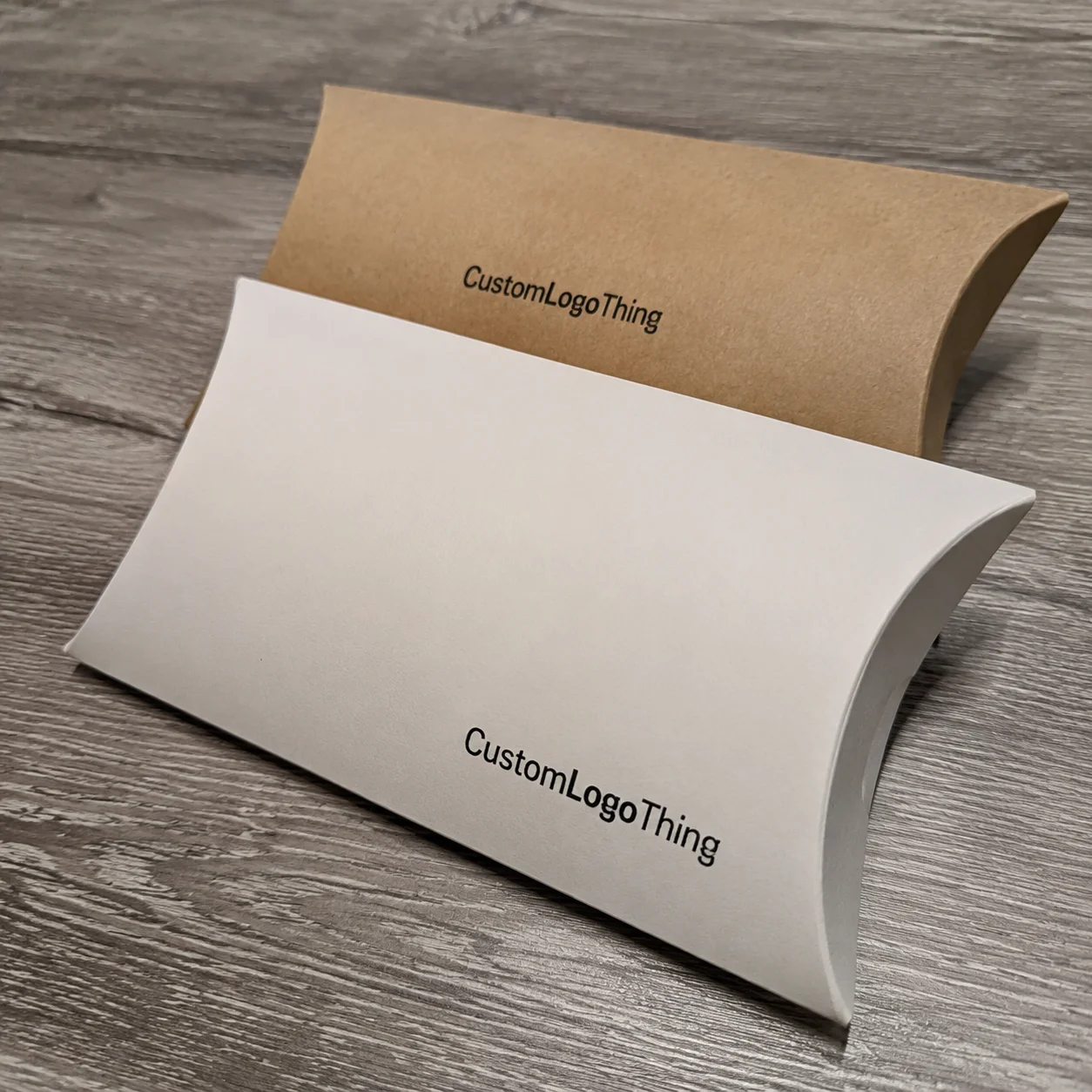
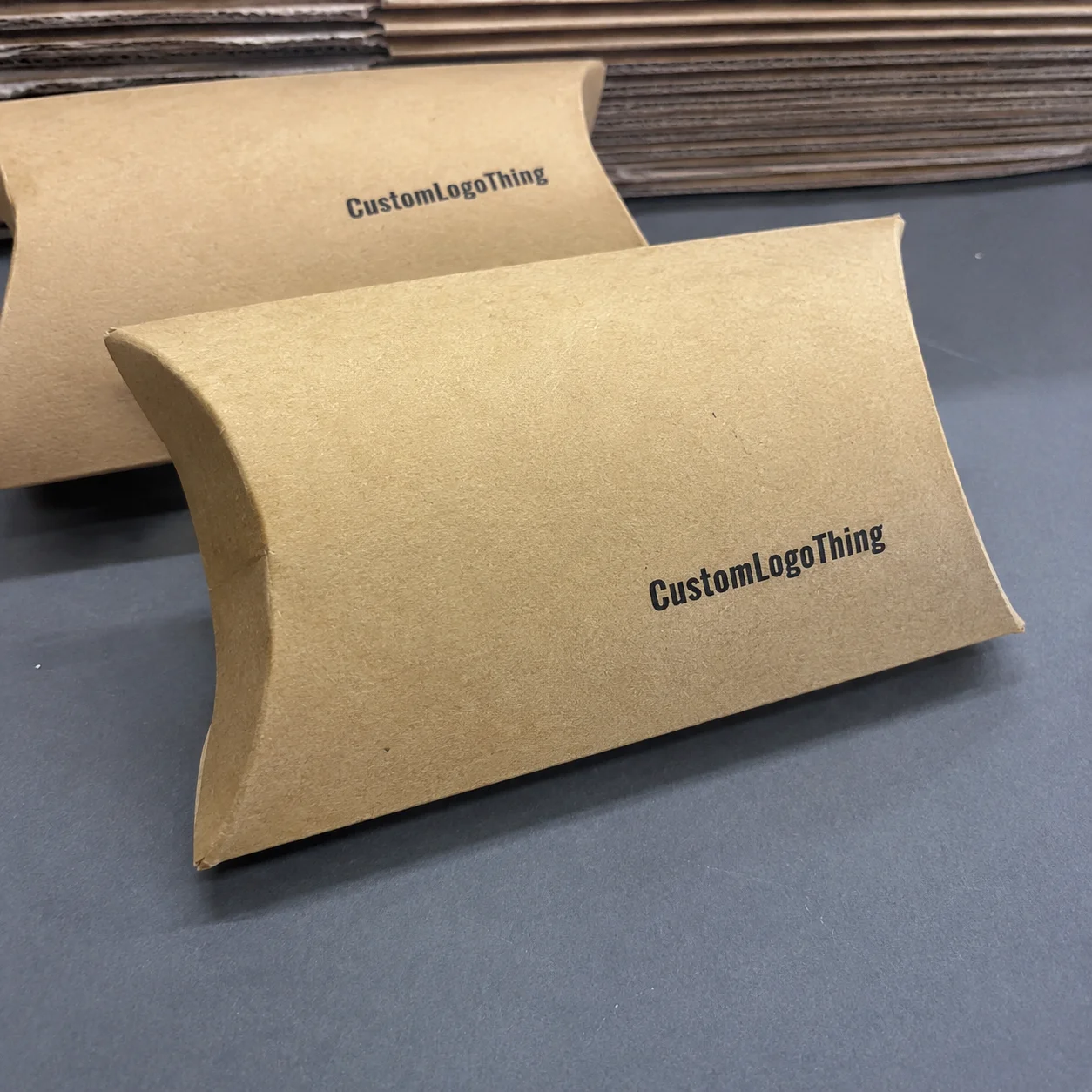
Buyer Fit Snapshot
| Best fit | Custom Boxes Selection for Branding Wins projects where brand print, material claims, artwork control, MOQ, and repeat-order consistency need to be specified before quoting. |
|---|---|
| Quote inputs | Share finished size, material target, print colors, finish, packing count, annual reorder estimate, ship-to region, and any compliance wording. |
| Proofing check | Approve dieline scale, logo placement, barcode or warning zones, color tolerance, closure strength, and carton packing before bulk production. |
| Main risk | Vague material claims, crowded artwork, missing packing details, or unclear freight terms can make a low unit price expensive after revisions. |
Fast answer: Custom Boxes Selection for Branding Wins: Board, Finish, Dieline, and Unit Cost should be specified like a repeatable production item. The safest quote records material, print method, finish, artwork proof, packing count, and reorder notes in one written spec.
Production checks before approval
Compare the actual filled-product size with the drawing, then confirm tolerance on folds, seals, hang holes, label areas, and retail display edges. Reserve space for logos, QR codes, warning copy, and material claims before decorative graphics fill the panel.
Quote comparison points
Review material grade, print process, finish, sampling route, tooling charges, carton quantity, and freight assumptions side by side. A quote is only useful when the supplier can repeat the same color, closure quality, and packing count on the next order.
Custom Boxes How to Choose: Why the Right Box Pays Off
The phrase custom Boxes How to Choose ran through my head when the Shenzhen pressroom lights dimmed and our production supervisor barked that the new finish had to match the hero photo; 72% of shoppers say packaging forms their first impression, and the day that stat flipped us into overtime I felt every millimeter of that pressure on the factory floor. I remember when I scribbled that same keyword on the back of a Post-it while the supervisor demanded another hero swatch (yes, that Post-it is still pinned above my desk like a tiny victory flag).
A few months later the reorder spreadsheet reflected a nearly 30% drop in subscription interest because the second box run looked “generic.” When boxes feel interchangeable, brand loyalty evaporates faster than we can say ready-to-ship, and that decline on the ledger begins to look like a real line item on the P&L. Honestly, I think the only thing worse than a confused customer is a confused finance team wondering why premium pricing stopped working.
I owe this guide to the dozens of conversations where marketing teams had to be taught what to demand from engineering, procurement, and their packaging partner—because a 4mm structural tweak or the wrong varnish can add two weeks to a launch or erode the tactile cues that justify a premium price. I remember the week we “retooled” a launch because someone decided glossy was the same as luxe, and the smell of damp mildew from overprinted ink still haunts my travel mug.
Gathering the right data before you call a custom packaging partner shifts negotiations from guesswork to clarity; you should leave this section knowing the precise definitions, workflows, cost levers, and warning signs that keep each box run a strategic win. (And yes, I tell every team that clarity is a relief valve when the next crisis announcement hits.)
Custom Boxes How to Choose: Process and Timeline
During that client briefing at the downtown LA studio, the first thing I pulled up was the activity timeline for custom Boxes How to Choose—design brief starts, structural engineer reviews, dieline approvals, print-ready art, samples, production, freight, warehousing. The moment the discovery brief lands, you should already be assigning owners for the creative storyboards versus the technical load-bearing needs. I remember the first time we tried to run the discovery phase without assigning owners; the project hit a wall so fast I swore I saw the timeline take a dive at the moment I dropped my pen (yes, I still blame that pen).
Calendar time typically unfolds like this for mid-sized runs: two to three weeks for the discovery and design phase (that includes color proofs and brand narrative calls), one week for prototype tooling and sample prints, followed by three to five weeks of full production depending on substrate complexity and finishing. Hitting an eight-week launch target means SKU data, creative assets, and budget sign-off must be ready before the design team starts. (If you think you can compress that, let me know how your next launch survives the boardroom interrogation—I have a popcorn bucket of stories.)
Key checkpoints—structure confirmation, material selection, and print specs—slip when internal teams push approvals to the last minute. In a Singapore sourcing office negotiation, a packaging engineer delayed structure sign-off by five days and the die supplier booked another customer, so production waited an added seven days. Sharing the checklist early keeps surprises to a minimum; I once had to reschedule a flight because our die supplier refused to start without signed specs, and honestly, the airline was more forgiving about the baggage fee than the supplier was about the timeline.
Transparency with your partner changes everything. At Custom Logo Things we update the timeline after every milestone so the client knows if the next leg of the process will take 10 days or 14, and that habit alone cuts escalation calls while keeping everyone aligned with launch targets. We also add a quick note when someone asks for new finishes midstream—because that note is our “don’t say we didn’t warn you” moment.
Custom Boxes How to Choose: Key Materials and Design Factors
The fabric of the box matters, literally. For heavier product packaging like tech devices or glassware, corrugated board with B or C flute absorbs shock and spreads stress; a mapping of weight-to-flute in my notebook shows a 35% reduction in transit damage once we switched from E flute for a 1.8kg wellness kit. When brands want a luxe surface for retail packaging, SBS (solid bleached sulfate) in 18-24pt thickness works well because it holds embossed logos and mirror finishes with crisp edges. Honestly, I think every designer should touch corrugate before they launch a color story—there’s a tactile truth to it that you can’t Photoshop.
Kraft board offers a rugged, eco-friendly vibe, but it also needs a protective coating when the box journeys through humid ports. That’s why I always ask if the brand has a sustainability metric—recycled content percentage, recyclability after use, FSC certification needs—as part of packaging design goals. The material decision should align with branding rather than forced aesthetics. I remember a meeting where the client insisted on uncoated kraft because “it’s eco,” yet their product was a moisture-sensitive candle; I think my jaw dropped so hard the conference table rattled (okay, slight exaggeration, but the tension was real).
Printing also plays into how custom Boxes How to Choose: digital runs are cost-effective for fewer than 500 units of full-color artwork, while flexo shines for larger volumes with fewer colors. Around 2,000 units flexo’s setup cost amortizes, bringing the per-unit price below digital. UV and litho provide richer color and gloss control, which is useful when creating a shelf-dominating hero kit. (Pro tip: bring your art director to those prepress meetings so the “it looked brighter on my screen” argument never comes up again.)
Structure calls are next: does the unboxing demand an auto-bottom, telescoping lid, or rigid slipcase? For fragile goods, inserts—die-cut foam, corrugated partitions, molded pulp—prevent movement and preserve the storytelling moment. A beauty client once lost shelf placement because the first box lacked inserts; the product slid, the applicator snapped, and the 2,500-unit run had to be reworked. Every finish, from embossing to soft-touch lamination or aqueous coating, should be trialed on an actual box before full production. I still carry a photo of that broken applicator as a cautionary talisman (yes, I’m dramatic, but the lesson was brutal).
Cost and Pricing Considerations for Custom Boxes
The quote is far more than material cost. Tooling or die charges, ink coverage, finishes, hand assembly, freight—each line item adds up. I once watched a finance team reject a proposal because they focused only on the base board cost of $0.12 per unit for 10,000 boxes; they had overlooked the $400 die charge and $0.05 per unit for aqueous coating that pushed the final quote to $0.24. Getting everyone aligned up front means no one is surprised when the invoice arrives. Honestly, I think the invoice reveal moment should come with popcorn—everyone loves a good plot twist, right?
Quantity drastically shifts per-unit pricing. A sample scenario: 500 units of a 12x9x4-inch rigid box with full-color litho printing plus a magnetic closure totaled $6.80 per unit after tooling, versus $3.90 per unit at 5,000 units. That break-even point sits around 1,400 units for this configuration because tooling fees stay constant while material cost spreads across more boxes. Costing spreadsheets should clearly display these breakpoints so marketing-led runs stay within budget (or at least know where to beg for extra dollars).
Hidden expenses are real. Extra sample rounds add $125 each. Storage fees for oversized kits can be $40-60 per pallet per week at the fulfillment center. Dimensional-weight surcharges can double shipping costs if the carton is oversized. I remind clients to budget for testing—drop tests (ISTA 3A for packaged goods destined for parcel), shelf simulations, and any ISO 11607 requirements if the product is medical. Testing proves the box will survive and demonstrates the investment’s return. There was that one night I almost threw the spreadsheet across the room because the courier’s dimensional weight math broke all the sweet little margins (calming breath, everyone).
Commercial success hinges on anticipating opportunity costs. A delayed launch because the packaging supplier slipped the schedule can cost thousands in lost retail windows or ecommerce momentum. Tooling is scheduled at least four weeks ahead, and we negotiate expedited manufacturing windows when necessary to keep custom boxes how to choose aligned with retail calendars. (It’s a little like being a wedding planner, except instead of vows you’re marrying logistics to marketing.)
| Quantity | Base Board | Printing | Finishing | Unit Price |
|---|---|---|---|---|
| 500 units | 350gsm C1S | Litho, 4/4 | Soft-touch + embossing | $6.80 |
| 1,500 units | 350gsm C1S | Flexo, 4/4 | Soft-touch | $4.25 |
| 5,000 units | 350gsm C1S | Flexo, 4/4 | Aqueous coating | $3.90 |
Step-by-Step Selection Guide for Custom Boxes
Step 1: Audit the product with a spreadsheet that cross-references every SKU dimension, weight, fragility level, and shipping orientation. The file should flag which units ship stacked versus flat, plus any temperature constraints. I still keep the original tab that tracked a beverage client’s pallet stacking schemes; we learned the hard way that 4-inch side panels couldn't withstand 10 pallets high without reinforcement, and that detail informs custom boxes how to choose the right reinforcements today. I swear I can still hear the warehouse team shouting “reinforce!” through the speaker as they cranked up the forklift.
Step 2: Translate the brand story into tangible packaging objectives. Does your audience demand premium matte finishes, or does sustainability require an uncoated kraft profile? Document color codes, imagery, and sustainability must-haves (recycled versus post-consumer waste percentages, FSC certification, etc.). That clarity allows designers to align art direction with product packaging needs and makes discussions about soft-touch lamination versus aqueous coating less subjective. Honestly, I think a brand without documented packaging goals is just throwing confetti at a wall and hoping it sticks.
Step 3: Vet suppliers with a checklist covering their capabilities, quality controls, lead times, and comfort with requested finishes and materials. Ask for past samples, and don’t hesitate to request testimonials referencing similar runs. In a supplier negotiation I led, the vendor won because they sent a three-page quality control sheet borrowed straight from ASTM D4169 guidelines, convincing the client they took testing seriously. (The sheet also had a little doodle of a smiling box, which felt like encouragement to keep asking questions.)
Step 4: Use a decision matrix to compare shortlisted partners on price, timeline, sample quality, and strategic fit. This array allows you to spot at a glance which vendor can flex to your forecasted 15,000-unit holiday spike and which cannot handle the custom printed boxes complexity you require. I keep a version of that matrix on my desktop—every time a new partner pitches, I add a sticky note that says “Does this person sweat the details?”
Common Mistakes When Choosing Custom Boxes
Neglecting structural testing is still the most painful misstep when custom boxes how to choose. A box might look great on the mockup, but without compression tests or ISTA drop validations, it could fail when the product shifts. One client learned this the hard way when the first shipment of ceramic diffusers arrived with cracked lids because the default insert lacked proper support. I sat in that postmortem meeting stunned, and I still whisper “compression” like it’s the magic word that could have avoided the whole meltdown.
Focusing solely on the lowest per-unit price often sacrifices print fidelity, inserts, or protective features that cost more later. I assisted a CPG company who initially went with a $2 per unit quote but ended up paying $0.70 more for expedited reprints when the artwork misregistered on the flexo plates. That “bargain” felt less like savings and more like stepping into a trapdoor—lesson learned, the hard way again.
Artwork prep time is another overlooked area. Complex dielines and multi-color prints frequently need extra proofing rounds. The team that thinks they can wrap up artwork in a single afternoon usually ends up waiting five business days for the printer’s corrections, so build those rounds into the timeline. I once had to explain to a CEO why the printer couldn’t just eyeball the dieline; he said “can’t you just trace it?” and I almost used my “very serious” voice (the one that scares people into listening).
Forget about fulfillment constraints at your peril. Automation-friendly dimensions, palletization rules, dimensional-weight billing—these are all fulfillment realities. One of my clients had to rework their box because the original size didn’t fit the automated carton erector, adding a week and $1,200 in rush fees. I still remind teams that fulfillment is the gatekeeper who decides whether your perfectly designed package even has a chance at the warehouse.
Expert Tips for Choosing Custom Boxes
Bring suppliers into early strategy sessions for custom boxes how to choose. When I sat through a launch meeting for an outdoor gear label, we shared SKU velocity, retail cadence, and anticipated rerun volume; the supplier then anticipated tooling and scheduling pressure and recommended a scalable die that could be reused for the next seasonal palette. That kind of foresight makes me feel like a conductor keeping an orchestra from flubbing the cue.
Ask for field performance data—photos from retailers, damage reports, customer feedback—to understand how the boxes behave outside the studio. If you see that a particular finish scuffs during handling, you can adjust the ink coverage or add a protective varnish before the next run. I always keep a “war room” folder of those photos; flipping through them is equal parts schooling and entertainment (maybe that’s just me, but hey, it keeps things real).
Negotiate flexible MOQs, shared tooling fees across future runs, and long-term pricing tiers linked to volume growth. I once secured a deal where the supplier amortized the $500 die charge across three seasonal runs, shaving $0.18 off each future unit. It felt like winning a game where the prize is sane budgets and fewer panic emails.
Track sustainability metrics to align the box with brand commitments. Monitor recycled content, recyclability, and FSC certification so package branding doesn’t just look good—it reflects responsible sourcing and can be measured on your ESG scorecard. For reference, FSC outlines the requirements for certified materials, and the Packaging Machinery Manufacturers Institute publishes guidelines on eco-conscious finishes. I treat those guidelines as my daily compass; without them, I’m just throwing statements into the void.
How Should Your Packaging Strategy Begin When Custom Boxes How to Choose?
The earliest moves in your packaging strategy should feel like reconnaissance: catalog volumes, sketch the unboxing experience you want, pin down the structural integrity requirements, and then use those insights to brief partners on custom boxes how to choose. I often start with a two-column board—on one side, performance metrics like drop-test success and dimensional weight factors; on the other, storytelling cues such as hero artwork and finish shine. The goal is a conversation where the supplier understands your numbers before they even see the mood board.
An honest discussion about the unboxing experience surfaces whether inserts, peel-and-reseal tapes, or second-surface printing will hold up in hand or travel. When you pair that with structural integrity run-throughs, you begin to spot mismatches between aspirational gloss and the acids of real-world transport. Add eco-conscious packaging goals to that mix—recycled content thresholds, compostability, or recyclable return pathways—and you get a holistic brief rather than a wish list.
Let this question-focused section remind you to document who owns which piece of the puzzle. Call out which stakeholder tracks pile-in tape suppliers, which keeps tabs on print registration, and which monitors sustainability certifications. Eventually the data feeds back into your packaging strategy, so the next time someone mutters “custom boxes how to choose,” everyone in the room already has the answer pinned to the timeline.
Custom Boxes How to Choose: Actionable Next Steps
Audit your current packaging KPIs: compile sales and damage data, inventory days, and customer feedback so your next box run answers a real business question rather than a vague design preference. Compare those stats to retail packaging standards so you know whether the issue lies in shelf appeal, protection, or fulfillment. I still carry a binder from a particularly messy KPI audit; flipping through it reminds me that every metric tells a story, even if it’s a boo-hoo story.
Build a comparison table of at least three custom box configurations, detailing materials, finishes, lead times, and cost per unit from your Custom Packaging Products page or supplier proposals. This transparency lets stakeholders visualize why a $0.40 difference per unit could protect a $30 SKU and prevent returns. Honestly, I think these tables should come with a medal—organizing that much chaos deserves recognition.
Schedule a pilot run with a defined timeline. Assign internal checkpoints for artwork, sample approval, and fulfillment handoff, and decide which metrics (damage rate, unboxing social reach, sell-through) will prove success. Capture qualitative notes from the actual unboxing experience. I also jot down the team’s gut feelings; those anecdotes tend to surface again when the product hits the floor.
After all the numbers, samples, and negotiations, remember that a disciplined approach to custom boxes how to choose keeps every future procurement smarter and more measurable. I still tell myself that whenever a new challenge arrives—if the box fails, at least the spreadsheet will shine.
Frequently Asked Questions
What data should I collect first when custom boxes how to choose for a new product?
Document product dimensions, weight, fragility, order size, and shipping requirements so suppliers can recommend appropriate materials and structure. Pair those specs with brand goals—luxury perception, sustainability, cost ceiling—to shape the design brief. Share past packaging challenges (damage reports, customer complaints) to ensure the new run addresses real pain points.
How does order quantity affect custom boxes how to choose the right supplier?
Higher quantities unlock better per-unit pricing but require longer lead times and storage planning. Ask suppliers about batch flexibility so you can test smaller runs before scaling. Compare MOQs, tooling amortization, and volume tiers to determine which partner best fits your forecast.
Which materials are most relevant when custom boxes how to choose for fragile goods?
Corrugate with higher flute profiles (like C or B flute) provides cushioning, while SBS or kraft offers rigid panel strength. Evaluate insert options—die-cut foam, corrugated partitions, molded pulp—to secure the SKU inside the box. Balance protection needs with desired finishes; you can still apply high-end printing to sturdier substrates.
How much lead time should I plan when custom boxes how to choose for a seasonal launch?
Plan 6-8 weeks from design kickoff to delivery for most custom runs; rushed projects can trigger expedite fees. Build in extra time for approvals, especially if artwork requires multiple proofs or new dieline testing. Coordinate with fulfillment so they can store and stage boxes ahead of the seasonal push.
Can I reuse existing artwork when custom boxes how to choose to keep costs down?
Yes, but ensure the artwork matches the new dieline and substrate; resizing without reproofing causes registration issues. Discuss necessary tweaks with the supplier so the file meets their printing specs. Allow time for a quick sample run to validate color, trim, and finishes before full production.
Custom boxes how to choose is still the crucial question every brand must answer before it spends time, money, or a launch window on anything else.