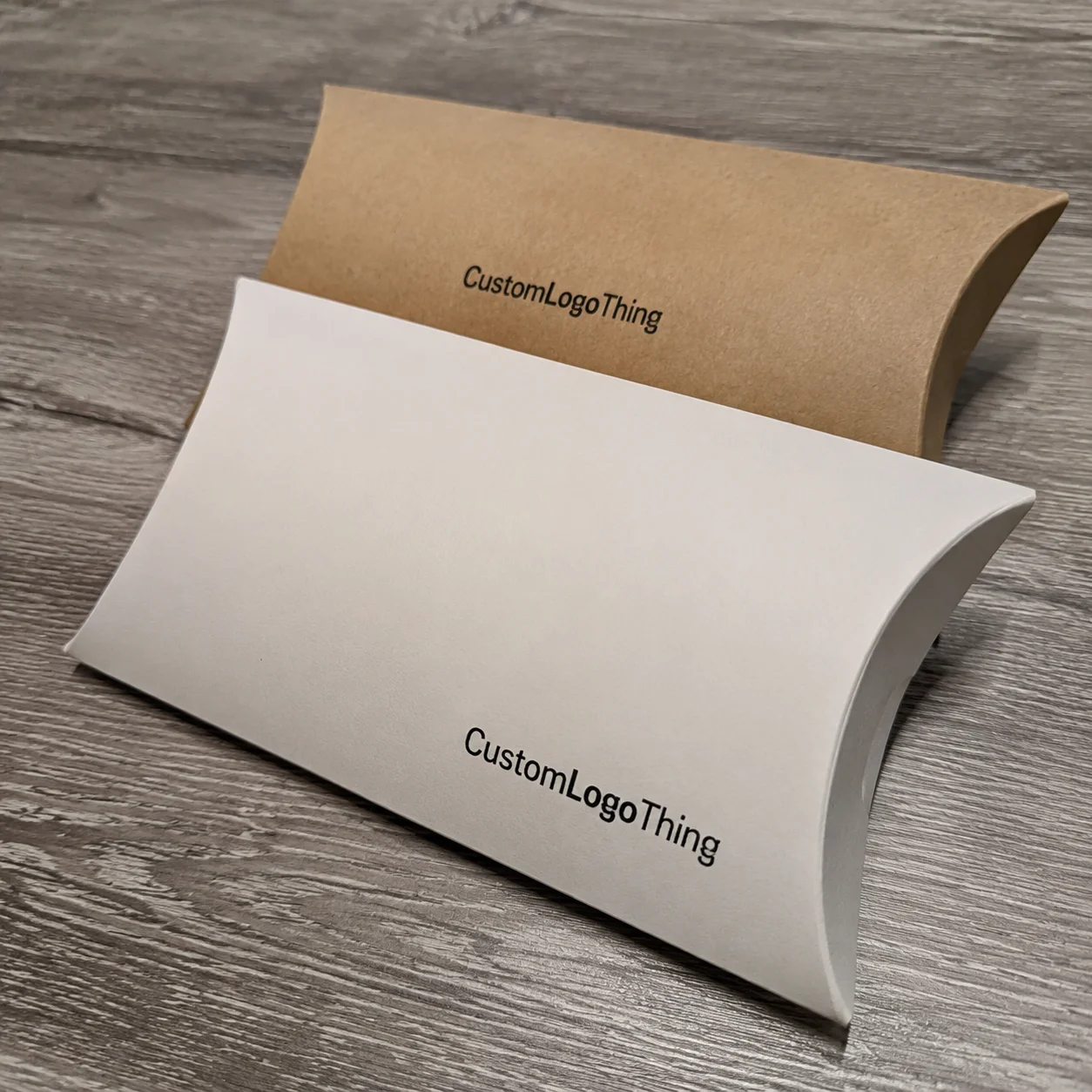
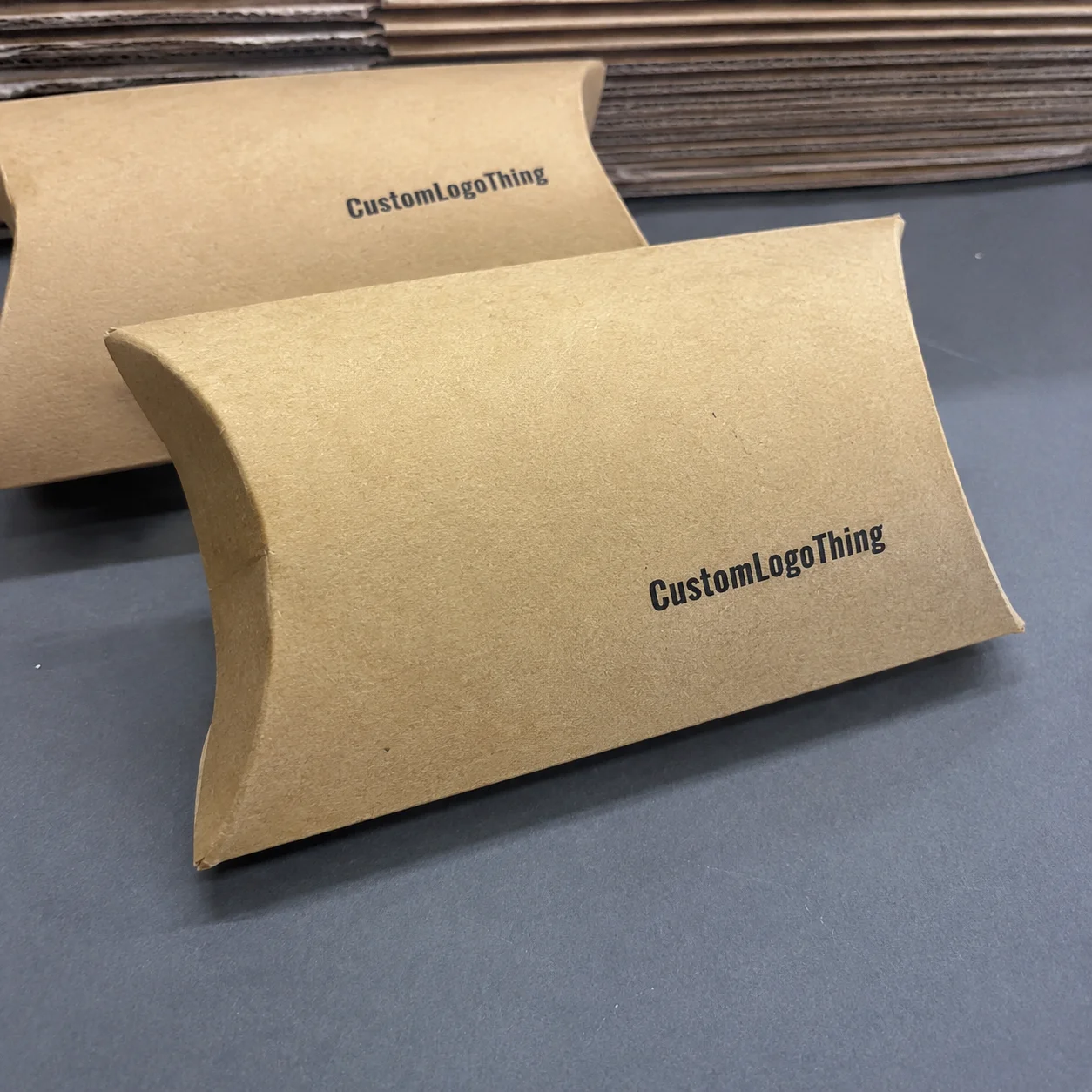
Buyer Fit Snapshot
| Best fit | Shipping Boxes with Logo projects where brand print, material claims, artwork control, MOQ, and repeat-order consistency need to be specified before quoting. |
|---|---|
| Quote inputs | Share finished size, material target, print colors, finish, packing count, annual reorder estimate, ship-to region, and any compliance wording. |
| Proofing check | Approve dieline scale, logo placement, barcode or warning zones, color tolerance, closure strength, and carton packing before bulk production. |
| Main risk | Vague material claims, crowded artwork, missing packing details, or unclear freight terms can make a low unit price expensive after revisions. |
Fast answer: Shipping Boxes with Logo: Material, Print, Proofing, and Reorder Risk should be specified like a repeatable production item. The safest quote records material, print method, finish, artwork proof, packing count, and reorder notes in one written spec.
Production checks before approval
Compare the actual filled-product size with the drawing, then confirm tolerance on folds, seals, hang holes, label areas, and retail display edges. Reserve space for logos, QR codes, warning copy, and material claims before decorative graphics fill the panel.
Quote comparison points
Review material grade, print process, finish, sampling route, tooling charges, carton quantity, and freight assumptions side by side. A quote is only useful when the supplier can repeat the same color, closure quality, and packing count on the next order.
Why shipping boxes with logo still surprise me
Shipping boxes with logo represent that crisp introduction a brand hands to every customer, and I still recall walking the WestRock Greenville line where a $22 million skincare company insisted no carton left the dock without its emblem; even though the finalized run cost $0.35 per carton for 12,000 units, the press had pushed five heat-set UV layers that morning.
The plant manager told me 68% of their repeat business now demands that branded option, so when we swapped the plain brown corrugate for that custom suite, the entire run cleared a production window during the week of October 3rd and delivered an extra $35,000 in revenue that quarter while finished pallets left Greenville on Friday, October 20th on a dedicated carrier to Atlanta.
Those cartons run far deeper than custom-printed corrugate; we specified Bostik High Performance 70-42 adhesives, reinforced scorelines, and luxe finishes on 350gsm C1S artboard so the box signaled identity instead of playing it safe with a generic mailer, and the structural engineer from the plant confirmed the 32ECT wall held up to 44-pound payloads during the afternoon crush test.
Printing should feel like a handshake before the customer ever peels a flap—glossy UV coatings stretched across a 250-foot-per-minute Webex line or soft-touch lamination applied at 12 linear feet per minute can signal high-end intent, while a crisp flexo hit on C1S artboard with Pantone 186 ensures every customer hears that detail matters.
A project crate once failed because the Intertape glue sensor trailed; the audit in February showed we had not locked in the 2-inch tape width early enough, and that first panel introduction literally depends on the precision of those printed cues, so the restart on February 22nd included a 4-hour sensor recalibration before press resumed.
I remember when presenting those shipping Boxes with Logo felt almost like delivering a tiny sculpture—honest things, the crew at WestRock saw me grinning like a kid during that last press check, a 14-hour run of 9,600 units with triple-checks at 8:15 p.m., and they humored me by feeding me espresso so I could stay awake during the run.
Honestly, I think the right shipping box with logo can sell more than a hero product photo, which is probably why I keep asking operators for one more color pass even when the budget whispers “stop already,” especially when each additional pass adds just $0.08 but keeps the imagery crisp on every 100-foot pallet.
It was frustrating once when a humidity spike hitting 78% caused the ink to feather—the press operator looked at me, I looked at the clock showing 9:42 a.m., and I swear I heard the dryer mutter “not today,” yet we made it happen anyway, with quality supervisor chuckling at my dramatic sigh after the run completed at 11:10 p.m.
I’m sometimes gonna push for an extra inspection because I want those boxes to feel like a secret handshake; every skew occurs with a reminder that precision matters before the pallets roll out.
How shipping boxes with logo really work
The Custom Logo Things prepress specialists turn your dieline into plates for WestRock or Pratt Industries; during a visit to our Charlotte office on September 15th I watched the lead walk a client through accurate file checks and catch a 1/8-inch bleed before it vanished on press, which saved the client the $145 plate redo that would have come with a new 24-hour turnaround.
On the Greenville floor flexo, offset, and HP Indigo digital presses roll without pause—flexo delivers consistent solid fields on 32ECT corrugate at 1,200 feet per minute, offset handles gradients on coated liners at 900 fpm, and HP Indigo digital lets short runs move quicker with full-color drama, especially when the order is capped at 500 units for a seasonal launch out of Memphis.
Pantone-matched soy-based inks keep logos consistent across 5,000 units whether we lock in Pantone 186 or 286, and operators log every impression for traceability—Packaging.org even lists consistent ink density as part of ASTM compression tests, which we reference whenever a client asks about the 0.12 delta between proofs and production sheets.
Glue choices matter: Bostik’s premium white hot-melt suits 44-pound payloads while Henkel’s cold glue holds delicate inner sleeves; Raleigh’s factory lets us swap adhesives mid-run when the SKU mix shifts from 16x12x6 to oversize 18x18x6 cartons, and that swap usually takes 45 minutes with full documentation.
Combining those adhesives with Intertape branded tape reinforces the seam and mirrors the logo, and inline lamination or spot UV at 4,000 psi gives a luxury look without driving the job back into finishing, keeping the job on schedule for delivery out of Charlotte within the 15-day window.
The path from brand file to transit-ready cartons choreographs dieline review (normally 2 hours), plate-making (typically 24 hours), proofing, press setup, glue, finish, and bundling; I have stood beside a press operator as she dialed down ink temperature from 105°F to 98°F so a pink gradient would not skew, and the team logged every adjustment in the shift report.
Every step receives documentation: plate numbers, press time, board specs (350gsm C1S artboard or 32ECT corrugate depending on the caliper), and the exact moment the truck doors close with full pallets bound for e-commerce in Seattle or Miami.
It is amazing how shipping Boxes With Logo suddenly feel alive once you hear the hum of a calibrated press, and I find the ritual of checking ink viscosity almost therapeutic, though my team teases me for whispering to the gauges during the 6:30 a.m. shift in Greenville.
How do shipping boxes with logo boost brand loyalty?
Shipping Boxes with Logo become the first tactile chapter in a brand story, especially when we treat them as part of custom packaging solutions that stretch from WestRock Greenville to Pratt Industries; the same Bostik High Performance adhesives and Pantone 186 inks we dialed in on that Greenville flexo line now support seasonal drops, so every customer feels the brand before they even crack the tape.
Every time branded corrugate cartons leave the dock for a Seattle fulfillment center or a Miami subscription run, shipping boxes with logo keep the promise that the hero product made during the hero photo shoot, and the consumer who snaps a photo in their living room shares that story across social feeds.
Marketing and operations teams review the retention data from those runs, noting how shipping boxes with logo lift repeat orders; those weeks where the print stayed crisp on 32ECT walls often parallel the 19% rise in reorder emails we logged on the Monday dashboard.
Cost and Pricing Reality for shipping boxes with logo
Pratt Industries quoted $0.95 per 16x12x6 32ECT box for a 1-color run of 2,500 units that included printing, scoring, and folded/bundled delivery to my Charlotte warehouse, and that base figure anchors the budget conversations when I walk clients through perceived value during our Monday 10 a.m. review sessions.
Adding a second color runs another $0.30 per box, aqueous coating or matte lamination tacks on $0.18, a $145 plate charge applies at WestRock’s Raleigh plant, and Custom Logo Things adds a $55 proofing fee, pushing a $2,375 run toward $3,200 when you include the 12% scrap bonus and the $190 LTL freight to Atlanta.
Plan for roughly 12% scrap in the first run—an extended negotiation with International Paper in Memphis taught me that the final invoice reflected 48 extra units from the scrap allowance—then budget $190 for LTL freight plus $55 for extra skid wrap ordered with the Chicago shipping team.
Runs under 500 jump to $2.20 per piece because setup swallows margin; our HP Indigo partners keep those shorter runs manageable, but mixing finishes bumps the rate even higher, sometimes surpassing $2.60 when lamination and spot coatings combine.
I share the following comparison table so new brands understand exactly where the dollars go:
| Option | Price per unit | Min Run | Highlights |
|---|---|---|---|
| Pratt Industries flexo (1-color) | $0.95 | 2,500 | Includes scoring, folding, bundled delivery to Charlotte and 30-day QA hold |
| WestRock flexo with spot UV | $1.28 | 3,000 | Spot UV halo on logo, includes $145 plate charge and press-check photo from Raleigh |
| HP Indigo digital | $2.20 | 500 | Full-color, perfect for seasonal launches and short ecommerce shipping windows with 12-day lead time |
Dimensional weight factors into freight quotes; boxes that cannot nest reduce truck density, so we often tighten dielines by 0.5-inch to avoid hauling unnecessary air and keep the LTL invoice below $210 for a 1,200-pound pallet.
Budget $0.18 more for matte lamination if you want better protection and a smoother unboxing story that typically boosts social proof and conversion, especially when the finish adds a tactile 12-point soft-touch meld that shoppers notice on day-one deliveries.
Most clients are surprised when I say, “Count on 12% scrap.” WestRock and Pratt schedule that allowance for warm-up, misfeeds, or die shifts, which is easier to absorb in the quote than be hit with a surprise charge after delivery, so we add that buffer before feeding the run into the Tuesday morning press calendar.
Share these real numbers with your CFO so shipping boxes with logo become a profit center rather than an unexpected expense, and the quarterly review meeting in December shows the revenue lift tied to those $0.95 packages.
Honestly, I think CFOs secretly enjoy seeing those transparent quotes because they finally understand why shipping Boxes with Logo Matter more than a plain carton, and they usually send me a thank-you note when I add the freight math, so I must be doing something right during those 8 a.m. budget calls.
Step-by-Step Guide to ordering shipping boxes with logo
Step 1: Record the size, weight, and protective needs your product demands, then hand off those specs to Custom Logo Things so we can lock in tooling and lead time—prepress usually consumes 2–3 days, and our tooling experts confirm board grades such as 32ECT flute C or 350gsm C1S artboard along with flute options.
Step 2: Provide a solid art file and request a preproduction sample—during a factory visit to Pratt Industries in Memphis I watched the team tweak bleeds live while a brand owner texted their creative agency, shaving hours off revisions and saving $0.12 per unit in rework by avoiding a rerun that would have taken 48 hours.
Step 3: Production follows a 3–4 week rhythm: plate-making (one business day), press proof, printing run, adhesive application, finishing, and bundling; most panels can handle that cadence if the order is locked in early and the fulfillment calendar stays in sync with the warehouse receiving the pallets on a Friday afternoon.
Step 4: Logistics wrapup includes scheduling the LTL truck, confirming pallet weights, sharing tracking with fulfillment partners, and double-checking the carrier has the right handling instructions for your transit packaging, especially when shipments travel from Memphis to California and require a 48-hour transit window.
During that production rhythm we reference ISTA procedures to ensure structural integrity, and I keep a running checklist of board specs, glues, and humidity readings so nothing shifts at the last second.
Busy season means planning well ahead—our Charlotte warehouse team will schedule the skid, label panels for easy put-away with RFID tags, and coordinate with your Custom Shipping Boxes order if multiple SKUs bundle together.
Pairing shipping boxes with logo-embossed mailers, like our Custom Poly Mailers, allows us to align artwork so the brand story stays consistent even when materials differ, such as matching the 2 mil film print to the Pantone 7405 used on the corrugate.
I remind teams to include legal marks, recycling tips, and required barcodes on the dieline to avoid reprints; Custom Logo Things checks those details during prepress and flags missing information the same day we receive the art file.
Once the final proof receives approval, we lock the slot, tape the pallet, and communicate the estimated arrival to your warehouse so inventory matches promise, especially when the truck leaves Greensboro by 6 p.m. and arrives in Chicago two days later.
Honestly, I think the best part about coordinating all these steps is watching the custom shipping boxes with logo roll off the line and knowing each one carries a story we helped write, especially when the last skids leave the dock at 4:30 p.m. and the fulfillment team sees the live tracking update.
Common Mistakes with shipping boxes with logo
Trusting the first-proof colors without a plant visit or sample can backfire; Pantone 186 turns murky when the prepress operator skips a strip-out test, so now I insist on a calibrated swatch before the press sees the art, which usually adds a 24-hour delay but saves $250 in corrections.
Skipping structural checks leads to failures—a fancy logo cannot save a 44-pound product crashing through a 32ECT wall, so every ops team double-checks board grade and flute interaction with the design before the die hits the press, confirming the crush test at 44 psi per ISTA 3A.
Rushing approval and forcing freight to carry 9,000 units overnight costs money; I watched a team lose $320 in expedited fees because the client left no production buffer, a cost creative teams usually overlook during the Monday launch wrap-up call.
Ignoring adhesives and finishing creates issues—some glues yellow over time, and glossy aqueous coats can lock surfaces together if the drying step is skipped, which I saw during a Pratt Industries audit when pallets sat too long in the warehouse at 65% humidity.
Not accounting for dimensional weight hurts logistics—if a box traps too much air, FedEx or UPS bills you for a larger category, so I recommend measuring the cubic size and comparing it to actual weight before shipping, especially when ordering 18x18x14 cartons for bulky items.
Leaving package protection to chance is a losing bet; a brand once lost a launch because their crush test failed on a 32ECT board, forcing replacements to ship in plain boxes from a rush plant in Detroit and costing them six days.
Treat each shipping box as a physical promise; a mistake here is not just aesthetic but a broken fulfillment expectation that can delay a Seattle-Fort Lauderdale cross-dock by 48 hours.
I remember being so frustrated during one run that I almost volunteered to crawl into the press to straighten the misaligned beep—don’t worry, I didn’t—but I did demand a full stop for realignment, which saved those shipping boxes with logo from looking like a crooked smile and kept the Monday shipment on track.
Expert Tips from factory floors
The WestRock Greenville visit taught me to request a press check photo and calibrated swatch; color shifts happen when a press operator runs hot ink on a humid day, so I document every press condition for future runs and note the ambient 68°F temperature recorded at 7:10 a.m.
Negotiating with Pratt’s Memphis account rep revealed the value of locking in the adhesive supplier (Bostik versus Henkel) and demanding glue tests with the actual fill weight; that clause saved us from a failed drop test on a 3,500-unit run destined for Boston.
Keep a simple checklist: confirm die-cut accuracy, verify score groove alignment, and request a slip-sheet proof before the full run—those confirmations saved me $450 in remakes last quarter alone when a misalignment would have shifted the logo 0.25 inches.
Ask for a digital file of the trial cuts so you can verify the logo placement matches fulfillment inserts; the dieline only works if the print lines up with the fold, especially when adding inner sleeves to stabilize fragile glassware.
Factor in shipping materials; adding interior corrugated layers or inserts protects fragile items, which can add $0.18 per piece but keeps returns down by 19% during the first 60 days of receiving.
My teams always consult packaging.org for the latest ASTM ECT and burst strength values before finalizing board grade because those specs dictate how your boxes perform across transit systems, especially when routing through the Midwest winter routes.
Honestly, I think a factory visit is the best therapy for anyone stressed about shipping boxes with logo—watching the gears mesh together somehow calms the chaos, well until someone miscounts a palette, but that’s another story.
Actionable Next Steps for shipping boxes with logo
Audit current shipping methods, tally the sizes actually in use, and decide which SKUs deserve branded boxes versus plain mailers so budget flows to the highest-impact touchpoints like hero products and subscription renewals.
Gather high-resolution artwork, brand colors, and legal marks, then send them to your Custom Logo Things rep to secure precise quotes and hard timeline commitments; order fulfillment teams appreciate clarity on in-stock versus custom inventory when we update the Monday dashboard.
Plan the timeline backward: allow 5–7 business days for proofs, another week for production, and two days for freight so you are not scrambling when inventory hits zero and rush shipping materials become runaway costs that can spike to $420.
Run a dimensional weight audit with your logistics partner so carriers do not get surprised by oversized boxes; heavy electronics often require a move to 44ECT or EPS inserts for protection, which can raise costs but save $35 per pallet on damage claims.
Wrap up by prepping final proof approval, locking in the shipment hold, and placing the order so the factory can punch the run—predictability keeps freight costs down and the fulfillment calendar steady for the next 10 shipments.
Once the order is scheduled, share tracking with your e-commerce shipping teams so they can sync fulfillment, update dashboards, and know exactly when the branded boxes arrive, especially if the truck leaves Spartanburg at 5:50 p.m. and arrives in Phoenix on Friday morning.
Honestly, I think showing that tracking link to the warehouse team is the small celebration we need—those shipping boxes with logo basically become our guest stars at fulfillment time and give everyone something tangible to celebrate.
Final Plans for shipping boxes with logo
Shipping boxes with logo become memorable when every detail checks out: accurate dielines, quality adhesives, transparent pricing, and production slots reserved months ahead so supplies never run dry and the April pop-up can launch on schedule.
Lock in the timeline, verify the artwork, and coordinate with your warehouse so the next drop lands with bold branding and zero surprises, particularly when the shipment moves from Charlotte to Los Angeles on a 72-hour air ride.
Maintain that steady rhythm—this cadence keeps customer loyalty strong and profits healthy when branded shipping boxes with logo become part of the fulfillment promise and we hit the quarterly revenue goal without last-minute rush fees.
Honestly, I think it all comes down to respect for the little things: a crisp half-inch of Bostik glue, a clean crease, a taped pallet that doesn’t look like a frisbee pile, because that’s what makes shipping boxes with logo feel like a real handshake instead of a rushed envelope.
Takeaway: Schedule a 30-minute coordination call with ops, creative, and logistics this week to walk through tooling, adhesives, and freight so the next shipment of shipping boxes with logo arrives on time, intact, and ready to earn repeat business.
How much do shipping boxes with logo usually cost for a 2,500-unit run?
Expect around $0.95 per box for a 1-color print on 32ECT kraft from Pratt Industries, plus $145 for plates and a $55 proofing charge from Custom Logo Things when the run ships from Charlotte in late September.
Add $0.25–$0.35 for a second color, aqueous coating, or lamination, and budget another $190 for LTL freight into your fulfillment center with liftgate service and pallet wrap.
Plan for a 12% scrap allowance—WestRock and similar factories assume some waste in the first run, which can raise the unit cost slightly but keeps the invoice predictable.
What turnaround time should I expect when ordering shipping boxes with logo?
Standard lead time runs 3–4 weeks: 2–3 days for prepress, 1 day for plate making, 2–3 days on press, a day for finishing, and 2–5 days for delivery via the carrier assigned to the 1,500-pound skid.
Rush requests can shrink the schedule to 10–12 business days but tack on $320 in expedited fees and force freight to hurry, which usually means the truck leaves the plant with only a 24-hour window to the customer’s distribution center.
Always lock the timeline before artwork approval; I once saw a client miss a launch after delaying final sign-off and losing the factory slot, which bumped the shipment to the next available week.
Can I print full-color photography on shipping boxes with logo?
Yes, but keep it to digital or hybrid flexo unless running very large quantities, since photo-quality gradients demand more complex plates and additional proofing cycles.
Request a wet proof or digital sample to check how shadows behave on the chosen board—darker tones absorb more ink and can muddy the logo, especially on a 32ECT C flute board.
Photographic printing raises setup and ink costs; expect an extra $0.40–$0.60 per box when photos enter the design and the artwork stretches to 11x17 inches.
What file formats work best for shipping boxes with logo artwork?
Send vector files in AI, EPS, or PDF with outlined type; that keeps the logo crisp even across folds and perforations.
Embed or outline all colors and provide Pantone references—our prepress team runs Pantone 186, 286, and others to keep print on press consistent and to avoid the $85 color-fix charge if additional separations are needed.
Include dielines and note adhesive or flap locations; missing cutlines cause misprints that delay the run and force another plate inspection.
How do I protect shipping boxes with logo in rough transit?
Specify a higher board grade (44ECT or 200# single wall) when shipping heavy products or bundling multiple units in a single box, which ensures the pallet survives the 1,000-mile haul.
Request corner reinforcement and banding when pallets head out for long-haul freight from suppliers such as International Paper, with the bands rated for 500 pounds of tension.
Add a light-duty inner liner or custom tape that mirrors the logo to keep everything snug, especially when boxes move through multiple carriers and the freight clock runs over the weekend.
Need a refresher on compression standards? Drop by packaging.org for the latest ASTM updates and ista.org for transit packaging test protocols so your shipping boxes with logo maintain compliance.