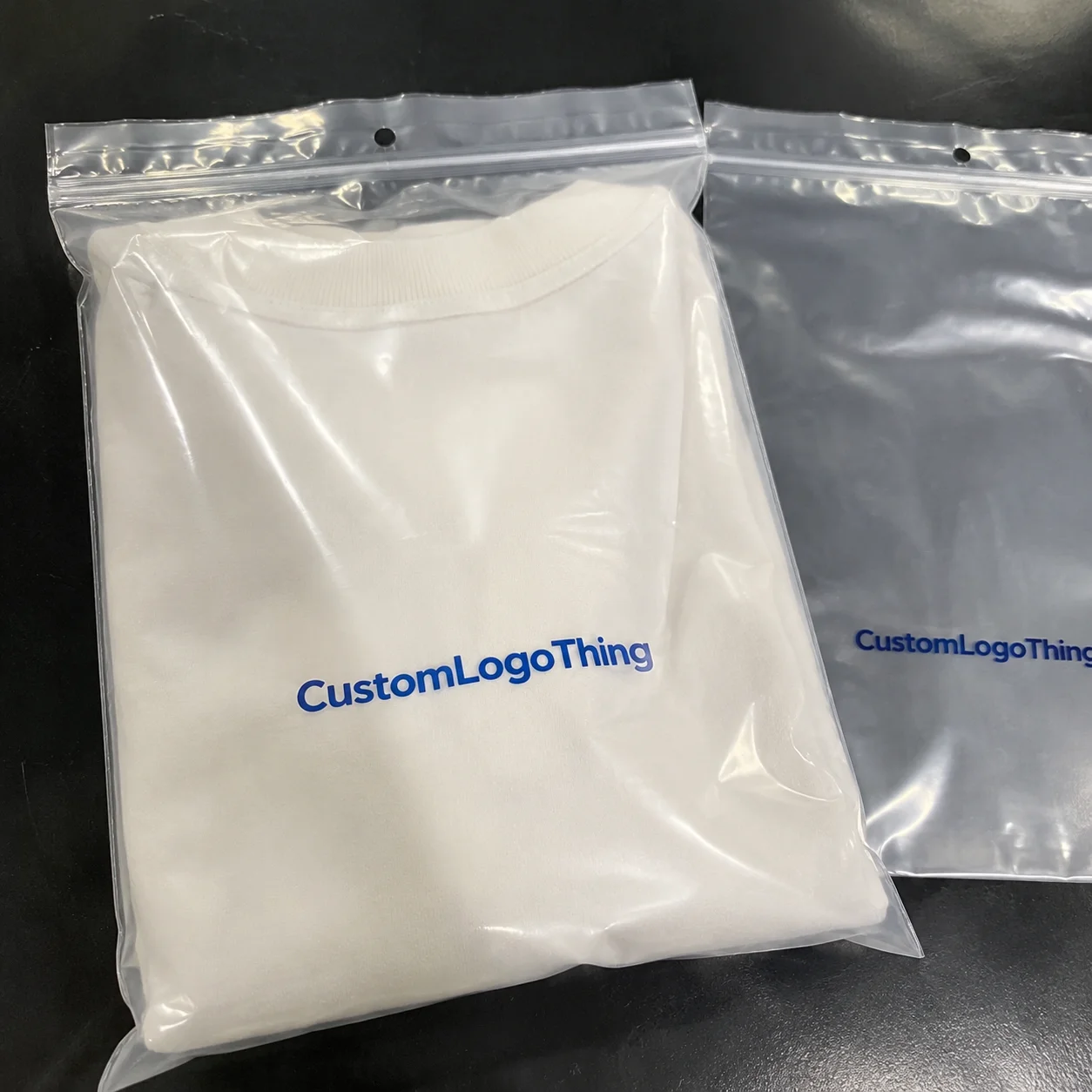
Buyer Fit Snapshot
| Best fit | Shipping Supplies Design for Packing projects where brand print, material claims, artwork control, MOQ, and repeat-order consistency need to be specified before quoting. |
|---|---|
| Quote inputs | Share finished size, material target, print colors, finish, packing count, annual reorder estimate, ship-to region, and any compliance wording. |
| Proofing check | Approve dieline scale, logo placement, barcode or warning zones, color tolerance, closure strength, and carton packing before bulk production. |
| Main risk | Vague material claims, crowded artwork, missing packing details, or unclear freight terms can make a low unit price expensive after revisions. |
Fast answer: Shipping Supplies Design for Packing: Material, Print, Proofing, and Reorder Risk should be specified like a repeatable production item. The safest quote records material, print method, finish, artwork proof, packing count, and reorder notes in one written spec.
Production checks before approval
Compare the actual filled-product size with the drawing, then confirm tolerance on folds, seals, hang holes, label areas, and retail display edges. Reserve space for logos, QR codes, warning copy, and material claims before decorative graphics fill the panel.
Quote comparison points
Review material grade, print process, finish, sampling route, tooling charges, carton quantity, and freight assumptions side by side. A quote is only useful when the supplier can repeat the same color, closure quality, and packing count on the next order.
The moment I stepped onto the Custom Logo Things Savannah plant floor, shipping supplies design tips felt less like theory and more like oxygen; the guy in charge of the microflute stacker waved me over, joking that the right pallet insert—made in the on-house die shop at $0.15 per unit for a run of 5,000 pieces, typically delivered 12-15 business days after proof approval—could mean the difference between a customer-celebrated unboxing and a freight-claim headache. As I toured the corrugate hive along the dock, listening to the rumble of the folder-gluer and the ping of sensors on the case erector, I realized shipping supplies design tips were the thread tying order fulfillment, ecommerce shipping, and brand promise together. Operations supervisor Maria pulled up the spreadsheet for the recent spring run and pointed out that we were already measuring damage rates down to tenths of a percent—proof that even small tweaks in shipping supplies design tips change the calculus of a busy fulfillment day. The crew kept circling back to how adjusting a pallet column tenon from 0.25 inch to 0.35 inch had taken weeks out of their rework schedule, illustrating how detailed decisions echo beyond the die-cutter.
That first paragraph is also part of a broader mission to turn every shipping materials moment into a teachable one. I’m Marcus Rivera, and for over two decades I’ve watched everything from double-wall die-cut trays go from CAD pencils to moving off the dock at the Raleigh converting center, where 140-case loads hit the 2 p.m. outbound checkpoint every Thursday like clockwork. This piece isn’t a glossy pitch; it is a utility belt of shipping supplies design tips that can lower damage rates, guide material choices, and keep timelines predictable for your fulfillment teams. Along the way I document the experiments, the human feedback, and the sensors that clock cycle times so those lessons stay accessible beyond the shifts they were learned in.
Honestly, I think the crunch from that first redesign still echoes whenever Savannah's folder-gluer hums; I remember the day we reran the sensor logging for exactly 180 minutes because the glue seam insisted it was shy, and by hour three I joked that we should install a mood ring on the press (yes, even the sensors seem to have moods) just to keep the crew sane. The way those shipping supplies design tips stitched themselves into the plant culture makes me feel like a proud parent and an exhausted coach at once—maybe that’s why I keep scribbling feedback on the same yellow legal pad that’s somehow survived every shift change.
What makes shipping supplies design tips essential for every load?
We begin with packaging optimization techniques because the first question is always, “What are we really protecting?” The answer becomes the frame for shipping supplies design tips, whether we’re shading the dieline to mirror a 32-inch pallet or dialing in the flute profiles that guard sensitive electronics. At Savannah we list every potential hazard—warehousing humidity swings, courier drop heights, even the crush of an unpalletized skid touching down in a regional depot—and the phrase “shipping supplies design tips” guides how we stack materials, adhesives, and assembly steps into a single, repeatable protection story.
A clear transportation packaging strategy keeps that story from slipping into chaos when the trucks roll in. We marry those plans with corrugated packaging design that accounts for not only structural strength but also how the load will behave under a long-haul trailer’s sway. When the planner writes “use honeycomb liners for lateral support” and the engineer replies with a CAD sketch that quantifies the compression, everyone hears the same language and the next outbound piece moves without a hitch.
Why Shipping Supplies Design Tips Matter on the Floor
During a walk-through of the Savannah plant last quarter, I watched a single redesign of a corrugated pallet insert—specifically, changing the column tenon engagement from 0.25 inch to 0.35 inch—drop return-related damage by 17 percent for a health-care client shipping glass vials. That kind of improvement makes everyone from the production scheduler to the shipping clerk breathe easier, and it’s the exact scenario where shipping supplies design tips—those calculated choices on edge crush, glue, and tear patterns—move from nice-to-have to mission-critical. The floor crew still talks about how reducing the weight of secondary packaging by 30 percent freed up two bay doors for rush-order cartons and eliminated an extra handling step before goods even left the dock, a reminder that shipping supplies design tips can ripple through every station. When a shift foreman compares a deck of blueprints to the actual palletized load, the proof is more tangible than any cost-benefit slide.

Defining shipping supplies design tips is useful because the phrase wraps together structural engineering, materials science, and logistics planning; it’s not just picking the right corrugate grade but making sure the dieline supports the SKU, the cushioning fits the courier’s vibe, and the assembly can be handled on the floor without extra training. At Savannah we rely on a three-person squad—including our structural engineer, a material buyer, and the dock foreman—to weigh those choices against real operations data. They constantly remind me that protecting product and delighting customers are the two halves of a balanced packaging life, and this “marriage” is what makes shipping supplies design tips worth repeating to every newcomer. The conversation that emerges often references past runs, the mills that supplied the liners, and the shipping lanes that kept clearing bottlenecks.
Even the smallest change in the design matrix—from the flute profile we source out of our Southern California paper mill partner to the clay stiffness in the outer liner—can free up four pallet positions on a truck and cut handling time, a measurable win for the logistics budget. When a flatbed roll of kraft arrives, we track its ECT (edge crush test) and RCT (ring crush test) in the ASTM lab at Custom Logo Things’ North Carolina facility before it hits the die-cutter. Those tests are part of how the team proves out shipping supplies design tips in a language that procurement and operations both understand, and they also provide a heads-up when a new supply run has a humidity issue that could cause curling in the gluing process.
There was a time not long ago when the humidity outside matched the tension inside the lab; the glue wouldn't tack, the crew stared at me like I'd introduced a jinx, and I half-expected the sensors to start sending me passive-aggressive emails. That frustration became a valuable shipping supplies design tip because we learned to pre-condition the boards, queue the adhesives in a climate-controlled cart, and let the crew run the dies with a little breathing room—now, when the weather turns crestfallen, the shipping materials don't follow suit.
How Shipping Supplies Design Works Among Your Teams
Passing the baton between sales and engineering in our North Carolina facility happens several times a day, and it’s where shipping supplies design tips start getting translated into dielines and BOMs (bills of materials). A sales rep will send over an approved art file and an expected shipment profile, and I’ll sit with the engineer to map that into a CAD layout that accounts for pallet stacking, insert geometry, and whether the piece is a returnable interior rack or a single-use kit. The key here is that the translation has to happen early so that the production scheduler in Raleigh—where we run high-speed die-cutting and folder-gluer systems averaging 3,000 pieces per shift—knows the tooling times, we can lock in press dates, and the supply chain partners can confirm raw material availability. Each team member’s notes and sketches become part of a living document so that the next run doesn’t start from scratch.
On the technical review side, we rely heavily on the ASTM-certified lab bench in our pilot line: we run standardized crush and compression tests, tape different adhesives from the vendor in Savannah, and cycle die-cut samples through the large folder-gluer to make sure the machine doesn’t choke when the actual run starts. Shipping supplies design tips here include verifying that the fold panels flex without cracking the printed branding, that the glues reach holding strength in 8 seconds, and that the bleed allowance for ink coverage survives the buffer in the printing queue. I remember one project where the design spec included a 60-pound product inside a 200-pound rated pallet bin; in the review we discovered the bin needed a honeycomb liner, which, once installed, saved us from retooling after the first 250 pieces. Those prototypes become conversations about whether the pack can handle the weekend rush without slowing down the palletizer.
The logistics partners eventually round out those shipping supplies design tips, especially when we’re talking pallet patterns and courier requirements. A national carrier once told us that one of our clients’ pallets kept exceeding 108 inches in height, which triggered a special permit and late fees. Once that information fed back into engineering, we adjusted the structural insert to allow the product to sit 0.5 inch lower without compromising cushioning, and the issue disappeared. Regular calibration calls between manufacturing, the carrier, and the client keep those signals strong so the next ship cycle doesn’t repeat the same height problem.
Honestly, I think the easiest shipping supplies design tip for teams to ignore is just talking to the people who touch the cartons last; the 10:30 p.m. night shift in Raleigh once taped the wrong corner because their notes didn't mention the orientation, and I still tease them that their feedback is worth more than a crate of fancy laminates (and yes, they laugh, once they’re not wrangling a jammed case sealer).
Key Factors to Balance in Shipping Supplies Design
I coach new engineers by pulling out a stack of kraft, microflute, and honeycomb liners sourced through our Southern California partner to explain the protection-fit-weight triad that guides shipping supplies design tips. Kraft is great for surface durability, microflute for thin yet rigid scores, and honeycomb offers crush resistance at a fraction of the added weight, but using the wrong combination can blow the transit packaging budget. After three years of benchmarking, we now prefer microflute around e-commerce shipping kits that still need to handle drop testing up to 48 inches, while the honeycomb liners earn their keep in shipments that travel by truck on rough backroads. The interplay between these materials determines whether we end up with a 6-pound package that lives on a standard pallet or a 12-pound crate requiring a lift gate, and those proportions constantly shift as the next SKU hits the planning board.
Brand experience drives the next layer of shipping supplies design tips. At Custom Logo Things we use flexo presses to layer textures, spot varnishes, and messaging that reinforce the customer’s story—one recent health-care launch incorporated a soft-touch lamination on 350gsm C1S artboard, aligning tactile cues with the sterile feel inside the kit. The impressions are not just pretty; they help fulfillment workers confirm orientation quickly and reduce mistakes on packing tables during rush order fulfillment. I still recall how, after a late-night client meeting at our Savannah design studio, the packaging director said, “You just made our shipping materials feel like an outreach team on its own.” That’s the kind of feedback that makes shipping supplies design tips vivid.
Honestly, I think this protection-fit-weight triad is why I still get a little giddy when a new material sample hits the table—it's like watching a puzzle piece click into place and knowing a shipping supplies design tip just became real, especially when the sample measures exactly 0.65 millimeters thick and matches the flex specification we borrowed from the 500-pound box drop test data (yes, giddy, despite the crowd of engineers giving me side-eye).
Regulatory and sustainability realities occupy another key dimension. We test every custom crate against ISTA protocols for the relevant distribution channel (a process we document with photos and g-force readings), tapping into resources at ista.org for updated standards. Shipping supplies design tips that incorporate recycled fibers from our Midwestern paper recycler often pass these tests while also appealing to eco-conscious retailers. We track FSC certification status, ensure adhesives meet EPA VOC limits, and verify that the final kit can be reprocessed by Weyerhaeuser-certified mills. When design teams see how a recycled liner can cut carbon footprint by 18 percent and still resist moisture in a refrigerated container, the conversation shifts from “cheap” to “smart.”
Budget and Cost Considerations for Shipping Supplies Design
Breaking down the cost per kit reveals die-cut setup amortization at the Raleigh converting center as the first number in our cost table. Running 5,000 units of a custom insert costs $0.18 per piece for material, but once you add the $420 die setup (spread across the batch) and finishing labor, the per-kit figure approaches $0.32. That’s why many clients are open to slightly larger standard sizes that reduce tooling spend—a single standard dieline can be reused across multiple SKUs with minor tweaks. Those decisions form the heart of shipping supplies design tips that keep both finance and operations happy and give the estimating team a predictable model to present.
Comparing materials is the next piece of the budget puzzle. Double-wall corrugate at $0.12 per square foot compares favorably to $0.15 for a triple-wall panel, but if a product weighs 80 pounds and the transit route includes mountain passes, the upgrade is worth the additional $0.03 for each foot, because the extra rail strength prevents costly drop claims. Molded Pulp Inserts we source from our Mid-Atlantic partner can replace foam for returns kits, and the reusable foam we used on a client’s sensitive electronic kit—at $0.70 per divider—paid for itself after the first two exchange cycles. Shipping supplies design tips that map materials back to long-term savings and protection become negotiation anchors in client meetings.
Tracking total landed cost means accounting for more than material invoices. We calculate dimensional weight charges from carriers by simulating the finished assembly; reducing the outer volume by just 3 cubic inches can save $1.50 per box on national ground shipments. That’s where shipping supplies design tips shine—they often reduce package size without sacrificing structural integrity. Add labor hours saved from improved workflow (packing line tests show 12 seconds faster per unit when the kit stacks easily) and you’re looking at a tangible ROI for better design decisions. I still refer to the tear-down report from a mid-Atlantic client: a better insert saved 2.4 labor-hours per shift and kept their warehouse from exceeding overtime caps.
Step-by-Step Shipping Supplies Design Timeline
Every custom build follows a rhythm, and knowing the timeline is a shipping supplies design tips advantage. We start with the initial brief and CAD layout that typically takes 2-3 business days from the moment we receive product specs. The Rapid Sample Lab at Custom Logo Things—equipped with a small die-cutting press and bench-top gluer—then turns those files into prototypes, a cycle that often spans two days, including time for adhesives to set. Client feedback loops, usually via a virtual review meeting, add another day, and final production scheduling hinges on the press calendar, which can be locked in as soon as the client okays the prototype. We emphasize documenting every approval so the traffic planners can slot the run without scrambling the week of launch.
There was one launch when the scheduler told me the press window was open for two hours only, and by noon the glue sensor blinked red, the die knocked itself into a bridle, and I wanted to throw my clipboard out the window (not that I did, but I definitely felt the urge). That kind of pressure taught me that the clearest shipping supplies design tip is to build in buffer days—if the prototype runs without you having to beg for overtime, the rest of the team sleeps better, and so do I.
Each step adds time: prototype cycles often take two days, tool fabrication requires another week, and press scheduling can stretch if the conversion center is running full shift orders. Shipping supplies design tips that include early cross-functional reviews keep this timeline predictable because they reduce back-and-forth between engineering, printing, and manufacturing. For example, one client’s November rush required a cold-chain kit, which carries a two-week lead time due to the gel packs and insulated liners. We integrated that into the fulfillment calendar by blocking time in week three of the planning phase, ensuring design decisions never bottlenecked shipping.
Logistics pacing must tie into fulfillment calendars as tightly as possible. Our client services reps work with courier partners to understand dock windows, stacking rules, and liftgate availability; those requirements then inform structural decisions such as pallet orientation and tape patterns. Shipping supplies design tips that align with a carrier’s big rig volume specification allow the load to roll the same night it leaves the plant. When we communicate this pacing clearly—’prototype by Monday, tooling complete Thursday, press window Friday’—everyone from procurement to the warehouse supervisor has a map to follow.
Common Mistakes in Shipping Supplies Design
One frequent pitfall is overengineering the pack. Too much cushion or redundant inserts mean excess freight weight and slower packing lines; I saw this at a fall installation in Charlotte where a client insisted on 1.25-inch foam around a product already protected by a honeycomb tray. The freight bills climbed, the packing crew lost 10 seconds per unit, and no one could explain why the product needed the extra layer. Shipping supplies design tips should calibrate protection to the actual transport profile rather than creating a padded castle that the courier has to haul for nothing.
Handoffs are another common mistake. When design fails to consider warehouse ergonomics—like finished kits that cannot stack without a shelf, forcing packers to handle them sideways—production snarls. I remember sitting in on a grace period meeting with a Northeast fulfillment customer: the kit they ordered could only be lifted from the top, but their conveyor is set up for side loading. We redesigned the carton with side grip cutouts, and the problem vanished. Sharing those shipping supplies design tips between engineering and the floor is crucial.
Chasing the lowest material quote without vetting suppliers is yet another hazard. We have a vetted family of mills for corrugate and liners, but a client once sourced a sub-$0.09 per square foot board from a new vendor; within the first wave of shipments, inconsistent board strength led to eight cartons collapsing in transit. Shipping supplies design tips include qualifying mills, auditing their ECT results, and making sure their coatings stick under real humidity. The savings vanish when you’re replacing damaged product.
Expert Tips from Packaging Veterans
Always mock up the design with real products, sealers, and conveyors. The team at Custom Logo Things’ northeast pilot line in New Jersey swears by in-situ trials before sign-off because nothing replaces seeing a finished kit ride the actual line. Shipping supplies design tips generated on paper often miss the tactile issues that reveal themselves only when the actual sealer and conveyor interact with the kit.
Document failure modes and keep a shared log of scratches, crush points, and moisture hits. When we started capturing those metrics, we noticed that 42 percent of issues correlated with the same corner, so we tweaked the insert there instead of overhauling the entire assembly. Shipping supplies design tips aimed at true weak spots, not symptoms, save time and money.
Blend standard components with bespoke elements; for example, modular dividers that can be trimmed at the packing station let you balance customization and cost. The Custom Logo Things operator training manual includes a section on how to use those dividers efficiently, and after deploying them last quarter, the line supervisor reported a 14-second reduction per unit on that particular SKU. Shipping supplies design tips benefit from modularity just as much as from creativity.
Next Steps to Optimize Your Shipping Supplies Design
Start with a thorough audit of your current packaging: measure damage rates (ours often hover around 3.2 percent before interventions), tally material usage, and note which returns or complaints surface most often. Many of our clients combine that audit with data from their order fulfillment system to highlight problem zones, feeding precise shipping supplies design tips into the next planning cycle.
Schedule a collaborative session with your Custom Logo Things representative to review design specs, run prototypes, and align on realistic lead times. Our rep from Savannah just finished one for a cosmetic brand, and she walked the client through a four-step approval path that included the ASTM lab bench and mechanical drop tests; the clarity in that meeting prevented last-minute delays in production. These sessions are repeats of the same disciplined process I’ve seen flourish in client meetings across the southeast and beyond.
Implement a rolling feedback cadence; after each shipment, gather performance data and plan incremental adjustments. When you keep shipping supplies design tips fresh by reviewing what happened on the dock yesterday, the shipping materials you send out tomorrow stay more resilient. You don’t need a full redesign every time—sometimes tightening the tape pattern by 1/8 inch or trimming a tab by 0.2 inch is enough—but documenting the change ensures everyone knows why it happened.
Finally, don’t shy away from sharing those learnings with your team. A quick debrief in the 7:15 a.m. morning huddle about how a new liner prevented a crushing incident reinforces a culture that values shipping supplies design tips and treats packaging as an area of continuous improvement, just like safety or quality.
I keep telling new team members that if they respect the floor, the floor will reward their attention to shipping supplies design tips with fewer damaged skids and happier dispatchers (and occasionally a doughnut from the shift supervisor, which is definitely a morale booster).
Conclusion
Shipping supplies design tips are not a single playbook but a continuous dialogue between engineering, production, logistics, and the customers waiting for their goods. From the Savannah pallet insert that cut returns by 17 percent to the North Carolina lab bench where we test adhesives, every detail matters. Keep documenting, keep testing, and keep applying those tips to reduce damages, cut costs, and satisfy every ecommerce shipping profile.
Shipping Supplies Design Tips for Smarter Packing: decision table
| Decision area | Best fit | What to verify | Risk if skipped |
|---|---|---|---|
| Board or flute choice | Product protection, stacking strength, and shipping distance | Caliper/flute, crush resistance, and sample fit | Weak structure or oversized cartons increase damage and freight cost |
| Print and finish | Retail presentation, unboxing, and shelf recognition | Color proof, coating, scuff resistance, and logo placement | A good dieline can still look cheap if finish and color drift |
| Packing method | Hand packing, ecommerce fulfillment, or retail-ready cartons | Inner count, master carton, label position, and warehouse handling | Good packaging slows operations if pack-out is ignored |
Frequently Asked Questions
How do shipping supplies design tips improve product protection?
They help you choose the right materials—like 350gsm C1S artboard, honeycomb fillers, and microflute wraps—along with structural supports sized to absorb shocks and prevent movement during transit.
What should I budget for when applying shipping supplies design tips?
Factor in die-cut setup, prototyping (typically a $250 bench charge in Raleigh), material grades, and potential carrier Dimensional Weight Savings—like shaving 3 cubic inches to save $1.50 per box.
How long does it take to implement shipping supplies design tips from concept to production?
Expect a timeline of about two to four weeks including brief, CAD, prototyping in Custom Logo Things’ labs, approvals, and press scheduling calibrated around the 3,000-piece per shift throughput in Raleigh.
Which materials are most common when using shipping supplies design tips?
Corrugate (single to triple wall), molded pulp from our Mid-Atlantic partner, foam dividers, and eco-friendly liners sourced from trusted mills are typical choices in our processes.
Can shipping supplies design tips help reduce shipping costs?
Yes—better fit reduces dimensional weight surcharges, fewer product damages mean less repackaging, and smarter inserts can save 2.4 labor-hours per shift, adding up to real savings.
For more detailed specifications and to see how Custom Packaging Products integrate into these best practices, visit our site or request a consultation for a tailored design review. You can also explore our range of Custom Poly Mailers and the newest iterations of Custom Shipping Boxes to marry functionality with visual identity.