Buyer Fit Snapshot
| Best fit | Shipping Supplies Design for , Safer Shipping projects where brand print, material claims, artwork control, MOQ, and repeat-order consistency need to be specified before quoting. |
|---|---|
| Quote inputs | Share finished size, material target, print colors, finish, packing count, annual reorder estimate, ship-to region, and any compliance wording. |
| Proofing check | Approve dieline scale, logo placement, barcode or warning zones, color tolerance, closure strength, and carton packing before bulk production. |
| Main risk | Vague material claims, crowded artwork, missing packing details, or unclear freight terms can make a low unit price expensive after revisions. |
Fast answer: Shipping Supplies Design for , Safer Shipping: Material, Print, Proofing, and Reorder Risk should be specified like a repeatable production item. The safest quote records material, print method, finish, artwork proof, packing count, and reorder notes in one written spec.
Production checks before approval
Compare the actual filled-product size with the drawing, then confirm tolerance on folds, seals, hang holes, label areas, and retail display edges. Reserve space for logos, QR codes, warning copy, and material claims before decorative graphics fill the panel.
Quote comparison points
Review material grade, print process, finish, sampling route, tooling charges, carton quantity, and freight assumptions side by side. A quote is only useful when the supplier can repeat the same color, closure quality, and packing count on the next order.
I remember standing on a pallet wrap line in a humid warehouse outside Columbus, Ohio, watching a carton buckle just enough to make everyone pretend they had not seen it. The box had not been destroyed by the carrier yet; it was already weak before it ever left the dock, which is exactly why shipping supplies design tips matter so much. A carton that fits poorly, a mailer that flexes too much, or a void-fill choice that shifts under pressure can turn a normal parcel into a claim, a refund, or a bad review. I’ve seen this in client meetings, on pallet wrap lines, and on factory floors where a $0.22 packaging decision ended up influencing a $22 return, and the operations manager in Cincinnati looked like he had just watched a leak in slow motion.
Shipping supplies design tips are really about system design, not just picking a box off a catalog page. You are choosing the right mix of boxes, mailers, inserts, tape, labels, seals, and cushioning so products arrive intact while your team still packs orders quickly. That mix affects package protection, dimensional weight, labor, storage, and customer perception all at once. Too many teams still treat packaging as an afterthought, even though it often acts as the first and last customer touchpoint. I’ve always thought that’s a bit backwards, because the package is often the first thing the customer physically handles after buying from you, whether it leaves a warehouse in Columbus, a 3PL in Dallas, or a contract packer in Shenzhen.
Shipping Supplies Design Tips: Why Packaging Choices Matter
Here’s the part that surprises people: a large share of shipping damage starts with poor-fit packaging, not rough carrier handling. I’ve heard floor managers blame “the truck” for weeks, only to discover the product was moving inside a carton because the insert was cut 6 mm too loose. Once that happens, every bump becomes more damaging. Good shipping supplies design tips start by preventing that movement before the parcel ever reaches a sorting hub in Louisville, a hub in Memphis, or the final porch drop in Phoenix.
Shipping supplies design means deliberately selecting and arranging the materials that hold a shipment together. That includes the outer box or mailer, protective wraps, void fill, internal supports, closure tape, labels, and sometimes a branded insert or instruction card. In practice, it’s part engineering, part order fulfillment discipline, and part customer experience design. The strongest shipping supplies design tips connect all three, because a package that protects the product but slows the line is not fully solved. I’ve seen a strong structure fail simply because the closure tape required two passes instead of one, adding 8 seconds per order in a facility outside Indianapolis.
Why does that matter beyond aesthetics? Because better packaging can lower breakage rates, speed pack-out, reduce dimensional weight charges, and improve the unboxing experience. A box that is 1 inch too tall can trigger a higher shipping tier depending on the carrier and lane. A carton that takes 18 seconds longer to pack can cost real money at scale. If a warehouse ships 4,000 orders a day, an extra 10 seconds per order adds more than 11 labor hours daily, or roughly 55 hours a week on a five-day schedule. That is not decoration. That is economics, and it shows up in the general ledger in Tampa just as clearly as in a fulfillment center in Reno.
I visited a Midwest fulfillment center in Columbus where the team had redesigned their shipping materials around just four carton sizes instead of fourteen. Their damage rate on brittle SKUs dropped by 27% over the next quarter, and packing line speed improved because associates no longer had to guess which box to grab. That’s the practical side of Shipping Supplies Design Tips: less ambiguity, fewer errors, and tighter control over package protection. Also fewer people muttering at the box rack, which is its own kind of morale improvement on a Monday at 6:30 a.m.
Set aside the branding hype for a second. Fancy printing alone does not fix a weak closure, a bad fit, or a carton that collapses under stack pressure. A good package needs to survive vibration, drops, moisture, compression, and temperature swings. Standards like ISTA test procedures and ASTM methods exist for a reason. They give teams a common language for transit packaging performance instead of relying on hope, which, in my experience, is not a material spec. A box built from 32 ECT single-wall board may work for a 1.2 lb apparel kit, while a heavier kit with glass components might need 44 ECT or a double-wall format to hold up under stacked freight from Chicago to Atlanta.
The central idea is simple. Effective shipping supplies design tips come from the intersection of product knowledge, carrier constraints, and customer behavior. If you know your product, understand the route it travels, and account for how the customer opens it, you can make better packaging decisions with less waste. That usually starts with real dimensions, real transit conditions, and real order volumes rather than guesses made in a conference room in Brooklyn or a sourcing office in Ho Chi Minh City.
How Shipping Supplies Design Works in Real Operations
On paper, packaging looks linear: measure product, choose box, add protection, seal, label, ship. In a warehouse, it’s messier. An associate may be grabbing products from three shelves, packing during a rush window, and trying to stay under a 2-minute order target. Good shipping supplies design tips respect that reality. The design has to work under pressure, not just in a spec sheet. I’ve watched this play out on a line in Nashville where every extra carton fold added a measurable slowdown by the third hour of the shift.
The flow starts with the product itself. Dimensions matter, but so do center of gravity, fragility, surface finish, and whether the item can tolerate compression. A glass jar, a printed gift set, and a boxed power tool all need different shipping materials. Then comes the outer package: box, poly mailer, rigid mailer, tube, or specialty container. After that, teams add cushioning or inserts, choose the closure method, place labels, and test the assembly in real transit conditions. That sequence sounds basic, but it’s where most shipping supplies design tips either succeed or fail. A 12 oz candle in a kraft mailer has a different risk profile than a 4.8 lb countertop accessory in a 200# test carton with honeycomb paper insert.
Transportation realities change the equation. Parcels can be stacked under 25 to 30 pounds of pressure in some routes, especially in mixed-SKU trailer loads moving through regional hubs like Dallas-Fort Worth or Atlanta. They can vibrate for hundreds of miles. They can drop 18 to 24 inches during handling transitions. Moisture exposure is common in trailers, sorting centers, and porch delivery. If your packaging is barely adequate in the warehouse, it will usually fail somewhere between lane scan and doorstep. I’ve seen corrugated edges soften after a 72-hour humidity cycle in a Savannah test room, and that is exactly the kind of detail that changes a design choice.
Standardization helps a lot. I once worked with a client that had 19 box sizes for 41 SKUs. The result was predictable: associates hesitated, inventory bloat grew, and the wrong carton got used nearly 8% of the time. After they cut down to seven core sizes plus two inserts, training time dropped from two shifts to one, and their packing area felt calmer. That’s one of the most underrated shipping supplies design tips: fewer choices can improve consistency. Honestly, I think teams underestimate how much mental friction a crowded box wall creates, especially when a shift lead is trying to train someone new in a facility outside St. Louis.
Carrier pricing is another invisible driver. Dimensional weight pricing can punish oversized packaging even when the actual product is light. A package with 30% empty space may still ship at the same rate as a physically larger, heavier item because the carrier charges by cube, not just by pounds. On the flip side, under-designed packaging can create replacement shipments, claims, and returns that cost much more than the original freight. So the real cost equation is not unit price; it is total landed cost. A carton that costs $0.18 less but triggers one extra return in every 40 orders is not a savings. It is a delayed expense.
There’s also the warehouse effect. Poorly designed supplies slow pick-and-pack teams, create more trim waste, and make shipping stations harder to keep tidy. A carton that pops open awkwardly or an insert that requires three hands to fit can add friction to every order. Multiply that by a week of ecommerce shipping volumes, and you get a measurable drag on throughput. I’ve watched an entire shift lose rhythm because one stubborn mailer kept springing open like it had a grudge, and that happened in a plant in Grand Rapids where the pack benches were only 42 inches wide.
For teams building or refreshing their packaging system, I often point them to a practical starting point: review your current Custom Packaging Products by line item, then separate what looks good from what actually protects. Those are not always the same thing, especially if the product is heavy, glossy, liquid-filled, or prone to corner crush.
Key Factors in Shipping Supplies Design Tips
The first factor is product fragility and shape. A square book, a tall candle, a ceramic mug, and a bottle of lotion all behave differently in transit. Fragile or irregularly shaped items need tighter control over movement and pressure points. Heavy products need stronger corrugated strength and better closures. Liquids need seals and leak containment. Good shipping supplies design tips always start here because the product dictates the package, not the other way around. A 16 oz glass bottle in a tuck-top carton should not be treated like a folded hoodie in a poly mailer, even if both are listed under the same SKU family.
Material selection comes next. Corrugated board strength, mailer thickness, cushioning density, tape quality, and seal performance all affect protection and cost. For example, a 32 ECT carton may be fine for light apparel, but a multi-pack beverage shipment may require a stronger board grade and better internal support. If you are comparing options, ask for actual specifications: flute type, burst strength, wall construction, GSM, adhesive type, and performance under humidity. A common setup for premium folding cartons is 350gsm C1S artboard with a matte aqueous coating, while a shipper for heavier goods may require 200# test kraft corrugate or double-wall BC flute. “Looks sturdy” is not a spec. I have a slight allergy to phrases like that in procurement meetings in Portland and Raleigh.
Brand experience matters too. Packaging should reflect the brand without undermining structure. A custom-printed sleeve, a branded insert, or a printed poly mailer can reinforce trust, but only if the package still survives transit and stacks properly in a fulfillment center. I’ve seen clients overspend on full-coverage print while ignoring closure failure. That is backwards. The customer notices crushed corners before they notice ink density. A 1-color print on a well-built box from Dongguan or a digital print run in Los Angeles will usually outperform a beautiful carton that buckles at the bottom seam.
Sustainability is now part of the conversation in nearly every client meeting I have, from Toronto to Austin. Recyclable materials, recycled-content board, and right-sized packaging can reduce waste, but only if the package still performs. I’m cautious here because “eco-friendly” can become a vague claim very quickly. If a thinner mailer causes 12% more reships, the environmental math gets ugly. The EPA recycling guidance is useful, but operational performance has to stay in the frame. A package that is recyclable but fails in transit is not a good design, and a 40% recycled-content liner that tears at the seal line will cost more in replacement than it saves in fiber.
Cost analysis should include more than the sticker price. Here is a simple comparison framework I use during sourcing discussions, especially when a factory in Yiwu quotes one price and a converter in Mexico City quotes another:
| Packaging Option | Unit Cost | Protection Level | Labor Impact | Best Use Case |
|---|---|---|---|---|
| Standard corrugated box + void fill | $0.48 to $0.92 | Moderate | Medium | Mixed SKU ecommerce shipping |
| Custom insert + right-sized box | $0.72 to $1.40 | High | Low to medium | Fragile or premium products |
| Poly mailer with internal cushioning | $0.10 to $0.28 | Low to moderate | Low | Soft goods and apparel |
| Rigid mailer | $0.35 to $0.80 | Moderate | Low | Prints, documents, flat items |
Compliance and logistics are the final layer. Hazmat, food, temperature-sensitive, and regulated goods may require specific labels, closures, or insert formats. In one supplier negotiation, a client wanted to switch to a lighter carton for a food product, but the revised inner liner did not meet the seal retention spec they needed for temperature swings from 35°F to 95°F. The unit cost looked better by 5 cents. The rejection rate would have cost far more. That is why shipping supplies design tips must include regulatory thinking, not just cost cutting, especially if you are shipping out of New Jersey, California, or Ontario where specific product classes can trigger extra review.
If you are comparing structural options for different product lines, it helps to map them against your current Custom Shipping Boxes and note where inserts or alternate board grades change performance. One size never fits all, despite what some procurement spreadsheets suggest, and a carton that works for a 0.8 lb skincare kit may fail immediately for a 6 lb accessory bundle.
Step-by-Step Shipping Supplies Design Tips for Better Packaging
Step 1: Audit what you ship now. Group products by size, weight, fragility, and return risk. I recommend looking at at least 90 days of order data, because one week can hide problems that show up only in a peak period. If one SKU accounts for 40% of your damage claims, that’s where your first shipping supplies design tips should focus. A product line with 18% return volume and 3.2% damage rate deserves more attention than a low-volume item that only ships twice a week from a warehouse in Newark.
Step 2: Measure the full packaging stack. Don’t just measure the product. Measure the product plus cushioning, closure allowance, inserts, and label placement space. A box that appears to fit on a drawing may not fit once you add a 10 mm foam layer and a 2-inch overlap for tape. This is where many transit packaging projects go sideways. The numbers have to be real. I like to measure with a steel ruler, a caliper, and a prototype sample on the same bench, because a 3 mm mismatch can make a 350gsm insert feel useless.
Step 3: Choose the outer container first. Decide whether the product belongs in a box, mailer, tube, or rigid mailer before choosing fillers. Too many teams start with void fill because it feels flexible, but the outer container sets the whole protection strategy. If you need compression resistance, box structure usually matters more than extra filler. Good shipping supplies design tips follow structure first, decoration second. A kraft mailer with a tear strip may be perfect for a 9 oz tee, while a double-wall carton makes more sense for a boxed blender shipped through a hub in Kansas City.
Step 4: Prototype and test. Build samples and run practical tests. Drop them. Shake them. Stack them. Push them through a simulated parcel path. If you can, test against ISTA procedures or at least mimic the most common handling risks. Don’t test only the perfect sample that was hand-packed by your best associate. Test what actually happens on a Tuesday at 4:30 p.m. when the packing table is busy. I’ve seen a prototype pass a 4-foot drop on a clean lab floor and fail after a 20-minute vibration run on a rolling cart over concrete seams.
I remember one trial in a custom goods plant in Fort Worth where a rigid insert worked beautifully in lab photos but failed when an operator used it one-handed at speed. The insert needed a small die-cut tab to orient it. That tiny change shaved 6 seconds off pack time and eliminated a recurring crush point. Small geometry changes like that are why shipping supplies design tips need warehouse input, not just design department approval. The design may look elegant on a screen, but the pack bench is where elegance goes to get humbled, usually after lunch when the line is already moving at 70 orders per hour.
Step 5: Evaluate packing speed. Track seconds per order. If one packaging configuration takes 14 seconds longer than another and your team ships 2,500 parcels a day, that’s nearly 10 hours of labor added weekly. A better package is one that protects the product and still supports throughput. Efficiency is part of package protection because rushed work creates mistakes. I’ve seen a 7-second difference in pack time become a full-time labor issue at scale, especially during peak season in a facility that was already short two associates.
Step 6: Refine based on feedback. Use damage data, return reasons, customer complaints, and warehouse comments to adjust. I like to ask three questions: Did the product move? Did the closure fail? Did the customer open it without frustration? Those answers reveal more than a generic satisfaction survey. Shipping supplies design tips should be informed by evidence, not assumption. If your team says the tape gun jams every 30 minutes or the insert curls in humid weather, that is design feedback, not a training problem.
Step 7: Document standards. Create a simple packaging spec sheet. Include carton dimensions, board grade, insert material, tape width, label placement, and packing sequence. If one associate uses three strips of tape and another uses one, your performance data becomes muddy fast. Standard work matters. It also makes onboarding easier, which is a benefit many teams underestimate until turnover spikes. A 1-page spec sheet with a SKU photo, a box diagram, and a tape callout can save hours of coaching in a warehouse in Atlanta or a subcontract line in Monterrey.
When I’m advising a new client, I often suggest a three-level packaging library: one light-duty option, one standard option, and one high-protection option. That gives operations a controlled range instead of an endless set of shipping supplies. It also helps purchasing forecast inventory more accurately. That is one of the more practical shipping supplies design tips I’ve seen work across apparel, cosmetics, electronics accessories, and home goods, especially when the standard option is a 16x12x8 carton and the high-protection option uses corner pads with paper-based void fill.
Shipping Supplies Design Tips: Process, Timeline, and Testing
A realistic implementation timeline usually runs through discovery, sourcing, prototype creation, testing, revisions, and rollout. For a simple packaging tweak, you might move from sample request to approval in 7 to 14 business days. If the project includes custom printing, die-line changes, or molded inserts, plan for 3 to 6 weeks or more depending on supplier capacity and proof cycles. That timeline is not slow. It is normal. A Custom Folding Carton from a converter in Suzhou may ship faster than a molded pulp insert tooling job in North Carolina, but both still need proof approval before production begins.
Timeline length depends on product complexity and whether you are buying standard or custom components. A plain brown carton is faster to source than a custom poly mailer with a specific print registration and perforated tear strip. A foam insert may require tooling, while a paper-based insert may need structural folding trials. The more parts you change, the more shipping supplies design tips should focus on staged validation. A 2-color flexo print on 18pt SBS may need a different sign-off path than a digitally printed mailer with a matte lamination and a 1.5-inch adhesive strip.
Build time for failure into testing. The first prototype is often valuable precisely because it exposes flaws fast. I’ve had clients dislike a sample because it looked “too plain,” then change their mind after a drop test showed the simpler version held corners better and cost 11% less. Testing changes opinions. That is healthy. If a sample built in Nashville fails a compression test at 70 lbs and the revised version passes at 85 lbs after a 48-hour humidity exposure, that evidence matters more than a mood board.
Roll out in phases. Start with one product line or one fulfillment center before changing every SKU at once. I watched a beauty brand switch all 26 kits simultaneously and create confusion in the warehouse because the old and new labels were nearly identical. One pilot line would have prevented three days of rework. Good shipping supplies design tips reduce blast radius. A controlled launch in one facility outside Dallas gives you cleaner data than a full network rollout across five states.
Seasonal planning matters, especially before peak order periods. Packaging changes should be completed before the warehouse gets busy, not during the rush. If you run a consumer brand with holiday spikes, build the packaging project backward from your ship-by cutoff date. That way training, sampling, and stock transition all finish before the floor gets crowded. If your last safe changeover date is October 15 and your proof cycle takes 12 business days, the sourcing team should be moving by early September, not waiting until the first snow forecast.
Here is a practical timeline view that I use with clients who need a quick but controlled rollout:
| Phase | Typical Duration | Main Output | Risk if Skipped |
|---|---|---|---|
| Discovery and audit | 3 to 5 business days | SKU and damage review | Wrong packaging priorities |
| Sourcing and sample request | 5 to 10 business days | Material samples and quotes | Poor cost comparison |
| Prototype and internal testing | 3 to 7 business days | Working sample | Transit failure |
| Revisions and approval | 5 to 15 business days | Final spec sheet | Unexpected packing issues |
| Pilot launch | 1 to 2 weeks | Live performance data | Large-scale disruption |
Align design approval, purchasing, and warehouse training so materials arrive before old stock runs out. That sounds simple, but I’ve seen facilities end up with half a pallet of the old box, a pallet of the new box, and no one sure which one to use for which order. Good shipping supplies design tips should reduce confusion, not add another layer of decision-making at the pack bench. If a process requires a decoder ring, it probably needs another revision, especially if the old carton is 14x10x6 and the new one is 14.25x10.25x6.25 with a different tape seam.
Common Mistakes to Avoid in Shipping Supplies Design
The first mistake is using boxes that are too large. Oversized cartons increase void fill needs, product movement, and dimensional weight costs. They also make shipments look less premium. A customer opening a box half-filled with air may not complain directly, but the value perception drops. Shipping supplies design tips are often about subtracting wasted space, not adding more material. A package that holds a 9 oz product in a 16x12x10 carton is usually paying for air from the factory in Newark to the doorstep in Denver.
The second mistake is choosing materials based only on unit price. I’ve sat in procurement reviews where a 3-cent savings on the outer carton looked great until someone added damage, labor, and return processing. The cheaper carton became the more expensive system. You need to compare total cost, not just purchase price. That includes shipping materials, rework, reships, and customer service time. A box at $0.19 and a box at $0.22 can flip the economics once one of them generates 2 extra damages per 1,000 shipments.
Overbranding is another trap. A carton covered in heavy ink coverage, decorative folds, and complicated print can look impressive in a sales deck. But if it weakens structure, slows the line, or interferes with sealing and labeling, the package is doing too much. I’m not anti-branding. I’m anti-overdesign. The best branded packaging works because the function is still obvious. A clean 2-color logo on a 200# kraft box from a supplier in Ontario may outperform a saturated full-bleed carton that scuffs during transit.
Warehouse ergonomics get ignored more often than they should. Difficult-to-fold cartons, awkward inserts, and inconsistent tape patterns make pack stations slower and more tiring. If an associate has to wrestle a carton into shape or fumble with an insert that only fits one way, you’ll feel that in throughput. Shipping supplies design tips should respect the hands doing the work. I’ve seen a 46-inch pack table in Charlotte become a bottleneck because the box score line was too stiff for one-handed assembly.
Testing only in ideal conditions is a classic error. A sample packed by a designer in a quiet room is not the same thing as a sample packed by a fulfillment associate during peak order fulfillment. Real products, real carriers, real schedules. That’s the test. Anything less can create a false sense of security. A package that survives a hand-pack demo in a conference room in Seattle may still fail after 14 miles of conveyor vibration and a 24-inch drop onto a dock plate.
Inventory clutter also sneaks up on teams. If you keep seven nearly identical box sizes, four void-fill formats, and two tape widths without a control plan, the packing area gets messy fast. Storage cost rises. Picking errors rise. Training gets harder. I’ve seen a facility with more than 40 packaging SKUs for fewer than 100 product SKUs. That ratio was the problem before the first ship label printed. A better system might use one tape width at $2.85 per roll, two carton families, and one paper void-fill format at $0.14 per unit.
One more issue: ignoring the role of corrugated strength in stacked transport. A package that survives a single drop may still fail when it sits under a heavier parcel on a pallet. That’s why shipping supplies design tips need both handling and compression logic. A shipment is not a one-event test. It is a sequence. If your product travels from a warehouse in Kansas City to a sort hub in Memphis and then gets stacked in a final-mile cage, each stage has a different stress profile.
Expert Shipping Supplies Design Tips for Cost, Branding, and Next Steps
Right-sizing is one of the best cost levers available. Trimming even a small amount of empty space can reduce filler use, lower shipping charges, and cut material waste. I’m talking about practical reductions, not heroic redesigns. In a recent supplier conversation, a client shaved 0.75 inches from carton depth and reduced average parcel cost by 4.2% across a lane mix that was heavily affected by dimensional weight. That’s the kind of result shipping supplies design tips should aim for, especially if your boxes are moving through FedEx zones from Ohio to Texas or UPS routes from California to Illinois.
Packaging should also function as a brand signal. Consistent colors, printed tissue, inserts, and messaging can lift perceived value when done efficiently. A customer may never mention the box in a survey, but they do notice whether the opening experience feels deliberate or thrown together. That’s especially true for premium ecommerce shipping where the package arrives before the repurchase decision. I’ve seen buyers post unboxing photos just because the insert card felt thoughtful instead of generic, and that was after the brand switched to a matte white mailer with a 1-color logo instead of a full-coverage print.
I like to use a simple scorecard with three metrics: protection performance, labor time, and total landed cost. Score each option against those three factors, then compare them in a meeting with operations, purchasing, and marketing present. That meeting tends to expose trade-offs quickly. Marketing may want a fully printed carton. Operations may want a brown stock box with one insert. Both can be right, depending on the SKU. A $0.15 unit box at 5,000 pieces can be a smart choice for one product and a terrible one for another if it adds 9 seconds of pack time.
If you need a practical refresh process, use this checklist:
- Gather 60 to 90 days of shipment data.
- Photograph damage issues and return causes.
- Request samples in at least two structural formats.
- Test with your top 5 SKUs and real packing staff.
- Compare cost, speed, and protection side by side.
- Document the final assembly method in one page.
Then assign one packaging owner. Not a committee. One person should track updates, supplier communication, and change control. I’ve seen packaging projects lose momentum when ownership was shared too broadly. Everyone had opinions. No one had a deadline. That is how old cartons linger in a corner for six months, quietly collecting dust and resentment in a facility where the new stock arrived from a converter in Guangdong two weeks earlier.
For brands looking to make a controlled change, I usually recommend a 30-shipment pilot before scaling. That sample size is not statistically perfect, but it is enough to spot recurring failures, awkward packing steps, or customer confusion. If the design survives 30 shipments with no major issues, you at least have a working starting point. That is often more valuable than a polished concept that never left the conference room. I’ve seen a 30-shipment run catch a tape split issue that would have become expensive at 3,000 units.
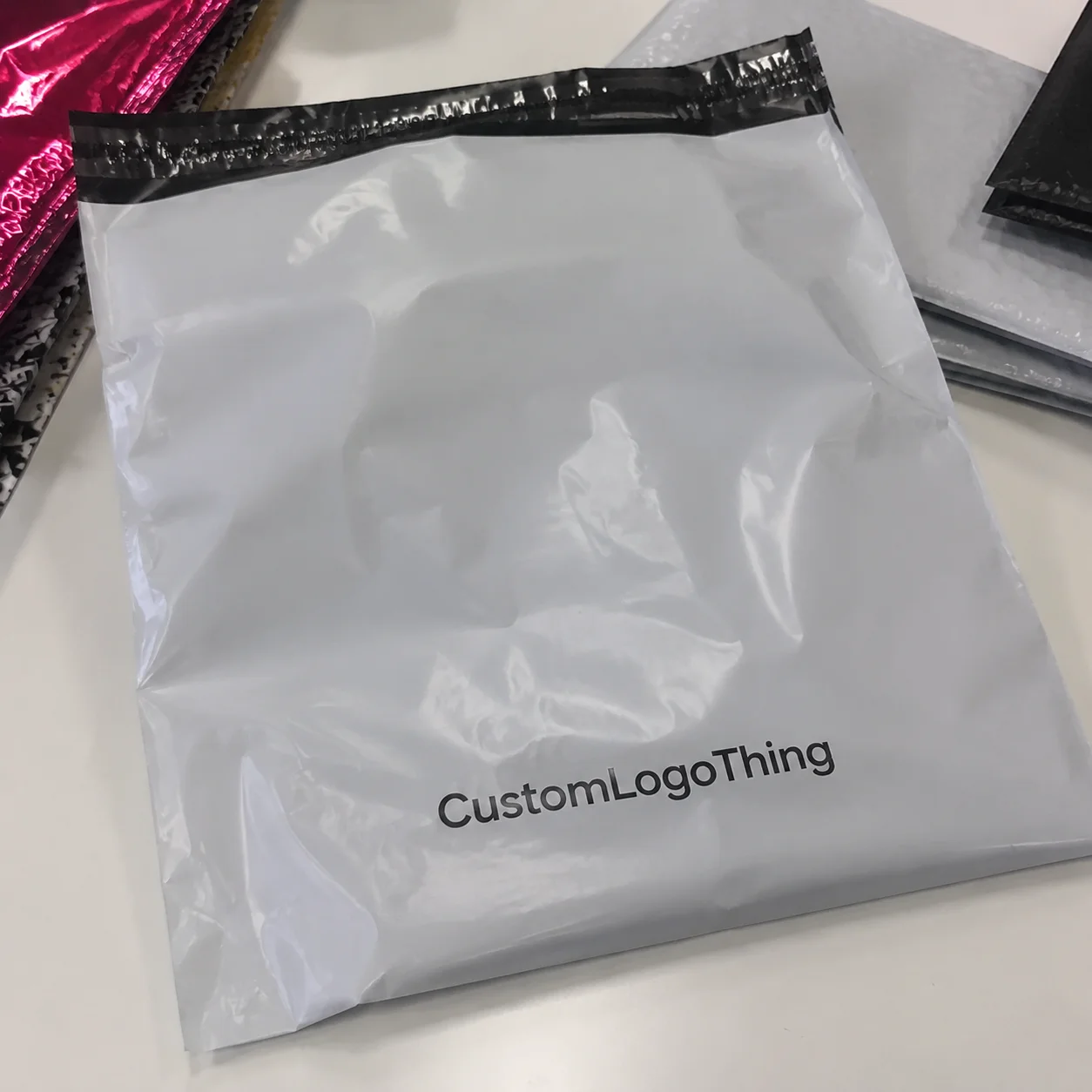
And yes, branded materials can still be smart. If your line needs a lighter-touch identity, consider pairing a plain structural box with a printed insert or custom poly mailer for certain product categories. The right combination depends on fragility, weight, and your margin structure. If you want to compare flexible options, Custom Poly Mailers can be a useful starting point for lower-weight goods, especially when you want to keep shipping supplies design tips focused on cost control and clean presentation. A 2.5 mil poly mailer with a 1.5-inch peel-and-seal strip is often enough for tees, socks, and flat soft goods shipping out of a Dallas 3PL.
One last thought from the factory floor: a great packaging system rarely gets praised, because it simply works. No damaged goods. No line pileups. No angry customer emails. That quiet success is exactly what shipping supplies design tips are supposed to create. If you can improve protection, reduce waste, and make the shipping system easier to run every day, you’ve done the job well. I’ve seen that kind of system hold steady through a 12-week peak season in Nashville with no major redesigns and no frantic reorders.
For teams ready to refine their shipping supplies design tips with actual materials, actual dimensions, and actual order data, the smartest next move is to review current stock, compare alternatives, and build one controlled pilot using Custom Packaging Products and a right-sized carton strategy. Start by selecting one high-volume SKU, one packaging owner, and one test lane, then measure damage, pack time, and dimensional weight before making the change permanent. The best shipping supplies design tips are the ones that make your packaging safer, your packing bench faster, and your customer experience more consistent, whether the materials are sourced in Shenzhen, printed in Los Angeles, or converted in Chicago.
What are shipping supplies design tips for better packaging?
Shipping supplies Design Tips for Better Packaging start with fit, strength, and speed. Choose a container that matches the product’s dimensions and fragility, then add only the cushioning or inserts needed to keep movement under control. Test the package in real handling conditions so it protects the product without slowing your packing line. Good shipping supplies design tips also keep dimensional weight, labor time, and customer experience in balance. A well-fitted carton with a simple insert often performs better than a larger box packed with extra filler.
What are the best shipping supplies design tips for fragile products?
Use a snug outer box or rigid mailer so the product cannot shift during transit. Pair cushioning with internal supports or inserts instead of relying on loose filler alone. Then test the package with drop and vibration scenarios that match real shipping conditions, not just a clean tabletop trial. For glass, ceramics, or cosmetics, the difference between 5 mm of movement and 0 mm can decide whether the order arrives intact. A ceramic mug in a 32 ECT carton with molded pulp corners will usually perform better than the same item floating in crumpled paper.
How do shipping supplies design tips help lower shipping costs?
Right-sized packaging can reduce dimensional weight charges, which is often the fastest savings lever. Standardized materials can speed packing and lower labor time by shaving a few seconds off each order. Better designs also reduce damage-related reships and return processing costs, which is where many brands lose margin without realizing it. If a box change saves $0.06 per unit on a 5,000-piece run and cuts damage by 1.5%, the annual impact can be far larger than the carton invoice.
How long does it take to implement new shipping supplies design tips?
Simple changes like switching filler or adjusting box sizes can take a few days to a few weeks. Custom packaging with printing or structural changes usually takes longer because of sampling and approvals. A phased pilot is often the fastest safe way to launch without disrupting fulfillment, especially if your warehouse is already running close to capacity. In many cases, proof approval to production release lands in 12 to 15 business days for standard items and 3 to 6 weeks for custom die-cut components.
What shipping supplies design tips work best for branded packaging?
Keep branding visible but secondary to structure and protection. Use inserts, tissue, or printed tape to create recognition without overcomplicating the carton. Make sure branded elements do not interfere with sealing, labeling, or stacking, because a package that looks attractive but ships poorly will hurt the brand more than it helps. A clean 1-color logo on a 350gsm C1S artboard insert can feel premium without adding much risk or cost.
How do I know if my shipping supplies design needs an update?
Watch for rising damage claims, higher shipping charges, or complaints about oversized packaging. Review warehouse packing time and material waste for signs of inefficiency. If products, carriers, or order volumes have changed, your packaging system may need a fresh test. I’ve seen businesses wait too long and pay for it in returns, labor, and customer trust. A 2% increase in breakage over a 60-day window is usually enough reason to audit the current box, insert, and closure specs.