Buyer Fit Snapshot
| Best fit | Shipping Supplies for Small Business projects where brand print, material claims, artwork control, MOQ, and repeat-order consistency need to be specified before quoting. |
|---|---|
| Quote inputs | Share finished size, material target, print colors, finish, packing count, annual reorder estimate, ship-to region, and any compliance wording. |
| Proofing check | Approve dieline scale, logo placement, barcode or warning zones, color tolerance, closure strength, and carton packing before bulk production. |
| Main risk | Vague material claims, crowded artwork, missing packing details, or unclear freight terms can make a low unit price expensive after revisions. |
Fast answer: Shipping Supplies for Small Business: Production Spec, Color Control, and Delivery Risk should be specified like a repeatable production item. The safest quote records material, print method, finish, artwork proof, packing count, and reorder notes in one written spec.
Production checks before approval
Compare the actual filled-product size with the drawing, then confirm tolerance on folds, seals, hang holes, label areas, and retail display edges. Reserve space for logos, QR codes, warning copy, and material claims before decorative graphics fill the panel.
Quote comparison points
Review material grade, print process, finish, sampling route, tooling charges, carton quantity, and freight assumptions side by side. A quote is only useful when the supplier can repeat the same color, closure quality, and packing count on the next order.
At a corrugated plant in Dongguan, Guangdong, the owner once pointed me to a stack of returns from a small skincare brand that had chosen the wrong shipping supplies for small business. Oversized mailers. Heavy inserts. Thick tape on products that weighed 4 ounces. The packaging looked polished on paper. In practice, it added $0.68 per order, pushed up dimensional weight, and squeezed a decent margin until it cracked.
I remember standing there with a clipboard and thinking, “This is how good products get kneecapped by cardboard.” Dramatic? Maybe. But the invoice did not feel dramatic at all. It felt rude, especially when the carrier bill came in at $487 for a single weekly pickup.
That mistake shows up everywhere. Founders guess. They buy the prettiest box, the cheapest mailer, or whatever tape their competitors use, then wonder why shipping supplies for small business keep draining profit. I saw a similar pattern in supplier meetings in Shenzhen and Los Angeles. One client insisted on a custom rigid mailer for candles because it “felt safer.” It did. It also cost $1.12 more per unit than a standard corrugated mailer, while the breakage rate was already under 1% with the simpler option. Fancy and smart are not twins. Honestly, I think they barely speak.
Strong shipping supplies for small business do three things at once: protect the product, keep order fulfillment moving, and keep parcels cheap enough to ship without wrecking margin. That is the real equation. Save 20 seconds per pack, cut damage by 2%, avoid one carrier surcharge, and the numbers change fast. Not in theory. On the invoice. A brand shipping 1,500 orders a month can feel a $0.15 swing per unit as a $225 monthly difference.
Shipping supplies are the materials and tools used to move an order from shelf to customer door. Corrugated boxes, poly mailers, padded mailers, tissue, kraft paper, bubble wrap, air pillows, labels, tape, sealing tools, and inserts all belong in that bucket. Branding can come through printed cartons, logo stickers, or custom tissue. I have seen brands use one black-ink insert card and call it premium. It worked. No need to turn packaging into a bonfire.
The gap between generic and branded shipping supplies for small business is straightforward. Generic supplies tend to cost less, arrive faster, and standardize easily. Branded packaging can improve the unboxing experience and support repeat purchases, but only if margins can take the hit. A $0.18 plain poly mailer and a $0.42 custom-printed version both ship the same sweater. One tells a better story. If you sell on Shopify and send out 300 orders a month, that gap adds up quickly; over 12 months, that is $864 in added packaging spend.
Packaging also changes carrier math. Box size affects dimensional weight, and dimensional weight affects what you pay with UPS, FedEx, and sometimes USPS on certain services. I have watched a brand move from a 10 x 8 x 6 box to a 9 x 7 x 4 custom carton and shave $1.35 off each shipment because they stopped paying for empty air. That is why shipping supplies for small business should be chosen with shipping rates in mind, not just shelf appeal.
Shipping Supplies for Small Business: What They Are and Why They Matter
Shipping supplies for small business are not just packing extras. They sit inside the profit model. Boxes, mailers, labels, tape, void fill, cushioning, inserts, and sealing tools all affect damage rates, labor time, carrier cost, and customer perception. I learned that early when a beauty brand client in Austin was spending nearly $2.10 per order on shipping materials alone. Their box was attractive, but pack time hit 52 seconds and they used three separate fillers. We cut that to 31 seconds by moving to one right-sized carton and a single kraft insert made from 350gsm C1S artboard. Same product. Cleaner economics.
Most people miss the recurring cost. They treat packaging like a one-time purchase. It is not. It behaves like any other operating expense, right next to payment processing and postage. Ship 1,000 orders a month and waste $0.25 on each package, and $250 disappears monthly. That is a payroll line item for many startups. So yes, shipping supplies for small business matter far more than founders like to admit in the first year. At 4,000 orders a month, the same waste becomes $12,000 a year.
Customer service feels the effect too. Broken jars, crushed soap bars, dented boxes, loose labels, torn mailers. The support inbox receives the bill, just in a different format. Better package protection means fewer reships and fewer apologies. Fewer apologies mean fewer refunds. The math is unfashionable, but it is honest. A 1.5% damage rate on 2,000 monthly orders means 30 replacements, and each replacement can cost $8 to $24 once postage is included.
From a practical standpoint, the right shipping supplies for small business help balance three things:
- Protection — keep the item intact through transit packaging and carrier handling.
- Speed — let your team pack faster during order fulfillment.
- Cost — reduce wasted space, freight charges, and labor.
On a fulfillment floor in Nashville or Newark, friction stands out fast. Workers hunting for the Right Box Size. Too much tape because the carton flaps do not close well. Labels peeling because the surface is textured. Those tiny snags are where margins leak out. Good shipping supplies for small business remove those snags before they harden into routine waste.
Generic vs. branded packaging
Generic packaging fits commodities, subscription refills, and low-margin products where speed matters more than presentation. Branded packaging fits moments where the box is part of the product experience, like cosmetics, accessories, gifts, or premium ecommerce shipping. I usually tell clients to invest in the parts the customer sees first: an outer mailer, tissue wrap, or printed insert. A full-color box is not required for every SKU. Sometimes a clean kraft mailer and one sharp insert card do the job, especially when the insert is printed on 350gsm C1S artboard in a plant in Dongguan or Vietnam.
For reference, suppliers like Custom Packaging Products can help move from plain transit packaging to something more brand-aligned without forcing a full workflow rebuild. That matters when the packing line already works and no one wants marketing to “improve” it into chaos.
How Shipping Supplies for Small Business Work in the Real World
The flow is not complicated, but the details decide the bill. Inventory arrives. Orders are picked. The item is inspected. The right box or mailer is selected. Cushioning goes in if needed. Labels are printed. The parcel is sealed and staged for carrier pickup. That is the standard order fulfillment sequence for most businesses using shipping supplies for small business, whether the warehouse sits in Phoenix, Columbus, or suburban Manchester.
What changes is the product. A stainless-steel water bottle needs a different setup than a folded T-shirt. A candle does not pack like a notebook. A 2-pound glass bottle is a different problem from a 6-ounce collagen packet. If the item is rigid, fragile, or high-value, I lean toward a corrugated box with controlled void fill. If it is soft, lightweight, and low-fragility, a mailer is usually the smarter route. Plain. Unromantic. Effective. A 12-ounce apparel order can often ship in a 2.5-mil poly mailer; a 16-ounce glass serum bottle usually cannot.
Here is a field comparison I use with clients sorting through shipping supplies for small business options:
| Supply Type | Best For | Typical Strength | Cost Signal | Operational Notes |
|---|---|---|---|---|
| Corrugated boxes | Fragile, rigid, premium items | High | Higher unit cost, lower damage risk | Watch dimensional weight and carton size; ECT 32 board is common for lighter shipments |
| Poly mailers | Apparel, soft goods | Medium | Very low unit cost | Fast pack speed, no rigidity, often 2.5 mil to 3 mil thickness |
| Padded mailers | Books, accessories, low-fragility items | Medium | Moderate unit cost | Good for light protection; common sizes run 6 x 9 and 8.5 x 11 |
| Bubble wrap | Shock protection | Variable | Cheap per foot, labor-heavy if overused | Use with discipline, not as a hobby; 3/16-inch bubbles are standard for many SKUs |
| Kraft paper / air pillows | Void fill | Medium | Low to moderate | Choose based on pack speed and sustainability goals; a 24-inch kraft roll can reduce plastic usage |
| Packing tape | Sealing cartons | Depends on adhesive and thickness | Cheap until it fails | Good tape saves time and prevents returns; 2.6 mil acrylic tape behaves differently than hot melt |
Supplier touchpoints usually start with a standard catalog source like Uline or Staples for stock items. Those are fine for quick restocks, samples, and low-complexity orders. Local corrugated converters in Chicago, Dallas, or Dongguan step in when you need custom sizes, print registration control, or better freight economics on pallet quantities. Custom printers enter the picture when branding, color consistency, or special structural specs matter. I have spent enough time in Shenzhen and with domestic box plants to know the lowest quote is often the one that forgot freight, mold fees, or a realistic lead time. Convenient. For them, not for you.
Timeline matters too. Sampling usually takes 3 to 7 business days if you are working with a stock catalog or local vendor. Custom dielines, print approval, and production can stretch longer, especially with special coatings or a nonstandard carton size. For custom shipping supplies for small business, I usually tell clients to plan 12 to 15 business days from proof approval for domestic production in the U.S., and 18 to 25 business days if the supplier is in Guangdong, Zhejiang, or another manufacturing hub overseas. If someone promises “instant” custom work, ask what they mean by instant. Usually it means “not immediate, just less immediate than disaster.”
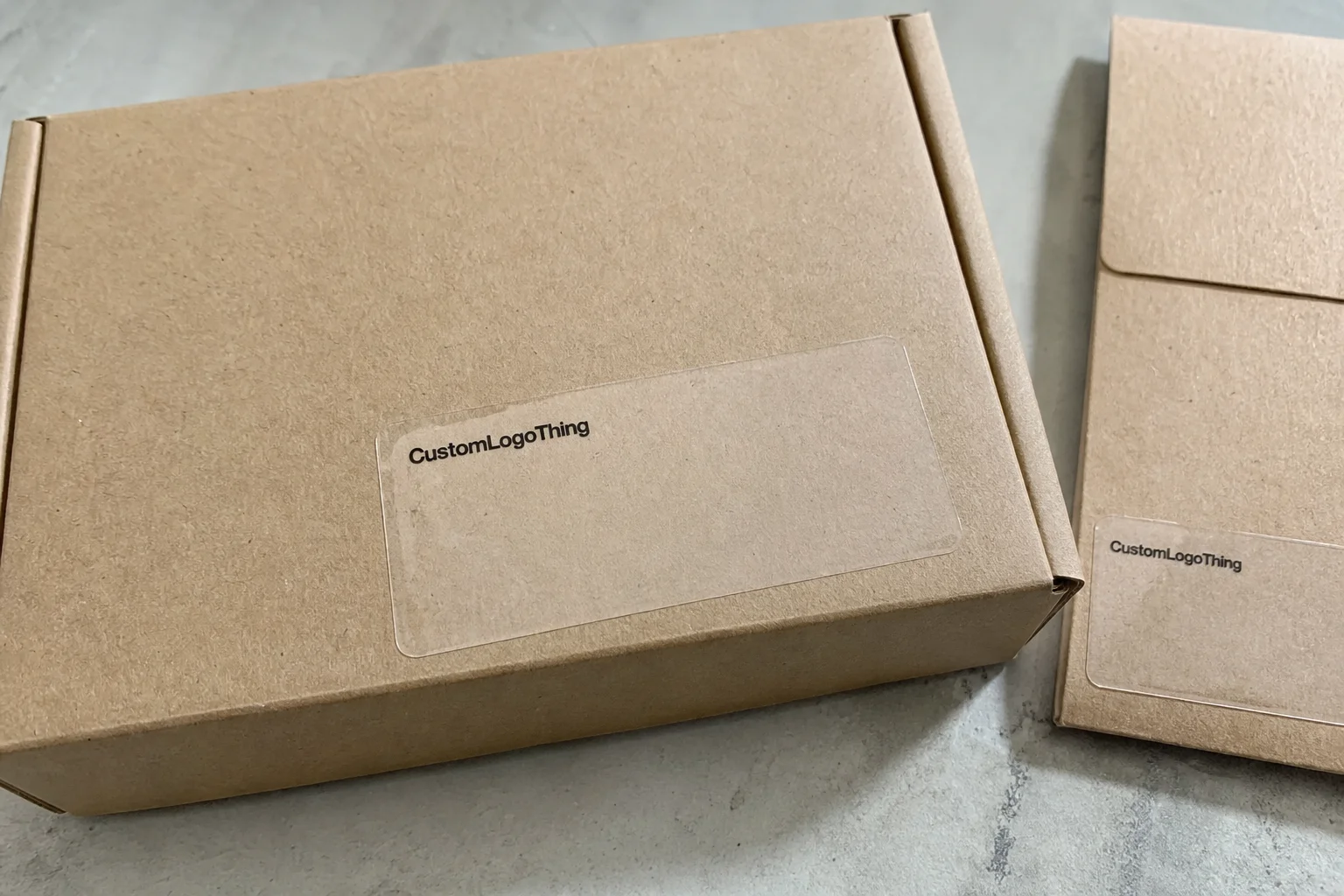
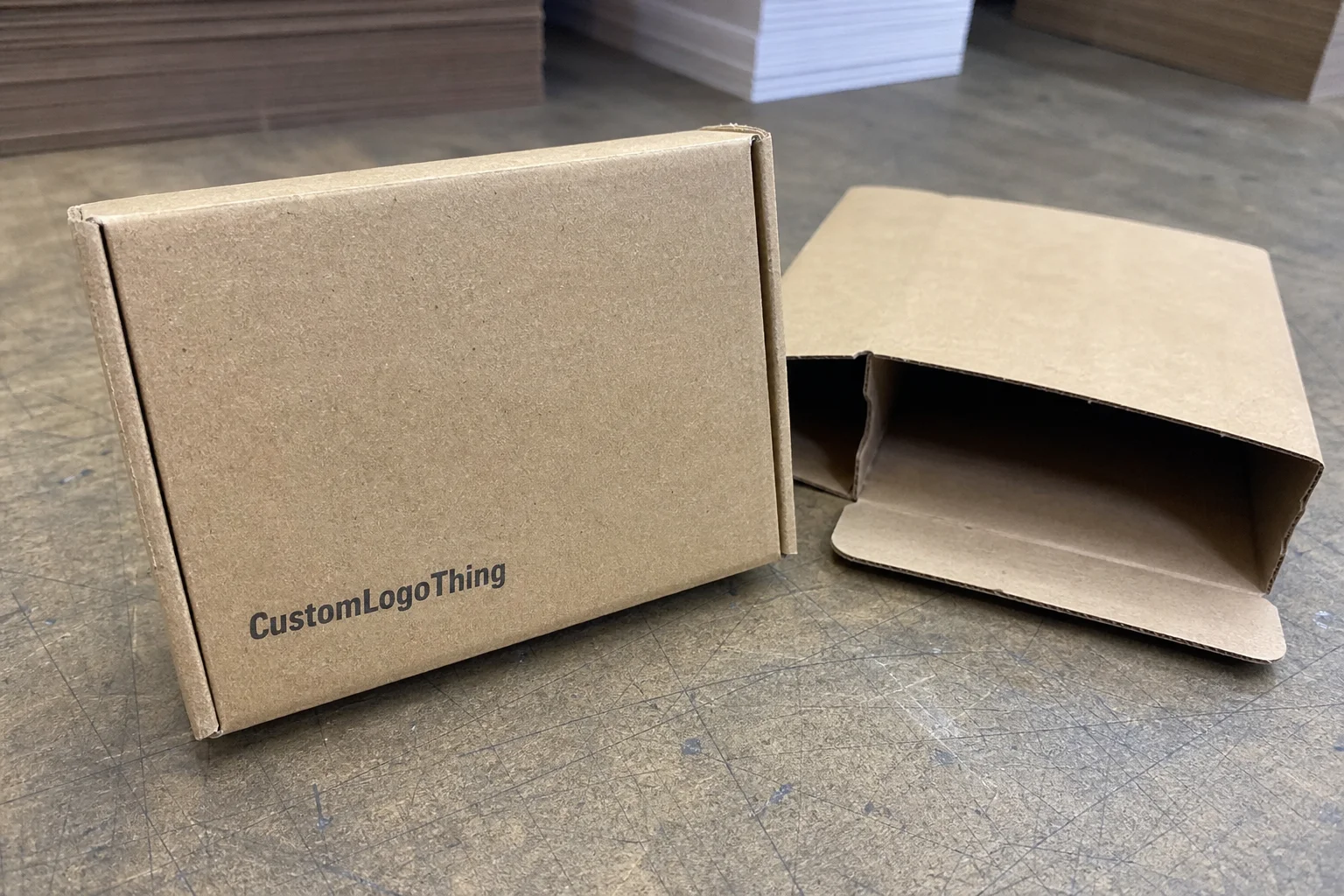
For businesses shipping apparel, lightweight goods, or flat items, Custom Poly Mailers can be a strong option. They are inexpensive, fast to pack, and well suited to ecommerce shipping where the product does not need a hard shell. For heavier or breakable products, Custom Shipping Boxes make more sense, especially if package protection and shelf-ready presentation matter.
Cost and Pricing Factors for Shipping Supplies for Small Business
The real cost stack for shipping supplies for small business has six parts: unit price, freight, storage, minimum order quantities, waste, and labor time. People obsess over the unit price and ignore the rest. That is how they wind up paying more overall. A box that costs $0.04 less per unit is not a bargain if it takes 9 extra seconds to pack or raises the breakage rate by 1.5%. A 7-second slowdown across 800 orders a month adds more than 1.5 labor hours every month.
I saw this with a candle brand in Charlotte that wanted to save on cartons. They switched from a right-sized 2-piece carton to a larger stock box because the stock option was $0.11 cheaper. Then they added more kraft paper, used more tape, and paid more in shipping because of dimensional weight. Their “savings” became a $0.29 increase per order. A small disaster. The kind that happens when someone compares quotes without comparing landed cost.
Pricing for shipping supplies for small business shifts a lot by volume and specs. Plain poly mailers can cost pennies at scale, while custom-printed cartons can add meaningful cost depending on size, color count, and board grade. A stock 6 x 9 padded mailer might land around $0.18 to $0.35 each in volume, while a 10 x 13 2.5-mil poly mailer often runs $0.12 to $0.22 each in lots of 5,000 pieces. A custom-printed corrugated mailer can sit anywhere from $0.70 to $1.60 each depending on quantity, print complexity, and finish. There is no universal number because there is no universal product. Anyone pretending otherwise is selling something.
Supplier pricing tiers usually follow a simple rule: order more, pay less per unit. There is a catch. If the jump from 1,000 units to 5,000 units lowers the price by $0.12 each, you may save $600. Good. If that extra inventory sits in a humid backroom for six months and slows cash flow, the savings are fake. It is just working capital turned into a stack of boxes.
Sample pricing logic
| Supply Scenario | Approx. Unit Price | Hidden Cost Risk | Best Use Case |
|---|---|---|---|
| Plain poly mailer, bulk | $0.10 to $0.25 | Low branding value | Apparel and soft goods |
| Padded mailer, bulk | $0.18 to $0.40 | Overuse for fragile items | Lightweight accessories |
| Standard corrugated box | $0.40 to $1.20 | Oversizing and dimensional weight | Broad range of ecommerce products |
| Custom-printed shipping box | $0.70 to $2.50+ | MOQs, proofing, freight | Premium branding and stronger presentation |
Where can businesses save without looking cheap? Standardize carton sizes, choose multi-purpose shipping materials, and use a small set of packaging SKUs instead of twelve random ones. I have seen operations with 27 different box sizes. Twenty-seven. That is not strategy. That is chaos with a forklift. I still remember the warehouse manager in Atlanta rubbing his forehead like the boxes had personally insulted him.
Storage and freight matter too. A pallet of cartons may look inexpensive until you realize it needs 48 inches of floor space and a repeat replenishment cycle every 3 weeks. That matters in small warehouses where every square foot has a cost. Good shipping supplies for small business should fit your space, your pack speed, and your cash flow—not just your design mood board. A 40-inch x 48-inch pallet of flat-packed cartons can occupy the same footprint as a small desk, but it can also free a team from daily stockouts.
How to Choose the Right Shipping Supplies for Small Business Orders
The best way to choose shipping supplies for small business is to work backward from the product. Start with fragility. Then size. Then weight. Then shipping method. Then customer expectations. If you sell a luxury candle, presentation matters. If you sell replacement screws, it barely registers. That sounds obvious, yet packaging decisions still get made by what looked good on Instagram.
My framework is simple:
- Fragility — Does the item crack, bend, leak, or scratch?
- Shape — Is it rigid, soft, irregular, or oddly tall?
- Shipping distance — Local, domestic, or cross-border?
- Brand impact — Is the unboxing part of the product story?
- Budget — What can you spend without hurting margin?
Then choose the format. Box or mailer. Cushioning or none. Branded or plain. Standard size or custom. If you are shipping something soft and light, a poly mailer may be enough. If you are shipping ceramic, glass, electronics, or anything with corners, use a box and test for package protection. If you need a custom size, talk to a supplier early. The worst time to discover an insert does not fit is after 3,000 units are printed. I have had that conversation in a warehouse near Irvine. It is not a fun one. There was a lot of silence, and not the meditative kind.
Testing matters. I am not being dramatic. I am tired of preventable losses. Use a drop test from waist height, a shake test, and a simple transit simulation with real product inside the actual packaging. If you can, check alignment with ISTA methods or at least borrow the logic from them. For reference, the ISTA standards are worth knowing if shipping performance matters to your business. You do not need a lab coat, but you should think like one for 20 minutes before placing a bulk order.
Check the boring details too. Does the label stick to the surface? Does the carton close cleanly? Does the tape hold in cold weather? Does the mailer tear at the seam? These are not sexy questions. They are profitable questions. A label adhesive rated for 14°F to 130°F behaves very differently from one that fails in a drafty dock in Milwaukee.
Step-by-Step Process for Sourcing Shipping Supplies for Small Business
If you want to source shipping supplies for small business without paying for expensive lessons, use a method. Not vibes. Method. I have seen founders jump from “we need packaging” to “let’s order 10,000 units.” That is how panic starts to feel normal in a warehouse. It also creates a lot of expensive cardboard in the wrong color.
Step 1: Audit your current shipments
List every supply you use now: box size, mailer size, tape type, labels, inserts, and void fill. Then note how many you use per week and where the failures happen. Crushed corners? Tape failures? Slow packing? Write it down. If you do not measure it, you will argue about it forever. A simple spreadsheet is enough for most small brands, and even one with 12 SKUs can show where the waste lives.
Step 2: Measure the product properly
Measure length, width, height, and any irregular parts. Do not eyeball it. That is how you end up ordering a box that is 1 inch too short or 2 inches too wide. For shipping supplies for small business, a tight fit usually means less void fill and lower dimensional weight. One client shipped hand-poured soap bars in a box that was 25% too large. We redesigned the carton and saved $0.21 in materials plus $0.43 in postage per order. Not bad for a cardboard decision.
Step 3: Request samples
Ask for samples from at least three suppliers. Compare board stiffness, print quality, adhesive strength, seam quality, and how fast your team can pack with each option. A sample can look beautiful and still slow everything down. That is not an upgrade. That is a labor tax. Many buyers forget that shipping supplies for small business need to work in the hands of a real packer at 2:00 p.m., not just under studio lights. If the sample uses 18pt art paper but your actual production needs 24pt SBS or 32 ECT corrugate, you will learn that difference the hard way.
Step 4: Compare quotes the right way
Compare landed cost, not just unit price. Include freight, pallet count, lead time, and any setup fees. If you are sourcing from a domestic converter, ask for carton counts per pallet and shipping class. If you are sourcing overseas, ask about transit time, import handling, and whether the quoted number includes door delivery. Supplier names like Uline, Staples, and local corrugated plants are useful for comparison, but the best quote depends on your product, volume, and timeline. No shortcut there. A quote from a plant in Houston may look higher until you subtract $240 in ocean freight and 8 days of port delay.
Step 5: Run a test order
Place a small order and use it on real shipments for two weeks. Track damage rate, pack time, customer feedback, and any carrier issues. Then refine. I would rather see a brand test 200 units and make one adjustment than buy 5,000 units and discover the tape layer peels in humid weather. That kind of lesson is expensive. And unnecessary. A two-week test in July can tell you more than a polished sample deck ever will.
For businesses that need packaging with a logo or custom structure, keep a relationship with a trusted packaging partner instead of scrambling every time. A supplier that understands shipping supplies for small business can help you scale from stock formats into branded packaging at the right pace, not the ego pace. That usually means a first run of 1,000 to 3,000 units, not a fantasy order written on a whiteboard.
Common Mistakes Small Businesses Make with Shipping Supplies
The biggest mistake is buying on price alone. Everyone says they care about value. Then they choose the cheapest tape and spend twice as much re-taping failed cartons. Cheap tape is not cheap if it causes damage or slows packing. The same goes for weak mailers, flimsy inserts, or cartons that buckle under load. A tape roll that saves $0.60 but adds one return pays for itself in the wrong direction.
Oversized packaging causes another round of trouble. Too much void fill increases material waste, labor time, and dimensional weight. I have watched sellers stuff air pillows into giant boxes because “we already had the box.” That is not inventory management. That is a garage sale with shipping labels. Right-sized shipping supplies for small business almost always outperform oversized ones. A 9 x 6 x 3 carton often beats a 12 x 9 x 6 carton for small skincare sets, both in postage and in presentation.
People also Order Custom Packaging before finalizing product dimensions. Big mistake. If your jar height changes by 6 millimeters after the label goes on, your carton spec may need to change too. Otherwise, you pay for a reprint and a rush order. I saw a supplement brand eat $4,800 in retooling because the inner tray was approved before the final bottle mold was locked. Painful. Completely avoidable. The difference between 58 mm and 64 mm sounds small until it becomes 2,500 unusable cartons.
Running out of key supplies causes another problem: no one set reorder points. If tape, labels, or mailers hit zero, the entire fulfillment line stalls. That is a bad day. A very bad day. Your reorder point should reflect average weekly volume, supplier lead time, and safety stock. If your supplier needs 14 business days and you burn through 1,200 boxes a month, do not wait until you have 50 left. That is flirting with disaster. A simple trigger point at 3 weeks of stock can keep the dock moving.
For a practical standard, look for packaging that meets expected performance rather than overbuying strength. Standards like Packaging Machinery Manufacturers Institute and packaging industry resources are useful for broader category context, and if sustainability matters, check the EPA recycling guidance. Not every supply needs to be exotic. It just needs to work.
Expert Tips to Optimize Shipping Supplies for Small Business Growth
If you want shipping supplies for small business to support growth instead of slowing it down, standardize aggressively. A tight SKU list helps. Three box sizes and two mailer sizes are easier to manage than a packaging zoo. Simpler inventory means fewer mistakes, easier training, and cleaner forecasting. One brand I worked with in Raleigh cut its carton count from 19 to 6 and reduced picking errors by 14% over a single quarter.
Use branded touches with intention. One logo sticker, one printed insert, or one custom mailer can lift the experience without blowing up the budget. I have seen brands spend $1.80 on a full-color carton when a $0.09 sticker and a clean kraft box would have delivered 80% of the effect. That kind of excess gets noticed by marketing and quietly resented by operations. I say that with love, and with the slight eye twitch of someone who has paid for too many “must-have” upgrades.
Negotiate freight terms. Ask suppliers if pallet pricing beats carton-by-carton shipping. Ask whether you can combine SKUs into one freight lane. Ask for break pricing at 3,000, 5,000, and 10,000 units. Suppliers expect negotiation. If they do not, they are probably not worth keeping. Straight talk. A move from $0.31 to $0.27 per mailer at 5,000 pieces is a real $200 savings, not a spreadsheet illusion.
Build a reorder system around average weekly volume plus safety stock. If you burn 600 poly mailers a week and your lead time is 3 weeks, do not reorder at 500 left. Reorder at a level that gives room for spikes, promotions, and a late truck. Trucks, like people, occasionally disappoint. If your supplier is in Ontario, California, or Suzhou, that buffer matters even more during holiday peaks.
Think like operations and marketing at the same time. Good shipping supplies for small business protect the product, speed fulfillment, and reinforce the brand. That balance is the sweet spot. I have spent enough time on factory floors to know the best packaging is rarely the prettiest sample. It is the one that survives transit, packs fast, and costs what the product can actually afford.
For brands scaling product lines, I often recommend a packaging system: one outer carton family, one mailer family, one tape spec, one label size, and a limited insert set. That system makes training easier and gives you room to add branded packaging later. Jump straight into fully custom everything and you can end up with a beautiful mess. A 350gsm insert card, a single 2.6 mil mailer, and one carton family can carry a surprising amount of growth.
What are the best shipping supplies for small business orders?
The best shipping supplies for small business orders depend on the product, but the winning setup usually starts with the lightest safe option. For soft goods, that may be a poly mailer. For fragile items, a corrugated box with the right cushioning is safer. The best choice protects the item, keeps pack time low, and avoids oversized packaging that drives up postage.
Next Steps for Buying Shipping Supplies for Small Business
Start with your top 10 shipped products and match each one to the lightest safe packaging format. Do not guess. Use actual product measurements, actual order data, and actual return history. That is the cleanest way to improve shipping supplies for small business without overengineering the process. If one SKU ships 700 times a month and another ships 40 times, they do not deserve the same packaging budget.
Then create a monthly forecast. Include boxes, mailers, tape, labels, inserts, and void fill. Add 10% to 15% safety stock if your supplier lead time is inconsistent or your volume spikes during promotions. Forecasting sounds dull until you run out of mailers on a Friday afternoon and your team is staring at a wall of orders. A 14-business-day delay from a factory in Dongguan is a small problem only if you planned for it in May.
Ask for at least three quotes and compare the true landed cost. Look at unit price, freight, storage, and labor. If one supplier is $0.07 cheaper per unit but needs 18 extra days to deliver, that is not automatically better. Time has a price too. Always has. A 5,000-piece run that lands at $0.15 per unit with 12 to 15 business days from proof approval can beat a $0.11 quote that arrives too late for your launch.
Test one setup with real orders for two weeks. Track damage, pack time, and customer feedback. If the numbers improve, document the winning setup. If they do not, tweak the carton size, tape spec, or cushioning. Small changes can produce outsized savings. I have seen a 0.5-inch change in mailer width cut pack time by 6 seconds per order. Multiply that by 2,000 orders a month and the “small” change matters a lot.
Finally, set reorder points so your shipping supplies for small business never turn into a last-minute emergency. Your packaging should be a reliable system, not a weekly fire drill. Get that part right and everything else gets easier: order fulfillment, customer satisfaction, margins, and yes, sleep.
At Custom Logo Things, I would approach shipping supplies for small business with the same mindset I used in my own packaging company: buy for the product, not the fantasy. Use the right box, the right mailer, the right tape, and the right amount of branding. That is how you protect margin, reduce damage, and keep your shipping supplies for small business working like an asset instead of a recurring mistake.
What shipping supplies for small business do I need first?
Start with boxes or mailers matched to your product size, packing tape, labels, and a basic cushioning option like kraft paper or bubble wrap. Add branded inserts or stickers only after the basics are reliable. For many small brands, that means one carton size, one mailer size, and one 2.6 mil tape spec before anything decorative.
How do I know whether to use boxes or mailers?
Use boxes for fragile, rigid, or high-value items that need structure. Use mailers for soft, lightweight, non-fragile products that do not need a hard shell. If the item can survive a waist-height drop test in a 2.5-mil mailer, you probably do not need a box.
How much should small business shipping supplies cost?
Expect plain supplies to be inexpensive at volume, but total cost should include freight, storage, and labor. A 5,000-piece run might land at $0.15 to $0.25 per unit for plain mailers, while custom cartons can run $0.70 to $1.60 each. The cheapest unit price is not always the cheapest total package cost.
How long does it take to get custom shipping supplies for small business orders?
Sample approval can happen quickly, but bulk production and freight can take longer depending on supplier workload and order size. Plan typically 12 to 15 business days from proof approval for domestic production, and often 18 to 25 business days for overseas manufacturing in regions like Guangdong or Zhejiang. Build in extra time if you need custom printing, special sizes, or ocean freight.
What is the biggest mistake with shipping supplies for small business fulfillment?
The biggest mistake is buying the wrong size or strength and paying for it through damage, wasted space, and slower packing. A slightly better-fit supply often saves more money than a cheaper but sloppy option. In practical terms, the right box or mailer can save $0.21 in materials and $0.43 in postage on a single order.