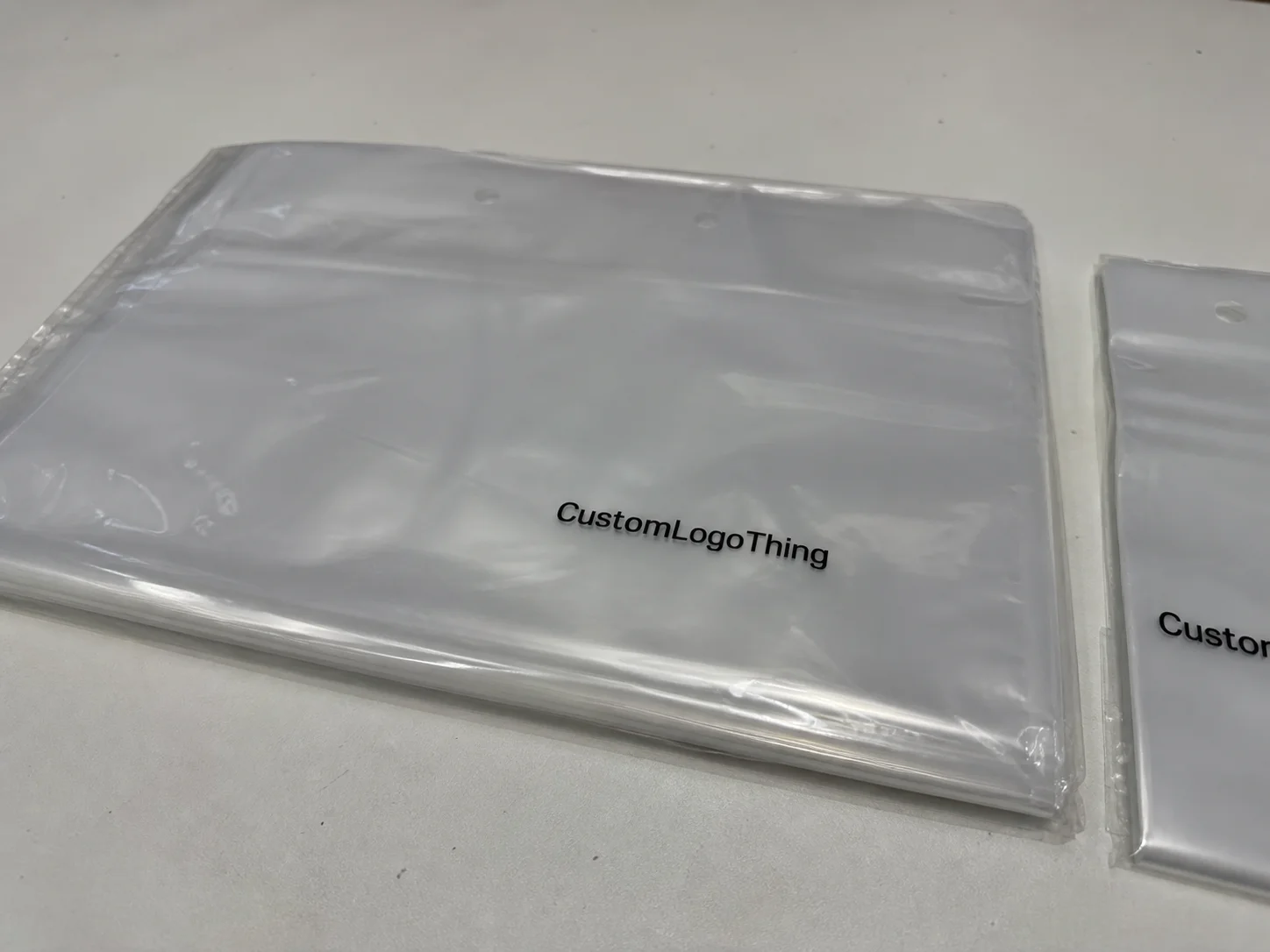
Buyer Fit Snapshot
| Best fit | Shipping Supplies Supplier for Shipping projects where brand print, material claims, artwork control, MOQ, and repeat-order consistency need to be specified before quoting. |
|---|---|
| Quote inputs | Share finished size, material target, print colors, finish, packing count, annual reorder estimate, ship-to region, and any compliance wording. |
| Proofing check | Approve dieline scale, logo placement, barcode or warning zones, color tolerance, closure strength, and carton packing before bulk production. |
| Main risk | Vague material claims, crowded artwork, missing packing details, or unclear freight terms can make a low unit price expensive after revisions. |
Fast answer: Shipping Supplies Supplier for Shipping: Material, Print, Proofing, and Reorder Risk should be specified like a repeatable production item. The safest quote records material, print method, finish, artwork proof, packing count, and reorder notes in one written spec.
Production checks before approval
Compare the actual filled-product size with the drawing, then confirm tolerance on folds, seals, hang holes, label areas, and retail display edges. Reserve space for logos, QR codes, warning copy, and material claims before decorative graphics fill the panel.
Quote comparison points
Review material grade, print process, finish, sampling route, tooling charges, carton quantity, and freight assumptions side by side. A quote is only useful when the supplier can repeat the same color, closure quality, and packing count on the next order.
If you’ve ever watched a warehouse team burn 40 minutes fixing crushed cartons, I can tell you this: the carrier is not always the villain. I remember standing on a packing floor in Newark, New Jersey, looking at a stack of flattened boxes, and thinking, “Yep. This started way before UPS showed up.” In my experience, the shipping supplies supplier guide starts much earlier, with the carton spec, the tape grade, and the void fill someone approved three weeks before the first damage claim hit the desk.
I’ve seen a six-figure ecommerce shipping program go sideways because a buyer saved $0.03 on tape and paid for it in returns, rework, and customer complaints. Three cents. That’s it. Honestly, I think that’s one of the easiest ways to fake a win and create a mess. That is why a shipping supplies supplier guide matters. It helps you compare shipping materials with actual business impact, not just a unit price that looks tidy in a spreadsheet.
The goal here is simple: give you a practical shipping supplies supplier guide that helps you choose a supplier, compare packaging options, and avoid the hidden costs that show up in labor, damage, and dimensional weight. I’ll use real numbers, a few hard-earned lessons from client meetings, and the standards I still lean on, including ISTA testing and EPA materials guidance when sustainability is on the table. Because yes, if you’re shipping 8,000 orders a month from a 120,000-square-foot facility in Indianapolis, the boring details matter. A lot.
Shipping Supplies Supplier Guide: What It Is and Why It Matters
A good shipping supplies supplier guide begins with a fact that surprises a lot of new operations managers: many shipping problems start with packaging choice, not carrier choice. I’ve walked packing lines in Ohio where the box was 15% too large, the void fill was inconsistent, and the tape was cheap enough to split under temperature swings below 50°F. The carrier got blamed. The carton was the real problem. (The box was practically begging for a complaint.)
A shipping supplies supplier is the source for cartons, mailers, tape, labels, void fill, stretch wrap, poly bags, inserts, and related fulfillment materials. Sometimes that supplier is a manufacturer in Dongguan, Guangdong or Foshan, China. Sometimes it is a distributor with a warehouse network in Dallas, Texas, and Savannah, Georgia. In a few cases, it is a hybrid operation that sources from several mills and converters, then coordinates order fulfillment through one account team. A well-built shipping supplies supplier guide should help you understand that difference before you commit to a purchase pattern.
Why does supplier selection matter so much? Because it affects more than product availability. It changes package protection, packing speed, damage prevention, labor hours, and customer perception at unboxing. I once sat in on a client meeting in Atlanta where the operations lead showed me two nearly identical corrugated boxes. One had an ECT 32 rating and the other a 44. The lower-rated box looked fine on paper, but it was failing in stacked storage after only 18 hours. That’s the kind of detail a practical shipping supplies supplier guide should surface.
And no, the cheapest supplier is not always the best fit. Honestly, I think people get trapped by unit price because it is easy to compare and hard to challenge. The better question is: what does the full program cost after freight, waste, labor, reorder delays, and damage rate are included? A serious shipping supplies supplier guide weighs all of that, not just the invoice line. I’ve watched a $0.14 mailer cost more than a $0.22 mailer once you added a 9% tear rate and 11 minutes of extra labor per 1,000 units.
For brands that want tighter control over their shipping materials, I often recommend reviewing the core packaging mix first. If you need a starting point, Custom Logo Things has product lines that can help standardize the program, including Custom Packaging Products, Custom Shipping Boxes, and Custom Poly Mailers. Those categories are not just “products”; they’re decision points inside a broader shipping supplies supplier guide. For example, a 12" x 9" x 4" shipping box in 32 ECT kraft board is a very different decision from a 10" x 13" poly mailer with a 2.5 mil film.
The rest of this shipping supplies supplier guide shows how the supply chain works, what pricing really includes, and how to choose a supplier without locking yourself into avoidable costs. If your team ships 200 orders a week or 20,000, the logic is the same. The math just gets louder when volume rises, especially once freight, shrink-wrap pallets, and rework start showing up on the monthly P&L.
How a Shipping Supplies Supplier Works
A shipping supplier does more than take orders and print invoices. The best ones coordinate sourcing, warehousing, quality checks, and replenishment planning. In one factory visit in the Midwest, I watched a distributor rep compare three different carton lots against the same spec sheet, measuring caliper with a micrometer before they were released into inventory. That extra ten minutes saved the customer a month of inconsistent pack-outs later. A solid shipping supplies supplier guide should help you spot that kind of discipline. I still remember the smell of fresh corrugated in that plant outside Columbus, Ohio; tiny detail, big lesson.
There are four common supplier models. Manufacturers produce the material directly, often with better control over custom sizes and print runs. A carton maker in Shenzhen or a mailer converter in Suzhou can usually hold tighter tolerances on a 350gsm C1S artboard insert than a broker can promise. Distributors stock inventory from multiple vendors and move it quickly, which helps with standard shipping supplies. Brokers connect buyers to sources without holding much inventory, which can work for commodity items but can create gray areas around lead times. Hybrid suppliers combine inventory, sourcing, and fulfillment support. Each model has a place, and a useful shipping supplies supplier guide should help you match the model to your order pattern.
The order flow usually runs like this: request a quote, review specs, approve samples, confirm production or pick-and-pack, ship the order, then establish replenishment timing. For custom items, proof approval matters a lot. I’ve seen a printed mailer go into production with the wrong logo placement because the buyer approved a proof from a phone screen during a lunch break. That mistake added nine business days and a full reprint. Lunch was apparently more urgent than checking the art file. This is exactly why a shipping supplies supplier guide has to talk about process, not just materials. On a 5,000-piece run, the reprint can easily push delivery from 12-15 business days to 21-24 business days after proof approval.
Stocked items can often ship in 1 to 3 business days. A carton of 200 stock mailers sitting in a warehouse in Dallas can leave same day if the order lands before 2 p.m. local time. Custom cartons, Printed Poly Mailers, or specialty cushioning may take 10 to 20 business days, depending on quantities, tooling, and proofing. If the supplier says “fast” but won’t define it, ask for the actual lead time from proof approval to dock delivery. A trustworthy shipping supplies supplier guide always pushes for specific timelines. For most custom print jobs from factories in Guangdong or Zhejiang, I usually hear 12-15 business days from proof approval, then 4-7 days for air freight or 25-32 days by ocean freight to the U.S. West Coast.
Forecasting matters too. If your ecommerce shipping volume jumps every November or you have three fulfillment locations in Phoenix, New Jersey, and Louisville, the supplier should help you avoid stockouts. I’ve seen companies keep only two weeks of stock for high-usage tape, then burn three days repurchasing emergency pallets after a port delay. That is not just inconvenient. It is expensive. A practical shipping supplies supplier guide treats forecasting as part of supplier performance, especially for items with a 10-business-day replenishment cycle or a 500-case minimum order quantity.
Quality checks sit in the background, but they carry real weight. Suppliers may ask for carton dimensions, maximum weight, storage humidity, or temperature ranges because those variables affect performance. ASTM-based test methods, burst strength, edge crush values, and adhesive performance all shape how the product behaves in transit packaging. If a supplier can’t explain why they need those details, I’d be cautious. A credible shipping supplies supplier guide should make those questions feel normal, not annoying. A 44 ECT box behaves differently than a 32 ECT box once palletized to six high and held at 70% humidity in a Houston warehouse.
Shipping Supplies Supplier Guide: Key Factors to Compare
Here is where a shipping supplies supplier guide becomes practical. Don’t compare suppliers on price alone. Compare the product range, costs, quality, service, and operational fit. If one supplier can solve five packaging problems and another can only quote a single box size, you are not comparing equal options. You are comparing different levels of risk. For a 3PL in Arlington, Texas shipping 1,200 orders a day, that difference can mean a full-time employee’s worth of labor by month-end.
Product breadth is the first test. Does the supplier offer corrugated boxes, poly mailers, padded mailers, tape, labels, pallet wrap, inserts, and cushioning? Or do they only carry a narrow catalog? A broader range can reduce vendor sprawl, which matters more than people think. Fewer vendors usually means fewer purchase orders, fewer receiving issues, and fewer mismatched specs. A good shipping supplies supplier guide will help you see that difference early, especially if your current program uses 14 SKUs but could realistically be standardized into 8.
Cost structure is the next filter. You want unit pricing, sure, but also freight, minimum order quantities, setup fees, sample charges, and any rush charges. I once negotiated a quote where the “best price” came with a $175 artwork fee, a $95 pallet fee, and a forced minimum of 12 pallets. The buyer thought they were saving money. They weren’t. They were just winning the wrong spreadsheet. A smart shipping supplies supplier guide forces all those charges onto the same page. On a 5,000-unit print run, a $0.15 unit price can become $0.19 landed once freight and setup are counted.
Quality consistency matters because packaging is a repeat-use system. If the tape adhesion changes from one shipment to the next, packing efficiency drops. If the carton caliper swings too much, stack strength changes. Look for material grades, ECT ratings, burst strength, adhesive performance, and print accuracy. If your brand relies on premium unboxing, color consistency becomes part of quality too. A 350gsm C1S artboard insert printed in Shenzhen should match the approved Pantone within a reasonable tolerance, not “close enough.” A strong shipping supplies supplier guide treats these specs as commercial facts, not marketing language.
Operational fit may be the most underrated factor. Does the supplier hit promised lead times? Are orders accurate? Can they ship from a warehouse near your main DC? Can they integrate with your purchasing process or simply email PDFs all day? Small friction points create real labor costs. One client of mine lost nearly 12 hours a month because their supplier’s pack slips were inconsistent and had to be re-keyed by hand. Twelve hours. For paper. A thoughtful shipping supplies supplier guide values process compatibility.
Service and flexibility show up when something goes wrong. Every supplier can look good when inventory is full. The real test comes when a truck is late or a print file needs fixing. Will they recommend a safe substitute? Will they explain why a carton needs to be retested? Will they answer the phone? In my experience, that tells you more than a glossy quote. A realistic shipping supplies supplier guide should put service in the top tier of criteria. A rep who can get you a replacement pallet from a warehouse in Savannah by Thursday is worth more than a sales pitch with pretty mockups.
Sustainability and compliance matter if your customers ask about recycled content, FSC-certified paper, or lower-plastic shipping materials. If you need paper sourcing verification, FSC is a good reference point. For broader waste and materials guidance, EPA resources help frame choices without turning sustainability into guesswork. A responsible shipping supplies supplier guide includes this because buyers increasingly ask about it in supplier reviews, especially in California, New York, and the U.K.
| Supplier Type | Typical Strength | Typical Risk | Best Fit |
|---|---|---|---|
| Manufacturer | Custom sizes, print control, material consistency | Longer lead times on small runs | Brands with repeat volume and custom needs |
| Distributor | Fast access to stock shipping materials | Less control over niche customization | Teams needing quick replenishment |
| Broker | Broad sourcing options | Less inventory visibility | Commodity buying with flexible timing |
| Hybrid supplier | Mixed inventory and custom support | Variable service depending on category | Growing operations with mixed needs |
One thing I tell clients during a supplier review: compare apples to apples. Same dimensions. Same material grade. Same quantity. Same freight terms. Same lead time. If one quote is based on a 200-count case and another on a 500-count case, your shipping supplies supplier guide comparison is already distorted. Tiny spec differences can change the quote by 10% to 25% before you even reach freight. A carton spec of 16" x 12" x 8" with 32 ECT board is not interchangeable with a 15.5" x 11.75" x 7.5" box if your pack line is already tuned to the first size.
Shipping Supplies Supplier Guide: Pricing, Costs, and Hidden Fees
Price per unit can mislead you badly. A carton quoted at $0.18/unit looks attractive until you learn freight is $210 and the case count forces more warehouse space than your current storage layout can handle. A serious shipping supplies supplier guide looks at total landed cost, not the sticker price on the page. In a facility outside Memphis, I saw a “cheap” carton eat up enough rack space to push out a faster-moving SKU. The storage cost alone killed the savings.
Let’s break that down. A standard stock carton might cost $0.18 to $0.42 each in moderate volumes, and I’ve seen 5,000-piece orders land at $0.23 per unit before freight. A custom-sized shipping box may run $0.34 to $0.68 each, depending on print, board grade, and quantity. A 12" x 9" x 4" custom mailer box in 32 ECT board from a factory in Guangdong can come in around $0.15 per unit for 5,000 pieces on a basic one-color print, while a higher-end 44 ECT version with full-coverage print may climb to $0.29 to $0.36. The custom box may look more expensive, but if it reduces dimensional weight by 14%, cuts void fill by 30%, and lowers damage claims by even 1.5%, the math can swing in its favor. That is the kind of trade-off a smart shipping supplies supplier guide should teach you to calculate.
Total cost of ownership includes damage rate, labor time, waste, and emergency orders. I worked with a fulfillment center in Nashville that was spending an extra 9 seconds per pack because they had to fold oversized inserts to fit. Nine seconds does not sound like much. Multiply it by 8,000 orders a month and you have 20 labor hours gone. At $19.50 an hour, that is $390 a month, or $4,680 a year, just to make a bad insert behave. A useful shipping supplies supplier guide captures that operational cost, not just the line-item price.
Hidden fees show up in predictable places. Minimum order quantities can force you to buy six months of inventory when your cash flow can only support two. Artwork and setup fees can add $75 to $450, depending on print complexity. Color-matching charges can appear on branded cartons and Custom Poly Mailers. Rush production fees can add 10% to 25% when you need a reprint fast. Fuel surcharges and residential delivery fees may also change the landed cost. An honest shipping supplies supplier guide spells these out upfront. I’ve seen a “free sample” turn into a $68 freight bill from Shenzhen to Los Angeles because nobody asked who paid export pickup.
Here is a simple comparison framework you can use in a supplier review:
- Same spec: carton dimensions, board grade, print coverage, and closure method.
- Same quantity: 1,000 units, 5,000 units, or a full pallet.
- Same freight terms: delivered, FOB, or pickup.
- Same lead time: from proof approval or from purchase order.
- Same service level: stock, custom, rush, or managed replenishment.
That list sounds basic. It is not. A quote can look 12% cheaper until you realize it excludes freight, requires a higher minimum, and arrives four weeks later. A disciplined shipping supplies supplier guide keeps people from mistaking incomplete numbers for savings. If Supplier A offers 5,000 custom mailers at $0.15 each with 15 business days from proof approval and Supplier B offers $0.13 each but needs 28 business days plus a $250 setup fee, you do the math without the sales fog.
Volume pricing is useful, but not always. Small businesses with uneven demand often overbuy to hit a lower unit price, then sit on pallets of tape or mailers that do not move for five months. I’ve seen that storage burden create more cash flow pain than the “discount” ever solved. In those cases, a better shipping supplies supplier guide would recommend buying just enough to preserve flexibility. A 3,000-piece run that saves $0.02 per unit does not help if it occupies 48 square feet of premium dock space in a warehouse in Los Angeles.
Step-by-Step Process and Timeline for Choosing a Supplier
A good shipping supplies supplier guide should feel like a process map, not a theory lesson. Start with an internal audit. List every shipping item you use in a typical month: cartons, labels, tape rolls, stretch wrap, void fill, mailers, inserts, and any special packaging. Then note which SKUs cause the most trouble. Are boxes crushing? Is tape failing in cold storage? Is pack-out slower because the carton size is awkward? Those details matter. If your biggest problem is a 14" x 10" x 6" box that takes two hands to fold, say that plainly.
Next, gather requirements. Measure the products you ship, not just the products you sell. Weight, length, width, height, shipping zones, branding needs, sustainability preferences, and storage constraints all matter. If you have a hot storage room or a humid dock, say so. Adhesives behave differently at 45°F than at 72°F, and a carton stored in a Houston warehouse can lose stiffness faster than the same carton in Portland. A responsible shipping supplies supplier guide should encourage that level of specificity.
Then request quotes and samples from at least three suppliers. Ask them to quote the same specs and quantities. If one supplier suggests a better carton size, fine, but ask them to explain the change using measurable benefits like lower dimensional weight, better stack strength, or reduced void fill. In a recent client meeting in Chicago, I watched a supplier save a retailer $0.11 per shipment by trimming carton depth by 1.5 inches. That sounds small. It wasn’t. Across 60,000 orders, it mattered. That’s the kind of insight a strong shipping supplies supplier guide should encourage. On a 2,500-unit test, that same kind of change might save $275 in freight and 14 hours of packing labor.
Test the samples in real packing conditions. Put the box on the line. Use the actual tape. Ship the actual load. Check seal strength, fit, stack performance, and whether the item slows down or speeds up the team. If your packers complain that the mailer sticks too aggressively or the carton flaps buckle, listen. Labor feedback is a valid data source, not just a “soft” opinion. A good shipping supplies supplier guide respects that. I’d rather trust the person taping 900 boxes a shift in Charlotte than a supplier who has never watched a peak-season wave hit the line.
Here is a practical timeline you can use:
- Days 1-3: Internal audit and packaging spec sheet.
- Days 4-7: Request quotes and samples.
- Days 8-14: Review samples and test in packing conditions.
- Days 15-18: Compare final quotes and freight terms.
- Days 19-25: Approve proof, place first order, confirm lead time.
- Days 26-45: Receive first shipment, check quality, and validate pack-out.
Not every project follows that exact schedule. Custom print can add time. Seasonal demand can compress it. Supplier response speed varies. But a working shipping supplies supplier guide should help you build a buffer so the first order is not also an emergency order. If your proof is approved on the 10th and production is in Dongguan, I would plan on 12-15 business days to finished goods, then another 5-8 days for ocean transit to Long Beach or 3-5 days by air if you are paying to move fast.
After launch, review performance for the first 90 days. Track fill rate, damage claims, stockouts, and reorder frequency. If the supplier is doing well, you’ll see it in fewer interruptions and cleaner pack-out metrics. If not, the numbers will tell you quickly. The best shipping supplies supplier guide ends with measurement, not hope. I usually want to see at least 98% fill rate, no more than 1% stockouts on core items, and a damage trend that does not creep upward after the first 30 days.
Common Mistakes When Choosing a Shipping Supplies Supplier
The first mistake is buying only on unit price. A box that saves $0.04 but raises damage claims by 2% is not a savings. It is a delay mechanism. I’ve seen customers celebrate a cheaper quote, then spend twice as much replacing broken goods and calming angry buyers. A serious shipping supplies supplier guide keeps that trade-off visible. A 1,000-piece order at $0.18 instead of $0.22 looks like $40 saved until a single claim wipes it out.
The second mistake is skipping sample testing. This is astonishingly common. People look at a spec sheet and assume the carton will fit, the tape will hold, and the inserts will stay put. Then the product arrives and the flap geometry is wrong by 0.25 inches, or the mailer tears at the seam. A practical shipping supplies supplier guide says: test before you commit. I’ve seen a padded mailer rated for 8 ounces fail on a 7.5-ounce skincare bundle because the closure strip was weak in cold weather.
Another error is mixing inconsistent materials from multiple vendors. One supplier’s corrugated box is brown and rigid, another is lighter and more flexible, and the tape varies from batch to batch. Packing teams hate that kind of variation because it slows them down. Standardization is boring. It also saves time. In my experience, a clean packaging spec sheet prevents more waste than any “low price” bargain ever will. That belongs in every shipping supplies supplier guide. A plant in Indiana using three tape grades across two shifts will usually lose more time than a plant using one tape grade and one approved carton line.
People also forget to plan for peak season, new launches, or promotional spikes. If your order volume climbs 40% in a month and your supplier has a 15-business-day lead time, you’re already behind. I once watched a brand run out of the exact carton size they used for a holiday bundle. They improvised with a larger box, added filler, and increased dimensional weight by nearly 18%. The margin hit was immediate. You could almost hear finance sighing from across the building. That is why a shipping supplies supplier guide must include demand planning. A Black Friday promotion in November is not a surprise. It is a calendar event.
Choosing a supplier that cannot support customization or compliance is another common trap. Some businesses start with stock products and later need branded packaging, FSC paper, or better transit packaging for fragile items. If the supplier cannot grow with you, you’ll end up switching vendors at the worst possible moment. A useful shipping supplies supplier guide encourages future-proofing. If you are shipping from both Dallas and Atlanta, you may need a supplier with inventory near both regions, not one warehouse in one city and a long apology.
Finally, unclear specs create expensive rework. I’ve seen cartons ordered by “approximate size” and tape requested by color only. The result? Wrong dimensions, color mismatches, and repeat purchases. That is not a supplier problem alone. It is a documentation problem. A sharp shipping supplies supplier guide should push you to write exact specs, not broad descriptions. “Blue tape” is useless. “2.8 mil acrylic tape, 2 inches wide, 110 yards per roll, 36 rolls per case” is a spec.
Expert Tips for Getting More Value from Your Supplier
Packaging standardization is the fastest way to reduce SKU sprawl. Fewer box sizes mean fewer order mistakes, simpler storage, and easier training for new packers. In one distribution center I visited in Louisville, reducing carton variants from 19 to 11 cut picking confusion enough to shave 7 minutes off every 100 orders. That is not flashy, but it is real. A mature shipping supplies supplier guide should always favor standardization where possible. A 10-box catalog that fits 90% of orders beats a 27-box catalog that nobody remembers.
Negotiate around total value, not just price. Ask about freight consolidation, reorder forecasting, and alternate materials that preserve performance. Sometimes a supplier can suggest a slightly heavier board grade that lets you eliminate an inner insert or reduce void fill. That trade can lower labor and improve package protection at the same time. A good shipping supplies supplier guide keeps the conversation on outcomes. I’d rather hear “this changes your damage rate from 2.4% to 1.1%” than “we’re very competitive.”
Safety stock matters, but only in the right amount. I usually like a small buffer for high-use items such as tape and mailers, especially if lead times are 10 business days or longer. But overbuying can tie up cash and consume storage space. The sweet spot depends on monthly use, seasonality, and supplier reliability. There is no universal answer, and a fair shipping supplies supplier guide should say that plainly. If you use 600 rolls of tape a month, a 2-month buffer is not the same as a 20-roll buffer in a low-volume shop.
Track metrics. Seriously. Damage rate, pack-out time, stockout frequency, emergency order count, and reorder cycle length tell you whether the supplier is helping or hurting. I’ve had clients cut supplier costs by only 3%, then discover they improved on-time shipping by 11% because the right packaging reduced exceptions. Numbers like that matter more than an invoice that looks tidy. The best shipping supplies supplier guide turns purchasing into a measurable system. If your monthly exception log drops from 47 issues to 19, that is a business result, not a coincidence.
Ask for substitutions only when specs are equivalent, and get approval in writing. “Equivalent” is not a feeling. It means the same dimensions, similar caliper, same closure performance, and acceptable print quality. If a supplier offers a substitute that changes the performance profile, document it. That habit saves arguments later. A trustworthy shipping supplies supplier guide treats written approval as part of quality control. I’ve seen a quick phone yes turn into a $1,800 reprint because nobody wrote down the board grade.
Custom sizing and printed packaging can do more than look nice. They can improve brand perception, reduce filler material, and lower dimensional-weight charges if the fit is tighter. I’ve seen Custom Poly Mailers and boxes reduce pack-out waste enough to make the program feel cleaner, faster, and cheaper all at once. That doesn’t happen every time, but when it does, the effect is noticeable. A smart shipping supplies supplier guide knows branding and operations are connected. A matte black mailer in a 2.5 mil film can also do more for perceived value than a generic white bag ever will.
For businesses building a stronger packaging system, Custom Logo Things can also support the program with tailored options across Custom Packaging Products, Custom Shipping Boxes, and Custom Poly Mailers. That kind of range helps the shipping supplies supplier guide move from theory to implementation. If your team wants one vendor to quote a 32 ECT box, a printed mailer, and a branded insert in the same week, that matters.
What to Do Next: Build Your Shortlist and Test It
Start with a shortlist of two or three suppliers that match your order volume, product mix, and lead-time needs. Don’t build a list of ten. That just creates noise. A tight shipping supplies supplier guide works best when the decision set is manageable and comparable. If one supplier is in Ontario, California, another in Dallas, and a third in Ningbo, China, you already have three different logistics stories. Make sure that is intentional.
Ask each supplier to respond to the same template. Include dimensions, material grade, quantity, freight terms, lead time, and any branding or compliance requirements. The more standardized the quote request, the easier it is to spot real differences. I’ve seen a supplier look expensive until we realized their quote included custom print proofing and the competitor’s did not. A structured shipping supplies supplier guide prevents those mistakes. Put the spec sheet in writing: 16" x 12" x 8", 44 ECT, one-color print, 5,000 units, delivered to Chicago, proof approval in two rounds maximum.
Order samples for the worst-performing SKUs first. If a carton keeps collapsing, start there. If your largest damage claims come from a fragile product, test that pack-out. Have your actual packing team handle the sample runs. They will spot issues management misses in a spreadsheet. That detail alone can save weeks. A practical shipping supplies supplier guide always respects field feedback. The person who tapes 700 boxes in a shift knows more about adhesive failure than a quarterly report does.
Use a scorecard. Weight cost, quality, speed, service, and customization. A simple 1-to-5 scale works if you keep the criteria consistent. You can also add a column for risk, because not every low-priced supplier is low risk. A blunt shipping supplies supplier guide helps people choose with evidence, not instinct alone. I like assigning 30% to total cost, 25% to quality, 20% to lead time, 15% to service, and 10% to flexibility when the business is scaling fast.
After launch, schedule a 30-day check-in. Compare expected versus actual spend, damage rates, and reorder timing. If the supplier is underperforming, fix the spec, the process, or the cadence before the next replenishment. If they are performing well, update your internal packaging spec sheet so future orders are easier. That is how a shipping supplies supplier guide becomes a living process instead of a one-time decision. A good system in March should still work in October, even after peak season changes everything.
One more thing: document everything. The box size, the tape grade, the approved artwork, the freight terms, the backup SKU, the reorder threshold. I learned that lesson on a client floor in Pennsylvania where two supervisors had different memories of the “approved” carton. The paper trail settled the argument in 90 seconds. That is the kind of boring discipline that keeps shipping systems stable. And yes, it belongs in every shipping supplies supplier guide. A note in email beats a hallway memory every single time.
How do I compare shipping supplies supplier options fairly?
Compare the same specs, the same quantity, the same freight terms, and the same lead time. Then look at total landed cost, not just the unit price. A fair comparison also includes sample quality, communication speed, and whether the supplier can support your packaging needs over time. If one quote includes freight and another hides it, you do not have a comparison. You have a trap.
What should I ask in a shipping supplies supplier guide comparison?
Ask about lead times, minimum order quantities, freight terms, sample availability, and whether they can support custom sizes or printed packaging. Request material specs and make sure quotes are based on identical dimensions and quantities so pricing is truly comparable. If a supplier gets fuzzy here, that’s your warning sign. Ask for exact details like 32 ECT or 44 ECT board, 2.5 mil film, or 350gsm C1S inserts so the comparison is real, not decorative.
How do I compare shipping supplies supplier pricing fairly?
Compare total landed cost, not just unit price; include freight, setup fees, rush charges, and any storage or pallet costs. Use the same specs across every quote and factor in waste reduction, damage prevention, and labor savings. A cheap quote that blows up your receiving area is not cheap. If one supplier quotes $0.15 per unit for 5,000 pieces but adds $280 freight and a $150 art fee, that needs to be in the same math column as the “higher” quote.
How long does the supplier selection process usually take?
Stock items can often move quickly, but sample testing, quote review, and approval may take longer depending on how many teams are involved. Custom products usually require extra time for proofing, production, and initial freight planning, so build a buffer into your timeline. If someone promises everything by Friday without details, I’d ask for a calendar, not a pep talk. For custom packaging from a factory in Guangdong, a typical timeline is 12-15 business days from proof approval, plus transit.
What are the biggest red flags in a shipping supplies supplier guide review?
Red flags include vague specs, inconsistent communication, hidden fees, no sample process, and unrealistic lead-time promises. A supplier that cannot explain material differences or offer practical alternatives may create more problems than they solve. I’d also watch for people who keep saying “it should be fine.” Should is not a strategy. If they can’t tell you whether a carton is 32 ECT or 44 ECT, keep walking.
Can a supplier help reduce shipping damage and costs?
Yes—better box sizing, stronger materials, and more efficient cushioning can reduce returns, replacements, and packing waste. The right supplier can also recommend standardized materials that speed up packing and lower long-term operating costs. The right packaging partner can save you money in places your finance team may not even be tracking yet. I’ve seen a 1.5-inch carton reduction lower dimensional weight by 14% and trim monthly freight by hundreds of dollars.
If you remember only one thing from this shipping supplies supplier guide, make it this: packaging decisions shape shipping performance long before the parcel reaches the carrier network. The right supplier can improve package protection, lower dimensional weight, reduce labor, and stabilize order fulfillment. The wrong one creates churn. I’ve seen both, and the difference is usually in the details.
Use the shipping supplies supplier guide to compare real specs, real fees, and real timelines, then test the samples under real conditions. Build a short list, write exact requirements, and measure the first 90 days like you mean it. If your supplier can quote 5,000 units, deliver in 12-15 business days after proof approval, and back it up with documented material specs, you’re finally buying something you can trust.