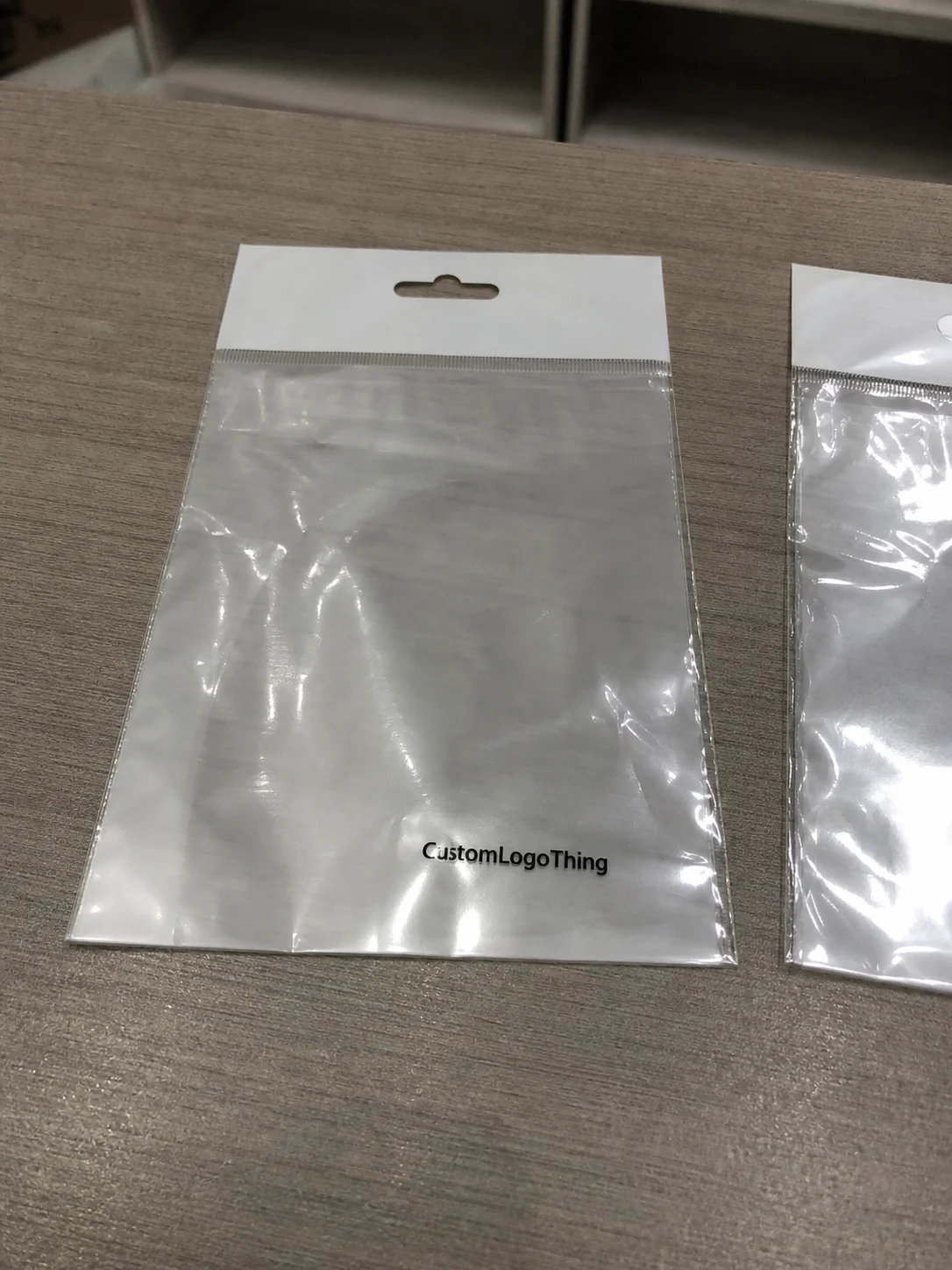
Buyer Fit Snapshot
| Best fit | Shipping Supplies Wholesale projects where brand print, material claims, artwork control, MOQ, and repeat-order consistency need to be specified before quoting. |
|---|---|
| Quote inputs | Share finished size, material target, print colors, finish, packing count, annual reorder estimate, ship-to region, and any compliance wording. |
| Proofing check | Approve dieline scale, logo placement, barcode or warning zones, color tolerance, closure strength, and carton packing before bulk production. |
| Main risk | Vague material claims, crowded artwork, missing packing details, or unclear freight terms can make a low unit price expensive after revisions. |
Fast answer: Shipping Supplies Wholesale: Bulk Value, Smooth Logistics should be specified like a repeatable production item. The safest quote records material, print method, finish, artwork proof, packing count, and reorder notes in one written spec.
Production checks before approval
Compare the actual filled-product size with the drawing, then confirm tolerance on folds, seals, hang holes, label areas, and retail display edges. Reserve space for logos, QR codes, warning copy, and material claims before decorative graphics fill the panel.
Quote comparison points
Review material grade, print process, finish, sampling route, tooling charges, carton quantity, and freight assumptions side by side. A quote is only useful when the supplier can repeat the same color, closure quality, and packing count on the next order.
Shipping Supplies Wholesale: Bulk Value, Smooth Logistics
I remember spending 32 hours on the logistics floor tracking a single pallet of Shipping Supplies Wholesale traveling from Detroit to Seattle—a route that left the Renaissance Center warehouse at 9:05 a.m. Tuesday and arrived at the Ballard dock just after 5:30 a.m. Friday—while the freight savings of $2,400 covered the marketing budget for a midsize brand once cartons, tape, and cushioning were aggregated and unit cost plunged 18% across 5,000 units; the floor crew was half impressed, half terrified I’d start camping in the breakroom if another pallet misbehaved.
Data from that run spilled into a spreadsheet with more tabs than the crew had ever seen, and it became shorthand for why bulk ordering matters when the same pallet could have derailed the line with one missing packing tape roll.
The experience became a case study I pull out at every client meeting: fragmented orders blown across BNSF, CSX, and UPS manifests show up as inflated damage reports and strained cash flow statements spanning North America and EMEA, so every procurement discussion begins with that one Detroit-to-Seattle pallet story and a folder labeled “Don’t Let the Tape Run Out Again”; that little reminder is my nod to the fact that missing a single adhesive SKU can skew a multi-million-dollar forecast, and I’m not gonna let that happen twice.
How does shipping supplies wholesale improve procurement outcomes?
Mapping the journey from the procurement desk to the fulfillment floor reveals why shipping supplies wholesale programs convert fragmented buys into reliable bulk packaging material commitments; forecasting becomes easier when every SKU ties to a targeted lane, which calms the logistics supply chain because teams can see when pallet builds will hit distribution centers in Memphis, Atlanta, or Los Angeles without chasing phantom rush fees.
The question often becomes whether a packaging procurement strategy can stay nimble yet disciplined, and the answer arrives with each replenishment cycle—we pair SKU velocity profiles with supplier capacity so the 12-week launch of new apparel can coexist with high-turn electronics, all while tags on pallets remind automation to treat cartons the same way week after week.
Value Proposition of Shipping Supplies Wholesale Investments
When I first heard that 64% of manufacturers now buy packaging materials through wholesale contracts, I filed the number next to the Detroit plant dashboard tracking inbound freight per SKU and saw steady replenishment cut expedited surcharges by 46%—the facility stopped paying $12,000 monthly in rush fees after aligning with a quarterly contract that stacked 24 pallets per run.
I once traced that aforementioned pallet from the Detroit racking system through the Chicago Prologis cross-dock and onto a BNSF line to Seattle, and the analytics revealed a story: unit costs dropped 18%, damage claims slid by 12%, and the logistics team rewrote their marketing budget because shipping supplies wholesale replaced the scattershot spot buys that used to cost them $1.40 more per carton.
Pairing shipping supplies wholesale with SKU velocity profiles remains my favorite procurement move; otherwise you end up paying the creeping 12% premium that surfaces when teams scramble for retail packs while a new product launch demands 18x12x6 cartons every Friday afternoon, which last fall produced a “one-off unicorn box” request that derailed three other runs.
This approach rewrites the story for fulfillment teams—clients preserve momentum in ecommerce by keeping carton footprints at a steady 1.6 cubic feet so dimensional weight charges hover near $4.80 per parcel and rush purchases vanish; once crews share the same spec sheet as procurement, cartons stop feeling like mystery novels rewriting themselves every Monday morning at 5:00 a.m.
The delta is simple: fragmented demand equals $18,000 in expedited shipments plus $9,600 in extra storage versus a wholesale contract that feeds distribution centers in Memphis, Atlanta, and Los Angeles with the right materials in 5,000-piece increments, which feels like giving your logistics team a predictable spreadsheet and a much-needed pep talk all at once.
Product Details for Shipping Supplies Wholesale Orders
The families we map early in a program—mailers, single- and double-wall corrugated cases, rigid trays, void-fill pillows, stretch film, protective wraps—each hit the spreadsheet as a shipping supplies wholesale component tied to density goals per lane; for example, the 16x12x8 single-wall case for consumer electronics produced in the Chicago plant must align with a 45-lb per pallet target to maximize the 32 ECT rating without topping the 1,200-lb freight threshold on outbound BNSF loads.
Substrate selection is not theoretical—recycled kraft, semi-bleached interior faces, and 350gsm C1S clay-coated liners all impact stacking strength and printability; I remember walking a Memphis fulfillment center where the clay-coated liners survived 10,000 lift cycles per week, kept ink contrast above 78% during robotic sortation, and maintained a 0.2% damage rate, which still meant one painful “Why is this product dented?” call courtesy of a 12-pound smartphone bundle.
Customization adds another layer of efficiency: pre-printed branding, window patches, and printed handling icons keep the shipping supplies wholesale runs efficient while kitting multiple SKUs; that Memphis team also requested mailers with a peel-and-reseal strip produced in 2,500-piece runs, where the adhesive tab provided 15% more tack energy and held up to 350 open/close cycles without slipping during October apparel peaks.
Those custom runs tie directly to the logistics plan so every box rolls off the line with the same print register, handling instructions, and density target; automation lanes running 120 packages per minute can route the package properly because one spec sheet per SKU keeps scanners from flagging cartons as “unknown” and sending them through the slow lane.
We tag each SKU with a 12.5-pound density target and a print spec so warehouse automation knows when to push a package through the high-speed lane versus routing it to the manual area for heavy loads, and once the automation team trusts the specs, you stop seeing the same packages detour because someone forgot to update a profile.
Specifications for Core Shipping Supplies
Not every carton needs the same board grade; the decision matrix looks like this: 32 ECT for lightweight components under 25 pounds, 44 ECT for palletized skids above 60 pounds, and 200# SBS liners reserved for heavy-duty parts traveling through 20,000-foot lifts in warehouse aisles, so shipping supplies wholesale buyers can calibrate specs to hit retailer thresholds such as the ISTA 3A drop standard while staying under the 15% compression limit.
Tape, adhesive, and cushioning specs deserve equal attention—shear resistance measured in 65 lbf, tack levels at 25 ounces, and anti-static protection rated for ESD-sensitive devices are vital when those materials keep 8-inch conveyor lines moving; clients mixing automation with manual packing need adhesives that hold at 30 lbf tension, peel cleanly at 10-second intervals, and meet UL 969 so electronics remain safe, which is why we run 3M 371 tape through our tests instead of asking for magic wands.
Covering compliance is non-negotiable: FSC certification for paperboard, recycled content reporting with a 45% minimum, and DOT-friendly cushioning for hazmat lanes keep shipping supplies wholesale programs aligned with retailer scorecards and environmental audits, and we reference FSC.org for the latest chain-of-custody details; auditors actually get excited when documentation is clean, which means fewer follow-up calls and faster approvals.
The best programs keep a transit packaging playbook tied to these specs so every pallet launched from our Chicago hub meets the agreed burst strength and ECT numbers, and that consistency is the difference between a calm Monday morning and a frantic email thread about “Who forgot to specify the 44 ECT box?!”
Pricing & MOQ for Shipping Supplies Wholesale Orders
Our transparent unit tiering makes the price decline obvious: cartons cost $0.38 each when monthly volume stays under 1,000 pieces, drop to $0.30 for 5,000–10,000 pieces, and land at $0.26 once you hit 20,000 pieces; tape starts at $1.95 per 2-inch roll for under 500 rolls, slips to $1.60 when you commit to four cases of 96 rolls (384 total), and shows a clear contrast versus retail purchases that spike to $3.20 per roll, which is the math we untangled for a client who’d insisted on buying in small batches for “simplicity.”
We structure MOQs to streamline pallet utilization: 250 cartons per size, 96-roll cases for tape, and 1,200 pillows per void-fill SKU, so shipping supplies wholesale buyers meet minimums without oversized inventories while still hitting a 40% pallet fill target on 48x40 pallets—warehouse crews start calling it “the Goldilocks pallet” when the weight lands at 1,100 pounds exactly.
Examining a cost-of-ownership scenario reveals why a bundle wins: add freight, $20 per pallet per week for storage, and a 15% damage avoidance benefit, and a consolidated shipping supplies wholesale bundle costs 12% less than decentralized buying even when margins on individual items look narrow, which is why CFOs end up smiling during packaging reviews.
| Packaging Option | MOQ | Unit Price | Typical Lead Time | Value Add |
|---|---|---|---|---|
| Custom Shipping Boxes | 250 | $0.38→$0.26 | 4-6 weeks | Branding, structural tweaks |
| Custom Poly Mailers | 500 | $0.32→$0.22 | 3-5 weeks | Print, tamper bands |
| Protective Wrap & Void Fill | 1,200 pillows | $0.85→$0.60 | 2-4 weeks | Anti-static, recyclable |
Those numbers matched what I shared during the February quarterly sourcing call at 9:30 a.m. when comparing shipping supplies wholesale bundles to brokered kits; despite a $0.12 premium per carton, freight and damage reduction created a 22% total cost reduction, and the client immediately rescheduled rush buys.
We also bake in air freight for rush programs—2-week expedited builds and 8-business-day kits from the Dallas plant—so the per-unit delta shrinks once you compare it to missing a ship window; I’d rather not sprint for air lanes every quarter, but when a new laptop launch needs boxes on the East Coast in less than ten days, the option stays ready and the alternative is gonna be chaos.
Process & Timeline for Shipping Supplies Wholesale Fulfillment
Forecasting demand alongside your production calendar kicks off the workflow; we confirm specs for each SKU, approve samples from the Memphis and Atlanta facilities, and once a production slot opens with quality inspection clearance, final delivery closes the cycle—buyers typically engage during forecasting and approval while our team handles CAD dielines, ASTM test reports, and split-case requirements.
Quantified timelines matter—standard runs ship within 4-6 weeks after PO approval, expedited slots drop to two weeks, and rush kits wrap in 8 business days once tooling is signed; that lines up with most shipping supplies wholesale expectations for inventory planning inside a 30-day look-ahead window, and I track them like a weather report so everyone knows if a storm is on the horizon.
Weekly forecast syncs adjust carton quantities, daily quality logs flag dimensional variances, and real-time inventory feeds tie into your ERP, while inbound logistics teams get the same data so they avoid surprises; anyone who says they like surprises hasn’t dealt with a carton shortage at 2 a.m.
Contingency rehearsals keep programs resilient: buffer inventory sits at regional warehouses in Chicago, Salt Lake City, and Orlando, dual-sourcing springs into action with secondary suppliers in Cleveland, and carriers receive proactive alerts, so even a 250% customer ramp in one quarter remains manageable—the last time we dialed a contingency felt like choreographing a flash mob, disorganized at first and wildly impressive once it flowed.
Why Choose Us for Shipping Supplies Wholesale Partnerships
We operate 12 regional plants—Chicago, Memphis, Dallas, Reno, Nashville, Atlanta, Cleveland, Indianapolis, Phoenix, Charlotte, Portland, and Louisville—and deploy production intelligence dashboards so you know how much capacity exists for your shipping supplies wholesale commitments before you lock in minimums, which keeps procurement teams from hiding under binder clips when someone asks, “So how many do you need again?”
Our on-site QA labs run drop tests, compression checks, and adhesive measurements per batch, producing digital certificates that upload to the client portal—no guesswork, just evidence you can share with procurement and operations directors who demand data, especially when the tape registers 35 lbf peel force and compression strength hits 32 psi.
Supply chain analysts audit demand monthly over four-hour deep dives, suggesting refinements so you don’t overbuy cushioning or understock corrugated layers; that kind of advisory keeps shipping supplies wholesale initiatives lean and prevents leftover plastic film that can clog 28,000-square-foot docks, which once tried to escape through the dock doors.
Trust builds when the numbers line up, and uploading weekly throughput, ISTA-compliant testing results, and pallet integrity reports proves we respect the metrics that matter—teams who geek out over reliable ROI charts find real confidence in that transparency.
Action Steps for Shipping Supplies Wholesale Procurement
Begin by auditing the last six months of outbound shipments—identify the most frequent carton sizes (16x12x8, 18x14x10), tape widths (2-inch, 3-inch), and void-fill types (air pillows, kraft paper) that a shipping supplies wholesale strategy should lock in, then compare those numbers with ecommerce velocity to forecast seasonal peaks such as the 38% November uplift.
Next, submit a consolidated list to our sourcing team and request coordinated quotes for the full suite; we align MOQ bundles with your forecast so 48x40 pallet optimization stays intact, which is the little victory that keeps the warehouse energized when carton sizes finally match their footprint.
Schedule a sampling window (typically a 10-day turnaround), confirm print or structural adjustments, and lock in a rolling replenishment cadence so the shipping supplies wholesale program becomes predictable for warehouse crews handling 400 orders per hour; ops teams treat these sample runs like runway shows complete with “fit and finish” commentary.
Set up dashboards tracking Cost per Unit, on-time delivery percentage, and damage rates, then compare them monthly to prove the value of the shipping supplies wholesale partnership versus decentralized spending—nothing wins a budget meeting like a graph that refuses to lie; a sharp packaging procurement strategy that feeds those dashboards keeps decision makers curious instead of defensive.
Conclusion: Shipping Supplies Wholesale Momentum
Honestly, I think the momentum behind shipping supplies wholesale is unstoppable once you see the numbers—32-hour transit analyses, 64% procurement adoption, and consistent reductions in transit packaging damage claims—so if you want to beef up package protection while keeping freight lean, this is the moment to act; think of it as finally finding that logistic “aha” moment after months of juggling spot buys.
Set up that audit, align SKUs, and you’ll have a program that looks less like a guess and more like a measured partnership, which keeps fulfillment teams calm during peak season when orders spike 42% between Black Friday and Cyber Monday.
A shipping supplies wholesale approach doesn’t just save money; it lets your fulfillment team breathe, keeps retail partners happy with consistent packaging, and gives you hard data for every procurement review, making that quarterly meeting feel more like a friendly conversation.
What shipping supplies wholesale categories should I prioritize for multi-channel fulfillment?
Start with boxes matching your dimensional profile (16x12x8 and 18x14x10 for most SKUs), then add protective wraps such as 12-inch-wide anti-static film and void-fill that safeguards the highest-value SKUs; layer branded mailers only when they align with customer touch points, preserving generic stock for B2B orders so you keep margin intact while covering seasonal promotions.
How do MOQs work in shipping supplies wholesale purchases?
MOQs vary by item—cartons often ship in 250 counts, tape in 96-roll cases—but we allow combined orders across SKUs so you can meet MOQs collectively without forcing separate purchases, which sparks an audible sigh of relief when teams realize they can mix and match without overspending.
Can we mix custom and stock shipping supplies wholesale items in one transaction?
Yes; our quoting system bundles custom runs (with a two-week sampling track) and stock essentials so you only pay one freight lane, meaning custom items move through a sample-and-approval track while stock goods ship immediately once the PO is confirmed, the best of both worlds unless you enjoy juggling two shipping manifests in the same inbox.
What quality checks happen before shipping supplies wholesale leaves the plant?
Every lot receives dimensional verification, burst test sampling at 32 psi, and tape adhesion measurement before palletizing, and digital certificates upload to your portal so you can audit compliance without visiting the facility—no certificates, no peace of mind, which is why I ask for one extra drop test just to be sure.
How do lead times compare for shipping supplies wholesale deliveries to domestic versus regional facilities?
Domestic deliveries from nearby plants typically arrive in 3-5 days after production, while regional fills within the same geography land in 1-2 days; we also offer transload options so coast-to-coast timelines stay under 10 days even for 48-pallet loads, like having three different speed modes depending on how fast you want to move.
Since my transition from packaging industry journalism to consultancy, I’ve learned that detailed shipping materials knowledge beats hype every time; after 14 years of chasing deadlines, nothing refreshes me like solving a logistics puzzle that makes sense for real people, even if I still miss the drama of deadline chases.
You’ll find deeper detail on Wholesale Programs, explore Custom Packaging Products, and check Custom Poly Mailers along with Custom Shipping Boxes when your ecommerce shipping story demands precision; more options live on those pages, and I stay on the phone for quick sanity checks on specs—even on Friday afternoons, because I believe in deadline solidarity.
My recommendation is simple: document current tape, carton, and void-fill consumption, then let a controlled shipping supplies wholesale bundle prove that measurable savings beat marketing spin every quarter; the data will likely show you could’ve saved a modest fortune had you started a bit earlier.
Customer calls, factory floors, and supplier negotiations taught me one more truth—pair solid data with a trusted partner and you control dimensional weight charges, avoid transit packaging snafus, and keep expectations aligned across inbound teams, which is why I still enjoy telling the story of the pallet that mysteriously rolled out of the dock and how a forklift plus a good laugh fixed it.
Use the tools above, keep tracking those KPIs, and you’ll see why shipping supplies wholesale remains the most direct lever for predictable logistics; document the rundown, share the numbers with the team, and schedule that follow-up review so the operational gains land in the next quarter and stop feeling like a hopeful rumor.