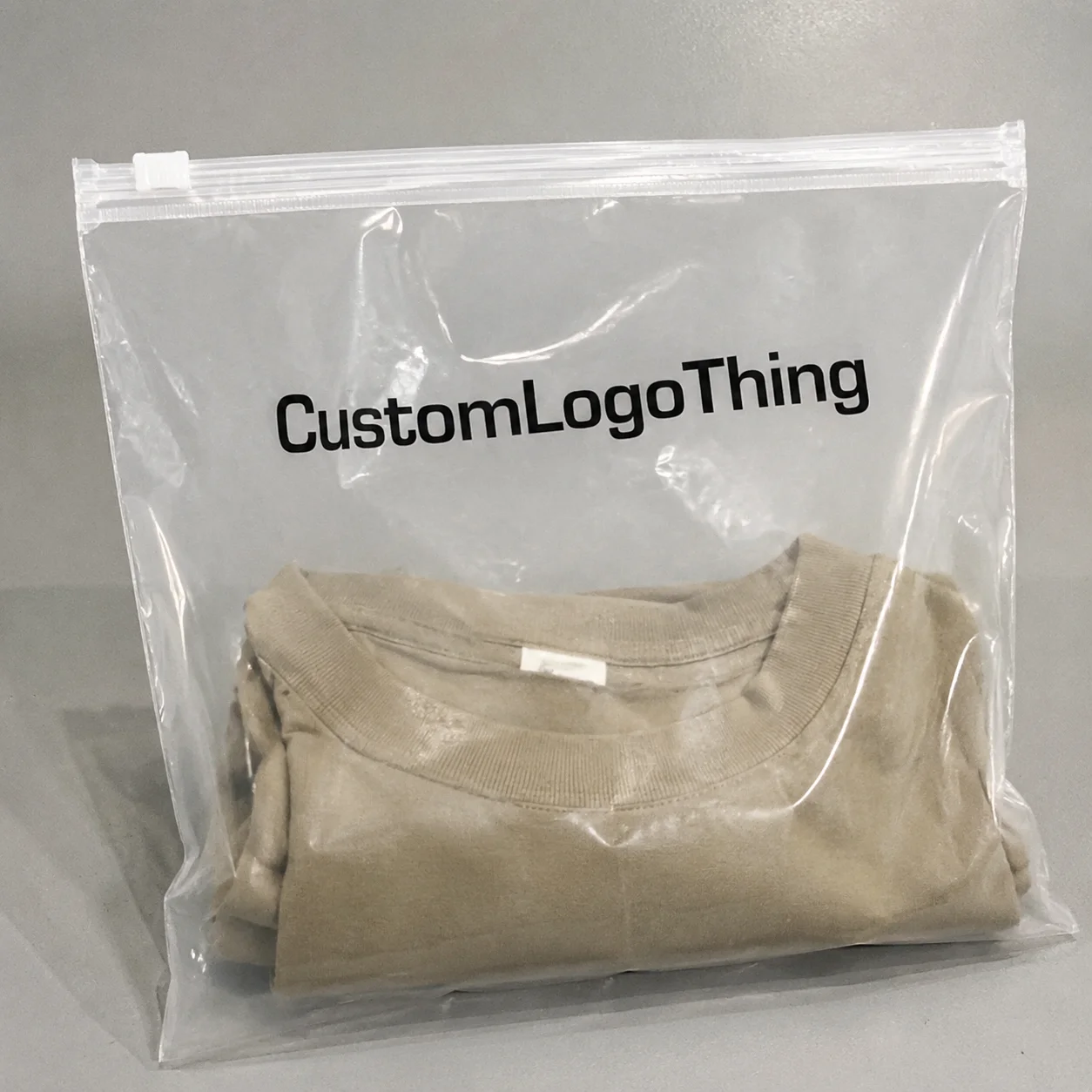
Shop PVC Zipper Garment Bags Material Comparison Guide
Two garment bags can look identical online. Same zipper. Same hanger hole. Same clear front. Then one cracks in cold storage, one fogs over the dress, and one has a zipper that feels like it came free with a cereal box.
That is why a Shop PVC Zipper Garment Bags material comparison guide is useful for buyers comparing PVC against PEVA, non-woven polypropylene, clear vinyl, frosted plastic, and laminated constructions. Product photos rarely show the details that decide whether a bag works after the first shipment.
A PVC Zipper Garment bag is a flexible plastic garment cover with a front or side zipper. Most are used for suits, dresses, uniforms, costumes, rental garments, retail apparel, trade show samples, warehouse storage, and laundry service. Common sizes start around 24 x 40 inches for short garments and move up to 24 x 60 inches, 24 x 72 inches, or longer for gowns and coats. Add a 2- to 6-inch gusset when the garment has volume. Yes, that matters.
Material choice controls more than appearance. It affects clarity, smell, stiffness, zipper durability, folding behavior, print quality, perceived value, compliance expectations, freight volume, and unit cost. Change one variable and three others usually move with it. A thicker PVC film may look sharper on a retail rack, but it can raise packing volume. A softer PEVA bag may have lower odor, but it may not give the same crisp display clarity. Non-woven polypropylene breathes better, but it hides the product unless you add a clear window.
The goal is not to crown one perfect material. There is no perfect material. The goal is to match the bag to the garment, the handling cycle, the customer experience, and the budget before anyone starts quoting random numbers.
Buyer reality check: “Clear garment bag” is not a complete spec. It is barely a starting sentence.
How PVC, PEVA, Non-Woven, and Vinyl Garment Bag Materials Differ
PVC is the classic clear, flexible, durable option. It has strong product visibility and enough structure to hang nicely without collapsing into a sad plastic curtain. Common PVC garment bag thicknesses range from about 0.08 mm for lightweight use to 0.18 mm or more for repeated handling. For retail display, sample storage, and rental use, PVC often gives the cleanest view of the garment. The tradeoff is a heavier feel, possible plastic odor, and compliance questions depending on the market, retailer, and end use.
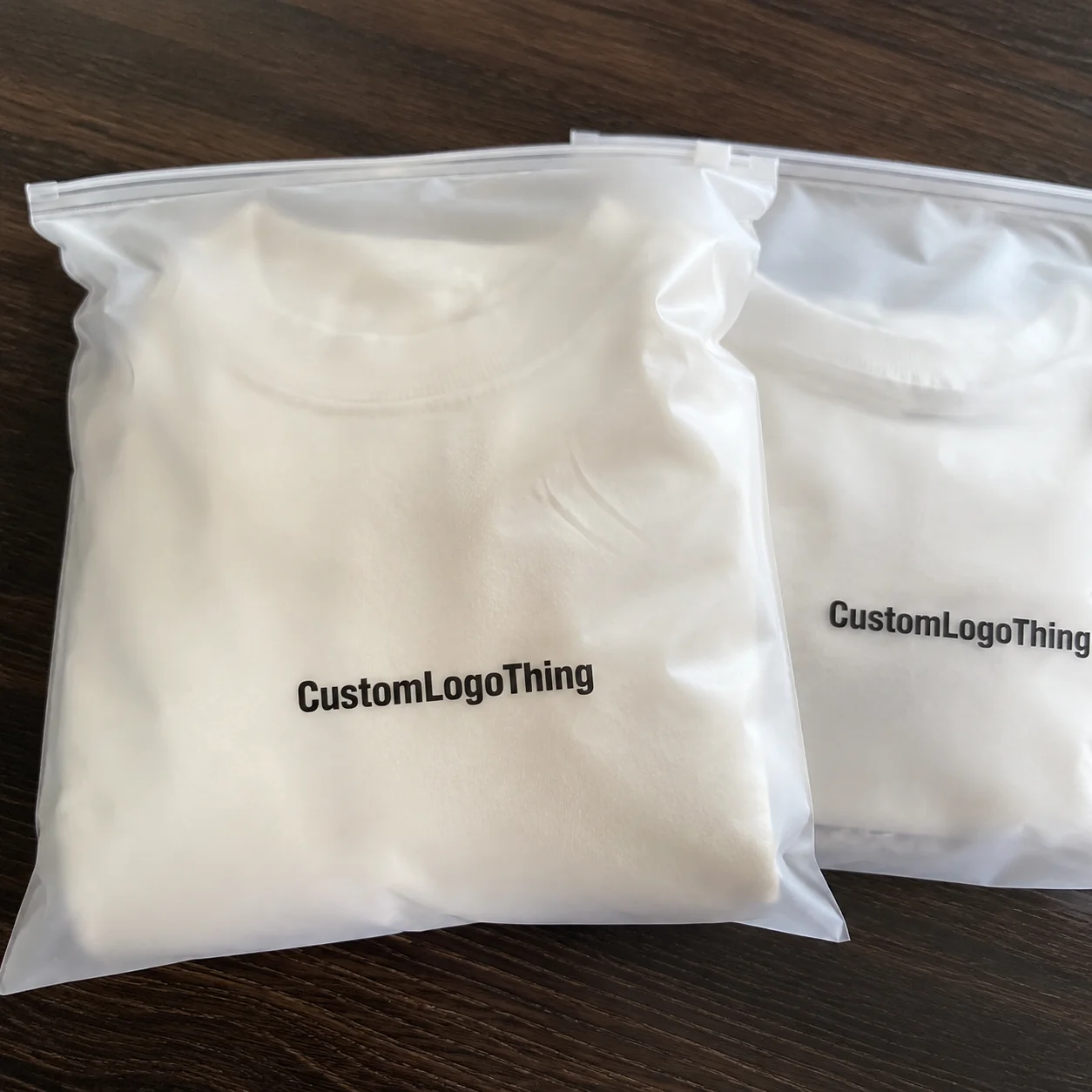
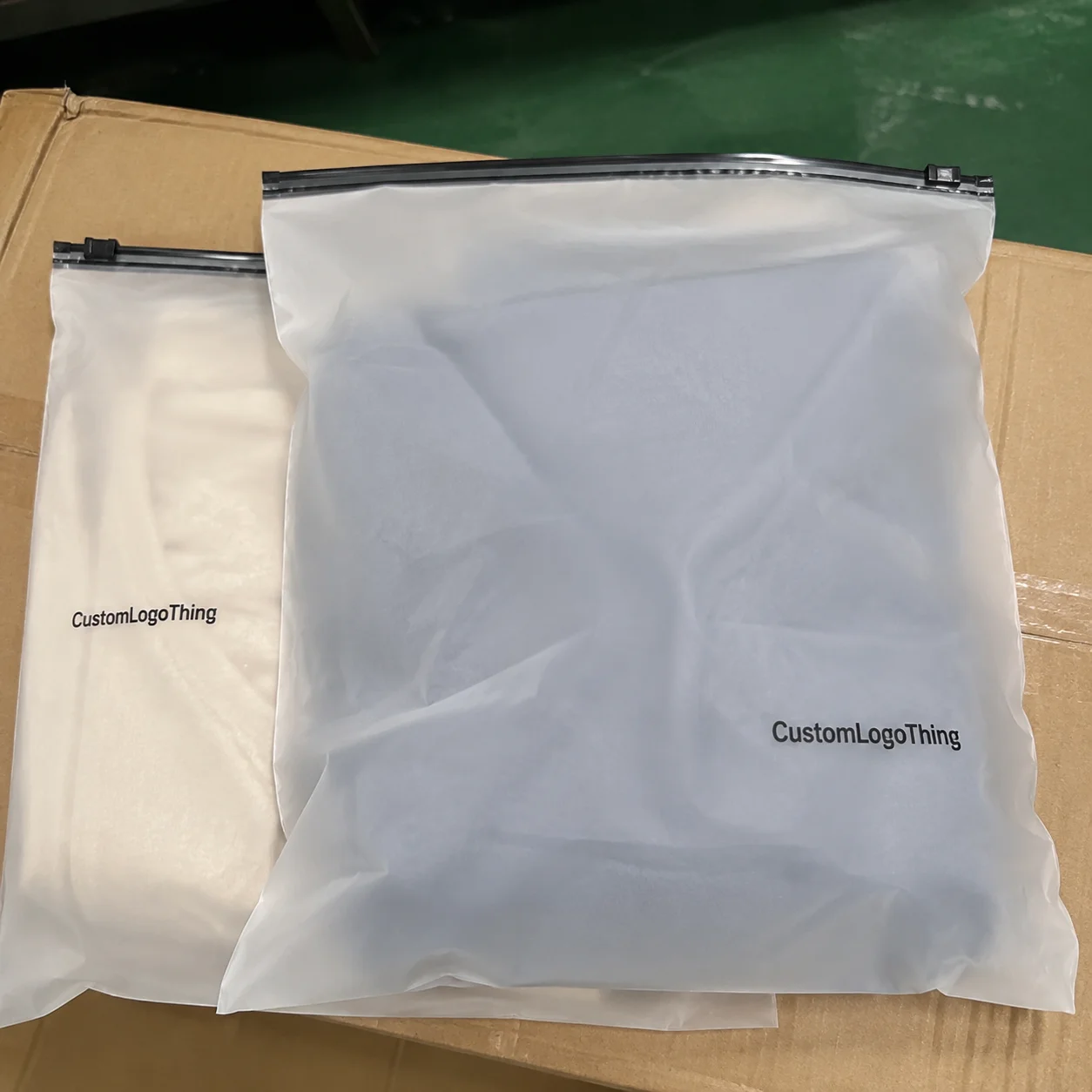
PEVA is softer and usually lower odor. Buyers often choose it for hospitality programs, home storage brands, apparel packaging, and situations where the material story needs to feel cleaner than standard PVC without jumping into premium textile bags. PEVA can be clear, semi-clear, or frosted, but it often feels less rigid. That can be good for folding and packing. It can also feel less structured on a rack. Not always, but often enough to test before ordering 10,000 pieces.
Non-woven polypropylene is the breathable, fabric-like value option. Typical weights run from about 60 gsm to 100 gsm, with 80 gsm sitting in the common middle range for suit and uniform bags. It is popular for bridal boutiques, promotional packaging, dry garment storage, and uniform delivery because it accepts bold logo printing well and feels more textile-like than clear plastic. The drawback is obvious: no full product visibility unless you add a clear PVC or PEVA window.
Clear vinyl and thicker transparent films sit closer to the premium display side. They feel more substantial, hold shape better, and suit showrooms, wardrobe storage, and high-touch retail settings. Buyers choose them when the bag itself is part of the presentation. If the garment sells for hundreds or thousands of dollars, a flimsy bag is a weird place to save twelve cents.
Laminated and mixed-material bags exist because buyers want everything at once. A common build is a non-woven back with a clear PVC front, reinforced handles, piping, binding, a gusset, and one or two printed panels. These hybrid bags can look excellent for bridal gowns, formalwear, costumes, and premium uniforms. Naturally, everything at once costs more. Funny how that works.
| Material | Best Use | Typical Feel | Buyer Tradeoff |
|---|---|---|---|
| PVC | Clear retail display, rentals, sample storage | Structured, flexible, clear | Great visibility, but check odor and compliance |
| PEVA | Hospitality, home storage, softer brand positioning | Softer, lower odor, often frosted | Cleaner feel, sometimes less crisp clarity |
| Non-Woven Polypropylene | Suits, uniforms, bridal storage, promo use | Fabric-like and breathable | Good value, limited visibility |
| Clear Vinyl / Thick Film | Premium display and repeated handling | Heavier, clearer, more structured | Better presentation, higher unit and freight cost |
| Hybrid Construction | Formalwear, retail programs, branded storage | Mixed clear and fabric-like panels | Strong presentation, more complex quoting |
The short version: choose PVC for visibility and structure, PEVA for softer low-odor handling, non-woven for breathable economy, and hybrid construction for premium retail presentation. That is the backbone of a useful material comparison.
Key Specs That Control Durability, Clarity, and Brand Presentation
Thickness is usually the first spec buyers ask about, and fair enough. Thinner films reduce cost, fold flatter, and ship more efficiently. A lightweight 0.08 mm PVC bag may work for short-term retail protection or dry-cleaning style use. A 0.12 mm to 0.16 mm film usually feels more stable for suits, dresses, and sample transport. For repeated rental cycles, heavier garments, or premium presentation, buyers often look at 0.18 mm or reinforced mixed construction.
Clarity is not one setting. Crystal clear material is best for retail display because customers can see color, texture, and silhouette. Semi-clear material gives partial visibility and hides wrinkles better. Frosted plastic gives a softer premium look, especially with a one-color logo. Opaque non-woven panels shift the bag from display packaging to branded storage. None of these is “best” by default. The customer experience decides.
Zipper quality deserves more attention than it gets. A center zipper is easy for hanging garments and common for retail. A side zipper can work better for gowns or long coats. Full-length zippers improve access but cost more. Nylon zippers are common and practical; metal pullers feel more premium but add cost. Double pullers help with long bags. If the zipper jams, the entire bag feels cheap, even if the film is fine.
Construction details stack up fast. Common options include gussets for bulky garments, reinforced hanger openings, stitched edges, heat-sealed seams, handles, piping, binding, accessory pockets, snaps, and bottom folds. A 3-inch gusset can make the difference between a garment hanging naturally and being crushed into the bag. Reinforced hanger holes reduce tearing during warehouse handling. Handles help with transport, but only if the stitching or heat seal is strong enough for the loaded garment.
Custom logo garment bags are usually printed by screen printing, heat transfer, label patches, or full-panel printing. Screen printing works well for bold one- or two-color logos. Heat transfer handles sharper color work and gradients better, though it must be tested on the chosen substrate. Label patches can help for small runs or premium textile-style branding. Full-panel printing suits larger retail programs where the bag is part of the visual system.
Look at the use case before locking the spec. Dry cleaners need speed, low unit cost, and easy packing. Bridal boutiques need presentation, longer lengths, and enough room for structured garments. Rental companies need zipper durability and reinforced seams. Fashion brands need clean logo placement and consistent clarity across production. Uniform suppliers need repeatable sizing, carton labeling, and predictable reorders.
Quality control should check the boring details, because boring details are usually where failures start. Measure finished size tolerance. Pull-test handles and hanger openings. Run the zipper several times, not once. Check print adhesion on the actual material. Open a packed carton and look for crease marks, trapped dust, cloudy panels, odor, and distorted zipper tape. If a supplier cannot define what they inspect, assume you are the inspection plan. Enjoy that.
Cost, Pricing, MOQ, and Unit Cost Tradeoffs Buyers Should Expect
Garment bag pricing is driven by material type, thickness, size, zipper quality, print coverage, quantity, reinforcement, packing method, and shipping volume. Not magic. Just a lot of moving parts. A basic non-woven garment bag might sit around $0.45 to $1.20 per unit at moderate volume, depending on size and print. Clear PVC or PEVA bags commonly land around $0.70 to $2.50 per unit. Reinforced hybrid garment Bags with Handles, piping, gussets, and custom printing can move from $2.00 to $5.00 or more. These are planning ranges, not universal quotes.
Minimum order quantity depends heavily on customization. Simple stock-style bags may be available at 100 to 500 pieces if you are buying blank or using a standard size. Custom printed runs often start around 500 to 1,000 pieces. Custom sizes, special thicknesses, custom colors, printed panels, unusual zippers, or branded retail packaging can push MOQ to 2,000, 3,000, or 5,000 pieces. Anyone promising every custom option at tiny quantity and bargain pricing is either losing money or trimming the spec somewhere.
Volume changes unit cost because setup gets spread across more bags. Printing screens, artwork prep, cutting setup, material sourcing, packing labor, and inspection do not disappear just because the order is small. A 500-piece order carries more setup burden per bag than a 5,000-piece order. That is why a quote can drop sharply between 1,000 and 3,000 pieces, then flatten after that.
Do not compare quotes unless specs match exactly. A 0.08 mm clear PVC bag and a 0.18 mm reinforced zipper bag are not competitors. They are distant cousins at Thanksgiving. One might be perfect for low-cost short-term protection. The other might be built for repeated handling, showroom presentation, and heavier garments. Same outline. Different animal.
Good quote requests include bag dimensions, material preference, thickness, zipper position, logo size, logo color count, quantity, packing method, destination, and required delivery date. Better quote requests also include garment type, approximate garment weight, and whether bags will be folded, shipped flat, hung, stored in a warehouse, or handed directly to customers. Precise input reduces vague quoting and unpleasant surprises.
If sustainability language is part of the packaging program, be careful. Garment bags do not behave like corrugated cardboard, kraft paper, or many paperboard options. Claims around recycled materials, post-consumer waste, biodegradable packaging, or FSC certified sourcing need proof and must match the actual material. For general environmental marketing guidance, the U.S. Environmental Protection Agency is a better starting point than whatever a random marketplace listing says.
A practical shop PVC Zipper Garment bags material comparison guide should connect price to the full spec. Otherwise buyers end up comparing a low-cost storage sleeve with a reinforced branded retail bag and wondering why the numbers are different. Because the bags are different. Mystery solved.
Process and Timeline: From Material Selection to Finished Zipper Garment Bags
The production path is straightforward when the spec is clean. Confirm the use case. Choose the material. Finalize size. Approve construction details. Prepare artwork. Sample if needed. Produce. Inspect. Pack. Ship.
That sounds simple because it is simple on paper. In production, most delays come from vague specs, missing artwork files, late sample comments, or five people approving one bag with five different opinions.
Lead time depends on what already exists. Stock materials move faster. Standard clear PVC or common non-woven weights may be ready for production quickly. Custom thicknesses, special colors, frosted films, reinforced builds, or unusual accessories take longer because sourcing and setup need extra time. Printed logos add setup. Complex construction adds handling. First orders need more buffer than repeat orders.
For planning, simple custom printed garment bags often need about 12 to 20 business days after proof approval, assuming available materials and normal production load. More complex runs with sampling, reinforced construction, or custom material sourcing can take 25 to 40 business days before transit. Ocean freight, air freight, and domestic delivery change the final calendar. Freight is not a rounding error on bulky garment bags.
Sampling choices matter. A digital mockup is fastest and works for logo placement, color layout, and general presentation. A physical material swatch is better for judging clarity, softness, thickness, and odor. A pre-production sample is best for high-value custom orders, especially if the bag includes a gusset, handles, piping, special zipper, or multiple materials. Samples cost money and time, but failed bulk production costs more. Stunning discovery, I know.
Artwork should be vector whenever possible: AI, EPS, or clean PDF files. Fuzzy screenshots do not help. Nobody wants to rebuild a logo from a 42 KB image called final-final-new.png. For screen printing, confirm Pantone references if brand color matters. For heat transfer or full-panel printing, ask for a proof showing scale and print location on the actual bag dimensions.
Approval checkpoints should include material confirmation, size confirmation, zipper and accessory confirmation, print proof approval, production sample approval if applicable, and final carton details. Carton size and packing method affect freight, warehouse handling, and how the bags look when opened. Standards from groups like the International Safe Transit Association can be useful when a buyer needs structured thinking around packed-product distribution testing, especially for larger retail or e-commerce programs.
Step-by-Step Buying Checklist for Choosing the Right Garment Bag Material
Use this checklist before requesting samples or quotes. It will save time. It will also make suppliers take the project more seriously because the request sounds like it came from someone who has bought packaging before.
- Define the real job of the bag. Is it protecting garments in storage, making retail racks look sharper, transporting rentals, presenting bridal gowns, or packaging uniforms for delivery?
- Rank the priorities. Visibility, breathability, durability, lower odor, premium feel, print impact, water resistance, cost, recyclability, and compliance positioning cannot all be number one.
- Choose the material family by use case. PVC works for clear structured protection. PEVA works for softer lower-odor use. Non-woven works for breathable value. Hybrid bags work for presentation and strength.
- Lock dimensions around actual garments. Include length, width, gusset, hanger opening, sleeve allowance, and extra depth for bulky items. Measure the garment, not your hopes.
- Decide zipper placement and reinforcement. Cheap zippers save pennies until they jam in front of a customer. Then they are expensive.
- Confirm branding needs. Specify logo size, ink color, print location, woven label, hang tag, retail barcode, carton labeling, and whether the artwork repeats across sizes.
- Request samples or swatches before large custom runs. This matters when material smell, transparency, softness, stiffness, or print contrast can affect acceptance.
Here is the practical way to narrow it down. If the garment must be visible on a rack, start with PVC or clear vinyl. If the buyer or end user dislikes plastic odor, test PEVA. If the garment needs to breathe during storage, start with non-woven polypropylene. If the bag needs to look retail-ready and survive repeated handling, price a hybrid construction with reinforcement.
This approach works because it stops the habit of asking, “What is cheapest?” and replaces it with, “What does the bag need to survive?” Different question. Better answer.
Common Mistakes That Make Custom Zipper Garment Bags Disappointing
The first mistake is choosing only by lowest unit price. The cheapest bag often uses thinner film, weaker zippers, rougher seams, less consistent clarity, or lighter non-woven fabric. Sometimes that is fine. A short-term promotional garment cover does not need to be built like rental equipment. But if customers will reuse the bag, carry it, store it, or judge the brand by it, bargain-bin construction becomes very visible.
The second mistake is ignoring garment weight and bulk. A lightweight shirt bag may work beautifully for folded retail protection and fail quickly with gowns, coats, uniforms, or costumes. Heavier garments need better seam strength, stronger zippers, reinforced hanger holes, and sometimes a gusset. Thickness alone does not solve everything. A thick bag with a weak zipper is still a weak bag.
The third mistake is treating clear materials as identical. PVC, PEVA, and vinyl can look similar in a product photo, especially on a white background with flattering lighting. Real behavior is different. Stiffness, smell, fold memory, cold-crack resistance, print adhesion, and clarity can vary a lot. Ask for swatches if the order is more than a casual stock purchase.
The fourth mistake is undersizing the bag. Tight garment bags wrinkle clothing, stress zippers, and make the product look jammed in. That is not premium. That is a plastic sausage casing. Add enough length for the garment to hang cleanly and enough width for sleeves or shaped shoulders. Add a gusset for bulky garments instead of pretending a flat bag will magically expand.
The fifth mistake is approving artwork without checking contrast. White logos on frosted plastic can look elegant or disappear. Black logos on dark non-woven can look weak. Tiny thin lines may fill in during screen printing. If the logo is under 2 inches wide, simplify it. If brand color matters, use a Pantone reference and approve a proof.
The sixth mistake is skipping carton and packing details. Folded bags, flat-packed bags, inner poly packs, and master carton counts affect freight cost, warehouse handling, and presentation. A folded bag may arrive with crease marks that matter for premium retail use. A flat-packed bag may cost more to ship but look better out of the carton.
The seventh mistake is waiting until inventory is almost gone before reordering. Custom packaging is not pizza delivery. Repeat orders still need material allocation, printing, production, inspection, and shipping. Build reorder points around average weekly use plus a safety buffer, especially before seasonal spikes.
Build a Better Spec Before You Request Samples or Quotes
Before contacting a manufacturer, write a one-page spec. Keep it plain and useful: use case, garment type, target quantity, preferred material, size, zipper style, print details, budget range, delivery deadline, and destination. Add photos of the garment if shape or bulk matters. Add a rough sketch if the zipper or pocket placement is unusual.
Collect two or three reference samples if possible. One bag you like. One bag that failed. One competitor example. Physical references reduce vague language like “nice quality,” which means absolutely nothing until someone defines it. A supplier can match hand-feel, clarity, stiffness, or construction much faster with a real sample than with adjectives.
Request material swatches if comparing PVC, PEVA, non-woven, and hybrid constructions. Photos hide thickness, stiffness, clarity, and hand-feel. They also hide odor, which can matter for hospitality, bridal, and home storage buyers. If the garment is high value, approve a pre-production sample before bulk production.
Ask for two quote versions: a value option and a premium option. The value option might use thinner film, a standard zipper, and simple one-color print. The premium option might use thicker clear material, reinforced hanger openings, better zipper hardware, piping, handles, and improved packing. Seeing both versions shows the real cost jump instead of forcing everyone to guess.
Confirm compliance needs early if selling into restricted markets, working with large retailers, or making environmental claims. If the wider packaging program includes paper inserts, hang tags, or outer cartons, ask whether FSC certified paper, recycled materials, or post-consumer waste content is required. The Forest Stewardship Council is relevant for paper-based components, not the clear plastic bag itself. Keep claims accurate. Marketing departments get excited. Regulators do not care.
Use this material comparison as a working filter, then narrow the bag around the garment, the customer experience, and the budget. That is how buyers avoid weak zippers, cloudy plastic, awkward sizing, and quotes that look cheap only because half the spec is missing.
FAQs
What is the best material when I shop PVC zipper garment bags for retail apparel?
PVC is strong for clear display and structured presentation, especially when customers need to see the garment. PEVA is better when lower odor and softer handling matter more than rigid clarity. Non-woven polypropylene works well for breathable suit, uniform, and bridal storage when full visibility is not required.
How thick should PVC zipper garment bags be for suits or dresses?
Lightweight PVC around 0.08 mm can work for short-term retail protection or dry-cleaning style use. Medium to thicker PVC, often around 0.12 mm to 0.18 mm, is better for suits, dresses, gowns, costumes, rentals, and repeated handling. Heavier garments usually need reinforced seams, a stronger zipper, and sometimes a gusset instead of just thicker plastic.
Are PEVA garment bags better than PVC garment bags?
PEVA is often softer and lower odor, which can make it appealing for hospitality, home storage, and cleaner-material positioning. PVC usually wins on crisp clarity, structure, and classic retail visibility. The better choice depends on whether the buyer values display, feel, odor, price, or brand positioning most.
What details do I need for a custom zipper garment bag quote?
Provide bag dimensions, material type, thickness, quantity, zipper placement, print artwork, logo color count, packing requirements, and destination. Mention the garment type and weight so the manufacturer can recommend reinforcement if needed. Share target budget and delivery timing upfront to avoid quoting a bag that looks great but lands in fantasyland.
What is the typical lead time for custom printed PVC zipper garment bags?
Simple custom printed garment bags often need about 12 to 20 business days after proof approval when materials are available. More complex projects with sampling, special thicknesses, reinforced construction, or custom sourcing can need 25 to 40 business days before transit. Repeat orders usually move faster, but freight, inspections, and seasonal congestion still affect the calendar.