Skincare Brands Poly Mailers Custom Size Quote Request
Getting a skincare brands poly mailers custom size quote should be straightforward. It usually is not. The quote looks clean on paper until someone realizes the packed size was never defined, the seal area is too tight, or the mailer works for one serum bottle but fails on the refill kit. That is the part buyers pay for later.
From a packaging buyer's point of view, the real question is not whether a mailer exists in your logo color. It is whether the mailer holds the actual packed unit, travels well, and still protects margins after print, freight, and spoilage risk are counted together. Good branded packaging does that. Bad product packaging just looks cheap and expensive at the same time.
Skincare Brands Poly Mailers Custom Size Quote: What Buyers Miss
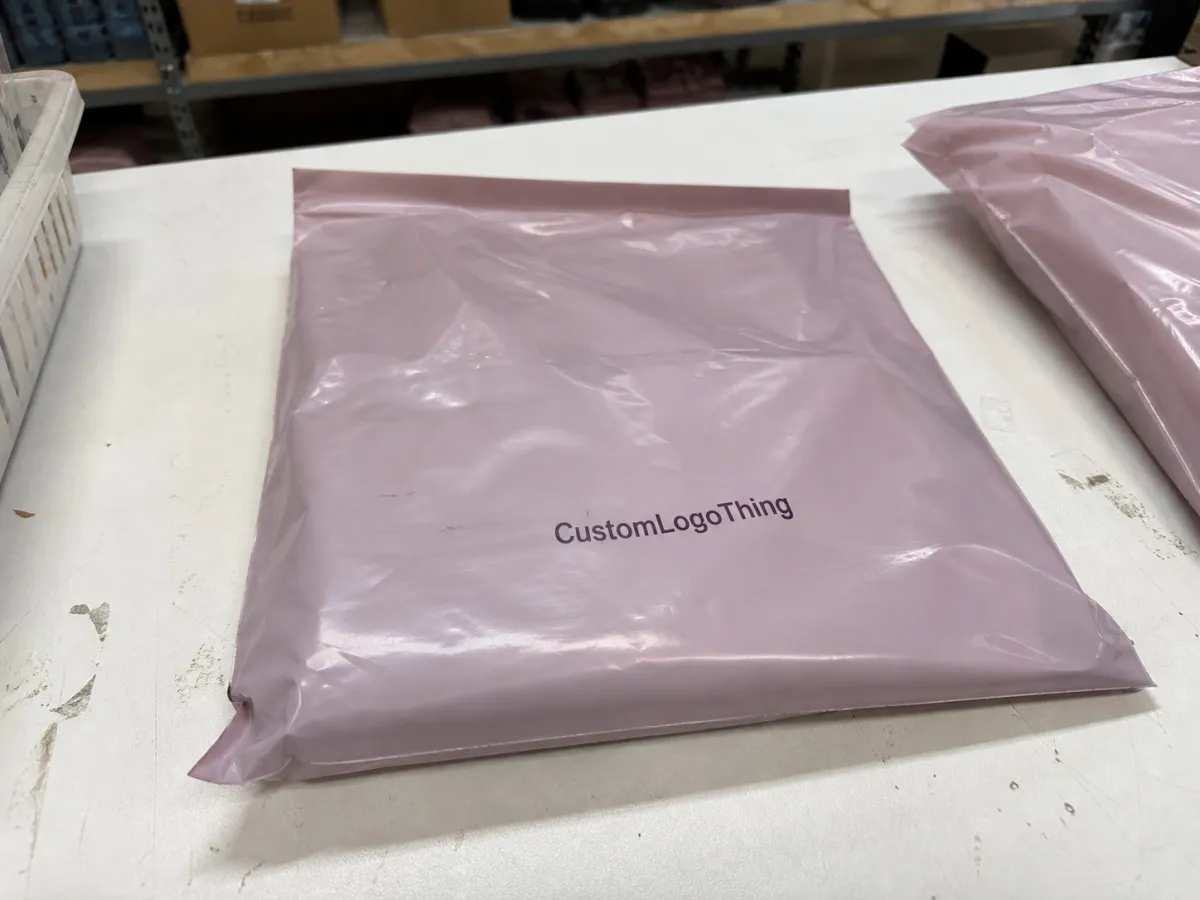
Most quote problems start with the wrong measurement. Suppliers need the packed size, not the bottle size, jar diameter, or carton dimension by itself. A sample kit with inserts, a sealed pouch, and a return card behaves very differently from a single tube in a sleeve. If you skip that detail, the quote may be low because the mailer is undersized or packed too tight to seal cleanly.
That mistake creates real costs. Extra void space increases film waste and raises the chance of shifting during transit. Too little room can split the seal, crush a pump top, or make the finished pack look sloppy. For skincare subscriptions, refill packs, and multi-item sets, the safe fill pattern matters more than the nominal product size on your spec sheet.
A mailer quote only has value if it answers three things: will it fit, will it survive the trip, and what will it cost after setup and freight are added.
To get a clean skincare brands poly mailers custom size quote, send these details in one message:
- Packed dimensions of the final ship unit, including inserts and closure clearance.
- Units per mailer if you are shipping kits, bundles, or paired items.
- Closure style such as peel-and-seal, permanent adhesive, or tamper-evident strip.
- Print coverage including logo placement, full coverage, or back-side messaging.
- Destination and delivery target, because freight assumptions change the landed number fast.
That is the difference between a quote you can approve and one you have to rework three times.
Why Poly Mailers Work for Skincare Orders in Transit
Poly mailers are efficient because they are light, low-bulk, and fast to pack. They make sense for sealed pouches, sheet masks, sample bundles, accessories, and secondary packaging that already protects the product. For many direct-to-consumer skincare brands, that is enough. No drama. No oversized carton for a two-ounce refill pack.
They are not a magic shield. Loose glass, heavy jars, and fragile pump bottles can get damaged in a soft mailer if the inner pack is not doing its job. If the product can bounce, crush, or leak under pressure, a bubble mailer or rigid carton is usually the smarter move. A supplier worth paying attention to should say that plainly instead of pretending every order fits every bag.
Material basics matter more than most buyers expect. Look for LDPE film with a thickness matched to the load, a clean tamper-evident seal, and enough tear and abrasion resistance for courier handling. For distribution testing, references like ISTA test methods are more useful than vague claims about being "strong." If a supplier can talk about film performance in plain language, that is a good sign.
There is always a tradeoff. Thicker film, stronger adhesive, and better print coverage improve presentation and performance, but they also increase material use and shipping weight. In practice, the sweet spot for many beauty orders sits between 2.5 mil and 4 mil, depending on what is inside and how much abuse the pack will take.
If you are comparing options against Custom Poly Mailers, the question is not just what looks premium. It is what performs through pick, pack, carrier sortation, and delivery without creating a claim or a rerun.
Custom Size Specs That Protect Products and Control Cost
The smartest way to spec a mailer is to measure the finished packed unit. Include the product count, inserts, closure clearance, and any space needed so the seal lands flat. A 6 x 8 inch serum pouch can behave like a 7 x 10 inch pack once a card insert and a tamper strip are added. That small difference changes quote accuracy more than buyers like to admit.
Practical size bands help. For skincare, I usually break mailers into three rough categories: compact sample mailers for single items or sachets, standard retail mailers for one-to-three unit orders, and larger bundle mailers for kits, refills, or subscription sets. The exact numbers vary, but the logic stays the same. Quote the packed load, then add a little room for sealing, not the other way around.
| Mailer Type | Typical Use | Film Thickness | Common MOQ | Typical Unit Cost |
|---|---|---|---|---|
| Compact stock-size or simple print mailer | Samples, sachets, small accessories | 2.5-3 mil | 3,000-5,000 pieces | $0.12-$0.22 at 5,000 pcs |
| Standard custom mailer | Single skincare item, small retail set | 3-3.5 mil | 5,000-10,000 pieces | $0.18-$0.32 at 5,000 pcs |
| Heavy-duty custom mailer | Kits, multi-item bundles, subscription packs | 3.5-4 mil | 5,000-10,000 pieces | $0.24-$0.40 at 5,000 pcs |
Those numbers are directional, not a promise. Size, print coverage, destination, and freight terms move them quickly. Still, the pattern is reliable: once the setup is absorbed, the per-piece price drops more sharply than first-time buyers expect. That is why the second or third reorder usually feels much better than the first.
Before mass production, ask for a fit sample or a simple digital mockup on the correct dieline. That catches seal issues, fill behavior, and appearance problems while changes are still cheap. It also keeps packaging design aligned with the rest of your retail packaging instead of turning the mailer into an afterthought.
Print, Finish, and Branding Options That Actually Matter
For most skincare brands, print choices should support the unboxing experience without bloating the quote. One- or two-color branding works well for budget-friendly runs and still looks sharp when the artwork is clean. Full coverage or multi-color print makes sense when the mailer is part of the brand moment, not just the shipping wrapper.
The details that slow approval are usually predictable: logo placement, Pantone matching, QR codes, return address, handling icons, and any regulatory text. If the artwork is not built on the correct dieline, the proof cycle drags. Tiny text can print badly on a small mailer, and a dark full-bleed background can hide scratches on screen but show every mark in real life.
Finish choice matters too. Matte tends to hide scuffs better and gives a more restrained look. Gloss can pop more in photos and on shelves. Neither is automatically better. The right answer depends on your package branding, your product position, and whether the mailer is meant to feel clinical, premium, playful, or something in between.
For sustainability claims, do not get sloppy. If your outer cartons or insert cards use paper, ask for FSC documentation where relevant. If the brand is making recycled-content claims, verify them in writing. The same discipline applies to any branded packaging, whether you are ordering mailers, sleeves, or Custom Packaging Products.
One common mistake is over-designing a small mailer. Too much dark coverage, too many micro-details, and too many print effects can make the pack expensive without making it stronger. Pretty is nice. Readable, consistent, and printable is better.
Pricing, MOQ, and Unit Cost: What Changes the Quote
Every skincare brands poly mailers custom size quote is built from the same core variables: size, film thickness, print colors, total quantity, packing format, and freight destination. Change one of those and the price shifts. Change three and you are really quoting a different product.
MOQ is not random. Printed custom mailers usually need a meaningful run because setup, plates, and press adjustment have to be spread across enough pieces. In practice, many suppliers start around 5,000 to 10,000 pieces for a true custom print. Stock-size bags with simpler branding can sometimes come in lower. That is not generosity. It is just math.
Hidden charges are where buyers get burned. Ask early about plate fees, proof charges, sample costs, export packing, and whether freight is quoted ex-works, FOB, or delivered. Two quotes can look close until you realize one includes shipping and the other quietly does not. That is not a discount. That is paperwork with makeup on.
| Option | Price Driver | Best For | Tradeoff |
|---|---|---|---|
| Stock size with label or minimal print | Lowest setup, lighter film | Launches, small tests, fast reorder | Less brand presence, less size flexibility |
| Custom one-color printed mailer | Moderate setup, one plate set | Clean branded packaging on a controlled budget | Limited visual impact compared with full coverage |
| Full-coverage multi-color print | More print steps, more ink, tighter registration | Beauty brands treating the mailer as retail packaging | Higher unit cost and longer proof cycle |
| Heavier-gauge custom mailer | More resin, stronger seal structure | Bundles, kits, higher abrasion risk | More material cost and slightly higher freight |
If you want a fair comparison, compare identical specs. Same size. Same film thickness. Same print colors. Same destination. Anything else is just a different part number wearing the same name tag.
Production Steps and Turnaround: From Art File to Shipment
The process should be boring, because boring is efficient. Inquiry, spec confirmation, artwork check, digital proof, sample or sign-off, production, QC, packing, and shipment booking. If a supplier skips around that sequence, ask why. The best cases move fast because the paperwork is complete, not because someone promised miracles.
Typical timing depends on how ready the order is. A complete brief with final dimensions and print-ready files can move from quote to proof quickly. Production after approval often lands in the 12-20 business day range for standard custom mailers, though larger runs or complex print builds can take longer. Freight is a separate clock. A factory can finish on time and still miss your launch if booking is late.
What speeds things up? One clear spec sheet. Confirmed colors. Immediate proof approval. No last-minute dimension changes. That is the formula. Everything else slows the job down, including the classic "we will know the exact count next week" request that somehow appears five minutes before production.
For brands that also order Case Studies or other packaging support pieces, it helps to keep the same approval workflow across the whole product line. If the mailer, insert card, and outer carton are all part of the launch, the handoff between teams matters as much as the print spec itself.
Need a reference point for packaging quality work? Look at how the industry frames performance and transport testing through the Institute of Packaging Professionals and EPA sustainable materials management guidance. The point is not to drown in standards. It is to keep claims, materials, and testing tied to something real.
What Sets a Reliable Supplier Apart Before You Order
The quote itself tells you a lot. A serious supplier gives exact dimensions, material spec, print method, tolerance notes, and shipping assumptions in writing. A weak supplier gives a price and hopes you stop asking questions. That is fine if you enjoy surprises.
Look beyond price. Ask for sample photos from similar work, defect control standards, replacement policy, and the pack-out method. If your order is close to retail packaging quality, the supplier should understand that the mailer is part of the customer experience, not just an envelope with a logo slapped on it.
I would also ask how they handle skin-care specific use cases. A supplier who has seen sealed pouches, refill sachets, and multi-item sets before will usually flag problems faster than one who only sells generic shipping bags. That is where real packaging design experience shows up: in the questions they ask before the quote is issued.
Red flags are easy to spot once you know what to look for:
- Vague size descriptions without packed dimensions.
- No mention of film thickness or seal width.
- Quotes that hide proof approval or sample charges.
- No tolerance notes for cutting, print, or finished size.
- Refusal to say what freight terms are included.
If a supplier cannot define the job, they probably cannot control the job. That is especially true for custom printed boxes, mailers, and any product packaging that needs to arrive looking like it belongs to a real brand.
Next Steps: Send Specs for a Quote That Is Easy to Approve
If you want a clean skincare brands poly mailers custom size quote, send the spec sheet, artwork, and quantity together. Do not drip-feed the details over five emails and expect a clean answer. The fastest approvals usually come from buyers who know the packed dimensions, the closure style, the print colors, the finish, the destination, and the target delivery date before they hit send.
If your launch is still flexible, ask for two options: one budget build and one premium build. That makes the tradeoff visible. Maybe the lower-cost version uses lighter film and one-color print, while the premium version adds thicker gauge, better finish, and more coverage. Seeing both usually makes the decision obvious instead of political.
For new, fragile, or time-sensitive products, request a fit sample or digital mockup before production. If the product is on a tight retail window, that step saves embarrassment later. A cheap quote is not a win if the mailer arrives too small, too thin, or too plain to support the launch.
If you are ready to move, contact the team through Contact Us with the packed size, quantity, print plan, and ship-to location. That is the cleanest path to a usable quote and the quickest way to avoid back-and-forth that wastes everyone's afternoon. For the fastest skincare brands poly mailers custom size quote, send the full spec in one shot and let the supplier quote the actual job, not a guessing game.
FAQs
What details do I need for a skincare brands poly mailers custom size quote?
Send packed dimensions, not just bottle or jar size. Include quantity per mailer, print colors, finish, closure style, ship-to country, and target delivery date. The more complete the brief, the less likely the quote changes later.
What MOQ should I expect for custom skincare poly mailers?
Printed custom runs often start around 5,000 to 10,000 pieces. Lower entry quantities may be possible with stock sizes or simpler print setups. MOQ usually moves with size, print complexity, and film spec.
Can poly mailers safely ship skincare glass bottles or heavy sets?
Only if the product is stabilized with proper inner packaging. For loose glass, rigid jars, or heavy kits, a bubble mailer or carton is usually safer. A good supplier should tell you when a soft mailer is the wrong tool.
How long does production usually take after I approve the proof?
Fast jobs move quickly when specs are complete and artwork is ready. Production and packing often take a few weeks, then freight adds more time. Rush options depend on material availability and the factory schedule.
Why is one quote cheaper than another for the same mailer?
Smaller size, lighter film, fewer print colors, and higher volume usually lower the price. Always check for hidden setup, plate, sample, or freight charges. Compare identical specs before deciding which quote is actually cheaper.

