Skincare Shipping Boxes Cost: Get a Fast Custom Quote
Skincare shipping boxes cost is rarely a single line item. It is a chain of choices: box size, board grade, insert style, print coverage, and freight. Miss one link, and the quote that looked cheap becomes expensive the first time a serum breaks in transit or dimensional weight pushes the parcel into a higher bracket.
Skincare Shipping Boxes Cost: What Buyers Usually Miss
Skincare shipping boxes cost is usually not just the price of the carton. A packaging buyer has to look at unit cost, freight, damage risk, and the time the team spends cleaning up avoidable mistakes. A box that saves $0.18 on paper can still be the pricier decision if it crushes product, triggers re-shipments, or forces the carrier to charge for extra size and weight.
A one-inch change in outer dimensions can move a shipment into a higher dimensional weight tier. Carriers do not care that the box "looks close enough." They use the formula, and the formula wins. In practice, they use a dimensional factor that varies by service level, so a carton that seems harmless on a dieline can quietly bump up the shipping bill. If a serum set rides in a box that is just a little too deep, skincare shipping boxes cost starts rising through freight instead of manufacturing. That is the part people forget until the invoice arrives.
Packaging buyers often stare at the box price and ignore protection. One crushed shipment can turn into a refund, a replacement, and a customer complaint. The savings vanish fast. A brittle mailer may look fine on a sample table, but transit packaging has to survive trucks, sorters, and drops that nobody plans for. Skincare shipping boxes cost should always be measured against the full landed result, not a neat line item in isolation.
The cheap box is not cheap if it damages product. It sounds obvious. It still gets missed every week.
For Custom Logo Things, the right question is not "What is the lowest quote?" It is "What does skincare shipping boxes cost at the point where the box protects the product, fits the brand, and keeps shipping spend under control?" That is the number that matters. Anything else is just tidy math with messy consequences.
The branding side matters too. A plain brown shipper may save a few cents, but if customers open a skincare routine that feels generic, part of the sale has already slipped away. Skincare buyers reorder. Presentation sticks. Consistency sticks too. Skincare shipping boxes cost needs to reflect both ecommerce shipping realities and the experience the customer sees the moment the box lands on the doorstep.
The smartest buyers compare three things together: unit cost, total landed cost, and visual impact. Leave out any one of them and the quote is incomplete. That is the baseline for getting skincare shipping boxes cost under control without making the pack look cheap or ship badly.
I've sat through enough packaging reviews to know this part gets rushed because the box feels secondary. It is not. Once a glass bottle starts moving inside a carton, the carton has become part of the product experience whether the brand planned it or not.
Custom Skincare Shipping Box Product Details
Custom skincare shipping boxes have one job first: protect fragile bottles, jars, droppers, and bundled kits without turning order fulfillment into a guessing game. The format has to match the product. A single serum does not need the same build as a three-piece routine with cleanser, toner, and moisturizer. That sounds basic, yet plenty of quotes fail right there. The box is sized for the shelf, not the parcel.
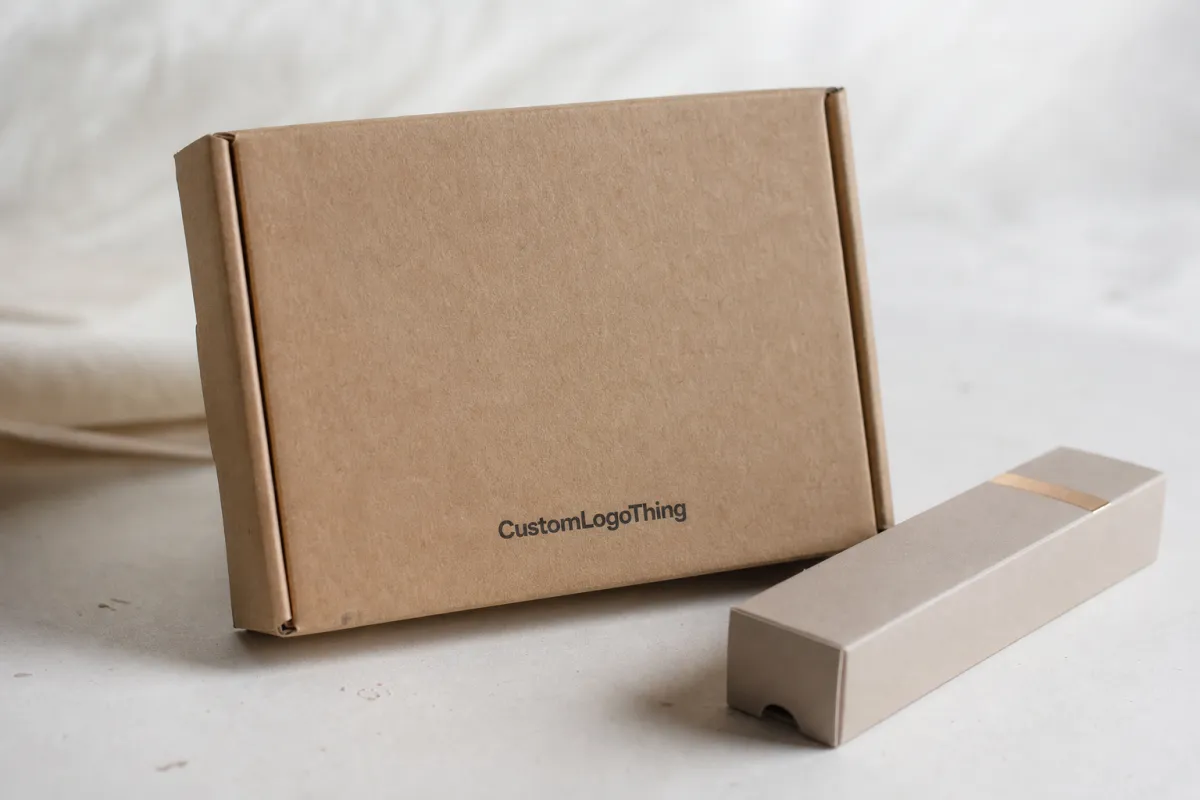
There are a few common structures, and each one shifts skincare shipping boxes cost in a different direction. Tuck-top mailers work well for lightweight ecommerce shipping because they pack flat, close quickly, and print cleanly. Corrugated shipper boxes are the workhorse for stronger package protection. Retail-ready outer cartons sit between the two, especially when the same box has to look good on arrival and still take abuse in transit.
For bundled skincare kits, internal fit carries the load. If the product rattles, the product loses. Custom inserts, partitions, and tray-style supports keep bottles centered and reduce movement. That is not cosmetic. It changes skincare shipping boxes cost because the insert material and die-cut complexity affect both unit price and damage rates. A well-fitted insert often pays for itself by reducing returns and broken items.
For ecommerce shipping, speed matters as much as appearance. A packing team sending hundreds of units a week needs a one-piece mailer or a well-designed tray that does not fight the workflow. If the fulfillment process slows down, the prettiest box in the world starts adding labor cost. The right box should support the operation, not slow it down.
Think about the product mix. A glass dropper bottle needs a different build than a plastic pump bottle. A slim tube can travel in a tighter mailer. A PR kit with tissue, cards, and multiple SKUs usually needs a deeper outer carton and a more controlled insert layout. That is why skincare shipping boxes cost changes so much by format. The box is not "custom" just because the logo is printed on it. It is custom when the structure actually fits the product.
If you are comparing options, use the right source pages: Custom Shipping Boxes for stronger transit packaging, Custom Packaging Products for broader packaging formats, and Custom Poly Mailers if some of your SKUs ship in softer, lighter packs. Different shipping materials solve different problems. Mixing them up is how buyers overpay.
One more practical point: if you ship a skincare set in retail packaging inside an outer shipper, the inner carton and outer carton both need to be considered together. That changes dimensions, cushioning, and, again, skincare shipping boxes cost. The fastest quote usually comes from the best measurements, not the loudest sales pitch.
The brands that do this well usually have one person own the spec sheet and one person own the artwork. That split keeps the conversation from turning into a blur of preferences, which is kinda where a lot of box projects start to wobble.
Materials, Inserts, and Finishes That Change the Build
Material choice is where skincare shipping boxes cost starts to move in a visible way. For light-to-medium protection, E-flute corrugated is a common choice. It is thinner, prints well, and suits compact mailers. B-flute gives more crush resistance and works better when the product is heavier or the outer box needs a stronger wall. Kraft corrugated is often the practical pick for durability and a clean shipping look, while white-lined board improves print appearance when branding matters more than a plain shipper surface.
The rule is simple: stronger board usually costs more, but it also gives better package protection. The tradeoff is not always linear. A modest upgrade from a weak board to a properly specified one can reduce damage enough to justify the higher skincare shipping boxes cost. Going too far adds weight and bulk with no useful gain. The trick is not "strongest available." The trick is "strong enough for the product and the route."
Inserts change both the build and the budget. Paperboard inserts are often the most economical for simple separations. Corrugated dividers add stiffness and handle heavier items or multiple bottles better. Molded pulp can fit a sustainable presentation, but it does not always match premium branding. Foam alternatives protect well, yet they can raise cost and create the wrong feel for a natural skincare label. Every insert choice affects skincare shipping boxes cost because it changes die-cutting, assembly, and sometimes freight.
Finishes matter more than some buyers admit. CMYK printing is efficient for full-color branding. PMS colors help when brand consistency cannot drift. Matte makes a box feel calmer and more premium. Gloss brings color forward. Soft-touch adds a velvety finish, but it usually sits at the premium end. Spot UV creates contrast and texture, which can look sharp on logos or patterned work. Each option adds to skincare shipping boxes cost, and each one should earn its place.
Moisture resistance is another detail that tends to get ignored until boxes are stored in a humid warehouse or packed into a bathroom-friendly subscription set. Aqueous coating, varnish, and lamination all change surface behavior. If your brand ships in summer heat, handles condensation, or wants a cleaner shelf presentation, those finishing choices matter. Skincare boxes are not only shipping materials. They are transit packaging, brand packaging, and handling packaging at the same time.
If sustainability claims matter, choose board with the right certification and keep the claim accurate. The FSC standard is worth checking through the organization itself at FSC. Do not attach a green story to a carton just because the liner looks brown. Buyers notice, and so do regulators if the claim drifts too far.
Third-party testing standards matter too. If you want a better sense of how a pack will perform in real parcel abuse, review the transit testing framework at ISTA. That does not replace a real sample, but it gives a practical benchmark for package protection before you commit to full production. Good packaging is not a guess. It is a tested decision.
All of that feeds back into skincare shipping boxes cost. Better board, better insert, better finish, better results. The mistake is assuming each upgrade pushes cost in the same direction without limit. Sometimes a better board lets you remove cushioning. Sometimes a cleaner insert lets you use a lighter outer carton. That is how buyers bring the price back under control instead of stacking features for no reason.
In one launch review I watched, the team wanted soft-touch everything. The sample looked lovely, but the box had to travel farther than expected, and the finish added both cost and scuff anxiety. We pulled back to matte with a spot treatment on the logo, and the result was cleaner and cheaper. Not flashy, just smarter.
Skincare Shipping Boxes Cost, Pricing, and MOQ
Here is the part most buyers want first. Skincare shipping boxes cost is driven by five main variables: size, board thickness, print coverage, insert complexity, and order quantity. There is no trick that removes all five. Larger boxes use more material. Heavier board adds cost. Full-coverage artwork takes more setup and press time. Complex inserts add tooling and labor. Small orders always carry a higher unit price because setup gets spread over fewer pieces.
MOQ is not a random punishment from the packaging world. It exists because a factory has to make plates, set up dies, run color checks, and manage material waste. For simpler builds, MOQ may start in the few-hundred range. For more custom skincare shipping boxes with special inserts or premium finishes, MOQ can climb higher. That is normal. Anyone promising the same MOQ for every structure is either guessing or hiding the real production cost.
To make skincare shipping boxes cost easier to read, compare quote levels by build type. A stock-style kraft mailer with one-color branding is a different animal from a fully custom printed shipper with a molded insert and soft-touch finish. You do not need to guess which one belongs in your launch. You need to see the range.
| Build Type | Typical MOQ | Approx. Unit Cost | Best Fit | Notes |
|---|---|---|---|---|
| Stock-style kraft mailer with simple logo print | 250-500 units | $0.85-$1.40 | Samples, lean launches, basic ecommerce shipping | Lowest setup burden; limited branding; good if speed matters |
| Standard custom corrugated shipper with CMYK print | 500-1,000 units | $1.20-$2.20 | DTC skincare, subscription kits, moderate protection | Balanced option; skincare shipping boxes cost stays manageable if dimensions are tight |
| Custom shipper with paperboard or corrugated insert | 1,000-2,500 units | $1.75-$3.25 | Multi-item kits, PR boxes, fragile glass bottles | Better package protection; insert tooling adds to skincare shipping boxes cost |
| Premium branded build with special finish and advanced insert | 2,500+ units | $2.50-$5.50 | High-touch launches, influencer kits, gift sets | Strong visual impact; freight and labor should be checked carefully |
Those numbers are not a universal quote. They are a practical frame. Final skincare shipping boxes cost depends on exact dimensions, artwork coverage, board specification, and whether the insert is simple or fussy. A 6 x 4 x 2 mailer and a 10 x 8 x 4 kit box are not close to the same job, even if the logo is identical. That is where a lot of buyers go wrong.
One habit I recommend: ask for at least two versions of skincare shipping boxes cost. One should be the value build. One should be the upgraded build. If the gap is only a few cents per box, the better structure may be the smarter spend. If the gap is large, the tradeoff is obvious. Hidden tradeoffs waste time.
Freight deserves its own check too. A carton that ships flat is easier to move than assembled boxes. A larger outer carton may reduce print complexity but raise shipping materials expense. If boxes are stored offsite or sent to multiple fulfillment locations, that matters. The lowest unit cost on the quote sheet is not the full story. Skincare shipping boxes cost should be judged on its effect on the actual landed cost.
For growing brands, stable reorder pricing matters as well. The first run may be slightly higher because setup is spread across fewer units. Later runs usually improve. That is why a clear quote should show how skincare shipping boxes cost changes at 500, 1,000, and 2,500 units. If the pricing curve does not make sense, keep asking questions.
And if a vendor refuses to break out the assumptions, that is a small red flag. Packaging pricing can be messy, but it should not feel like a riddle.
Production Steps, Timeline, and Lead Time
Skincare shipping boxes cost only matters if the timeline works. A strong quote that lands after launch week is not useful. The process usually starts with a dieline review. That is where dimensions, panel layout, and artwork placement get confirmed before anything is printed. If this step is sloppy, the whole project drifts. The final box may not fit the product the way you expected, and that is an expensive problem in order fulfillment.
After the dieline comes artwork setup and proofing. If the files are print-ready, proofing can move quickly. If the art needs cleanup, the clock slows down. Spot colors, bleed, barcode placement, and legal copy all need to be right before production. I have seen skincare shipping boxes cost rise indirectly because a team kept changing the structure after the quote was already built. That is avoidable.
Sampling usually takes a few business days, sometimes longer if the build is complex. A simple mailer sample can be fast. A kit with multiple inserts, special coating, or high-coverage print takes more time. Production itself often lands in the 12-15 business day range after proof approval for standard orders, but special finishes or larger quantities can stretch that timeline. Add shipping time on top. If the launch date is fixed, do not assume the box will arrive faster just because the calendar is tight.
There are three common delay points. First, dimensions are still changing. Second, the artwork is not print-ready. Third, the buyer keeps comparing structures without choosing one. The factory cannot run three guesses at once. Every change affects skincare shipping boxes cost and lead time. A cleaner schedule starts with final internal dimensions and a product sample before the quote is locked.
It also helps to think about how the box will function in ecommerce shipping. If the box is meant to be packed fast, the closure style has to be easy. If the box is part of a subscription program, the packout sequence has to be consistent. If it is a PR kit, the presentation has to hold up in photos. Production choices and lead times should reflect the actual use case, not the mood board.
A practical timeline for a straightforward custom order often looks like this:
- Day 1-2: quote review, dimensions confirmed, artwork request sent.
- Day 2-5: dieline and proof approval.
- Day 5-10: sample or pre-production check if needed.
- Day 12-20: production, depending on quantity and finish.
- Transit time: add carrier time based on location and service level.
That is why skincare shipping boxes cost should never be treated like a static sticker price. The quote matters, yes. The schedule matters too. Packaging that arrives late can cost more than a better box ever would.
Lead time also affects cash flow. A slightly higher unit price may be worth it if it gets the packaging into your warehouse before a launch or a seasonal spike. Margin is one side of the equation; timing is the other.
Why Choose Us for Skincare Shipping Boxes
At Custom Logo Things, the goal is simple: make skincare shipping boxes cost understandable, not mysterious. Buyers do not need a script. They need a clean structure, accurate dimensions, useful pricing, and packaging that holds up in transit. That is the whole job. If the box protects the product, the brand looks better. If the box also runs smoothly through order fulfillment, the operation looks smarter too.
One reason brands come back is consistency. A box that reorders at the same spec should look like the last one. Print should hold. Panels should score cleanly. Inserts should fit the same way each time. That sounds boring until a re-run ships with a different shade of white or a loose insert. Then everybody notices. Skincare shipping boxes cost is easier to manage when the spec stays stable and the print setup is documented properly.
Another practical advantage is spec support. Not every brand has a packaging engineer sitting in the office. Sometimes the product team is guessing at dimensions, and the marketing team wants the box to look "premium," which is not a specification. We help turn that into actual board grade, finished size, and insert choice. That way the skincare shipping boxes cost you see is tied to a build that can actually be made.
We also keep the conversation honest about tradeoffs. If a 2 mm deeper box increases dimensional weight, that should be said plainly. If a spot UV logo adds a nice detail but pushes the build out of budget, that should be visible before production starts. Straight pricing beats surprise pricing every time. That is especially true for brands scaling and watching margin line by line.
There is a reason buyers ask for packaging support instead of just another box vendor. They want fewer damaged shipments, fewer returns, and fewer strange surprises in transit packaging. That is what a good packaging partner should deliver. A nicer surface is fine. If the box fails during shipping, the pretty part was wasted money. Skincare shipping boxes cost only makes sense when the box actually does its job.
And yes, we can help connect the box choice to the rest of the packaging system. If some products ship in corrugated boxes and others in softer mailers, the mix should make sense across the catalog. That is where the wider packaging plan matters. If you need a full packaging lineup, start with Custom Packaging Products and build the shipping system from there.
From a brand buyer's point of view, the real value is not hype. It is fewer mistakes. Fewer damaged bottles. Fewer reorder headaches. Better control over skincare shipping boxes cost. That is the kind of result people remember because it protects both margin and reputation.
We are not going to pretend every project needs the fanciest build. Some brands just need a clean, sturdy shipper and a fast turnaround. Others need the premium look. Both are valid. The right answer depends on the product, the route, and the budget.
Next Steps to Lock in Your Skincare Shipping Boxes Cost
If you want an accurate quote, gather the right specs before you ask. Skincare shipping boxes cost becomes much clearer when the product details are specific. Send the outer box dimensions, product dimensions, item weight, number of units per box, insert needs, artwork coverage, and the target quantity. If the box has to survive long-distance ecommerce shipping, say that too. Distance, handling, and route can all influence the recommended structure.
Be ready to answer a few basic questions. Does the product have glass? Does it leak if turned upside down? Does it need to look premium on unboxing? Will it ship as a single item or a bundle? Those answers change both package protection and the final price. They also change how much skincare shipping boxes cost because they change the build itself, not just the print.
I recommend asking for at least two quote versions:
- Value build: tight dimensions, simple print, practical board, minimal extras.
- Premium build: stronger board, better finish, and a more polished insert layout.
That side-by-side view makes the tradeoff obvious. A lot of brands find that the premium build is worth it because the cost gap is smaller than expected. Others find that a simpler structure is enough once the dimensions are tightened. Either way, the skincare shipping boxes cost conversation becomes easier when the options are laid out clearly.
If your kit has multiple items, fragile components, or a very tight fit requirement, ask for a dieline or sample before full production. That is the fastest way to catch a problem while it is still cheap. A sample may add a few days, but it can save you from expensive rework later. In packaging, a little patience usually beats a big mistake.
One final buying note: do not ignore the long-term reorder picture. A clean, well-documented build is easier to repeat. That matters once your skincare line moves from launch mode into steady volume. If the spec stays stable, skincare shipping boxes cost stays easier to forecast, and forecasting is what keeps inventory sane.
So the move is simple. Send the specs. Compare the numbers. Check the structure. Then choose the box that fits the product and the margin. That is how you turn skincare shipping boxes cost from a guessing game into a purchasing decision you can actually defend.
FAQ
What affects skincare shipping boxes cost the most?
Box size and board grade usually move skincare shipping boxes cost more than anything else. Inserts, coatings, and full-coverage printing add to the unit price, and freight can matter just as much if the carton is oversized. If the box grows by even a small amount, dimensional weight can jump and make the whole shipping plan more expensive.
What is the MOQ for custom skincare shipping boxes?
MOQ depends on material, size, and print method, so there is no single universal number. Standard custom runs often make sense in the few-hundred range and up, while more complex builds may need higher quantities. In practice, skincare shipping boxes cost tends to improve as the run size grows because setup gets spread across more units.
Can I lower skincare shipping boxes cost without lowering quality?
Yes. Tighten the dimensions, simplify the print, remove unnecessary finishes, and choose the lightest board that still protects the product. Standardizing insert sizes across multiple SKUs also helps. Those changes usually lower skincare shipping boxes cost without hurting package protection or the customer experience.
How long does production take after artwork approval?
Sampling is usually faster than full production and depends on the structure. After artwork approval, standard production often takes about 12-15 business days, though larger quantities and specialty finishes can take longer. A clean dieline and print-ready files help keep skincare shipping boxes cost from being inflated by avoidable delays.
Do inserts increase skincare shipping boxes cost a lot?
They do add cost, but the increase depends on the insert material and how complex the cut is. Paperboard and corrugated inserts are usually more economical than molded or specialty options. Even so, inserts can lower total skincare shipping boxes cost by reducing damage, returns, and replacement shipments.
Skincare shipping boxes cost should not be a mystery number you hope works out later. It should be a clean quote tied to the right structure, the right materials, and the right shipping plan. Build it properly, and the box protects the product, supports the brand, and keeps margin where it belongs. Start with the product dimensions, compare at least two build options, and confirm the dieline before production begins. That is the fastest way to turn packaging from a cost guess into a decision you can stand behind.