Apparel shipping boxes cost can shift faster than most buyers expect, and the reasons are usually mundane rather than mysterious: a few millimeters of depth, a heavier board grade, a different locking style, or a more demanding print build can move a quote in a way that looks out of proportion until you break the box down piece by piece. From a packaging buyer's point of view, the real job is not just chasing the lowest number; it is finding a carton that protects folded garments, supports fulfillment, and keeps the total landed cost in line.
I have sat through enough packaging reviews to know that the first quote is rarely the whole story. Someone brings in a sample that looks simple, and then the production details start stacking up like receipts: tool setup, prepress, coatings, freight, inserts, testing, pallet counts. That's why apparel shipping boxes cost should be treated as a system question, not a single line item. The box has to fit the garment, move through the shipping network, and still feel like part of the brand rather than a compromise.
If you are comparing options for a product launch, a subscription program, a retail shipper, or a premium apparel drop, the most useful starting point is a realistic cost range and a clear spec sheet. That makes apparel shipping boxes cost easier to interpret before you invest time in samples, artwork revisions, or structural changes that might have been avoidable from the outset.
Apparel Shipping Boxes Cost: Why Small Changes Move the Number
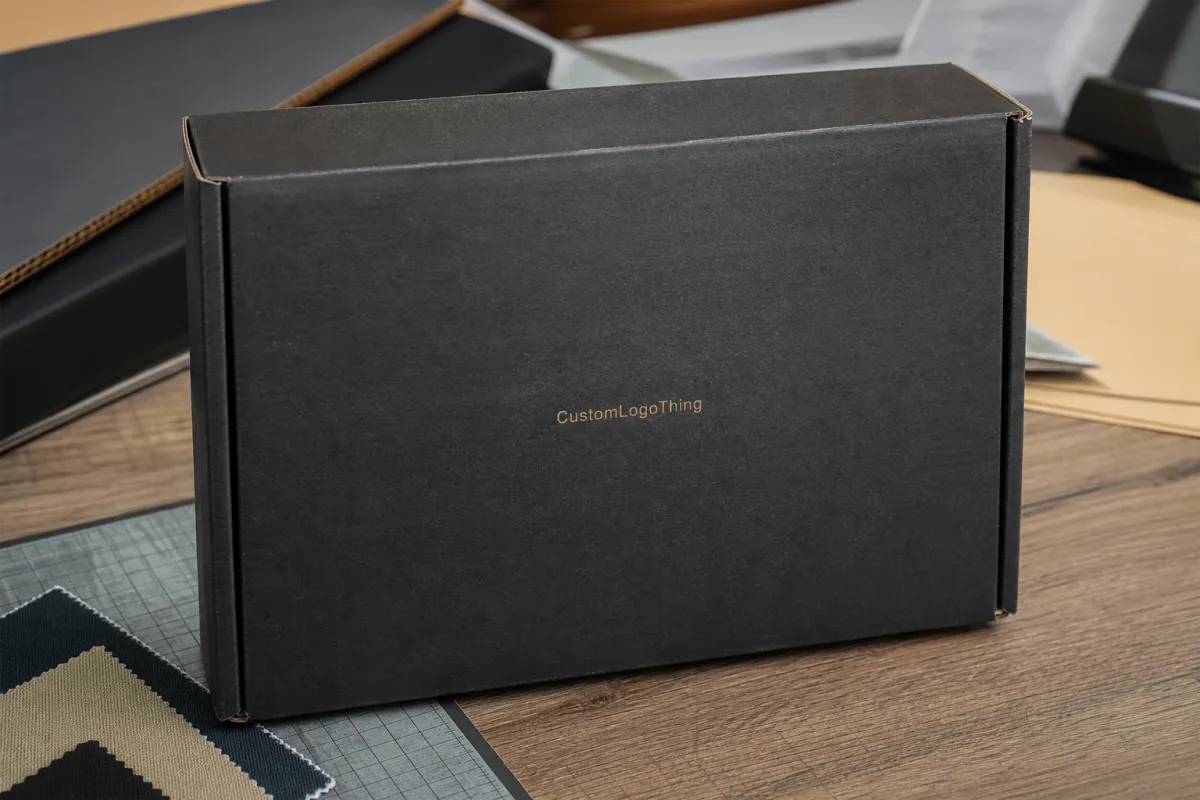
One reason apparel shipping boxes cost surprises people is that the price is rarely driven by a single decision. It is shaped by several small ones that compound. A slightly deeper box uses more board. A thicker corrugated sheet may require a different die or slower production. A full-coverage print can increase press time, setup, and spoilage. Even a move from a standard mailer to a more customized structure can create a unit cost jump that feels larger than the visual change.
In practice, the box is part of a shipping system, not a standalone object. It has to fit folded apparel, prevent product movement, and survive the sort of handling that happens between warehouse and doorstep. If the structure is too loose, you pay for void fill and wasted volume. If it is too tight, you risk crushed corners, wrinkled fabric, or a disappointing opening moment. That balance matters because apparel shipping boxes cost is shaped by both the carton itself and the shipping behavior around it.
Order volume changes the math in a very direct way. A buyer ordering 500 boxes is carrying the same prepress, cutting, and setup work that a 5,000-piece run carries, but across far fewer units. You are gonna see the per-box price drop as volume rises, and that is not a marketing trick; it is simply how fixed costs behave. For brands with repeat SKUs, standardizing dimensions across a few apparel tiers can make the difference between a quote that feels inflated and one that actually fits margin targets.
Dimensional weight deserves attention too. A carton that looks modest on paper can still price poorly in parcel delivery if it triggers higher dimensional charges. That is especially true in ecommerce shipping, where carriers rate the box as a volume object, not only as a protection object. A smart box design keeps the outer dimensions efficient, which can improve the full landed picture even if the packaging line item is not the only thing you are watching.
From a buyer's perspective, the best first quote is the one that reflects reality. If you already know whether the box will ship flat, be folded by hand, include a printed insert, or need a rigid presentation feel, say so up front. The more accurate the use case, the more honest the apparel shipping boxes cost estimate will be. That beats chasing a teaser price that changes once the structure, finish, or freight details are clarified.
A good quote should tell you what the box is doing, not just what it looks like. Apparel shipping boxes cost becomes much easier to judge once the supplier understands the garment type, shipping method, and brand presentation goal.
Product Details: What Apparel Shipping Boxes Include
Apparel shipping boxes are not one fixed product. The category includes mailer-style corrugated cartons, rigid presentation boxes, folding carton formats for lighter items, and hybrid structures that sit between a transit box and a premium gift box. The right format depends on what is inside, how the order will move through fulfillment, and how much of the opening experience you want to shape. Those choices matter because apparel shipping boxes cost changes along with structure, board, and finishing choices.
For ecommerce shipping, many brands prefer a self-locking mailer because it is easy to assemble, ships compactly, and gives a clean presentation without extra closure hardware. Others need a deeper corrugated shipper for sweaters, denim, bundles, or multi-item kits where package protection matters more than a slim footprint. Premium apparel often calls for a rigid box with a more substantial feel, especially when the packaging is expected to support perception as well as transit performance.
There is also a difference between a box designed for warehouse efficiency and one designed for shelf-like presentation. A subscription garment program may want a simple opening sequence and a printed interior that rewards the customer at the first reveal. A retail return shipment may need stronger edges and a closure that holds up if the box is reopened several times. Each of those decisions affects apparel shipping boxes cost in a meaningful way, even when the outer dimensions look nearly identical.
Customers often ask whether inserts are worth the extra spend. Sometimes yes, sometimes no. Inserts can stabilize folded shirts, separates, or accessories, especially if multiple items are traveling in one carton. They can also reduce movement and improve presentation. But an insert adds die-cut complexity and extra material. If the garment already fits neatly and the box has a good internal fit, the insert may not be necessary. That is one of the easiest ways to keep apparel shipping boxes cost in check without giving up function.
To compare packaging families side by side, it helps to look at structure, use case, and cost implications together. Here is a practical view:
| Box Type | Best Use | Typical Apparel Shipping Boxes Cost Drivers | General Price Band |
|---|---|---|---|
| Mailer-style corrugated box | Folded tees, hoodies, subscription apparel, ecommerce shipping | Board grade, print coverage, locking style, size efficiency | Lower to mid-range |
| Rigid presentation box | Premium apparel, influencer kits, retail gifting | Rigid board, wrap material, specialty finishes, labor | Mid to higher range |
| Folding carton | Lighter garments or accessory packaging | Paperboard selection, coatings, die complexity | Lower range for large runs |
| Custom corrugated shipper with insert | Multi-item kits, heavier apparel, protected transit packaging | Insert design, flute choice, structure setup, outer dimensions | Mid-range, often volume sensitive |
If you also package accessory items, woven tags, or add-on gifts, it can be worth comparing the apparel box against other Custom Packaging Products or, for simplified shipping programs, a lighter Custom Poly Mailers option. Not every apparel order needs a box, and not every box needs to be premium. Sometimes the right answer is just a mailer and a better folding method. The right format is the one that supports the product without inflating apparel shipping boxes cost unnecessarily.
Specifications That Influence Apparel Shipping Boxes Cost
Specifications are where apparel shipping boxes cost gets real. Dimensions, board grade, print method, finishing, and structural complexity all interact. Two boxes may look nearly identical on a screen, but if one uses heavier corrugated board, full outside and inside print, and a more complex dieline, the quote will be noticeably higher. That is not a markup trick; it is a reflection of material usage and production time.
Size is usually the first driver. Length, width, and depth control how much board is consumed and how efficiently the box can be nested on the sheet during production. A wider footprint can reduce the number of pieces per sheet, while extra depth may require a heavier flute or a different fold style. Since apparel is often folded flat, internal depth is a critical spec. Too shallow and the garment compresses. Too deep and you create unnecessary shipping volume, which pushes apparel shipping boxes cost up at the plant and in the parcel network.
Board grade matters just as much. For lighter apparel, an E-flute corrugated board can be a smart choice because it gives a clean surface and compact profile while still offering respectable package protection. For heavier garments or multi-piece sets, B-flute or a stronger corrugated build may be better. Premium presentation boxes may use paperboard wrapped around chipboard or other rigid substrates. Each material family has a different cost curve, and apparel shipping boxes cost follows that curve closely.
Print is another major lever. One-color outside print with a simple logo is usually far less expensive than a full-bleed design with inside printing, multiple passes, or tight registration. Coatings also matter. A matte aqueous finish is generally different from soft-touch lamination, and both are different from UV spot effects or foil accents. If you need inside print, be ready for additional setup and press time. That does not mean the upgrade is wrong, only that it should be a conscious choice because it will change apparel shipping boxes cost.
Complexity shows up in the dieline too. Self-locking closures, crash-lock bottoms, tear strips, custom windows, and nested inserts all add labor and setup steps. Sometimes the delta is small; sometimes it is not. A clean, efficient structure can often cut more from the final quote than changing inks or trimming a decorative feature. From a production standpoint, simpler structures usually run faster and waste less material, which is why apparel shipping boxes cost often improves when the design is built around the actual shipping need instead of an idealized concept.
Here are the most common specifications buyers should have ready before asking for pricing:
- Exact internal dimensions for the folded apparel and any accessory items.
- Board grade or preferred structure if you already know the protection level needed.
- Print coverage including inside print, outside print, and any logo placement rules.
- Finish requirements such as matte, gloss, soft-touch, foil, or embossing.
- Assembly method if the box must be hand-folded, machine-folded, or shipped flat.
Industry standards can help guide the conversation. Transit testing practices from ISTA are useful when the package will face parcel distribution, and sourcing concerns may lead teams to ask whether paper stocks or board components should align with FSC expectations from FSC. Those references do not set your price by themselves, but they give the buyer and supplier a common language around package protection and material selection. And that clarity often makes apparel shipping boxes cost easier to control.
Honestly, the biggest mistake I see is treating every finishing choice as if it were free. It is not. A small foil mark on one panel may be inexpensive; foil across a full lid with heavy coverage is a different matter. The same goes for inserts and custom closures. If the design supports brand value, use it. If it only adds visual noise, leave it out and let the structure do the work. That is how experienced buyers keep apparel shipping boxes cost aligned with the budget.
Cost, Pricing, MOQ, and Unit Economics
Apparel shipping boxes cost is usually built from four buckets: setup, tooling, material, and unit manufacturing. Setup includes prepress, dieline review, and any artwork preparation needed before production starts. Tooling covers dies and related cutting equipment. Material is the board or paperboard itself. Unit manufacturing covers the actual print, cut, fold, glue, finish, and pack labor. Once those pieces are visible, the quote becomes much easier to evaluate.
MOQ, or minimum order quantity, matters because the fixed costs have to be spread across the run. That is why a small order may have a much higher unit cost than a larger one even when the box looks identical. A 500-piece order can carry a lot of setup burden per box. A 5,000-piece order can spread those costs enough to make the final unit cost feel far more reasonable. When people ask why apparel shipping boxes cost seems high on a small run, MOQ is usually a big part of the answer.
To make the economics more concrete, below is a directional view of how apparel shipping boxes cost often shifts by order volume for a standard custom mailer-style box with moderate print coverage. These are not fixed prices, because board grade, size, destination, and finish change the picture, but they are useful for budgeting.
| Order Volume | Typical Unit Cost Range | What Usually Helps or Hurts the Price |
|---|---|---|
| 250-500 pcs | $1.25-$2.75 per box | Higher setup share, less efficient freight, limited economies of scale |
| 1,000-2,500 pcs | $0.65-$1.45 per box | Better setup spread, more favorable sheet use, more room for quote optimization |
| 5,000+ pcs | $0.30-$0.90 per box | Material efficiency improves, labor is spread out, freight often becomes more manageable per unit |
Those numbers can move quickly if you add rigid construction, inside print, heavy coatings, or custom inserts. They can also move downward if you simplify the artwork, standardize the dimensions, or choose a lighter board grade that still performs. That is why buyers should compare unit cost and landed cost together. A box that costs a little less to make may still cost more to ship if it creates dimensional weight penalties or requires more protective overpack.
Freight is another part of apparel shipping boxes cost that gets ignored too often. A palletized shipment of flat cartons is usually more efficient than a small, frequent shipment pattern. If the boxes are destined for multiple fulfillment centers, split deliveries can add handling and freight charges. Ask for shipping to your actual destination, not just a factory floor estimate. The best quote is the one that includes what the boxes will really cost to land at your door.
When you request pricing, give the supplier a spec set that includes dimensions, print method, coating, insert count, destination, and expected order frequency. If your product line has multiple apparel categories, ask whether you can consolidate sizes or use a modular approach. Standardization often lowers tooling complexity and improves unit cost. It also makes reordering easier, which is helpful for order fulfillment teams that need consistency month after month.
There are three practical levers that often reduce apparel shipping boxes cost without creating quality problems:
- Simplify the structure so the box folds cleanly and does not require extra components.
- Use print strategically by putting premium effects only where they have the most visual value.
- Keep dimensions tight so the carton protects the apparel without wasting board or shipping volume.
For brands balancing speed and budget, this is where a useful supplier matters. A good packaging partner will not just quote the fanciest build. They will tell you which version of apparel shipping boxes cost makes sense for the product, the timeline, and the channel. That kind of guidance is often worth more than a tiny reduction in unit price that creates problems later.
Process, Timeline, and Production Steps
The path from inquiry to delivery usually follows a predictable sequence: request, spec review, quote, dieline confirmation, artwork prep, sample approval, production, and shipment. When that sequence is clean, apparel shipping boxes cost is easier to forecast because the supplier is working from confirmed inputs instead of assumptions. When the sequence is messy, small changes can ripple through both timing and cost.
Delays tend to happen in the same places over and over. Artwork that is not print-ready slows the front end. A changing box size can require a new dieline or new cutting setup. Unsettled finish decisions can stall sample approval. If a buyer is still deciding between a mailer, rigid box, or custom insert system, the quote may be accurate only in a broad sense until the structure is locked. That is not a failure; it is how packaging development works when the specs are still moving.
Sample timing and production timing should be treated separately. A simple sample can move quickly, while a production run with specialty finishes, heavy board, or multiple inserts may need more lead time. I usually advise customers to account for artwork review time, transit time for samples, and at least one round of sign-off before the full run begins. If the project is time-sensitive, rush service can be possible, but it may increase apparel shipping boxes cost because the schedule compresses planning, sourcing, and run time.
Production itself has a few major steps. Material is sourced first, then the die-cutting and printing setup is prepared. The press runs the artwork, the sheets move through finishing, and the box blanks are cut, folded, and glued. Quality checks happen throughout, not just at the end, because a small registration problem or glue issue is cheaper to catch early. Finished cartons are packed flat or assembled, depending on the structure, and then they move into shipping. Every one of those steps has cost implications.
If a brand plans to scale, split shipments can also influence apparel shipping boxes cost. Sending some boxes now and some later can help with cash flow, but it may reduce freight efficiency. On the other hand, one large shipment can be easier on the unit economics but more demanding on storage. Those are practical tradeoffs, not theoretical ones. Packaging buyers who think ahead about warehouse space, reorder cadence, and fulfillment windows usually end up with a better total cost picture.
For teams working inside a busy ecommerce shipping calendar, the simplest way to avoid friction is to provide the supplier with a complete briefing at the start. Include your shipping destination, preferred delivery window, and whether the cartons will be used in a manual packing line or a more automated workflow. That context helps the production team recommend a box that is easier to run and easier to use, which can keep apparel shipping boxes cost from creeping upward later in the project.
Why Choose Custom Logo Things for Apparel Shipping Boxes
Custom Logo Things is a practical Fit for Buyers who want the packaging conversation to stay grounded in real production choices. The focus should be on what the box needs to do: protect the garment, fit the shipment, support the brand, and stay within budget. That is the right lens for apparel shipping boxes cost, because it keeps the discussion tied to measurable specs instead of vague promises.
What buyers usually need most is clarity. How thick is the board? How many colors are on the print? Is the insert required or optional? Does the finish change the lead time? Those are the questions that matter when you are trying to compare a value-oriented build against a premium build. A supplier that answers them clearly makes it easier to understand apparel shipping boxes cost before the project gets too far along.
It also helps when a packaging partner can compare options side by side. Maybe one version uses a lighter corrugated board and simpler print for a lower unit cost. Maybe another uses a stronger structure with a more polished finish for a premium presentation. The goal is not always to chase the cheapest box. The goal is to place the spend where it delivers value, whether that means package protection, a better opening experience, or smoother order fulfillment.
If you are exploring broader packaging programs, it can be useful to compare apparel boxes with a full line of Custom Shipping Boxes and other Custom Packaging Products so you can see where a standard format is enough and where a custom build is worth the extra spend. In many cases, the best answer is a balanced one: a structure that is simple enough to manufacture efficiently, but branded enough to feel intentional.
Dependable quotes matter too. A low number that changes later is not useful. A clear estimate that explains the assumptions behind it is far more valuable, especially when the buyer needs to line up artwork approval, inventory planning, and freight timing. That kind of transparency reduces the unpleasant surprises that tend to show up after a project is already underway. In practical terms, it keeps apparel shipping boxes cost tied to facts rather than guesswork.
For apparel brands, the box is not just a container. It is part of the customer experience, part of transit packaging, and part of the margin equation. The best partners understand all three. That is the kind of thinking we bring to the table when customers ask for a quote on apparel shipping boxes cost and want an answer that is both honest and production-ready.
Next Steps to Get the Right Apparel Shipping Boxes Cost
If you want a quote that is useful on the first pass, gather the exact dimensions of the folded garment, the expected order quantity, the shipping destination, and any required finish or insert details before you request pricing. That one step alone can make apparel shipping boxes cost estimates much more accurate, because the supplier can work from the actual use case instead of a rough guess.
It is also smart to compare two or three build levels. A value version might use a lighter board, single-color print, and no insert. A mid-tier version might add a stronger material and cleaner interior print. A premium version might include a heavier structure, specialty finish, or custom closure. Seeing those options side by side gives you a better sense of where apparel shipping boxes cost starts to rise and where the added value begins to justify it.
If the box will hold folded apparel, subscription kits, or higher-value garments, ask for a sample or dieline review before full production. That step helps confirm fit, closure, and presentation. It also reduces the chance of a costly revision after the run begins. The most efficient projects are usually the ones where the dimensional fit, graphics, and shipping method are all reviewed together instead of one at a time.
For brands that ship regularly, I also recommend planning around reorder cadence. If your monthly volume is predictable, the quote can often be refined with better confidence. If the destination is fixed and the packaging is standardized, freight and storage become easier to estimate. Those details often matter as much as the print itself when you are trying to get apparel shipping boxes cost under control without underbuilding the package.
The clearest route to a reliable estimate is simple: share the spec sheet, share the quantity, share the destination, and share the performance requirement. If you want help balancing presentation and budget, Custom Logo Things can walk through the options and narrow the build before production starts. The practical takeaway is this: lock the dimensions first, keep the print honest, and compare landed cost instead of chasing the cheapest headline number. That is usually where the real savings live.
Frequently Asked Questions
What affects apparel shipping boxes cost the most?
Box size and board grade usually drive the biggest swings in apparel shipping boxes cost because they affect material usage, shipping efficiency, and the type of structure that can be produced cleanly. Print coverage, inserts, and specialty finishes can add meaningful cost as well. MOQ matters too, since setup costs are spread across the run.
Is there a low MOQ for custom apparel shipping boxes?
MOQ depends on the structure, print method, and finishing complexity. Smaller quantities are possible, but the unit cost is usually higher because the same setup work is divided across fewer boxes. The best way to judge value is to ask for pricing at multiple volume levels so you can see where apparel shipping boxes cost becomes more efficient.
How can I lower apparel shipping boxes cost without hurting quality?
Standardize the box size where possible, simplify print coverage, and choose the lightest board grade that still protects the apparel in transit. Those three changes often reduce apparel shipping boxes cost without weakening the package. A well-fit box also helps with dimensional weight, which can improve the broader shipping picture.
What is the usual lead time for custom apparel shipping boxes?
Lead time depends on artwork readiness, sampling, material availability, and the complexity of the build. Simple runs move faster than projects with inserts, coatings, or specialty finishes. If you need approval samples before production, build in extra time so the schedule does not force a rush premium into apparel shipping boxes cost.
Can I get a quote before I finalize artwork for apparel shipping boxes?
Yes, a budgetary quote is usually possible with dimensions and quantities alone. A firmer quote becomes more accurate once the dieline, print layout, and finishing details are confirmed. Sharing target ship dates and destination also helps sharpen freight and timeline estimates, which makes apparel shipping boxes cost more dependable from the start.

