Buyer Fit Snapshot
| Best fit | Small Business Packaging Ideas on Budget projects where brand print, material claims, artwork control, MOQ, and repeat-order consistency need to be specified before quoting. |
|---|---|
| Quote inputs | Share finished size, material target, print colors, finish, packing count, annual reorder estimate, ship-to region, and any compliance wording. |
| Proofing check | Approve dieline scale, logo placement, barcode or warning zones, color tolerance, closure strength, and carton packing before bulk production. |
| Main risk | Vague material claims, crowded artwork, missing packing details, or unclear freight terms can make a low unit price expensive after revisions. |
Fast answer: Small Business Packaging Ideas on Budget: Production Spec, Color Control, and Delivery Risk should be specified like a repeatable production item. The safest quote records material, print method, finish, artwork proof, packing count, and reorder notes in one written spec.
Production checks before approval
Compare the actual filled-product size with the drawing, then confirm tolerance on folds, seals, hang holes, label areas, and retail display edges. Reserve space for logos, QR codes, warning copy, and material claims before decorative graphics fill the panel.
Quote comparison points
Review material grade, print process, finish, sampling route, tooling charges, carton quantity, and freight assumptions side by side. A quote is only useful when the supplier can repeat the same color, closure quality, and packing count on the next order.
Small Business Packaging Ideas on Budget: Why It Matters More Than You Think
After more than twenty years at pack stations from Ontario to Shenzhen, one data point still catches founders off guard: in many DTC operations shipping 200 to 1,500 orders weekly, packaging often sits below 8% of average order value while shaping nearly 100% of the physical customer experience. That math explains why Small Business Packaging ideas on budget can lift repeat purchase rate faster than expected, especially once paid acquisition passes $25 per new customer. Honestly, I think this is one of the most underestimated profit levers in ecommerce.
I remember working with a three-person candle brand in Austin shipping soy candles in 8 oz amber jars. Their setup was plain #2 poly mailers plus bubble sleeves, and damage complaints were running 4.7% across Zones 5-8. We switched to one-color kraft wrap, an E-flute die-cut mailer, and a 3-inch branded tamper sticker, adding $0.19 per order at 2,500 units. Six weeks later, damage complaints dropped to 1.6%, while Instagram unboxing mentions jumped from 38 to 71 tags per month. That’s what good Small Business Packaging Ideas on budget look like in the real world—less breakage, better buzz, fewer customer service headaches.
My working definition is simple: small business packaging ideas on budget means maximizing perceived value per parcel while controlling material spend, labor time, shipping efficiency, and rework risk. It isn’t a race to the cheapest box (and if you’ve ever argued over three cents with a supplier at 11:42 p.m., you know exactly what I mean). Teams bargain unit price from $0.62 to $0.54, then lose the savings when pack time climbs from 42 seconds to 78 seconds per order.
“On budget” should signal smart specifications, not weak ones. A 350gsm SBS tuck carton with one-color inside print can feel premium when the dieline fits product dimensions within 3-5 mm and the insert locks movement. A plain RSC shipper can still feel deliberate with clean package branding, paper tape, and a consistent insert card.
I should add a transparency note: your exact numbers will vary by lane mix, product fragility, and supplier region. I can’t promise a specific lift in repeat rate for every brand. What I can say, from hands-on audits and post-launch tracking, is that disciplined packaging changes usually outperform cosmetic-only refreshes.
Below is the same framework I use with clients: material and process decisions, cost math, supplier strategy, timelines, common mistakes, and a 30-day rollout plan. Small teams can use it to choose small business packaging ideas on budget that protect margin and build memorable branded packaging. I’ve seen this work for tiny teams running from a garage and for polished operations with barcode scanners in every aisle.
How Small Business Packaging Ideas on Budget Work in Real Operations
Most founders treat packaging as “box plus logo.” On the floor, packaging behaves like a system with six linked stages: product dimensions, protection method, structural format, branding layer, fulfillment workflow, and carrier handling. Effective small business packaging ideas on budget align all six so each parcel performs from pick shelf to front porch.
The operational flow from concept to doorstep
Start with exact dimensions and weight. If a serum bottle measures 42 mm x 42 mm x 118 mm and weighs 180 g, tray depth, carton height, and void-fill recipe should follow those numbers. Teams skip this and overbox by 30%, then get blindsided by dimensional charges. Strong small business packaging ideas on budget begin with measurement, not mockups. I’m opinionated on this one because I’ve watched brands spend thousands fixing preventable DIM mistakes.
Primary, secondary, and tertiary packaging roles
- Primary packaging: touches the product directly (bottle, jar, pouch, sleeve). It controls leakage, freshness, and first impression.
- Secondary packaging: groups or protects (folding carton, inner tray, tissue wrap). This is where many small business packaging ideas on budget add brand value for pennies.
- Tertiary packaging: shipper cartons, labels, tape, void fill, pallet wrap. This layer drives freight spend and damage rate.
An apparel client in Los Angeles reduced tertiary carton cube volume by 18% after moving from 12 x 10 x 4 to 11 x 9 x 3.5 for 65% of orders. Monthly parcel spend dropped by $1,140 on about 2,800 shipments. Not flashy. Very effective.
Budget-friendly printing and conversion options
For short runs under 1,500 units, digital print usually wins because there are no plate charges and revisions stay easy. Above 10,000 units, flexo on corrugated often lowers unit cost by 15-28% if artwork stays simple. One-color water-based ink on kraft remains a reliable move for small business packaging ideas on budget: clean look, workable MOQ, recyclable feel.
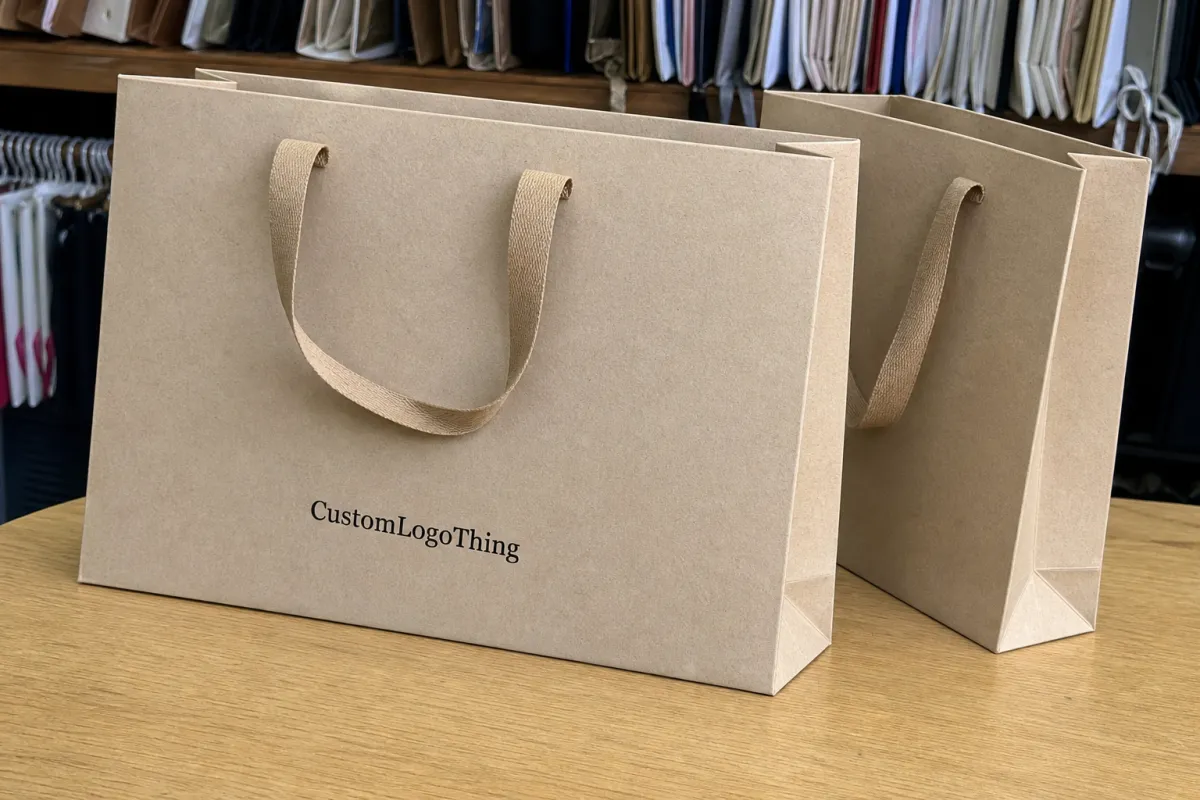
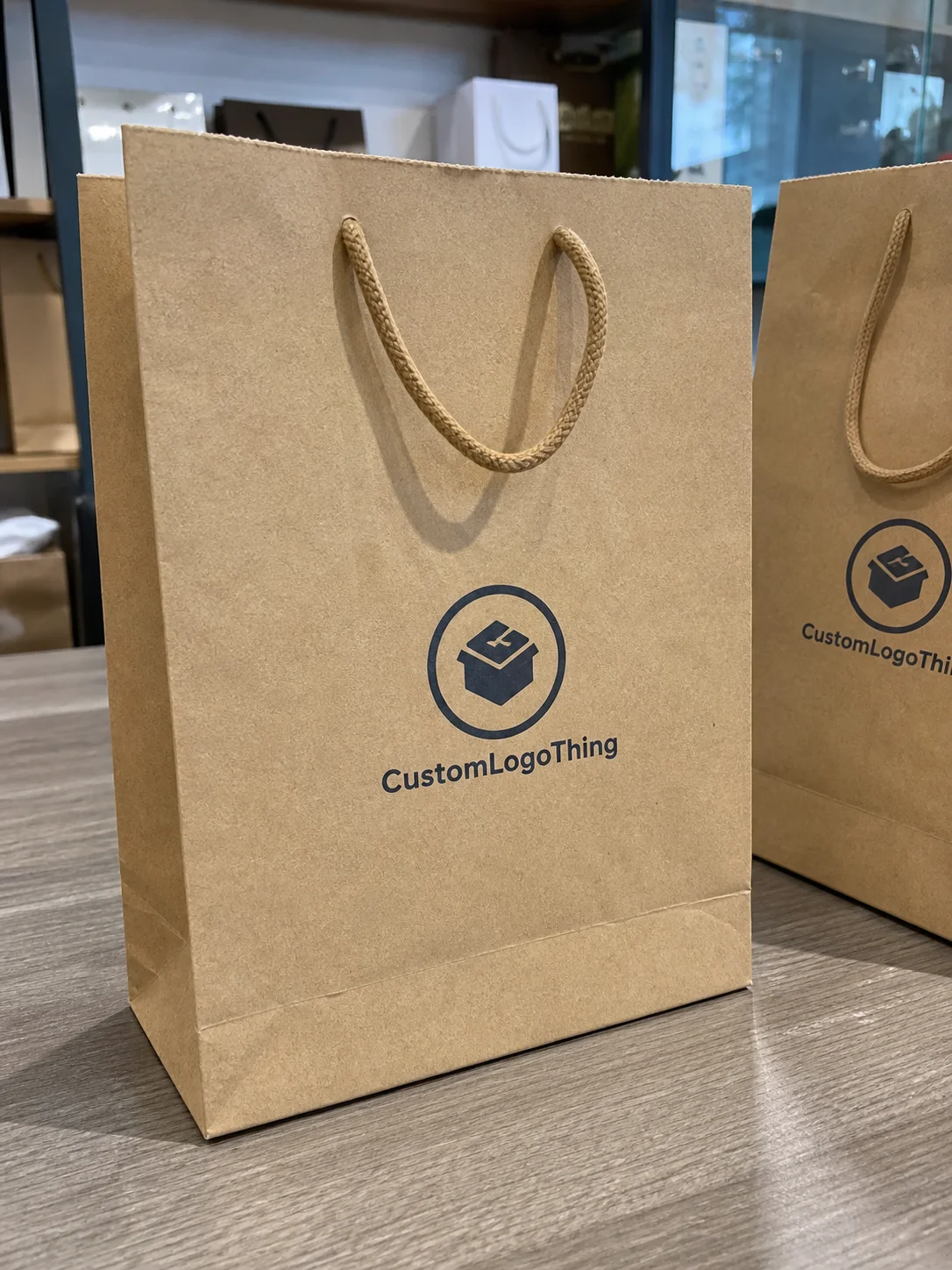
You can add premium cues without premium cost by using stock boxes plus branded labels. A 4-color 3 x 5 inch label may land around $0.04-$0.07 at 5,000 units, compared with jumping into full custom printed boxes at $0.42+ too early. That bridge keeps packaging design consistent while volume stabilizes and supports Affordable Custom Packaging choices.
Material choices and practical tradeoffs
SBS board gives crisp print and clean edges, ideal for retail presentation, though it resists crush less effectively than E-flute corrugated in parcel networks. Recycled kraft mailers are light and cost-effective, often $0.18-$0.36 each by size and quantity, yet fragile glass usually needs inserts. Tissue adds visual lift at $0.01-$0.03 per sheet; custom paper tape adds brand signal and tamper confidence in one move.
Money leaks from oversized cartons, excessive decorative inserts, slow hand-fold structures, and vague supplier instructions like “make logo pop.” (That phrase has started more production drama than I care to admit.) The best small business packaging ideas on budget are engineered for assembly speed and carrier conditions, not studio photography.
Key Factors to Choose Budget-Friendly Packaging Without Looking Cheap
Teams chasing small business packaging ideas on budget that still look premium should pressure-test every decision through seven filters before placing a PO. If I sound strict here, it’s because these seven checks prevent most expensive mistakes.
1) Brand fit without SKU chaos
Choose two brand colors, one type system, and one tonal style across inserts, stickers, and tape. Keep structural variety tight: early-stage brands often run 2 shipper sizes and 1 insert family for 70-85% of orders. Extra format SKUs create inventory drag and pick errors.
2) Protection level by product fragility
Fragile categories—cosmetics, ceramics, glass—need controlled movement under 24-36 inch drop conditions. Apparel and dry goods can use lighter formats. I map product classes into A/B/C risk tiers, then assign cushion thickness by failure risk. That keeps small business packaging ideas on budget practical instead of fear-driven.
3) Channel mix and order profile
Single-SKU DTC, bundles, wholesale case packs, and marketplace shipping each need different packaging logic. Amazon-compliant labels need clean panel space. Boutique wholesale may require specific barcode orientation and shelf-facing graphics. Forcing one format across four channels usually hurts labor and consistency.
4) Sustainability and compliance details
Use curbside-friendly materials where possible: mono-material paper systems, recycled-content board, and FSC-certified substrates from audited mills (FSC). Plastic-paper laminates can look attractive while creating disposal friction. U.S. sellers should also review EPA recycling resources. Eco-friendly packaging often strengthens trust among repeat buyers who care about post-purchase waste.
5) Storage and fulfillment reality
Flat-packed formats save space quickly. I’ve seen 900-square-foot operations cut storage footprint by 32% by switching from pre-formed cartons to knockdown E-flute mailers. If assembly exceeds 20 seconds, test alternate locking tabs. Reliable small business packaging ideas on budget account for warehouse ergonomics, because nobody enjoys wrestling stubborn tabs during peak season.
6) Supplier reliability and process control
Request MOQ, lead time, proof cycle, color tolerance, and reprint policy in writing. A supplier promising 10 business days but averaging 18 can break your planning cycle. Keep a signed approved sample as your “golden unit.” I still carry one in my bag during vendor visits.
7) Scalability path
Build a ladder: stickers on stock boxes, then one-color flexo, then fully custom printed boxes once order stability supports it. The strongest small business packaging ideas on budget scale without forcing a complete redesign every quarter.
Cost and Pricing Breakdown: What Small Brands Should Expect
This is the formula I use in packaging audits: unit packaging cost = materials + print + labor + storage + shipping impact + spoilage/rework. Most founders track materials only, which hides 25-45% of true packaging expense. If you only track box cost, you’re flying half-blind.
At a New Jersey fulfillment client shipping 4,200 orders per month, material spend appeared healthy at $0.71 per order. After adding labor (52 seconds at $18/hour), storage, and DIM impact, true packaging cost was $1.19. Post-redesign, they reached $0.96 without reducing quality. That’s the concrete side of small business packaging ideas on budget.
| Component | Typical Spec | Low Qty Cost (500-1,000) | Mid Qty Cost (5,000) | Notes |
|---|---|---|---|---|
| Poly/Kraft Mailer | 10 x 13 in, 2.5 mil or 120gsm kraft | $0.28-$0.52 | $0.18-$0.34 | Kraft supports eco messaging; poly can be lighter for some lanes |
| E-flute Corrugated Mailer | 11 x 8 x 3 in, one-color outside | $0.78-$1.25 | $0.42-$0.76 | Great for fragile items and stronger branded packaging presence |
| Sticker Label | 3 x 5 in, 4-color, matte | $0.09-$0.16 | $0.04-$0.07 | Low-risk upgrade for package branding |
| Tissue | 20 x 30 in, 17gsm | $0.02-$0.05 | $0.01-$0.03 | Cheap perceived value lift |
| Insert Card | 4 x 6 in, 300gsm, 4/1 | $0.12-$0.22 | $0.04-$0.10 | Use one template across SKUs |
MOQ economics matter. Custom printed boxes do get cheaper at scale, but excess inventory can lock cash for 60-120 days. If reorder cadence is unstable, adaptable systems are safer. Many small business packaging ideas on budget fail because teams buy six months of inventory before proving fit. I’ve done that once early in my career, and I still remember walking past stacks of unusable cartons like they were mocking me.
Hidden costs worth monitoring:
- Plate/setup fees ($75-$350 per color in some flexo jobs)
- Freight-in from converter to warehouse ($180-$1,200 depending on pallet count)
- Overage/underage tolerance (often +/-10%)
- Rush production surcharges (10-25%)
- Rework from color mismatch or weak adhesive
Shipping levers create meaningful savings. Right-size cartons to cut DIM exposure. Reduce dead space from 40% to 20% and carrier charges usually fall, along with dunnage spend. I’ve also seen brands save 8-12 labor seconds per pack by standardizing paper void fill into one fold pattern.
“We thought better packaging meant expensive foil and embossing. Turns out a tighter box fit, paper tape, and one clean insert did more for repeat orders than any premium finish.” — Founder, 12-SKU skincare brand
Put budget where it prevents damage and strengthens customer confidence. Trim decorative extras that don’t move retention metrics. Keep 5-10% of quarterly packaging spend reserved for testing. Pilot first, scale second. That’s how small business packaging ideas on budget stay financially disciplined.
Step-by-Step Process and Timeline to Launch Budget Packaging
Execution beats theory every time. This seven-step rollout has worked well for small business packaging ideas on budget in smaller ecommerce operations. I’ve repeated this sequence enough times that I could probably recite it in my sleep.
Step 1 — Audit current packaging
Measure top 20 products, pack time per order, monthly damage rate, and packaging cost per order. Pull 60 days of shipping data by zone. One client found that 72% of orders fit a smaller box size they weren’t using.
Step 2 — Define goals and constraints
Set a cost ceiling (example: $0.95 per order), target experience (clean minimal unboxing), sustainability requirement (minimum 60% recycled content), and labor cap (under 55 seconds assembly).
Step 3 — Build a detailed spec sheet
Include dielines, board grade (e.g., E-flute 1.5 mm), print method, Pantone references, closure style, and insert geometry. Clear specs reduce revision loops and protect your timeline.
Step 4 — Source and compare suppliers
Request apples-to-apples quotes from three vendors. Ask for MOQ, lead time, QA process, and replacement policy. If you need format options, review Custom Packaging Products and compare structures against your SKU profile.
Step 5 — Prototype and test
Run pack-out trials with real products. Perform drop tests and lane sampling. For transit protocols, use ISTA guidance at ISTA. I usually send 10-20 sample shipments across Zones 2, 5, and 8 before sign-off. Yes, it’s tedious. It also saves money.
Step 6 — Pilot launch on a controlled segment
Deploy on 10-20% of orders for two weeks. Track damages, pack speed, and customer comments. This stage reveals whether small business packaging ideas on budget are ready to scale or need small adjustments.
Step 7 — Full rollout and SOP lock-in
Create one-page packing SOPs with photos, tape lengths, fold sequence, and insert placement. Train every packer the same way. Set reorder points using average weekly usage plus safety stock.
Typical timeline from idea to bulk delivery
- Week 1: audit + goal setting
- Week 2: specs + RFQs
- Week 3: proofs + sample approvals
- Week 4-5: pilot production
- Week 6: pilot shipments + KPI check
- Week 7-8: full production and intake
Common delays include incomplete dielines, slow art approvals, missing barcode zones, and freight bottlenecks at origin ports. Add a time buffer if a promotional campaign depends on launch timing.
Common Mistakes with Small Business Packaging Ideas on Budget
After reviewing hundreds of packaging changeovers, I keep seeing the same seven failures in small business packaging ideas on budget. None of these are rare. Most are avoidable.
Mistake 1: Designing for looks only
Beautiful studio mockups can fail quickly in parcel handling. Prevention: require transit validation before final PO, including drop sequence and corner-impact checks.
Mistake 2: Too many sizes too early
Six carton sizes may look efficient on paper but create pick confusion and inventory complexity. Prevention: start with two core sizes that cover at least 75% of orders.
Mistake 3: Skipping real-world tests
Courier handling varies by route, weather, and hub. Prevention: ship pilot batches through your highest-volume lanes and inspect return reason codes closely.
Mistake 4: Chasing lowest unit cost only
A cheap box that adds 20 seconds of labor can cost more end-to-end. Prevention: calculate fully loaded cost with labor and dimensional impact included.
Mistake 5: Weak artwork and unclear color specs
RGB files, low-resolution logos, and vague color direction lead to costly reprints. Prevention: submit print-ready vector files with Pantone references and approve a physical sample.
Mistake 6: No backup supplier
Single-source dependency raises risk during demand spikes. Prevention: qualify a second vendor to matching specs and keep that relationship active.
Mistake 7: Poor reorder planning
Stockouts trigger expensive emergency buys and inconsistent quality. Prevention: set reorder triggers at 3-4 weeks of coverage based on lead-time variance.
Avoid these seven, and your small business packaging ideas on budget will outperform most early-stage ecommerce setups. I say that confidently because I’ve watched the opposite happen in real time, and it’s kinda painful to clean up.
What Are the Best Small Business Packaging Ideas on Budget for Growth?
The short answer: start with right-sized stock packaging, layer in low-cost branding, and improve protection before aesthetics. In practical terms, that means one or two box sizes, a consistent insert card, and tape or labels that reinforce brand identity. Founders who follow this order usually get the highest return from small business packaging ideas on budget because they reduce damage first, speed up fulfillment second, and polish presentation third.
A useful benchmark is this: if packaging changes cut damage by even 1% while keeping labor steady, many small brands recover testing costs within one to two months. That’s why budget packaging strategy should be treated like performance marketing—hypothesis, pilot, measure, then scale.
Expert Tips and Action Plan: Your Next 30 Days of Small Business Packaging Ideas on Budget
If you want results this month, keep the plan simple and measurable. The most effective small business packaging ideas on budget usually come from operational improvements, not expensive visual overhauls. Fancy finishes are nice; consistent execution pays the bills.
30-day priority checklist
- Days 1-3: Measure current packaging cost per order, pack time, and damage rate.
- Days 4-7: Reduce packaging SKUs to the smallest practical set.
- Days 8-12: Test one upgrade: branded sticker kit, paper tape, or right-size box swap.
- Days 13-18: Run a mini pilot on 50-100 orders.
- Days 19-24: Review metrics and customer mentions.
- Days 25-30: Finalize SOP and reorder plan.
Quick wins with low spend
- Stock cartons + consistent logo labels
- One insert card template across all orders
- Paper tape for visual cohesion and security
- Right-size carton for top-selling SKU bundle
Ready to expand formats? Compare options in Custom Packaging Products and map each one to your fulfillment flow. Teams building branded mailers and retail packaging in parallel can use the same Custom Packaging Products lineup to standardize specs across channels.
Supplier negotiation tips that actually work
Ask for tiered pricing at 1k/3k/5k, lead-time SLA in writing, freight terms (FOB vs delivered), and substitute material quotes during RFQ. In one Dongguan negotiation, introducing an alternate 125gsm kraft option cut cost by $0.06 per unit at 8,000 units with no measurable performance loss. I’ve found suppliers respond better when you bring precise specs instead of vague pressure emails.
KPI dashboard to keep every decision honest
- Packaging cost per order
- Damage rate by SKU and carrier zone
- Average pack time per order
- Customer mention rate (reviews/social tags mentioning packaging)
- Supplier on-time delivery and reprint frequency
When to move from stock to custom printed boxes
My rule: shift after monthly order volume stays stable for 8-12 weeks, SKU mix becomes predictable, and the current format no longer supports consistent package branding. Until that point, keep validating small business packaging ideas on budget with adaptable components.
Actionable takeaway: pick one high-volume SKU group this week, run a 100-order packaging pilot, and track three numbers only—damage rate, pack time, and total packaging cost per order. If two of the three improve (and the third stays flat), roll it out. If not, revise and test again. Don’t overcomplicate it; your team is gonna execute what’s clear, not what’s clever.
A final note from the floor: run one pilot this week instead of planning five projects for next quarter. Measure, adjust, scale what works. The most effective small business packaging ideas on budget are the ideas your team can execute every day with clear specs, controlled costs, and a customer experience that feels intentional from first touch to final unbox. Also, if your tape gun jams during a rush, take a breath—I’ve absolutely muttered at mine like it was personally offended by deadlines.
FAQs
What are the best small business packaging ideas on budget for first-time sellers?
Start with stock mailers or RSC cartons, then add branded stickers and one insert card. Keep one or two package sizes that fit most orders. Protection comes first, visual upgrades second. That sequence gives first-time sellers practical small business packaging ideas on budget without tying up cash in risky inventory.
How much should I spend on packaging per order for a small ecommerce brand?
Set a target as a percentage of average order value and review it weekly. Include labor, freight-in, and dimensional shipping effects, not only material cost. For many early brands, controlled tests of small business packaging ideas on budget produce clearer answers than broad rollouts.
Can affordable custom packaging still look premium?
Yes. Use restrained design: one-color print on kraft, clean typography, and consistent visual rules. Invest in structural fit, paper tape, and quality tissue before expensive finishes. Many premium-feeling small business packaging ideas on budget depend more on consistency than decoration.
What is the fastest process to implement small business packaging ideas on budget?
Run a three-phase sprint: audit current pack-out, prototype one improved system, then pilot on a small order segment. Digital print or labels shorten turnaround. Document SOPs immediately so your small business packaging ideas on budget hold up operationally.
How do I reduce shipping damage without raising packaging costs too much?
Right-size cartons, cut dead space, and apply cushioning only where fragility justifies it. Run drop tests and track return reasons by SKU. Disciplined small business packaging ideas on budget usually deliver the fastest measurable savings here.