Most soap brands do not lose money because the insert was printed badly; they lose money because the soap brand carton inserts Print Proof Checklist was treated like a formality and signed off too fast. A polished PDF can still hide a flipped panel, a buried claim, or a barcode sitting on a fold line. That is how a low-cost proof turns into a costly reprint.
For a packaging buyer, the soap brand carton inserts Print Proof Checklist is the control sheet that keeps copy, dielines, folds, barcodes, claims, and print specs aligned before production starts. It works as quality control, brand protection, and schedule control at the same time. Miss one item and the launch plan starts to wobble.
Soap inserts look simple. They rarely are. A folded carton insert can hold ingredient statements, directions, batch cues, recycling notes, allergen warnings, compliance language, and brand storytelling in a space that would look tiny even on a grocery receipt. The soap brand carton inserts Print Proof Checklist exists because small errors become expensive after the sheet is printed, cut, folded, packed, and shipped.
Proofs often look flawless on screen while the folded insert lands with the panel order reversed, type pushed into a glue flap, or a claim disappearing into a crease. The soap Brand Carton Inserts print proof checklist is the guardrail against that kind of failure. It is dull. It also keeps margin from evaporating into a rush reprint.
I once sat through a proof review where everyone kept saying the insert was "basically done." Then the folded dummy arrived and the barcode landed half over a seam, which would have made the pack-out team miserable and the scanner even more so. That kind of miss is why a real checklist matters. Not a vague one. A specific one.
A polished PDF is not the same thing as a correct insert. If the panel map is wrong, the proof is wrong, even when the color looks beautiful.
Soap brand carton inserts print proof checklist: what it is
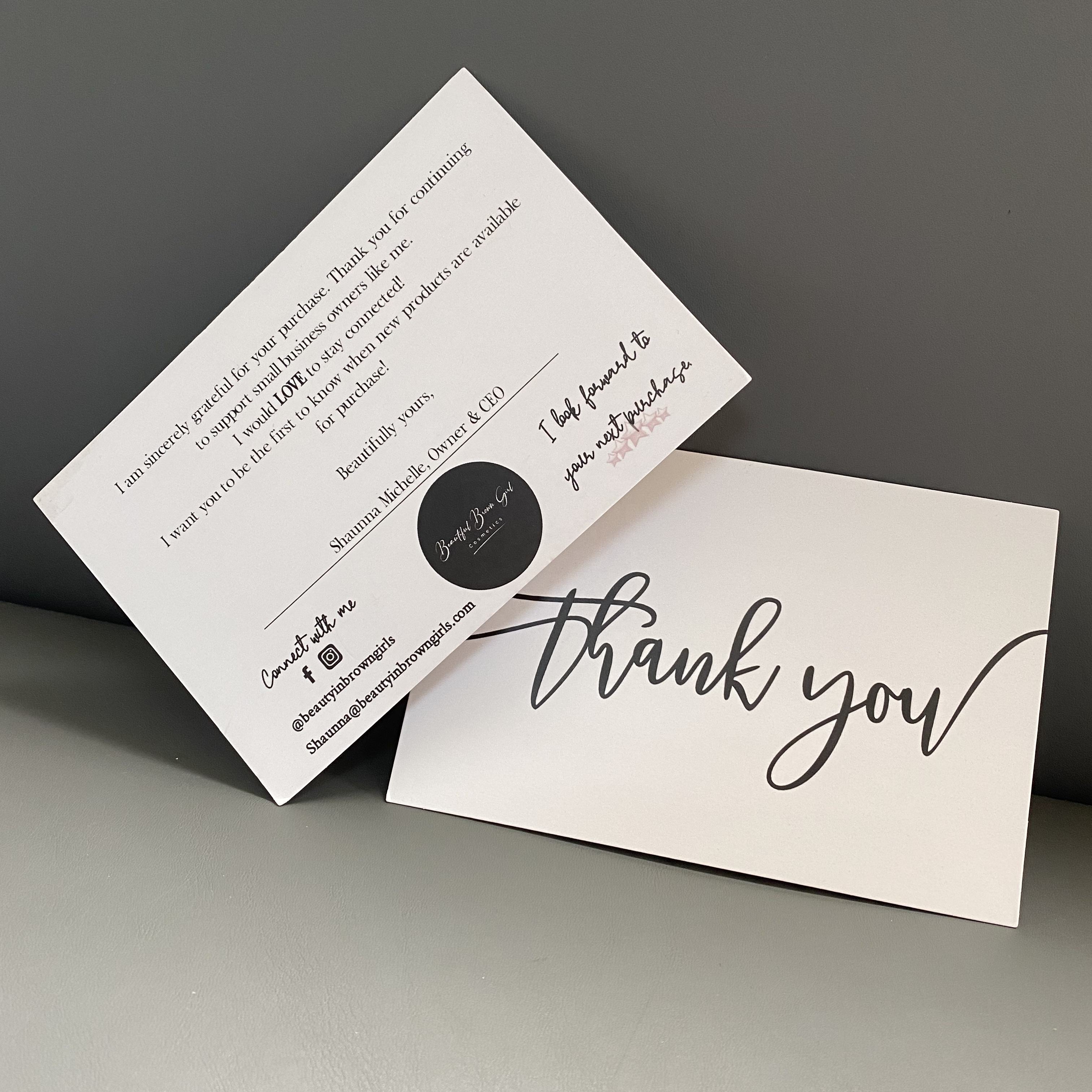
The soap brand carton inserts Print Proof Checklist is the approval sheet that confirms the art file matches the physical insert before production begins. It checks copy, dieline, panel sequence, fold direction, bleed, safe zones, barcode, legal text, quantities, and print specs. The proof is not only about whether the design looks tidy. It is about whether the file can be printed and folded the way the brand expects.
That distinction matters because soap inserts often carry a lot of brand identity in very little space. The insert may be the customer's first close read of the product, and it often carries the language that builds trust after the outer carton has already done the visual selling. A careless proof weakens the unboxing experience and makes a premium soap feel oddly unfinished.
The soap brand carton inserts print proof checklist also separates design errors from production errors. A missing ingredient line may point to an artwork problem. A line sitting too close to a fold or trim edge points to prepress. A finished insert reading in the wrong order points to the structure. Same piece. Different failure mode. One person saying "it looks fine" is not a review process.
Most insert failures are not press failures. They start as proofing failures that slipped through before anyone compared the proof to the final copy deck or dieline. The soap brand carton inserts print proof checklist is meant to stop that shortcut. It forces the team to notice the missing disclaimer, the reversed panel, or the barcode that got resized by someone trying to be helpful.
For soap brands printing in CMYK, using a spot color, or depending on specific brand shades, the checklist also protects color expectations. Screen color is not press color. A brand that ships with offset printing one month and digital printing the next needs a proof process that keeps the look steady instead of hoping every laptop is set to the same brightness. It never is.
The best checklists are short enough to be used and detailed enough to catch the real problems. That balance sounds easy. It is not. Too brief, and the team skips the hard stuff. Too long, and everyone starts scrolling past the same three pages like they are reading airline terms. A good soap brand carton inserts print proof checklist lands in the middle: clear, specific, and annoying in the right places.
How carton insert proofing works from dieline to press
The soap brand carton inserts print proof checklist works best when it follows the full proof chain, not just the final sign-off. A practical workflow usually moves from brief to artwork upload, dieline placement, digital proof, internal review, corrections, final approval, and production scheduling. Skip one step and a blind spot opens up somewhere in the file trail.
- Brief and copy lock - Final ingredient copy, claims, barcode data, and contact details should be locked before design starts.
- Artwork placement - The designer maps panels to the dieline so the fold order and reading order match the physical piece.
- Digital proof - The printer sends a PDF or online proof for text, positioning, and layout review.
- Internal review - Marketing, operations, and compliance compare the proof against the approved copy deck.
- Revisions and sign-off - Corrections are made, then the final proof is approved and archived.
The soap brand carton inserts print proof checklist should appear at every round, not only the final one. Early misses multiply. If a headline sits one panel off in round one, that same mistake tends to survive into every revised file until someone catches it. One small oversight can become the new default if nobody slows down long enough to check the map.
Proof types also matter. A PDF proof is good for copy, placement, and panel order. A color-managed proof does a better job of catching shifts in CMYK balance or the behavior of a spot color. A folded sample or mockup is the only thing that really shows how the insert behaves once it is creased and handled. The soap brand carton inserts print proof checklist should state which proof type is under review and what it can, and cannot, verify.
Brands using offset printing, digital printing, or even flexographic printing on related components should keep the same approval discipline. Offset gives strong detail and stable color on larger runs. Digital handles short runs and multiple SKUs with less setup friction. Flexo lives in a different lane, though it proves the same point: press output is only as trustworthy as the proof in front of it. The soap brand carton inserts print proof checklist should never assume the press will rescue anything. Presses print mistakes beautifully.
Printer-side checks usually include bleed, safe zones, trapping, overprint settings, die alignment, panel orientation, and whether any art sits too close to a cut or fold. If the insert includes a fold-up note, coupon, or tear-away panel, the printer may also check whether the line work survives the folding sequence. The soap brand carton inserts print proof checklist should confirm those items before approval, not after the pallets are already in the building.
Inside the soap brand, sign-off should not sit with one person holding too many roles. Marketing checks tone and brand identity. Operations checks packout fit and assembly logic. Compliance or legal checks mandatory language and claims. The person responsible for product copy should own the final textual sign-off. The soap brand carton inserts print proof checklist works best when each reviewer has one job and one version of the file, not a group chat full of half-remembered edits.
Cost and pricing: what changes the insert quote
The soap brand carton inserts print proof checklist affects price, even if only indirectly, because a more complex proof process takes more labor before print starts. The main cost drivers are quantity, stock choice, number of printed sides, ink coverage, finishing, and whether the insert is a flat card or a multi-panel folded piece. A plain single-sheet insert costs less than a complicated insert with tight folds, heavy coverage, and multiple approval rounds. That is not mystery pricing. That is math in a paper shirt.
For small soap runs, MOQ matters a lot. If a brand needs five scents, each with a slightly different ingredient panel or fragrance story, the setup and proof work get spread across fewer units. Unit cost rises quickly. The soap brand carton inserts print proof checklist helps here because it shows whether the premium comes from paper choice, artwork complexity, or the number of proof changes the team asked for after everything should have been locked.
| Proof option | Best for | Typical turnaround | Approx. added cost | What it catches best |
|---|---|---|---|---|
| Digital PDF proof | Copy, layout, barcode placement, panel order | 1-3 business days | Often included | Text errors, dieline mismatch, missing elements |
| Folded dummy or mockup | Multi-panel inserts, tight folds, assembly checks | 3-7 business days | $25-$120 per version | Fold direction, hidden copy, awkward panel flow |
| Press proof or color proof | Critical color control, premium branding, spot color approval | 3-10 business days | $75-$400+ | CMYK shifts, spot color match, stock interaction |
A cheap proof can hide an expensive mistake. Save $40 by skipping a mockup and the next line item may be a reprint worth thousands if the insert folds wrong or reads poorly. The soap brand carton inserts print proof checklist is the place to decide whether a folded dummy is worth the cost. For complex pieces, it usually is. For a simple note card with one panel of text, a digital proof may be enough.
Ask for an itemized quote. The soap brand carton inserts print proof checklist should not sit in a black box where nobody knows whether proofing is included, whether a second revision costs extra, or whether a folded sample triggers a change order. A clean quote usually separates artwork handling, proof production, print, finishing, and shipping. That separation makes supplier comparisons easier and keeps vague all-in numbers from hiding half the story.
Print finishing can change the quote as well. A matte or soft-touch coating, foil, varnish, or a special fold pattern changes cost. Even if the insert is only a leaf inside a soap box, the finishing choice affects how the piece feels and how the brand story reads. The soap brand carton inserts print proof checklist should include finish notes so the proof does not approve a flat-looking file when the final piece will feel different in hand.
One more cost trap shows up when the final file needs a rebuild because the dieline changed. The price rises even when the print quantity stays the same. That is normal prepress work, not printer greed. The soap brand carton inserts print proof checklist helps spot that risk early enough to avoid paying for emergency art fixes the night before approval.
Brands that want a wider view of paper, structure, and handling can also look at broader packaging standards and test methods. If the insert is part of a larger kit or ship-ready package, it helps to compare it with the expectations used in the rest of the packaging chain. Two useful references are ISTA testing standards and FSC-certified paper sourcing. They do not replace a proof checklist, but they do remind everyone that material choice and package handling sit in the same equation.
For brands comparing suppliers, our packaging case studies are useful because they show how approvals, revisions, and finish choices play out across real jobs. The soap brand carton inserts print proof checklist is easier to trust after seeing how much damage a rushed approval can cause.
Process and lead time: proof-to-print steps that matter
The soap brand carton inserts print proof checklist is not only a quality tool. It is a schedule tool. A realistic timeline often includes file intake, prepress review, proof generation, internal review, revisions, final approval, and production scheduling. That sounds obvious until a brand waits three days for missing ingredient copy and then asks why the carton insert missed the original ship date. Time disappears quickly when copy is floating around in email.
A clean digital proof is usually faster than a physical sample. In many production setups, a PDF proof can come back in 1-3 business days if the file is ready. A folded dummy might take 3-7 business days, depending on complexity and shipping. The soap brand carton inserts print proof checklist should reflect that difference, because the proof type decides how much calendar time is actually left before the launch date starts slipping.
Delays usually cluster around final ingredient copy, legal wording, barcode numbers, scent-name changes, and last-minute claims edits from marketing. The soap brand carton inserts print proof checklist is the best place to freeze content and keep the review cycle from turning into a moving target. If three people are sending conflicting comments, the printer is not the only thing slowing the job down. The decision process is too.
A practical schedule many soap brands can actually use looks like this:
- Day 1: artwork and dieline submitted
- Day 2-3: prepress review and digital proof issued
- Day 3-5: internal review, redlines, and corrections
- Day 5-7: final approval or folded sample review if needed
- Day 8+: print production begins after sign-off
The soap brand carton inserts print proof checklist should also name one decision-maker. Not one person who writes every line, but one person who gathers comments, resolves conflicts, and returns a single approved response. That lowers the classic "marketing approved it, operations changed it, legal never saw it" mess that creates a needless second proof round.
From a production standpoint, the lead time clock starts before print. Proofing, corrections, and approval are all part of the delivery window whether the team likes that answer or not. The soap brand carton inserts print proof checklist keeps the schedule honest. If a physical proof is needed, say so early. If the dieline needs a rebuild, ask before the quote is finalized. If the insert must match a spot color on a premium carton, do not hide that until the last minute and then act surprised when the schedule slips.
In my experience, the longest delays are rarely technical. They are decision delays. Someone is waiting on legal. Someone else is waiting on a photo. Another person is waiting to see if a claim sounds "more premium." That is how a two-day proof turns into a ten-day stall. The checklist is supposed to cut through that fog.
Common mistakes on soap carton insert proofs
The soap brand carton inserts print proof checklist catches the mistakes everyone says they would never make and then makes anyway. The usual suspects are predictable. Tiny type that looked fine on screen but turns unreadable after folding. Ingredients that wrap too close to a crease. A barcode that lands in the wrong spot. A legal disclaimer that ends up in the glue flap. After a few jobs, none of that is surprising. The surprise is usually that someone approved it.
Copy drift causes plenty of damage too. One team edits the claims sheet, another team edits the artwork, and the final proof ends up with two versions of the truth. The soap brand carton inserts print proof checklist should force a line-by-line comparison against the source copy deck. Ingredients, directions, website URL, care notes, scent naming, and any claim language should be checked against the master file, not against somebody's memory of what probably changed.
Layout mistakes are just as common. A fold line can sit across a headline. A barcode can sit too close to a crease for reliable scanning. The outer panel can end up upside down after folding because someone looked at the flat dieline and assumed the reading order would sort itself out. The soap brand carton inserts print proof checklist should verify panel order on the flat layout and, when possible, on a folded mockup.
Do not proof by screenshot. Do not proof by phone photo. Do not approve a crop of the proof and assume the rest is fine. The soap brand carton inserts print proof checklist needs the actual file at 100 percent view, plus a printout if the team is reviewing dense copy or tight layouts. Screenshots remove the context needed to catch the mistake hiding in the margin.
Version control failures can be spectacular. The wrong file gets approved, the correct file sits in somebody's inbox, and the printer starts with a file that is one revision behind. That is one of the dumbest ways to delay a launch because it is entirely avoidable. The soap brand carton inserts print proof checklist should include the file name, revision number, date, and approver initials. That small administrative step prevents a lot of expensive backtracking.
- Unreadable microtype - common on ingredient blocks and usage instructions.
- Fold collisions - headlines, logos, or claims crossing a crease.
- Barcode problems - incorrect size, placement, or quiet zone.
- Hidden legal copy - disclaimers pushed into a flap or trim zone.
- Wrong revision - approving an old file because the filename looked familiar.
The soap brand carton inserts print proof checklist also needs a sanity check for color expectations. A fresh brand palette can look sharp on a calibrated display and then shift once printed on uncoated stock. If the insert needs a specific off-white, muted green, or heritage tone, say so before approval. Better still, ask the printer how they are handling CMYK build, spot color matching, and any stock-dependent change in appearance.
A small note on barcode sizing: a barcode that is technically "there" is not the same as a barcode that will scan cleanly. Quiet zones matter. So does print contrast. On a rushed job, I have seen a barcode survive three proof rounds and still fail because it was pushed too close to a fold. It looked harmless. It was not.
Expert tips for cleaner soap brand carton inserts
The fastest way to make the soap brand carton inserts print proof checklist genuinely useful is to build a master copy sheet before design begins. That sheet should lock every ingredient line, claim, website URL, batch note, barcode number, and regulatory statement. Once the master is approved, the designer can work from one source instead of playing telephone with three internal teams who all think they are the source.
Redline review helps more than people admit. Instead of vague comments like "looks crowded," have each approver mark changes directly on one proof and return a single consolidated response. The soap brand carton inserts print proof checklist becomes much easier to use when feedback is specific: move logo 2 mm left, increase type size by 1 pt, remove duplicate claim, confirm barcode quiet zone. Concrete comments save days.
For inserts with multiple panels or tight folds, ask for a folded dummy or mockup. A folded sample is the simplest way to test whether the copy reads in the right order and whether the front-facing messaging still feels intentional after assembly. The soap brand carton inserts print proof checklist should call out if a dummy is required for the job, especially on premium soap, gift sets, or kits where the insert is part of the unboxing experience rather than a throwaway sheet.
Color control deserves its own step. Calibrate the display if you can. Ask the printer how they handle CMYK builds and spot color matching. Confirm whether the stock is coated or uncoated, because uncoated paper will soften contrast and slightly dull some hues. The soap brand carton inserts print proof checklist is not only about copy. It also protects visual consistency, which is what people mean when they say the packaging "looks right."
A practical preflight pass catches a surprising amount before approval:
- Confirm the dieline version matches the quoted spec.
- Check bleed on every edge, not just the obvious ones.
- Verify panel numbers and fold order on the flattened proof.
- Review type at 100 percent zoom for tiny errors.
- Check that barcodes have enough quiet zone and are not distorted.
- Make sure no copy sits inside glue, trim, or fold areas.
The soap brand carton inserts print proof checklist also benefits from a paper and sustainability check. If the brand wants an FSC option, specify it early. If the insert will sit inside a carton but still needs a premium feel, ask whether the stock weight, caliper, and opacity support the copy layout. Sustainability claims should also be reviewed carefully. Vague language can create more risk than value.
Our Custom Logo Things packaging options are built around those exact kinds of practical decisions: stock, print method, proof control, and approval discipline. The soap brand carton inserts print proof checklist is what keeps those choices honest before the first sheet is committed to press.
There is also a human side to this. The cleanest proof process I have seen was not the fanciest. It was the one where the team agreed, in writing, that only one person could send consolidated comments to the printer. That tiny rule removed the noise. Funny how often the best fix is boring.
Next steps: approve with your soap brand carton inserts print proof checklist
The cleanest way to use the soap brand carton inserts print proof checklist is to turn it into a shared approval sheet. Marketing reviews the language. Compliance reviews the claims. Operations reviews the packout logic. One person collects the feedback and returns one final response. That sounds basic because it is basic. Basic is good. Basic prevents reprints.
Before you approve, compare the proof against the final copy deck line by line. Then check the dieline for folds, tuck areas, hidden zones, and any panel that disappears once the insert is assembled. The soap brand carton inserts print proof checklist works best when the team is slightly suspicious. Not paranoid. Awake. In packaging, sleepy approval is how mistakes get promoted into production.
If a revision is needed, ask the printer for one clean round and then lock the file. Do not keep making tiny late-stage edits that restart the whole process. A corrected proof is better than five fragile micro-edits scattered across email threads. The soap brand carton inserts print proof checklist should end with one practical rule: no file goes to press until the revision number, approver name, and panel map all match the same version.
For soap brands that want fewer surprises, the most useful habit is simple. Freeze the copy, verify the dieline, approve the right proof type, and archive the final sign-off with initials. Those four steps cut through most of the avoidable noise. The job gets calmer, the schedule gets cleaner, and the insert does what it was supposed to do in the first place: tell the truth about the soap without creating a mess behind the scenes.
FAQ
Do I need a folded mockup for every soap insert?
No. A digital PDF proof is often enough for a simple one-panel insert with limited copy. Once the piece has multiple folds, hidden panels, coupons, or tight legal text, a folded mockup is usually worth the extra time and cost.
What is the most common proofing mistake?
Panel order errors come up a lot. A design can look clean flat on screen and still read backwards once folded. Barcode placement and copy drift are close behind.
How long should proofing take?
Many digital proofs are turned in 1-3 business days if the file is ready. Folded samples often take 3-7 business days, sometimes longer if revisions or shipping are involved. If the calendar is tight, build that into the schedule early.
Who should approve the final file?
Ideally, one person should collect comments and issue the final approval, even if marketing, compliance, and operations all review it. Too many individual approvals usually create conflicting revisions.
Is a color proof necessary?
Not always. It becomes much more valuable when the soap brand depends on specific CMYK builds, spot colors, or uncoated stock where the printed result may shift from what the screen shows.
For a soap brand that wants fewer surprises, the working rule is simple: lock the content, check the dieline against the fold order, choose the right proof type, and sign only the final revision. That is the real soap brand carton inserts print proof checklist - not a form to rush through, but a small, practical barrier between a clean launch and a very avoidable reprint.

