A tea Printed Poly Mailers Artwork Proof checklist is not about admiring a pretty mockup. It is about catching the expensive mistakes before ink, film, and freight turn them into a problem. The biggest misses usually show up at seams, seals, and edges, not on the logo everyone stares at first.
That matters for tea brands because the design language is usually delicate. Soft creams, sage greens, and restrained typography can look polished on screen and then go muddy on polyethylene, especially if the finish is glossy or the artwork is too fine. If you sell loose leaf, sachets, sampler packs, or subscription kits, the mailer is part of the brand experience. A sloppy proof makes the whole shipment feel cheaper than it is.
Use the proof as a production map, not a marketing preview. Check size, placement, bleed, safe zone, and any shipping copy that has to stay readable after folding and sealing. If you need the outer packaging itself, compare options in Custom Poly Mailers and the wider Custom Packaging Products catalog.
Tea printed poly mailers artwork proof checklist: what it really covers
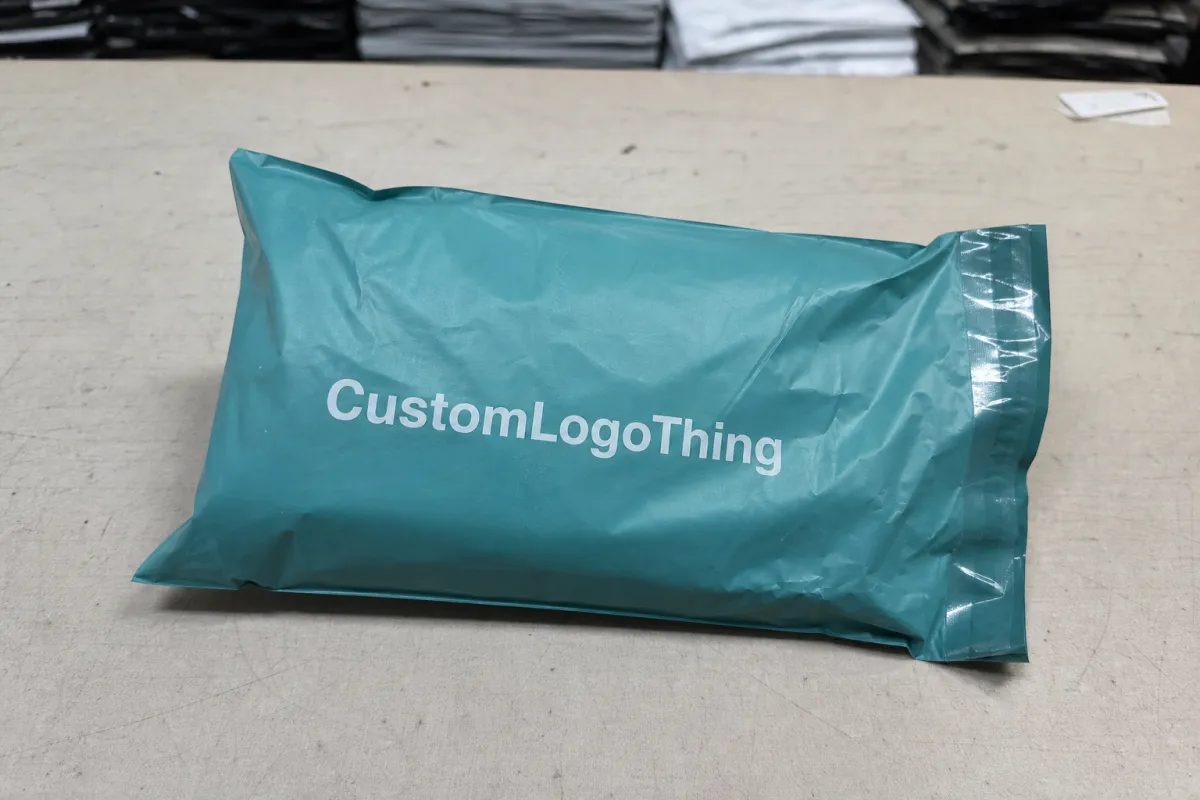
The proof should answer one question: will the art land where the buyer expects it to land on the actual mailer? Not on a flat screen. On the real bag, with a fold, a seal, and a printer that does not care about wishful thinking.
That means the proof needs to show more than a logo floating in the middle. It should show the front panel, back panel, any side areas, the bottom seal, and the zones that may distort once the bag is filled. A good proof also makes it obvious which side faces up when the mailer opens, because that changes which panel gets the best space.
For tea packaging, the risk is usually subtle. A brand may use a warm neutral palette and tuck in small copy about origin, flavor notes, or recycling guidance. On a proof, that looks elegant. In production, one bad placement choice can push the smallest line of text into a seam where it disappears. That is not a style decision. That is a reprint.
- Size: confirm the finished bag dimensions, not just the canvas size.
- Placement: check where the logo sits relative to seals, folds, and edges.
- Safe zone: keep key text away from risky areas by at least 3-5 mm, and often a little more near heavy seals.
- Bleed: make sure artwork extends far enough past the cut or seal line.
- Readability: verify that shipping copy, barcode, or product text stays legible.
- Version control: confirm the proof matches the final file name and the approved revision.
If a key element sits near a fold, edge, or seal line, do not approve it on autopilot. That is where the “it looked fine on the proof” excuse goes to die.
One approver should own the final yes or no. Not five people. Not “everyone on the thread.” One approver. Otherwise the job drifts into version chaos, and that is how old copy, wrong instructions, or outdated brand notes sneak into production.
A practical checklist also asks a few simple questions that get skipped when teams move too fast: Is the tea flavor visible at a glance? Does the subscription number, if used, still read after the mailer is folded? Is there enough contrast between the background and the text for a busy warehouse or porch environment? Those are small decisions, but they often make the difference between packaging that feels premium and packaging that feels merely printed.
How the proof turns flat artwork into a real mailer
Before approval, the artwork is placed onto a dieline, which is the flat map of the bag. That map shows how the design wraps around the mailer after folding, sealing, and printing. The proof should make the physical shape obvious, even if the mockup looks a little strange compared with the original file.
Strange is normal. A proof is not a Photoshop beauty shot. It follows the shape of the product, and the product has seams, gussets, and heat-sealed edges. Those parts steal space. They also shift the visual center. If the design has a centered logo or a repeated tea-leaf pattern, the proof has to show where those elements actually land once the mailer is formed.
The opening direction matters too. If the bag opens from the top, the display panel is not always the panel that looked best in the artwork file. Some suppliers print one side only, while others can print both sides. Ask which face is considered the main presentation side and whether the seal line changes the visible area after filling. On a busy subscription order, that single detail can decide whether the brand name reads cleanly or gets clipped by the fold.
Use the checklist as a production map: front, back, side, and seal areas all need a pass. If one important line sits too close to any boundary, it deserves a second look. No drama. Just physics.
For shipping-heavy programs, I also like to ask whether the package has been considered against normal transit abuse, not just a clean desktop mockup. Resources from ISTA help frame that mindset, because a mailer has to survive handling, not admiration. For sustainability claims tied to plastic film or recycling guidance, the EPA is a better reference than guesswork.
A useful mental model is to imagine the mailer filled, stacked, and rubbed against other parcels. That is where fine rules show up. Thin hairline borders may disappear. Reversed type can soften at the edges. Large solid panels may show scuffing if the finish is too slick for the application. The proof should not just look right; it should suggest that the finished bag can still look right after ordinary handling.
Many tea brands also use mailers for multiple pack sizes, from small two-ounce retail units to larger gift bundles. The same design may need to work across more than one dimension. In that case, the proof should clarify whether the layout scales consistently or whether the smaller size needs a simplified version. A design that feels balanced on a large mailer can become crowded when reduced, especially if the artwork includes brewing notes, web addresses, or fine line illustrations.
Artwork specs and file setup before the proof is built
Most production problems start before the proof is even opened. The file setup determines how much the printer has to interpret, and interpretation is where errors creep in. A clean setup saves time and usually makes the proofing round shorter.
Typical packaging files should include the dieline on a separate non-printing layer, clear naming for each artwork version, and images with enough resolution for the final output size. For many mailers, 300 dpi at final size is a common expectation for placed images, though large-format line art and vector type usually reproduce more cleanly when left as vectors. If the artwork relies on texture or gradients, check whether the file is built to handle smooth transitions instead of banding.
Color mode matters too. Many print suppliers want files in CMYK or will convert them from RGB, and that conversion can shift subtle tea tones more than people expect. A muted olive may land a little flatter. A cream may read warmer or cooler depending on the film base. That is normal, but the proof should tell you whether the shift is acceptable before production begins.
- File format: confirm whether the supplier prefers PDF, AI, EPS, or another format.
- Fonts: outline type or embed fonts so the text does not change on output.
- Images: keep placed images high enough resolution for the finished print size.
- Layering: separate the dieline from live art so the printer can read the design cleanly.
- Color conversion: expect small shifts when RGB assets are translated into print color space.
Barcode or QR code placement deserves extra care if the mailer includes shipping or campaign elements. Quiet zones around those marks need space, and small distortions near seals can make them harder to scan. If a code is part of a promotion or a subscription management flow, verify the destination before the job is approved. A perfectly printed wrong link is still wrong.
Tea artwork also tends to use warm neutrals, light lines, or botanical illustrations. Those elements are attractive, but they are less forgiving than bold blocks of color. Thin stems, tiny leaf shapes, and delicate strokes can fall apart if the file is low-resolution or if the print method is too aggressive for the design. When in doubt, simplify small details rather than hoping the substrate will save them.
Key design factors that change color, fit, and readability
Tea mailers often succeed or fail on restraint. A quiet, premium design can look beautiful when it is spacious, but the same design can feel weak if the contrast is too low or the text is too small. The proof is where you find out whether the restraint is intentional or accidental.
Start with hierarchy. The brand name usually needs to win first, followed by the tea type or product family, then secondary information such as flavor notes, net contents, or handling instructions. If everything is set at the same visual weight, the mailer becomes hard to scan from a distance. That is a problem for e-commerce fulfillment, retail pickup, and gift orders alike.
Then look at contrast. Light type on a light background can work if the print is crisp and the substrate is stable, but it is riskier than strong contrast. Likewise, dark type on a reflective film can look excellent in a mockup and then become harder to read under warehouse lighting. A proof should be checked in a way that mimics real use, not just office lighting.
Fit matters because a mailer is not a poster. Text that hugs the edges may appear intentional on a screen but feel cramped on a finished bag. Leave room for the eye to breathe. If the artwork includes a repeated tea pattern, check whether it creates an unwanted seam at the edges. Repetition can be elegant, but only if the repeat lands consistently after the product is folded and sealed.
- Hierarchy: make the brand name and tea type easy to read first.
- Contrast: avoid color combinations that depend on ideal lighting to work.
- Scale: test whether small copy is still legible at the final mailer size.
- Pattern flow: confirm that repeats do not break awkwardly at seams or edges.
- White space: leave enough room so the design does not feel crowded once formed.
For tea brands with multiple flavors, consistency becomes its own challenge. A citrus blend might use a bright accent color, while a sleep blend leans into a darker palette. The proof should confirm that the system still looks like one brand family. If the shades drift too far apart, the mailers may feel unrelated even though the typography is identical. That kind of inconsistency is subtle, but customers notice it.
Finally, think about the real path of the package. The artwork may be seen first in a fulfillment center, then at a front door, then when the customer opens it on a countertop. A design that reads well at each step usually has clean hierarchy and enough contrast. If you have to choose between ornate detail and dependable readability, dependable usually wins.
Materials, finishes, and print methods that change the result
Not all poly mailers behave the same way. Film thickness, finish, and print method all affect how the artwork looks and how well the bag performs. Typical poly mailers for e-commerce often use film in a common range around 2.5 to 4 mil, though that depends on size, load weight, and the brand’s handling expectations. Heavier inserts usually call for stronger construction, and some orders may use coextruded film for a better balance of toughness and print surface.
Glossy finishes tend to make colors pop, but they can also highlight scuffs and glare. Matte finishes usually look softer and more premium for tea, especially when the brand identity leans natural or artisanal. The tradeoff is that matte can mute some colors slightly. That is not a dealbreaker, but it should be part of the proof discussion. If the brand uses a pale sage or dusty tan, the finish may matter more than the artwork itself.
Printing methods also matter. Flexographic printing is common for repeat production and often works well for larger runs with limited colors. Digital printing can be useful for shorter runs, more variation, or faster setup, though the exact economics depend on the order. Gravure is another option in some production environments, usually associated with higher volumes and more complex setup. The right method depends on order size, color count, and how tightly the design needs to match a brand standard.
White ink underlays may be needed when printing on colored film. Without a white base, some colors can look dull or translucent. That matters a lot when tea artwork uses cream text or light botanical elements. Ask whether the proof reflects the actual print build, including underbase, overprint, and any registration-sensitive details. If the mockup looks brighter than the expected production result, you should ask why before approving it.
- Film finish: glossy usually looks brighter; matte usually feels softer and more premium.
- Material strength: thicker film can improve durability, but may change the hand feel and cost.
- Print method: flexo, digital, and gravure each have different setup and run characteristics.
- White underbase: often needed on tinted film to keep artwork readable.
- Ink coverage: large solid areas can increase scuff visibility or affect flexibility in some builds.
If sustainability messaging is part of the design, it should be checked carefully. Claims about recyclability, compostability, or material content should match the actual construction and the supplier’s stated specifications. Do not let design copy outrun the packaging reality. A simple, accurate note is safer than an ambitious line that may not hold up under review.
For tea packaging specifically, finish choice often signals the brand position. A boutique loose-leaf line may use soft matte film to feel calm and refined. A high-volume subscription mailer may choose a more economical glossy build to keep cost down while preserving strong print contrast. Neither is automatically better. The right choice depends on budget, shelf use, shipping distance, and the brand’s visual language.
Proof process and timeline: from dieline to sign-off
The proof process usually moves in a straightforward sequence, but only if everyone stays disciplined. First, the supplier supplies or confirms the dieline. Then the artwork is placed on that template. After that, the proof is reviewed for dimensions, orientation, copy, color expectations, and any production notes. Once the buyer approves, the job moves into manufacturing.
Typical proof turnaround can be quick for simple jobs and longer for more complex ones. A single proof round may take one to three business days in many cases, but that depends on workload, time zones, revision volume, and whether the artwork needs cleanup. Production after approval often runs in the 10 to 20 business day range for standard projects, though larger or more customized orders can take longer. Rush timelines are possible sometimes, but they usually come with tighter approval windows and fewer chances to revise.
The smartest way to reduce delay is to make the review comments specific. Instead of saying “make it pop,” say “increase the brand name contrast against the cream background” or “move the QR code 5 mm away from the seal.” Specific instructions reduce back-and-forth and keep the proofing cycle short.
A clean workflow often looks like this:
- Confirm the bag size, film type, and print method.
- Send final artwork files with the correct revision name.
- Review the first proof for layout, copy, and placement.
- Request only the revisions that are truly needed.
- Approve the final version with written sign-off.
That process is especially useful when several departments are involved. Brand, operations, and fulfillment may each have a valid reason to review the mailer, but the final approval should still be consolidated. Otherwise, changes can keep arriving after the proof is already close to release. A small delay during proofing is much cheaper than a production correction later.
If the project includes both outer mailers and other package components, it can help to review the system as a whole. A consistent look across the mailer, inserts, labels, and secondary packs makes the brand feel more deliberate. If you need other packaging categories, it is worth comparing them against the broader Custom Packaging Products range so the visual system stays coherent.
Common mistakes that cause delays, chargebacks, or reprints
Most reprints are not caused by one catastrophic issue. They are caused by several small misses that add up. The proof is where you stop that chain.
The most common error is approving a layout that looks fine on screen but fails on the actual bag. This often happens when the safe zone is too tight, especially around seals and gussets. Another frequent problem is assuming a screen color will match a production color exactly. In print, slight variation is normal. The question is whether the variation is acceptable, not whether it exists.
Copy errors are another major source of trouble. Tea packaging often carries delicate brand language, and a typo can make the whole piece feel rushed. Product names, flavor descriptors, recycling notes, and web addresses should all be checked line by line. If the mailer includes a barcode, QR code, or promo code, verify that the code is active and points where it should.
There is also the issue of overdesign. Brands sometimes fill every available inch with text or graphics because the canvas is available. In reality, the mailer needs breathing room. Crowd the surface and the bag starts to look more like a flyer than packaging. That can hurt the premium feel even if every technical requirement is met.
- Tight safe zones: important art placed too close to seals or edges can disappear.
- Unclear versioning: old copy can slip in when file names are not controlled.
- Too much fine detail: small lines and tiny text may not survive production cleanly.
- Unverified codes: QR codes and barcodes should be tested before sign-off.
- Color assumptions: proof appearance can differ from the final substrate and print method.
Another issue is forgetting about the pack-out. A mailer that looks balanced when empty may bulge or crease once tea tins, pouches, or boxed sets go inside. That can shift text or create unwanted tension on the film. If the pack-out weight or shape is unusual, mention it during proofing so the layout can be reviewed against a realistic fill scenario.
Chargebacks and complaints often come from things that were technically visible on the proof but not prominent enough to catch. That is why the checklist needs to be repetitive and practical, not decorative. If a line matters, inspect it. If it is not clear, ask again. The time spent in review usually costs less than the time spent trying to explain a preventable mistake after shipment.
Cost, MOQ, and quote checks before approval
Cost is not just about the printed bag. It is also about setup, number of colors, film type, size, proof rounds, and shipping. A simple one-color mailer can be much easier to price than a multi-color design with fine detail, multiple revisions, and a specialty finish. Even when the per-unit price looks attractive, the total job cost may rise with extras such as custom sizing, heavier film, or a more complex print build.
MOQ, or minimum order quantity, varies widely by print method and supplier setup. Small digital runs may be possible at lower quantities, while flexographic or gravure jobs often make more sense at higher volumes. It is common for pricing to improve as volume increases, but do not assume the lowest unit cost is the best deal if it creates excess inventory or forces a design compromise.
Before approving the quote, check what is included. Does it cover a proof? Does it include one revision round or several? Are plates, cylinders, or setup charges separate? Are there extra fees for custom dimensions, special finishes, or shipping cartons? These details matter more than people expect, especially when a tea brand is trying to keep packaging aligned with seasonal demand.
- Unit cost: compare like for like, not just the headline price.
- Setup fees: confirm whether tooling or plate charges are included.
- Revision cost: check if additional proof rounds are billed separately.
- Order volume: higher quantities often improve pricing, but only if inventory risk stays manageable.
- Shipping: bulky mailers can add freight costs that change the real landed price.
For tea brands, the economic question is often whether the packaging supports the purchase frequency. Subscription programs may benefit from lower per-unit cost and predictable repeat orders. Limited seasonal blends may justify a more premium build because the design is part of the product story. The proof should reflect that reality. If the artwork is being tuned to a budget target, say so early so there is no confusion about what needs to stay and what can be simplified.
If you are choosing between multiple packaging styles, it can help to review the broader assortment in Custom Packaging Products and compare what the project actually needs. Sometimes a slightly simpler specification is enough to protect quality while keeping the budget under control.
Final approval steps that prevent a bad run
The final sign-off should feel boring. That is the goal. A boring approval means the risky details have already been handled.
Start by checking the latest proof version against the source file list. Then read the copy again, even if someone else already did. Verify the dimensions, orientation, and panel labels. Make sure the brand name, tea name, flavor notes, legal copy, and QR or barcode elements are all in the right place. If a change was requested during review, confirm that it is visible in the final proof and not just noted in a comment.
It also helps to review the proof as if it were already printed. Look at the design at thumbnail size and at normal reading distance. Does the product still feel premium? Is the hierarchy obvious? Would a warehouse worker, a customer, and a gift recipient all understand what they are looking at? If the answer is yes, the design is probably in good shape.
A final pre-approval checklist can be as simple as this:
- Version: the proof matches the current approved file.
- Dimensions: the mailer size is correct for the intended pack-out.
- Placement: all critical elements stay inside safe zones.
- Copy: spelling, URLs, flavor names, and legal notes are correct.
- Codes: barcodes and QR codes are tested and readable.
- Expectation: the finish, color range, and minor print variation are acceptable.
Once approved, avoid informal changes unless the supplier confirms them in writing. A quick email thread or a chat message can be easy to misread later. Written approval gives everyone a shared record of what was agreed. That matters when the job is on the production floor and people need a single source of truth.
For tea packaging, final approval is also a brand discipline issue. A careful mailer signals care before the customer even opens the parcel. If the proof is reviewed with patience, the finished result usually feels more intentional. That is true whether the order is a small seasonal drop or a recurring subscription run.
FAQ
What should I check first on a tea printed Poly Mailers Artwork Proof Checklist?
Start with dimensions, safe zones, and panel orientation. Then check the logo, product name, and any copy that sits near seals, folds, or edges. Those areas are the most common sources of trouble.
How much bleed is usually needed?
It depends on the supplier and print method, but 3 mm is a common starting point for many print projects. Some jobs need more, especially if the design reaches close to the trim or seal area. Always follow the supplied dieline.
Can soft tea colors look different in production?
Yes. Muted tones often shift more than bold colors when they move from screen to printed film. Matte or glossy finishes, film color, and color conversion can all affect the result.
What if my design has very small text?
Small text can work, but it should be reviewed carefully. If it is too thin or too close to an edge, it may not reproduce cleanly. Many teams enlarge the smallest copy or move it to a safer area.
How long does proofing usually take?
For many projects, the first proof may return in one to three business days, though that varies. Final production timelines often depend on the number of revisions, the complexity of the job, and the print method.
Do I need a proof if I already approved a digital mockup?
Usually yes. A mockup is useful for design direction, but a production proof is what shows how the art fits the actual bag. That is the version that catches seam, seal, and panel issues before production starts.
What is the safest way to avoid reprints?
Use one final approver, keep the artwork file organized, and check the proof like a production document instead of a marketing image. Read every line, verify the version, and confirm all critical elements are inside the safe zones.
When the proof is handled well, tea Printed Poly Mailers do more than protect a shipment. They frame the product, support the brand, and keep the unboxing experience consistent. That is the real value of a disciplined checklist: fewer surprises, cleaner production, and a finished mailer that feels like it belongs with the tea inside.


