soap maker shipping tubes unit cost is rarely a simple decoration number. It reflects a packaging equation shaped by tube diameter, board grade, cap style, print coverage, freight class, and the way finished tubes fit inside master cartons. A tube can look economical at the plant gate and still land higher than expected once dimensional weight, inserts, and transit packing are included.
That is why experienced buyers look beyond artwork alone. A small change in diameter or height can affect carton fit and pallet count more than a premium coating does, which means soap maker shipping tubes unit cost often shifts because of shipping efficiency rather than visual polish. For soap brands, that matters in ecommerce shipping, retail display, and order fulfillment alike.
Soap makers use tubes for gift sets, subscription bars, launch kits, and premium single bars because tubes provide package protection without forcing every shipment into a rigid box. They also create a cleaner shelf presence than plain shipping materials, especially when the soap itself is part of the visual story. The buyer's job sounds simple on paper and gets complicated quickly: choose a tube spec that protects the product, supports the brand, and keeps unit cost predictable when reorder time arrives.
Soap Maker Shipping Tubes Unit Cost: What Drives It
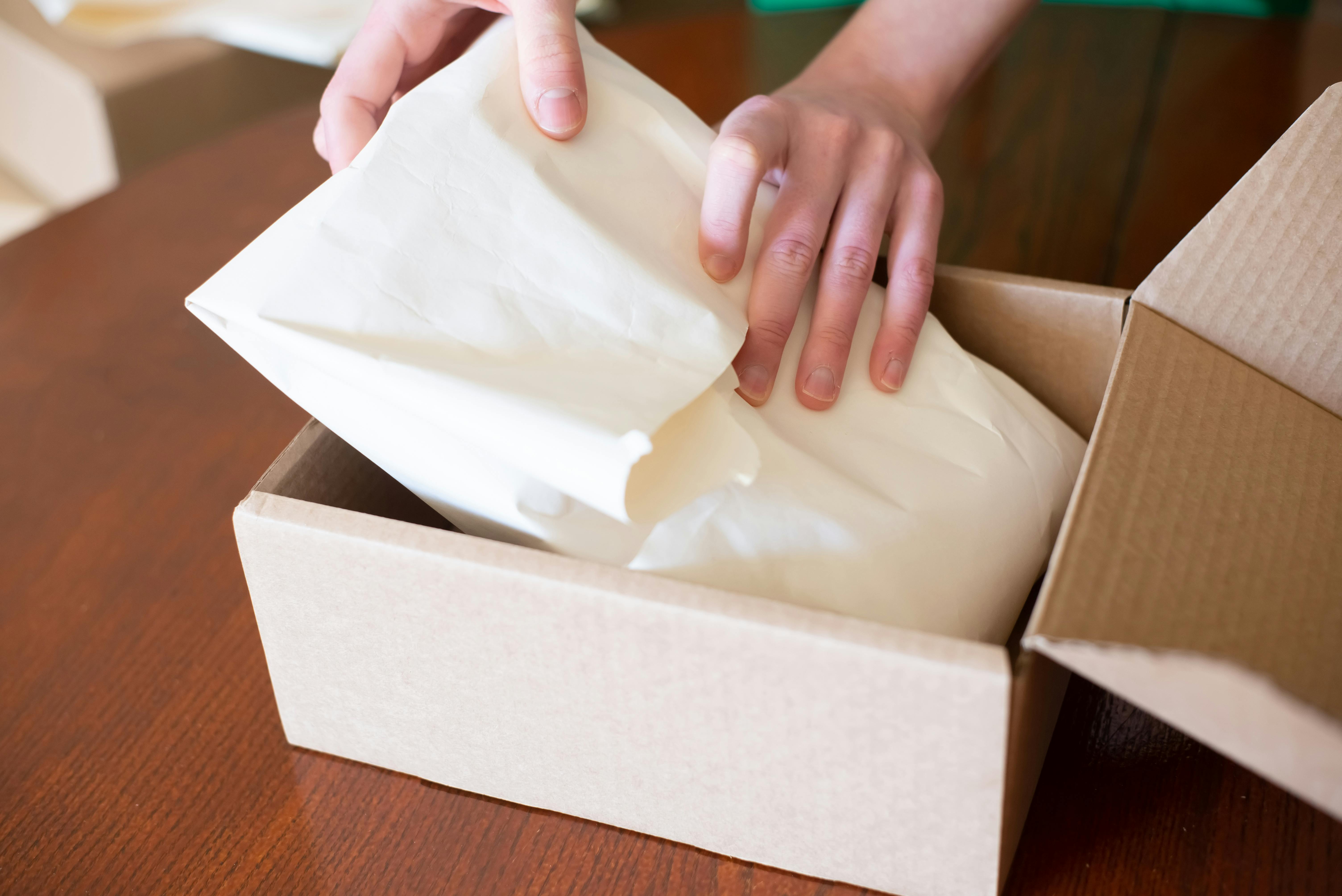
For most brands, soap maker shipping tubes unit cost moves around five levers: size, material usage, print coverage, finishing, and freight. The surprise is that the most premium-looking choice is not always the most expensive one. A metallic accent or soft-touch coating may add only a few cents, while a larger diameter can add much more by reducing carton count and changing dimensional weight. Geometry tends to set the floor before decoration enters the conversation.
That comparison catches a lot of buyers off guard. A tube that is 5 mm wider may reduce how many units fit in a shipper carton, and that change ripples through shipping efficiency, palletization, and storage. The product may still look polished, but the landed cost changes because the packaging now consumes more space per unit. For a soap brand moving hundreds or thousands of units a month, those few millimeters can matter more than a spot varnish or a printed inside wall.
Channel also changes the math. A tube for retail display may justify heavier board and more graphic coverage because it is selling from the shelf. A tube for ecommerce shipping has to survive parcel handling, stacking, and the occasional crush point in transit packaging. The right spec depends on whether the item is heading into a subscription box, a gift set, or direct order fulfillment. The wrong spec raises returns, dents, and repacking labor, which quietly increases soap maker shipping tubes unit cost even if the quote looked fine on paper.
"A packaging quote is only half the story. The other half is what the carton does to freight, storage, and repacking."
A useful buying conversation starts with product dimensions, the target channel, and the level of brand presentation expected. If the tube is doing more than storage and transport, the quote should reflect that. If the product is a simple bar that ships repeatedly, cost discipline should be tighter. Soap maker shipping tubes unit cost works best as a balance between shelf impact, damage risk, and repeatable economics, not as a single line pulled from a catalog.
For teams comparing formats, it helps to look at other packaging choices too. A tube may outperform a folding carton in presentation but underperform a box in stack efficiency. A Custom Shipping Boxes program can be better for multi-item kits, while Custom Poly Mailers may reduce cost for flat accessories or non-fragile add-ons. That comparison keeps soap maker shipping tubes unit cost in context instead of making it the only number that matters.
Packaging reviews often go off track when the carton spec is vague. Two tubes with the same print can behave very differently once they are packed twelve across and stacked on a pallet. That is the part many buyers miss, and it is usually the part that determines whether the program stays predictable or turns into a series of small cost surprises.
What Custom Soap Shipping Tubes Include
A custom soap tube usually has three core parts: the tube body, the cap system, and the printed surface. The body is often paperboard or kraft board, chosen for stiffness and print behavior. Caps may be friction fit, plug style, or paired with an inner liner depending on how secure the closure needs to be. A tube can stay mostly natural for a clean eco look, or it can carry full-coverage graphics across the full wrap. Soap maker shipping tubes unit cost changes quickly once the cap style or print method changes, because both affect material and setup.
For soap makers, the tube has to do more than look tidy. It should hold the bar tightly enough that it does not rattle, but not so tightly that the customer struggles during unboxing. It should prevent scuffs on delicate soap tops, protect labels from abrasion, and keep the product shape intact during transit. That is the real job of transit packaging: not only to contain the item, but to preserve the selling condition through handling, shipping, and the last mile.
Soap brands usually buy tubes in a few predictable formats:
- Single-bar retail tubes that lean on shelf presence and a cleaner gift-ready look.
- Sampler tubes for mini bars, scent flights, or discovery packs.
- Subscription tubes built for repeat shipping, easy packing, and low damage rates.
- Seasonal gift tubes used for holiday bundles, launch kits, and event packs.
Each format pushes soap maker shipping tubes unit cost in a different direction. A single-bar retail tube may use thicker board and more print coverage because the tube itself is part of the sale. A subscription tube may need better stacking behavior and lower shipping volume. A sampler tube can look elegant while staying compact, but only if the internal fit is planned correctly. If the insert is loose, the product moves. If it is too tight, packing slows down and order fulfillment becomes less efficient.
Buyers should also think about perceived value. A tube can feel premium even when the structure is simple. That is often the sweet spot for soap maker shipping tubes unit cost: enough visual finish to support pricing, enough structure to protect the bar, and no extra material that does not contribute to the customer experience. Before requesting a quote, gather four facts: soap dimensions, bar count, sales channel, and target price point. Those four numbers prevent most bad assumptions.
Specifications That Change the Price
The biggest mistake buyers make is treating tubes as if they are all the same. They are not. Soap maker shipping tubes unit cost changes as soon as the inside diameter, height, board thickness, closure type, or finish changes. A tube that is a little taller can consume more board, reduce carton efficiency, and shift the freight class. A tube that is a little wider can force a different carton layout, which then affects dimensional weight. Those are the kinds of details that move the number more than most people expect.
Body, board, and fit
Board thickness matters because it determines stiffness, crush resistance, and the way the cap seats. A kraft tube with a natural finish may be economical, but if the soap is heavy or the shipment faces stacking pressure, a stronger wall can be worth the added cost. Tolerance matters just as much as thickness. A few millimeters can decide whether the soap slides, rattles, or sits snugly enough to survive parcel handling. Good fit reduces damage claims, and claims reduce hidden cost. That is why soap maker shipping tubes unit cost should always be read alongside product fit, not apart from it.
There is also a practical side to fit that does not show up in the quote sheet. If the bar has rounded edges, a decorative top, or a soft botanical topper, the inside diameter may need a little breathing room. Too much room and the bar bangs around. Too little and packing slows down, which can become a labor issue during fulfillment. The right answer is usually the one that protects the soap without turning every pack-out into a fight with the packaging.
Print, finish, and branding
Print coverage changes the mood of the tube, but it also changes the process. Full-wrap art needs more setup than a simple one-color mark. Metallic inks, matte lamination, embossing, and spot UV all add a little character, then add a little cost with them. None of those choices is automatically wrong. The question is whether the finish helps the soap sell, or just makes the tube feel busier. For many soap brands, one strong visual panel does more work than a fully packed design.
Some buyers want the tube to do everything. That usually leads to clutter and a quote that drifts up without much payoff. A cleaner approach is often better: one tactile finish, a clear brand panel, and a practical structure underneath. It keeps soap maker shipping tubes unit cost easier to control and leaves room for future reorders without rebuilding the whole design.
Freight and packing efficiency
Freight can be the quiet cost killer. A tube with an oversized outer dimension may trigger a higher shipping bill even when the per-piece manufacturing cost looks fine. Master carton count, stack height, pallet footprint, and dimensional weight all matter once the order leaves the plant. If the packaging is awkward to pack, the labor cost shows up too. A quote should always be checked against how the tubes will actually move through the warehouse, not just how they look on a spec sheet.
That is why teams should look at landed cost, not only factory cost. A tube that saves a penny in board usage but adds three cents in freight is not a win. The better move is often the one that makes pack-out cleaner, even if the printed tube itself costs a bit more.
Soap Maker Shipping Tubes Unit Cost, MOQ, and Quote Ranges
MOQ affects soap maker shipping tubes unit cost more than many buyers expect. Lower quantities usually carry more setup overhead per unit because tooling, print prep, and production changeovers are spread across fewer pieces. Larger orders bring the unit price down, but only if the design stays stable and the storage plan can handle the extra inventory. The cleanest savings often come from planning around the run size you can actually use, not the run size that looks best on paper.
For most custom programs, pricing is shaped by four things: size, decoration, quantity, and freight destination. A simple natural tube in a standard size can stay in a modest range. Add full-color print, specialty finish, or a nonstandard diameter, and the number can move quickly. If the tube needs inserts, extra reinforcement, or a custom cap, the quote should reflect that before production starts. That way the brand is not comparing a stripped-down sample against a finished order.
Soap brands often ask for the cheapest quote first, then spend more later correcting fit, shipping damage, or awkward pack-out. A better approach is to request two or three versions of the same tube: one with a lean spec, one with stronger presentation, and one with the smallest change needed to improve protection. That side-by-side comparison makes soap maker shipping tubes unit cost easier to judge because the tradeoff is visible instead of hidden.
When a supplier gives a range, it usually means one of three things: dimensions are still flexible, print coverage is not final, or the order size is too small to lock in efficient pricing. None of that is unusual. It just means the buyer should be ready with clear inputs. If the tube is for launch inventory, a larger MOQ may make sense. If it is for a short seasonal run, keeping the spec simpler is usually smarter than forcing a fancy build into a tiny quantity.
Process and Timeline: From Quote to Delivery
The quote process starts with measurements and use case. A supplier needs the soap size, the intended bar count, the carton packing plan, and the target finish. Once those details are in hand, the team can narrow the structure and give a more realistic unit price. If artwork is ready, that speeds things up. If not, the supplier can usually still quote the tube body and closure first, then refine the print cost after the design is set.
Sampling comes next. A good sample is more than a pretty mockup. It should show how the cap seats, how the bar fits, and whether the tube survives normal handling without denting or loosening. This is where buyers catch problems cheaply. It is much easier to adjust a diameter or tweak a board choice in sample stage than after hundreds of finished units are sitting in a warehouse.
Production follows after approval. Lead time depends on order size, decoration complexity, and whether special materials are involved. Simple tubes move faster. Full-color custom work with special finishes takes longer because each step adds inspection and setup. Shipping then depends on the destination and the carton plan. If the tubes are compact and packed well, freight stays manageable. If the cartons are bulky or oddly shaped, cost climbs fast.
For planning, it helps to work backward from your sell date. A holiday set, for example, needs extra room for sampling, approval, and transit delays. A standard reorder can move faster, but only if the artwork and structure are unchanged. Buyers who leave no cushion usually end up paying for rushed decisions later, and those costs tend to show up in the least convenient way.
Why Choose Us for Soap Maker Shipping Tubes
We build soap packaging around the actual product, not around a generic tube template. That matters because soap bars vary more than people think. Some are dense and square. Some are soft-edged and decorative. Some travel in sets, and some need a look that carries the brand on its own. Our job is to match the structure to the soap so the tube feels right in the hand and behaves properly in shipping.
We also pay attention to the boring parts that make a program work: carton fit, stacking, freight efficiency, and pack-out speed. Those details do not always get the spotlight, but they decide whether soap maker shipping tubes unit cost stays steady after launch. A clean quote is useful. A quote that still makes sense after it moves through fulfillment is better.
If you need a small run for a seasonal drop or a larger run for ongoing ecommerce orders, we can adjust the tube to fit the plan. That may mean changing the diameter, simplifying the finish, or reworking the cap so the tube protects the soap without wasting material. The goal is not to sell the most elaborate option. The goal is to make the packaging work for the product and the budget at the same time.
We also help buyers compare alternatives when tubes are not the best fit. Some soap programs are better served by boxes, mailers, or a hybrid pack-out. That kind of honest comparison saves time and keeps the packaging decision tied to business reality, not just to how a sample looks on a desk.
Next Steps to Lock In Your Soap Maker Shipping Tubes Unit Cost
Start with the numbers you already know: soap dimensions, quantity, target channel, and whether the tube must carry the whole brand story or just protect the product. If you have a deadline, add that too. The faster a supplier understands the use case, the faster the quote gets useful.
Then decide what matters most. If you need shelf appeal, make room for the print and finish budget. If you need shipping stability, focus on fit and carton efficiency. If the order is a trial, keep the spec simple so the first run is easy to manage. Soap maker shipping tubes unit cost stays more predictable when the decision has a clear priority instead of trying to optimize everything at once.
Once the first sample comes back, check the practical details. Does the cap stay on? Does the bar move in transit? Does the tube pack cleanly into your existing cartons? Those answers usually tell you more than a price line ever will. A small adjustment at this stage can save a lot of trouble after launch.
Get in touch with your specs and we can help narrow the right tube build before the order gets expensive. That is usually the point where a good packaging plan stops being theoretical and starts saving real time.
FAQ
What affects soap maker shipping tubes unit cost the most?
Size, board thickness, print coverage, finish, and freight usually have the biggest impact. A tube can look simple and still cost more if it is bulky or hard to pack efficiently.
Are custom soap tubes good for ecommerce shipping?
Yes, if the fit is right and the tube is built to handle handling, stacking, and parcel transit. A tube that is too loose or too fragile can create damage and repack issues.
Do I need inserts inside the tube?
Not always. Inserts help when the soap is lightweight, irregular, or likely to move during transit. If the bar already fits snugly, an insert may be unnecessary.
Can I keep the design simple and still look premium?
Absolutely. A strong shape, good proportions, and one or two well-chosen finishes often do more than a crowded full-wrap design. Simpler can also keep soap maker shipping tubes unit cost under control.
What should I send for a quote?
Soap dimensions, bar count, preferred quantity, print needs, and the shipping channel. If you know the target budget, include that too. It helps avoid guesses that waste time.


