Stationery Folding Cartons Cost: Get an Accurate Quote
A stationery carton should earn its keep, not quietly drain margin. In many programs, stationery folding cartons cost less per unit than the packing time, damage reduction, and retail presentation problems they solve. That tradeoff gets missed when the first instinct is to compare box prices only. A clean carton can hold a notebook set together, protect the contents from scuffs, and turn a plain assortment into something a buyer is actually gonna pick up.
Notebook kits, pen sets, sticky-note bundles, planners, and gift assortments already live inside a rectangular product world. That helps. The spending decision usually belongs on fit, print quality, shelf presence, and assembly efficiency, not on heavy construction that adds weight without adding value. In most cases, stationery folding cartons cost is shaped much more by board grade, size, inserts, finishing, and order volume than by artwork alone. A clever illustration can help sell the product, sure, but it will not rescue an overbuilt spec.
A useful quote starts with specifics. Give the carton dimensions, product weight, retail channel, finish target, and expected run size, and the pricing picture sharpens quickly. Leave those details vague, and the estimate starts floating. A packaging buyer trying to keep production calm knows the real cost is the one that avoids rework, excess material, and awkward hand assembly later. I have seen teams save a few cents on paperboard and spend those savings twice over on fixes. That is the kind of math that looks tidy on paper and messy on the dock.
Why Stationery Folding Cartons Cost Less Than You Think
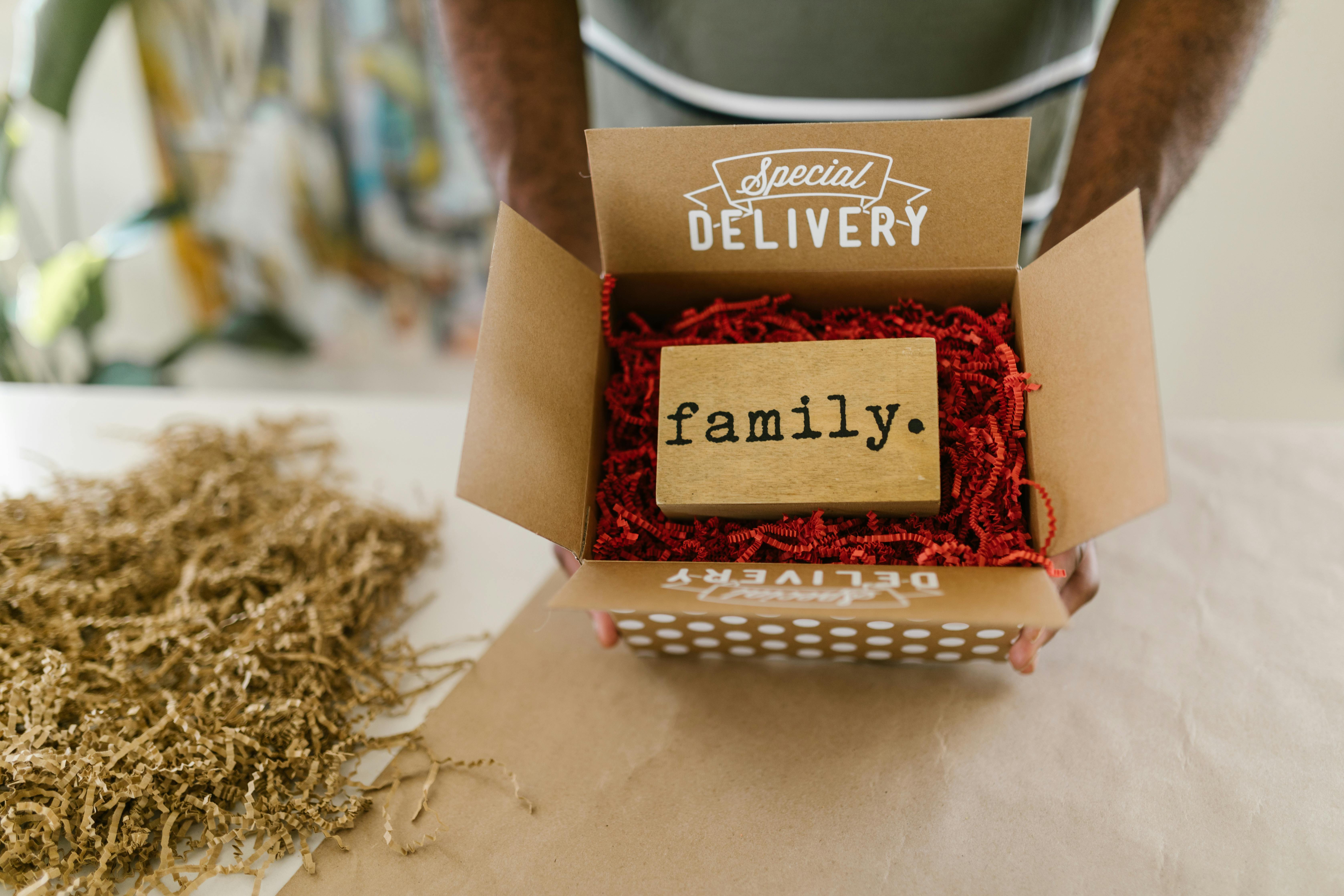
The first surprise is mechanical. stationery folding cartons cost less than many buyers expect because paperboard cartons are efficient to run at scale. They do not need thick chipboard builds, wrapped rigid components, or extensive hand assembly to look finished. A well-drawn folding carton can still read as premium, even when it stays inside a realistic budget.
The second surprise is the load profile. Stationery usually means light to moderate product weight. That changes the packaging equation. A carton for a pen assortment is not fighting the same distribution conditions as a heavy home-goods box. If the item sits inside a master case or a shipper, the carton does not need to be overbuilt. Specifying only the protection level the product actually needs keeps stationery folding cartons cost in line with the job.
The money story is only half the story. Retail packaging can change how a product is perceived before anyone touches it. A carton can convert a loose bundle into a giftable set, make a planner look organized instead of generic, and raise the perceived value of a low-cost product by a large margin. That is the part buyers often underestimate. When stationery folding cartons cost is compared with the cost of damaged goods, slow packing, and weak shelf impact, the carton usually ends up paying for itself in more than one place.
I see the same mistake again and again: teams chase the cheapest structure first, then spend money later fixing fit problems, repacking units, or redoing artwork that never looked right under retail lighting. A better sequence starts with a target unit cost, then defines the protection requirement, then chooses the carton structure. That order keeps stationery folding cartons cost under control without making the package an afterthought.
“The lowest quote is not the lowest cost if the carton slows packing, fails fit checks, or makes the product look cheaper on shelf.”
Good buyers look beyond the line item. If a carton reduces insert count, speeds packing, and holds registration better across reorders, its effective cost can fall even when the printed box price is slightly higher. That is why stationery folding cartons cost should always be viewed alongside packing speed, damage rates, and repeat-order stability. In one launch I reviewed, the supplier with the higher unit price actually won on total spend because the pack-out team stopped hand-trimming inserts. Small savings, repeated thousands of times, add up fast.
Product Details: What Stationery Folding Cartons Are Built to Do
Custom Folding Cartons for stationery are usually paperboard cartons built for retail sets, bundled kits, subscription packs, or promotional assortments. They are containers, but that definition undersells them. The carton is also a display surface, a protection layer, and a way to keep the line moving without confusion. A journal set, a pen assortment, and a desk organizer pack each ask something different of the package. If the fit is wrong, the whole presentation slips.
Use cases sound simple until the details show up. Pens and pencils want narrow, secure formats that hold contents in place. Journals and planners often need broader cartons with enough crush resistance to keep corners crisp. Art supplies may need partitions or inserts so pieces do not rattle. Gift packs can benefit from sleeves, windows, or display-ready tops that improve the unboxing moment without adding dead weight. Every one of those choices changes stationery folding cartons cost because each one changes the amount of material and labor involved.
Most buyers end up choosing from a short list of structures: tuck-end cartons, lock-bottom formats, sleeve-style cartons, and cartons with windows or inserts. Tuck-end styles tend to be the least expensive and easiest to pack. Lock-bottom cartons add strength where the pack needs it. Sleeves can feel more premium, especially when they sit over a tray or inner pack. Window cartons give shoppers a quick view of the contents, which helps retail SKUs tell the truth fast. The structure choice usually moves stationery folding cartons cost more than a logo tweak ever will.
The sales role matters as much as protection. A carton tells the customer what the product is, how many pieces are inside, and what price tier the brand wants to occupy. That matters in stationery, where the contents may be inexpensive but the package still has to hold its own on a crowded shelf. Thin board, weak print, or poor registration can make a good product feel less valuable than it is.
Retail and e-commerce use should be settled early. Some cartons exist purely for shelf display. Others sit inside a shipper and never see the shopper until delivery. A few need to survive both. If the box must travel on its own, material choice and testing matter more. For shipment-focused programs, packaging teams often look to standards and guidance from bodies such as ISTA to understand distribution stress in practical terms rather than guessing. That keeps the conversation grounded in performance instead of assumptions.
Brands that care about sourcing can specify FSC-certified board. That does not magically lower stationery folding cartons cost, but it can help satisfy procurement rules and retailer expectations without changing the basic carton design. The smarter sequence is simple: build the carton around the product first, then add sourcing and sustainability requirements where they belong. If the structural job is wrong, a greener spec will not save it.
Specifications That Shape Performance and Shelf Appeal
Quotes mean little without the core specifications. Dimensions, board thickness, print coverage, finish, and closure style need to be clear before anyone can price the job accurately. A carton that is even a fraction too small can crush corners. One that is too large lets the product shift, and that creates a sloppy first impression that often leads to extra internal packaging. In stationery packaging, fit is a cost variable, not a cosmetic detail.
Board choice carries real weight. SBS board offers a smooth surface and a clean retail look. Coated kraft board leans warmer and more natural, which suits brands trying to signal simplicity or recycled character. Recycled board can support environmental goals and procurement priorities, though it may behave differently on press and in finishing. Each board grade changes positioning, and each one changes stationery folding cartons cost in a different way. Caliper, score quality, and compression strength matter too, especially if the carton has to survive stacking in a warehouse before it ever reaches a store.
Print and finish options affect perceived value almost immediately. CMYK printing handles most branding needs. Spot colors tighten brand matching. Matte lamination, gloss aqueous coating, soft-touch coating, foil, embossing, and spot UV can raise shelf appeal, but every added effect brings cost and setup complexity with it. A plain carton with one or two colors can stay friendly to budget. A heavily decorated carton can climb quickly once finishing steps are stacked on top. A quote that leaves out finishes is not really answering the question of stationery folding cartons cost.
Structural details influence production speed as much as appearance. Glue points change how fast the carton can run. Folding direction affects whether the line can erect the carton smoothly. Window cutouts add die work. Internal dividers may protect a stationery set, but they also add material and assembly time. A hang tab for retail display should be decided before tooling is locked. These are not decorative decisions; they are the choices that separate a controlled launch from one that keeps slipping.
Tolerance is the hidden specification that gets forgotten most often. The carton needs enough room for the product to load without force, but not so much room that the contents shift during transit. A loose fit can trigger returns or rework. A tight fit can slow the line and scuff edges. The correct tolerance range is part of the real answer to stationery folding cartons cost because fit failures tend to show up later as waste, labor, and complaints. That is why a sample pass matters, even on a small run.
Environmental selection belongs in the same conversation. If a package needs to align with sustainability goals, buyers may ask for source reduction, recyclable board, or less ink coverage. The EPA’s guidance on material reduction and packaging waste gives a useful reference point for teams making decisions based on actual environmental priorities rather than broad claims: EPA sustainable materials guidance. That perspective helps teams think past the quote and toward total system cost.
Stationery Folding Cartons Cost, Pricing, and MOQ
This is the section most buyers want first. stationery folding cartons cost is driven by a short list of inputs: size, board stock, print method, finishing, quantity, and whether the carton needs custom tooling or inserts. The job gets more expensive when any of those moves away from standard, but not all in the same way. Some choices raise material spend. Some raise labor. Some add setup charges or tooling fees. The quote only makes sense once those pieces are separated.
MOQ changes the economics more than many teams expect. A smaller quantity spreads setup time, make-ready work, and material waste across fewer cartons, which raises unit cost. A 500-piece run can look expensive beside a 5,000-piece run. That is not a markup trick. That is arithmetic. The same dieline work and the same press setup do not disappear because the order is small, and the cost per carton is often surprisingly sensitive to that math.
Planning gets easier when the buyer can provide dimensions, product weight, finish level, and annual volume range. A request that says, “We need a 4 x 9 x 1 inch carton for a four-piece pen set, full-color print, matte coating, and 3,000 to 5,000 units in the first cycle,” will receive a tighter response than a request for “a nice box for stationery.” One is procurement. The other is a guess about stationery folding cartons cost.
Below is a practical comparison of common options. These ranges are illustrative, not fixed quotes, but they show how bulk pricing, setup charges, and finishing choices move the number. In stationery packaging, the format often matters more than the logo. Regional paper prices, freight, and rush timing can move these numbers too, so treat them as planning bands rather than promises.
| Carton option | Typical cost per piece at 5,000 | Best fit | Cost drivers |
|---|---|---|---|
| Simple tuck-end, one-color print | $0.18-$0.32 | Basic notebook, pen, or refill packs | Lower setup charges, standard board, minimal finishing |
| Full-color carton with matte coating | $0.28-$0.52 | Retail stationery sets and branded bundles | CMYK print, coating, moderate material use |
| Premium carton with foil or embossing | $0.55-$1.10 | Giftable planners, seasonal sets, premium SKUs | Extra tooling fees, finish passes, tighter QC |
| Window carton with insert | $0.60-$1.25 | Mixed stationery kits and display-heavy retail packs | Die-cut window, insert fabrication, added assembly |
The point is not to chase the lowest row. The point is to match the carton to the product and the sales channel. A buyer focused on shelf impact may gladly pay more for a premium finish if it improves sell-through. A fulfillment-led brand may choose the simplest structure and put the savings into volume. In both cases, stationery folding cartons cost becomes a managed choice instead of an unpleasant surprise.
Bulk pricing usually improves once the order crosses a meaningful threshold, but the breakpoints are rarely identical from one supplier to the next. Some programs see a visible drop at 1,000 pieces. Others make more sense at 2,500 or 5,000. The reason is straightforward: the fixed work changes little, while the cost is spread across more units. If a supplier offers multiple tier levels, ask for all of them. That makes it easier to compare launch volume, reorder volume, and annual spend side by side.
Quote tip: Ask suppliers to separate unit cost, tooling fees, and setup charges. If those figures are bundled together, it becomes hard to see where stationery folding cartons cost is actually rising.
MOQ also carries strategy. A lower MOQ can be useful for a market test, a design pilot, or a seasonal launch. A larger MOQ can be the better move if the SKU is stable and demand is predictable. The cheapest order is not always the best one. Sometimes the stronger purchase is the one that lowers unit cost, reduces reorder friction, and keeps the line stocked. That is the part of stationery folding cartons cost procurement teams should calculate before signing off. If you only compare the headline price, you can end up paying more in storage or emergency reorders later.
Process and Timeline: From Proof to Production
A clean production flow usually moves through the same sequence: quote review, dieline confirmation, artwork placement, proof approval, prepress checks, sampling, printing, finishing, cutting, folding, and packing. Skip a step or rush one, and the final carton drifts away from the approved spec. Lead times stretch. Costs creep. stationery folding cartons cost grows because production has to recover from avoidable errors.
Most delays can be traced back to unclear instructions. Missing dimensions cause revision loops. Late artwork changes trigger new proofs. Barcode requirements that surface too late slow retail review. Internal approvals often drag too, especially when marketing, operations, and procurement are not making decisions from the same version. Machine issues happen, yet buyer-side uncertainty is more common. A sharp spec sheet beats a long email thread almost every time.
Simple carton jobs move faster than premium ones. A standard printed tuck-end carton with ordinary board and no special effects can move through production quickly once artwork is approved. Add foil, embossing, windows, custom inserts, or tight color matching, and the schedule stretches. That is not a problem if the lead time is planned with the actual structure in mind. It only becomes a problem when the launch date is fixed before the packaging spec is.
Three actions shorten the schedule fast. Confirm dimensions early so the dieline does not require repeated changes. Send print-ready files whenever possible. Approve proofs with one decision-maker instead of a committee of nearly identical opinions. Those moves do more to stabilize stationery folding cartons cost than almost any aggressive price negotiation because they cut rework and reduce make-ready time.
Timeline planning should include freight, receiving, and any assembly on your side. A carton can leave production on time and still miss the launch if shipping, inspection, or internal packing is not scheduled well. Retail dates, trade shows, and seasonal promotions all need buffer. The best quote is not the one that looks fastest in a spreadsheet. It is the one that reaches the dock with enough margin to breathe.
For teams that want a reality check on performance, testing standards are worth attention. ISTA protocols help buyers and suppliers talk about transit risk with shared language instead of pretending all cartons face the same conditions. That matters even more for stationery sets that combine lightweight contents with graphics that need to stay sharp. A few minutes spent aligning on testing can save far more in replacement stock, return freight, and lost shelf time. I have watched that happen on programs that looked simple right up until the first transit failure showed up.
Why Choose Us for Custom Stationery Cartons
Good packaging is less about drama than consistency. A carton fits the product, prints cleanly, and arrives on schedule. Repeat that pattern, and the packaging starts doing real work for the brand. For Custom Logo Things, that standard matters. The goal is not to dress stationery packaging up with generic language. The goal is to make the carton function so well that the product, the retail shelf, and the supply chain all improve.
Stationery brands need a packaging partner who can see retail presentation and fulfillment constraints at the same time. A supplier focused only on artwork may miss what happens on the packing line. A supplier focused only on structure may miss the brand story. The right partner keeps both in view. That balance matters because stationery folding cartons cost is not just a print quote; it is a procurement choice that affects sell-through, damage, and reorder consistency.
A dependable packaging vendor should be able to show clear pricing, provide a readable dieline, review files quickly, and flag a spec that is too tight or too expensive. Sample support matters when fit needs to be confirmed. Direct communication on lead time matters when finishing changes the schedule. Those are basic signals that the supplier understands the work, not just the invoice.
The hidden margin story is often bigger than the printed box cost. Rework costs money. Late artwork changes cost money. Wrong-fit cartons cost money. Each one creates waste that never appears in the first quote. A good carton vendor catches those issues before production starts and helps prevent them from getting expensive after the fact. That is why the best answer to stationery folding cartons cost is rarely the lowest number on paper. It is the number that survives approval, production, and delivery without turning into a second budget request.
FSC board options can support procurement policies and retailer requirements. Consistent print and accurate die cutting preserve brand standards across reorders. Clean folding and efficient packing save labor on the operations side. Put together, those benefits can make an ordinary-looking box one of the most useful pieces of the product line.
Next Steps to Get a Quote That Matches Your Budget
If you want a quote that reflects reality, gather the essentials before asking for pricing: dimensions, carton style, product weight, finish preferences, artwork status, and target quantity. A product photo or an existing sample carton helps too. It gives the quoting team a better view of fit, structure, and presentation goals. It also cuts down on the back-and-forth that tends to inflate stationery folding cartons cost through delays.
A smart comparison should look beyond unit price. Review tooling fees, setup charges, shipping, sample cost, and lead time together. A quote that looks cheaper per piece can become more expensive if freight is higher, the MOQ is awkward, or the carton needs extra finishing passes. Procurement teams usually save more by comparing complete offers than by squeezing a few cents from the box itself.
Before You Order, settle the decisions that actually move the budget: launch date, budget ceiling, minimum acceptable quantity, and whether inventory will be held for reorders. That sounds basic because it is. Packaging programs get stuck when those points remain vague. If the launch date is fixed, the carton spec may need to stay simple. If the brand wants premium shelf appeal, the quantity may need to rise so stationery folding cartons cost stays in range. Those tradeoffs are normal.
- Confirm the spec: size, style, board, and finish.
- Request tiered pricing: ask for 500, 1,000, 2,500, and 5,000-piece options.
- Separate hidden costs: review tooling fees, setup charges, samples, and freight individually.
- Check fit early: use samples to avoid loose packs or forced assembly.
- Plan for reorder logic: compare launch volume against your expected annual demand.
That checklist is where the savings usually hide. Tight specs reduce rework. A realistic MOQ improves unit economics. Better planning keeps the line from waiting on packaging. A complete quote request shows the true shape of stationery folding cartons cost before the order goes out.
For Custom Logo Things, the quickest route to a better price is a tighter spec, a realistic MOQ, and a complete quote request. Get those three pieces right, and stationery folding cartons cost becomes easier to manage, easier to compare, and easier to defend in a budget review. If the carton has to do double duty as protection and presentation, let the spec reflect both jobs instead of guessing at one and hoping for the best.
How much do stationery folding cartons cost per unit?
Unit cost depends on size, board stock, print coverage, finishing, and quantity. A simple retail carton can stay in a lower range at higher volumes, while premium finishes or small runs push the price up quickly. The cleanest estimate comes from a full spec sheet, not from carton style alone, because stationery folding cartons cost shifts as soon as the structure or finish changes.
What is the MOQ for custom stationery folding cartons?
MOQ varies by structure and production method. Simple folding cartons often support lower entry quantities than specialty cartons with windows or inserts. If you are comparing options, ask for multiple quantity tiers so you can compare launch, reorder, and annual demand levels; that is the clearest way to judge stationery folding cartons cost across the full buying cycle.
Which specs have the biggest impact on stationery folding cartons cost?
Size, board grade, and print finish usually drive the biggest price changes. Complex structures, inserts, and premium decoration can raise both material and labor cost, and that is before tooling fees or setup charges show up. Accurate dimensions matter because they help prevent overbuying material and reduce fit-related rework, which can distort stationery folding cartons cost after production starts.
How long does production usually take for stationery folding cartons?
Lead time depends on proof approval, finishing complexity, and quantity. Jobs with simple print and standard structures move faster than cartons with custom effects or inserts. Fast approvals from the buyer side usually shorten the timeline more than any other action, and that speed can keep stationery folding cartons cost from rising because of rework or schedule pressure.
Do I need print-ready artwork before I request a quote?
No, but you should have the carton dimensions, style, and branding direction ready. Print-ready files help the quote team verify feasibility and reduce revisions, which makes the estimate more reliable. If artwork is not ready, a clear brand brief still helps narrow the price range and gives a better starting point for stationery folding cartons cost.