A stationery shop Shipping Envelopes Supplier may appear on a quote sheet as just another line item, but the decision reaches far beyond the packing bench. Postage, presentation, and product protection all shift with that choice, and the effect shows up on every parcel that leaves the shop. A slim notebook, a sticker pack, a folded card set, and a small gift bundle each place different demands on the outer mailer, so the envelope has to bridge the gap between the item and the journey, not just wrap around it.
That is why a stationery shop shipping envelopes supplier belongs in the middle of fulfillment planning, not at the edge of it. The outer package shapes packing speed, damage claims, material spend, and the first physical impression a customer gets when the parcel lands at the door. A mailer that bends, tears, or looks oversized can make a carefully designed order feel careless before the product is even seen. A mailer that fits cleanly, seals well, and feels intentional sets the tone for the whole unboxing.
For a stationery brand, the real question is less about whether to use a mailer and more about which stationery shop shipping envelopes supplier can match the product mix, the postage plan, and the brand voice without creating waste that never needed to exist. Some stationery shops only need a lightweight poly mailer for flat, low-risk items. Others need padding or rigid structure for sharper corners, coated covers, or bundled sets that should arrive flat and tidy. The right answer depends on what ships most often, how often reorders happen, and how much variation sits inside the catalog.
There is a planning layer that often gets missed until problems pile up. A stationery shop shipping envelopes supplier should help think through stock availability, print method, minimum order quantity, lead time, and how the mailer behaves once it moves into real ecommerce shipping. That difference matters because packaging can either support growth or become one more recurring headache that slows the team down.
What a Stationery Shop Shipping Envelopes Supplier Really Solves
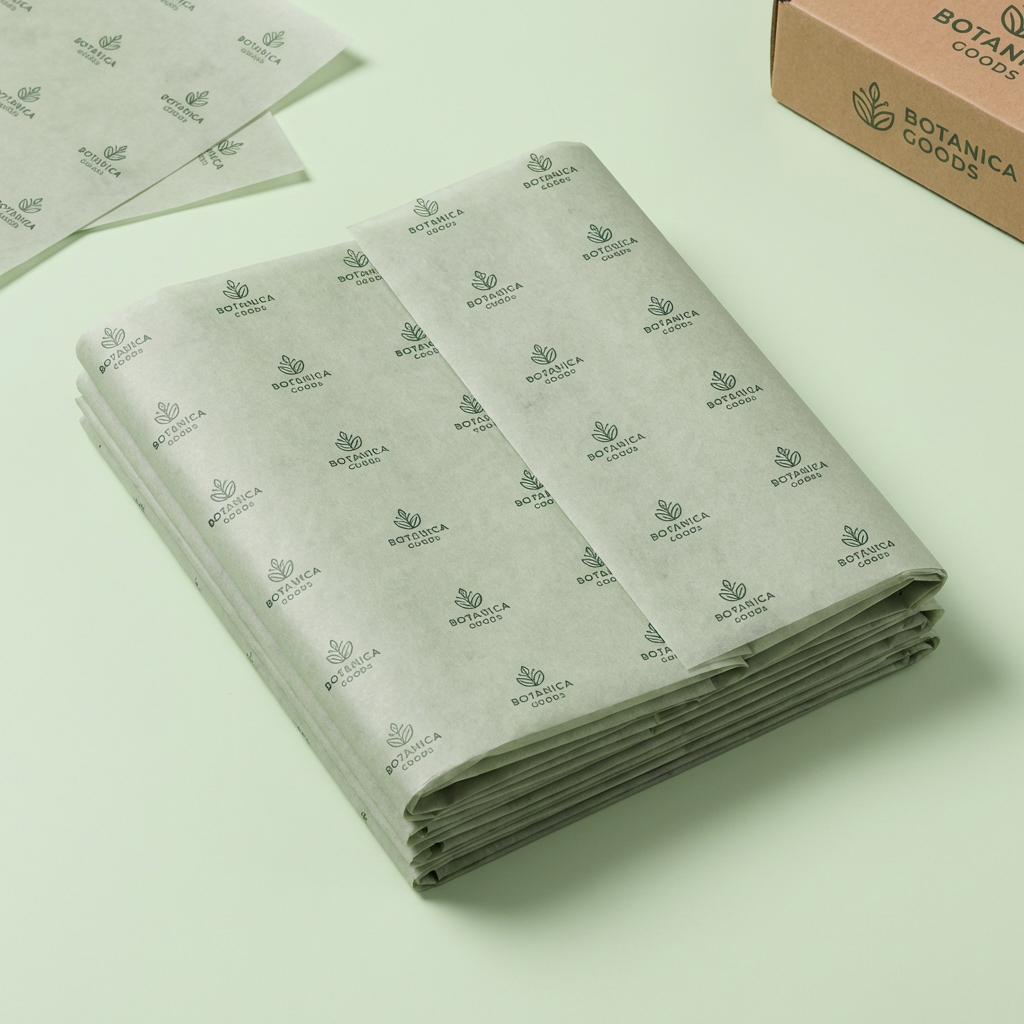
A strong stationery shop shipping envelopes supplier solves a very specific problem: how to ship lightweight, flat, and sometimes delicate goods without paying for more package than the order truly needs. Most stationery brands ship a mix of slim notebooks, card decks, sticker sheets, washi tape sets, and small gift kits. Those items are often well suited to flat-pack shipping, yet they still need enough package protection to avoid corner dents, scuffing, or moisture exposure while they move through transit packaging.
The right supplier also helps the brand hold presentation and cost control in the same hand. If the envelope is too thin, the savings may disappear in reprints, replacements, or extra customer support time. If it is too bulky, postage can climb for no good reason. A good stationery shop shipping envelopes supplier understands that the outer package is part of the buying equation, not just a shell. For brands shipping repeat orders in volume, that balance shows up in the monthly numbers fast enough to notice.
The difference between formats matters. A standard shipping envelope or poly mailer usually suits flat items that do not need cushioning, while padded mailers add an internal layer that helps absorb light impact and reduce abrasion. Rigid mailers and shipping boxes bring more structure, which matters when a stationery assortment includes hardcover journals, gift sets with inserts, or items that must stay flat and pristine. A stationery shop shipping envelopes supplier should be ready to explain where each format fits instead of pushing one material at every problem.
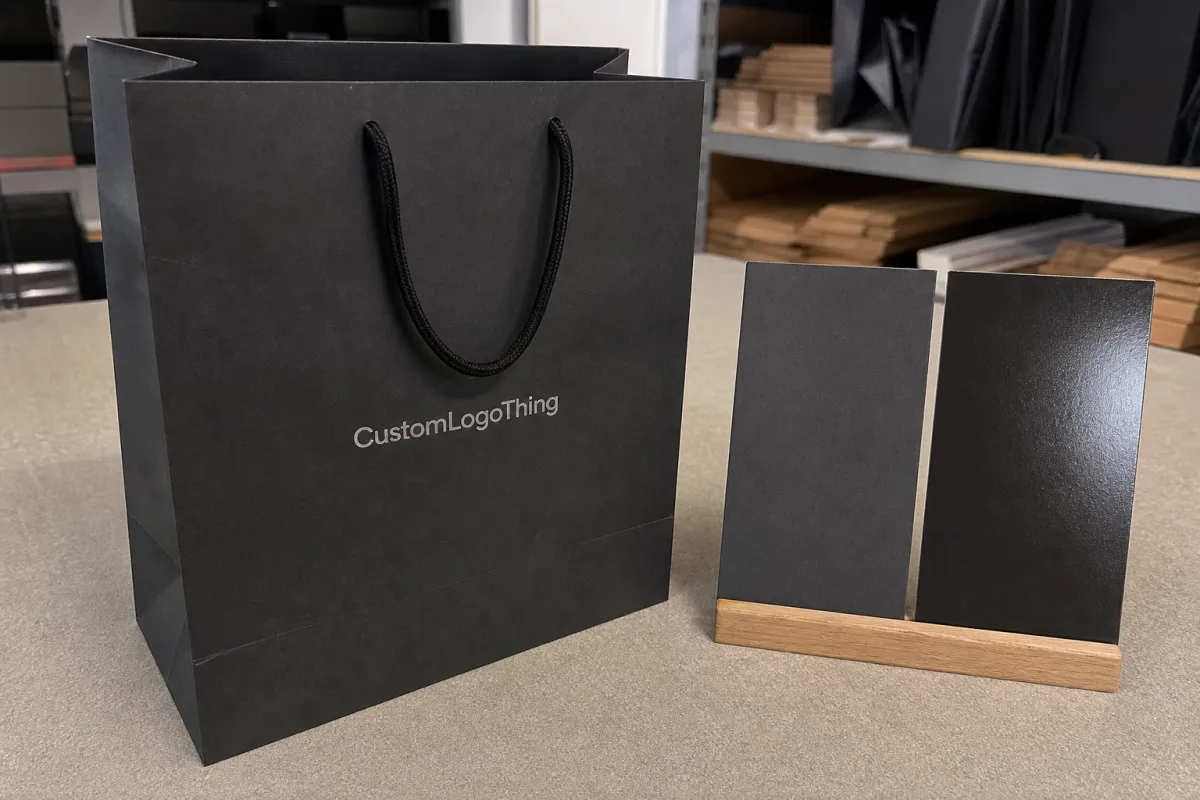
Customer experience carries weight too. The first unboxing moment often starts the second the mailer appears on the doorstep. Crisp print, a neat seal, and proportions that feel deliberate can make the parcel feel considered before the product is visible. Many brands compare a stationery shop shipping envelopes supplier the way they compare a print partner, because the details are small but the effect on perception is large. A plain bag can do the job, while a branded mailer can help a stationery shop feel more established without changing the item inside.
From the buyer's side, the real value shows up as fewer surprises. A dependable stationery shop shipping envelopes supplier should make reorder timing easier to forecast, packaging cost per order easier to estimate, and assortment consistency easier to hold across launches. That matters for seasonal collections, wholesale replenishment, and frequent new designs. A mailer that works for three products but fails on the fourth is not a true fit. A good supplier helps narrow that gap before production starts.
I have watched a perfectly decent mailer fail once it hit a busy packing table, because the sample looked fine in a quiet review and the real order had sharper corners, a colder warehouse, and more handling than anyone expected. That kind of thing is not dramatic, just expensive, and it happens more often than people admit.
"A mailer that looks good in a photo can still fail once it hits a belt sorter, so sample testing is never busywork."
If you are comparing broader packaging options, the rest of the system deserves attention too. Custom Packaging Products can help show how mailers, inserts, cartons, and labels work together instead of sitting in separate buying buckets. In some cases, a stationery shop shipping envelopes supplier is the right starting point. In others, a mix of formats gives the product mix a better match and keeps fulfillment calmer.
How a Stationery Shop Shipping Envelopes Supplier Process and Timeline Works
A typical stationery shop shipping envelopes supplier order starts with an inquiry that includes size, material, print goals, and quantity. That first message matters more than many buyers expect, because a clear brief cuts down on revisions later. A supplier can usually quote faster when the mailer dimensions are exact, the order type is known, and the artwork coverage is described with some precision. A vague brief may still produce a number, but it rarely produces a budget that feels safe to rely on.
Proofing usually follows the quote. Some buyers want a physical sample first, especially if the stationery products have sharp corners, foil detail, or layered inserts. Others start with a digital proof, then move into production once the artwork placement is confirmed. A careful stationery shop shipping envelopes supplier will call out low-resolution logos, color drift, or print elements placed too close to the seal area. Those problems are easier to fix before printing than after a full run is already moving.
Lead time depends on several concrete factors. Stock availability is the simplest one: if the right base mailer already exists, turnaround can move faster. Print method matters too, because a one-color print on a standard substrate is usually simpler than a multi-color layout with heavy coverage. MOQ affects timing as well, since a higher minimum often means a larger production block that can run efficiently but not always flexibly. A stationery shop shipping envelopes supplier should be able to explain whether the order is waiting on material, press time, curing, packing, or freight booking.
Approval delays are another common reason schedules slip. If artwork needs resizing, a logo must move, or the brand wants to compare two color options, production pauses until those decisions land. That pause can be short or long depending on internal response time. For a stationery brand planning a launch, even a small delay can matter. A dependable stationery shop shipping envelopes supplier will build a realistic schedule instead of promising a fantasy timeline that leaves no room for proof corrections.
The final stretch is freight. A job can finish production and still miss the needed window if transit time was underestimated. That becomes especially true for ecommerce shipping programs tied to a launch, a wholesale restock, or a seasonal campaign. A smart stationery shop shipping envelopes supplier helps the buyer account for the full clock: quoting, approval, production, packing, outbound transit, and receiving. That is how packaging turns into a planning tool rather than a surprise expense.
Simple planning framework
- Build in time for artwork review before production starts.
- Keep a buffer for freight delays, not only factory time.
- Use sample approval on new formats or new print layouts.
- Order ahead of major launches so packaging does not become the bottleneck.
For brands comparing mailers against cartons, Custom Poly Mailers often serve as the closest benchmark for flat, lightweight shipments, while Custom Shipping Boxes make more sense for brittle kits or thicker bundled sets. A good stationery shop shipping envelopes supplier should be comfortable discussing both paths, because package protection does not look the same for every order profile.
Material, Size, and Brand Factors That Decide Performance
Material choice is where many buying decisions succeed or fail. A stationery shop shipping envelopes supplier should speak clearly about film thickness, seal strength, opacity, and finish. For poly mailers, those details affect puncture resistance, stretch, and how well the envelope survives stacking, sorting, and repeated handling. Thin film can save money at first, yet if the seam fails or the outer surface scuffs too easily, the savings disappear in replacements and customer complaints.
Size matters just as much. Stationery products are often flat, but they are not always uniform. A slim notebook may fit a certain envelope with room to spare, while a planner with tabbed dividers, a boxed pen set, or a gift bundle with tissue and inserts may need extra room. The best stationery shop shipping envelopes supplier will ask for the largest flat item, not the smallest one. That avoids the common mistake of choosing a mailer based on the easiest SKU instead of the one that sets the limit.
Branding should guide the selection too. A minimalist paper studio may want a quiet design with restrained ink coverage and a matte surface. A playful sticker brand may need bolder color blocks and a brighter visual cue in the mailbox. A luxury stationery label may care more about a refined texture, tighter print registration, and cleaner edge alignment than loud graphics. A thoughtful stationery shop shipping envelopes supplier helps translate that tone into a usable spec instead of treating the design as decoration alone.
Surface finish changes the feel in the hand. Glossy film tends to look sharper under store lighting and in product photos, while matte or soft-touch finishes can reduce glare and feel more premium to the touch. Neither option is automatically better. The useful question is whether the finish matches the rest of the brand system and survives real order fulfillment. A stationery shop shipping envelopes supplier should be able to show samples that make the comparison easy to judge.
Protection performance deserves equal attention. Stationery items often have sharp corners, coated covers, or small add-on pieces that can rub during transit. Moisture resistance matters more than some buyers expect, especially for paper goods that travel through mixed weather and long delivery routes. For shoppers who care about eco credentials, it is worth asking whether any substrates or liners carry FSC-related documentation; the FSC site is a useful reference point for that conversation. A strong stationery shop shipping envelopes supplier will not promise more than the material can actually deliver.
From a shipping materials perspective, the right choice is usually the one that matches the product's actual risk profile. Not every stationery item needs heavy cushioning, but not every flat item is safe in the thinnest envelope either. The better suppliers help buyers draw that line with sample testing, not guesswork. Drop, vibration, and compression tests matter in that sense because they remind the buyer that materials should be judged in motion, not only on a table.
A quick in-house check can reveal a lot. Pack the thickest version of the product you ship, then shake the mailer lightly and see whether the contents shift enough to bruise corners or scuff coatings. If the packout feels loose, it probably is. A stationery shop shipping envelopes supplier that encourages that kind of practical test is usually thinking like a packaging partner, not just a vendor.
Cost, Pricing, MOQ, and Quote Basics for a Stationery Shop Shipping Envelopes Supplier
Pricing becomes easier to read once the buyer understands the main cost drivers. A stationery shop shipping envelopes supplier is usually pricing against material weight, mailer size, print coverage, number of colors, packaging format, and freight method. A larger mailer with more ink coverage will almost always cost more than a plain small mailer, and the spread can widen quickly if the design includes multiple colors or full-bleed coverage. Two quotes that look similar at first glance may not be comparable once the specifications are lined up.
MOQ matters because it changes the shape of the inventory commitment. For a new stationery brand, a high MOQ can tie up cash in packaging before there is enough order history to justify it. For a stable brand with repeat sellers, a higher quantity can lower the unit cost and reduce how often reordering is needed. A practical stationery shop shipping envelopes supplier will help the buyer weigh those tradeoffs rather than treating the lowest unit price as the only goal.
The smartest comparison is not unit price alone; it is total landed cost. That includes production, samples if needed, freight, setup fees if applicable, and any rush charge that appears after a delayed proof cycle. A quote can look attractive until shipping gets added, then the real number shifts. A good stationery shop shipping envelopes supplier should be transparent enough that the landed cost is understandable before approval.
Dimensional weight is another cost lever stationery brands should not ignore. If a mailer is oversized relative to the product, carriers may price the parcel on volume instead of actual weight. That can erase the savings of a cheap envelope quickly. A smart stationery shop shipping envelopes supplier can suggest a size that keeps the parcel flatter, which often means better postage efficiency and less movement inside the mailer.
Here is a simple comparison that shows how the numbers can shift in practice. Prices are representative ranges for mid-volume orders around 5,000 pieces, and they move based on size, print coverage, and freight distance.
| Option | Typical Use | Approx. Unit Price | Strengths | Tradeoffs |
|---|---|---|---|---|
| Plain stock poly mailer | Flat stationery, sticker sheets, small card sets | $0.12-$0.22 | Low cost, fast lead time, light shipping weight | Limited branding, less premium feel |
| Custom printed poly mailer | Branded ecommerce shipping and repeat orders | $0.18-$0.38 | Better presentation, stronger brand recall, more polished unboxing | Higher MOQ, longer approval cycle |
| Padded mailer | Items needing light cushioning | $0.28-$0.55 | Improved package protection, useful for delicate packs | Heavier, can raise postage |
| Rigid mailer | Flats that must stay unbent | $0.32-$0.65 | Strong structure, better edge protection | Higher dimensional weight, less flexible storage |
There are times when the higher price is plainly justified. Better seal consistency can reduce split seams. Better print registration can make the brand look much more finished. Thicker film can reduce damage claims and the labor spent repacking orders. A reliable stationery shop shipping envelopes supplier often saves money in ways that never appear on the first quote line, which is why buyers should compare performance and cost together, not separately.
For shops building a broader packaging program, the larger system matters too. Custom Packaging Products can help compare the role of mailers against inserts, labels, and cartons so the mailer choice fits the whole shipping experience. A strong stationery shop shipping envelopes supplier will support that broader thinking instead of pushing one format simply because it is the easiest item to sell.
Step-by-Step Guide to Choosing the Right Supplier
The first step is a product audit. Before talking to a stationery shop shipping envelopes supplier, list the exact products shipped most often, their dimensions, their weight, and any fragile features such as foil edges, hard corners, or coated covers. That one exercise gives the supplier better input than a vague request for "something standard." It also helps the buyer see whether one mailer size can cover most orders or whether two formats are needed.
Next, request samples or a small trial run. A sample is not only for looks. It should be tested for fit, seal strength, surface scuffing, and how the mailer behaves after loading by the fulfillment staff. A good stationery shop shipping envelopes supplier will welcome that testing because it shows whether the spec works in the rhythm of a real warehouse, not just in a sales sample photo. If printed inserts or thank-you cards go inside, test those too, because extra pieces can change fit more than buyers expect.
Then ask for a specification sheet. It Should Include size, film gauge or thickness, seal type, print area, tolerances, packaging format, and any special handling notes. The more precise the sheet, the easier it becomes to compare suppliers on equal terms. A serious stationery shop shipping envelopes supplier should be comfortable documenting the basics without hiding behind vague descriptions like "premium material" or "heavy-duty." Those words mean little unless the numbers sit beside them.
After that, test the mailer in the actual fulfillment flow. Open the box, place the product, seal the envelope, stack a few finished parcels, and see how the packout feels after a few minutes of repetition. Some mailers work fine in isolation but become awkward in a live packing session because they slide, wrinkle, or trap air. A stationery shop shipping envelopes supplier that understands order fulfillment will help you think about speed as well as protection.
Communication matters at every stage. A good supplier responds clearly, catches problems early, and gives honest answers about what can and cannot be changed. If the proofing process feels confusing before the order is placed, it usually does not become easier once production starts. A dependable stationery shop shipping envelopes supplier should make reordering easier too, because the real test is not just the first shipment; it is the second, third, and tenth.
"The best packaging partner is the one that reduces decisions on the next reorder, not the one that creates new ones."
Many stationery shops find it useful to compare a mailer against the product mix rather than against a competitor's quote. A flat paper set may belong in one envelope, while a boxed journal set may work better in a carton. If that is the case, comparing against Custom Shipping Boxes can show whether the better answer is a stronger outer format instead of a fancier mailer. A thoughtful stationery shop shipping envelopes supplier should support that kind of comparison because package protection is ultimately about the product, not the catalog category.
Common Mistakes When Ordering Shipping Envelopes for Stationery
The most common mistake is buying on price alone. A stationery shop shipping envelopes supplier can quote a very low unit cost, but if the mailer tears, splits at the seam, or looks flimsy in the customer's hand, the hidden cost shows up later. That cost may arrive as damaged replacements, lost time, or a weaker brand impression. In packaging, the cheapest option is only cheap if it performs consistently across the whole run.
Another frequent problem is choosing a mailer that is too large. Extra empty space can increase dimensional weight, allow the product to move, and make the parcel feel less intentional. It can also create more packing inconsistency, because staff will improvise with filler or tape to compensate. A good stationery shop shipping envelopes supplier should help size the envelope to the product, not the other way around. Flat stationery often ships best in a snug, efficient format.
Seal quality is another point that gets overlooked. A weak closure can cause split seams, returns, or a parcel that opens during sorting. That is especially frustrating with paper goods because the product may be fine, yet the package experience feels careless. The better stationery shop shipping envelopes supplier will speak plainly about seal design, closure method, and whether the adhesive performs well under normal shipping conditions.
Over-customizing too early is a mistake as well. Many small shops want the most elaborate design before the SKU mix is stable. The trouble is that a packaging program should usually track sales patterns, not guess them. If it is not yet clear whether most volume will come from sticker packs, journals, or mixed gift sets, a more flexible mailer strategy often makes better sense. A practical stationery shop shipping envelopes supplier can help phase the branding instead of locking the full budget into one format on day one.
Skipping test shipments is another avoidable error. A sample that looks good on a desk can behave very differently in actual ecommerce shipping, especially after automated sorting, warehouse stacking, or a long transit route. A good test should include a few mailed units, not only a visual check. That is the only way to see how the envelope handles bends, pressure, moisture, and repeated movement. A stationery shop shipping envelopes supplier that asks for that test is usually protecting you from problems later.
There is also a label-and-system issue that catches buyers out. If the mailer is weak but the label placement forces a seam to flex, or if the package is so glossy that barcode adhesion becomes unreliable, the problem turns operational rather than aesthetic. That is why transit packaging should be judged as a working part of the ship process. A stationery shop shipping envelopes supplier should be able to discuss those details, because they affect the daily rhythm of the packing table.
Expert Tips and Next Steps for Your Next Reorder
One useful habit is to build a small packaging matrix. List the three most common stationery order types, the envelope size each one uses, and any notes about fit or damage risk. That matrix makes reorder decisions faster and helps a stationery shop shipping envelopes supplier quote the next run more accurately. It also reduces staff confusion because everyone can see which packaging belongs with which SKU group.
Another smart move is to track stock by weeks of coverage rather than by raw bag count. Five thousand mailers can last a month for one shop and three months for another, depending on order volume and packing mix. A good reorder trigger protects you from running short during a launch or seasonal push. The right stationery shop shipping envelopes supplier can help plan that buffer if they know your monthly shipping pattern and average order volume.
Document what happened on the first run. Keep notes on packing speed, print durability, customer feedback, transit damage, and any unplanned adjustments made on the line. That record becomes extremely useful the next time you buy. It also makes it easier to decide whether a premium mailer is worth the price or whether a standard version already does the job. A stationery shop shipping envelopes supplier is easier to manage when the buyer can speak from actual packing data instead of memory.
It also helps to review the packaging spec seasonally, even if the design itself does not change. Product assortments drift. Postage rules shift. A best-selling notebook can turn into a boxed set with an insert or a gift wrap option, and suddenly the old mailer is not ideal anymore. A careful stationery shop shipping envelopes supplier relationship makes those reviews less painful because the supplier already knows the baseline and can suggest a small adjustment instead of a full redesign.
For brands that want to compare practical print and material options before the next restock window, the next step is simple: gather dimensions, request samples, ask for a written quote, and compare one standard mailer against one branded version. If the premium option improves package protection, lowers damage, or better matches the brand, the added cost may be easy to justify. If not, a simpler version may be the better operational choice. Either way, a strong stationery shop shipping envelopes supplier should make that decision easier, not harder.
If there is one takeaway to keep on the desk, it is this: choose the stationery shop shipping envelopes supplier that fits the product mix you ship today, leaves room for the products you expect next, and gives you enough data to make the next reOrder With Confidence. That means measuring fit, testing in real packing conditions, and comparing landed cost instead of chasing the lowest quote. Do that, and the envelope stops being a guess and starts doing the quiet, practical job it was meant to do.
What should I ask a stationery shop shipping envelopes supplier before ordering?
Ask for exact size specs, material thickness, seal type, print method, and MOQ so you can compare quotes on the same basis. Request sample photos or a physical sample to check fit and finish with your real stationery products. Confirm lead time, freight method, and reorder process before you approve a first run.
How do I know which poly mailer size fits stationery products best?
Measure the largest flat item you ship, then add enough room for safe loading and sealing without excess empty space. Test the mailer with your thickest or bulkiest product, not just the smallest one, because fit changes with inserts and bundles. Choose a second size if your catalog has both slim items and boxed or bundled sets.
Why does MOQ matter when buying shipping envelopes for a stationery shop?
MOQ affects how much inventory and cash you commit before you know how the packaging performs in real orders. A lower MOQ is helpful for new designs, seasonal collections, or shops that are still testing which SKU mix sells best. A higher MOQ can lower unit cost, but only if the design and size are stable enough to justify the larger run.
How long does a custom poly mailer order usually take to produce?
Timing depends on artwork approval, stock availability, print complexity, and the supplier's current production queue. Simple stock orders are usually faster than custom-printed runs because there is less setup before packing and shipping. Add transit time to the production schedule so the order arrives before a launch or seasonal replenishment date.
What is the biggest mistake stationery brands make when choosing shipping envelopes?
The most common mistake is focusing on the lowest unit price instead of total cost, fit, and damage prevention. Another frequent issue is picking a size that is too large, which can waste postage and make the package feel less premium. Brands also lose time when they skip sample testing and discover performance problems only after a full order is already in use.