stationery shop zipper pouches moq can sound like a small sourcing detail right up until it starts shaping the whole launch. It affects how quickly a stationery bundle reaches the shelf, how much cash sits in inventory, and whether the packaging supports the product or quietly works against it. Zipper pouches are usually easier to launch than rigid boxes, so the minimum order often depends more on print setup, material choice, and finishing than on the pouch structure itself. That leaves room to test a pen set, sticker kit, or gift bundle with a small run before committing to a larger order. If you want the short version first, the FAQ at the end covers the usual questions.
The mistake many buyers make is treating MOQ as the only number that matters. A lower minimum helps, but only if the pouch still fits the bundle, looks right on shelf, and does not push the price into awkward territory. stationery shop zipper pouches moq is most useful when it protects margin while the product is still proving itself, because dead stock costs more than a slightly higher unit price ever will. I’ve seen buyers get stuck with packaging that looked lovely in a mockup and kind of fell flat in real retail use, which is a pain nobody needs.
Why stationery shop zipper pouches MOQ is lower than most buyers expect
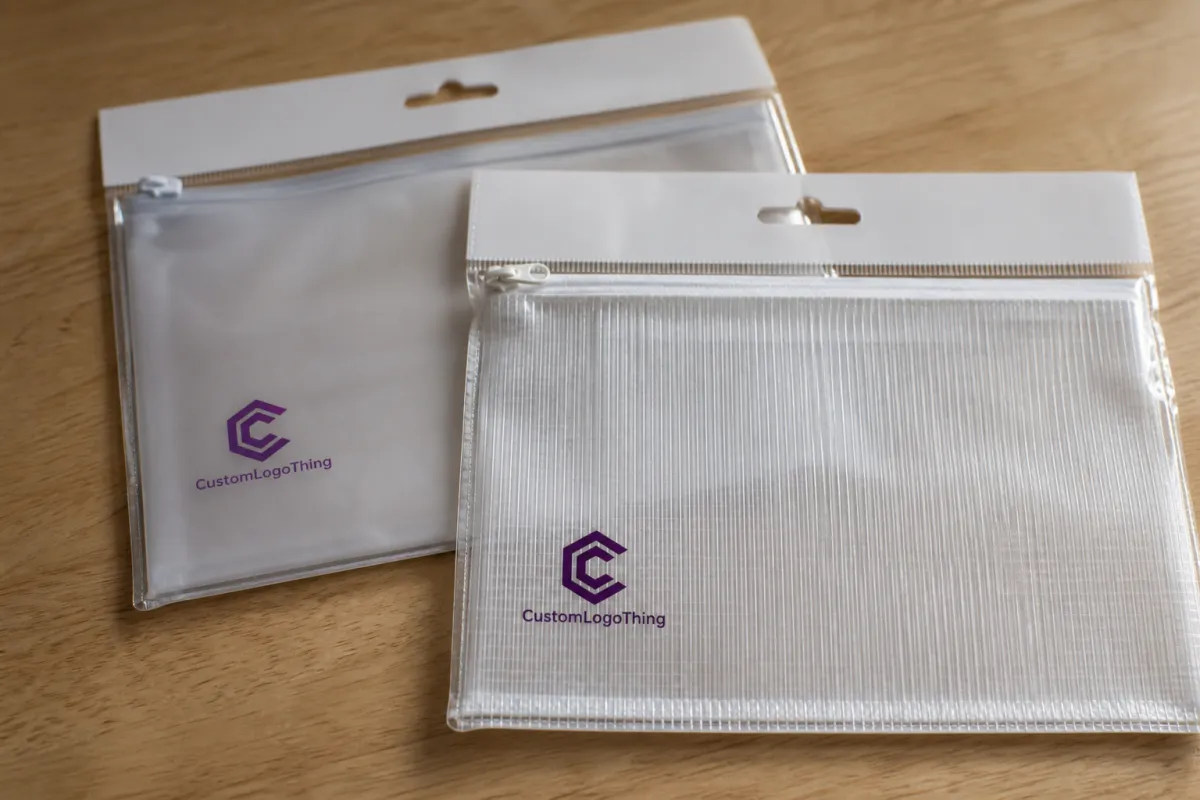
Many buyers assume a custom pouch behaves like a custom carton, with heavy tooling fees and a minimum that feels inflated for a small retail test. That is not always the case. stationery shop zipper pouches moq is often lower because the pouch body is flexible, the construction is simple, and the production line does not need rigid board tooling, die-cut inserts, or the kind of setup that a molded package would require. The larger cost drivers usually sit in the artwork, zipper style, print coverage, and whether the size is taken from stock or built from a fully custom pattern.
For stationery shops, that difference is practical, not theoretical. A pouch for pens, erasers, notebook accessories, sticky notes, washi tape, or a small gift set can be tested in a limited retail run before the whole inventory plan is locked in. That is far safer than guessing demand and filling a storeroom with packaging that looks good in a mockup but does little on the shelf. stationery shop zipper pouches moq gives a buyer a way to check the design, the bundle value, and the sell-through rate without betting too much too early.
The deeper issue is not the minimum itself. It is the money trapped in the wrong specification. A pouch that is too large, too glossy, too thin, or too busy for the stationery set inside it creates a double loss: unit cost goes up, and the product moves more slowly. That is why stationery shop zipper pouches moq should be judged against the real retail use, not against the lowest number on a quote sheet.
A low MOQ only matters if the pouch still fits the bundle, photographs cleanly, and feels right in hand. Stock that does not sell is still stock.
There is a useful tradeoff here. Lower MOQ usually means fewer custom options, simpler artwork, or standard dimensions. That is not a weakness. For a seasonal collection or a new gift set, it is often the right choice. Keep the structure straightforward and the graphics disciplined, and stationery shop zipper pouches moq can stay manageable while the retail result still looks deliberate.
For most buyers, the first question should be, “What does this pouch need to do?” rather than “What is the absolute lowest minimum?” A slim pen set may only need a flat frosted pouch. A fuller stationery kit may justify a gusseted style that costs a little more but holds the contents better. Either way, stationery shop zipper pouches moq becomes easier to control once the use case is clear.
Stationery shop zipper pouches: product details that matter
A stationery zipper pouch is usually a soft, flexible pouch made for pens, markers, sticky notes, erasers, cables, cards, or other small retail items. That sounds simple, yet this is where many projects drift off course. The pouch is not just packaging. It is part of the product story. When stationery shop zipper pouches moq is planned with care, the pouch becomes a protective layer, a branding surface, and a merchandising tool at the same time.
Three styles come up most often. Flat pouches work well for slim kits and lighter items. Gusseted pouches add depth, which helps when the stationery set includes more volume. Clear or frosted pouches keep the contents visible, which matters in retail because shoppers can inspect the bundle without opening the package. That visibility can improve sell-through, especially for giftable sets that need to look tidy at a glance. A clean stationery shop zipper pouches moq order often begins with one of these stock-friendly formats before any custom touches are added.
The zipper itself deserves more attention than it usually gets. Standard plastic zippers are cost-friendly and widely used. Metal zippers bring a more premium feel, though they add cost and can affect lead time. Colored pull tabs can lift the presentation without changing the pouch body, which makes them a sensible upgrade for small retail launches. If the goal is to keep stationery shop zipper pouches moq under control, a simple zipper spec often saves more than it costs.
Branding options are straightforward, but each one shifts the quote. Surface printing is the most common route. A label can work if the shop wants flexibility or plans to change the design for a season. A translucent window gives a partial view of the contents and can make the pouch feel more merchandised. Foil accents and matte finishes create a more intentional look, though they add process steps. For stationery shop zipper pouches moq, one strong visual decision usually does more good than several small decorative extras.
Merchandising should guide the spec from the start. If the pouch fits a common stationery bundle neatly, it is easier to photograph, easier to price, and easier to reorder. Retail buyers usually do better with packaging that stacks well in storage and reads clearly in a product image. A good stationery shop zipper pouches moq decision should strengthen the shelf story, not only the unboxing moment.
If you are comparing supplier options, ask whether the pouch uses a stock size or a true custom size, whether the zipper color can change without a tooling step, and whether the print is one side or two. Those details reveal more about stationery shop zipper pouches moq than any polished brochure usually does.
Specifications that affect fit, finish, and shelf appeal
Size is the first spec to settle. Small pouch sizes suit pen sets, card packs, and flat accessories. Medium sizes work for notebook add-ons, sticker bundles, or mixed stationery kits. Larger gusseted versions handle gift sets and fuller retail bundles. The wrong size wastes space and looks awkward. The right one makes the contents feel designed, which is why stationery shop zipper pouches moq should begin with product dimensions, not artwork.
Material choice changes a lot: durability, clarity, print quality, perceived value, and even how the product photographs. PVC is common when visibility matters and the buyer wants a clear view of the contents. EVA is similar, though it can feel softer and less rigid. PU gives a more giftable appearance. Polyester works well for durable, print-friendly pouches. Cotton canvas has a handmade feel, while recycled films can support a sustainability story. None of these is automatically best. The right answer depends on the contents, the shelf, and the price point. For stationery shop zipper pouches moq, stock-friendly materials usually win unless the brand has a strong reason to go premium.
Thickness is another detail that buyers often overlook. A thinner pouch can reduce unit cost, but a heavier build may hold its shape better and protect the contents more effectively. If the pouch is going into a gift bundle, a little more body can make it feel more substantial. If it is a slim accessory pack, extra thickness may only add cost and weight. The honest answer is that stationery shop zipper pouches moq should be matched to actual handling, not assumptions.
Printing constraints can move the minimum as much as the material does. A one-color logo on one side is easier to produce than a full-color design on both sides. Edge-to-edge coverage, tight registration, or special effects usually add setup time and make the run less forgiving. That is where tooling fees and setup charges begin showing up in the quote. If the design stays simple, stationery shop zipper pouches moq stays easier to manage. If the design is trying to do too much, the minimum usually climbs.
Compliance and shipping should not be left until the end. If the pouch will touch paper goods, cards, or printed inserts, ask about material requirements before approval. If you are adding paper belly bands or insert cards, FSC-certified paper is a sensible default; see FSC for chain-of-custody basics. For packaging that needs to survive transport, the test language used by ISTA is worth knowing. That does not mean every stationery item needs lab testing. It means stationery shop zipper pouches moq should be checked against the way the product will actually move through the supply chain.
A simple way to read this section is to think in three levers: fit, finish, and shelf appeal. Change one, and the others often shift too. A clear spec sheet keeps the work moving and cuts down on rework. The more exact the brief, the less time gets lost correcting a pouch that looked fine in theory but wrong in retail. For stationery shop zipper pouches moq, precision costs less than fixing mistakes later.
Cost, pricing, MOQ, and quote drivers for zipper pouches
Money always shows up in the same way: the first units carry setup work, sample preparation, and print planning. That is why small runs cost more per piece than larger ones. The first pieces pay for the work that makes the rest possible. That is not a trick or a penalty. It is production. If you are asking about stationery shop zipper pouches moq, expect unit cost to move with quantity, print complexity, and finishing.
The main quote drivers are easy to name. Size. Material. Zipper type. Number of colors. Print sides. Packaging inserts. Stock dimension versus custom size. Special finishes. Any one of those can shift the number. Stack two or three together, and the price changes fast. In sourcing terms, stationery shop zipper pouches moq is only part of the discussion. The rest is what the pouch needs to do in the store.
| Option | Typical MOQ | Typical cost per piece | Best for | Main tradeoff |
|---|---|---|---|---|
| Clear PVC or EVA stock pouch | 300-500 units | $0.28-$0.65 | Fast retail tests, slim stationery kits | Basic look, limited premium feel |
| Printed frosted pouch | 500-1,000 units | $0.45-$0.95 | Gift bundles, moderate branding | More setup than a plain stock pouch |
| PU zipper pouch with logo print | 500-1,000 units | $0.95-$1.80 | Premium stationery sets, gift retail | Higher tooling and setup charges |
| Canvas or polyester pouch | 1,000+ units | $0.70-$1.65 | Durable retail packs, reusable pouch sets | Thicker material, slower production steps |
Those numbers are ranges, not promises. Material quality, zipper style, packaging format, and delivery terms can move them up or down. Still, they are useful because they keep the conversation grounded. If a quote lands well below those ranges, check what has been removed. If it comes in much higher, check whether you are paying for a premium finish that the product does not need. With stationery shop zipper pouches moq, the cheapest quote is not always the smartest buy.
If lower unit cost is the goal, the path is usually plain but effective: choose a standard size, simplify the artwork, keep one zipper color, print on one side, and increase quantity once the design has proven itself. That is where bulk pricing starts helping. A larger order can cut the cost per piece without changing the product too much. The key is to avoid overbuying before the design earns that scale. stationery shop zipper pouches moq should help you test demand first, then grow with confidence.
One more practical detail: ask for landed cost, not just ex-factory pricing. Freight, cartons, inserts, and local handling can shift the real number enough to change the margin. A pouch that looks inexpensive on paper can become awkward once shipping is added. That is why experienced buyers build quotes from the final use case outward. For stationery shop zipper pouches moq, the landed number is the one that matters.
Quick quote drivers to send up front:
- Finished pouch size and target contents
- Material preference and thickness target
- Print method, print sides, and number of colors
- Zipper color, pull tab style, and closure preference
- Expected quantity range and target ship date
That list stays short because it needs to be. A clean brief saves time, reduces back-and-forth, and keeps stationery shop zipper pouches moq from turning into a guessing game.
Process and timeline: from artwork to shipment
The workflow is straightforward when the buyer gives clear information. First comes inquiry. Then spec review. Then quote. After that, artwork check, proof or sample, production, packing, and shipment. The bottlenecks usually appear when the brief is incomplete. Missing dimensions, weak files, no Pantone reference, or last-minute changes slow everything down. That is true across packaging, and it shows up fast on stationery shop zipper pouches moq projects that need to move quickly.
Once the artwork and specs are locked, production usually moves faster than people expect. Proofing often happens quickly. Sampling can take several business days. Mass production commonly runs around 2-4 weeks after approval, depending on quantity, material, and print complexity. Special finishes or custom packaging inserts stretch the timeline. The goal is not to promise speed for its own sake. It is to set a schedule that matches reality. A clean stationery shop zipper pouches moq order is usually faster because the decisions were made early.
Shipping follows its own clock. Air freight costs more but cuts transit time. Ocean freight lowers landed cost but needs more planning. If the stationery set is tied to a launch date, factor that in before the production schedule is approved. Buyers who forget freight are the ones who end up paying extra for panic. That is rarely good business. With stationery shop zipper pouches moq, the packaging can be ready on time only if the freight plan is real.
If you are shipping assembled kits, it helps to think about handling, compression, and carton movement. ISTA test methods are a useful reference point when a shipment needs to survive normal distribution abuse, even if you are not running a full lab program. For paper inserts or hang tags, FSC-certified stock keeps the paper side straightforward. That kind of planning keeps a pouch set from looking polished in a mockup and damaged in transit. Good stationery shop zipper pouches moq work accounts for the whole journey, not just the photo.
To stay on schedule, send the essentials in one shot:
- Exact dimensions or a sample reference
- Target quantity and acceptable quantity range
- Artwork files in vector format if possible
- Pantone or color reference details
- Delivery address and target launch date
That short list saves more time than any project tracker. The supplier can price faster, check feasibility faster, and tell you whether your stationery shop zipper pouches moq target is realistic before anything gets made.
Why choose us for stationery shop zipper pouches MOQ
Packaging experience matters because it catches problems before they become expensive. A supplier who understands retail packaging can spot a bad size choice, a print layout that will not reproduce cleanly, or a finish that looks better online than on shelf. That is the kind of feedback buyers need. Not fluff. Not vague reassurance. Just practical input that keeps stationery shop zipper pouches moq from turning into a rework cycle.
Flexibility on lower runs helps stationery brands test new collections without gambling on inventory. Seasonal gift sets, limited retail launches, and experimental product bundles all benefit from smaller starts. A good supplier should quote a realistic minimum instead of pushing the buyer toward a number that only looks impressive on a spreadsheet. For stationery shop zipper pouches moq, small-run flexibility is a business tool, not a favor.
Proof control matters more than sales language. Clean mockups, sensible spec guidance, and direct feedback on what can or cannot be done save money. If a logo is too fine, if a zipper color creates contrast problems, or if a pouch wall is too thin for the bundle, that should be said early. That is how setup charges stay under control. Buyers who handle stationery shop zipper pouches moq well usually do it with careful proofing, not luck.
Quality checks should be visible, not hidden behind vague claims. Zipper alignment. Print consistency. Material finish. Seal strength. Size tolerance. Those are the checks that matter because they affect the retail experience and the reorder decision. A pouch that opens awkwardly or sits crooked on shelf will drag the product down. Nobody needs that problem. For stationery shop zipper pouches moq, quality is measured in repeatability.
What buyers usually appreciate most:
- Clear pricing that separates tooling fees, setup charges, and unit cost
- Simple advice on how to reduce cost per piece without hurting presentation
- Honest feedback on whether a custom feature is worth the extra spend
- Proofs that match the final pouch closely enough to make approval useful
That last point gets overlooked often. A nice-looking mockup is not the same as a useful proof. The proof should answer the real question: will this pouch sell? If the answer is yes, then stationery shop zipper pouches moq becomes a smart launch decision instead of a speculative one.
We also understand that buyers are not collecting packaging for its own sake. They want a pouch that protects the contents, looks clean, and fits the retail price. That is the full job. If the pouch does that job at the right MOQ, the project is working.
Next steps for stationery shop zipper pouches MOQ quotes
Before asking for a quote, decide what the pouch must hold. That one decision shapes the size, structure, and finish better than any mood board ever will. Then choose the pouch style. Then choose the material. Then decide whether the artwork should stay simple or cover the surface. That order keeps stationery shop zipper pouches moq practical instead of theoretical.
For a clean comparison, ask for at least two quote scenarios. One should be the lower MOQ with a higher unit cost. The other should be a larger run with a lower unit cost. That gives you a real view of the tradeoff. Many buyers stop at one price and miss the better option sitting just above it. With stationery shop zipper pouches moq, the best decision usually balances launch risk and margin rather than chasing the lowest line item in isolation.
Use this pre-quote checklist:
- Product dimensions or sample item measurements
- Preferred pouch style: flat, gusseted, clear, or frosted
- Material preference and finish level
- Logo files, color references, and print coverage
- Zipper color, pull tab preference, and insert card needs
- Shipment destination and target launch date
If you want to compare offers properly, ask suppliers to quote the same spec in writing. Do not compare a stock pouch against a custom pouch and call it fair. Do not compare one side of print against two sides and pretend the numbers mean the same thing. That is how bad buying decisions happen. A disciplined stationery shop zipper pouches moq quote only helps if the inputs match.
For stationery shops testing a new product line, the cleanest path is simple: start with the smallest quantity that still looks professional, then scale after the sell-through data comes back. That is the real value of stationery shop zipper pouches moq. It gives you room to learn before you commit hard cash. That is how smart packaging buying works, not by chasing the biggest run, but by Choosing the Right run.
If you are ready to move, send the spec, the artwork, and the target budget together. Ask for a Quote That Fits the launch plan instead of guessing through email. That is how stationery shop zipper pouches moq becomes a usable sourcing decision, not a pile of vague numbers. For extra help, the packaging FAQ can answer the usual follow-up questions before you place the order.
FAQ
What is the typical stationery shop zipper pouches MOQ?
Simple stock-size pouches often start in the low hundreds, usually around 300-500 units. Fully custom sizes, thicker materials, or special finishes usually push the minimum higher, often toward 1,000 units. The more complex the print and structure, the more likely the MOQ moves up.
Can I mix designs within one stationery shop zipper pouches MOQ?
Usually yes, if the base pouch spec stays the same and only the artwork changes. The catch is that setup still has to be paid for each design, so splitting into too many SKUs raises the cost per piece. Mixed designs work best for seasonal bundles or a small test collection.
Which material is best for stationery shop zipper pouches?
PVC and EVA are useful when visibility matters, while PU or canvas works better if you want a more giftable feel. Polyester and recycled film options are good when durability, print flexibility, or sustainability messaging matters. The best material depends on the contents and how the pouch will be displayed.
How long does production take after approval?
Sampling or proofing usually happens before mass production and can take several business days. Production commonly runs about 2-4 weeks after final approval, depending on quantity and material. Shipping is separate, and ocean freight will add more lead time than air.
What do you need to quote stationery shop zipper pouches MOQ accurately?
Provide size, quantity, material, print method, zipper color, and whether you want stock or custom dimensions. Share artwork files, color references, and the shipping destination so freight and production can be estimated correctly. The clearer the brief, the fewer surprise costs later.
Good stationery packaging is rarely about chasing the lowest number. It is about choosing a spec that fits the product, the shelf, and the budget without creating dead stock. If you want retail-ready stationery shop zipper pouches moq options that make sense, start with a clean brief, compare at least two quantity scenarios, and pick the run size that protects margin instead of just chasing volume. That is the smarter way to order stationery shop zipper pouches moq today.


