If you are searching for stickers custom nearby, you usually want three things: faster turnaround, clearer communication, and fewer chances for the order to drift off course. That need shows up most often when a packaging deadline is close, artwork is still changing, or a promotion cannot wait for a long shipping window.
Local sourcing does not guarantee a lower price. Sometimes it helps. Sometimes the real value is smaller and more practical: a proof gets approved faster, a file issue gets fixed without a long back-and-forth, and the final job does not need expensive rush freight to arrive on time.
For packaging teams, retail buyers, and small brands, nearby sticker production can reduce risk in the parts that usually cause problems. It shortens the distance between a question and an answer. It also gives you a better chance of catching errors before the press starts running.
What “Stickers Custom Nearby” Actually Means for Buyers
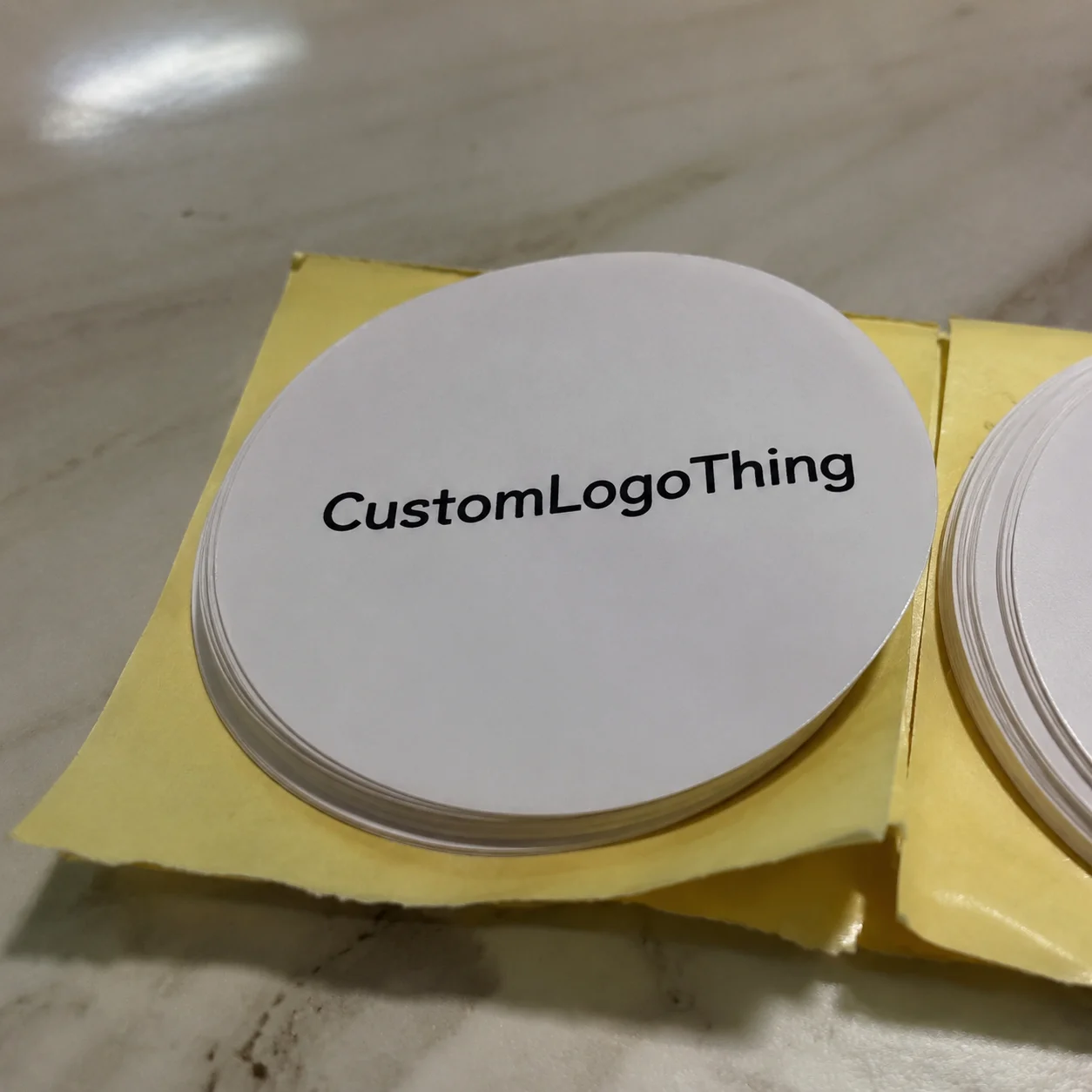
“Nearby” usually means the vendor is close enough to offer faster proofing, easier pickup or local delivery, and a more direct line of communication. That matters whether you need a small batch for an event, a larger label run for packaging, or a replacement order after the first version was not quite right.
It can also matter when the project changes at the last minute. A typo correction, a size adjustment, or a shift from paper to a more durable stock can be easier to handle with a local production partner. Not every shop can move quickly, but proximity often makes the coordination cleaner.
The most common sticker formats buyers compare are straightforward:
- Die-cut stickers for custom shapes and a cleaner branded look.
- Kiss-cut stickers for easier peeling and handling.
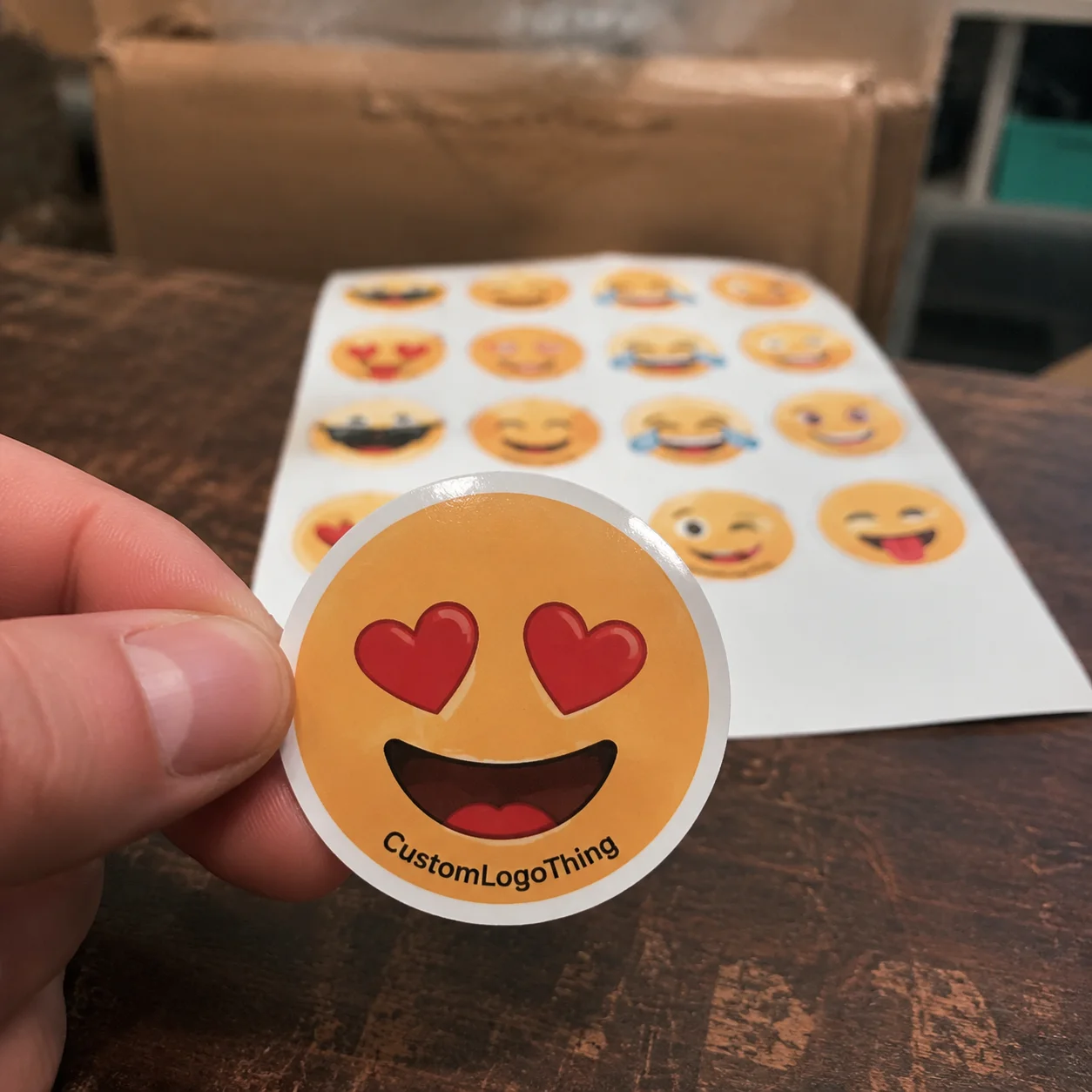
- Sheet stickers for multiple designs or lower-volume kits.
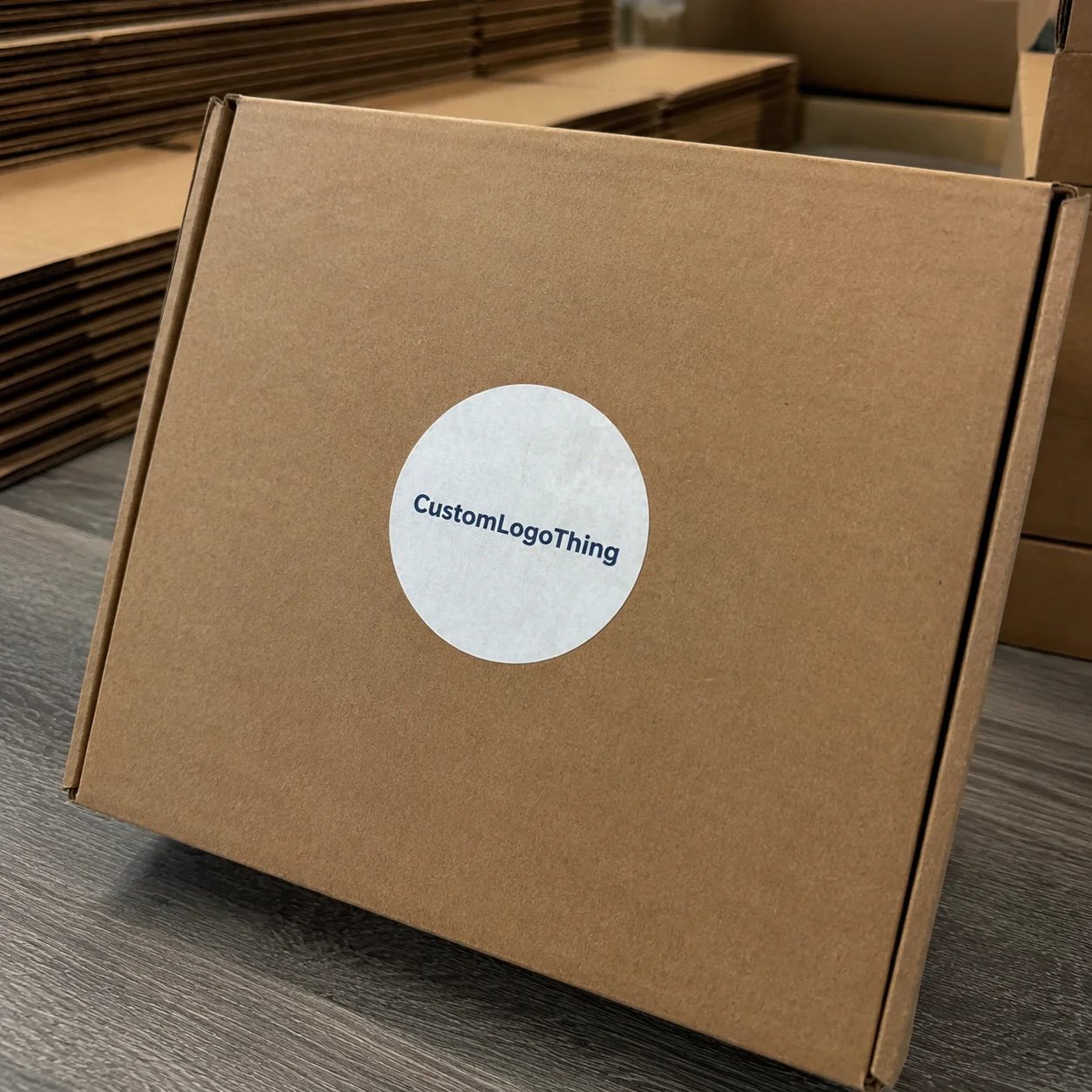
- Roll labels for faster application and packaging lines.
- Clear stickers for a lighter, less visible edge on glass or plastic.
- Waterproof stickers for products that face moisture, cold storage, or repeated handling.
From a buying standpoint, local sourcing is mainly about control. You get fewer handoffs, fewer missed details, and less waiting around for someone in another time zone to notice the problem. That is often enough to justify the search for stickers custom nearby.
“The most dependable supplier is usually the one that asks the right questions before printing, not the one that says yes to everything.”
For broader print and packaging standards, the Packaging Association is a practical reference if you are comparing stock choices or trying to align stickers with a larger brand system.
How the Ordering Process and Timeline Usually Works
The process looks simple on paper: Request a Quote, upload art, review the proof, approve production, and receive the order. In practice, the pace depends on how ready the files are. A clean vector file with the right dimensions can move quickly. A low-resolution image with no bleed can slow the whole job down while corrections are made.
Three things usually determine how long the order takes: file readiness, proof revisions, and material availability. The print method matters too. Digital printing is often the fastest route for shorter runs, while custom cutting, special finishes, and specialty materials usually add setup time. Nearby vendors can reduce shipping time, but they cannot remove the actual production steps.
For standard orders, simple jobs often land in the 3-7 business day range after proof approval if stock is available. More complex orders commonly take 7-15 business days. Rush production can shorten that, but the extra fee reflects real scheduling pressure, not a marketing trick.
What to prepare before requesting quotes
- Dimensions for each sticker or label.
- Quantity, including a small buffer for spoilage or test use.
- Material preference: paper, vinyl, clear, or specialty stock.
- Finish: matte, gloss, soft-touch, or laminate.
- Adhesive: permanent, removable, or freezer-safe if needed.
- Application surface: cardboard, glass, plastic, metal, or coated packaging.
- Target date for launch, ship date, or event use.
That list does more than speed up quoting. It also makes pricing easier to compare. A roll label and a sheet sticker may serve similar functions, but they are not priced the same way and they are not always suitable for the same application. A buyer who compares only the top-line number can end up comparing two completely different products.
When timing matters, ask how proofs are delivered, how quickly revisions are handled, and whether the production slot is already open. Local vendors can still be slow if approvals stall. Distance is not always the bottleneck; the approval chain often is.
Cost, Pricing, and MOQ Factors That Change the Quote
Sticker pricing is shaped by a handful of variables that buyers can usually identify before they request quotes. Size, shape complexity, material, finish, color count, and adhesive type all matter. A simple round paper sticker will not cost the same as a waterproof die-cut vinyl label with laminate and white ink. If a quote treats those jobs as equivalent, it is probably missing something.
MOQ, or minimum order quantity, is another piece that gets overlooked. Small runs carry a higher per-piece cost because setup work does not disappear when the quantity drops. A 50-piece test order can cost much more per unit than a 1,000-piece run. That is normal. The machine still needs setup, the proof still needs review, and the cut still needs to happen.
Here is a practical way to think about the most common options:
| Option | Typical Use | Relative Cost | Notes |
|---|---|---|---|
| Paper sheet stickers | Promos, inserts, short runs | Low to moderate | Best for dry, indoor use |
| Die-cut vinyl stickers | Branding, retail, packaging | Moderate | Better for handling and longer wear |
| Roll labels with laminate | Packaging lines, repeated application | Moderate to higher | Faster to apply, useful at higher volumes |
| Clear stickers with white ink | Premium packaging, glass, jars | Higher | Clean look, but print complexity increases cost |
| Custom shape specialty finish | Premium launches, retail packaging | Higher | Soft-touch, foil, or unusual cuts add setup time |
The cost usually climbs when the job adds custom cutting, lamination, white ink, specialty stock, or rush handling. Those charges are easy to miss in a quote if you only look at the base price. The final total is the useful number, not the headline.
If the sticker is going on a new product package, a small test run is usually worth it. Check adhesion, scuff resistance, and how the label behaves on the actual surface. A 100-piece test can save you from reprinting thousands of labels because the adhesive lifted on a coated carton or the ink failed under chill conditions.
For teams thinking about materials and waste, the EPA sustainable materials resource is a useful starting point for evaluating recyclability and packaging impact.
Spec Choices That Decide Whether the Stickers Work
Paper and vinyl solve different problems. Paper stickers are usually the better fit for dry indoor use, mailing inserts, and budget-conscious promotional pieces. Vinyl is the safer option when moisture, abrasion, or frequent handling is part of the job. If the sticker has to survive refrigeration, shipping, or repeated contact, vinyl is usually the more reliable choice.
Finish changes the look and the performance. Matte feels softer and more subdued. Gloss adds brightness and can make colors appear sharper. Clear stickers work well when the packaging should show through, especially on glass or transparent plastic. Opaque stock gives stronger contrast and is often easier to read from a distance.
Adhesive selection is where a lot of sticker jobs succeed or fail. Removable adhesive works well for temporary promotions or surfaces where residue would be a problem. Permanent adhesive is the standard for product labels, shipping stickers, and branded packaging that needs to stay in place. If the sticker will face condensation, refrigeration, or freezer storage, ask directly about cold-temp or freezer-safe adhesive.
Surface type changes the recommendation every time:
- Cardboard mailers: paper or vinyl can work, depending on handling.
- Glass jars: clear or opaque vinyl with the right adhesive is common.
- Plastic tubs: test adhesion carefully, because some plastics resist labels.
- Refrigerated products: moisture resistance and adhesive performance matter more than appearance alone.
Branding stickers and product labels are not the same thing, even if the artwork is identical. One is usually promotional. The other is part of the actual package performance. That difference affects adhesive, finish, durability, and sometimes the print method itself.
If your team also orders Custom Labels & Tags or broader Custom Packaging Products, keep the sticker spec aligned with the rest of the packaging system. Mixed finishes can look intentional. Mixed quality almost never does.
For transport and handling expectations, the ISTA standards are a useful benchmark for thinking about abrasion, vibration, and the stress labels face during shipping.
Common Mistakes When Ordering Local Stickers
The first mistake is weak artwork. Low-resolution files, missing bleed, and tiny text that disappears at final size create rework fast. If the design already looks fuzzy on screen, it will not sharpen itself in production. Printers can fix some problems. They cannot rescue every file.
The second mistake is choosing the wrong adhesive and then being surprised when the label lifts. The sticker has to match the surface, temperature, and handling conditions. A label that behaves well on matte cardboard may fail on glossy plastic or a condensation-heavy bottle.
The third mistake is buying on price alone. A low quote is not a strong quote if the vendor misses the deadline, uses the wrong stock, or cannot explain how the job will be checked. Clear communication is part of the service. So is proofing. So is consistency across the run.
The fourth mistake is skipping samples or proof review. That matters even more for small text, QR codes, barcodes, and color-sensitive work. A digital proof can hide issues that only show up at size. If the code has to scan, test it. If the color has to match, ask how tolerance is handled. If the label must align with a die line, inspect the layout before approval.
“If the order is tied to a launch or packaging refresh, the proof is the least expensive insurance in the whole job.”
Expert Tips for Better Results and Fewer Reprints
Start with vector artwork whenever possible. AI, EPS, or print-ready PDF files are the cleanest starting point because they scale without soft edges. Keep line weights readable at the actual size, and do not let elegant typography shrink into something that only works on a monitor.
Ask for a digital proof on every serious order. For important launches, request a physical sample or test strip before full production. That extra step is especially helpful for packaging, where label placement, cut accuracy, and surface finish affect how the final product feels in hand.
Build in buffer time. Even good vendors deal with file corrections, material delays, or approval bottlenecks. If your event is Friday, ordering on Wednesday is not strategy. Leave room for revisions, transit, and one more round of eyes on the artwork before it goes to print.
Compare vendors on responsiveness, not just unit price. A supplier that answers clearly in two hours often saves more money than a cheaper one that sends vague updates for three days. For stickers custom nearby, fast communication is often the real value, especially when the order sits inside a packaging redesign or a retail deadline.
Keep a simple archive of approved specs once a sticker works. Record the size, material, adhesive, finish, and application surface. That makes repeat orders easier and protects you from recreating the same job from scratch six months later. It also reduces the odds that someone “improves” the spec into a new problem.
Next Steps for Comparing Nearby Sticker Vendors
Before you request quotes, put the job on one page: size, quantity, material, finish, adhesive, and deadline. That small amount of prep makes the comparisons cleaner and faster. It also filters out vendors that cannot quote without a long round of clarification.
Shortlist vendors that can show similar work, explain their process clearly, and handle proofing without unnecessary friction. Sample packs or prior print examples can reveal a lot. In person, you can check print density, texture, cut accuracy, and whether the finish matches the brand direction you want for the package.
The final choice usually comes down to a balance of cost, timeline, and reliability. That is the real decision, even if people pretend it is only about price. If the project is time-sensitive, stickers custom nearby can make sense because the communication is faster, the shipping risk is lower, and the order is easier to control.
For packaging teams, the best process is usually the simplest one: define the spec, compare real quotes, review the proof carefully, and leave enough lead time to avoid a last-minute scramble. That approach gets better results than trying to rescue a rushed order after the deadline is already close.
How do I compare stickers custom nearby vendors fairly?
Compare the same specs across every quote: size, quantity, material, finish, adhesive, and turnaround. Check whether proofing, shipping, and rush charges are included so the final number is actually comparable.
What affects the price most on custom stickers?
Quantity, size, shape complexity, and material usually drive the biggest changes in cost. Special finishes, white ink, lamination, and rush production can raise the price quickly.
How long does local sticker production usually take?
Simple jobs can move quickly if the artwork is ready and the material is in stock. Revision-heavy orders or specialty-material jobs usually take longer, even if the vendor is close by.
What file should I send for the best print results?
Vector files like AI, EPS, or PDF are ideal when available. If you only have raster artwork, send the highest-resolution file you have and confirm that it stays sharp at final size.
Should I choose paper or vinyl stickers for packaging?
Paper works well for dry, indoor, lower-durability uses and can be more budget-friendly. Vinyl is better for moisture, handling, and products that need tougher label performance.