Buyer Fit Snapshot
| Best fit | Subscription Box Poly Mailers projects where brand print, material claims, artwork control, MOQ, and repeat-order consistency need to be specified before quoting. |
|---|---|
| Quote inputs | Share finished size, material target, print colors, finish, packing count, annual reorder estimate, ship-to region, and any compliance wording. |
| Proofing check | Approve dieline scale, logo placement, barcode or warning zones, color tolerance, closure strength, and carton packing before bulk production. |
| Main risk | Vague material claims, crowded artwork, missing packing details, or unclear freight terms can make a low unit price expensive after revisions. |
Fast answer: Subscription Box Poly Mailers: What Brands Should Know should be specified like a repeatable production item. The safest quote records material, print method, finish, artwork proof, packing count, and reorder notes in one written spec.
Production checks before approval
Compare the actual filled-product size with the drawing, then confirm tolerance on folds, seals, hang holes, label areas, and retail display edges. Reserve space for logos, QR codes, warning copy, and material claims before decorative graphics fill the panel.
Quote comparison points
Review material grade, print process, finish, sampling route, tooling charges, carton quantity, and freight assumptions side by side. A quote is only useful when the supplier can repeat the same color, closure quality, and packing count on the next order.
Subscription Box Poly Mailers: What Brands Should Know
Subscription brands often pour their energy into the product and treat the outer shipper like packaging filler. That habit tends to show up later as wasted freight, higher packing labor, and a customer opening a parcel that feels cheaper than the box they expected. subscription box poly mailers solve a very specific problem well. They protect light, flat, non-fragile kits while keeping shipping costs and warehouse space under control.
Used with care, subscription box poly mailers do more than hold a shipment together. They can cut cubic inches, sharpen branding, and speed up pack-out without forcing every order into a rigid carton. Used carelessly, they create seam failures, ugly bulges, and a trail of small headaches that start showing up after launch. Nobody wants to discover those lessons after the warehouse is already shipping live orders.
What Are Subscription Box Poly Mailers?
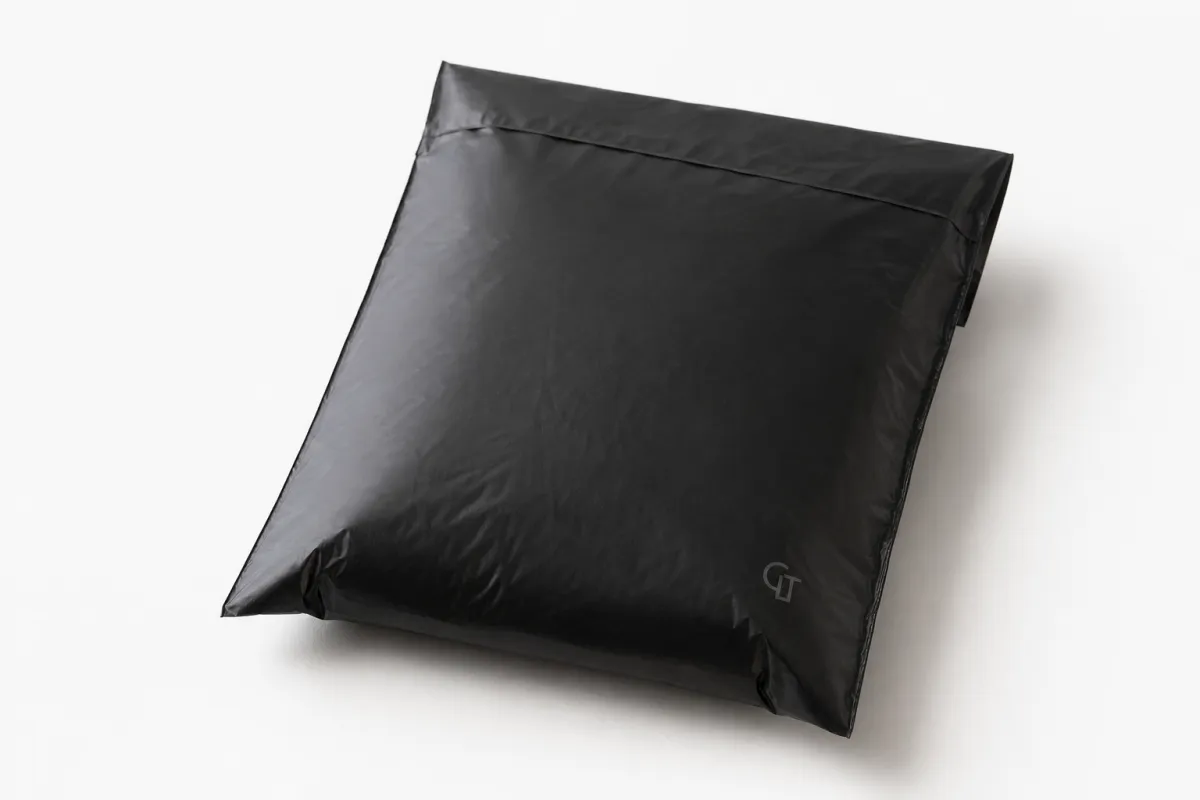
subscription box poly mailers are lightweight shipping mailers designed for recurring kits, bundled products, and subscription orders that do not need a full corrugated box. They are usually made from co-extruded polyethylene film, which gives you a flexible, water-resistant shell that seals fast and takes up far less storage space than folding cartons. For many brands, that is the attraction: fewer materials, less dimensional weight, and a cleaner pack-out process.
The difference between a standard shipping mailer and a format built for subscription orders comes down to repeatability. A subscription kit is rarely just one item. It might include a shirt, a sample pouch, a printed insert, and a promo card. subscription box poly mailers are useful because they can handle that flat, layered structure without adding the freight penalty of a rigid box. A standard poly mailer can work too, but subscription-specific designs usually bring stronger branding, better size planning, and a more intentional presentation.
Common use cases include apparel, beauty samples, accessory bundles, printed inserts, small soft goods, and membership kits. In practice, subscription box poly mailers work best when the contents are light, low-profile, and not easily crushed. They are not the right choice for ceramic, glass, sharp metal edges, or products that need real crush protection. That tradeoff matters more than people admit during the buying meeting.
Here is the blunt version: if the kit is light, flat, and stable, subscription box poly mailers are often the smarter move. If the product is heavy, breakable, or awkwardly shaped, forcing it into a mailer just to save a few cents is false economy. A better package that prevents damage is cheaper than a cheap package that gets replaced twice.
A packaging buyer should care about three things here: fit, closure strength, and actual shipping behavior. Pretty mockups do not survive conveyor belts.
If you are still deciding between formats, start by comparing your kit against the options in Custom Packaging Products and then look at Custom Poly Mailers for a more focused view of sizes and finishes. The right answer usually comes from the package structure, not the sales pitch.
How Subscription Box Poly Mailers Work in Fulfillment
Fulfillment is where subscription box poly mailers either earn their keep or become a nuisance. The normal flow is simple: the picker gathers the kit, the packer inserts printed materials or filler if needed, the mailer is loaded, the adhesive flap is sealed, and the parcel moves to label application and carrier handoff. The reason brands like subscription box poly mailers is that this flow is fast. No bottom flaps. No tape gun. No carton erecting. Less material handling means less labor friction.
That speed matters. In a mid-volume subscription operation, shaving even a few seconds per pack can turn into a meaningful labor difference over a month. Self-seal adhesive is the usual closure method because it reduces packing time and keeps the process consistent. Tear strips are useful for customer convenience, and tamper-evident closures can add confidence for higher-value kits. If you are shipping cosmetics, wellness items, or branded apparel, those small features make the unboxing feel more deliberate.
Design placement on subscription box poly mailers is more strategic than people expect. You are not decorating a billboard. You are balancing logo, repeat pattern, messaging, return address, and shipping label space on one curved, flexible surface. A clean front panel with one strong logo and a controlled pattern usually looks more premium than cramming every inch with art. Too much decoration turns into visual noise the moment the package wrinkles, and every poly mailer wrinkles.
The customer experience starts long before the parcel is opened. The mailer is the first physical impression. If it arrives clean, sealed, and clearly branded, it supports the subscription promise. If it looks like generic outbound freight, the perceived value drops before the customer touches the product. That is why subscription box poly mailers should be treated as part of the brand system, not a throwaway shipping item.
According to industry testing standards like ISTA, real transit performance matters more than a neat desk sample. A package that looks great in a studio can still fail once it sees vibration, drop events, and stack pressure. Packaging people know that. The rest of the room usually remembers after the first damage claim.
Subscription Box Poly Mailers: Cost, MOQ, and Pricing
Pricing for subscription box poly mailers comes down to practical factors: size, film thickness, print coverage, custom color, coating or finish, and total order volume. Larger mailers use more resin and more print area. Thicker film costs more but usually resists puncture and seam stress better. Heavy graphics or multiple print colors add setup complexity. If you want a glossy metallic look, specialty finishes can move the price again. Nothing magical here, just inputs and consequences.
MOQ, or minimum order quantity, is where a lot of buyers get surprised. Stock subscription box poly mailers can be ordered in smaller quantities because the supplier already has them produced. Custom-printed versions usually need a larger minimum because the setup cost has to be spread across the run. That setup can include plate creation, print calibration, color matching, and production scheduling. If someone quotes a low unit price but hides the MOQ, ask for the rest of the sentence. The missing part usually matters.
For practical budgeting, many brands compare three scenarios:
- Stock mailers: lower MOQ, faster availability, less branding control.
- Custom printed mailers: stronger branding, higher MOQ, better long-run consistency.
- Premium gauge or specialty finishes: better durability or presentation, usually the highest unit cost.
A useful pricing comparison table makes the tradeoffs clearer than a sales call with a lot of adjectives.
| Option | Typical MOQ | Typical Unit Range | Best For | Main Tradeoff |
|---|---|---|---|---|
| Stock poly mailers | 100-500 units | $0.10-$0.25 | Small runs, launches, testing | Limited branding |
| Custom printed mailers | 1,000-5,000 units | $0.18-$0.45 | Recurring subscriptions, stronger brand presence | Higher setup and inventory commitment |
| Heavy-gauge or specialty finish mailers | 1,000+ units | $0.28-$0.60+ | Premium kits, sharper edges, more transit stress | More cost, more planning |
Those numbers are not universal, because they depend on print coverage, country of origin, freight, and the reseller model. Still, they are useful for budgeting. The biggest mistake is comparing only the headline unit cost. A cheap quote can become expensive fast if the mailer is undersized, the closure fails, or packers spend extra time forcing every order into the wrong bag. Labor has a way of eating savings that look clever on paper.
For sustainability-minded buyers, the EPA recycling guidance is a useful reminder to make disposal instructions clear and realistic. Recycling rules vary by region and facility, so a claim should be accurate, not decorative. If you want a mailer that supports a lower-material strategy, that is good. Just do not pretend every plastic bag is magically recycled everywhere. That is not how collection systems work.
Key Factors for Fit, Protection, and Branding
Fit is the first thing to get right with subscription box poly mailers. Measure the finished packed kit, not just the bare product. Once you add inserts, tissue, cards, folded apparel, seals, and seasonal extras, the package thickness changes fast. Leave room for seal overlap and a little compression without overstuffing the bag. A mailer that is technically large enough but practically tight can split seams, wrinkle badly, and slow down the pack line.
Material choice matters too. Lighter-gauge film can work for soft, low-risk kits, especially when you are shipping apparel or sample bundles that do not have sharp edges. Thicker film is worth paying for when contents shift, the route is rough, or the package is expected to survive a few more insults than average. In real use, subscription box poly mailers often need more strength at the seal than buyers think. The bag body might be fine. The weak point is usually where the flap closes or where the load pulls against the seam.
Branding is where people tend to overspend or underspend. A solid logo, one repeat pattern, and a controlled color palette can look polished without turning the mailer into a crowded poster. Too much art can cheapen the package because the printing has to survive folds, scuffs, and bending. subscription box poly mailers generally look better when they are designed for motion, not for a flat mockup in a presentation deck.
Perceived quality also comes from finish. Matte films tend to look calmer and a little more premium. Gloss can be bolder, but it can also show fingerprints and scuffs more quickly. If your audience cares about a soft, boutique feel, the finish should match that promise. If your brand is louder and more graphic, a brighter surface can work. The key is not chasing style for its own sake.
Sustainability is part of the buying decision now, but it should be handled honestly. Recycled content, downgauging, and better right-sizing all reduce material use. FSC certification applies to paper components, not plastic film, so it matters for inserts, cards, and secondary packaging rather than the poly mailer itself. If your kit includes paper-based elements, pairing them with clearly sourced materials can make the whole presentation more credible. That is where standards like FSC become relevant.
Here is the practical rule: use subscription box poly mailers for light, stable, recurring shipments where branding and pack speed matter, then reserve heavier corrugated formats for products that need crush protection or structural support. The right packaging is the one that survives the route and fits the business model, not the one that sounds nicest in a sales deck.
Step-by-Step: Ordering Subscription Box Poly Mailers
Ordering subscription box poly mailers gets much easier when you treat it like a packaging brief instead of a shopping task. Start with a packaging audit. List the product, inserts, tissue, note cards, seasonal extras, and any other item that changes the finished thickness. If your bundle changes by month, identify the thickest version first. A design that fits the lean month but fails during the special edition is not a design. It is a future complaint.
Next, measure the finished kit. Width, height, and depth all matter. The goal is to match the mailer to the packed volume while leaving enough room for easy insertion and a clean seal. Once the dimensions are known, request samples or quote options from the supplier. That is the point where subscription box poly mailers move from theory to reality. On the screen, everything fits. In hand, it is a different story.
Then ask for physical samples, print proofs, or dielines. You want to see image placement, closure strength, and how the film feels when folded. If the supplier cannot provide a real mockup, that is a warning sign. Artwork should be approved only after bleed, safe zones, barcode placement, and return address placement are confirmed. Bad art placement is an avoidable problem. No reason to pay for it twice.
A short pilot run is smart before a full rollout. Even a small production batch can reveal whether packers like the closure, whether the kit slides too much, and whether the branding reads well under warehouse light. A pilot also tells you how the mailer behaves when it is handled roughly, stacked in totes, and scanned in a live line. subscription box poly mailers are supposed to reduce friction. If the pilot creates more of it, change the spec before scaling.
Use the checklist below to keep the process clean:
- Measure the fully packed kit.
- Define the product mix and seasonal changes.
- Request samples and print proofs.
- Verify seal strength, label placement, and artwork safe zones.
- Run a small pilot before the main production order.
That process sounds basic because it is basic. The hard part is not the steps. The hard part is doing them before enthusiasm outruns the packaging spec.
Subscription Box Poly Mailers Production Process and Timeline
The production path for subscription box poly mailers is straightforward, but timing gets messy when approvals drag. The usual sequence is artwork review, proof approval, setup, printing, finishing or curing, packing, and shipping. Each stage depends on the one before it. If artwork changes after proof approval, the clock resets. If color matching is unclear, the printer may need another round. If the order is shipping internationally, transit time can add a lot of uncertainty that nobody wants to discuss until the container is already on the water.
Realistic timing depends on whether you are ordering stock or custom. Stock subscription box poly mailers can often ship faster because the material already exists and does not need a full production run. Custom printed mailers need more buffer because setup, proofing, and print scheduling take time. For simple custom work, a buyer might see 12-15 business days after proof approval, plus freight. More complex jobs can take longer. Add extra time if there are special finishes, multiple print colors, or a tight shipping lane.
The biggest delay is usually not the machine. It is the human side of the order. People wait on approvals, revise artwork three times, or forget that a launch date is not a manufacturing promise. If you need subscription box poly mailers for a subscription launch, build your lead time around the launch itself, then subtract a healthy buffer for proofing and transit. Hope is not a logistics strategy.
Here is a practical planning range:
- Stock mailers: often 3-10 business days depending on inventory and freight.
- Simple custom orders: often 2-4 weeks after artwork approval.
- More complex printed mailers: often 4-6 weeks or more when setup, finishing, or overseas freight is involved.
If you are trying to align packaging with a fixed launch, order earlier than your instinct tells you. I have rarely seen a brand complain that the mailers arrived too early. I have seen plenty of brands panic because the final approval sat in someone’s inbox for five days. The packaging did not cause the delay. The calendar did.
Common Mistakes When Ordering Subscription Box Poly Mailers
The most common mistake with subscription box poly mailers is undersizing. The bag looks fine on a spec sheet, then the actual kit arrives with extra thickness from inserts or fold memory, and suddenly the seam is fighting the contents. That creates bulging edges, weak seals, and extra labor because packers have to wrestle every order closed. A mailer spec should be built around the packed reality, not the optimistic version of the product.
Another mistake is comparing only unit price. Cheap mailers can still be expensive if they create damage, take longer to pack, or force a reorder because they fail during transit. The total cost of subscription box poly mailers should include freight, setup, proofing, inventory storage, and the labor cost of the pack line. If a slightly better spec saves ten seconds per order and avoids rework, that is real money. It does not show up nicely in a quote, which is probably why people ignore it.
Weak closures and flimsy film are silent problems. They might pass a visual check and still fail once the package rides a conveyor, gets stacked, or sees wet weather. A mailer that tears on the route is not a packaging success story. It is a replacement order with a story attached. Better to test a few samples than explain why a monthly kit arrived split open.
Skipping shipping tests is the last big one. A package should survive the same conditions it will see in transit. Basic drop testing, vibration exposure, and rough handling checks are not overkill. They are common sense. If the brand wants more confidence, use a transit test that mirrors the real lane, especially for heavier kits. subscription box poly mailers should be validated the way they will actually be used, not the way they look under office lighting.
A few other mistakes come up often:
- Ignoring seasonal thickness changes in the subscription kit.
- Using too much print coverage without checking label visibility.
- Forgetting to confirm return address or barcode placement.
- Ordering a large run before a pilot proves the spec.
None of those are glamorous problems. They are just expensive ones.
Expert Tips and Next Steps for Subscription Box Poly Mailers
If you want a cleaner buying process, start with a pilot order. One or two size options are usually enough to show which mailer handles the kit best. For subscription box poly mailers, the pilot should be packed by the same team that will run the full order, because real pack behavior matters. A sample that works in a design review can still be awkward at the table where orders actually get filled.
Ask suppliers for material samples, print references, and landed-cost quotes. Landed cost matters because it includes freight and related charges, not just the factory price. A quote that looks excellent before shipping can become mediocre once the cartons are on a truck or ship. That is why comparing subscription box poly mailers by headline unit cost alone is lazy. It is also how buyers end up “saving” money and then spending it somewhere else.
Set a reorder point tied to shipment volume and lead time. If you ship 8,000 kits a month and production takes 3 weeks, waiting until the warehouse is almost empty is asking for trouble. Build the reorder trigger early enough to absorb delays, approvals, and freight variability. That buffer is not wasted inventory. It is continuity.
One more practical tip: keep the spec sheet simple and specific. Include finished dimensions, film thickness, print colors, adhesive type, tear strip needs, and any special labeling requirement. Clear specs help the supplier quote accurately and help your team reorder without rediscovering the package from scratch. subscription box poly mailers should be easy to repeat, because repeatability is the whole point of subscription shipping.
If you are ready to move forward, a good next sequence is:
- Measure the packed kit.
- Request two material samples and one print proof.
- Compare three quotes using landed cost, not just unit price.
- Test one shipment lane with a small run.
- Lock the final spec and set the reorder point.
Do that, and the packaging decision becomes much less dramatic. Which is refreshing, honestly.
The brands that treat subscription box poly mailers as a working part of fulfillment, not just a branded sleeve, usually get the best mix of cost control, presentation, and speed. That is the goal. Not fancy for the sake of fancy. Just packaging that does its job without making the rest of the operation miserable.
One last practical note: if a mailer choice feels borderline, trust the sample test over the mockup. I have seen plenty of pretty presentations fall apart the moment the contents are folded, sealed, and moved through a live pack line. The route is the real test, not the render.
How do I choose the right size subscription box poly mailers?
Measure the fully packed kit, not just the product. Leave room for inserts, folds, and a clean seal. Then test one sample in real packing conditions before ordering at scale, because subscription box poly mailers often fit differently once the bundle is assembled.
Are subscription box poly mailers strong enough for monthly kits?
Yes, for light-to-medium non-fragile kits. Choose a thicker film and a stronger seal if the contents shift or have sharp edges. A basic drop and transit test is smart before launch, especially if subscription box poly mailers will be used for higher-volume recurring shipments.
What is the usual MOQ for custom subscription box poly mailers?
Stock mailers usually allow lower minimums. Custom printing often raises MOQ because setup costs need to be spread across the run. Ask for tiered pricing so you can see where the break points are, then compare whether subscription box poly mailers at a higher quantity actually lower your landed cost.
How long does production take for subscription box poly mailers?
Stock items are faster because there is less setup. Custom printed orders take longer because of proofing, printing, finishing, and shipping. Build extra time into the schedule if the launch date is fixed, since subscription box poly mailers often move slower than the marketing calendar expects.
How much do subscription box poly mailers cost per unit?
Price depends on size, material thickness, print coverage, and quantity. Freight, setup, and replacement inventory can change the real cost a lot. Compare landed cost, not just the headline unit price, because subscription box poly mailers that look cheap upfront can become expensive once the full order lands.


