Why a Beanie Proof Deserves More Attention Than a Label Proof
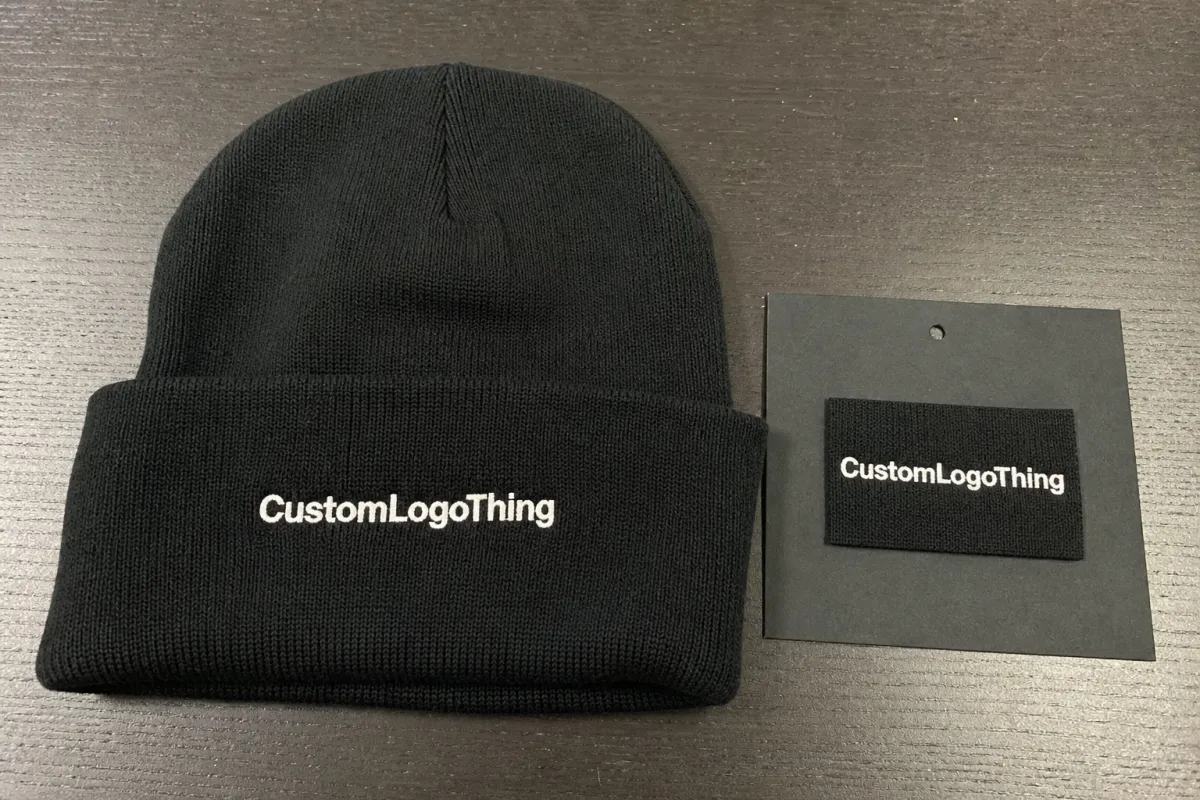
A supplement brand may spend three weeks tightening tub labels, flavor names, disclaimer language, scoop graphics, and compliance copy, then approve a beanie proof in five minutes. That order of attention is backwards. A supplement Logo Patch Beanies digital proof checklist slows the approval down just enough to catch placement, scale, material, and legibility problems before the order moves into patch production, sewing, packing, and freight.
The beanie may be the item customers actually wear in public. Labels sit on shelves, in gym bags, or on kitchen counters. A cuffed knit beanie with a clean logo patch moves through gyms, expos, college campuses, outdoor events, retail counters, and social photos. If the patch is too large, too high, hard to read, or slightly crooked, people notice even when they cannot name the flaw.
A digital proof is not merely a mockup. In production terms, it becomes the working agreement between buyer and manufacturer. It should define artwork size, patch shape, logo orientation, thread colors or print colors, knit color, attachment method, and placement reference. A proof specifying a 2.25-inch woven patch centered on the front cuff with a merrowed edge is not interchangeable with a 3-inch faux leather patch heat-applied low on a rib knit cuff.
Beanies also behave differently than flat packaging. Paperboard cartons and pressure-sensitive labels stay mostly flat during approval, converting, and display. Knit stretches. Cuffs roll differently from one wearer to another. Rib direction can pull a patch visually left or right. A patch that looks perfectly centered on-screen may sit too high on the forehead once worn, or sink into the fold if the cuff height is ignored.
For supplement founders, marketing teams, gym retail buyers, and procurement teams, the goal is simple: branded merch should feel intentional. Not rushed. Not like a giveaway assembled after the main launch work was finished. The proof gives everyone a shared way to approve the details before yarn, patches, labor, and shipping dollars are committed.
What the Digital Proof Should Show Before You Approve
A good beanie proof should answer the questions a production floor will ask before anyone touches material. What color is the beanie? Is it cuffed, uncuffed, rib knit, waffle knit, acrylic, wool blend, or recycled polyester blend? Where does the patch go? What size is the patch? Which logo file is being used? Is the decoration woven, embroidered, debossed, printed, molded, sewn, or heat-applied?
At minimum, the proof should show a front view, a cuff view if the beanie has a fold, patch dimensions in inches or millimeters, logo orientation, patch material, beanie color, thread or imprint colors, and application location. If the supplier can include a side reference or seam reference, even better. A simple note such as “patch centered on front cuff, bottom of patch 0.50 inch above cuff edge” prevents a surprising amount of confusion.
Readable scale matters more than many buyers expect. Supplement logos often include leaf shapes, lightning marks, molecular motifs, shield icons, condensed type, tiny trademark symbols, or taglines such as “performance nutrition” and “clean energy.” Those details may look crisp when the proof is zoomed to 300% on a monitor. On a 2-inch patch, some can close up, fill in, or disappear into the material texture.
Patch type changes the conversation. Woven patches are often a strong option for fine detail because the threads create a flatter, tighter image than standard embroidery. Embroidered patches give a raised textile feel, but tiny lettering may need simplification. Faux leather patches can look premium with debossed or printed one-color branding, especially on charcoal, oatmeal, navy, olive, or black beanies. PVC or rubber patches create a sportier look and can suit gym-focused brands. Printed fabric patches help when full-color gradients or multiple logo colors must be preserved.
The proof should also identify how the patch is attached. Sewn patches usually give a traditional, durable edge and are common for woven, embroidered, and fabric patches. Heat-applied patches can reduce visible stitching, but adhesive and knit compatibility need to be right. Faux leather may be sewn, heat pressed, or sometimes riveted depending on design and thickness. Attachment affects edge appearance, wash behavior, stretch, and how the beanie feels against the forehead.
Supplement Logo Patch Beanies Digital Proof Checklist
Use this supplement Logo Patch Beanies digital proof checklist line by line before approving production. It is not meant to make the order feel complicated. It protects the brand, schedule, and budget from avoidable mistakes.
- Logo file: Confirm the proof was built from the final vector file, such as AI, EPS, or clean PDF artwork, not a compressed screenshot or copied web graphic.
- Patch shape: Check whether the patch is rectangle, square, oval, circle, shield, die-cut, or custom shape, and confirm corners, curves, and borders match the brand style.
- Patch size: Look for exact dimensions, such as 2.25 x 1.25 inches or 60 x 35 mm, rather than vague wording like “standard patch.”
- Beanie color: Confirm the knit color name and reference, especially for black, cream, olive, heather gray, safety orange, and other shades that vary by supplier.
- Cuff height: Review the visible cuff area, commonly around 2.5 to 3.5 inches on many cuffed beanies, because patch proportion depends on that space.
- Placement from edge: Ask for a measurement from the cuff bottom, seam, or fold line, such as 0.375 inch or 0.50 inch, instead of relying only on visual centering.
- Color matching: Check Pantone, thread, yarn, PVC, leather, or printed material references where available.
- Spelling and marks: Verify brand name, product family name, registered marks, trademark symbols, capitalization, spacing, and punctuation.
- Artwork orientation: Confirm the logo is not rotated, mirrored, stretched, squeezed, or rebuilt with a substituted font.
- Revision number: Approve only the latest dated proof, with the current quote and written notes attached.
Compare the proof against the original vector logo. That one habit catches a large share of proofing errors. Fonts can change during file conversion. Sharp corners can soften. Tiny icon details can be simplified without anyone intending to alter the brand. A low-resolution file may force the art team to rebuild the mark, and rebuilding always introduces risk.
Color deserves its own pause. Screen color is only an approximation unless a physical swatch, thread card, material sample, or pre-production sample has been reviewed. Pantone references help, but threads, yarns, faux leather, and PVC compounds do not reflect light the same way ink does on coated paper. A neon green supplement logo may look electric on a label, then look duller in woven thread. Matte black on black can look premium in a studio render and nearly invisible in real light.
Do the actual-size test. Print the proof at 100% scale or view it on-screen with the patch dimensions matched to real size. Step back six to eight feet. Can you still read the brand name? Does the icon still look like the icon? Does the patch feel balanced against the cuff, or does it dominate the entire front of the beanie?
Proof approval tip: If the logo only looks good when everyone is zoomed in on a laptop, it is not ready for a beanie patch.
Wearability is the last practical check. The patch should land on the front cuff where the knit sits reasonably flat. It should avoid seam bulk, heavy rib distortion, and fold areas that will hide the lower edge. A checklist works best when marketing, operations, and the final approver all review the same file version instead of scattering comments across separate email threads.
Process and Timeline From Artwork Upload to Finished Beanies
The normal flow is direct: the buyer sends the logo and beanie preferences, the manufacturer reviews the artwork, a digital proof is created, the buyer requests revisions or approves, materials are prepared, patches are produced, patches are applied, and finished beanies are inspected, packed, and shipped.
Digital proof timing is one of the first schedule gates. If the logo file is clean, the beanie style is chosen, and the patch type is clear, the first proof can often be prepared quickly. In many custom merch programs, one to three business days is a reasonable expectation for an initial digital proof, though that depends on order complexity and the supplier’s current queue. Unclear files, missing color references, multiple logo versions, and slow internal reviews can add days before production even starts.
Several timeline factors matter more than buyers expect. Patch type is a major one. Woven and embroidered patches may need digitizing or loom setup. PVC patches may involve mold or tooling considerations. Faux leather patches can require debossing dies, print setup, or cutting setup. Order quantity affects production time, but blank beanie availability can matter even more. A 500-piece order using stocked black acrylic beanies is very different from a 5,000-piece run needing a custom knit color.
Here is a practical planning range, assuming artwork is usable and the buyer replies quickly:
| Order Stage | Typical Range | What Can Slow It Down |
|---|---|---|
| Artwork review and first digital proof | 1-3 business days | Low-resolution logos, missing Pantone references, unclear patch type |
| Proof revisions | 1-2 business days per round | Multiple stakeholder reviews, conflicting comments, size changes |
| Patch production | 5-12 business days | Detailed woven art, PVC tooling, specialty materials, high color count |
| Application and packing | 3-7 business days | Large quantities, hang tags, individual polybags, carton labeling |
| Transit | 2-10 business days or more | Destination, freight method, customs, split shipments |
A digital proof and a pre-production sample are not the same tool. The digital proof confirms layout and specifications visually. A physical sample confirms material feel, stitch quality, patch flexibility, true color behavior, and how the patch sits on the cuff under tension. If the beanies are tied to a supplement drop, gym event, ambassador kit, trade show, or winter retail push, approval time should be built into the launch calendar.
Fast approvals help. Rushed approvals can hurt. Missing one placement detail may cost more time than taking an extra hour to check the proof against the quote, logo file, and ship date.
Cost, Pricing, MOQ, and Quote Details to Confirm Early
Pricing for custom Logo Patch Beanies is driven by several moving parts: beanie style, yarn quality, knit construction, patch material, patch size, number of logo colors, attachment method, quantity, packaging, and shipping destination. A basic acrylic cuffed beanie with a small woven patch sits in a different cost lane than a recycled yarn beanie with a custom PVC patch, hang tag, individual bag, and retail carton packing.
MOQ matters because setup, art preparation, patch production, and labor are spread across the order. A small run may be useful for testing a new supplement flavor launch, gym affiliate program, or ambassador kit. A larger run usually lowers the per-piece price because the fixed work is divided across more units. Not always. Specialty materials, custom colors, and complex packing can keep costs higher even at larger quantities.
As a general planning range, many patch beanie projects land somewhere between $6.50 and $14.00 per unit at moderate quantities, depending on decoration and blank quality. Smaller test runs may price higher. Large programs can improve, especially with stocked beanies, one patch position, and simple packing. Freight is a real number too; winter knit items are bulky compared with labels, cartons, or flat pouches.
| Patch Style | Best Fit | Typical Cost Behavior | Proofing Watchout |
|---|---|---|---|
| Woven patch | Detailed supplement logos, small type, clean edges | Often mid-range; color count and size affect cost | Fine lines can still fill in if the patch is too small |
| Embroidered patch | Bold marks, simple icons, classic merch look | Usually economical to mid-range | Tiny taglines may need to be removed or enlarged |
| Faux leather patch | Premium one-color branding, outdoor or lifestyle positioning | Often mid-range; debossing and print add variables | Low contrast can disappear on darker beanies |
| PVC or rubber patch | Gym, endurance, tactical, or sport-driven brands | Often higher due to molding and material setup | Gradients and very fine detail usually need simplification |
| Printed fabric patch | Full-color graphics, gradients, complex artwork | Can be efficient for color-heavy art | Edge finish and wash durability should be confirmed |
Ask what the quote includes. Proofing, setup, patch production, patch application, polybagging, hang tags, carton packing, and freight should be clear line items or clearly included. Two quotes can look far apart until one includes packing and the other does not. For teams comparing suppliers, a consistent specification sheet helps more than a chain of casual messages.
Revision policy also belongs in the early conversation. One or two proof revisions may be included. Repeated changes can affect schedule. Changes after approval can affect both schedule and cost, especially if patches have already been produced. The cheapest option is not always the lowest-risk option if the logo becomes unreadable, the patch feels stiff, or the placement makes the beanie look like a low-grade giveaway.
If your team is planning more than one merch item, review decoration and packing options through Manufacturing Capabilities so beanie specs, labels, bags, inserts, and shipment requirements can be organized in one production conversation.
Common Proofing Mistakes That Make Patch Beanies Look Off
The most common mistake is approving the patch from a large on-screen view. A 2-inch patch viewed at 8 inches wide on a monitor can make almost any logo look clean. Then the actual patch arrives, and the small lettering is tight, the linework is crowded, or the contrast is weaker than expected.
Placement mistakes are next. A patch can be centered in the mockup but still not be positioned well relative to the cuff edge, rib direction, seam location, or curve of the forehead. On many cuffed beanies, moving the patch by 0.25 inch changes the visual balance. Too low can look cramped. Too high can look like the patch is floating.
Color mistakes deserve respect, especially for supplement brands. Neon greens, metallic silvers, matte blacks, bright whites, and gradient-heavy logos do not translate directly into thread, leather, PVC, or woven material. A logo that depends on a chrome effect may need a flat silver-gray substitute. A gradient flame may need two or three solid tones. A white logo on cream knit may need a border to hold contrast.
Artwork complexity is another trap. Tiny taglines, claims, flavor callouts, micronutrient icons, and fine outlines often belong on a label, not a small beanie patch. This is where many programs drift off course: they try to move the entire supplement label identity onto a patch instead of choosing the strongest brand mark. The better merch version is usually simpler.
Spelling and symbol checks sound basic because they are. They still matter. Check the brand name, registered symbols, trademark marks, capitalization, spacing, and letterforms. Once patches are produced and sewn to beanies, a typo is not a small edit. It is a remake, a delay, or an uncomfortable decision to ship something that should have been caught.
Internal approval confusion creates quiet waste. Marketing may approve one proof. Product may comment on another. An executive may reply to an older email thread. The clean method is to appoint one proof owner, gather all comments, and approve one dated revision. The supplement logo patch beanies digital proof checklist gives that person a practical sign-off path instead of relying on memory.
For shipping and retail programs, it also helps to think beyond the beanie itself. Carton strength, pack count, pallet configuration, and transit handling can affect how goods arrive. Standards from groups such as the International Safe Transit Association are useful references for distribution testing, while forest-based packaging claims should be checked against credible programs such as the Forest Stewardship Council if paper hang tags or cartons carry sustainability messaging.
Next Steps Before You Sign Off and Send to Production
Before approval, gather the final vector logo, confirm the beanie style and color, choose the patch material, check actual patch size, verify placement, and compare the proof against the written quote. Keep the process plain. The more precise the approval package, the less room there is for interpretation on the production side.
Ask the manufacturer three direct questions before signing off. First, which file or proof version will production use? Second, what tolerances should I expect on placement and color? Third, what date does approval need to happen to protect the requested ship date? Reasonable tolerances vary by process, but a small placement variation on flexible knit goods is normal. Absolute perfection, down to a hairline, is not how textile decoration behaves.
Save the approved proof, quote, and written revision notes together in one folder. That small administrative habit helps repeat orders. If the winter campaign works and the team wants another run in a new knit color, the next order can start from a clean reference instead of digging through months of email attachments.
Order a physical sample or pre-production sample if the beanies are for retail sale, influencer kits, franchise locations, or a high-visibility supplement launch. The sample is especially useful if the brand color is strict, the patch material is new to the team, or the beanie must match other merch pieces such as hoodies, shaker bottles, cartons, or hang tags. For larger branded programs, Custom Logo Things can also help align merch specifications with broader packaging and decoration needs through custom manufacturing capabilities.
A final proof review is not about slowing the order down. It is the last practical inspection before yarn, patches, labor, packing, and shipping costs are locked in. The brands that get this right tend to make quieter decisions: fewer revisions, fewer surprises, fewer arguments about what was approved. That is the point. A small beanie patch has a narrow margin for error, and the proof is where most of that error is cheapest to remove.
FAQ
What should be included in a supplement logo patch beanies proof before approval?
The proof should show the beanie color, patch shape, patch dimensions, logo artwork, placement on the cuff or body, color references, attachment method, revision number, and any notes tied to the quote. For supplement brands, it should also confirm that small marks, taglines, icons, and fine type remain readable at actual patch size.
Is a digital proof enough for custom supplement beanies, or do I need a sample?
A digital proof is usually enough to confirm layout, size, and basic specifications, but it cannot fully show texture, stretch, patch stiffness, or exact color under real lighting. A physical sample is worth considering for retail beanies, high-quantity orders, premium ambassador kits, or any launch where the beanie must match a strict brand standard.
How do I check logo size on patch beanies before production?
Ask for the patch size in inches or millimeters, then view or print the proof at actual size instead of judging the enlarged screen image. Step back a few feet and check whether the brand name is readable, whether the icon still looks clean, and whether the patch feels balanced against the cuff height.
What patch type works best for detailed supplement logos on beanies?
Woven patches are often a strong choice for detailed logos because they can hold finer lines than standard embroidery in many cases. Embroidered patches work well for bolder marks, faux leather suits clean one-color branding, and PVC or rubber patches can create a durable athletic look for gym-focused supplement brands.
Can proof revisions change the cost or turnaround for logo patch beanies?
Small proof revisions made before approval usually affect timing more than cost, especially if the changes involve placement, size, or minor artwork cleanup. Changes made after approval, after patches are produced, or after beanies are in application can add cost, delay production, or require remaking materials.


