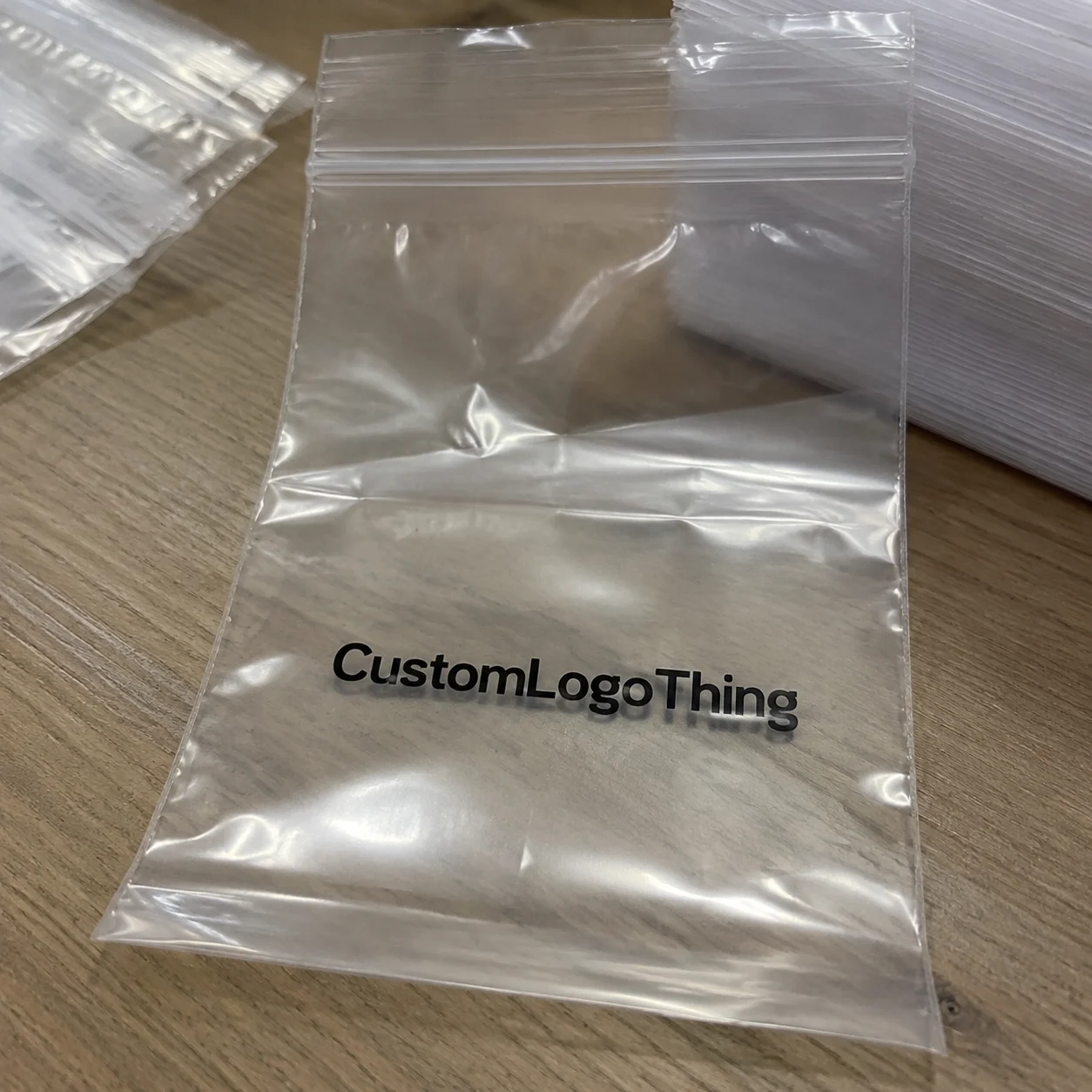
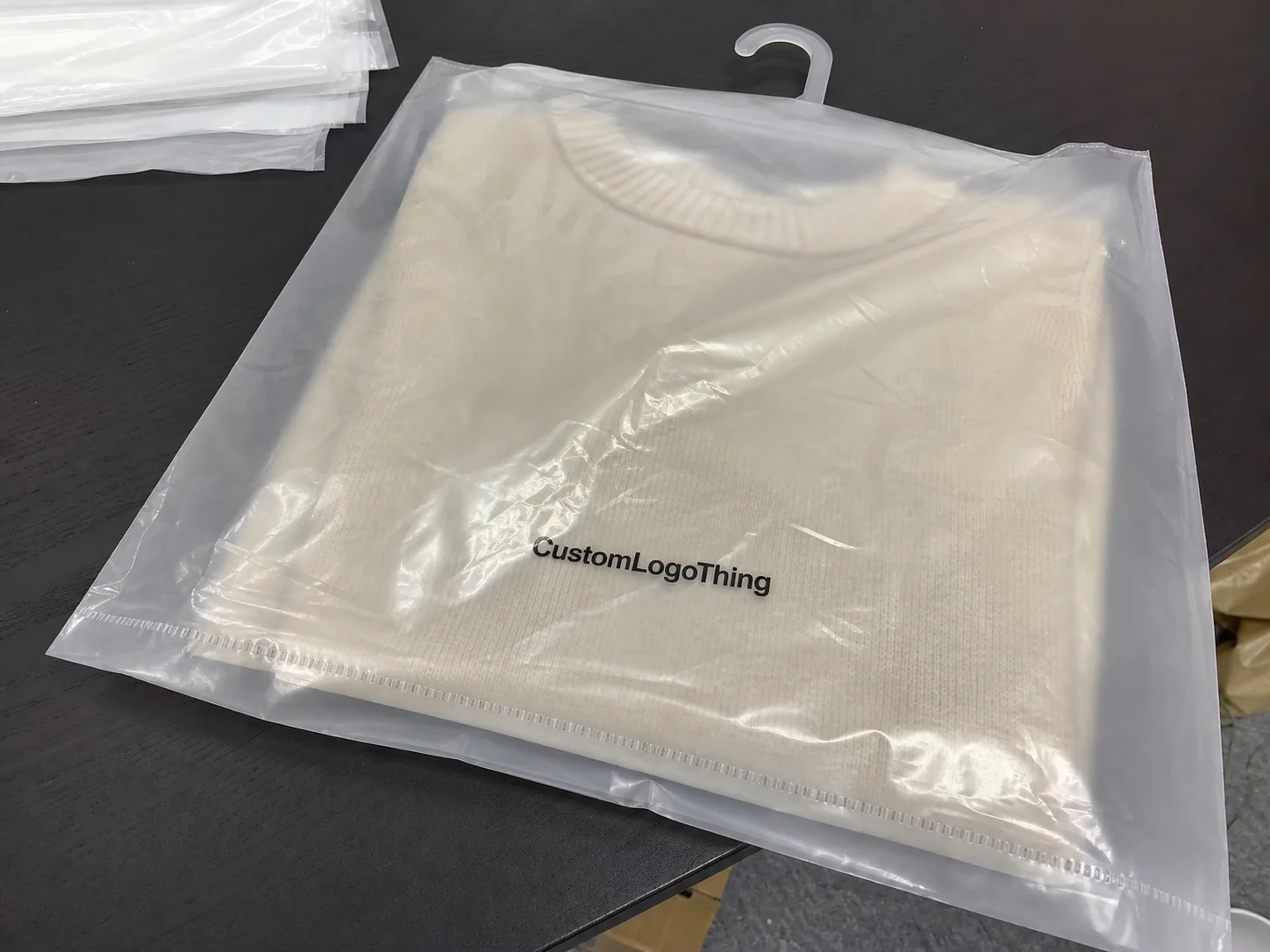
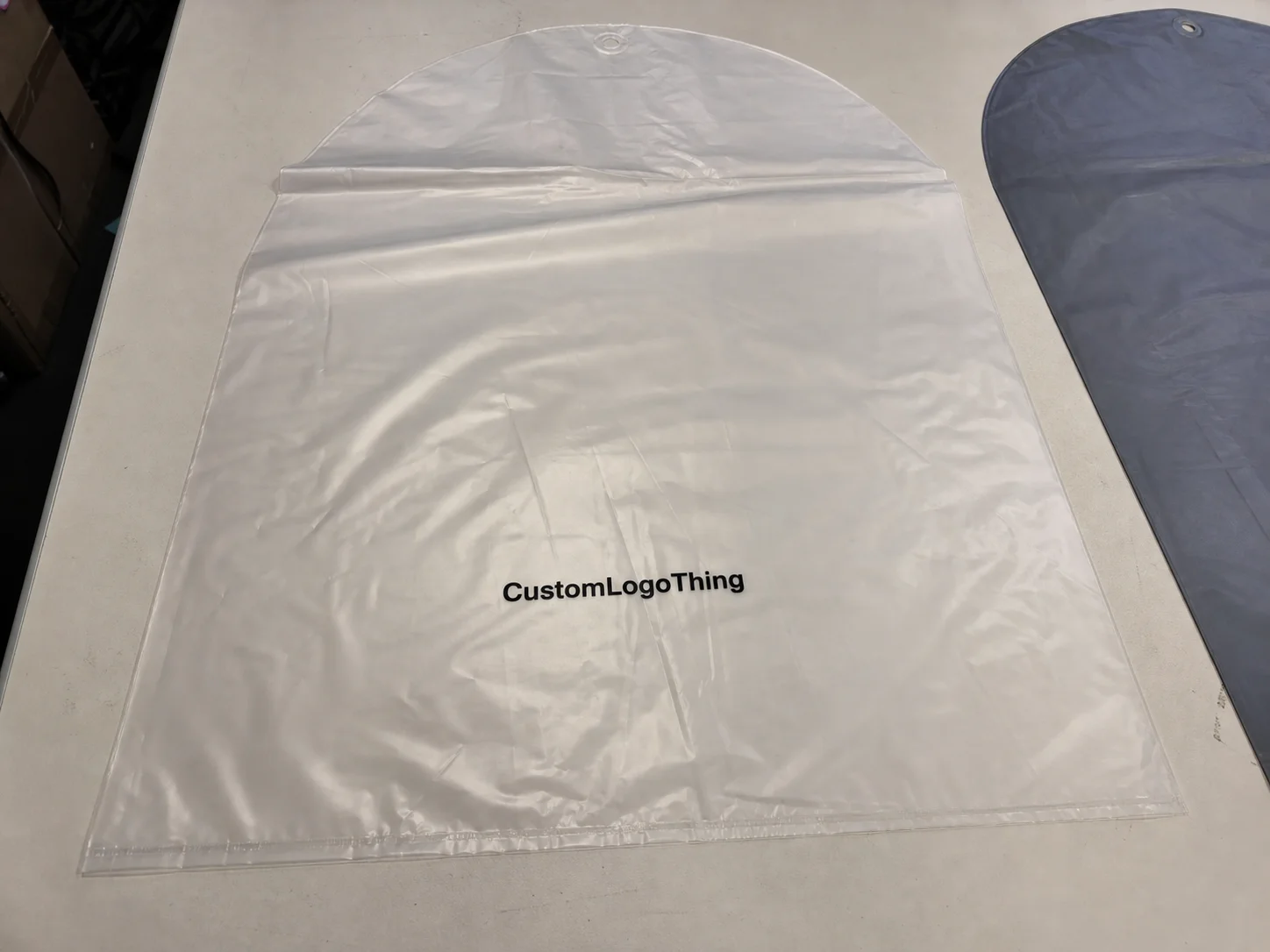
Buyer Fit Snapshot
| Best fit | Sustainable Cosmetic Packaging Work projects where brand print, material claims, artwork control, MOQ, and repeat-order consistency need to be specified before quoting. |
|---|---|
| Quote inputs | Share finished size, material target, print colors, finish, packing count, annual reorder estimate, ship-to region, and any compliance wording. |
| Proofing check | Approve dieline scale, logo placement, barcode or warning zones, color tolerance, closure strength, and carton packing before bulk production. |
| Main risk | Vague material claims, crowded artwork, missing packing details, or unclear freight terms can make a low unit price expensive after revisions. |
Fast answer: Sustainable Cosmetic Packaging Work: Retail Fit, Compliance Space, Print, and Cost should be specified like a repeatable production item. The safest quote records material, print method, finish, artwork proof, packing count, and reorder notes in one written spec.
Production checks before approval
Compare the actual filled-product size with the drawing, then confirm tolerance on folds, seals, hang holes, label areas, and retail display edges. Reserve space for logos, QR codes, warning copy, and material claims before decorative graphics fill the panel.
Quote comparison points
Review material grade, print process, finish, sampling route, tooling charges, carton quantity, and freight assumptions side by side. A quote is only useful when the supplier can repeat the same color, closure quality, and packing count on the next order.
Sustainable Cosmetic Packaging Trends: Why Beauty Brands Are Rewriting the Rules
Retail audits keep revealing the same uncomfortable pattern: shoppers say sustainability matters, then spend roughly 10–20 seconds at shelf and still can’t tell which jar is genuinely better for the planet. NielsenIQ and McKinsey have both reported sustainability attributes influencing purchase intent at double-digit levels, yet on-pack communication is still muddy. That disconnect explains why sustainable cosmetic packaging trends 2024 matter right now—not as branding theater, but as operating strategy.
I remember standing in a Boots aisle with a founder last spring, timing real shoppers on my phone like a complete packaging nerd (yes, I got odd looks, and yes, I deserved them). Most people scanned, squinted, shrugged, moved on. That founder changed one component and nothing else: virgin PP inner tray to 60% PCR PP, same glass jar, same cap. Unit cost rose from $0.71 to $0.79 at 20,000 units. She expected a mild PR ripple and got a 9.4% repeat-order increase across two reorder cycles because her team paired the material change with direct disposal instructions and a QR explainer. No chest-thumping. Just clearer communication plus credible material choices.
In plain language, sustainable cosmetic packaging trends 2024 means making packaging decisions that improve outcomes across the full lifecycle: less virgin material, better recycled feedstock quality, lower transport emissions, strong performance in real use (no leaks, no spoilage), and a realistic end-of-life route such as curbside recycling, take-back, or refill reuse. A bamboo cap does not earn a sustainability win if the inner insert is mixed resin and unrecyclable in your top markets.
Honestly, I think teams sometimes get seduced by aesthetics and miss the math.
Another early mistake is treating sustainability as a single material swap. High-performing programs combine packaging design, filling-line constraints, shipping durability, claim substantiation, and real customer behavior. If components can’t be separated quickly, a “recyclable” claim can be technically true and practically weak, and customers absolutely notice that gap.
From Los Angeles to Shenzhen, the strongest sustainable cosmetic packaging trends 2024 programs follow one rule: system thinking beats symbol thinking. Symbol thinking gives you a leaf icon. System thinking gives you lighter bottle weight, mono-material pump strategy, verified PCR certificates, ISTA transit testing, and disposal icons people can decode at a glance.
This guide breaks down mechanics, costs, timelines, and common failures with real numbers. You’ll see how sustainable cosmetic packaging trends 2024 behave inside supply chains, where budgets stretch or contract, which tests are non-negotiable, and how to run a practical 90-day rollout using one hero SKU. You’ll also see where Custom Packaging Products can support scale in branded packaging, retail packaging, and Custom Printed Boxes without forcing unnecessary tooling risk.
How Sustainable Cosmetic Packaging Trends Work in Real Supply Chains
Keep one framework close: sourcing → conversion → filling → distribution → consumer use → disposal or recovery. Strong sustainable cosmetic packaging trends 2024 programs improve at least three of those six stages, not just one.
Cosmetics usually concentrate impact in four hotspots: resin selection, decoration chemistry, transport weight, and secondary packaging volume. In one skincare review I supported, a 50 ml bottle carried about 37% of its packaging carbon footprint in freight emissions from high-weight glass on a China-to-EU lane. A 22-gram lightweight redesign cut pallet weight enough to lower freight cost by about $0.04 per unit at 80,000 pieces. Tiny gram reductions can look boring in a deck, then quietly save five figures.
Validation separates disciplined teams from hopeful teams. For sustainable cosmetic packaging trends 2024, documentation should include:
- PCR declarations with batch traceability and supplier affidavit percentages (for example, 50% PCR PET verified by lot).
- Recyclability assessment aligned to market realities and design-for-recycling guidance (APR, RecyClass, or equivalent frameworks by region).
- Compostability claims tied to recognized standards such as EN 13432 or ASTM D6400 where relevant, not vague “biodegradable” wording.
- Chain-of-custody certifications for fiber inputs, often checked through FSC.
Supplier meetings can sound convincing and still hide risk. I’ve seen converters pitch “100% recyclable” lipstick tubes while metallized coatings contaminated sorting streams in major EU markets. Switching to an uncoated PP mono-material format with adjusted in-mold labels removed claim risk and cut rework time. I wish I could say this was rare. It’s not.
The trade-off triangle never disappears: sustainability, aesthetics, performance. Push one corner too hard and another can crack. Matte varnish can hurt recyclability. Aggressive lightweighting can fail e-commerce drop tests. Refill pouches can reduce plastic significantly while increasing oxygen ingress if barrier structure is wrong for vitamin C formulas, which is exactly the kind of surprise that ruins a Friday.
Sustainable cosmetic packaging trends 2024 that repeatedly perform include mono-material formats, refill systems with durable outer shells, targeted lightweighting, concentrated or waterless formats, and paper-plastic hybrids designed for easy separation. Related market language also points to eco-friendly beauty packaging, circular packaging economy models, and post-consumer recycled (PCR) packaging standards moving into mainstream prestige and masstige tiers.
Transit reliability needs early planning. Align with ISTA protocols early, especially for DTC programs above 15,000 monthly shipments. A 3% leak rate and reverse-logistics waste can erase hard-won sustainability gains fast. I’ve watched teams spend months shaving plastic grams, then lose the whole advantage to avoidable transit failures.
Practical takeaway: treat sustainable cosmetic packaging trends 2024 as operations engineering first, then layer in marketing discipline.
Key Factors to Evaluate Before Choosing Sustainable Cosmetic Packaging Trends
Formula compatibility sits at the top of the list. Argan-heavy serums can stress-crack PETG under elevated heat. Essential oil blends can swell certain elastomer gaskets and trigger micro-leaks in airless systems. Any sustainable cosmetic packaging trends 2024 choice should pass compatibility testing at room temperature and accelerated conditions before artwork lock. No exceptions.
Regulatory language creates another failure point. Brands selling across the EU, UK, and US face different expectations for disposal claims and proof standards. Saying “recyclable” without component-level clarity can trigger retailer pushback or formal complaints. Claim matrices by market, SKU, and component reduce risk. Keep approved wording in a controlled document tied to legal review version numbers. Bureaucratic? Kinda. Useful? Very.
Customer behavior is measurable, not theoretical. One client launched refill pods with a projected 31% adoption rate. Quarter one landed at 12.6%. Root cause: text-heavy instructions hidden under the base. We moved to icon-led front-facing guidance plus a QR video, and adoption rose to 19.8% in the next cycle. Sustainable cosmetic packaging trends 2024 succeed when friction drops below roughly 10 seconds of effort.
Brand fit still matters. Premium positioning depends on tactile cues—closure sound, weight balance, coating feel. Eco messaging alone can weaken perceived efficacy if physical experience feels cheap. Founders tell me all the time, “We saved plastic and lost shelf presence.” Recovery usually comes from sharper package branding, deboss depth tuning, and clearer typography hierarchy on product packaging, not from reversing materials.
Operational constraints can kill good concepts quietly: MOQs, lead times, print limitations, supplier consistency. A mono-material pump with 100,000 MOQ may be unrealistic for an indie brand moving 3,500 units a month. A paper tube may look excellent in offset and blur in digital short runs. On one project, consolidating from two suppliers to one integrated converter reduced lead-time variance from ±18 days to ±6 days and made launch planning far more predictable.
Five questions should be answered before approving any sustainable cosmetic packaging trends 2024 concept:
- Will formula and package remain stable for target shelf life (often 18–24 months)?
- Can every environmental claim be backed by documents and test data?
- Can customers dispose, refill, or separate components correctly in our top three markets?
- Do MOQ and lead times match forecast and cash-flow reality?
- Does the pack still deliver the intended shelf and in-hand brand experience?
Cost and Pricing Breakdown: What Sustainable Cosmetic Packaging Really Costs
Let’s put real numbers on the table. Most sustainable cosmetic packaging trends 2024 projects include tooling, unit materials, decoration, assembly, freight, warehousing, testing, and sometimes reverse logistics. Brands that compare only unit price usually get surprised later. I say this with affection and mild frustration because I’ve had this exact conversation too many times.
I recently modeled three options for a 50 ml moisturizer pack at 10k, 50k, and 100k units. At 10k, the sustainable route looked expensive. At 100k, the gap narrowed quickly as tooling and setup were amortized.
| Packaging Option | 10,000 Units (Total / Unit) | 50,000 Units (Total / Unit) | 100,000 Units (Total / Unit) | Notes |
|---|---|---|---|---|
| Baseline: Virgin PET jar + ABS cap + carton | $11,800 / $1.18 | $49,500 / $0.99 | $92,000 / $0.92 | No new tooling, standard silk print |
| PCR upgrade: 50% PCR PET jar + PP cap + right-sized carton | $12,900 / $1.29 | $53,000 / $1.06 | $97,000 / $0.97 | Includes compatibility and claim review |
| Refill system: Durable outer jar + refill cup | $16,700 / $1.67 | $66,500 / $1.33 | $118,000 / $1.18 | Higher setup, better repeat economics on refills |
Hidden costs often missed during sustainable cosmetic packaging trends 2024 planning:
- Compatibility testing: typically $2,500–$8,000 per SKU depending on protocol depth.
- Claim substantiation and legal review: $1,000–$4,000 for multi-market language control.
- Failure and rework buffer: 1.5%–4% of packaging budget on early runs.
- Transit testing and redesign cycles: often 2–6 weeks if the first round fails.
Skipping these items to “save money” usually costs more later. One brand avoided a $3,200 extended pump compatibility test. Six months later, actuator sticking drove a 2.7% return spike and a retailer penalty above $22,000. That is false economy with a neon sign on it.
Savings are still very real. Lightweighting can cut freight by $0.02–$0.08 per unit depending on route and cube utilization. Fewer components can reduce assembly labor by 8–15 seconds per unit. Refill programs can improve customer lifetime value when convenience is strong; in one DTC skincare case, refill subscribers reordered 1.4x more frequently after month three.
For sustainable cosmetic packaging trends 2024, build total cost of ownership models at 10k, 50k, and 100k with three demand scenarios: conservative, expected, aggressive adoption. Include return-rate assumptions and refill uptake. Numbers settle arguments quickly and prevent dramatic Slack debates.
If you’re sourcing custom printed boxes while redesigning components, lock specifications early—350gsm C1S board, water-based coating, die-line tolerances under ±0.5 mm—so primary and secondary workstreams don’t drift out of sync.
Step-by-Step Implementation Timeline for Sustainable Cosmetic Packaging Trends
The first question most teams ask is simple: how long will this take? For sustainable cosmetic packaging trends 2024, timelines track with complexity. A straightforward component substitution can close in 8–14 weeks. A full refill ecosystem may require 24–40 weeks including testing and education assets.
Phase 1: Discovery (Weeks 1–3)
Baseline current packaging footprint by SKU. Pull unit weights, resin types, decoration methods, damage rates, and freight lanes. Prioritize the top 20% of SKUs driving 70–80% of volume. In one portfolio audit, three SKUs represented 62% of packaging emissions due to heavy glass and oversized cartons. I usually start there because guessing is expensive.
Phase 2: Design and Supplier Alignment (Weeks 4–8)
Shortlist two to four concepts per hero SKU. Evaluate materials, closure compatibility, and claim language together in one review. Splitting approvals across separate meetings routinely causes delays; I’ve seen 19 days lost between procurement and brand sign-offs. Strong sustainable cosmetic packaging trends 2024 execution uses one cross-functional gate review.
Phase 3: Testing (Weeks 9–16)
Run compatibility, transit testing, and shelf simulation before volume lock. Typical stacks include leak tests, compression checks, temperature cycling, and drop tests matched to shipment profile. Heavy e-commerce brands should add ISTA profiles early. Active ingredients sensitive to oxygen or light need barrier verification from lab data, not assumptions. If someone says “it should be fine,” ask for data anyway.
Phase 4: Pilot Launch (Weeks 17–22)
Launch a limited batch—often 3,000 to 10,000 units—through one channel first. Track clear KPIs: damage rate under 1.2%, refill adoption above 15%, repeat purchase movement, return reasons, and support tickets linked to disposal confusion. Sustainable cosmetic packaging trends 2024 pilots fail most often when KPI definitions are fuzzy.
Phase 5: Scale and Operational Lock (Weeks 23+)
Once pilot data validates the concept, lock supplier terms for lead-time stability, quality thresholds, and material transparency updates. Update SOPs for fulfillment, customer service scripts, and retail training cards. If your retail packaging includes shelf trays or tester units, revise those specs too so channel execution stays aligned.
During a Dongguan factory-floor visit, we found a tiny issue with major downstream impact: refill cup snap force varied by 18% across two cavity tools. First-use frustration followed. Tightening dimensional tolerances and adding in-line force checks every 500 units solved it. Small process details decide whether sustainable cosmetic packaging trends 2024 stick or stall.
Simple swap example: virgin HDPE to 30% PCR HDPE using an existing mold, with minor color adjustments, can finish in roughly 10–12 weeks from brief to first production run. Complex refill example: new outer-component tooling, refill insert, instructional assets, and omnichannel rollout can take 7–10 months depending on vendor capacity and regulatory pathways.
Need a practical supplier starting point? Review formats through Custom Packaging Products and map options against top-selling SKU dimensions, filling-line speeds, and target claims before requesting final quotes.
Common Mistakes Brands Make with Sustainable Cosmetic Packaging Trends
Mistake one is vague green language. “Eco-friendly” without evidence invites skepticism and legal exposure. In sustainable cosmetic packaging trends 2024, specificity builds trust: “Bottle made with 50% post-consumer recycled PET; cap not yet recyclable in all areas; remove pump before recycling where accepted.” Less flashy, far more credible.
Mistake two is choosing trendy materials that fail against real formulas. I’ve tested “compostable” films that warped in humid bathrooms and paper tubes that absorbed oils over time. If a pack leaks by week eight, sustainability messaging won’t rescue consumer trust. Compostable sounds great in a pitch deck, sure, but chemistry doesn’t care about the pitch deck.
Mistake three is weak instruction design. One brand printed refill steps in 5-point type under the base label. Return-related messages spiked within three weeks. A redesign with three icon panels on the outer carton plus QR micro-video cut support tickets by 26% month over month.
Mistake four is launching without operations buy-in. Teams pilot packs without procurement, fulfillment, or retail partner alignment, then blame materials when execution fails. In one case, a refill pilot underperformed mainly because warehouse pick paths did not separate refill SKUs from full kits, pushing shipment errors above 4%.
Mistake five is treating packaging as an isolated project. Real sustainable cosmetic packaging trends 2024 gains often depend on product format and logistics adjustments too. Concentrated formulas, right-sized shippers, and coordinated merchandising can produce larger improvements than material swaps alone.
“We thought switching to paper labels was the sustainability win. The real win was reducing our component count from six pieces to four and cutting fulfillment mistakes in half.” — Operations lead, mid-size skincare brand, 48k monthly units
Blunt truth: the market does not reward performative sustainability for long. It rewards packs that work, claims that hold up under scrutiny, and experiences customers can repeat without friction.
Expert Tips and Action Plan: Your Next 90 Days with Sustainable Cosmetic Packaging Trends
Start narrow. Pick one hero SKU and one measurable goal. For sustainable cosmetic packaging trends 2024, a clear target beats broad ambition every time. Good targets include reducing virgin plastic by 25%, cutting package weight by 15 grams, or reaching 18% refill adoption in one channel. Teams that try to fix everything in one quarter usually burn out and stall.
Build a supplier scorecard using hard metrics:
- Material transparency (PCR documentation turnaround within 5 business days)
- Quality consistency (AQL targets, defect rates under agreed threshold)
- Lead-time reliability (on-time delivery above 92%)
- Innovation cadence (new format proposals per quarter)
- Audit readiness (certification status and traceability processes)
Create a claim-proof folder before launch. Include lab results, recyclability notes by region, legal-approved claim language, and artwork versions. I usually require the folder complete at least 12 business days before final print sign-off. That one habit has saved me from more last-minute chaos than I care to admit.
Run a 4–8 week A/B test. Compare standard versus updated pack on conversion, repeat purchase, return rate, and support contacts. For one moisturizer line with 18,000 monthly site visitors, the sustainable version raised conversion by 6.1% and reduced damage returns by 0.8 percentage points after carton resizing.
Publish disposal or refill instructions both on-pack and online. Use icons, short verbs, and QR support. The gap between claimed and real outcomes in sustainable cosmetic packaging trends 2024 often comes down to instruction quality, not material science.
Practical checklist you can execute immediately:
This Week
- Identify one hero SKU and baseline current packaging cost, weight, and damage rate.
- Request two alternative specs from suppliers (for example, PCR and lightweight variants).
- Draft claim language and send for legal and regulatory review.
- Audit on-pack instructions for readability and icon clarity.
This Quarter
- Prototype and test one selected concept with formula compatibility and transit checks.
- Pilot in one channel with a KPI dashboard (conversion, returns, repeat rate).
- Refine from feedback and lock scale plan for the next production window.
- Coordinate with Custom Packaging Products for consistent branded packaging execution across primary and secondary formats.
Final point: sustainable cosmetic packaging trends 2024 is not a hunt for perfect materials. It’s the work of building credible, test-backed systems customers can understand and use correctly. Your actionable next move is simple: choose one high-volume SKU this week, set one quantified target, and commit to a test-and-proof cycle before scale. If the next update lowers impact, protects formula integrity, and improves customer confidence, you’re ahead of a large part of the market. And if the first prototype flops? Welcome to packaging. Iterate, document, improve, repeat.
What Are the Top Sustainable Cosmetic Packaging Trends 2024 for Brands?
The most effective sustainable cosmetic packaging trends 2024 combine impact reduction with operational realism. Across audited launches, the leaders are: mono-material components that simplify recycling streams, refillable packaging with durable outers and low-friction inserts, lightweighting programs that cut freight emissions, PCR integration with traceable documentation, and clearer on-pack disposal guidance backed by QR education. Brands seeing the strongest results pair these moves with lifecycle checkpoints, transit validation, and claims supported by verifiable evidence rather than broad sustainability language.
FAQs
What are the most effective sustainable cosmetic packaging options for small beauty brands?
Low-risk upgrades usually perform best: 30–50% PCR content, lightweight components, and right-sized cartons. Existing tooling helps avoid $3,000–$20,000 mold investments. For many small teams, the smartest sustainable cosmetic packaging trends 2024 move is optimizing one high-volume SKU first, then scaling after compatibility and transit checks pass.
How do sustainable cosmetic packaging trends affect product pricing?
Unit costs often rise at low volumes, especially under 10,000 units. Total cost can still improve through freight savings, fewer components, lower damage rates, and stronger repeat behavior in refill models. Evaluate sustainable cosmetic packaging trends 2024 through total cost of ownership, not unit price alone.
How long does it take to switch to sustainable cosmetic packaging?
Simple substitutions with existing molds can be completed in 8–14 weeks. New structures and refill ecosystems often need 24–40 weeks once testing, onboarding, and education assets are included. Most sustainable cosmetic packaging trends 2024 delays come from testing loops and cross-team approvals, so timeline buffers are essential.
How can brands verify sustainable cosmetic packaging claims without greenwashing?
Collect evidence: recycled-content declarations, recyclability assessments, relevant certifications, and test reports. Use claim language tied directly to proof. Give customers clear disposal or refill-return instructions by region. In sustainable cosmetic packaging trends 2024, claim precision protects trust better than broad eco slogans.
Which sustainable cosmetic packaging trends improve both sustainability and customer experience?
Refillable systems with easy handling, mono-material designs that simplify sorting, and lightweight but durable formats that reduce breakage tend to perform well on both sustainability and UX metrics. QR guidance boosts confidence and compliance. The best sustainable cosmetic packaging trends 2024 align environmental intent with everyday convenience.