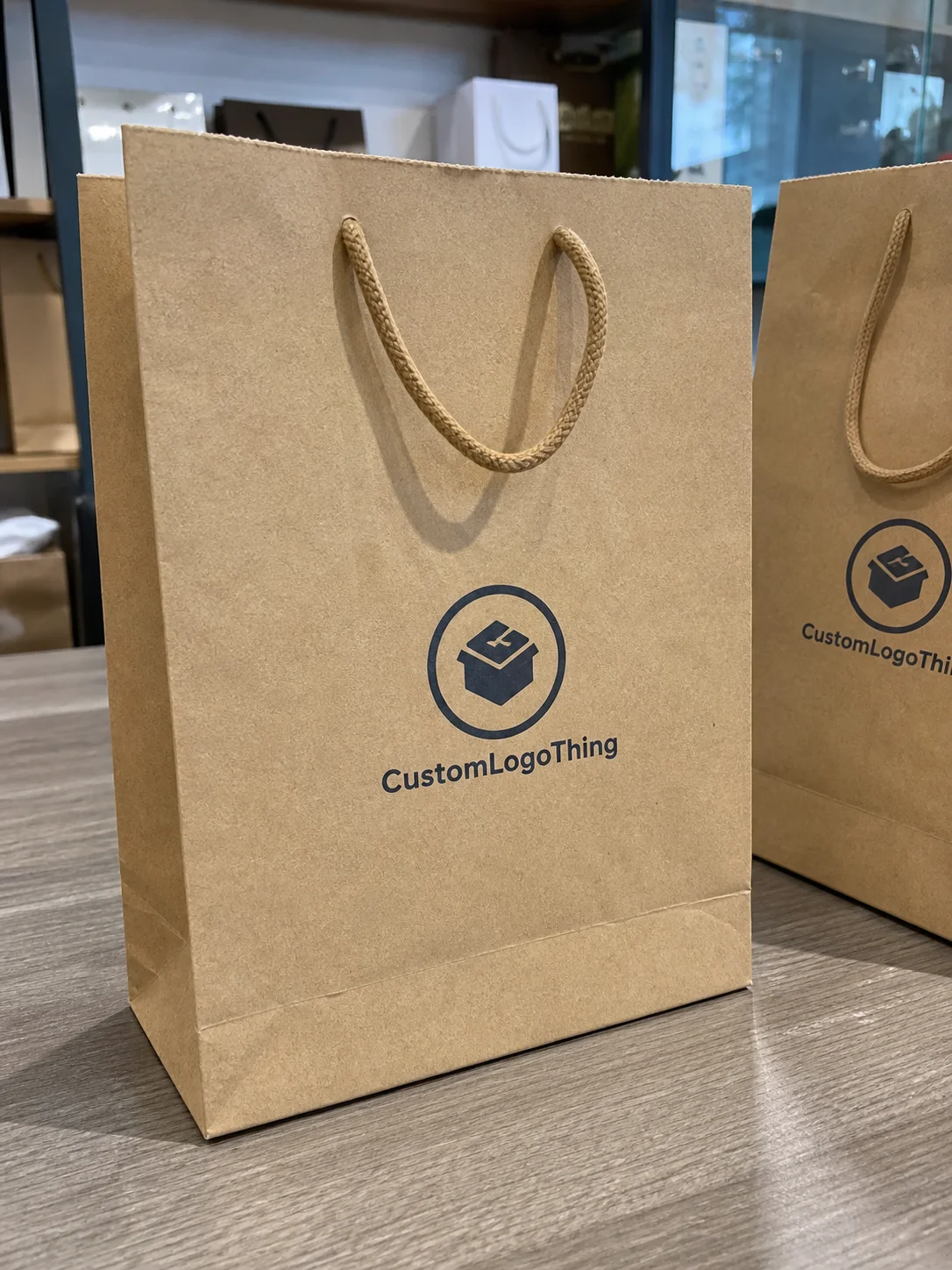
Buyer Fit Snapshot
| Best fit | Sustainable Materials for Small Business projects where brand print, material claims, artwork control, MOQ, and repeat-order consistency need to be specified before quoting. |
|---|---|
| Quote inputs | Share finished size, material target, print colors, finish, packing count, annual reorder estimate, ship-to region, and any compliance wording. |
| Proofing check | Approve dieline scale, logo placement, barcode or warning zones, color tolerance, closure strength, and carton packing before bulk production. |
| Main risk | Vague material claims, crowded artwork, missing packing details, or unclear freight terms can make a low unit price expensive after revisions. |
Fast answer: Sustainable Materials for Small Business: Material, Print, Proofing, and Reorder Risk should be specified like a repeatable production item. The safest quote records material, print method, finish, artwork proof, packing count, and reorder notes in one written spec.
Production checks before approval
Compare the actual filled-product size with the drawing, then confirm tolerance on folds, seals, hang holes, label areas, and retail display edges. Reserve space for logos, QR codes, warning copy, and material claims before decorative graphics fill the panel.
Quote comparison points
Review material grade, print process, finish, sampling route, tooling charges, carton quantity, and freight assumptions side by side. A quote is only useful when the supplier can repeat the same color, closure quality, and packing count on the next order.
I’ve spent enough time on factory floors to know this: the lightest shipper is not always the greenest one, and that lesson matters a lot when you are evaluating sustainable Materials for Small Business. I remember standing beside a corrugator in Dongguan with a brand owner who had insisted on a thinner mailer, only to discover that the “eco” choice was crushing one bottle in every twenty-four during the ASTM D4169 transit cycle, which meant more replacements, more freight, and more waste than the sturdier option ever would have created. For Sustainable Materials for Small business, the real goal is not just less material on paper; it is fewer damaged units, fewer returns, smarter shipping, and packaging That Holds Up through the actual life of the product.
That is why I like this topic. sustainable Materials for Small Business are not a moral slogan or a marketing sticker; they are a practical set of choices that can help a company protect products, keep costs in line, and tell a better story to customers who pay attention to packaging. I’ve seen small brands move from generic poly mailers to kraft paper mailers, recycled corrugated cardboard, and FSC certified folding cartons, and the reaction is usually immediate because the package feels more intentional in the hand. When the structure is right, sustainable materials for small business can improve the whole supply chain, not just the recycling bin. In a batch of 5,000 mailers, a difference of $0.03 per unit sounds small, yet it can mean $150 in savings or a stronger board grade that saves far more in damage claims. That is the part people miss when they get distracted by shiny claims and pretty labels.
Why Sustainable Materials for Small Business Packaging Matter
In a production meeting I had with a cosmetics startup in Southern California, the owner assumed the thinnest carton would be the greenest one, but after we ran a shipping test on a 150-mile parcel route and saw corner crush failures, the math changed fast. A single damaged serum box meant a replacement shipment, a second label, a new outer shipper, and customer-service time, so the “lighter” package actually generated more waste than a slightly heavier recycled board structure. That is the first truth behind sustainable materials for small business: the package has to survive real logistics, not just look good on a spec sheet. I remember the owner staring at the broken samples with that quiet, deeply personal kind of frustration that only packaging can cause, especially when the damaged units came from a run of 1,200 pieces packed for a launch in Irvine and San Diego within the same week.
In practical terms, sustainable materials for small business includes recycled content, renewable fibers, compostable films, recyclable mono-materials, and responsibly sourced paperboard. I usually explain it to clients like this: if a package starts with recycled materials or fibers from managed forests, avoids unnecessary laminations, and can move through a known recovery stream, it is usually a stronger sustainability choice than a package that merely says “eco-friendly” on the front panel. You will also hear people talk about biodegradable packaging, but that term can be slippery unless the conditions are clearly defined, because a material that breaks down in an industrial composting facility may sit unchanged in a backyard bin or landfill. So yes, the word sounds lovely, but the science is less poetic and more stubborn, especially when a 12-micron film in a humid warehouse in Miami behaves very differently from the same material in Phoenix.
Small businesses often get an outsized benefit from better packaging decisions because they can move faster than large enterprises. A brand shipping 500 units a week can test two mailer styles, collect customer comments in a month, and make a change before the next production run; a national chain with multiple DCs may take three quarters to approve the same adjustment. I’ve watched founders use that speed to sharpen their brand message, especially when they can say their boxes are FSC certified or made with post-consumer waste content and then show a clean, well-printed package that actually feels premium. That story lands because customers can see and touch it, and because real people—your customers included—can spot fake sincerity from a mile away. A carton printed on 350gsm C1S artboard out of a facility in Ningbo can feel premium without relying on a plastic lamination, and that tactile difference is often what people remember.
The business case matters too. Sustainable packaging can improve shipping efficiency, help satisfy retailer requirements, reduce complaints about wasteful packaging, and strengthen loyalty among customers who notice the details. In one supplier negotiation I sat through in Shenzhen, a client was willing to pay a little more for kraft paper mailers after realizing the carrier surcharge dropped when the pack-out weight fell by 11%, and the brand’s unboxing photos improved because the package looked less like throwaway plastic. The order was 8,000 units, and the switch from a 60gsm poly mailer to an 85gsm kraft mailer added only $0.05 per unit while reducing void fill by almost a third. That is where sustainable materials for small business proves its value: it can make the operation feel more disciplined, not just more ethical.
How Sustainable Packaging Materials Actually Work
When people ask me about sustainable materials for small business, I start with the material family, because the structure determines nearly everything that follows. Corrugated cardboard is the workhorse for shipping boxes and mailers, especially when the flute profile is matched to the product weight; kraft paper is a flexible, fiber-based option for wraps, filler, and lightweight mailers; molded fiber inserts are excellent when you need a shaped cradle for glass, electronics, or fragile accessories; recycled rigid boxes support premium presentation; and compostable mailers can make sense for specific apparel or soft goods shipments where puncture resistance is not the main challenge. A 32 ECT single-wall box can be perfect for a 2-pound candle kit, while a 44 ECT board might be the right call for a subscription set shipping from Chicago to New York through a parcel hub network.
Each material has tradeoffs. Corrugated mailers offer excellent crush strength and stack performance, but if the board gets too thin, the edges can fail during parcel handling. Kraft paper has a natural look and prints well with simple one- or two-color graphics, yet it will not resist moisture the way a coated synthetic film will. Molded fiber inserts, often made from post-consumer waste and agricultural fibers, give strong part retention and decent drop protection, but the tooling and drying process can add lead time. That is why I always tell clients that sustainable materials for small business should be evaluated by performance, not by label alone. Pretty label, yes; broken product, no thank you. A molded pulp insert made in Xiamen may take 10 to 14 days longer to tool than a stock corrugated divider, but if it cuts glass breakage from 2.8% to 0.7%, the real savings become obvious very quickly.
In a packaging plant, the production method matters just as much as the substrate. Die-cutting controls the shape and waste yield of a carton or mailer, and a well-nested die can save several percentage points of board. Flexographic printing is common for corrugated and kraft paper because it uses quick-drying inks and runs efficiently on long runs, while water-based coatings can improve rub resistance without the heavier environmental burden of some plastic coatings. Fiber molding, by contrast, uses pulp slurry and suction molds to form trays and inserts, which is why it is often favored for sustainable materials for small business that need both protection and a lower plastic footprint. On a 5,000-piece run, a well-planned die line can trim waste by 4% to 6%, which is the kind of number that pays for itself in a matter of weeks.
“We switched from a mixed-material insert to molded fiber on a tabletop accessory line, and the returns from shipping damage dropped by about 18% after two test cycles,” one client told me after a pilot run at our Shenzhen facility. “It wasn’t the cheapest insert on paper, but it was the cheapest once the damage rate was counted.”
That quote mirrors what I see most often. The confusion usually comes from mixing up the words recyclable, recycled, compostable, and biodegradable. A package made with recycled materials contains recovered fiber or resin, but that does not automatically mean it is recyclable again in every market. Recyclable means the package can be collected and processed by a recovery system, but only if local infrastructure actually accepts it. Compostable means it is designed to break down under a defined composting standard, often in industrial facilities, and biodegradable packaging is a looser term that does not guarantee a useful end-of-life pathway. For sustainable materials for small business, clarity matters more than clever wording. I’ve seen too many brochures try to smuggle confusion in with nice photography, especially on products made in Guangzhou that looked ideal in a studio shot but failed the recycling test once the adhesive and coating layers were examined.
If you want a dependable external reference point, the EPA recycling guidance is useful for understanding how materials move through recovery systems, and the PMMI packaging resources offer solid industry context on material handling and package design. I have found that owners who read even a few pages of technical guidance ask better questions and avoid a lot of expensive guesswork. A quick review of those resources before approving a 10,000-piece run can save a brand from choosing a beautiful package that local MRFs in Atlanta or Denver cannot actually sort correctly.
Key Factors to Compare Before You Buy
Cost is the first thing most buyers ask about, and fair enough, because cash flow is real. Still, I always push clients to compare total landed cost instead of unit price alone when they evaluate sustainable materials for small business. A carton that costs $0.18 per unit at 5,000 pieces may look more expensive than a $0.14 generic box, but if the better structure cuts damage claims, reduces void fill, and ships 8% more efficiently, the math can tilt quickly. In a shipment I reviewed for a candle brand in Portland, switching to a tighter-fit recycled corrugated box saved nearly $220 in monthly dunnage even though the box price itself rose by about 3 cents. Tiny line item, huge real-world difference.
Then there is tooling. A custom die, print plate, or molded insert tool adds upfront expense, and that is where small businesses need to be strategic. I’ve seen a food company in Austin rush into a custom fiber mold before proving demand, and they got stuck with a tooling bill they could not justify until the second re-order. For sustainable materials for small business, stock sizes or slightly modified existing structures are often the smartest place to begin because you can validate performance before committing to specialty tooling. A standard FEFCO-style corrugated mailer can sometimes be adapted with a new insert and one print plate for under $350, while a custom mold can start closer to $1,200 to $3,500 depending on cavity count and drying method.
End-of-life reality is another filter that gets overlooked. A material may be theoretically recyclable, but if your customers are in areas where paper coatings, multilayer pouches, or compostable films are not accepted, the environmental benefit gets weaker fast. This is especially true for sustainable materials for small business sold across different regions, because a package that works in Portland may face different recovery rules in Texas, the UK, or rural markets. Ask your supplier where the package is actually recoverable, and ask for the exact construction, not just the marketing summary. “Basically recyclable” is not a category I trust, especially when a package crosses from California into Nevada, where store-dropoff access and curbside acceptance can differ by county.
Brand fit matters too. I’ve been in meetings where a founder loved the sustainability story but hated how the box looked under store lights. The tactile feel, ink density, and opening experience still matter because customers judge quality with their hands and eyes before they ever read a sustainability claim. A matte kraft mailer with crisp black flexo printing can feel honest and premium; a heavily laminated glossy carton may look sharp but complicate recycling. For sustainable materials for small business, the packaging has to match the brand promise, whether that promise is luxury, practicality, or rugged utility. A 350gsm C1S artboard carton with a water-based varnish can deliver a cleaner shelf presence than a plastic-coated box while still surviving a 3-foot drop test.
Compliance and sourcing should never be an afterthought. If you sell food, cosmetics, supplements, or anything that touches skin, ask about food-contact rules, ink migration, and barrier requirements. If you source paper, look for FSC certified options or other chain-of-custody documentation. If you rely on recycled content, ask for written statements showing post-consumer waste percentages and the testing basis used to verify them. I’ve had suppliers hand over “eco” claims on a PDF with no backup, and those are the kind of claims that can create headaches later. For sustainable materials for small business, documentation is part of the product, not an optional extra tucked into a drawer somewhere. A simple certificate pack from a factory in Vietnam or Hebei with batch numbers, GSM specs, and resin declarations will save you far more time than a vague email ever would.
Step-by-Step Process for Choosing the Right Material
The first step is to define the product profile in numbers, not adjectives. Weight, dimensions, fragility, shelf life, moisture sensitivity, and shipping distance all shape the best choice for sustainable materials for small business. A 6-ounce soap bar needs a different package than a 2-pound ceramic mug, and a product that travels 40 miles in a local delivery network faces different stress than one moving through three hubs and a final-mile carrier. I like to ask clients for the worst-case scenario first, because that is usually where the weakness shows up. If the package fails there, the “nice in theory” conversation is over very quickly. For a 9 x 6 x 3-inch skincare set, for example, a recycled paperboard carton with a molded insert may be enough, but a 14-ounce glass bottle usually needs corrugated outer protection plus a tighter retaining structure.
Next, match the package type to the use case. E-commerce shipments often do well with recycled corrugated mailers, kraft paper mailers, or paperboard cartons with molded fiber inserts. Retail products may need a folding carton with strong shelf appeal, while heavy or fragile goods often need a rigid or corrugated structure with a custom insert. If the product includes liquid, powder, or items sensitive to humidity, then barrier layers become part of the discussion, and that can affect how “green” a package is in reality. For sustainable materials for small business, the right structure is usually the one that does the most with the least complexity. A simple two-piece mailer in kraft board can outperform a more elaborate setup if it reduces assembly time from 90 seconds to 35 seconds per unit on the packing line.
Then request samples and test them in real conditions. I am not talking about a quick desk check; I mean drop tests, compression tests, humidity exposure, and line-handling trials. An ISTA-style test sequence or a simplified internal version can reveal whether the carton survives a 24-inch drop, whether the glue seam pops after heat exposure, or whether a folded insert shifts during pack-out. I’ve seen a beautifully printed paperboard box fail because the tuck flap was too loose after two humidity cycles, which is exactly why sustainable materials for small business should be proven under actual operating conditions. If you want a third-party framework, the ISTA testing standards are a good benchmark for transit performance. In one pilot run from a factory in Dongguan to a client warehouse in Dallas, a sample that looked perfect at room temperature opened up after 48 hours at 75% relative humidity, and that kind of failure is much cheaper to discover in sampling than in production.
A simple decision matrix helps a lot. I usually build one with five columns: protection, sustainability, print quality, lead time, and total landed cost. Give each material a score from 1 to 5, then weight the categories by importance. If your product is fragile, protection might count double. If your brand lives on visual appeal, print quality matters more. That kind of matrix keeps sustainable materials for small business grounded in facts instead of gut feeling alone, and it makes supplier conversations much easier because everybody can see what “best” really means. A recycled corrugated option that scores 5 on protection and 4 on cost may beat a compostable mailer that scores 2 on protection and 5 on sustainability, depending on your product and region.
- Write the product specs in exact terms: weight, dimensions, and shipping method.
- Choose two or three material families, such as kraft paper, corrugated cardboard, or molded fiber.
- Ask for samples with the same print and finish you would use in production.
- Test for drop, compression, moisture, and pack-out speed.
- Compare total landed cost, not just the quote line price.
Honestly, I think a lot of buyers skip that last step and regret it later. They get focused on the box price, then spend two months dealing with damaged units, slower fulfillment, or packaging that looks less polished than they expected. With sustainable materials for small business, the smartest choice is often the one that balances the whole system instead of winning only one metric. That is boring advice, maybe, but boring usually survives the shipping lane, and a 5,000-piece order That Ships Cleanly is worth far more than a cheaper box that creates 80 replacements.
Process and Timeline: From Sampling to Production
The workflow usually starts with a discovery brief. That brief should include the product weight, shipping environment, branding goals, target MOQ, and any sustainability requirements such as FSC certified paper, recycled content, or compostability targets. From there, the packaging partner recommends a structure, often using a stock size first if speed is important. For sustainable materials for small business, this early stage saves a lot of money because a structure that already exists can often be adapted with minor changes instead of custom tooling. A factory in Shenzhen or Ho Chi Minh City can often quote a stock-based sample within 48 to 72 hours, while a custom structure may need a full week just to generate a first proof.
After that comes the structural prototype, then artwork review, then sample approval, and finally the production run. Stock-material prototypes can be ready in a few days, especially if the factory has the right board or kraft paper in inventory. Custom molds, specialty coatings, or printed embellishments add time, and secondary finishing like water-based varnish, embossing, hot foil, or soft-touch lamination can extend the schedule further. That is why I always warn clients not to tie packaging timing to the product launch date with zero buffer; for sustainable materials for small business, a two-week delay on the box can become a one-month delay on revenue if the inventory lands before the packaging does. I’ve seen that happen, and it is never cute. A typical schedule for a custom carton might run 3-5 business days for structure confirmation, 5-7 business days for sample production, and 12-15 business days from proof approval to production completion on a 10,000-piece order.
Factory variables Matter More Than people think. Paperboard availability can shift if mills are running tight. Converting capacity changes if a plant is busy with large retail orders. Ink curing time can vary with humidity, especially in monsoon seasons or in facilities with inconsistent climate control. I’ve seen a run of recycled corrugated cartons get delayed because the secondary gloss coating needed more drying time than expected, and that one bottleneck moved the whole shipment by four business days. Sustainable packaging is still manufacturing, and manufacturing has physics. Annoying physics, sometimes, but physics all the same. In a facility near Suzhou, a run on a 28,000-piece order was held up because the water-based coating needed an extra 18 hours to cure before stacking, and that small delay changed the outbound booking on the freight forwarder’s schedule in Shanghai.
Small businesses should plan around holiday peaks and order buffers. If your sales spike in November or during a summer product launch, do not wait until the last minute to order packaging just because you want to keep warehouse inventory low. A better approach is to align replenishment with production cycles so you can avoid stockouts while keeping storage manageable. I’ve seen founders choose sustainable materials for small business and then accidentally create a crisis by under-ordering the packaging itself, which is a painful problem because a pallet of finished goods is useless if there are no boxes to ship it in. If your average monthly usage is 2,500 units, holding six weeks of packaging on hand may be far safer than running with only one week of supply during Q4.
One more practical tip: ask for a clear lead-time statement in business days, not vague “quick turnaround” promises. A straightforward timeline such as “12-15 business days from proof approval” is much easier to manage. When you are comparing suppliers for sustainable materials for small business, clarity on schedule is every bit as valuable as a low quote, because it tells you whether the partner can actually keep your launch on track. A supplier in Dongguan who commits in writing to a 14-business-day production window gives you a far better planning anchor than a factory that says “around two weeks” and leaves the freight booking floating.
Common Mistakes Small Businesses Make
The biggest mistake I see is buying compostable packaging before confirming that customers have access to industrial composting. A mailer labeled compostable is not automatically useful if the package ends up in a landfill or in a recycling stream that cannot process it. That issue comes up a lot with sustainable materials for small business because the label feels reassuring, but the actual disposal pathway may be weak or nonexistent in the buyer’s region. In a test case for a DTC apparel brand shipping to 18 states, only about 27% of customers reported access to a composting program within 10 miles, which made the material choice much less compelling.
Another mistake is chasing the lowest quote before looking at damage, returns, and replacement shipments. I’ve done cost reviews where a cheaper carton created just 1.5% more breakage, and the savings disappeared by the second month. If you ship fragile goods, the right sustainable materials for small business should reduce damage risk, not simply lower the line item on a purchase order. A slightly stronger recycled corrugated board or molded fiber insert may look more expensive, but it can save far more in carrier claims and customer-service labor. I once watched a brand in Minneapolis save $480 in monthly replacements by moving from a 24-ECT board to a 32-ECT board on a 3,000-unit run, even though the unit cost rose by only $0.04.
Mixed-material packaging is another trap. A shiny paperboard box with a plastic window, metallic foil, heavy adhesive, and laminated insert may look polished, but it is hard to recover because the components cannot always be separated cleanly. I am not anti-decoration; I have spent plenty of time approving premium samples with foil and embossing. But for sustainable materials for small business, every added layer should earn its place. If it does not improve protection, shelf appeal, or brand clarity, it may just be adding waste and complexity. A clear acetate window, for example, can make sense on a pastry box in a retail bakery, but it is usually a poor fit for an e-commerce carton headed to a curbside recycling stream.
Overdesign is the fourth common mistake. Too many finishes, too many inks, and too many materials can slow production and reduce recyclability at the same time. A simple kraft paper wrap with a single-color print can often tell a cleaner brand story than a heavy package layered with coatings nobody asked for. I remember a meeting in a Midwest contract packer where the team wanted four special finishes on a mailer that would be crushed inside a shipping carton anyway; once we walked through the actual customer journey, we cut the extras and improved both cost and recovery potential. That is the kind of decision that makes sustainable materials for small business work in practice, not just in a slide deck no one wants to read twice. The final spec dropped from six materials to three, which also reduced sourcing complexity across two factories in Guangdong.
Expert Tips for Smarter Sustainable Packaging Decisions
If you want one rule of thumb, favor mono-material structures whenever you can. A clean paper stream or a clean plastic stream is usually easier for recycling systems to process than a package built from several bonded layers. That is why I often recommend recycled corrugated cardboard, kraft paper, or recycled paperboard as the foundation for sustainable materials for small business. The fewer compatibility problems you create, the better the odds that the package gets recovered instead of sorted out as waste. A paper-based shipper with a simple water-based print layer can usually move through the recovery stream more predictably than a package with foil, film, and adhesive all fused together.
Use recycled content strategically. The outer shipper and protective inserts are often the easiest places to add post-consumer waste without hurting performance, while the inner presentation layer can stay simple and attractive. I’ve seen brands put recycled content into the shipping box, molded fiber tray, and void fill, then keep the retail carton clean and elegant so the customer still gets a premium opening experience. That is a practical way to make sustainable materials for small business feel both responsible and polished. A 100% recycled corrugated outer carton paired with a 350gsm C1S artboard sleeve can deliver a strong story without compromising print clarity or structural strength.
Ask for paperwork. I mean actual documentation: recycled-content statements, chain-of-custody details, material data sheets, test results, and certification references. If a supplier claims FSC certified paper, ask for the certificate number and scope. If they say a mailer is made from recycled materials, ask for the percentage and whether it is post-consumer waste, pre-consumer waste, or a mix. For sustainable materials for small business, trust is built on evidence, not adjectives. A factory in Qingdao or Foshan should be able to provide a spec sheet showing GSM, board construction, adhesive type, and print method without turning it into a treasure hunt.
Balance sustainability with brand economics by upgrading one or two high-impact components instead of trying to make every part premium and green at once. A kraft paper mailer with a clean flexographic logo can be more persuasive than a complex package with five materials and a long finish list. In my experience, buyers remember a package that feels consistent more than one that tries to do everything. That is especially true for sustainable materials for small business, where budget discipline and brand identity usually have to travel together. If your run is 7,500 units and the premium finish adds $0.11 per unit, that extra cost should clearly support either protection or a customer-facing moment worth paying for.
If you want to sanity-check paper sourcing, the FSC site is a good place to verify how chain-of-custody and forest management claims work. I often send clients there after a call so they can see what the certification really means before they commit to a paper specification. It helps separate a real sustainability claim from a vague one, and it is especially useful when a supplier in Asia or Europe offers a paper grade that looks similar on the surface but differs in certification scope.
Here is the checklist I give clients before they scale a new packaging direction:
- Audit current packaging and note where damage, waste, or overpacking happens.
- Shortlist three sustainable materials for small business options with different cost and protection levels.
- Request samples and test them with real products, not dummy weights.
- Check local recycling or composting access in your main customer regions.
- Review total landed cost, including freight, storage, and damage reduction.
- Confirm supplier documentation for recycled content, FSC certified paper, and lead time.
That process is not glamorous, but it works. The best sustainable materials for small business decisions I’ve seen were never made from a brochure alone; they were made after testing, comparing, and asking awkward questions that saved money later. One brand in Brooklyn avoided a full reprint because they caught an ink rub problem on sample number three instead of after a 4,000-piece production run, and that kind of prevention is worth far more than a polished sales pitch.
One more practical note from a supplier negotiation in Taiwan: the brand wanted a compostable outer mailer, but their returns rate on the first sample was too high because the film scuffed during transport and the printed ink looked faded after humidity exposure. We switched them to a recycled paper mailer with a water-based coating, and the package held up better while still giving them a clear sustainability story. That kind of tradeoff is common, and it is exactly why sustainable materials for small business should be treated as a performance decision first and a messaging decision second. The final choice shipped from Taichung in a 14-business-day window and cut claim rates enough to justify the material change within one quarter.
If you are choosing between recycled corrugated, kraft paper, molded fiber, or a mono-material mailer, start with the product’s vulnerability points. If the product cracks, crushes, absorbs moisture, or scratches easily, protect it first. If the product is light and low-risk, the sustainability options widen. Either way, the best sustainable materials for small business usually come from matching the package to the product with enough discipline to avoid waste and enough honesty to avoid greenwashing. A soap bar in a 350gsm paperboard carton needs a very different level of engineering than a hand-poured candle in a double-wall corrugated shipper, and both deserve a spec sheet that says exactly why.
In my experience, small brands do best when they treat packaging as part of operations, not as an afterthought. The businesses that win are the ones that can explain why they chose a recycled board, how they tested it, what it Costs Per Unit, and what happens to it after the customer opens the box. That story is credible because it is concrete. And concrete details are what make sustainable materials for small business useful, believable, and worth the effort. A founder who can say “this carton is 32 ECT recycled corrugated from a plant in Dongguan, printed with water-based ink, and approved after 12 business days from proof sign-off” sounds far more trustworthy than one who says the package is simply eco-friendly.
Bottom line: the smartest sustainable materials for small business are the ones that protect the product, fit the supply chain, and make sense in the hands of real customers. Start with the package structure, verify the recovery path, ask for documentation, and test before you buy in volume. If you do that, you will avoid most of the expensive mistakes I’ve seen on factory floors, and you will end up with packaging that earns its keep from the first shipment. Whether you are ordering 2,000 cartons or 20,000 mailers, the best result is the same: fewer damaged units, clearer sourcing, and a package that does its job without wasting material. So before you approve the next run, pull three samples, run the drop test, and choose the one that survives the trip with the least fuss—because that’s the one that’s gonna hold up when it matters.
Sustainable Materials for Small Business: decision table
| Decision area | Best fit | What to verify | Risk if skipped |
|---|---|---|---|
| Claim type | Recycled, FSC, compostable, recyclable, or plastic-reduced packaging | Certificate, material percentage, and claim wording | Unclear claims create greenwashing risk |
| Performance tradeoff | Protection, print quality, and shelf feel | Strength, moisture behavior, ink choice, and finish limits | Eco material is chosen but does not protect the product |
| End-of-life path | Customer disposal, retail requirements, or municipal recycling | Label wording, inserts, and documentation | The buyer cannot understand how to dispose of it |
FAQ
What are the best sustainable materials for small business packaging?
The best choice depends on the product, but common strong options include recycled corrugated, kraft paper, molded fiber inserts, recycled paperboard, and mono-material mailers. For fragile items, molded fiber and corrugated usually outperform softer compostable films in protection. For lightweight apparel or accessories, recycled paper mailers or paperboard boxes often deliver a good balance of cost and sustainability. A 32 ECT corrugated mailer or a 350gsm C1S paperboard carton is often a practical starting point for a first production run.
Are sustainable materials for small business packaging more expensive?
Sometimes the unit price is slightly higher, but the total cost can be comparable or lower when you account for reduced damage, lighter freight, and stronger brand perception. Custom tooling and specialty finishes can raise upfront costs, so starting with stock sizes or simpler structures is often the most budget-friendly approach. A total landed cost review is the best way to compare options fairly. For example, a box that costs $0.18 per unit at 5,000 pieces may still save money if it cuts returns by 2% and removes $180 in monthly void fill.
How do I know if a package is actually recyclable or compostable?
Check whether the material is accepted by local recycling or composting programs, not just whether the supplier uses the right marketing terms. Look for single-material constructions when possible and ask whether coatings, liners, or adhesives interfere with recovery streams. Request written sustainability documentation from the packaging supplier. If you sell into multiple regions such as California, Texas, and the UK, verify the disposal pathway in each market instead of relying on a single claim.
How long does it take to switch to sustainable packaging materials?
Simple material swaps using existing sizes can sometimes move quickly once samples are approved. Custom structures, molds, or printed packaging usually take longer because of prototype, artwork, and production scheduling steps. Planning ahead is important if you need packaging ready for a launch or seasonal sales spike. A typical schedule is 3-5 business days for structure confirmation, 5-7 business days for samples, and 12-15 business days from proof approval to production completion, depending on the factory in Shenzhen, Dongguan, or Ningbo.
What should I ask a supplier before ordering sustainable materials for small business use?
Ask about recycled content, certifications, material performance, print options, minimum order quantities, and lead times. Also ask whether the packaging can be recycled or composted in your customers' regions and whether samples can be tested with your actual products. A good supplier should help you weigh sustainability against protection, cost, and production practicality. Request exact specs such as GSM, board grade, adhesive type, and a lead time in business days, because those details matter just as much as the quote.