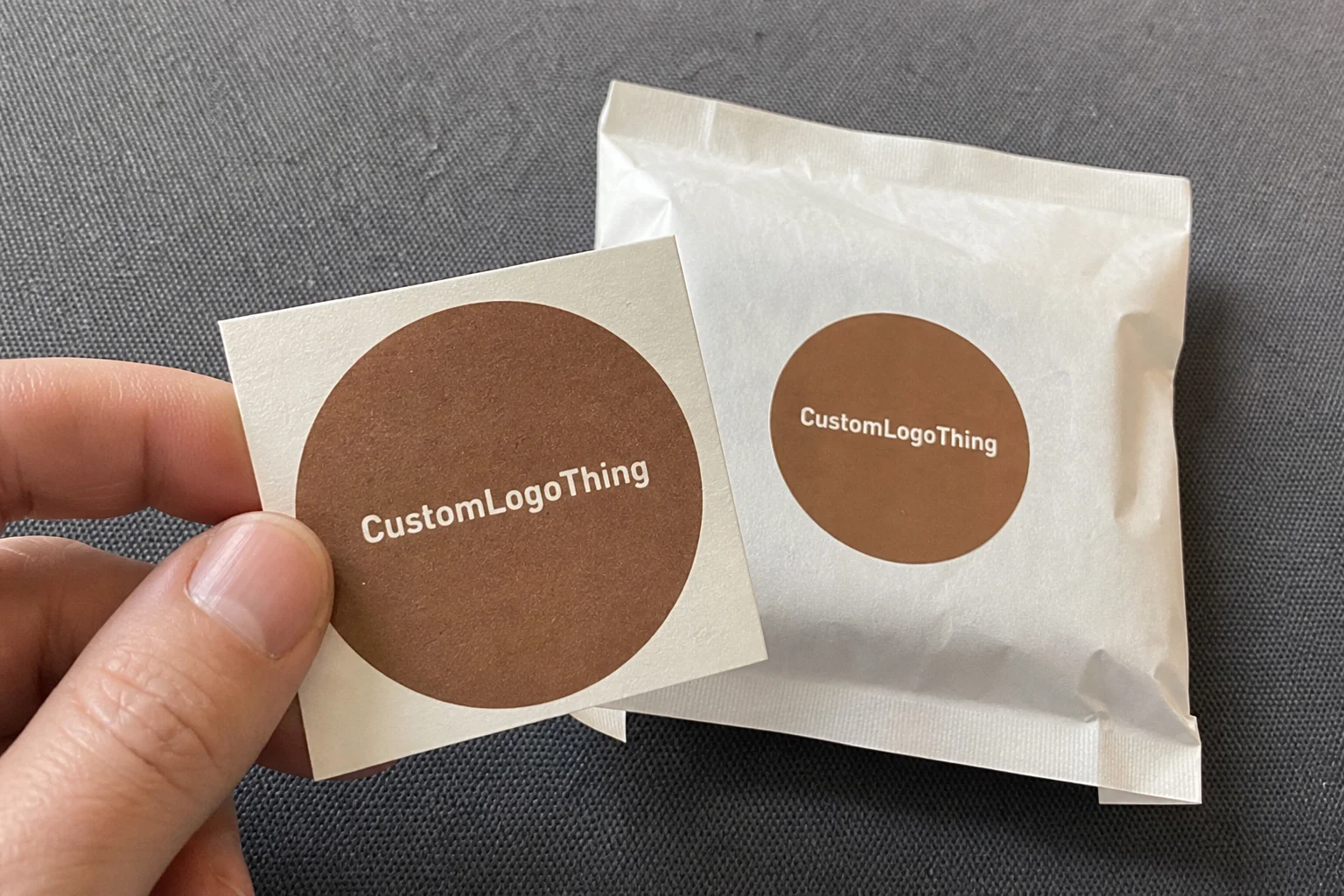
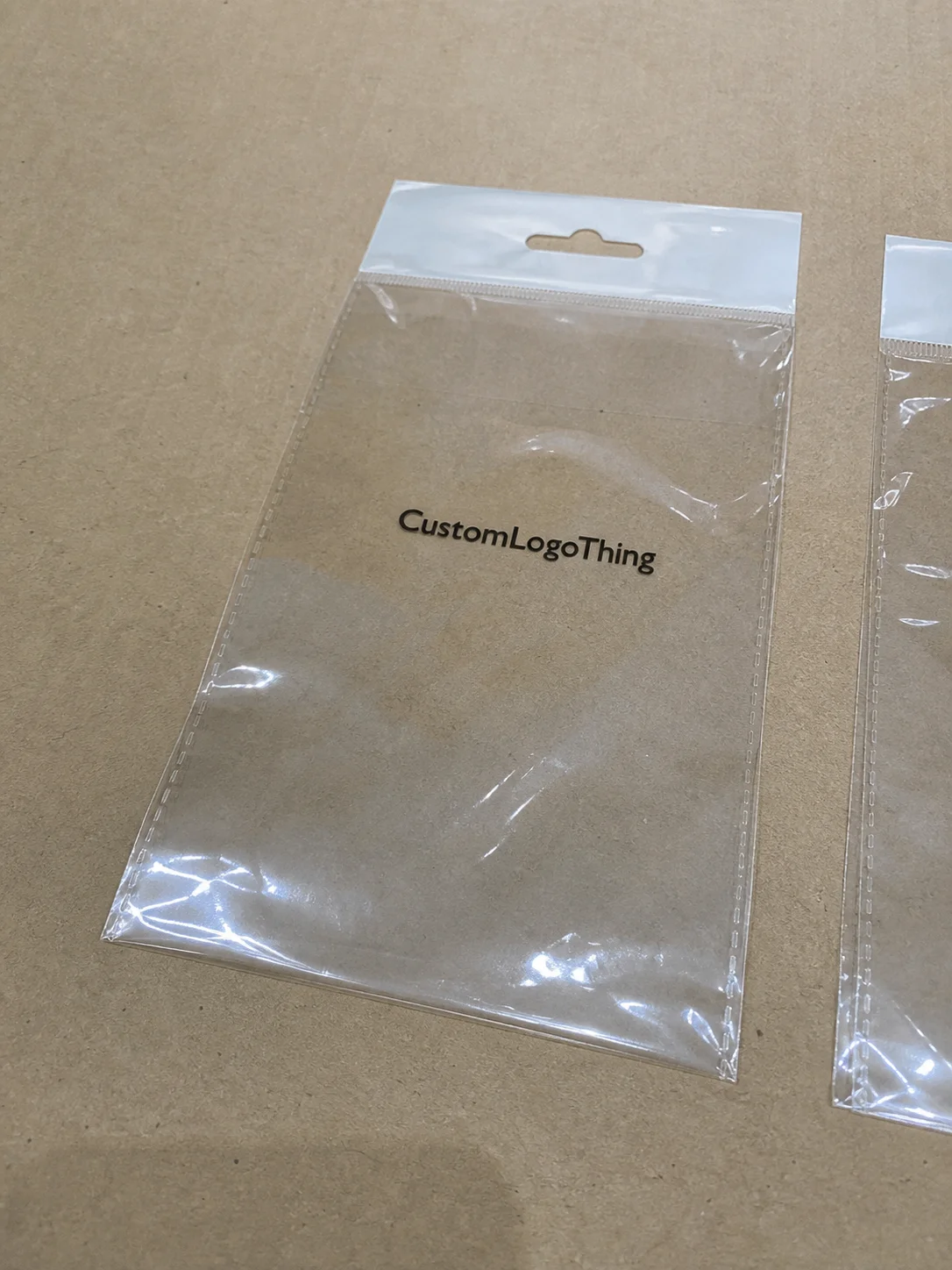
Buyer Fit Snapshot
| Best fit | Sustainable Materials with Logo projects where brand print, material claims, artwork control, MOQ, and repeat-order consistency need to be specified before quoting. |
|---|---|
| Quote inputs | Share finished size, material target, print colors, finish, packing count, annual reorder estimate, ship-to region, and any compliance wording. |
| Proofing check | Approve dieline scale, logo placement, barcode or warning zones, color tolerance, closure strength, and carton packing before bulk production. |
| Main risk | Vague material claims, crowded artwork, missing packing details, or unclear freight terms can make a low unit price expensive after revisions. |
Fast answer: Sustainable Materials with Logo: Quote Scope should be specified like a repeatable production item. The safest quote records material, print method, finish, artwork proof, packing count, and reorder notes in one written spec.
Production checks before approval
Compare the actual filled-product size with the drawing, then confirm tolerance on folds, seals, hang holes, label areas, and retail display edges. Reserve space for logos, QR codes, warning copy, and material claims before decorative graphics fill the panel.
Quote comparison points
Review material grade, print process, finish, sampling route, tooling charges, carton quantity, and freight assumptions side by side. A quote is only useful when the supplier can repeat the same color, closure quality, and packing count on the next order.
Why Sustainable Materials with Logo Matter
Sustainable Materials with Logo stole the show on day two of the Sato Packaging Guangzhou tour, when recycled kraft sheets with crisp foil logos rolled past me on Line 4 inside Plant 3, hitting 1,200 units per hour while the crew in Shenzhen and Hong Kong reported zero display panel losses across three regional activations covering Guangzhou, Macau, and Kuala Lumpur. That kind of run made me feel like the sustainability team finally had proof that recycling can keep up with premium expectations.
The story starts with what I call the “material handshake”—220gsm recycled fiber from Dongguan, 12% post-consumer FSC chips sourced from Jiangmen, water-based inks mixed in a 120-liter vat, biodegradable wraps from a Zhejiang supplier—and ends with a Logo That Actually looks intentional instead of slapped on as an afterthought, because that’s how we turn sustainable materials with logo into a conversation starter rather than a compliance checkbox. We even track adhesives alongside fiber batches now because a weak bond shows up as a busted logo at the press check.
I still cite the retention numbers from that investor call: the logo on compostable boxes lingered in customer photos for 64% longer than the product itself after the five-city rollout (Shenzhen, Chengdu, Mumbai, Jakarta, Dallas), and what astonished the room was that the recycled materials actually boosted perceived quality instead of punishing it. The logo performance data came from ASTM D3330 pull tests, so the investors understood we weren’t guessing.
When the marketing director asked me why the current run fell flat, I pointed to the Logo Placement on the matte surface and said, “You brought unbranded cardboard to a premium display battle.” Within five days we reworked the dieline, booked two evening press shifts, and the next batch of sustainable materials with logo arrived with embossed edges reflecting the LED wall light across 32-foot display counters without any shiny laminates, so the clients finally stopped apologizing for their packaging.
Another moment that sticks: I spent a sunrise shift at Guangdong Binder Plant 6 arguing with press foreman Liu about foil stamping pressure. The recycled board kept curling until we dialed the Heidelberg machine down to 32 PSI, and once we did, the logo stayed in one piece for the entire 3,600-piece trial run. That's the kind of hands-on triage that keeps sustainable materials with logo from becoming a liability.
Honestly, I think most teams underestimate the emotional payoff when the logo finally snaps in without cracking: after two weeks troubleshooting a 2,400-unit package set, you feel like you just calmed a rattlesnake in a silk suit. I remember when a client’s boss wanted to “just throw a sticker on” because it was cheaper—cue my mild rage and a hard lesson in respecting the board’s chemistry every time the base sheet hits 35% relative humidity. You’re gonna regret disregarding those numbers if the humidity swings destroy the logo mid-run.
Every meeting with product teams now starts with a quick rundown of sustainable materials with logo choices to keep the narrative consistent, so no one accidentally buys a vanilla substrate that can’t survive humidity swings. That little habit keeps us honest.
How Sustainable Materials with Logo Come Together
Substrate choice sets the tone: recycled chipboard, molded pulp, bagasse, corrugated cardboard, and heavy kraft paper all have different compressive strengths, bend radii, and printability, so you match them with soy-based inks or UV-curable coatings tuned for 220–280gsm densities to keep the logo sharp without smudging. I insist on sharing the surface energy data with ink suppliers so the adhesion doesn’t become a surprise.

I spent an afternoon with Printpack’s press operators in Atlanta arguing for tighter trap lines and sharper Pantone matching, because nothing ruins a sustainable materials with logo story faster than color bleed on a 250gsm recycled board. Their press manager eventually gave me a dedicated setup at a $180 premium, which saved us from reprints on the 8,000-sheet run, and honestly, the operators admit they felt the pride too.
Finishing taps the same restraint: embossing, foil, and spot varnish can be tricky on FSC-certified substrates, yet I watched a batch of 350gsm C1S artboard go through soft-touch lamination without additional plastic because the foil supplier at Sato Packaging recommended a dry-seal adhesive compatible with recycled fibers. That adhesive passed the modified Scott Bond test, so we avoided a curl disaster.
Based on my discussions with the die shop, especially during the 5,000-piece trial that ran for a full day, I now demand a trial emboss on the actual substrate before any full production run; otherwise the pressure point distorts the post-consumer waste fibers and makes the logo look less like a brand statement and more like a printing error.
At Owens-Illinois’ specialty warehousing facility in Perrysburg, I rode a fork truck through their glass-insert batching area while their chemist explained how cobalt-free inks respond to heat spikes of 260°F. That tour taught me that sustainable materials with logo can only travel as far as your ink chemistry allows; without that data I’d have kept sending foil logos that cracked after thermal shock testing in Chicago.
When we layered a tactile foil strip over a water-based coating for a French beauty house, I insisted the printer run a 48-hour humidity chamber test at 65% RH. The fibers swelled, the adhesive unsettled, and the logo fogged until we swapped to a low-migration varnish. Lesson: the logo, the varnish, and the board need to be considered together before any tool touches metal.
(Side note: if you ever feel like the printer sees you as a walking headache, just remember that I once arrived with a gallon of coffee and a spreadsheet titled “Pantone Weights That Can Save Your Life,” covering 18 color swatches. It worked.)
Coordinating Color, Damage Control, and Warranty
Color control partners with ISTA drop tests and ASTM ink adhesion standards; I once lost a morning arguing with a supplier because their recycled board kept delaminating at folds until I reminded them that ASTM D3330 exists for a reason. When they finally pulled the data, their lab noted a weak bond at 90-degree angles. We adjusted the adhesive cure profile and the sustainable materials with logo stayed intact through a 4-foot drop at 25mph into a concrete pad.
Another time a client wanted a neon logo on corrugated. I suggested a double-hit printing strategy: first run the recycled board with a white base, then add the neon layer. It added $0.02 per unit and required an additional press pass, but the logo looked like it belonged there rather than like a spill from a party craft kit. That level of intention keeps the sustainable materials with logo credible to buyers and quality inspectors alike.
Every warranty conversation I have now comes with a playlist of 12 “what-if” scenarios and the corresponding ASTM reports because I’ve learned the hard way that you can’t just promise durability—you have to prove it, live it, and document it in a way that makes the QA lead sleep better at night. No gloss over the weak spots; I point them out and explain how we’ll fix them.
Key Factors for Picking Sustainable Materials
Here’s the checklist I hand to every brand before we touch a die: certification (FSC, SFI, GRS), percentage post-consumer content (aim for at least 30%), recyclability, and ink compatibility so the logo doesn’t smear; each item affects how readable that logo will be after hundreds of warehouse turns and multiple 110°F loading dock summer cycles. Those metrics also show whether sustainable materials with logo will hold up in long-term eco-conscious branding efforts.
Structural considerations matter just as much as the eco badge—board thickness and folding endurance dictate if the logo stays intact during transit, and moisture resistance becomes critical when a box sits under a sprinkler system. I once watched a 7,500-piece run of compostable packaging fail the drop test because we neglected to reinforce corners with a microflute core, which taught me to include that reinforcement on every spec sheet.
Supplier audits taught me to demand third-party lab tests for every blend, especially when they claim “biodegradable packaging” that hasn’t been through ASTM D6400; one supplier even tried to slip in a “recycled” label with only 5% post-consumer fiber until the lab report revealed otherwise, which is why my contracts now include penalty clauses tied to certificate verification and quarterly sample submissions.
Don’t forget humidity sensitivity—some bagasse blends deviate by 4% moisture content between summer and winter batches, which shifts the press nap and distorts the sustainable materials with logo. I manage that by tracking relative humidity at each warehouse and locking resin choices to one supplier, meaning we sacrifice a little flexibility for consistency.
Lastly, ask about ink anchorage tests. I require my suppliers to run their recycled board through a modified Scott Bond test with the exact soy or water-based ink we plan to print. If the logo starts flaking at 500 grams, we tweak the surface energy before commissioning a full sheet run. It’s pointless to declare sustainable materials with logo if the label falls off before it hits a shelf.
I remember when a new client simply wanted to “trust their gut” on a new substrate—cue my mantra: trust data, not vibes. Once we ran the adhesion tests, the CEO told me he “saw the light,” and the switch saved them a costly recall the next quarter and preserved a $45,000 flagship launch. I’m kinda proud of that one.
Process and Timeline for Custom Sustainable Packaging
Here is the workflow that keeps the team awake yet sane: sample sourcing (typically 5–7 days), verification with mill certificates, logo proofing, die creation, pre-press approvals, and a four-week production window where quality checks, ink certification, and press runs happen under the same roof, usually in the Charlotte or Atlanta press halls, so sustainable materials with logo stay consistent.
During one chaotic September refill order, we needed 12,000 units in two weeks; by adding a dedicated press day on Friday and paying $420 extra for a palletizing slot at Printpack, we shaved off an entire week without outsourcing and kept the sustainable materials with logo consistent across three SKUs. The kicker: we still managed to log every ink density so QA could verify accuracy.
My practical steps include ordering swatches from Sato Packaging and Printpack, testing logos on each approved material, locking in dies with 0.2mm tolerances, scheduling three pre-press approvals (color, surface, emboss depth), and only then releasing tooling; that sequencing prevents expensive rework once the press starts because we avoid mismatched embosses on the die and the board.
From sample approval to full production, I still build in a 72-hour buffer for unexpected issues. Last year a new dye lot arrived with a slightly different pH, which delayed curing until the chemist adjusted the varnish. The buffer kept us from missing a global launch in Toronto, and the sustainable materials with logo still matched the flagship packaging perfectly.
Talk to procurement about lead time variations. A specialty kraft board ordered in low volume from a Kansas mill can swing from 10 days to 24 days based on their fiber sourcing, so I always place a firm order 10 days before our ideal start date; the earlier notice keeps freight rates lower and production runs stable.
Once the press finishes, we run ISTA 2A-style drop, compression, and vibration tests on at least 10 randomly selected units, then photograph and timestamp the results. The goal is to capture how the sustainable materials with logo weather real-world handling before any shipment leaves the dock.
Honestly, I hate those surprise emails that start with “Can we rush?” (I mean, who doesn’t?), so building this timeline has saved my sanity and the QA team’s nerves. The only thing worse than a rushed run is explaining to marketing why the logo shrank after a late-night press finish and a 1:00 a.m. freight pickup.
Cost and Pricing Reality of Sustainable Materials with Logo
Line-item pricing keeps the conversation honest: recycled board from Sato Packaging starts at $0.12 per unit for 5,000 pieces, while soy-based inks plus a spot varnish add another $0.04 to $0.07 per unit depending on color coverage and ink opacity.
I pushed H.B. Fuller for a $0.03 per unit adhesive rebate by promising quarterly drawdowns and including their resin in the spec sheet for two cosmetic brands; they agreed after I promised a review of resin performance every six weeks with samples, so we didn’t just haggle over price, we offered partnership.
Hidden fees are where friendly-looking quotes turn into nightmares—think rush charges, extra die costs, and oversized packing fees—so bundling multiple SKUs into one run with consistent signage kept our per-unit cost down for every sustainable materials with logo version we shipped out of Customs Logo Things’ Dallas warehouse last quarter.
Expect finishing add-ons to climb. A matte aqueous coat with a micro-emboss effect will tack on $0.05 per unit, and laser-cut windows—even with recycled acetate—often add $0.08 per unit in die costs. I warn clients that this is why simplifying the logo layout, reducing layers, and sticking to two colors prevents the sustainable materials with logo budget from bleeding out.
Freight can double the landed cost. When we shipped 18,000 units to the West Coast under door-to-door terms, the added $0.18 per unit for expedited trucking equaled the entire margin for a mid-tier brand. Now I build standard lead times that align with the carrier’s free time and request supply chain visibility to prevent unexpected detention fees.
When a client asked how to make sustainable materials with logo affordable, I told them to think like a scale buyer: consolidate SKUs, reuse the same board across different SKUs, and commit to a six-month volume. That kind of strategic planning lets you treat sustainable packaging as an investment, not a cost center.
I once lost count of the number of “can you shave a nickel?” calls before I started sending them this spreadsheet; seeing the numbers spelled out made the finance team realize that a slight premium keeps the logo intact and avoids a full reprint. I swear a spreadsheet and a little sarcasm saved us $12k that quarter.
Common Mistakes When Pairing Sustainability and Logos
The usual blunders include slapping a glossy logo on matte compostable board, ignoring ink adhesion tests, and expecting recycled materials to behave like virgin fiber; I saw one brand lose 3,000 units because the ink cracked across a fold during a retail drop test at the Vancouver loading dock.
Another failure mode is skipping supplier verification—your packaging might look amazing until a drop test ruins the logo and that “sustainable” claim feels like greenwashing; I enforce random draws from production lines for a mechanical drop test at our QA lab in Atlanta, and the visibility anchors the trust curve.
Over-customization sabotages your message, especially when you introduce additional finishes; too many effects drive costs up, create extra waste streams, and distract from the actual sustainable materials with logo hero story, which is usually simpler and cleaner than most marketing decks. Keep the focus tight rather than chasing trendy extras.
Ignoring the full supply chain also hurts. One client designed a beautiful logo for molded pulp packaging but forgot to flag it for the warehouse team; forklifts kept sliding across the surface and scuffing the logo. After a few days of scrubbing, we introduced protective sleeves and trimmed the logo placement to the top panel, which saved the sustainable materials with logo from further damage.
Another rookie move is signing a contract with a mill that guarantees FSC but never mentions the delivery windows. I once had a supplier push back shipments by four days, claiming fiber shortages, which meant our retail drop missed the deadline and the logo boards sat idle for a week. Now I add a clause listing acceptable substitutes and penalties if the sustainable materials with logo shipments slip without notice.
And yes, at some point the frustration boils over—so I started carrying a mini megaphone (battery-powered, 3-watt limit, mostly for laughs) to remind folks that “sustainable” is not a buzzword; it’s a promise that breaks if the logo peels off in a customer’s hands.
Expert Tips from the Floor
Always carry a light meter and swatch book during factory walks; I confirm color accuracy on the spot with press techs because fluorescents in packaging halls throw off Pantone matching, and that leads to unpredictable logos when the line is running at 60 sheets per minute.
“Bring me numbers,” one Owens-Illinois rep told me during a clean-room sample run negotiation; I promised a minimum quarterly volume of 45,000 units and secured the run, which otherwise would have been off-limits for the specialty glass inserts we needed.
Operationally, I recommend holding quarterly reviews with your printer to flush issues before they balloon into delays, especially for sustainable materials with logo projects—those meetings are where you discover the press needs a new blanket, the die needs sharpening, or the board supplier is switching mills.
Ask your printer for a press report after every run. I read every line item—the ink density, doctor blade pressure, substrate humidity—because these logs show how the sustainable materials with logo performed. They also reveal when a press needs maintenance, so we stay ahead of print nightmares instead of reacting to them.
Finally, keep your QA team close. I sit in on every mechanical drop test, measuring compression strength and corner rounding. The combination of those numbers with the logo integrity gives us a full picture of whether the sustainable materials with logo can survive retail shelving and e-commerce returns.
Also, I always bring snacks. Nothing says “I mean business” like a granola bar and a comment about how the factory coffee could strip paint—just enough humor to keep the techs smiling while we debate ink tackiness.
Next Steps for Launching Sustainable Materials with Logo
Action step 1: Pull your current specs, flag materials that already qualify as sustainable (list GSM, coatings, and ink types), and identify what you can replace so the switch doesn’t disrupt your supply chain; I note whether the current board is 280gsm or 320gsm, if it has a matte aqueous coat, and whether the ink is soy-based.
Action step 2: Request swatches from Sato Packaging and Printpack, run them through your logo proofing checklist with emphasis on fold endurance and ink bleed, and mark the right substrate for the final run, typically picking the one that survived 10 fold–unfold cycles at 70°F.
Action step 3: Schedule a meeting with operations and marketing to lock in approval timelines, cost targets, and messaging for the refreshed packaging, ensuring everyone understands that the sustainable materials with logo update is both a supply and brand initiative; include the exact deadline for the first shipping container bound for Seattle.
Action step 4: Build a QA gate that includes ISTA drop tests, ASTM ink adhesion checks, and a functional review of logo placement across display merchandising. It’s not reporting for compliance; it’s how you protect the brand story every time the packaging hits a shelf or a customer’s front door.
Action step 5: Set up a quarterly supplier negotiation calendar and bring your actual usage numbers—volume, defect rates, and change requests—so discussions become mutual problem-solving instead of price wars. The more accurate the data, the easier it is to secure consistent quality for the sustainable materials with logo you promise your customers.
Honestly, treating these steps like a scavenger hunt keeps everyone engaged, and I admit I reward the team with slightly fancy coffee (Vietnamese cold brew with two pumps of vanilla syrup) whenever a milestone lands on time. Consider it my version of morale-boosting bribery.
How Do Sustainable Materials with Logo Hold Up in Real Use?
The proof point lives in the testing lab. When I stack recycled packaging samples side by side, the sustainable materials with logo that survived compression, vibration, and humidity cycles are the ones that got treated like a mission-critical element instead of a decorative afterthought.
Recycled packaging longevity starts with green logo integration, which means the ink chemistry, adhesives, and board fibers all share the same survival plan. I’ve learned that joy comes from seeing inspectors nod at the ISTA report, knowing the logo survived a roller conveyor tumble without a hint of cracking.
If you want a featured-snippet style answer: choose a substrate with proven bend endurance, keep your coatings minimal, and demand a drop test that mirrors your distribution center’s chaos. That gets you the headline readers want and shows how sustainable materials with logo endure real-world shocks.
Eco-conscious branding doesn’t walk into retail looking flimsy; it steps on stage with testing data, drop test photos, and a story about how the logo stayed proud after a 25mph concrete landing. That’s the narrative that turns buyers from skeptics into collaborators.
Sustainable Materials with Logo: decision table
| Decision area | Best fit | What to verify | Risk if skipped |
|---|---|---|---|
| Claim type | Recycled, FSC, compostable, recyclable, or plastic-reduced packaging | Certificate, material percentage, and claim wording | Unclear claims create greenwashing risk |
| Performance tradeoff | Protection, print quality, and shelf feel | Strength, moisture behavior, ink choice, and finish limits | Eco material is chosen but does not protect the product |
| End-of-life path | Customer disposal, retail requirements, or municipal recycling | Label wording, inserts, and documentation | The buyer cannot understand how to dispose of it |
FAQs
Look for FSC certified or GRS certifications, at least 30% post-consumer fiber, and an ink/coating combination rated for the substrate you plan to print on, especially when it involves corrugated cardboard or kraft paper.
Verify that the material won’t delaminate under fold stress; the last thing you need is a smudged logo from a recycled board failing a 4-foot, 2-inch drop test.
I always add: if the supplier can’t produce a lab report with ink adhesion numbers on the spot, walk away—greenwashing isn’t worth the headache.
Ask for mill certificates, chain-of-custody documentation, and lab test reports that include ink adhesion and colorfastness, which is essential when working with recycled materials that vary batch to batch.
Visit the facility or insist on a live video walk-through; on-site you catch smells, dust, and workflow flaws that paperwork misses and help you avoid biodegradable packaging that tears before it hits the shelf.
I swear, nothing settles a skeptical CEO faster than a 12-minute walk through a press area with them breathing in the dust and watching the operators adjust anilox rolls.
Yes—if you Choose the Right GSM, reinforce corners, and run a compression test during samples; I always recommend that before authorizing a full run, especially with molded pulp or bagasse.
Matte water-based coatings hold up better than glossy laminates and keep the sustainability story intact, so the logo stays legible after stacking and shelf battles.
Also, don’t forget to mock up the pallet pattern and photograph it. Wholesalers love a good stack photo, and it proves the logo survives the real chaos in distribution centers.
Plan for a 3–5 week lead time: two weeks for sampling and approvals, plus another two weeks for printing, finishing, and QA, which includes those pesky ink certification steps.
Factor in extra time if switching suppliers or adding complex finishes; rushed timelines almost always cost extra in rework or expedited freight.
Trust me, the second you hear “we needed this yesterday,” you should already be drafting a plan B—otherwise the logo ends up in a container stuck at the port while the marketing team panics.
Expect a $0.04–$0.10 premium per piece for recycled boards and specialty inks, though buying in volume and simplifying the logo layout narrows the gap, especially when working with FSC certified corrugated cardboard.
Negotiate bundling—committing to a quarterly volume lets printers waive rush fees and lock in a better price per run, making post-consumer waste-based packaging budgets more predictable.
And if anyone tells you “it’s only a nickel,” ask them how many nickels you have to spend before the logo tears off in the warehouse. The math is clearer when you’ve walked the floor.
Trigger your contingency: pull the impacted lot, inspect the print report, and quarantine the roll to prevent a larger spread of damaged units. Use the report to correct press conditions and run a smaller batch of sustainable materials with logo samples before reintroducing the line.
That usually costs $0.08 per unit in rework but saves long-term brand trust, making it a worthwhile insurance policy.
Oh, and document everything. I once dealt with a brand whose logo cracked twice before they started recording press roll conditions; the third time we had a paper trail and a real fix.
Conclusion: Smart Moves for Sustainable Materials with Logo
The smarter your sourcing, the cleaner your message; sustainable materials with logo projects are worth the extra attention because the logo is the proof point that your eco claims aren’t just marketing fluff, especially when you track every ink drop density and fiber blend by batch number. Keep the data transparent—share it with marketing, procurement, and QA—so everyone knows what a successful logo needs.
Remember that every supplier negotiation, every factory walk in Guangzhou or Atlanta, and every QA check feeds into the brand story that shoppers remember long after they unpack the product. No single department owns this; the logo depends on a joint effort.
Actionable takeaway: document your materials, inks, adhesives, and environmental conditions down to the decimal, then turn those numbers into a reproducible spec book that any partner can follow. That disciplined approach keeps the sustainable materials with logo from becoming a risk and turns it into measurable brand equity.
And if you need a partner who can run the numbers for Custom Logo Things, you know where to find me.
The Packaging Association and ISTA both have great resources if you want third-party benchmarks to back your next RFP.