Buyer Fit Snapshot
| Best fit | Sustainable Pallet Boxes Quote projects where brand print, material claims, artwork control, MOQ, and repeat-order consistency need to be specified before quoting. |
|---|---|
| Quote inputs | Share finished size, material target, print colors, finish, packing count, annual reorder estimate, ship-to region, and any compliance wording. |
| Proofing check | Approve dieline scale, logo placement, barcode or warning zones, color tolerance, closure strength, and carton packing before bulk production. |
| Main risk | Vague material claims, crowded artwork, missing packing details, or unclear freight terms can make a low unit price expensive after revisions. |
Fast answer: Sustainable Pallet Boxes Quote: Pricing, Specs, Lead Time should be specified like a repeatable production item. The safest quote records material, print method, finish, artwork proof, packing count, and reorder notes in one written spec.
Production checks before approval
Compare the actual filled-product size with the drawing, then confirm tolerance on folds, seals, hang holes, label areas, and retail display edges. Reserve space for logos, QR codes, warning copy, and material claims before decorative graphics fill the panel.
Quote comparison points
Review material grade, print process, finish, sampling route, tooling charges, carton quantity, and freight assumptions side by side. A quote is only useful when the supplier can repeat the same color, closure quality, and packing count on the next order.
Sustainable Pallet Boxes Quote: Pricing, Specs, Lead Time
A sustainable pallet boxes quote should do more than hand over a price and hope the rest sorts itself out. It ought to tell you whether the shipment is being protected efficiently, whether the material choice makes sense, and whether the design is quietly adding waste that never needed to exist in the first place. Too many packaging specs start with the box already imagined and the load not fully understood. That order gets expensive pretty fast.
From a buyer’s point of view, the right pallet box has to do three jobs at once: protect the goods, keep handling straightforward, and avoid paying for excess board, timber, or filler. A clear sustainable pallet boxes quote should lay those tradeoffs out in plain language. If it doesn’t, you are probably looking at a stock answer dressed up as a custom solution.
Why a sustainable pallet boxes quote can reduce shipping waste
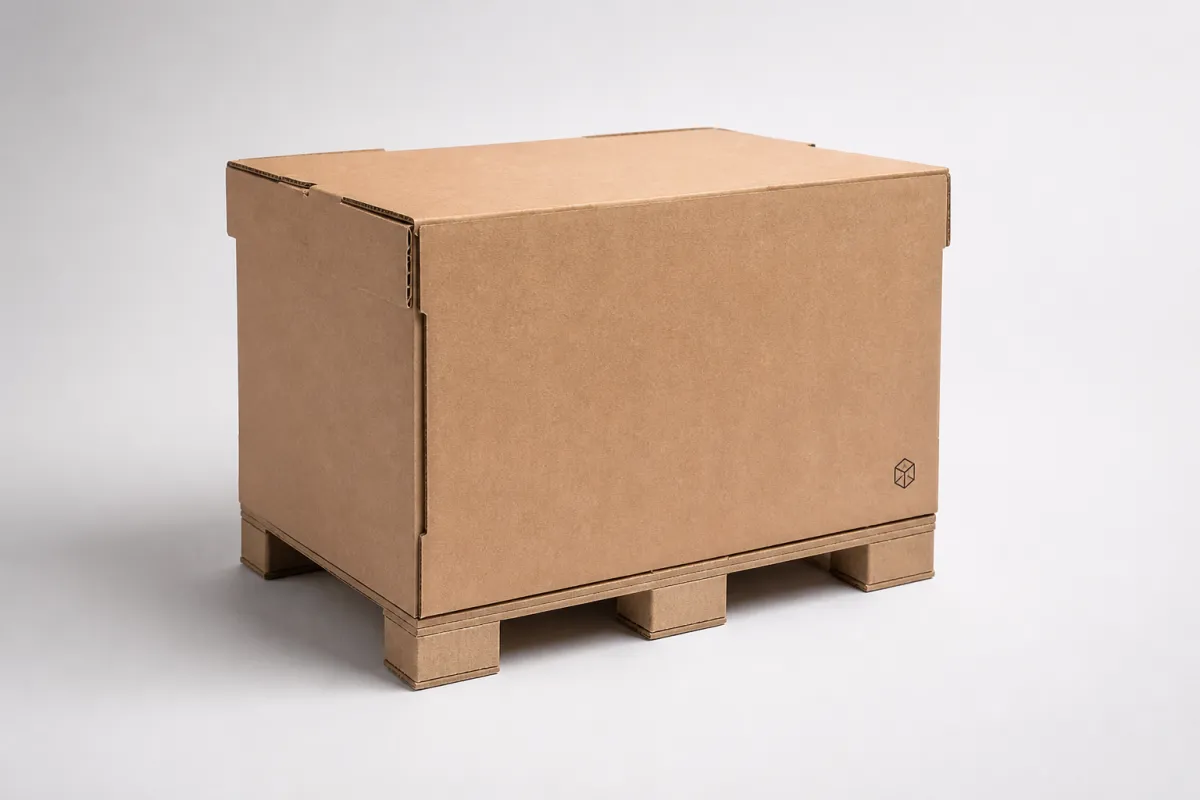
In a lot of warehouses, pallets are packaged as if extra air were part of the cargo. Oversized footprints, loose dunnage, too much timber, and a few layers of “just in case” material add up to real waste. A well-built sustainable pallet boxes quote can trim all of that by matching the box to the product and the pallet format instead of forcing the product to fit a generic crate.
That matters in the real world, not just on a spreadsheet. A right-sized pallet box can cut packaging weight by several pounds per unit, and that starts to matter once the run hits hundreds or thousands of pieces. It also reduces warehouse handling. Fewer void fillers. Fewer loose lids. Fewer hurried repairs with tape and luck. If you have ever watched a pallet get rebuilt in a shipping lane, you know that kind of waste is not theoretical.
In my experience reviewing packaging specs, the waste is rarely in one dramatic mistake. It is usually hiding in the details: a base that is bigger than the freight lane needs, a box that was designed for return use even though the route is one-way, or a panel thickness chosen because it “looked safer” rather than because it was actually required. A thoughtful sustainable pallet boxes quote exposes those mismatches before production starts.
For shipments that are heavy, irregular, or fragile, a pallet box often beats generic corrugate or an overbuilt timber crate. It gives you a tighter load profile, cleaner stacking, and fewer surprises in mixed handling environments where compression, moisture, and rough transfers can quickly turn a weak package into a damage claim.
When buyers ask for a sustainable pallet boxes quote, the useful part is not only the price line. It is the clarity that comes with it. You should be able to see:
- Packaging weight and how it affects total freight cost
- Damage exposure and where reinforcement is actually needed
- Storage efficiency if the box nests or ships flat before use
- Handling speed in warehouse and distribution settings
- Waste output at the end of the shipment or return cycle
If you are comparing options, do not stop at “cheaper per box.” Compare the whole packed shipment. A slightly higher unit price can still win if it cuts claim rates, reduces filler, and takes up less floor space. That is the part people miss when they rush the sustainable pallet boxes quote request and treat the first number as the final answer.
“Send the dimensions, the weight, and the pallet footprint. That is how you get a sustainable pallet boxes quote that actually fits the job.”
If your packaging line already uses Custom Packaging Products, the better move is to match the pallet box to the route instead of forcing the route to tolerate the box. That is the difference between buying a solution and buying a correction.
Sustainable pallet boxes: materials, load ratings, and design options
The word “sustainable” gets tossed around a lot, and honestly, it can get pretty fuzzy if nobody defines it. Most buyers need something more useful than a label. A solid sustainable pallet boxes quote should tell you what the box is made from, how it is built, and what kind of load it can realistically handle. Otherwise, you are buying a story instead of a structure.
The common build options usually fall into a few categories. Recycled corrugated board is the workhorse for one-way shipments and lighter to mid-weight loads. Molded fiber works well for shaped support pieces and inserts. Hybrid designs combine paperboard with wood components or a pallet base when the shipment needs more compression strength. FSC-certified or PEFC-certified components may be available where chain-of-custody matters, but the documentation has to be real, not just mentioned in a sales deck.
Design choices matter just as much as the material itself. Wall thickness, corner reinforcement, lid style, and pallet base fit all affect how the package behaves in transit. A box meant for a one-way export lane does not need the same spec as a reusable unit that will circulate between facilities. Overbuilding for a route that never comes back is just expensive virtue signaling. Underbuilding is worse, because then the sustainability claim gets crushed by breakage and replacement waste.
In practical terms, the buyer should define product dimensions, unit weight, stack height, temperature exposure, and whether the contents are fragile, compressible, or irregular. Those inputs shape the sustainable pallet boxes quote far more than print color or logo placement. If the freight lane includes humidity, long storage, or cross-docking, say so early. Moisture and time can change a box’s behavior faster than people expect.
Printing and labeling should be handled with the same discipline. You may need branding, handling instructions, barcodes, or compliance marks. Fine. Keep the ink coverage sensible. Heavy full-surface printing can increase cost and may interfere with recyclability depending on the substrate and local recovery process. Water-based inks, low-coverage graphics, and crisp labels often do the job without bloating the spec. A useful sustainable pallet boxes quote should make that tradeoff visible instead of pretending every decoration is free.
For reference points on transport performance, see the ISTA test standards. For recycled-material and recovery guidance, the FSC system is a useful benchmark when certified fiber is part of the requirement.
- Recycled corrugated board fits one-way, lower-to-mid load shipments
- Molded fiber works well for inserts, separators, and product restraint
- Hybrid paperboard and wood adds strength without going full crate
- Certified fiber or wood components help with buyer-side sustainability policies
Specifications that affect performance, compliance, and reuse
If you want a useful sustainable pallet boxes quote, stop thinking like a shopper and start thinking like a spec writer. The important numbers are usually the boring ones, and that is exactly why they matter. Internal dimensions, external dimensions, board grade, flute or fiber construction, closure method, and pallet compatibility decide whether the box works or becomes an expensive headache.
Load testing should never be treated like decorative paperwork. Ask for the test basis. Static load tells you how the box behaves when stacked and stored. Dynamic load gives you a better sense of what happens during transport and handling. Stacking performance matters if the shipment sits in a warehouse or rides above other pallets. If a supplier cannot explain those figures in plain language, the sustainable pallet boxes quote is not ready for procurement.
Moisture resistance is another practical issue. Corrugated material can be excellent when the route is dry and short. It can struggle when the shipment sits in damp storage, moves through cold-chain conditions, or gets exposed to condensation during temperature shifts. In those cases, ask about coatings, liner choices, or hybrid reinforcement. That does not mean adding plastic everywhere. It means designing for the environment instead of pretending the warehouse is a clean room.
Compliance documentation matters more than many teams want to admit. Material origin, recyclability claims, hazard labeling, and food-contact limits may all be relevant depending on the product category. If the shipment touches food, pharma, or regulated consumer goods, ask what approvals are available and what the buyer-side paperwork expects. A clean sustainable pallet boxes quote should not force you to chase missing documents after approval.
Reuse expectations also need to be honest. Returnable loops, internal distribution, and retail replenishment are very different from one-time export shipments. A reusable box needs more abrasion resistance, stronger closures, and better dimensional stability. But overbuilding for reuse when the route only sees one or two trips is wasteful. A smarter sustainable pallet boxes quote balances expected use cycles with actual logistics. That is basic economics, not green branding.
Ask these questions before you approve the final spec:
- What are the exact internal and external dimensions?
- What is the static load, dynamic load, and stacking limit?
- Does the closure method support one-way or returnable use?
- Is the material documented for recycled content or certified sourcing?
- Does the design protect against moisture, scuffing, and dust exposure?
When those answers are clear, the sustainable pallet boxes quote becomes useful instead of vague. That is what buyers actually need. Not a speech. A spec they can purchase with confidence.
Sustainable pallet boxes quote: pricing, MOQ, and unit cost
Pricing is where optimism gets tested. A sustainable pallet boxes quote should break down the cost drivers instead of tossing out a single number and hoping nobody asks questions. Material cost is the obvious one, but it is rarely the only one. Tooling or setup, print coverage, pallet base requirements, pack-out labor, and freight from the plant all affect the final landed price.
MOQ changes the economics fast. Smaller runs almost always cost more per unit because setup gets spread across fewer pieces. Higher volumes usually lower the unit cost, but they also demand storage space and a clearer forecast. That is the tradeoff. If a supplier tells you a low MOQ and a low price on a fully custom box, read it twice. One of those numbers is probably optimistic.
Here is a practical way to compare a sustainable pallet boxes quote across formats. Ask for at least two or three volume tiers. That shows you where the cost curve starts to flatten and where the box becomes materially more efficient to buy.
| Option | Best Use | Typical MOQ | Unit Price Range | Typical Lead Time | Notes |
|---|---|---|---|---|---|
| Recycled corrugated pallet box | One-way shipments, moderate loads | 250-1,000 units | $4.50-$9.00 | 10-15 business days | Lower material cost, good for nested or flat-packed delivery |
| Hybrid paperboard and wood structure | Heavier loads, better compression resistance | 250-750 units | $9.00-$18.00 | 12-20 business days | Stronger build, useful when pallet fit and corner support matter |
| Reinforced reusable pallet box | Returnable loops, repeated handling | 100-500 units | $18.00-$45.00 | 15-30 business days | Higher upfront cost, lower replacement waste if the route supports reuse |
Those ranges are directional, not a promise. A heavy print job, special closure, or oversized footprint can shift the number quickly. So can a pallet base that has to match an existing warehouse standard. That is why a strong sustainable pallet boxes quote should show the structure behind the number, not just the number itself.
There are also hidden cost drivers that catch buyers off guard:
- Oversized pallets that increase freight and storage waste
- Inefficient nesting that raises shipping volume before the box is even used
- Extra inserts that look harmless until they add labor to every pack-out
- Rush production that eats margin and shortens approval windows
- Heavy ink coverage that adds cost without improving protection
The smartest purchase teams compare the sustainable pallet boxes quote against the whole landed package, not just the box itself. If the stronger spec reduces claim rates and replaces two other components, it may be the cheaper option in practice. Price only looks simple when you leave out half the variables.
If you are working with a new packaging program, it can help to review the broader Custom Packaging Products lineup first. Sometimes the right answer is a hybrid of pallet box, insert, and label set rather than one oversized structure pretending to do everything.
Sustainable pallet boxes quote: process, timeline, and lead time
A fast sustainable pallet boxes quote is useful only if the spec is right. The process should be simple, but not sloppy. First comes inquiry. Then spec review. Then sample or die-line approval if needed. Then production confirmation. Then freight booking. That is the normal path, and it works when each stage gets enough information the first time.
The quickest quotes usually arrive when the buyer sends dimensions, product weight, quantity, destination, required strength, print needs, and the pallet footprint right away. If the box has to fit an existing pallet size, say that immediately. If the contents need a specific stack height or an export-safe configuration, say that too. A sustainable pallet boxes quote cannot be accurate if the supplier is guessing at the basic geometry.
Lead time is not just a production number. It is a chain of decisions. Quick estimate. Sample turnaround. Artwork signoff. Slot availability. Shipment window. If one step slips, the whole schedule slips. Simple repeat orders can move quickly, while custom structural designs take longer because the box has to be checked for performance and build accuracy. That is normal. It is also why a buyer should ask for a realistic lead time before approving the final spec, not after.
In many cases, a repeat sustainable pallet boxes quote can turn into a very short lead time if the tooling already exists and the material is in stock. Custom work is different. Special board grades, unusual folding patterns, or branded finishes add setup and testing time. If the launch date is fixed, start early enough to absorb at least one sample revision. Paying for emergency production is a great way to make a sustainable program look expensive.
Typical timeline ranges often look like this:
- Initial estimate: same day to 2 business days if the spec is complete
- Sampling or dieline review: 2-7 business days depending on complexity
- Artwork approval: 1-3 business days if files are ready
- Production: 10-20 business days for most custom runs
- Freight booking and dispatch: 1-5 business days based on destination
“The quote was easy. The delays came from missing dimensions and a freight lane nobody had checked.”
That is the story behind a lot of rushed packaging buys. Not the box itself. The missing details. A disciplined sustainable pallet boxes quote process keeps those gaps out of the schedule. If your launch window is fixed, it is better to ask for a staged plan than to force a rushed build and hope the box behaves.
Why choose us for sustainable pallet boxes
Buying packaging is not hard. Buying the right packaging is harder, because the wrong supplier will happily sell you a generic answer and call it custom. We take a different approach. A good sustainable pallet boxes quote should be grounded in the shipment, the route, and the handling environment, not in a prewritten brochure line about eco-friendly materials.
What matters most is measurable performance. Consistent specs. Clear communication. Fast quoting. Material choices that make sense for the load. When we look at a pallet box request, we check whether the design matches the product instead of forcing the product to live inside a box that was built for something else. That sounds obvious. It is also where a lot of failed programs start.
Quality control matters too. Stable sourcing, documented material selection, and repeatable build standards reduce risk. If the supplier cannot keep dimensions consistent, the warehouse pays for it. If the board varies too much, stacking performance changes. If the print shifts from batch to batch, brand handling becomes messy. A reliable sustainable pallet boxes quote should include enough detail that procurement can approve it without chasing clarification on every line.
Service matters as much as structure. Buyers need sample support, artwork checks, production updates, and a real contact who can answer questions without hiding behind jargon. That is why many teams prefer to speak with a supplier who can explain the tradeoffs plainly. If you need that kind of help, Contact Us and send the shipment basics. It saves time on both sides.
There is also a practical side to sustainability that gets ignored in marketing copy. The best solution is the one that ships efficiently, protects the product, and does not create avoidable waste. That can mean recycled corrugate. It can mean a hybrid structure. It can mean a reusable box if the route actually supports reuse. A strong sustainable pallet boxes quote should reflect that reality instead of chasing a label for its own sake.
From a buyer’s point of view, here is what a good supplier reduces:
- Approval risk by giving you complete specs up front
- Production risk by confirming materials and build details clearly
- Freight risk by designing around the actual pallet footprint
- Damage risk by matching load ratings to the route
- Waste risk by avoiding oversized or overbuilt packaging
If you want a partner who can quote the structure, not just the box, our Custom Packaging Products page is a good place to start. A useful sustainable pallet boxes quote should leave you with a purchase plan, not a puzzle.
Next steps to request a sustainable pallet boxes quote
If you are ready to move, make the request specific. The fastest way to get a useful sustainable pallet boxes quote is to send the data that drives the design. Dimensions. Weight. Quantity. Destination. Stacking needs. Print requirements. Target launch date. The more complete the brief, the fewer back-and-forth messages you will need.
Ask for two scenarios if you can. One cost-first version. One stronger or more branded version. That gives procurement a clean comparison without guessing what the tradeoff looks like. Sometimes the stronger option is only a small jump in cost. Sometimes it is not. Either way, the numbers should be visible before anyone signs off on the purchase.
If the product is fragile, high-value, or going into export, request samples before full production. A cheap mistake is still a mistake. It is usually a bigger one, because everyone thinks they saved money until the first damage claim lands. If the route is rough or the product is sensitive to moisture, build that into the sustainable pallet boxes quote instead of hoping a standard spec will behave like a premium one.
Use this checklist before you approve the order:
- Confirm internal and external dimensions
- Verify product weight and stack height
- Check pallet footprint compatibility
- Review print coverage and labeling needs
- Confirm MOQ, unit price, and freight terms
- Lock the lead time and sample approvals
- Document the sustainability claim language
That last point matters more than many teams think. If the box uses recycled content, certified fiber, or a returnable design, the claim should be accurate and supportable. Otherwise it becomes a compliance headache later. A clean sustainable pallet boxes quote protects the budget and the paperwork.
Need a direct next step? Gather the specs, compare two quote scenarios, and request your sustainable pallet boxes quote now. If the shipment matters, do not leave packaging to chance, and do not wing the load data because somebody said the old box “worked fine.”
Frequently Asked Questions
How do I get an accurate sustainable pallet boxes quote?
Send exact internal dimensions, product weight, and the pallet footprint you need to fit. Include order quantity, shipping destination, print requirements, and whether the box must be reusable. Ask for pricing at multiple volume levels so you can see where unit cost drops. A complete sustainable pallet boxes quote is built on complete inputs.
What affects the price of a sustainable pallet boxes quote the most?
Material grade, custom sizing, and reinforcement usually create the biggest cost differences. Print coverage, inserts, and special closures can push pricing up quickly. Freight and rush timelines often matter more than buyers expect. If you want a cleaner sustainable pallet boxes quote, keep the spec tight and avoid unnecessary extras.
What MOQ should I expect for sustainable pallet boxes?
MOQ depends on whether the box is stock-sized or fully custom. Custom tooling or special print usually raises the minimum order requirement. If volume is low, ask for a pilot run or staged release plan. That is often the smartest way to test a sustainable pallet boxes quote without overcommitting inventory.
How long does production take after I approve the quote?
Simple repeat orders usually move faster than custom structural designs. Sampling, artwork approval, and material sourcing can extend the schedule. Ask for a clear lead time estimate before approving the final spec. A realistic sustainable pallet boxes quote should tell you when the boxes ship, not just when the invoice is due.
Are sustainable pallet boxes strong enough for heavy products?
Yes, if the load rating matches the product weight and stacking conditions. Ask for static and dynamic load guidance instead of guessing from photos. Heavier shipments may need hybrid reinforcement or a different closure style. The right sustainable pallet boxes quote will show where the strength comes from, not just claim it exists.