Buyer Fit Snapshot
| Best fit | custom recycled shipping cartons quote for packaging buyers comparing material specs, print proof, MOQ, unit cost, freight, and repeat-order risk where brand print, material, artwork control, and repeat-order consistency matter. |
|---|---|
| Quote inputs | Share finished size, material target, print colors, finish, packing count, annual reorder estimate, and delivery region. |
| Proofing check | Approve dieline scale, logo placement, barcode or warning zones, color tolerance, and any recyclable or compostable wording before bulk production. |
| Main risk | Vague material claims, crowded artwork, or missing packing details can create delays even when the unit price looks attractive. |
Fast answer: Custom Recycled Shipping Cartons Quote: Pricing, Specs should be specified like a repeatable production item. The safest quote includes material, print method, finish, artwork proof, carton packing, and reorder notes in one written spec.
What to confirm before approving the packaging proof
Check the product dimensions against the actual filled item, not only the sales mockup. Ask for tolerance on folds, seals, hang holes, label areas, and retail display edges. If the package carries a logo, QR code, warning copy, or legal claim, reserve that space before decorative graphics fill the panel.
How to compare quotes without losing quality
Compare board or film grade, print process, finish, sampling route, tooling charges, carton quantity, and freight assumptions side by side. A lower quote is only useful if the supplier can repeat the same color, closure quality, and packing count on the next order.
Getting a custom recycled shipping cartons quote should feel practical, not like rolling dice with a packaging budget. A solid custom recycled shipping cartons quote tells you what the carton is made from, how it will be built, and which pieces of the job are actually driving cost. The box itself is rarely the whole expense. Oversized dimensions, heavier board than the product needs, and freight that was never planned into the budget are usually where the money leaks away. When those details are missing, the custom recycled shipping cartons quote is just a number on a page, not a useful buying tool.
That matters for ecommerce brands, subscription kits, replacement parts, and retail replenishment where packaging has to do more than simply exist. A carton that fits properly can cut down on void fill, lower damage rates, and use less space in transit. A slightly higher unit price can still produce a lower total landed cost when the box is designed around the shipment instead of around a generic template. Buyers who compare only the carton price usually discover the rest later, after the invoices, returns, and freight charges start showing up. A good custom recycled shipping cartons quote makes those tradeoffs visible before anyone approves the run.
At Custom Logo Things, the goal stays straightforward. You need a carton that protects the product, supports branded packaging, and keeps fulfillment moving without friction. A useful custom recycled shipping cartons quote should spell out material grade, inside dimensions, print details, MOQ, tooling, freight, and sample cost. Leave those pieces out and the quote starts acting more like a rough estimate with a confident tone. When you are comparing a custom recycled shipping cartons quote from one supplier against another, the details should be clear enough that you are not decoding the process line by line on your own.
The simple version is this: the right carton often pays back through less breakage, less dunnage, and faster packout. Waste hides in plain sight in shipping operations. The people closest to it usually see the problem first because they are the ones paying for the extra steps. I have seen plenty of packaging programs where the “cheap” box ended up costing more because it needed extra inserts, extra tape, and extra labor every single day. A custom recycled shipping cartons quote should be judged on total landed cost, not just the bold number sitting beside the unit price.
The cheapest box on paper is often the most expensive box in the warehouse.
Why a custom recycled shipping cartons quote saves money fast
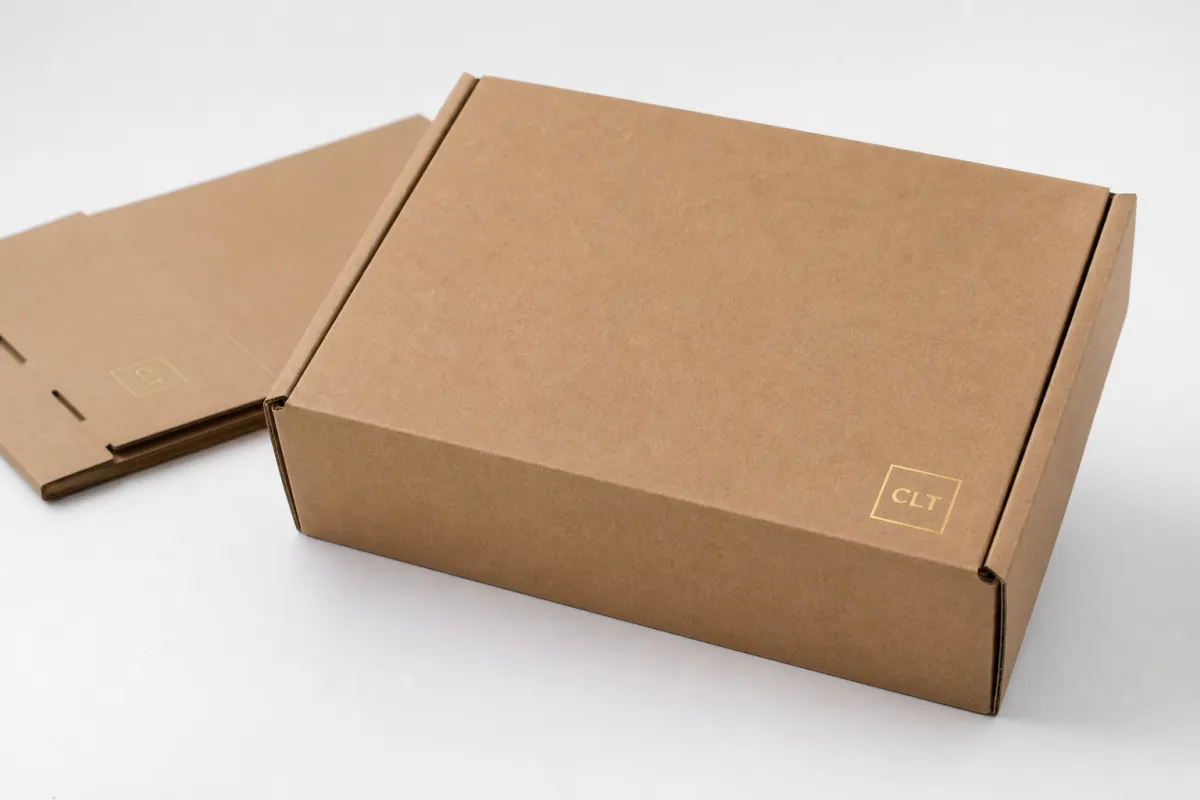
A strong custom recycled shipping cartons quote starts with the shipping system as a whole, not just the price of the board. Recycled cartons are rarely the most expensive line item. The costly part is the carton that is too large, too weak, or awkward to pack. Add extra void fill, higher freight cube, and more damaged shipments, and the bargain box stops looking like a bargain. A custom recycled shipping cartons quote that ties size to the shipping method usually delivers savings the fastest.
Parcel networks show that effect quickly. A carton built to the right inside dimensions can reduce dimensional weight, which matters every time a shipment tips into a higher rate tier. Even an inch too much in height or width can push a package into a worse bracket. That is not a small design miss. It is a margin hit. A careful custom recycled shipping cartons quote should flag that risk before tooling is approved. Small dimensional changes have saved more money than glossy print finishes ever did.
Brands that ship fragile goods, subscription packs, books, cosmetics, consumer electronics, apparel with inserts, replacement parts, and retail replenishment tend to feel the benefit first. When the box does not fit the product well, the carton starts fighting the packing process instead of helping it. A better custom recycled shipping cartons quote should reflect the product, the packing line, and the carrier network together. It should also show whether the current carton size is being kept out of habit rather than necessity.
Useful quote details usually include:
- Material grade and recycled content target
- Exact inside dimensions and flute style
- Print method, ink count, and artwork limits
- MOQ and any setup or tooling charges
- Freight terms and pallet configuration
- Sample or prototype cost
That list sounds basic, yet buyers still receive partial numbers all the time. A custom recycled shipping cartons quote with nothing but a unit price is not enough to make a decision. You need landed Cost, Lead Time, and fit logic in the same view. If the carton requires a die-line revision, print plate, or special board spec, that should be called out before comparison shopping begins. A custom recycled shipping cartons quote that hides those details creates surprises later, and packaging surprises usually cost more than they should.
In practice, a better carton can lower the real cost per order even if the sticker price runs a little higher. Less breakage. Fewer returns. Less wasted space. Faster packout. Those are the quiet gains that many teams miss when they compare recycled shipping cartons one line item at a time. A custom recycled shipping cartons quote should help you see that full picture instead of hiding it behind a neat number. If the quote leaves freight, samples, or pallet counts vague, ask for a revised version before you move forward.
Custom recycled shipping cartons quote: carton styles and materials
The carton style shapes the custom recycled shipping cartons quote more than a lot of buyers expect. A regular slotted container, a mailer-style carton, a die-cut mailer, and a heavy-duty outer shipper all solve different problems. They also use different amounts of board, different tooling, and different labor during production. That is why one “shipping box” quote can look very different from another. A useful custom recycled shipping cartons quote explains the difference instead of compressing it into a single line item.
Regular slotted containers are the reliable workhorse. They are efficient, predictable, and often the best choice for high-volume ecommerce shipping and retail replenishment. Mailer-style cartons bring a cleaner look and can be quicker to assemble. Die-cut mailers make a tighter product fit possible, which helps when branded packaging matters. Heavy-duty outer shippers are the better fit for rough transport, stacked loads, and goods that do not tolerate impact well. If the carton will move through parcel handling and warehouse stacking, the custom recycled shipping cartons quote should show whether single-wall or double-wall construction is the better answer.
Material choice matters just as much. Recycled linerboard can come as kraft recycled liner, mixed-content board, or stronger grades for heavier products. For many brands, a single-wall recycled carton is enough. For fragile products or longer transit routes, double-wall makes more sense. There is no reward for underbuilding a box, and the claims department is rarely impressed by savings that vanished the first time a shipment was damaged. A practical custom recycled shipping cartons quote should match board strength to actual transit risk, not to the cheapest option in the meeting.
Buyers also pay attention to how the carton looks in the customer’s hands or on a shelf. Uncoated kraft gives a natural, honest appearance. A simple one-color print can carry a logo, a product code, or handling marks without pushing cost too hard. More elaborate branded packaging is possible, but the design should earn its keep. If the print does not improve the shipping or unboxing experience, it is decoration with a line item attached. A clean custom recycled shipping cartons quote helps separate useful print from expensive excess.
For sustainability-minded buyers, ask what the board contains, whether the inks and adhesives support recycling, and whether the finished box remains easy to recover after use. If you need formal sourcing language, the recycled fiber and chain-of-custody standards from the Forest Stewardship Council are a useful reference. Packaging teams often cross-check shipping performance against ISTA procedures as well. That is not overthinking it. That is how you avoid ordering a carton that looks good and fails once it starts moving through real distribution conditions. A serious custom recycled shipping cartons quote should give you enough clarity to reference those standards without guessing at the build.
| Carton style | Best use | Typical unit range | What drives cost |
|---|---|---|---|
| Regular slotted container, single-wall | General ecommerce shipping, retail replenishment | $0.70-$1.40 at 5,000 units | Size, board grade, print coverage |
| Mailer-style carton | Subscription packs, branded unboxing, apparel | $1.10-$2.20 at 5,000 units | Die-cut tooling, locking features, print |
| Heavy-duty double-wall shipper | Fragile goods, stacked storage, long-distance transit | $1.60-$3.50 at 5,000 units | Board weight, strength rating, freight cube |
| Die-cut custom mailer | Premium product packaging and tighter fit | $1.25-$2.80 at 5,000 units | Tooling, folds, inserts, print finish |
When a buyer compares a custom recycled shipping cartons quote across these styles, the cheapest option should not be the only question. Ask which carton uses the least board while still protecting the product, which one packs the fastest, and which one creates the fewest return issues. Those answers usually matter more than a small shift in unit price.
Specifications that shape the quote
If the goal is an accurate custom recycled shipping cartons quote, the spec sheet has to be precise. Dimensions are not a rough estimate. They are the foundation. Exact inside dimensions, flute profile, board caliper, and strength requirements all change the price. Even a small change can affect board yield, tooling layout, pallet count, and freight cube. “Close enough” tends to create expensive packaging later. A custom recycled shipping cartons quote without good specs usually includes an assumption hidden somewhere in the math.
Inside dimensions matter because the product should fit without shifting too much, yet still pack fast and close cleanly. A carton that is 2 mm too tight can create problems across hundreds or thousands of units. A carton that is too loose can add void fill and increase return risk. The quote should reflect that middle ground, not a rushed dimension that only works on paper. If the product uses inserts, wraps, or corner protection, include those in the custom recycled shipping cartons quote request so the supplier sizes the box around the whole package, not just the bare item.
Strength data belongs in the custom recycled shipping cartons quote as well. Buyers should ask for ECT, burst strength, stacking needs, and drop-test expectations. For shipping cartons, ECT is often the more useful number because it relates directly to compressive strength in stacking. Burst strength still comes up in procurement conversations, and that can be fine, but the carton has to survive real handling. The spec should match the distribution route, not the marketing presentation. If the carton will sit stacked on pallets for days before it ships, the custom recycled shipping cartons quote should account for compression instead of assuming a single clean trip in a delivery van.
Structural features can move the price quickly. Window cutouts, locking tabs, tear strips, inserts, and specialty folds all add labor and tooling complexity. If the carton needs to present well and feel premium, those details can be worth the cost. If the box is mainly there to move goods safely through fulfillment, a leaner structure usually wins. Buyers sometimes overspend on construction they do not need, then try to claw the budget back by reducing board strength. That approach causes more trouble than it solves. A smarter custom recycled shipping cartons quote balances structure and strength together.
Here is an easy way to think about it: the custom recycled shipping cartons quote should describe the package as a system. Product weight. Transit risk. Storage environment. Pallet load. Carrier type. Change any one of those variables and the carton may need a different construction. That is normal. Packaging design is not about forcing one carton to cover every use case. It is about choosing the box that does the right job at the right cost. A good supplier will ask questions before sending a custom recycled shipping cartons quote, and that usually saves time later rather than adding to it.
Good quote inputs:
- Product dimensions, including any protrusions or protective components
- Product weight and whether the item shifts inside the carton
- Ship method: parcel, LTL, retail replenishment, or mixed
- Target annual volume and first-run MOQ
- Print needs: one-color logo, full coverage, or labeling only
- Performance target: basic shipper, stacked pallet, or fragile-item protection
A clean brief shortens the quoting process and makes the number far more useful. A messy brief produces a quote that looks precise while behaving like a placeholder. If you want a custom recycled shipping cartons quote that can stand next to other bids without confusion, the specs have to be specific enough to survive production. Otherwise the supplier is guessing, and guessing gets expensive once the run starts.
Cost, pricing, MOQ, and what changes unit cost
Pricing for a custom recycled shipping cartons quote usually breaks into a few pieces: board cost, converting, print, tooling, packaging, and freight. Buyers often fixate on the unit price and ignore the rest. That is where trouble starts. A carton can look inexpensive until tooling is added, freight is recalculated, or the order falls below the production sweet spot. Then the “good deal” turns into a budget problem. A clear custom recycled shipping cartons quote should show which costs repeat on every run and which ones appear only once.
MOQ is another place where buyers get caught off guard. Standard sizes can run at lower minimums if the plant already has the die in place. Fully custom die-cut boxes, heavier board, and printed finishes usually push the minimum up. For many recycled shipping cartons, a practical MOQ might sit around 500 to 1,000 units for simpler builds and 1,000 to 3,000+ for more customized structures. That is not a universal rule. It depends on board usage, converting setup, and whether the custom recycled shipping cartons quote includes new tooling or an existing die line. A low MOQ sounds appealing until the per-unit price rises enough to erase the advantage.
Here is a realistic example. A plain recycled shipping carton in a standard size might quote at $0.82 per unit at 5,000 pieces. Add a one-color print and the number may move to $0.92-$1.05. Add a custom die-cut structure and the price may land closer to $1.20-$1.60 before freight. If the carton is oversized, even by a modest amount, freight and dimensional weight can matter more than the carton itself. That is why a custom recycled shipping cartons quote should never be reviewed without looking at parcel rates or pallet optimization at the same time.
Freight can shift the picture quickly. A domestic truckload move may spread cost over enough units that freight feels small. Parcel shipment of samples or short runs is a different story. Bulky cartons are cheaper to make flat, but pallet count, stacking height, and warehouse receiving still affect cost. Buyers should ask whether the custom recycled shipping cartons quote is EXW, FOB, or delivered. If the terms are fuzzy, the landed cost is fuzzy too. Packaging people know exactly why that matters.
Print coverage can move the number more than expected. One-color outside print is efficient. Large flood coverage, multiple colors, special inks, or tight registration requirements add setup time and production complexity. A minimal branded carton can still look polished and stay cost-friendly. A highly printed shipping carton can make sense, but only if the branding supports the product story or the retail experience. A custom recycled shipping cartons quote should tell you whether the artwork is a simple print pass or a more complex production step.
Common cost drivers include:
- Board grade and recycled content percentage
- Size and board yield from the master sheet
- Single-wall versus double-wall construction
- Die-cut tooling and platen setup time
- Print coverage, ink count, and finish requirements
- Shipping terms, pallet density, and destination
For buyers comparing bids, every custom recycled shipping cartons quote should use the same assumptions. Same dimensions. Same board. Same print method. Same freight term. That is the only way the numbers mean anything. If one vendor quotes a standard recycled corrugated box and another quotes a custom die-cut shipper, the comparison is noise.
Example price checkpoints:
| Order profile | Likely price behavior | Best buyer move |
|---|---|---|
| 1,000 units, plain recycled carton | Higher unit cost, lower setup burden | Confirm whether tooling is already available |
| 5,000 units, one-color print | Good balance of price and branding | Lock art size early so plates do not change |
| 10,000+ units, custom die-cut | Lower unit cost if the design is stable | Test the fit before ordering full volume |
| Fragile goods with double-wall board | Higher material cost, lower damage risk | Compare against return-rate savings |
A custom recycled shipping cartons quote should be measured against the real business case, not wishful thinking. If a box saves packing time or cuts breakage, that belongs in the calculation. If it only looks better on paper, the value is thinner than the price suggests. And if a vendor is vague about freight or tooling, the quote is probably not done yet.
Process, timeline, and lead time from quote to delivery
The quoting process should be direct. A supplier gathers the product details, shipping method, print needs, and volume target, then returns a custom recycled shipping cartons quote with clear assumptions. Good suppliers often ask a few uncomfortable questions here, and that is helpful. If the product is heavy, fragile, greasy, oddly shaped, or packed with inserts, the carton needs to be built for that reality. A rushed custom recycled shipping cartons quote usually gets revised later, which wastes more time than the questions ever did.
Once the brief is in hand, the next step is usually a structural layout or dieline. That stage matters because one small fold change can alter pack speed and board usage. After the layout is approved, a sample or prototype follows. For simple recycled shipping cartons, a plain sample can turn quickly. For Custom Printed Cartons, proof approval and sample signoff take longer. A realistic custom recycled shipping cartons quote should identify where the process can pause and where it can keep moving.
Typical timelines vary by complexity:
- Simple stock-size recycled carton: often 7-12 business days after approval
- Custom size with light print: often 12-18 business days
- Die-cut mailer or specialty structure: often 15-25 business days
- Rush runs: possible, but usually with a cost premium
Those ranges depend on supplier capacity, freight distance, and whether the artwork is final. If the art file is not ready, the custom recycled shipping cartons quote cannot move to production in a meaningful way. Proofing is not a checkbox. It is the moment when a missing logo safe area or a barcode placed too close to a fold gets caught before a full batch is wasted. A good custom recycled shipping cartons quote should include at least one proof cycle and note the charge for extra revisions.
Quality control should be part of the plan, not a last-minute surprise. Ask whether the supplier checks board grade, print accuracy, folding integrity, and glue placement before shipment. For cartons carrying retail goods or fragile items, ask for drop-test or compression-test references tied to ISTA methods. A custom recycled shipping cartons quote that leaves testing out of the picture may still look acceptable, but it leaves the buyer carrying more risk than necessary.
Delivery planning goes beyond production time. Pallet configuration, warehouse receiving hours, and storage space all affect how smoothly the order lands. A carton that arrives too early can crowd the dock. A carton that arrives too late can stop fulfillment. The best custom recycled shipping cartons quote includes transit time, pallet count, and whether cartons ship flat or pre-assembled. That gives your team a real plan for receiving and storing the order without scrambling at the last minute.
Before approving the run, ask for a final check on these items:
- Artwork proof matches the approved dieline
- Inside dimensions fit the product plus any inserts
- Board grade and flute are the same as quoted
- MOQ and overrun allowance are documented
- Freight term and destination are confirmed
- Production lead time is written, not implied
A custom recycled shipping cartons quote is most valuable when the process is visible from the first brief through final delivery. If the supplier cannot explain the sequence, they probably do not control it very well either. Packaging buyers do not need drama. They need cartons that arrive on time, fit correctly, and survive the route.
Why choose us for a custom recycled shipping cartons quote
For Custom Logo Things, the value is not in promising more than packaging can deliver. It is in giving a custom recycled shipping cartons quote that actually helps you buy the right carton. That means clear sizing, straightforward material options, realistic timelines, and no mystery charges hiding in freight or tooling. A buyer should not have to read the quote like it is a tax form.
We focus on practical build decisions. If a recycled carton can be made lighter without hurting performance, that matters. If a double-wall shipper is the better choice for a fragile product, that matters too. A useful custom recycled shipping cartons quote should explain those tradeoffs in plain language. Not polished jargon. Plain language. Buyers usually know more than vendors assume, and they can spot hand-waving quickly.
We also keep the branding side honest. A logo is useful. A carton covered in print that does nothing for protection, fulfillment speed, or shelf appeal is harder to justify. The best custom recycled shipping cartons quote usually sits in the middle: enough branding to support the product, enough restraint to keep the box economical, and enough structure to protect what is inside.
Another reason buyers choose us is the discipline behind the quote. We prefer to show assumptions openly: board type, print count, MOQ, freight term, and sample charge. That makes the custom recycled shipping cartons quote easier to compare against other bids. If two suppliers are quoting different things, the numbers should not be treated as identical just because both say “custom carton.”
There is also a practical service advantage. Buyers often need a quick second look when the product changes or the pack line shifts. A reliable custom recycled shipping cartons quote process should make revisions manageable, not painful. Carton projects tend to move in stages, and a supplier who understands that will save you time later. That is the part people forget until the revision request shows up on a Friday afternoon.
In short, Custom Logo Things is built for buyers who want a custom recycled shipping cartons quote that is specific, fair, and usable. Not a sales pitch. A buying tool.
Next steps after your custom recycled shipping cartons quote
Once you have the custom recycled shipping cartons quote, do not approve it on instinct alone. Compare it against the way the product actually ships. Does the carton reduce void fill? Does it fit the pack line without slowing people down? Does it keep freight cube under control? If the answer is yes, the quote may be stronger than a cheaper-looking alternative. A good custom recycled shipping cartons quote should make those answers easier to see, not harder.
Start with a side-by-side review of the specs. Match inside dimensions, board grade, print method, and freight term. Then ask for a sample if the packaging is new or the product is fragile. A sample catches the annoying stuff: tight folds, loose fit, poor score lines, or awkward closure. Catching that before production is far cheaper than discovering it after the run. If the supplier resists samples, that is worth paying attention to. A serious custom recycled shipping cartons quote should support sample validation without turning it into a battle.
If you are buying for multiple SKUs, group them by size and transit risk. Not every product needs a different carton. Sometimes a small family of box sizes covers the range cleanly. That cuts tooling costs and makes warehouse receiving easier. A thoughtful custom recycled shipping cartons quote can support a box family instead of one-off sizes that clutter the operation. Fewer SKUs usually means fewer headaches. That pattern keeps showing up for a reason.
Use this checklist before placing the order:
- Confirm final product dimensions and weight
- Check whether the box is designed for parcel, freight, or retail replenishment
- Review print placement and barcode clear zones
- Verify board strength against stacking and transit needs
- Confirm sample approval before production starts
- Get freight, pallet count, and delivery window in writing
If you are still comparing offers, ask every supplier to quote the same assumptions. Same carton size. Same board. Same print. Same quantity. That is the only way a custom recycled shipping cartons quote becomes a clean decision instead of a pile of mismatched numbers. Once the comparison is clean, the strongest value usually becomes obvious very quickly. And if it does not, the specs probably still need one more pass.
Frequently Asked Questions
How detailed should a custom recycled shipping cartons quote be?
Detailed enough to remove guesswork. It should show inside dimensions, board grade, flute, print method, MOQ, tooling, freight terms, sample Cost, and Lead Time. If a custom recycled shipping cartons quote only gives you a unit price, it is incomplete.
What recycled board options are common?
Most buyers choose kraft recycled liner, mixed-content recycled board, or higher-strength corrugated options for heavier goods. The right choice depends on product weight, stacking, and shipping route. A good custom recycled shipping cartons quote should explain why one board grade is better than another.
Can I get a low MOQ on custom cartons?
Sometimes, yes. Simpler structures and standard sizes often allow lower minimums, while die-cut or heavily printed cartons usually need higher volume to stay efficient. For a custom recycled shipping cartons quote, ask whether the MOQ is tied to tooling, board usage, or print setup.
How do I know if the carton is strong enough?
Ask for ECT, burst strength, and if needed, testing references aligned with ISTA methods. The carton should match the shipping route, not just the product weight on paper. A custom recycled shipping cartons quote that references testing is more trustworthy than one that only says “strong.”
What usually changes unit cost the most?
Size, board grade, print coverage, structural complexity, and order volume. Freight can matter just as much as the carton itself, especially if the box is bulky. A custom recycled shipping cartons quote should make those cost drivers visible before you approve the run.
Done well, a custom recycled shipping cartons quote gives you more than a price. It gives you a decision framework for sizing, strength, print, freight, and production timing. That is the real value. Not the number by itself. The number, the assumptions, and the fit to your shipment all need to line up, or the quote is only paperwork with a cleaner font. The best next move is simple: send exact internal dimensions, product weight, ship method, target MOQ, print count, and freight term in the first request so the quote can be compared on equal ground.

