Buyer conversations about tamper evident plastic bags packaging cost breakdown usually start the same way: the bag looks simple, but the quote comes back higher than a standard poly bag and everyone wants a reason that fits on one line. There usually is one. A tamper-evident bag must do more than hold product; it has to show visible evidence if someone opens, interferes with, or tries to reseal it. That changes the film, the closure, the converting process, and the level of inspection needed before shipment.
For many packaging programs, that extra spend is justified. You are paying for visible security, better chain-of-custody confidence, and fewer claims when retail, pharmacy, food service, or e-commerce shipments arrive with signs of tampering. A standard poly bag can be inexpensive and perfectly adequate for containment. It is not designed to carry the same risk profile.
The difference is rarely just decoration. A logo or warning panel can add cost, but the bigger jump usually comes from the closure system, the tolerance control needed to keep it functional, and the amount of process discipline required during conversion. That is where the quote starts moving.
Why tamper-evident bags cost more than standard poly bags
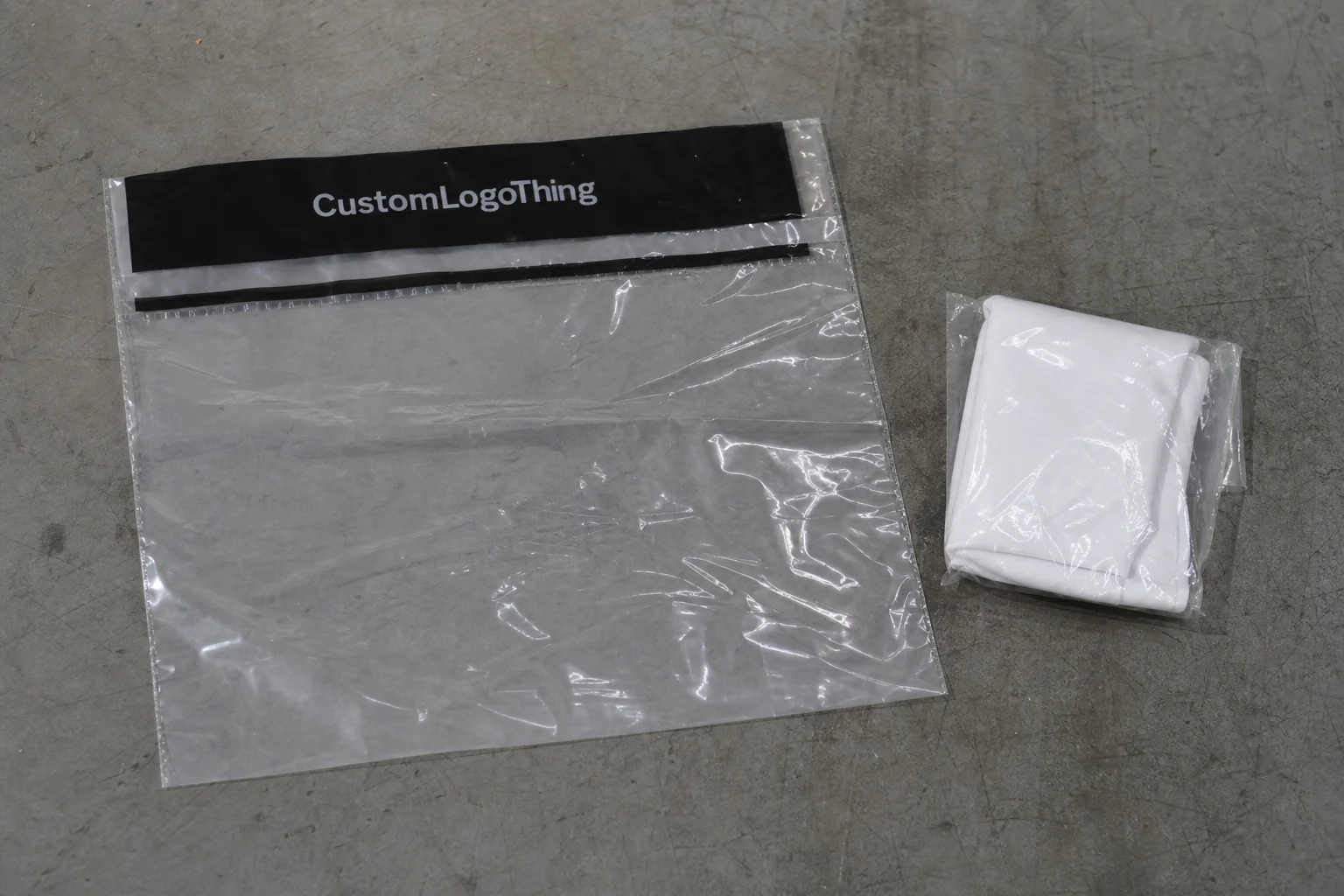
A standard poly bag is built for containment. A tamper-evident bag is built for containment and evidence. That second job changes the pricing structure immediately. Once a bag has to show a clear sign of opening, the design usually needs stronger seal areas, tear-open features, pressure-sensitive closures, or printed indicators that reveal interference. None of those are free, and some add more complexity than buyers expect.
The added function affects more than the closure. It often means tighter dimensional tolerances, more careful slit consistency, and more controlled sealing steps. A bag used for documents, pharmaceuticals, sample kits, or retail items cannot behave like a loose commodity sleeve. It has to close reliably, stay closed through handling, and then fail in a visible way if someone opens it incorrectly.
There is a tradeoff in the numbers. Buyers accept a higher unit cost to reduce the chance of product interference, lower claims from opened shipments, and improve confidence in what reaches the end user. That is often a sensible spend, especially in regulated or high-theft categories.
“The cheapest bag is not the cheapest package if it fails in transit or creates a security claim later.”
For some programs, the price increase comes from functionality more than from decoration. A one-color logo on a simple bag is usually not the expensive part. The cost climbs when the film is upgraded, the closure is specialized, and the manufacturer has to hold a tighter process window during conversion.
Product construction and security features that affect performance
Tamper-evident bags are built from different material structures depending on the application. LDPE is common for flexible, clear, general-purpose use. HDPE can be chosen for stiffness and a crisper feel. CPP may be used where clarity or seal performance matters. Co-extruded films and laminated structures appear when the bag needs multiple layers of performance, such as strength on one side and better printability or barrier properties on the other.
Security features matter just as much as film choice. A tamper-evident closure may use a permanent adhesive strip, a void message, or a seal system that visibly changes if reopened. Some bags rely on serialized seals or numbered panels for tracking. Others use heat-seal bands, perforated tear strips, or closure zones that cannot be restored once opened.
Those details sound small, but they affect both performance and cost. A wider closure band uses more material. Reinforcement patches can improve durability, but they add conversion steps. Gussets increase capacity, yet they also complicate folding, sealing, and print alignment. Even warning panels deserve attention because they must stay readable and sit where the end user can see them quickly.
Print method matters too. Flexographic printing is common for repeat production and moderate to high volume. Rotogravure supports high-quality, long-run work when the tooling investment makes sense. Digital proofing is useful for confirming artwork, color placement, and text before full production, even if the final run uses a different method. For branded packaging, these choices affect appearance and price in equal measure.
One practical point many buyers overlook: a bag that needs security print, logos, and warning language is really a piece of product packaging, not just a shipping pouch. That means the package has to balance usability, compliance, and brand clarity at the same time.
Specifications buyers should lock before requesting a quote
The cleanest quotes come from clean specs. Before requesting pricing, lock down the bag dimensions, film thickness, closure type, print colors, bag style, and how the finished product should be packed for shipment. If those points are vague, the quote will either be padded for safety or revised later, and both create friction.
Size matters more than people expect. A few millimeters can change resin usage, seal performance, and carton efficiency. If the bag must fit a specific kit, document set, or retail item, the internal dimensions need to be accurate, not approximate. Oversizing wastes material and shipping space. Undersizing causes fit problems and complaints.
Film thickness should also be stated clearly. Buyers often use mils or microns interchangeably, but suppliers need one standard reference point. The wrong thickness can affect puncture resistance, stiffness, print quality, and the feel of the closure area. In security packaging, a film that is too thin can compromise confidence, while a film that is too heavy can raise cost without solving the actual handling problem.
Common specification fields that affect price
- Overall dimensions and usable internal space
- Film thickness, often specified in mils or microns
- Closure type such as adhesive strip, heat seal, or tear-open security band
- Print colors and coverage area
- Bag format, including flat, gusseted, or header-style builds
- Packaging format for master cartons or inner packs
Optional features can increase the quote, but they can also solve real operational problems. Sequential numbering helps with tracking. Barcodes speed scanning. Custom warning text supports handling instructions. Hang holes make some retail applications easier. Anti-static or opaque film may be needed when visibility or electrostatic control matters.
Compliance should be discussed early, not after artwork is approved. Food-contact use, medical-use limitations, child-resistance claims, or retailer-specific security expectations can change both structure and documentation. For buyers comparing custom printed boxes to flexible packaging, the same rule applies: if the use case is regulated, get the requirement in writing before the supplier prices the job.
If you are still shaping the broader packaging program, our Custom Packaging Products page is a useful place to compare related formats and see how the bag fits into the rest of the packaging mix.
Tamper evident plastic bags packaging cost breakdown: what drives unit cost
Tamper evident plastic bags packaging cost breakdown becomes easier to read when you separate the quote into its manufacturing inputs. The headline price is usually built from film, printing, tooling, conversion labor, waste, and shipment packaging. Buyers who compare only the final number often miss where the money is actually going.
Here is the basic structure most pricing teams are balancing:
| Cost element | What it covers | Typical impact on price |
|---|---|---|
| Film or resin | LDPE, HDPE, CPP, co-extruded, or laminated material | Moderate to high depending on thickness and structure |
| Printing setup | Plates, cylinders, proofing, artwork prep | Higher on short runs, lower on repeat orders |
| Security features | Void labels, tear strips, serialized closure zones | Moderate to high based on complexity |
| Conversion labor | Slitting, sealing, folding, inspection, packing | Steady, but rises with tighter tolerances |
| Waste and yield loss | Startup waste, trim loss, rejected pieces | More visible on small MOQ runs |
| Outbound packing | Cartons, inner packs, palletization, labeling | Usually modest, but not zero |
MOQ changes the math quickly. If setup costs are spread over 5,000 pieces, the unit price looks very different than a run of 50,000. That is why a small custom order can seem expensive per bag even when the material itself is reasonable. The press setup, sealing setup, and inspection time do not shrink just because the order is smaller.
There are some useful pricing patterns buyers can watch. Clear film is often less expensive than specialty opaque film. One-color print is simpler than multi-color work. A stock size usually costs less than a custom size because the converting equipment can run more efficiently. A standard seal is easier to produce than a serialized or security-enhanced closure that needs additional handling.
Material thickness matters in a way that is easy to underestimate. Moving from a lighter film to a heavier gauge can improve puncture resistance, but resin consumption rises directly. On a large run, that difference can be meaningful. On a smaller run, the tooling and labor often outweigh the resin change, which is why buyers sometimes overfocus on film cost and miss the bigger setup burden.
Buyers should also watch for hidden variables. Freight can move the landed cost more than expected, especially if the bags are bulky and carton efficiency is poor. Sample approval cycles add time and can add cost if artwork keeps changing. Rush fees are common when the timeline is compressed. Secondary packing requirements, such as retail-ready cartons or protected inner packs, also add to the total.
For reference, a simple custom security bag at a moderate run size may land in a modest price band, while a thicker, multi-color, serialized version can be materially higher. The exact number depends on dimensions, print coverage, closure style, and quality requirements, so any honest quote should explain the assumptions behind the price rather than hiding them. If the supplier will not break out setup, material, and freight, the number is hard to trust.
Quality-control costs deserve a mention too. A supplier that checks seal integrity, print registration, panel placement, and closure adhesion before shipment will usually charge more than a shop that packs and moves. That difference can be worth paying for. A bad lot of security bags creates labor on the receiving side, and that cost is not always visible in the quote.
MOQ, quoting, and lead time expectations for custom production
MOQ is usually tied to the way the bag is made. If the build uses stock tooling, standard film widths, and limited print colors, the minimum order can be relatively accessible. If it requires a fully custom format, specialized security printing, or serialized components, the MOQ tends to rise because the setup work is heavier.
A good quote request saves everyone time. The supplier should receive the bag dimensions, quantity, closure type, print colors, artwork file format, delivery destination, and any compliance notes. If the buyer also shares intended use, the supplier can often suggest a better construction or flag a spec issue before production starts.
What a realistic schedule often looks like
- Artwork review and specification check
- Proof preparation, often digital first
- Approval of layout and production details
- Material procurement or allocation of stock film
- Conversion run including sealing and printing
- Inspection and packing for shipment
For first-time custom orders, lead time often stretches because artwork is still being refined and specs are still being locked. Repeat orders usually move faster since the file, layout, and bag construction are already approved. In many cases, repeat production can be planned much more cleanly than a first run.
As a practical range, simple repeat jobs can often be scheduled in a few weeks once materials are available, while more complex custom runs may take longer because of proofing, tooling, and inspection steps. That timing can shift with seasonality, film availability, and how many approval cycles the buyer needs. Short lead times are useful only if the bag is right.
A slightly longer approval cycle is cheaper than reworking an entire run because the closure position, print panel, or tear feature was not reviewed carefully. In security packaging, speed that skips review usually costs more later.
Production steps from proof approval to final shipment
The production path is usually more orderly than buyers expect. It starts with specification review, moves into prepress or plate preparation, then a sample or digital proof, and only after approval does the full production run begin. That sequence matters because tamper-evident packaging has to work physically, not just look correct on a screen.
Quality checks should focus on the features that make the bag useful. Seal strength has to be consistent. Tear performance has to behave the same from bag to bag. Print registration needs to stay in line, especially if warning panels sit close to the closure. Closure alignment matters because a shifted strip can look sloppy and function poorly. Pouch consistency matters because buyers need predictable fit and easy handling on the line.
Good inspection also looks at defects that are easy to miss in photos. Weak adhesive laydown, curled edges, partial seals, pinholes, and ink smearing can all reduce the value of the bag without changing how it looks in a sample image. That is why buyers should ask how the supplier inspects, not just whether they inspect.
Packaging the finished bags for shipment is not a minor step. Cartons should protect printed surfaces, closure zones, and serialized inventory. If the bags are packed too loosely, edges can curl or print can rub. If they are packed too tightly, the stack may deform before the buyer even opens the carton. Good secondary packing saves time later.
First-time orders should also include approval checkpoints. That is not bureaucracy; it is risk control. A clear signoff on copy, layout, dimensions, and security feature placement keeps the production team from guessing. In packaging, guessing is expensive.
For buyers who also manage broader package branding, consistency across the rest of the line matters. A security bag should feel like part of the same system as labels, cartons, and inserts, even if the materials are different.
How to compare suppliers on value, consistency, and service
The lowest quote is not always the best value. Buyers often focus on unit price and ignore what happens if the order has a defect, a late shipment, or a closure failure. A cheap bag that creates rework is never cheap for long.
Compare suppliers on material consistency, converting tolerances, proofing support, and repeatability. Ask whether the film grade stays consistent from run to run. Ask how they handle print registration. Ask what inspection steps they use before shipment. Clear answers usually tell you more than a long sales pitch.
Transparent communication matters too. If the supplier can explain the assumptions behind the quote, the timeline, and the reorder path, that is a good sign. A partner who can align security requirements, artwork, and budget without overcomplicating the order is usually easier to work with over time.
It also helps to look at defect handling. Does the supplier offer replacement terms if the bag fails to meet agreed specs? Do they keep retained samples or production records? Can they match a repeat order without shifting the closure placement or print tone? Those details rarely appear on a first quote, yet they affect long-term cost more than a small unit-price difference.
If your program includes broader sourcing needs, compare the bag quote against the rest of your Custom Packaging Products lineup. That makes it easier to see whether the bag is being priced as a standalone item or as part of a larger packaging system.
For environmental or shipping-related concerns, buyers sometimes ask about recycled content, recyclability, or freight efficiency. Those topics should be discussed carefully and honestly, because not every structure is suitable for every sustainability claim. If you need independent guidance on materials and waste handling, the EPA and the Packaging Machinery Manufacturers Institute both provide useful reference points on packaging and material practices.
Next steps to request an accurate quote and avoid rework
If you want an accurate price, gather the basics before you ask for a quote: dimensions, target quantity, closure type, print needs, and any compliance notes. Add artwork files if you have them, or at least a simple layout sketch that shows logo placement, warning copy, and print areas. That gives the supplier something real to price against.
It also helps to ask for a few options side by side. A standard version, an upgraded print version, and a security-enhanced version can reveal where the extra cost truly sits. That comparison is often more useful than a single number, especially if you are balancing budget against security and presentation.
For first orders, confirm the full tamper evident plastic bags packaging cost breakdown before approval. Make sure material, print, tooling, freight, samples, and packing are all visible. A clean breakdown protects your budget, reduces back-and-forth, and keeps production moving without surprises.
If your team is building a broader sourcing plan, the best results usually come from treating these bags as part of the complete product packaging strategy, not as an isolated line item. That mindset leads to better specs, better quotes, and fewer reworks later.
What affects tamper evident plastic bags packaging cost the most?
Film type, bag size, seal design, print complexity, and order quantity usually have the biggest impact on cost. Custom sizes and specialty security features raise setup and conversion requirements, which can increase unit price.
Is there a low MOQ for custom tamper-evident bags?
MOQ depends on the construction, printing method, and whether standard tooling can be used. Simpler stock-style builds usually have lower MOQs than fully custom, multi-color, or serialized versions.
How long does custom production usually take?
Lead time depends on proof approval, material availability, and production complexity. Repeat orders are typically faster than first-time custom runs because artwork and specs are already approved.
What details should I send for an accurate quote?
Include bag dimensions, quantity, film thickness preference, closure type, print colors, and any special security features. Artwork files and shipping location help the supplier calculate both production and freight more accurately.
How do I know if I’m paying too much for tamper-evident bags?
Compare unit cost alongside setup fees, sample costs, freight, and expected defect risk. A fair quote should clearly separate material, printing, tooling, and shipping so you can judge value, not just the headline number.


